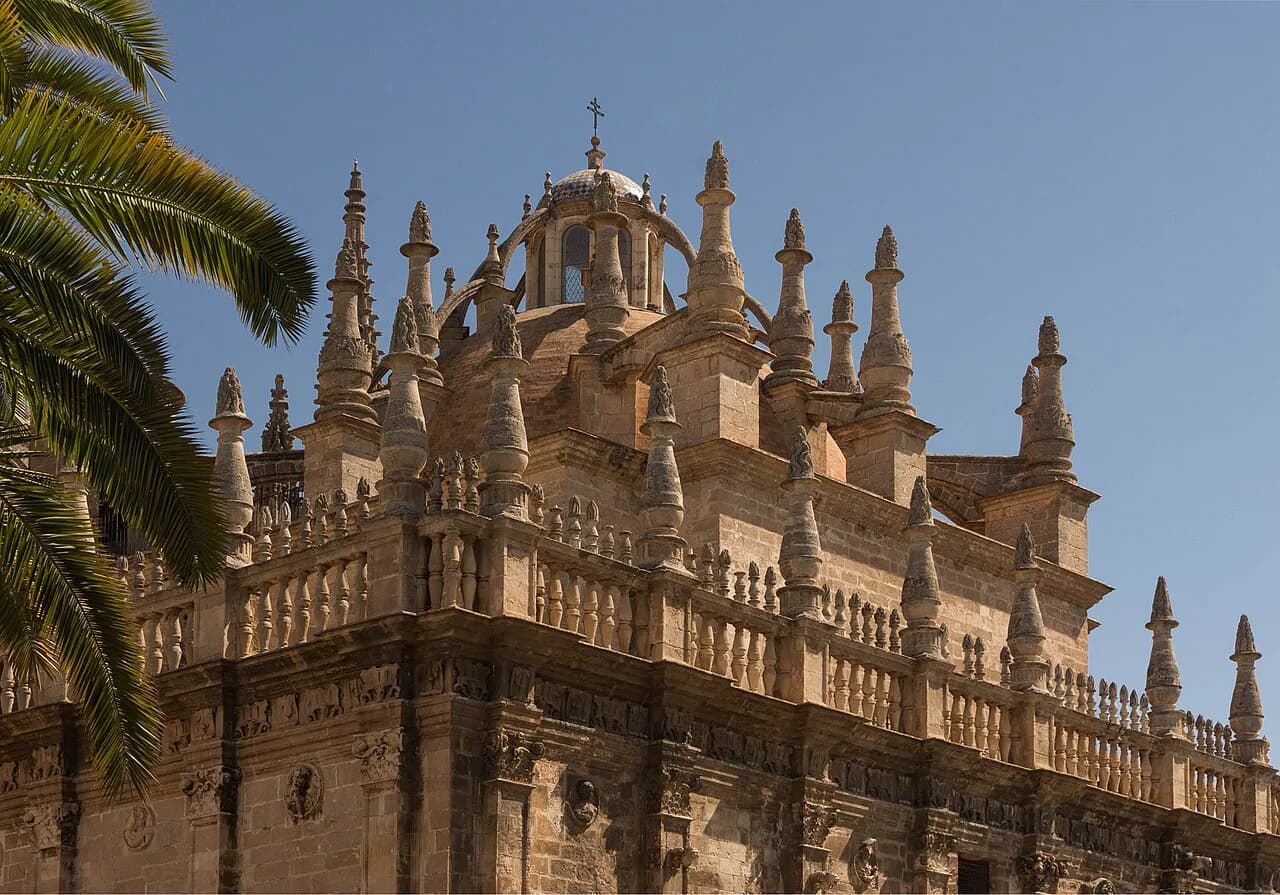
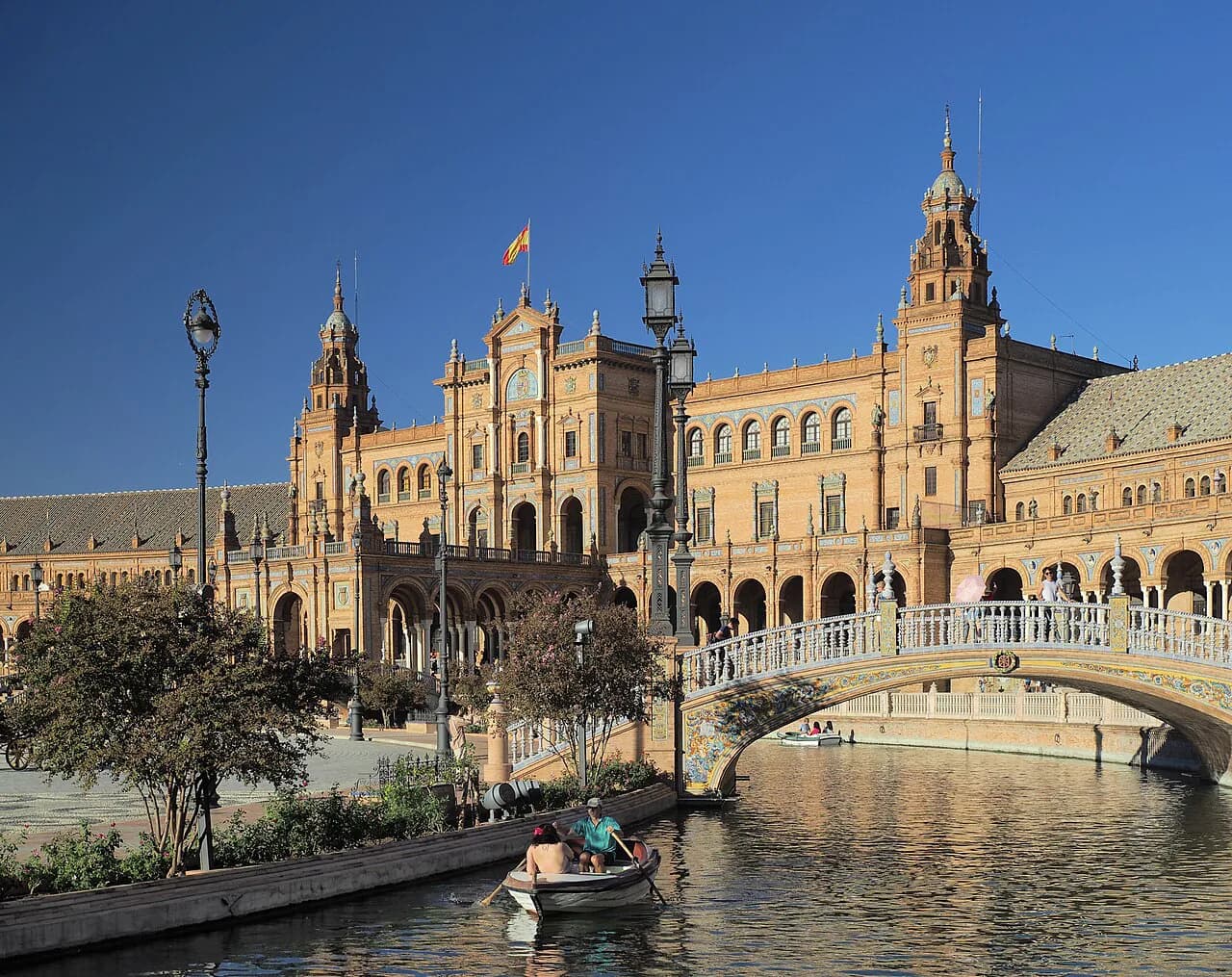
Where Is Warm in Europe in April? 40 Places Compared
April warmth in Europe means the Canary Islands, Cyprus and southern Turkey, with Greece, Malta and southern Spain a step behind. Here is how each compares.
On this page
The reliably warm places in Europe in April are the Canary Islands, Cyprus and the Turkish Riviera, where average daytime highs sit around 22–24°C (72–75°F) and rain is rare. Greece, Malta and southern Spain come next: pleasant for walking and sightseeing, but cooler, showery in patches and nowhere near beach weather.
The catch is the evenings and the sea. Nowhere on this list offers hot April days, night-time lows of 16°C (61°F) are the exception rather than the rule, and the Mediterranean is still cold everywhere. If you want guaranteed heat, hold back for May or June; if you want the best odds of sun without the crowds, April rewards choosing a destination rather than a country.
The Short List
Four destinations stand apart in April: Lanzarote and Fuerteventura for the driest, most dependable sunshine in Europe; Cyprus for the sunniest days of any Mediterranean island; Antalya and the Turkish Aegean for warm afternoons; and the south coast of Tenerife and Gran Canaria for the mildest nights. Greece, Malta and Andalusia belong to a second tier — good enough for a walking or city trip, not for lying on a lounger all day.
| Destination | Average high | Average low | Sunshine | Rain days | Source |
|---|---|---|---|---|---|
| Lanzarote | 23.5 °C (74 °F) | 15.7 °C (60 °F) | 255 h | 1.3 | AEMET, 1981-2010 |
| Seville | 23.4 °C (74 °F) | 11.1 °C (52 °F) | 238 h | 6.1 | AEMET, 1981-2010 |
| Tenerife (south) | 23.1 °C (74 °F) | 16 °C (61 °F) | 219 h | 1.1 | AEMET, 1981-2010 |
| Larnaca | 23 °C (73 °F) | 12.1 °C (54 °F) | 274 h | – | WMO normals, 1991-2020 |
| Fuerteventura | 22.9 °C (73 °F) | 16 °C (61 °F) | 242 h | 1 | AEMET, 1981-2010 |
| Gran Canaria | 22.6 °C (73 °F) | 16.2 °C (61 °F) | 228 h | 1.3 | AEMET, 1981-2010 |
| Paphos | 21.8 °C (71 °F) | 11.9 °C (53 °F) | 278 h | – | WMO normals, 1991-2020 |
| Antalya | 21.8 °C (71 °F) | 11.3 °C (52 °F) | 7.7 h/day | 8.43 | MGM, 1991-2020 |
| Bodrum | 21.7 °C (71 °F) | 13.1 °C (56 °F) | 232 h | 5 | WMO normals, 1991-2020 |
| Sicily (Catania) | 21.4 °C (71 °F) | 8.7 °C (48 °F) | – | 4.78 | WMO normals, 1991-2020 |
| Málaga | 21.4 °C (71 °F) | 11.1 °C (52 °F) | 244 h | 4.5 | AEMET, 1981-2010 |
| Madeira (Funchal) | 21 °C (70 °F) | 14.9 °C (59 °F) | – | 4.7 | IPMA, 1991-2020 |
| Valencia | 20.8 °C (69 °F) | 11.5 °C (53 °F) | 234 h | 4.8 | AEMET, 1981-2010 |
| Algarve (Faro) | 20.7 °C (69 °F) | 12.4 °C (54 °F) | – | 5.3 | IPMA, 1991-2020 |
| Lisbon | 20.4 °C (69 °F) | 12.3 °C (54 °F) | – | 7.9 | IPMA, 1991-2020 |
| Crete (Heraklion) | 20.3 °C (69 °F) | 12.3 °C (54 °F) | – | 7.7 | HNMS, 1991-2020 (temperatures) |
| Athens | 20.2 °C (68 °F) | 11.8 °C (53 °F) | – | 9.7 | HNMS, 1991-2020 (temperatures) |
| Rhodes | 20 °C (68 °F) | 14.2 °C (58 °F) | – | 7.6 | HNMS, 1991-2020 (temperatures) |
| Tuscany (Florence) | 20 °C (68 °F) | 8.1 °C (46 °F) | – | 8.66 | WMO normals, 1991-2020 |
| Sardinia (Cagliari) | 19.9 °C (68 °F) | 9.7 °C (49 °F) | – | 6.49 | WMO normals, 1991-2020 |
| Amalfi Coast (Capri station) | 19.8 °C (68 °F) | 12.1 °C (54 °F) | – | 5.7 | WMO normals, 1991-2020 |
| Mallorca | 19.8 °C (68 °F) | 7.4 °C (45 °F) | 234 h | 4.8 | AEMET, 1981-2010 |
| Ibiza | 19.7 °C (67 °F) | 11.4 °C (53 °F) | 246 h | 4.1 | AEMET, 1981-2010 |
| Thessaloniki | 19.3 °C (67 °F) | 8.8 °C (48 °F) | – | 11.2 | HNMS, 1991-2020 (temperatures) |
| Kos | 19.2 °C (67 °F) | 12.9 °C (55 °F) | – | – | HNMS, 1991-2020 (temperatures) |
| Kefalonia (Argostoli) | 19.2 °C (67 °F) | 11.2 °C (52 °F) | – | 9.5 | HNMS, 1991-2020 (temperatures) |
| Malta (Luqa) | 19.1 °C (66 °F) | 11.9 °C (53 °F) | – | 6.4 | WMO, 1961-1990 |
| Corfu | 19 °C (66 °F) | 9.2 °C (49 °F) | – | 12.9 | WMO, not stated by source |
| Santorini | 18.9 °C (66 °F) | 13.3 °C (56 °F) | – | – | HNMS, 1991-2020 (temperatures) |
| Rome | 18.8 °C (66 °F) | 8.6 °C (48 °F) | 209 h | 8.11 | WMO normals, 1991-2020 |
| Palermo | 18.7 °C (66 °F) | 11.4 °C (53 °F) | – | 8.6 | WMO, 1971-2000 |
| Lake Garda (Verona) | 18.6 °C (66 °F) | 7.6 °C (46 °F) | 186 h | 8.56 | WMO normals, 1991-2020 |
| Menorca | 18 °C (64 °F) | 10.6 °C (51 °F) | 222 h | 6 | AEMET, 1981-2010 |
| Barcelona | 18 °C (64 °F) | 9.4 °C (49 °F) | 228 h | 5.1 | AEMET, 1981-2010 |
| Cinque Terre (Sarzana-Luni) | 18 °C (64 °F) | 9.2 °C (49 °F) | – | 7.17 | WMO normals, 1991-2020 |
| Bologna | 17.7 °C (64 °F) | 7.4 °C (45 °F) | – | 8.2 | WMO, 1971-2000 |
| Nice | 17.4 °C (63 °F) | 10.8 °C (51 °F) | 229 h | 6.4 | Météo-France, 1991-2020 |
| Lake Como (Milan Malpensa) | 17 °C (63 °F) | 5.9 °C (43 °F) | – | 7.64 | WMO normals, 1991-2020 |
| Dubrovnik | 16.9 °C (62 °F) | 10.9 °C (52 °F) | – | 11.2 | WMO, not stated by source |
| Cappadocia (Nevşehir) | 16.3 °C (61 °F) | 5.2 °C (41 °F) | 6.8 h/day | 11.33 | MGM, 1991-2020 |
Long-term averages (climate normals) from national weather services or WMO normals; periods differ by source and are shown per row. Rain days count days with at least 1 mm where the source states a threshold. Averages describe a typical month, not a forecast.
Everything north of that tier is spring, not summer. Rome, Florence, Nice, Dubrovnik and the Italian lakes give you comfortable sightseeing weather with a real chance of rain, and the Alpine foothills can still be cold. Book them for the cities, not for the climate.
The April Temperature Map
Lanzarote is the benchmark: an average April daytime high of 23.5°C (74°F) and a night-time low of 15.7°C (60°F), with just 1.3 rain days in the month and 255 hours of sunshine. Fuerteventura, Gran Canaria and Tenerife sit within about a degree and a half of it. Those nights are the real story — around 16°C after dark is comfortable for eating outside, and it is the single biggest advantage the Canaries hold over mainland Europe in April.
Cyprus is warmer by day and sunnier still: Larnaca averages 23°C (73°F) and Paphos 21.8°C (71°F), with roughly 274–278 hours of sunshine across the month. April rainfall is light at both, about 16 mm at Larnaca and 15 mm at Paphos in the month, so a wet day is the exception. Neither is hot in the way July is, and the west coast carries a steady breeze off the sea.
The Canary Islands: Warmest and Driest, Not Hot
The Canaries are the safest April bet in Europe. Lanzarote, Fuerteventura, Gran Canaria and Tenerife all average daytime highs of 22.6–23.5°C (73–74°F) and night-time lows of 15.7–16.2°C (60–61°F), with at most 1.3 rain days in the month and often none. That is weather for walking the volcanic interior in the morning, eating lunch outside, and not needing a jacket after sunset.
The trade-off is wind. Fuerteventura and Lanzarote in particular are breezy islands, and an April afternoon on the sheltered east coast is a very different experience from an exposed western shore. If your plan is to sit outside for long stretches, pick your coast with that in mind and treat the inland viewpoints, such as the Timanfaya lava fields on Lanzarote or the dunes at Corralejo, as morning stops.
Cyprus: The Sunniest April in Europe
No other Mediterranean destination in April delivers as much sunshine. Larnaca logs around 274 hours across the month and Paphos around 278, which works out at close to nine hours a day. That is the reason to choose Cyprus in April: not heat, but near-guaranteed bright skies for the ruins at Kourion, the Troodos villages and the Paphos mosaics.
Nights are mild — 11.9°C (53°F) in Paphos, 12.1°C (54°F) in Larnaca — so an evening outdoors on the Paphos seafront needs a layer, not a coat. The west coast is windier than the east, which matters if your plan centres on long lunches on a terrace; Larnaca and the southeast are calmer.
Greece in April
Greece in April is warm enough to walk, not to swim. Crete averages 20.3°C (69°F) by day at Heraklion and 12.3°C (54°F) at night, with about 28.5 mm of rain spread over roughly eight days. Rhodes is slightly warmer at night, Kos and Kefalonia hover near 19°C (66°F), and Santorini's 18.9°C (66°F) comes with a stiff breeze on the caldera side. The mainland is cooler still: Athens averages 20.2°C (68°F), Thessaloniki 19.3°C (67°F).
The practical consequence is that April is archaeology and hiking month, not beach month. It is the best window for the Palace of Knossos and the Lasithi plateau before the heat arrives, for the Samaria Gorge once it is open, and for Rhodes's walled old town without the summer crush. Corfu is wetter and cooler, with roughly 67 mm of rain over thirteen days, so treat the Ionian as a green, showery choice rather than a sunny one.
Malta and Sicily: The Central Mediterranean Compromise
Malta sits between the tiers. Luqa averages 19.1°C (66°F) by day and 11.9°C (53°F) at night in April, with 22.5 mm of rain across about six days — a shade cooler than Cyprus but drier than most of Greece. It suits a week of Valletta, Mdina and the megalithic temples, with afternoons warm enough for a harbour-side table and evenings that still need a jacket.
Sicily splits in two. Palermo on the north coast averages 18.7°C (66°F) and takes 65 mm of rain over nearly nine days, while Catania on the east side averages 21.4°C (71°F) with around 30 mm. For April, base yourself in the east — Syracuse, Taormina and the Etna slopes — and keep the west for later in the season. Sardinia's Cagliari is similar at 19.9°C (68°F).
Spain and Portugal Compared
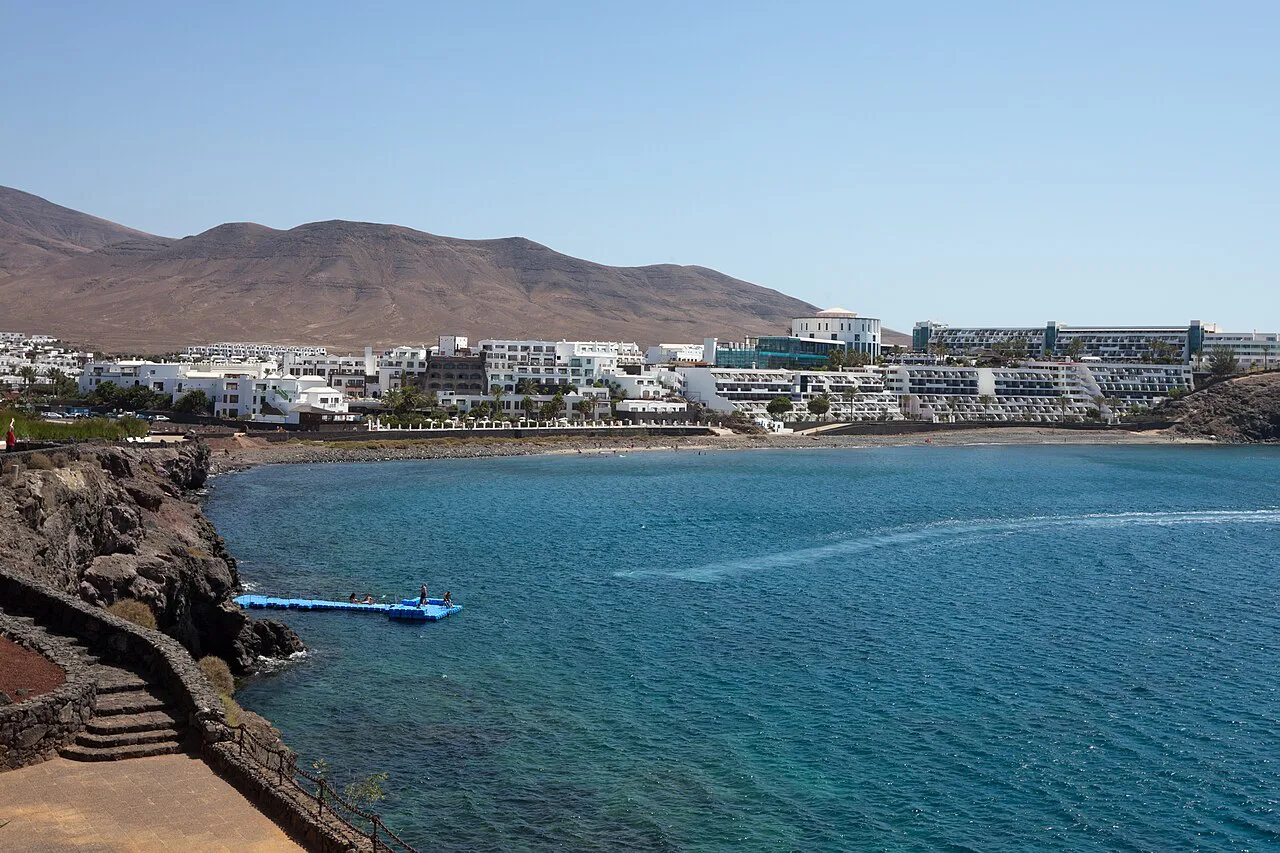
Andalusia is the warmest corner of mainland Spain in April. Seville averages 23.4°C (74°F) by day, Málaga 21.4°C (71°F), but the nights are cool: 11.1°C (52°F) in both. Seville also takes 54 mm of rain over six days, so it is warmer and wetter than most lists suggest. The reward is the Alcázar, the Judería and the Sierra de Grazalema walks before the heat builds.
The Balearics run a step behind Andalusia. Palma de Mallorca averages 19.8°C (68°F) by day in April and 7.4°C (45°F) at night, with 234 hours of sunshine and about five rain days; Ibiza is as warm by day at 19.7°C (67°F) with milder nights of 11.4°C (53°F), and Menorca is the coolest of the three at 18.0°C (64°F). That is ideal weather for walking the Serra de Tramuntana or cycling the island lanes, and the resorts only really wake up towards the end of the month.
Portugal's Algarve is the most dependable option on the Iberian Peninsula: Faro averages 20.7°C (69°F) and 12.4°C (55°F), with 39 mm of rain over five days. Lisbon is cooler and considerably wetter at 71.8 mm, and Madeira stays mild rather than warm at 21°C (70°F). Further east, Valencia reaches 20.8°C (69°F) and Barcelona only 18°C (64°F), which is why Catalonia feels like a city break in April rather than a sun trip.
Turkey's Aegean and Mediterranean Coast
Turkey offers the warmest reliable afternoons outside Cyprus. Antalya averages 21.8°C (71°F) by day and 11.3°C (52°F) at night, with about 63 mm of rain in the month; Bodrum on the Aegean is similar by day at 21.7°C (71°F) and noticeably milder at night at 13.1°C (56°F). That makes Bodrum the better base for evenings outdoors, and Antalya the better one for a mix of coast and mountains.
Inland is a different trip altogether. Cappadocia averages just 16.3°C (61°F) by day in April, with 5.2°C nights and 11.3 rain days, which is fine for walking the valleys in the afternoon but cold at dawn for balloon flights. The Aegean coast and the interior do not belong in the same itinerary if warmth is the goal.
Where April Is Still Cool
Rome averages 18.8°C (66°F) by day and 8.6°C (47°F) at night in April, with 74 mm of rain over eight days — beautiful for the Forum and the Palatine, brisk after dark. Florence is similar at 20°C (68°F) with 67 mm, and Tuscany's hill towns are cooler still in the evening. These are sightseeing destinations in April, and excellent ones, but they are not warm-weather escapes. For an April shortlist built around sights rather than sunshine, see the best places to visit in Europe in April, and Europe weather in April covers the north as well.
The northern Mediterranean is cooler again. Nice averages 17.4°C (63°F) with 69 mm of rain, Dubrovnik 16.9°C (62°F) with 91 mm over eleven days, and the Italian lakes sit around 18.7°C at Verona and 17°C at Milan, with rain on seven to nine days in the month. Bologna, the Cinque Terre and Lake Como all fall into the same bracket: green, pleasant, unreliable.
Early vs Late April
The last ten days of April are meaningfully better than the first. Days lengthen, the chance of a wet spell drops, and the sea begins its slow recovery from winter — though nowhere in the Mediterranean or the Canaries is genuinely warm for swimming in April, so plan on pools, walks and boat trips rather than long swims. Late April also brings the first beach clubs and seasonal restaurants back into service on the islands and the Spanish costas.
Early April is best treated as a city or walking trip. Easter and the UK school holidays fall in this window in most years, which pushes flight and accommodation prices up in exactly the places — the Canaries, Cyprus, Malta, Crete — where the weather is most dependable. If your dates are fixed and your budget is tight, early April in Seville or Athens will stretch further than Lanzarote.
Rain and Wind Patterns
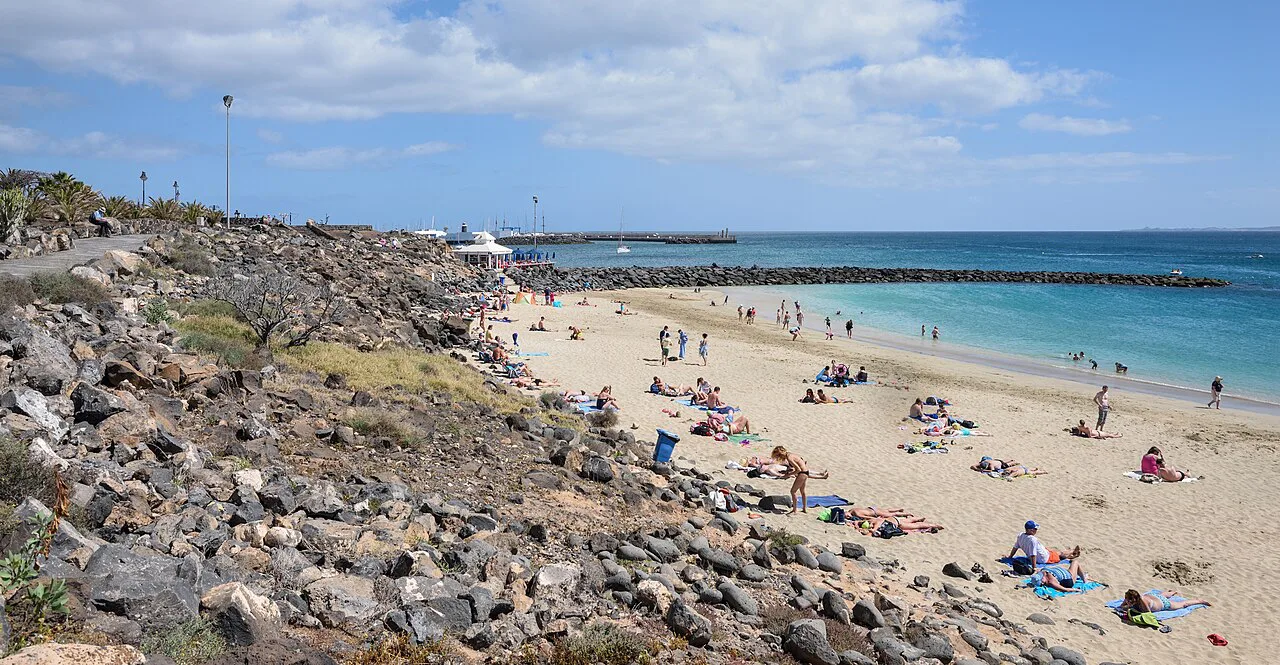
April rain is not evenly spread. Fuerteventura averages one rain day, Lanzarote 1.3, Tenerife 1.1 and Gran Canaria 1.3; Cyprus gets its rain in a handful of sharp showers; Crete takes around eight days, and Kefalonia and Corfu closer to ten to thirteen. How many wet days you can expect decides whether your trip is a walking holiday or a reading holiday.
Wind is the variable most lists ignore. The Canaries' exposed coasts, Cyprus's west coast around Paphos, and the Cyclades — Santorini in particular — can be blustery enough to make a terrace uncomfortable even on a sunny afternoon. Choosing the sheltered side of an island, or the east coast over the west, is the single easiest way to improve an April trip.
Crowds and Prices
April is shoulder season, which means cheaper flights and easier restaurant tables than July and August — but the Easter period and the UK school holidays are the exception, and the warmest destinations fill first. The Canaries, Cyprus and Malta see the biggest spike in that window. Malta in particular is busy over the public holidays, and Valletta's accommodation tightens accordingly.
From the last week of April, prices climb steadily towards May half term. If you can travel in the third week of April rather than the first, you usually get better weather and a quieter island for the same money. Mallorca is a good example: April is still pre-season, with many beach clubs and resort restaurants running reduced hours until the season opens properly.
April or May?
May beats April almost everywhere for warmth. Seville jumps from 23.4°C to 27.2°C, Antalya from 21.8°C to 26.4°C, Lanzarote from 23.5°C to 24.6°C, and Gran Canaria from 22.6°C to 23.6°C while losing most of its remaining rain. If your priority is lying by a pool in comfort, May is the better month by a clear margin.
April wins on crowds, cost and walking conditions. Crete, the Algarve and Andalusia are at their best for hiking and ruins before the heat and the summer crowds arrive, and the light is superb. The sensible rule: April for cities, trails and archaeology; May for coast and beaches; June for guaranteed heat, when Larnaca reaches 30.6°C and Antalya 31.6°C. For the month after, our guide to where is warm in Europe in May compares the same destinations, and where is warm in Europe in June covers early summer.
The Verdict
For guaranteed warmth in April, go to the Canary Islands or Cyprus. The Canaries give the mildest nights and the least rain; Cyprus gives the most sunshine and the warmest days. Both are safe choices for a family trip where the weather has to behave.
For warmth with character, choose Crete, Rhodes, Andalusia or the Turkish Aegean — all warm enough for long days outside, all with rain and cool evenings that need planning. For cities and walks, April is the best month of the year in Rome, Florence, Athens and the Croatian coast, provided you accept spring showers as part of the deal.
Plan Your April Trip
Choose your destination by the job you want April to do: sunbathing, sightseeing or walking. The Canaries and Cyprus do sunbathing; Andalusia, Sicily and the Turkish coast do both; Greece, Italy and Croatia do sightseeing superbly and sunbathing badly.
Before booking anything that depends on a specific opening — a ferry, a gorge walk, a seasonal restaurant — check the operator's own page, and for entry requirements use the UK government's official travel advice for the country you choose.
More Europe spring guides
- Best City Breaks in April
- Best City Breaks in May
- Best Places to Visit in Europe in April
- Best Places to Visit in Europe in June
- Best Places to Visit in Europe in May
- Best Time to Visit the Mediterranean
- Europe Weather in April
- Europe Weather in May
- Warm Places in Europe in Spring
- Where Is Warm in Europe in June? 12 Destinations Compared
- Where Is Warm in Europe in May? 10 Destinations Compared
- Algarve in April
- Amalfi Coast in April
- Bologna in April
- Canary Islands in April
- Cappadocia in April
- Cinque Terre in April
- Corfu in April
- Crete in April
- Gran Canaria in April
- Greece in April
- Ibiza in April
- Kefalonia in April
- Kos in April
- Lake Como in April
- Lake Garda in April
- Lanzarote in April
- Mallorca in April
- Malta in April
- Menorca in April
- Málaga in April
- Paphos in April
- Rhodes in April
- Santorini in April
- Sardinia in April
- Sicily in April
- Spain in April
- Thessaloniki in April
- Tuscany in April
Frequently Asked Questions
Where is the warmest place in Europe in April?
Larnaca in Cyprus and Lanzarote in the Canary Islands are the warmest reliable choices, both averaging around 23°C (73–74°F) by day. Cyprus is sunnier, with roughly 274 hours of sunshine across the month, while Lanzarote has fewer rain days and milder nights at about 16°C (60°F).
Is Greece warm in April?
Greece is pleasant rather than hot in April. Crete averages about 20°C (69°F) by day and 12°C (54°F) at night, Rhodes is similar, and the mainland around Athens is slightly cooler. It is excellent weather for archaeological sites and walking, but not for swimming, and you should expect a few showery days.
How hot is Spain in April?
Andalusia is the warmest part of mainland Spain, with Seville averaging 23.4°C (74°F) and Málaga 21.4°C (71°F) by day. Nights are much cooler at around 11°C (52°F), so evenings need a jacket. Valencia reaches about 21°C (69°F), while Barcelona is cooler at 18°C (64°F) and wetter.
Where is hot in April close to the UK?
The Canary Islands are the shortest reliable hop from the UK for April warmth, with four-hour flights and daytime highs of 22–24°C (72–75°F). The Algarve is the next best option on the mainland at around 21°C (69°F), with far less rain than Lisbon or northern Spain.
Are the Canary Islands warm in April?
Yes, in a mild rather than hot way. Lanzarote, Fuerteventura, Gran Canaria and Tenerife all average daytime highs of 22.6–23.5°C (73–74°F) and night-time lows of about 16°C (60°F), with very little rain. Wind on the exposed coasts is the main drawback, so choose a sheltered side of the island.
Is Cyprus warm in April?
Cyprus is the sunniest Mediterranean destination in April, with close to nine hours of sunshine a day. Larnaca averages 23°C (73°F) and Paphos 21.8°C (71°F), with rain limited to around 15 mm across the month. The west coast around Paphos is breezier than the southeast.
Is April a good time to visit the Mediterranean?
It is a very good time for sightseeing, walking and city trips, and a poor one for swimming, because the sea is still cold everywhere. Rain varies widely: Fuerteventura has about one rain day, Crete around eight, and Dubrovnik eleven. Late April is warmer and drier than early April.
Where in Europe can you sunbathe in April?
Realistically, only in the Canary Islands, Cyprus and the Turkish Riviera, and even there the air is mild rather than hot and the wind can cut a siesta short. Greece, Malta and southern Spain are pleasant for sitting outside in the afternoon but not dependable for a full day in the sun.
Sources
- Mallorca climate normals (AEMET, Palma de Mallorca Airport (AEMET B278))
- Málaga climate normals (AEMET, Malaga Airport (AEMET 6155A))
- Gran Canaria climate normals (AEMET, Gran Canaria Airport (AEMET C649I))
- Tenerife climate normals (AEMET, Tenerife South Airport (AEMET C429I))
- Fuerteventura climate normals (AEMET, Fuerteventura Airport (AEMET C249I))
- Seville climate normals (AEMET, Seville Airport (AEMET 5783))
- Greek climate normals (HNMS)
- Corfu climate normals (WMO World Weather Information Service, Kerkyra / Corfu (HNMS))
- Sicily climate normals (WMO Climate Normals 1991-2020, Catania Sigonella (WMO 16459))
- Palermo climate normals (WMO World Weather Information Service, Palermo (Aeronautica Militare))
- Sardinia climate normals (WMO Climate Normals 1991-2020, Cagliari Elmas (WMO 16560))
- Tuscany climate normals (WMO Climate Normals 1991-2020, Firenze Peretola (WMO 16170))
- Cinque Terre climate normals (WMO Climate Normals 1991-2020, Sarzana Luni, near La Spezia (WMO 16125))
- Rome climate normals (WMO Climate Normals 1991-2020, Roma Ciampino (WMO 16239))
- Malta climate normals (WMO World Weather Information Service, Luqa (Malta Meteorological Office))
- Algarve climate normals (IPMA, Faro Airport (IPMA station 554))
- Lisbon climate normals (IPMA, Lisboa / Instituto Geofisico (IPMA station 535))
- Madeira climate normals (IPMA, Funchal / Observatorio (IPMA station 522))
- Paphos climate normals (WMO Climate Normals 1991-2020, Paphos Airport (WMO 17600))
- Larnaca climate normals (WMO Climate Normals 1991-2020, Larnaca Airport (WMO 17609))
- Cappadocia climate normals (MGM, Nevsehir (MGM))
- Antalya climate normals (MGM, Antalya regional station (MGM))
- Dalaman climate normals (WMO Climate Normals 1991-2020, Bodrum (WMO 17290))
- Nice climate normals (Meteo-France, Nice Cote d'Azur Airport (Meteo-France 06088001))
- Valencia climate normals (AEMET, Valencia city (AEMET 8416))
- Dubrovnik climate normals (WMO World Weather Information Service, Dubrovnik (DHMZ))
Spring sun notes
Optional updates when we add destinations and months.
You might also like

Continue reading
More guides you'll find useful