Algarve in April: How Warm It Really Is and What's Open
April in the Algarve brings 20.7°C highs, 12.4°C nights and about five rain days. Warm enough for walks and sightseeing, but the sea is still cold for most.
On this page
April is warm enough in the Algarve for coastal walks, cliff-top viewpoints, long lunches outside and unhurried sightseeing, but not for swimming for most people. The region's Faro coast averages 20.7°C (69°F) by day and 12.4°C (54°F) at night across the month, with roughly five rain days, so you get spring sunshine with genuinely cool evenings rather than a beach holiday in miniature.
That mix suits couples and solo travellers who want the Seven Hanging Valleys Trail, the caves around Benagil and the hill towns without summer heat or queues. Families with small children who need warm sea and pool weather should look at June instead, and anyone chasing guaranteed sunbathing should head further south. If you are still choosing a region, our guide to where is warm in Europe in April puts the Algarve against Crete, Cyprus and the Canaries.
Weather in April
The IPMA 1991-2020 normals for Faro Airport, the reference station for the Algarve coast, give an average daily maximum of 20.7°C (69°F) and an average daily minimum of 12.4°C (54°F) for April, with 39.0 mm of rain spread over 5.3 rain days. Treat those as typical conditions rather than a forecast: individual Aprils swing several degrees either side, and a single wet spell can deliver a chunk of the month's rain in a day.
Sunshine is generous but broken: expect bright mornings, a build-up of cloud through some afternoons and the occasional overcast day rather than the cloudless skies of July. The pattern that matters most is the evening drop, because 12.4°C at night means a terrace dinner at nine o'clock needs a jacket even after a 22°C afternoon.
The coast is not one climate. The western Atlantic edge around Sagres and Cape St Vincent catches more wind and feels cooler than the sheltered southern coast between Faro and Albufeira, while inland Monchique in the hills is cooler and wetter again. If you want the mildest days for sitting outside, base yourself on the leeward south coast and treat the west as a day trip.
Is it warm enough?
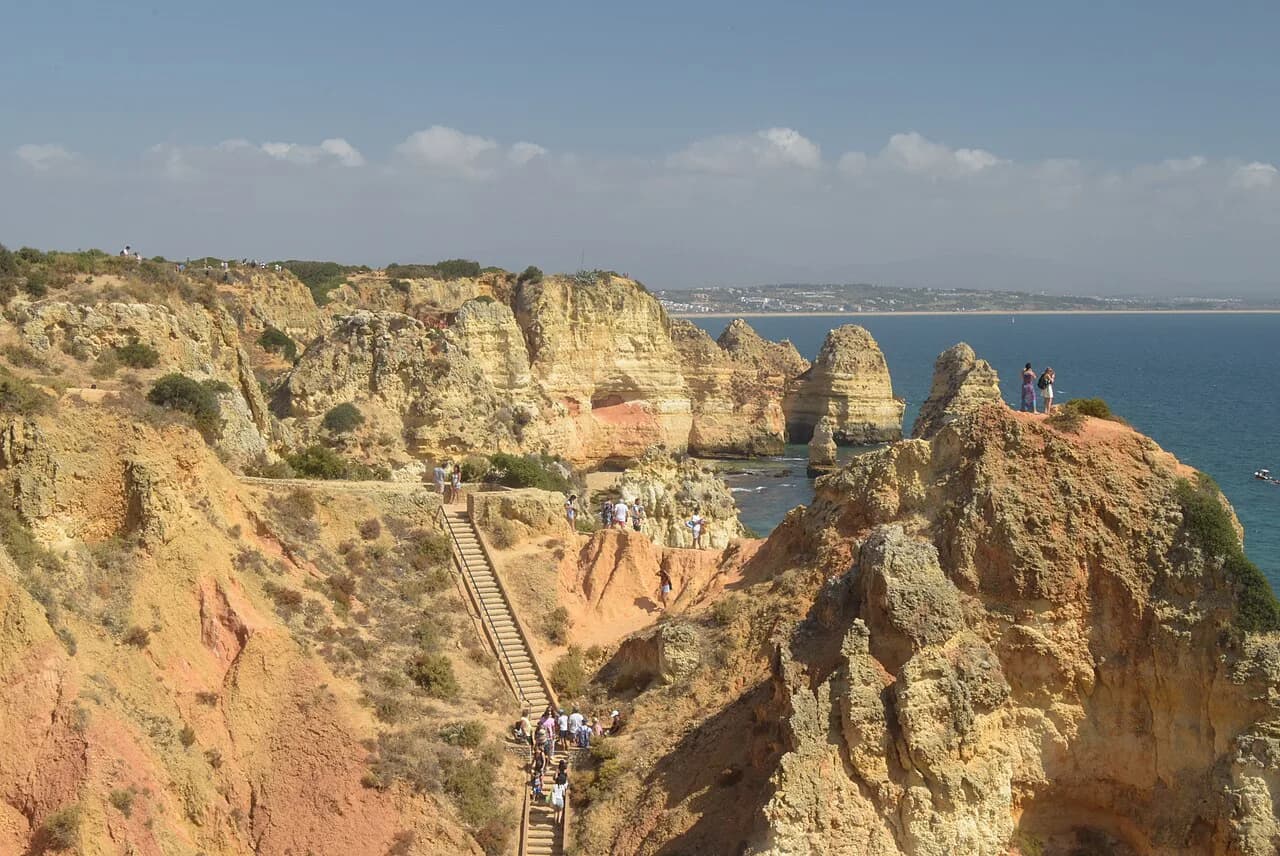
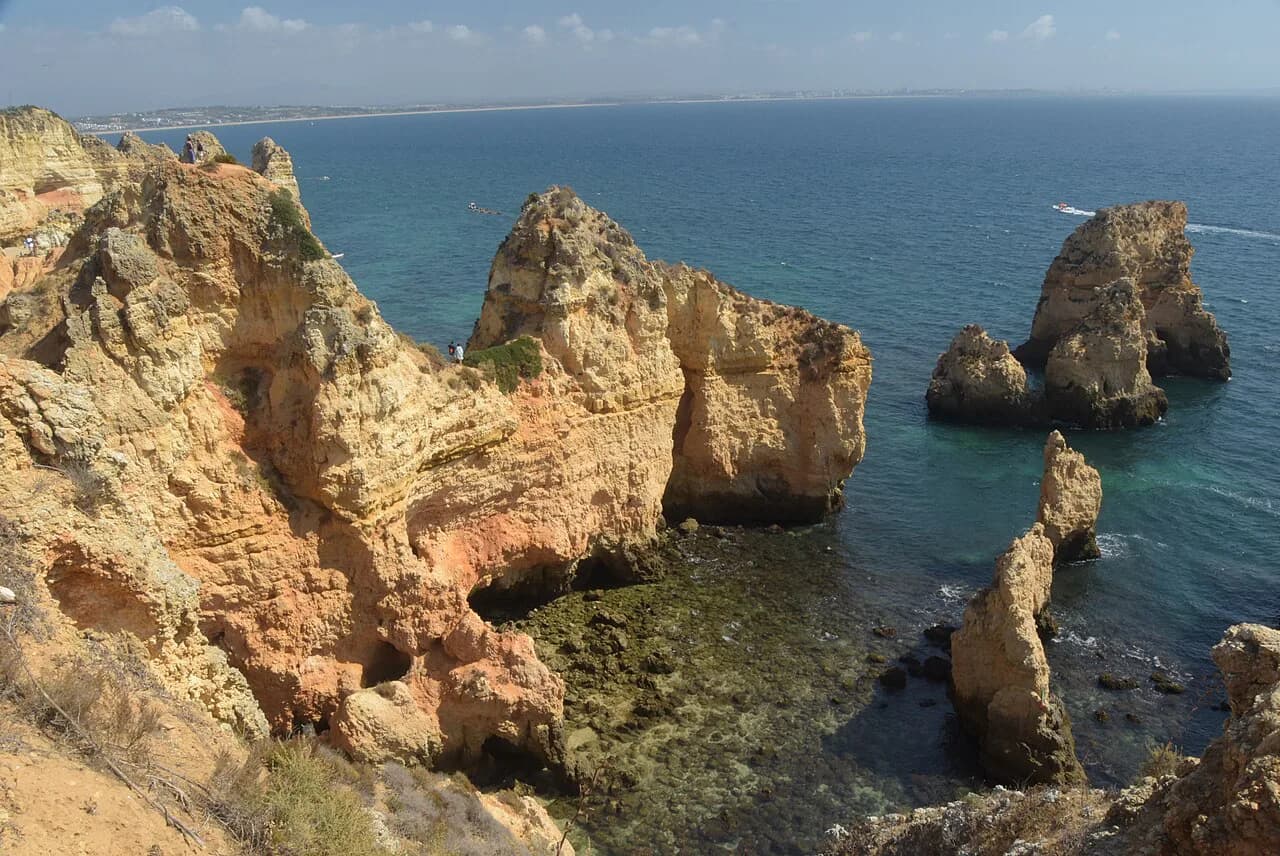
For walking, sightseeing and eating outdoors, yes. Twenty degrees on the Ponta da Piedade clifftops or among the whitewashed lanes of Ferragudo and Tavira is close to ideal, and the spring green in the hills around Monchique rewards a half-day drive. Golf, cycling and boat trips all work well in these temperatures, which is why April is a shoulder-season favourite for activity rather than sunbathing.
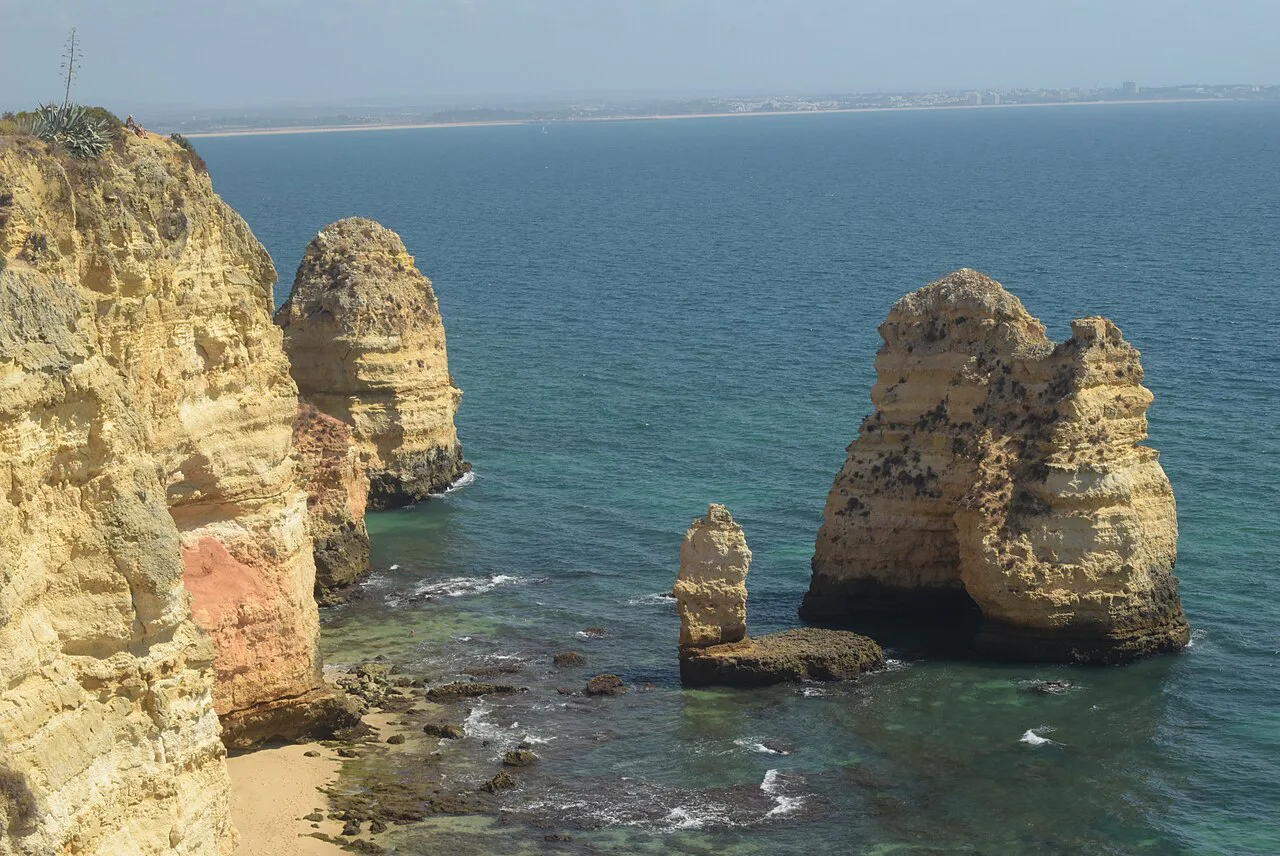
For swimming, no. The Atlantic off the Algarve is still cold in April, cold enough that most visitors paddle rather than swim, so plan a trip built around the coast path and the caves by boat instead of long beach days. Sheltered coves such as Praia da Marinha are lovely for a picnic and a lie-down in the sun, but the water will stop short of comfortable for all but the hardened.
If your definition of a spring break is lying by a pool in swimwear from morning to dusk, April will disappoint you by mid-afternoon when the breeze picks up. Book late June for that, or accept that April is a month for moving around the region rather than settling on a lounger.
Early vs late April
Early April is the more unsettled half, with a higher chance of rain days and the Easter period concentrating visitors into the towns and resorts that stay open year-round. Prices and availability tighten around the holiday itself even though the weather is not yet reliably warm, so an early-April trip is better booked around the calendar than around the forecast.
By late April the pattern has usually shifted towards drier, warmer days, the first proper beach afternoons arrive and the coast starts to fill with Portuguese weekenders as much as foreign visitors. Boat trips to the caves, cliff walks and seasonal restaurants wake up through the month, though many coastal places still run reduced, pre-season hours until the season proper begins.
The practical trade-off is simple: early April buys you quieter roads and lower rates at the cost of more rain risk, while late April buys better weather at the cost of busier Easter-adjacent weekends and the first price rises. If you have flexibility, the last ten days of the month are the better bet.
April compared with March and May
March in the Algarve is cooler and noticeably wetter, a month for cliff walks with a rain jacket rather than lunches that stretch into the afternoon. April gains roughly two degrees by day and loses a couple of rain days against March, which is the difference between hoping for a dry walk and expecting one.
May moves the region on again: the Faro normals show an average high of 23.5°C (74°F) and a low of 15.0°C (59°F) with 3.8 rain days, so evenings become genuinely mild and the sea begins to soften. That step up matters if you want dinner outside without a jacket or a first proper swim, and our guide to the Algarve in May sets out what changes on the water and along the coast.
June is a different proposition entirely at 26.8°C (80°F) by day and 17.8°C (64°F) at night with barely any rain, which is why it feels like the start of summer rather than the end of spring. Choose April for cool-weather walking and empty trails, May for the balance, and June if warmth in the evening is the priority; the best time to visit the Algarve breaks the season down month by month.
What is open
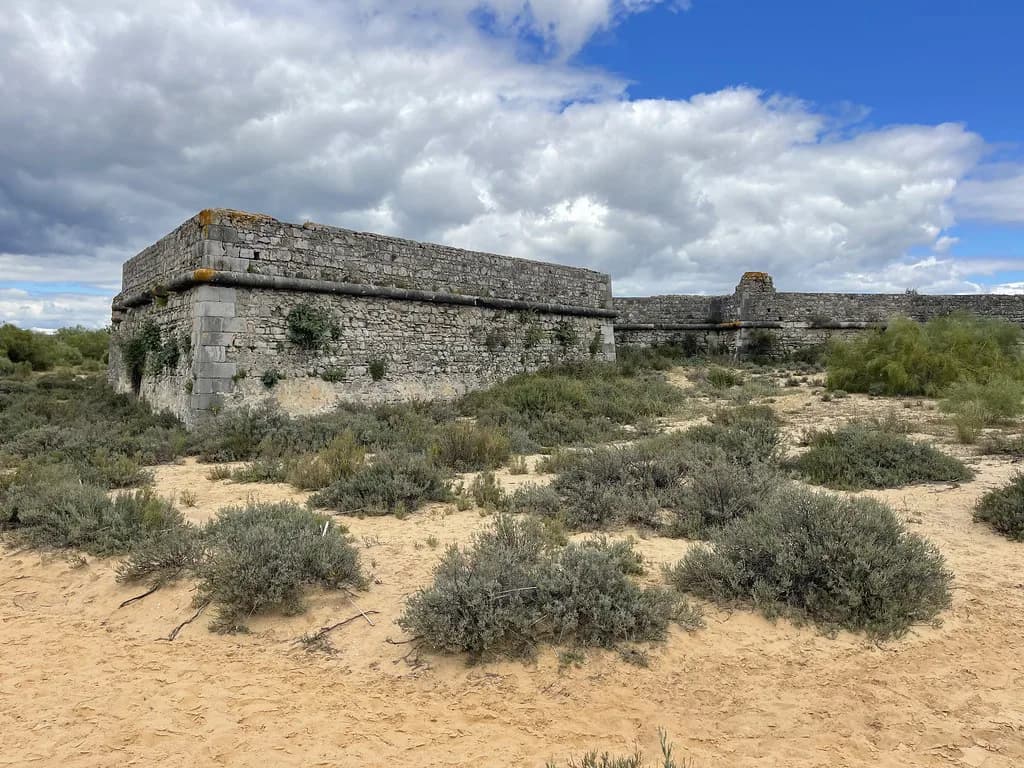
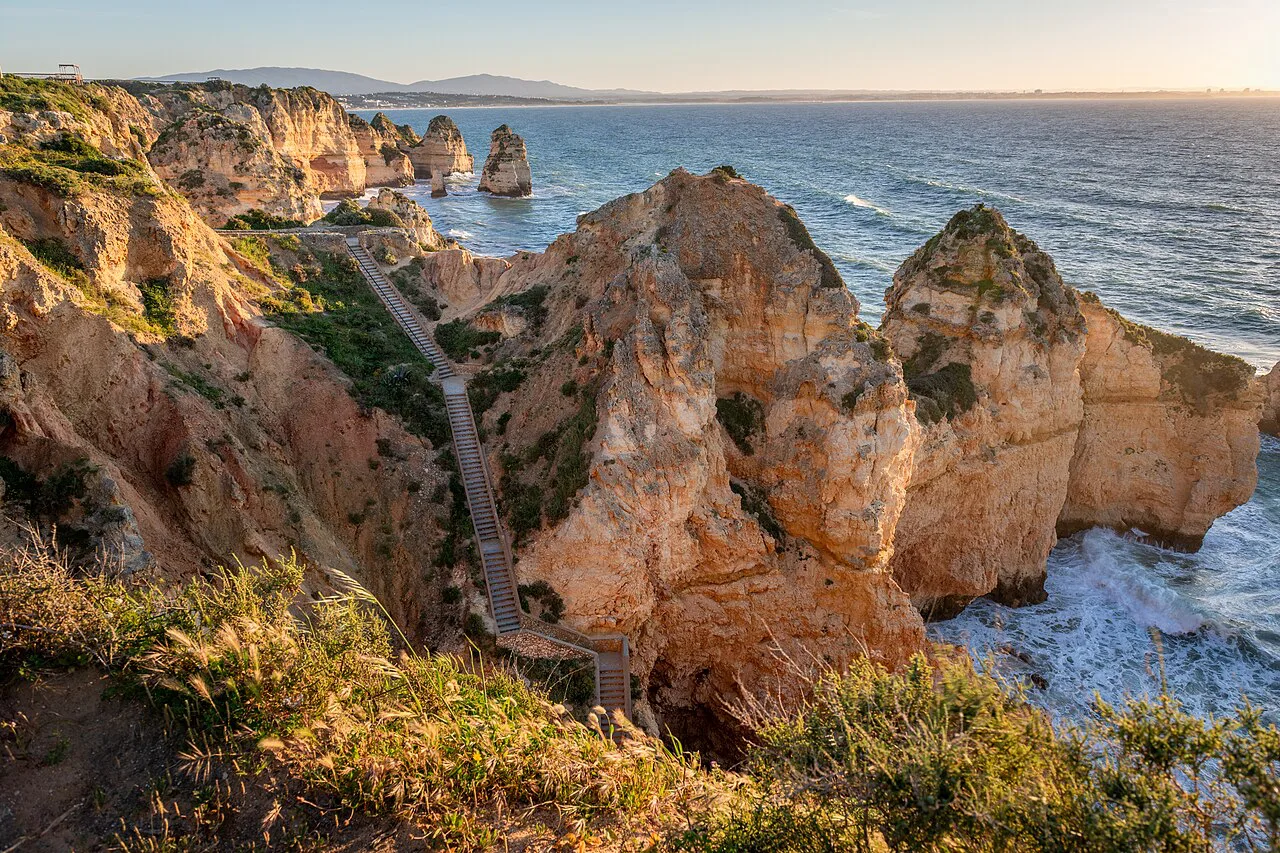
April sits between the winter shutdown and the summer season, so the bigger resorts, town restaurants and year-round attractions such as the Sagres fortress and Cape St Vincent lighthouse run as normal while smaller seasonal places open gradually. Coastal boat operators running cave and dolphin trips from Albufeira, Portimão and Lagos gear up through the spring, but sailings depend on sea conditions, so confirm the day before with the company you have booked.
Beach support, sunbed concessions and the busiest beach bars are not yet in full swing, and some village restaurants keep reduced pre-season hours into late April. That is part of the appeal of the Algarve in spring: you get the coast without the crush, and you eat where locals eat rather than where the summer crowds do.
Things to do
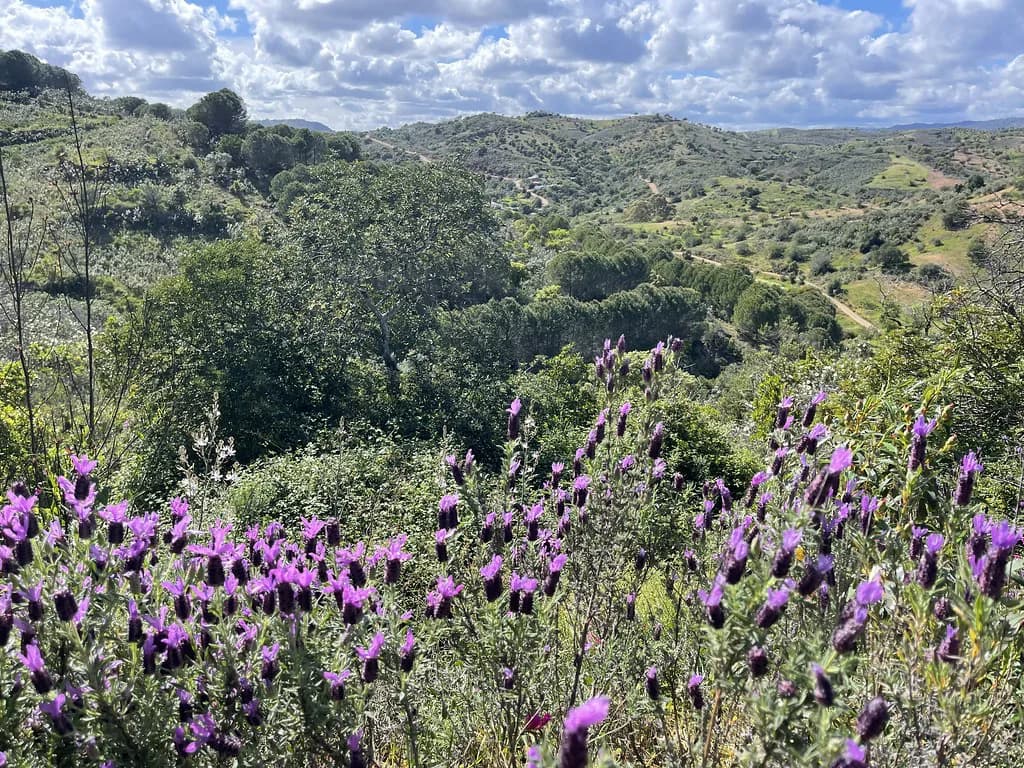
The Seven Hanging Valleys Trail between Praia da Marinha and Vale Centeanes is the region's signature clifftop walk and April is close to its best month: green scrub, wildflowers and temperatures that let you enjoy the climbs. Start early, carry water and finish with a late lunch in Carvoeiro, where the sheltered beach makes a good base for a slower afternoon.
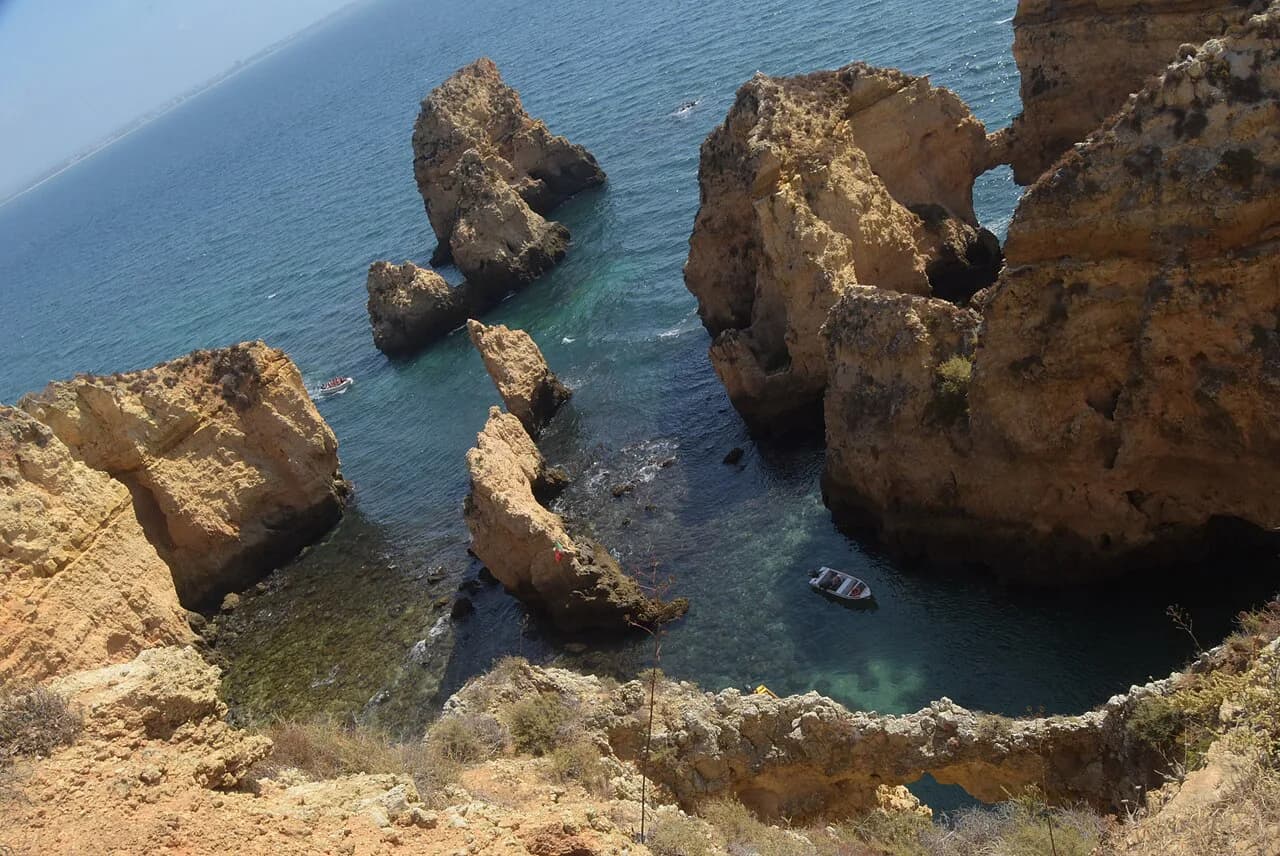
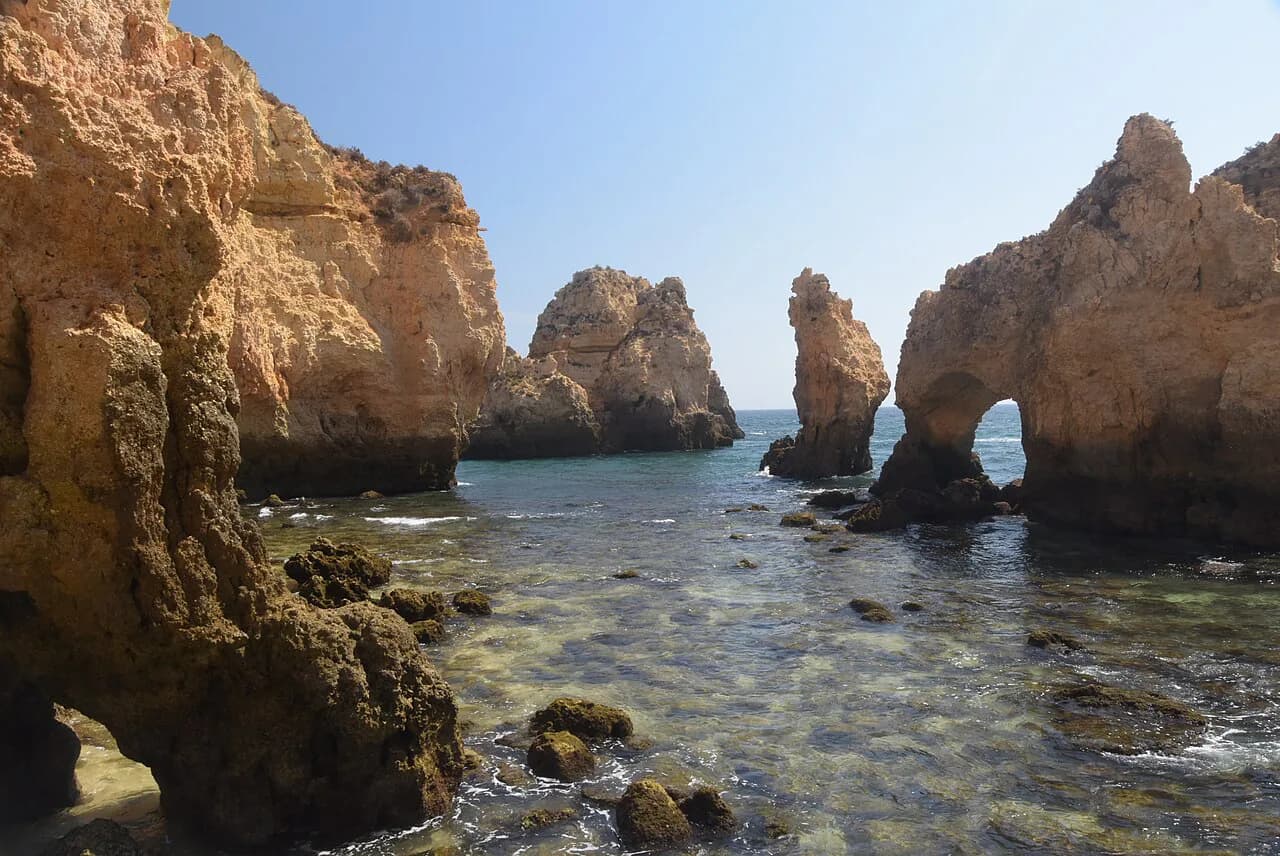
See the grottoes and sea stacks from the water rather than swimming to them. Benagil Cave and the Ponta da Piedade formations are at their most dramatic in spring light, and a boat trip from Portimão or Lagos gets you close without a wetsuit; kayak tours run too, though the Atlantic swell can cancel them at short notice.
Inland, Monchique offers cool walks in oak and cork forest and a taste of the region's smoked ham and sausages, while Loulé's old town and Saturday market give you a half-day of proper Portuguese town life away from the beach. Both work better in April than in July, when the hills are hot and the coast is packed.
Seasonal eating is one of April's quiet pleasures: broad beans, loquats and the first spring vegetables turn up on menus, alongside the fish and seafood the coast does all year. Look for cataplana and grilled octopus in the towns rather than the beachfront strips, and eat outside at lunchtime when the sun is at its best.
Crowds and prices
April is still shoulder season, which in practice means quiet roads, easy parking at the big viewpoints and restaurant tables without booking days ahead outside the Easter period. The exceptions are Easter week itself and the run-up to the May bank holidays, when Portuguese and British visitors overlap and coastal towns such as Albufeira and Vilamoura get noticeably busier.
Rates sit well below July and August, though not at winter lows, and self-catering apartments and smaller hotels offer the best value because they have fewer seasonal staffing costs to cover. Package operators such as Thomas Cook publish their own April pricing, so compare a few before you commit rather than assuming the first quote is the shoulder-season rate.
Honest drawbacks
The real drawback is not rain but temperature swing. A 20.7°C afternoon can feel like 24°C in sheltered Faro sun and then drop to 12.4°C after dark, which catches out anyone who packs for one climate. Wind is the second issue, particularly on the west coast and at exposed viewpoints like Cabo de São Vicente, where a light jacket earns its place.
Rain, when it comes, tends to arrive as a wet day or two rather than a washout week, but five rain days in the month is enough to justify a flexible plan and a backup indoor option. The sea stays cold throughout, and pools at unheated apartments are bracing until well into May, so check what you are booking before you promise children a swimming holiday.
Finally, not everything is open. Some beach bars, seasonal restaurants and smaller hotels stay shut until May, and the resort strips around Albufeira and Vilamoura feel half-built without the summer trade. If a particular restaurant or trip is the reason for your visit, contact the venue directly before booking flights.
April, May or June?
Pick April if you want the Algarve for walking, cliffs, caves, hill towns and outdoor eating at its quietest and greenest, and you can live with cool evenings and a jacket. It is the best month of the three for the Seven Hanging Valleys Trail, for Loulé and Monchique, and for seeing the coast without the summer queue at every viewpoint.
Pick May if you want the same coast with milder evenings and a sea you can at least paddle in comfortably, accepting more visitors and higher rates. Pick June if warm evenings, reliable sunshine and proper swimming matter more than solitude, and read up on things to do in algarve in june before you go.
Plan Your April Trip
April rewards travellers who treat the Algarve as a landscape to walk and a coast to explore by boat and car rather than a beach to lie on. Base yourself on the sheltered south coast, keep the evenings warm with a layer, and leave room to shift plans if a wet day arrives.
For entry rules and travel advice, use the UK government's Portugal travel advice page once, and check individual boat trip companies and seasonal restaurants as your dates approach. Book early for Easter week and the May bank holidays, and keep the rest of the month flexible.
More Algarve spring guides
Frequently Asked Questions
Is the Algarve warm in April?
Yes, by day. The Faro coast averages about 20.7°C (69°F) in the afternoon, which is comfortable for walking, sightseeing and eating outside. Nights average 12.4°C (54°F), so evenings are cool and need a jacket.
Can you swim in the Algarve in April?
For most people, no. The Atlantic is still cold in April and most visitors paddle rather than swim. Plan around cliff walks, boat trips to the caves and outdoor lunches, and save proper swimming for late June onwards.
Is the Algarve busy in April?
Mostly not. Outside Easter week and the run-up to the May bank holidays, roads, viewpoints and restaurants are quiet and you rarely need to book far ahead. Easter itself brings a clear spike in coastal towns such as Albufeira and Vilamoura.
Is the Algarve warmer in April or May?
May is warmer. The Faro normals show May averaging 23.5°C (74°F) by day and 15.0°C (59°F) at night against April's 20.7°C (69°F) and 12.4°C (54°F), with fewer rain days, so evenings outside become genuinely comfortable.
What is the weather like in the Algarve at the end of April?
Late April is usually the drier, warmer half of the month, with more reliable sunshine and the first proper beach afternoons. Rain days are fewer than in early April, though the sea remains cold and evenings still drop sharply.
Is April a good time to visit the Algarve?
It is excellent for walking, cliff scenery, cave boat trips, hill towns and quiet sightseeing, and rates sit well below summer. It is not the month for a swimming holiday, and anyone who needs guaranteed heat should choose June.
Sources
Spring sun notes
Optional updates when we add destinations and months.
You might also like
Continue reading
More guides you'll find useful