Sicily in April: How Warm It Really Is and Whether to Go
Sicily in April is typically around 19–21°C by day, with cool evenings and a real chance of rain. Here's who it suits and whether to wait for May.
On this page
April in Sicily is a sightseeing month, not a beach month. Days are mild and often sunny, evenings are cool, and rain comes in occasional spells rather than all-day downpours, which makes it one of the best times of year to walk through the baroque towns of the south-east or the ruins at Agrigento without July's heat. If you want to swim and eat dinner outside in short sleeves, wait for May or June.
The figures back that up. Palermo averages 18.7°C (65.7°F) by day and 11.4°C (52.5°F) at night in April, with 8.6 rain days and 65.1 mm of rain across the month, according to the Italian Air Force normals published on the WMO World Weather Information Service.
Head south-east and it is noticeably warmer. The WMO 1991–2020 normals for Catania Sigonella give an average daily maximum of 21.44°C (70.6°F) and a minimum of 8.65°C (47.6°F), with 4.78 rain days and 29.92 mm of precipitation, so the island's dry, sunny side is already in form by April.
Who April Suits
April rewards travellers who want to be outdoors on their feet rather than lying down. The Valley of the Temples at Agrigento, the baroque streets of Noto, Modica, Ragusa and Scicli, and Ortigia in Siracusa are all comfortable to explore for hours when the daytime high sits near 20°C rather than 30°C. Families with young children also tend to find April easier than high summer, because nothing has to be timed around the worst heat of the day.
It suits walkers, too: the coastal path at the Zingaro Reserve and the lower slopes of Mount Etna are far more pleasant in April than in July, when shade is scarce and the afternoon sun is punishing. What April does not suit is a swimming holiday. The sea is still cold for most people, and the beach clubs and lidos along the coast are largely not yet in season.
If your idea of Sicily is long lunches on a terrace and warm evenings without a jacket, you are a month early. Look instead at where to find warmth in Europe in April and consider pushing your dates into May, when the same towns offer reliably warm afternoons and the sea begins to soften.
Weather in April
The two normals tell different stories because they come from different coasts and different reference periods. Palermo's 1971–2000 figures reflect the Tyrrhenian north-west, which catches more cloud and rain in spring, hence 8.6 rain days and 65.1 mm over the month. Catania Sigonella, inland of Catania and used here because the Fontanarossa sheet has no April–June values, sits in the drier, sunnier east and records fewer than five rain days in April.
Treat these as typical conditions, not a forecast. The practical reading is that a week in April will usually give you several bright, shirt-sleeve afternoons and one or two unsettled days, and that the odds improve the further south and east you go. Palermo and the north coast are the least reliable; the south-east around Noto, Siracusa and Ragusa is the most reliable.
Rain in April tends to arrive as a passing front rather than a settled wet week, so a ruined day is rare and a replanned afternoon is common. Keep a museum, a cathedral interior or a long lunch in reserve and the odd shower costs you little.
Early vs Late April
The first half of April behaves like an extension of March: showers are more frequent, the wind off the sea has a bite, and you will want a jacket after sunset when the night-time low drops towards 9–11°C (48–52°F) in the south-east. Sightseeing is perfectly comfortable, but a terrace dinner is a gamble.
By the last ten days the pattern has usually shifted. Afternoons become dependably warm, the light is clearer, and evenings soften enough that outdoor lunches stretch into the afternoon without anyone reaching for a layer. The change between the start and end of the month is the single biggest variable in an April trip, so if you have flexibility, book the second half.
Compared with the months either side, April sits between a March that is often cool and changeable and a May that is genuinely warm, with daytime highs climbing towards the mid-twenties. April is the transitional month — the one where you get spring conditions at spring prices.
Is It Warm Enough? Coast, Inland and Altitude
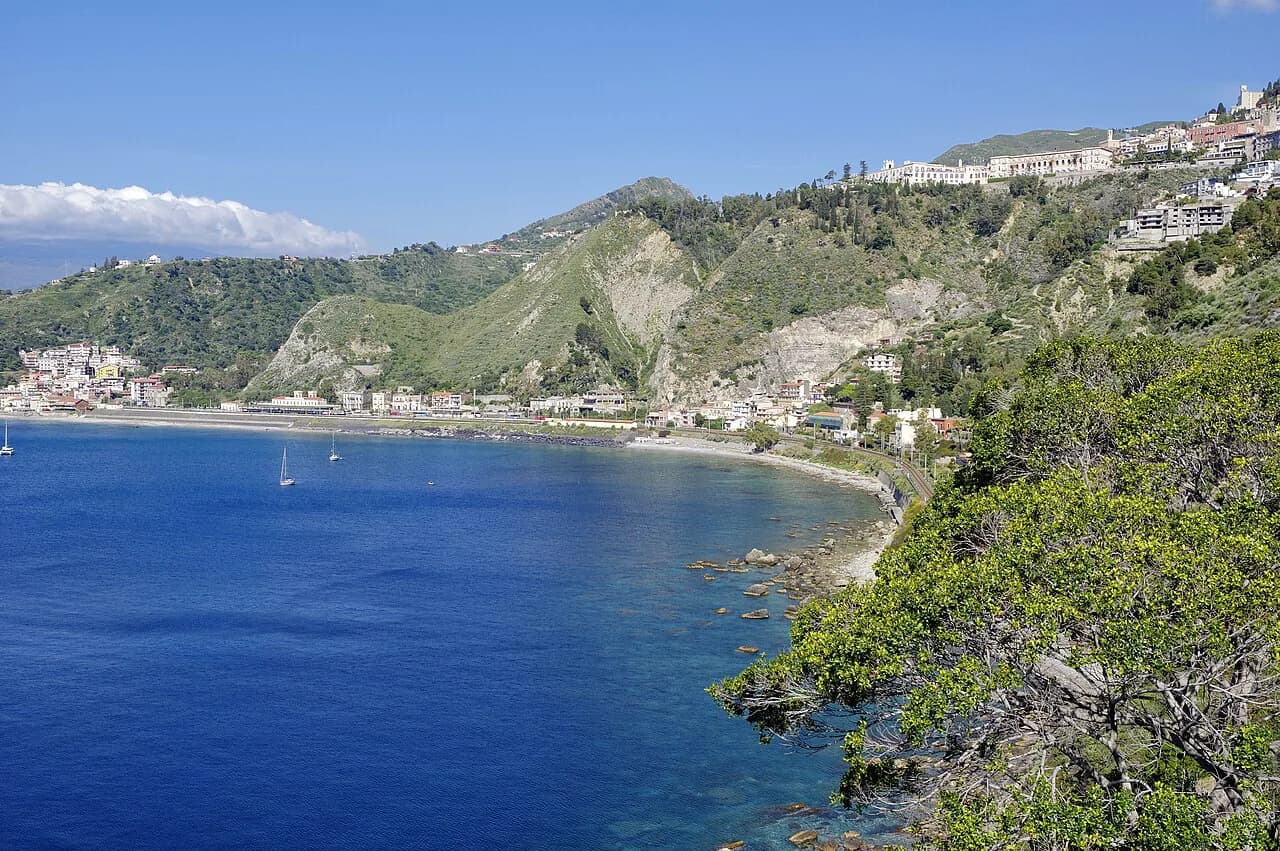
The coastline is where April feels mildest on paper and breeziest in practice. Palermo's 18.7°C (65.7°F) daytime average is a city figure, and a sea breeze on the promenade can make it feel cooler than the number suggests. Cefalù and the north coast follow the same pattern: pleasant for walking, brisk in the shade and after dark.
The baroque south-east is the warmest lowland option. Catania's 21.44°C (70.6°F) average daily maximum puts Noto, Modica, Ragusa, Scicli and Ortigia firmly in light-jacket territory by day, with the lowest rainfall of the regions covered here. If you have one week and want the best odds of dry, bright weather, base yourself in this corner.
Altitude changes everything. Etna's lower slopes and the hill towns of the Madonie and the Nebrodi run several degrees cooler than the coast, with snow sometimes lingering on the summit into spring and cold, clear nights in the villages. Erice, perched above Trapani, is bracing in April even when the coast below is mild. Plan high ground for the middle of the day, not the early morning.
What Is Open
April is when Sicily's tourism machine starts up again after winter, but not everything runs at full speed. Coastal restaurants and beach clubs on the main resort strips often open at weekends or on reduced hours until the season firms up, while inland and town restaurants run as normal. Agriturismi and the wineries on Etna's slopes generally welcome visitors by appointment, so book ahead rather than turning up.
Ferries and boat trips run pre-season timetables in April. Services to the Aeolian Islands and coastal boat excursions operate on a lighter schedule than in summer, with some routes and operators not yet daily, so check the current sailing schedules with the ferry companies before you fix an island-hopping plan. For the temples at Agrigento and the main archaeological sites, spring opening applies and the sites are fully visitable.
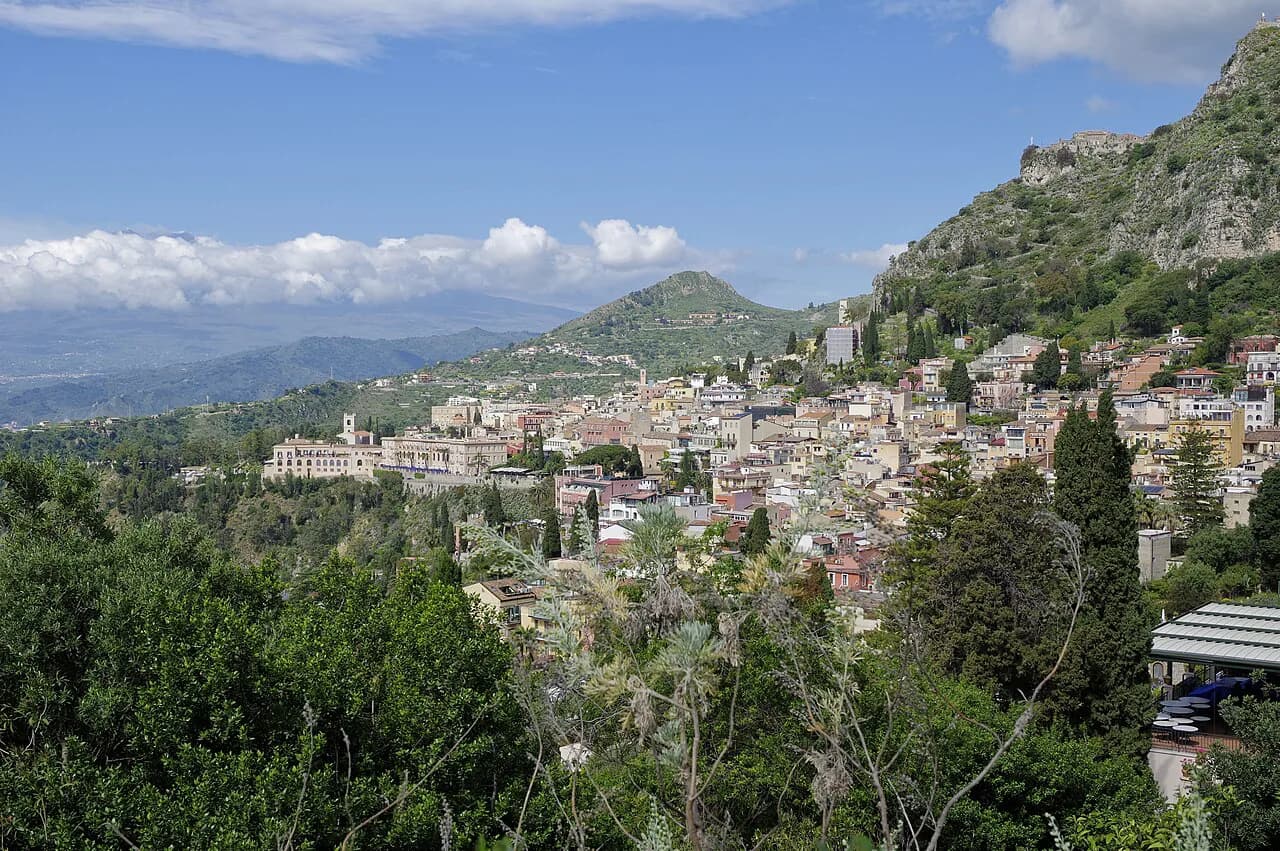
The upside of pre-season is that the places that are open are uncrowded and glad of the custom. Taormina's streets and the theatre, Ortigia's market and the baroque towns all function normally, just without the queues.
One practical note: the Greek Theatre at Taormina hosts events through the season and access can be restricted on performance days, so check performance dates with the venue before you build a day around it.
Things to Do in April
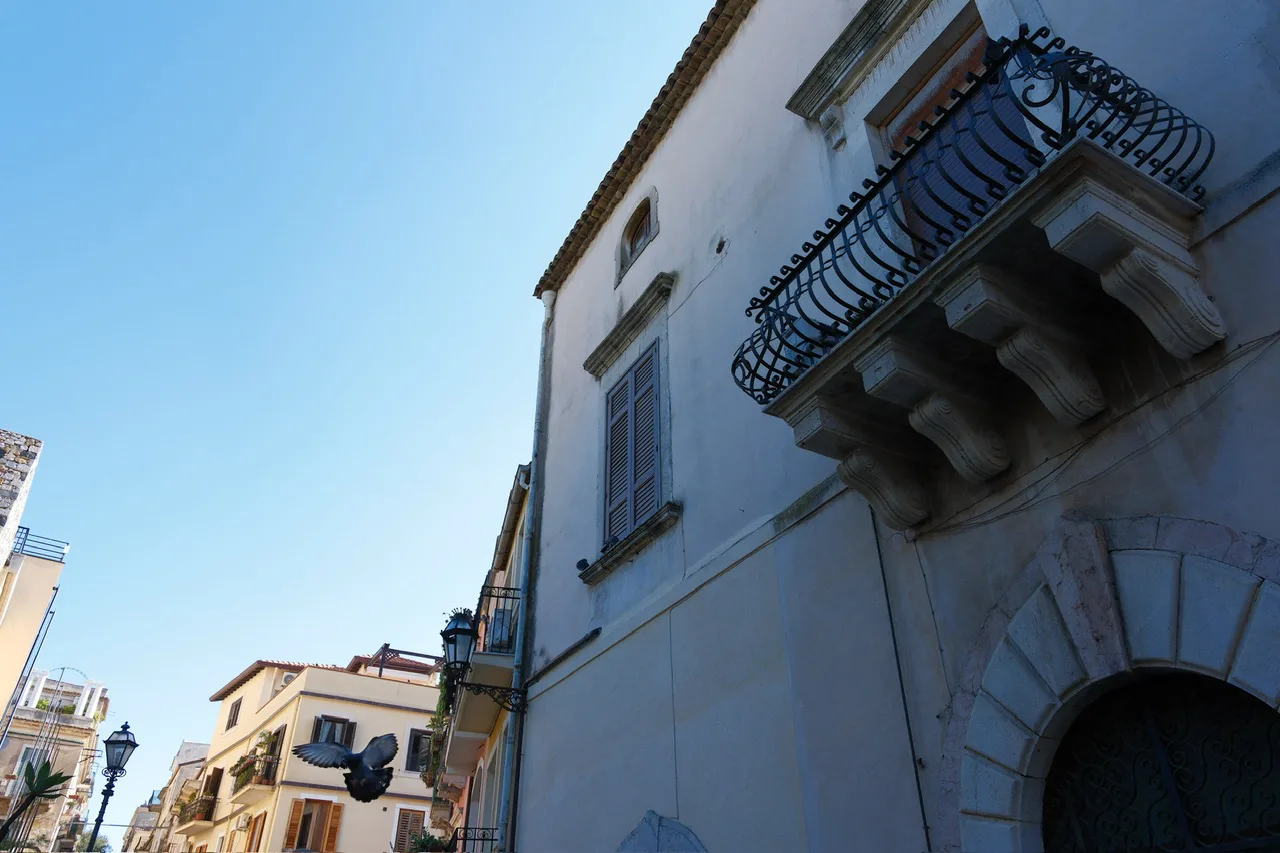
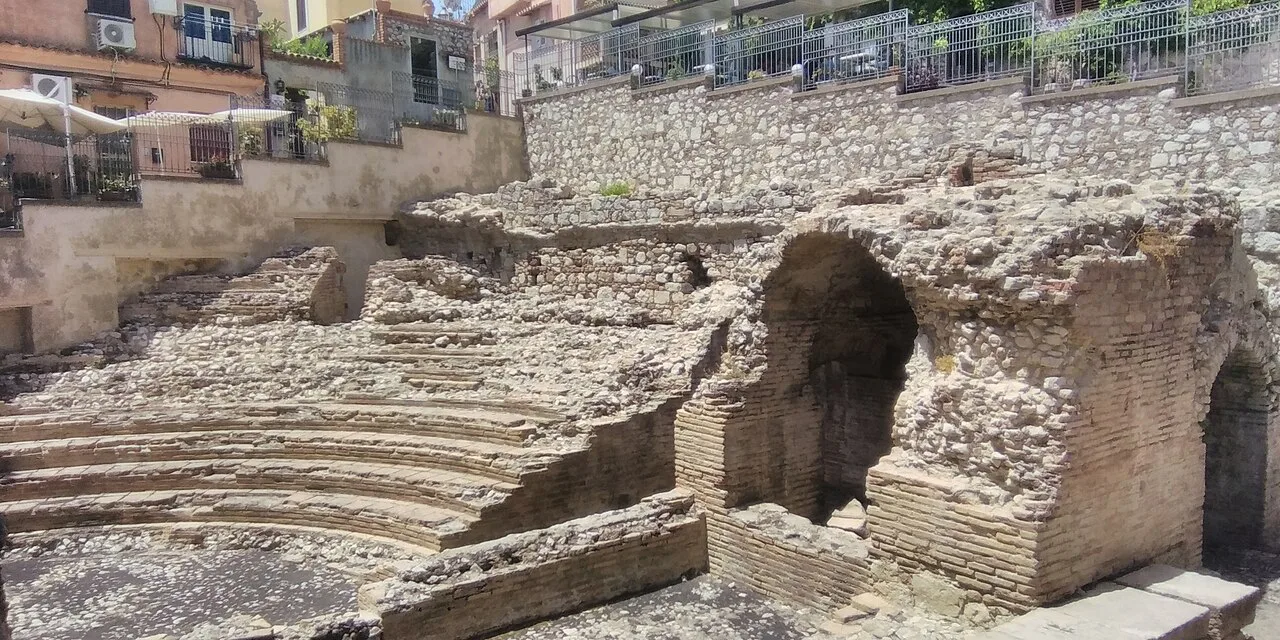
Start with the archaeology. The Valley of the Temples at Agrigento is at its best in April, when the almond blossom has gone but the light is clean and the site is walkable without the brutal midday heat of June. Go early, take the long loop past the Temple of Concordia, and you will have the place largely to yourself.
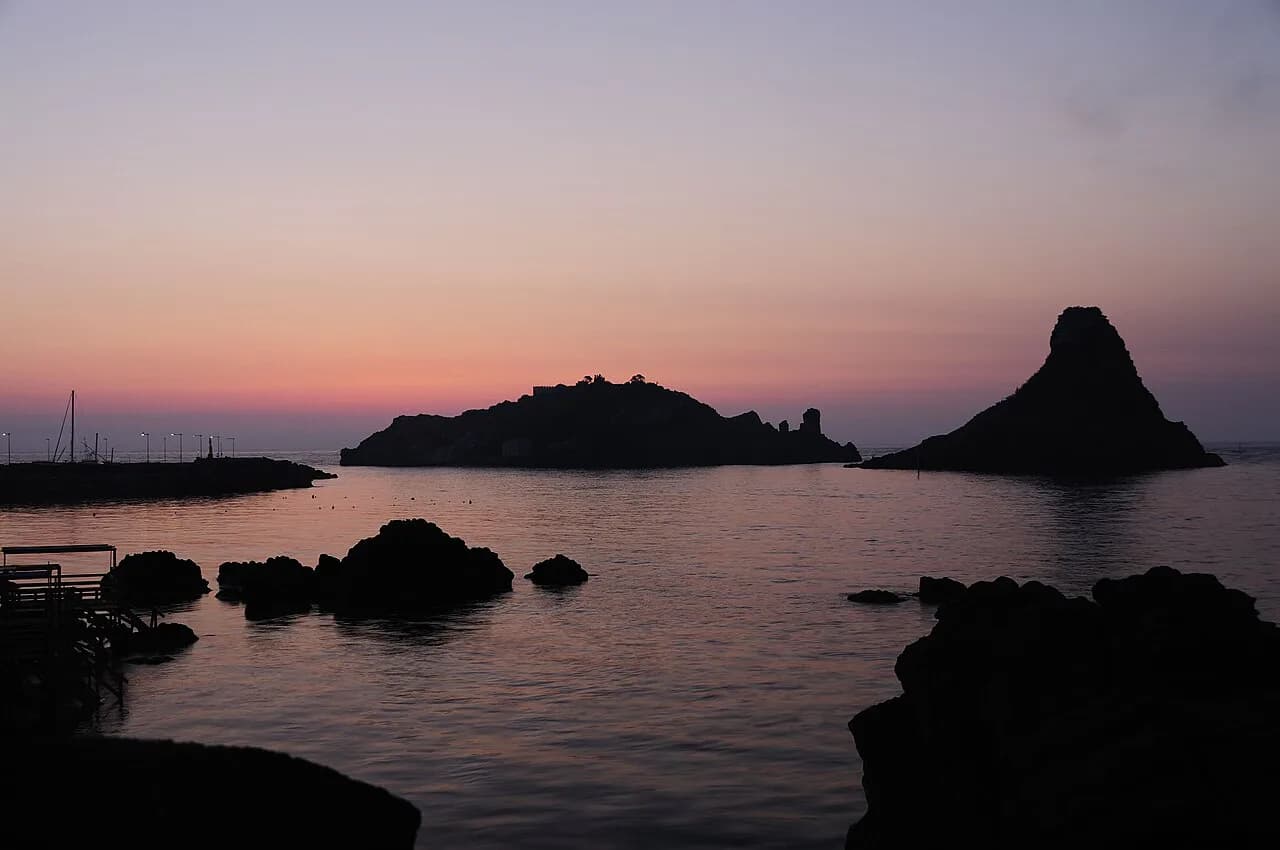
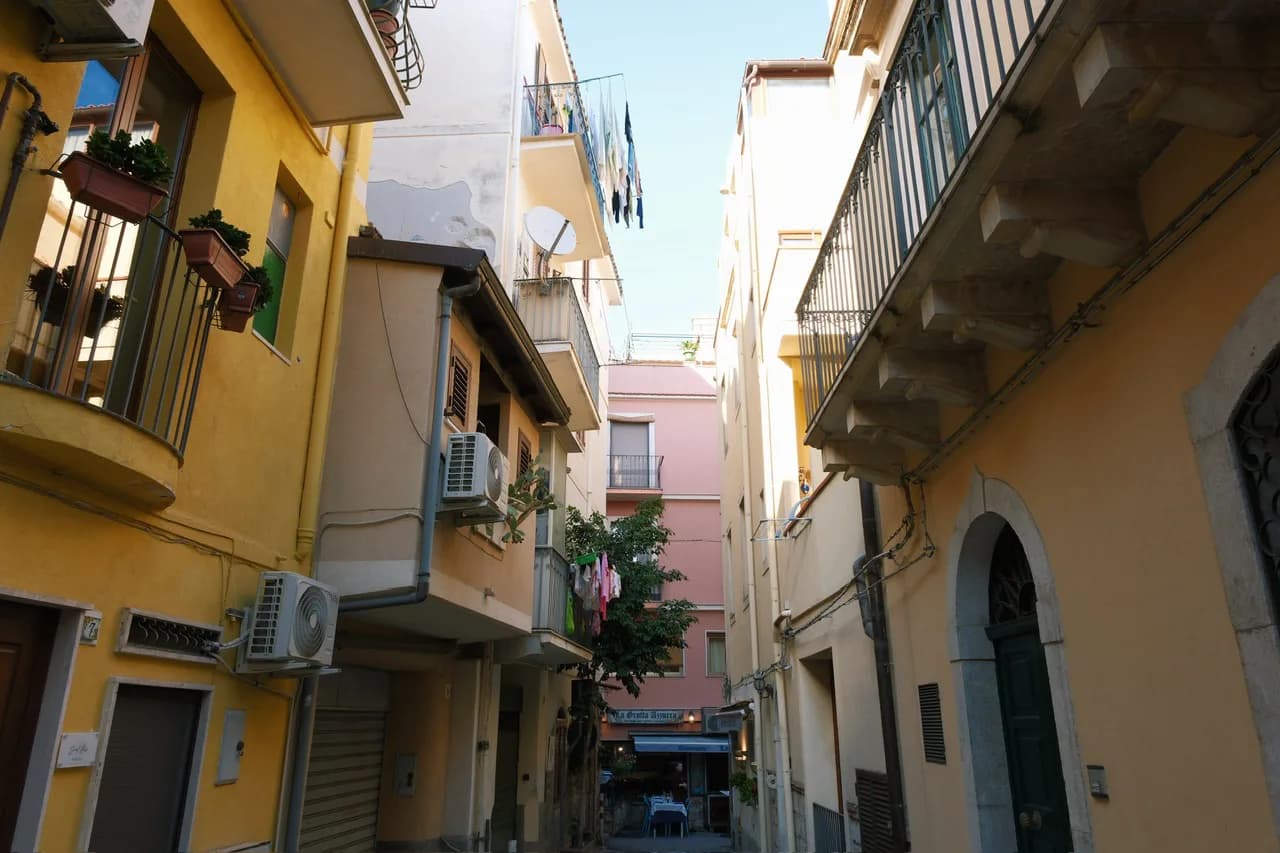
Then give the south-east two or three days. Noto, Modica, Ragusa and Scicli sit within easy reach of each other and reward slow wandering — Noto's honey-coloured facades, Modica's stepped alleys and chocolate, Ragusa Ibla's layered skyline. Ortigia, the island heart of Siracusa, is the natural base, with its morning market and waterfront the best place in Sicily for a long April lunch.
On the west side, the Zingaro Reserve between Scopello and San Vito Lo Capo offers a coastal path with coves below and views across the gulf, and it is genuinely better in April than in summer. Pair it with Erice, the hill town above Trapani, for a day that mixes walking with medieval lanes and pastries.
For food, April is the tail end of the citrus season and the start of the spring vegetables: artichokes, broad beans and wild greens appear on menus, and the fish markets at Catania and Ortigia are working markets rather than tourist displays. This is a good month to eat in the towns rather than on the beach.
Walking and Hiking
April is the best walking month in Sicily, full stop. Etna's lower slopes are open and cool enough to climb comfortably, with the higher stations reachable by road and guided excursions running from Catania and Taormina. Snow can still lie on the summit, so lower-altitude trails and the lateral craters are the sensible choice.
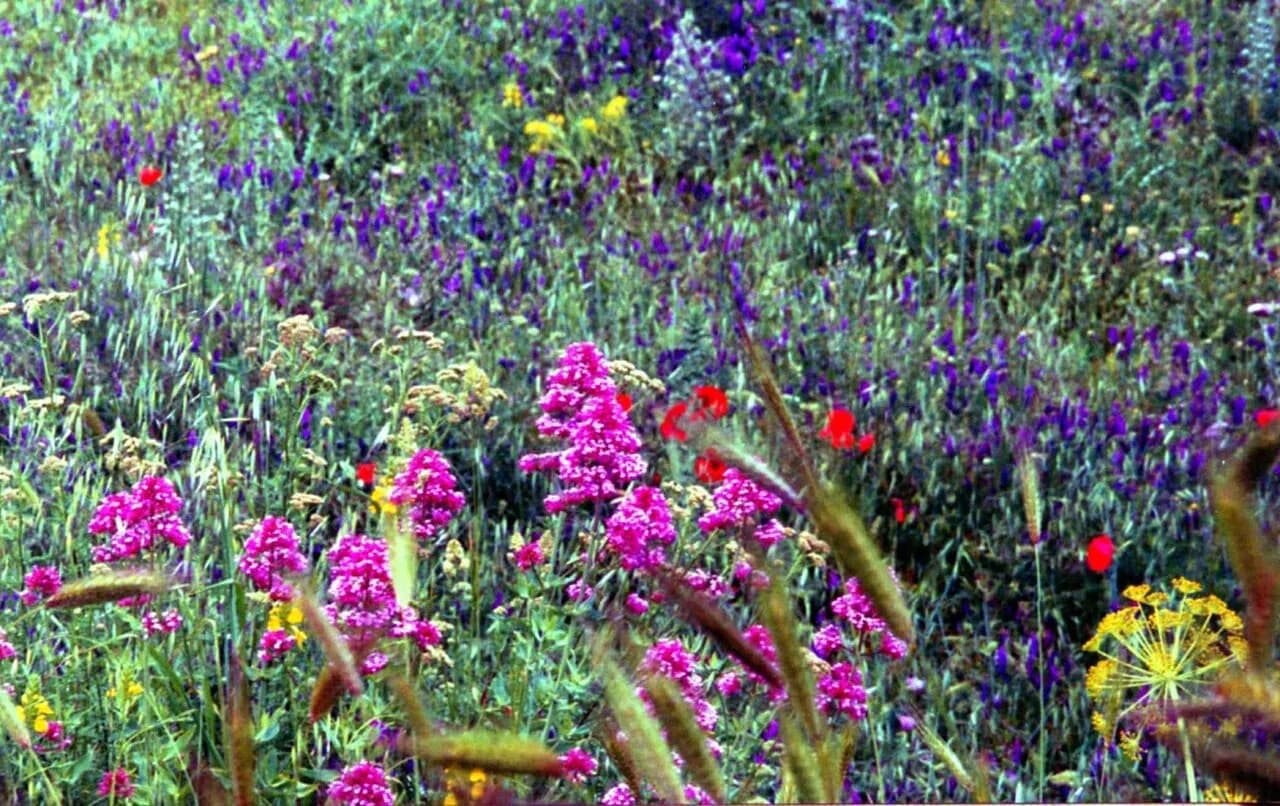
The Zingaro coastal path is at its finest: the wildflowers are out, the path is dry underfoot and the heat is nowhere near summer levels. The Madonie mountains inland from Cefalù offer higher, quieter walking with beech woods and hill villages, and April temperatures make the climbs comfortable rather than draining.
If you are building a walking trip around the season, Sicily in spring covers the fuller picture of conditions and what is in bloom. The trade-off is consistent across all three: April gives you the best walking, and the worst swimming.
Crowds and Prices
April is quiet by Sicilian standards, with two exceptions. Easter week fills the baroque towns, especially Noto, Ragusa and Scicli, and prices at hotels and restaurants rise accordingly; the same happens around Italy's late-April public holidays and the UK school Easter break, when British families arrive in numbers. Book accommodation for those weeks well ahead.
Outside those peaks, late April is the sweet spot. The weather has usually settled, the Easter crowds have gone and the summer rush has not begun, so you get the best combination of conditions and availability. May half-term is the next squeeze, and by June prices and crowds are climbing fast.
Prices in April generally sit below high-season levels, and the difference is most noticeable in coastal resorts that are still waking up. Because rates vary by town and week, compare directly with the places you are considering rather than relying on a rule of thumb.
Honest Drawbacks
The evenings are cool. With night-time averages around 9–11°C (48–52°F) in much of the island, dinner outside is a gamble in early April and only comfortable later in the month. Sea temperatures lag well behind the air, so swimming is for the hardy, and many beach clubs and lidos are simply not running yet.
The north coast is wetter than the south-east, so Palermo and Cefalù can serve up a grey, showery day while Noto basks. Wind is a real factor on exposed coasts and headlands, particularly around Trapani and the Zingaro. And by late April the first hints of summer heat appear inland, a reminder that June is a different trip entirely.
April or May?
Choose April if the trip is about seeing things: the temples, the baroque towns, the markets, the walks. You get mild days, small crowds, lower prices and the best conditions of the year for being on your feet. Accept cool evenings and a rain day or two and April delivers.
Choose May if you want warmth without June's heat. Daytime highs move into the mid-twenties, the sea becomes reasonable, coastal places are properly open and the evenings are pleasant. The trade-off is more visitors, particularly around the UK half-term break.
June is the month for reliable beach weather and long evenings, but inland temperatures build quickly and the crowds arrive in force. If you are travelling with family and want both culture and swimming, late May is the better compromise.
The Verdict
Book April in Sicily if you are a sightseer, walker or photographer, and if you would rather have a baroque town almost to yourself than a beach club at full capacity. Aim for the second half of the month, base yourself in the south-east for the best weather, and keep a wet-afternoon plan in reserve.
Shift to May or June if swimming, warm evenings and open beach clubs matter more than empty streets. The island is at its most comfortable for outdoor life in May, and by June the coast is in full swing. Either way, April is the month that proves Sicily is not only a summer destination.
Plan Your Trip
April in Sicily is a strong choice for a spring trip built around towns, ruins and walking, provided you accept cool evenings and the chance of a wet day. Use the station normals as your guide: expect around 19°C (66°F) by day in Palermo and a little over 21°C (70°F) in the Catania area, and plan accordingly.
Book the second half of the month, lean towards the south-east, reserve Etna wineries and any island ferries in advance, and check performance dates at the Greek Theatre in Taormina before fixing your itinerary. Get that right and April gives you the most comfortable sightseeing month of the Sicilian year.
More Sicily spring guides
Frequently Asked Questions
Is Sicily warm in April?
Yes, by day. Palermo averages 18.7°C (65.7°F) in April and the Catania area is warmer at about 21.4°C (70.6°F), which is comfortable for walking and sightseeing rather than lying on a beach. Evenings are cool, and the south-east is noticeably drier and brighter than the north coast.
What is the average temperature in Sicily in April?
The two long-term station normals put it between roughly 19°C and 21.5°C by day. Palermo records 18.7°C (65.7°F) and 11.4°C (52.5°F) at night, while Catania Sigonella records 21.44°C (70.6°F) and 8.65°C (47.6°F). Treat both as typical conditions for the month, not a forecast.
Can you swim in Sicily in April?
For most people, no. The sea warms far more slowly than the land, so April water is still cold even when the afternoon air feels mild, and many beach clubs and lidos are not yet running for the season. Plan April around towns, ruins and walks, and save swimming for May onwards.
Is April a good time to visit Sicily?
It is the best month for sightseeing and walking. Crowds are thin outside Easter week, prices sit below high-season levels, and the temples at Agrigento and the baroque towns of the south-east are comfortable to explore for hours. Accept cool evenings and the odd rain day and April is excellent value.
Should I visit Sicily in April or May?
Pick April for culture, walking and quiet streets, and May for warmth and a sea you can actually swim in. April gives the best conditions for being on your feet; May brings mid-twenties afternoons, properly open coastal places and more visitors, especially around the UK half-term break.
Sources
Spring sun notes
Optional updates when we add destinations and months.
You might also like
Continue reading
More guides you'll find useful