Malta in April: Is the Weather Worth a Trip?
Malta in April typically reaches 19°C by day and 12°C at night, with about six rain days. It suits sightseeing and walking, but the sea stays cold.
On this page
April in Malta is warm enough for long days on foot through Valletta, Mdina and the Three Cities, but not warm enough for most people to swim. Expect typical daytime highs of 19.1°C (66.4°F) and night-time lows of 11.9°C (53.4°F), with rain on roughly six days of the month.
The figures come from long-term climate normals for Luqa, so treat them as the shape of a normal April rather than a forecast for your week. Plan sightseeing, walking and harbour time around them; if your trip depends on lying on a beach, look at the warmer, drier end of spring instead, or see where it is warm in Europe in April for alternatives further south.
Weather in April
The Luqa normals, averaged over 1961 to 1990 by the Malta Meteorological Office, put April at 19.1°C (66.4°F) by day and 11.9°C (53.4°F) at night. Rain totals 22.5 mm across 6.4 rain days, which usually means a handful of showery spells rather than washed-out weeks.
April is the month the island crosses from cool to genuinely pleasant: March still carries a winter chill, May adds real heat, and April sits in the middle with sunshine long enough for a full day outdoors. The sea lags well behind the air, so a dip is for the hardy rather than the holidaymaker.
Is it warm enough?
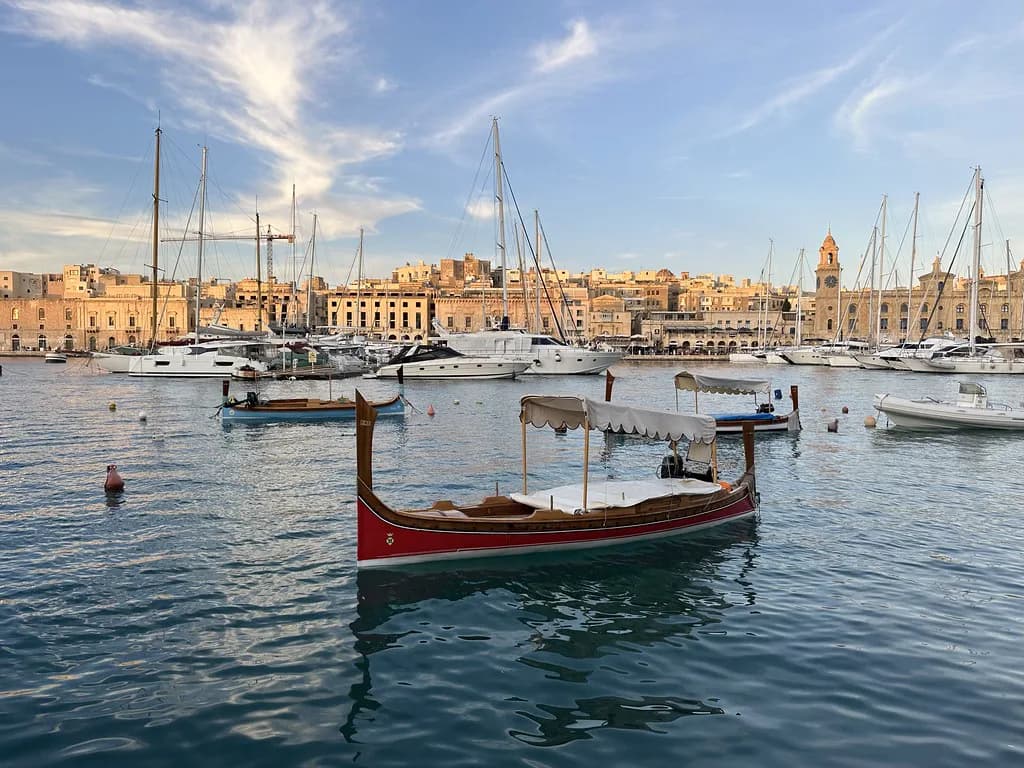
For sightseeing, yes. A 19°C afternoon is comfortable for climbing Valletta's steep streets, walking Mdina's silent lanes and exploring Birgu, Senglea and Cospicua at an unhurried pace, and the low humidity keeps long days on foot manageable. The same conditions suit families with older children who want culture rather than sandcastles.
For a beach holiday, no. Air temperatures in the high teens feel pleasant in the sun but cool in shade or wind, and the sea is still cold, so anyone whose main aim is swimming and sunbathing should book later in spring. Couples and walkers who want mild days and quiet evenings will find April close to ideal.
Early vs late April
The month warms steadily. Early April behaves more like a bright March, with a higher chance of a wet, windy day and evenings that feel decidedly cool; by late April the afternoons sit closer to May's feel, and outdoor lunches and terrace evenings become realistic.
May shows what is coming: 23.3°C (73.9°F) by day and 14.9°C (59.1°F) at night, with only 6.6 mm over 2.8 rain days. If you are choosing between the two, April buys you cooler walking conditions and thinner crowds, while May buys warmth and near-certain dry days.
Sunny days, wind and cool evenings
April light on the bastions around Valletta and the exposed coastal paths is long and clear, but the island is breezy, and a warm afternoon in a sheltered square can turn fresh the moment you reach an open headland. Build the day around sun rather than shade and keep the exposed stretches for midday.
Evenings cool quickly to around 12°C, so dinner outdoors early in the month is a bracing rather than balmy affair. Late April is more forgiving, and the harbourside terraces around St Julian's and Sliema start to feel like the season has properly begun.
What is open
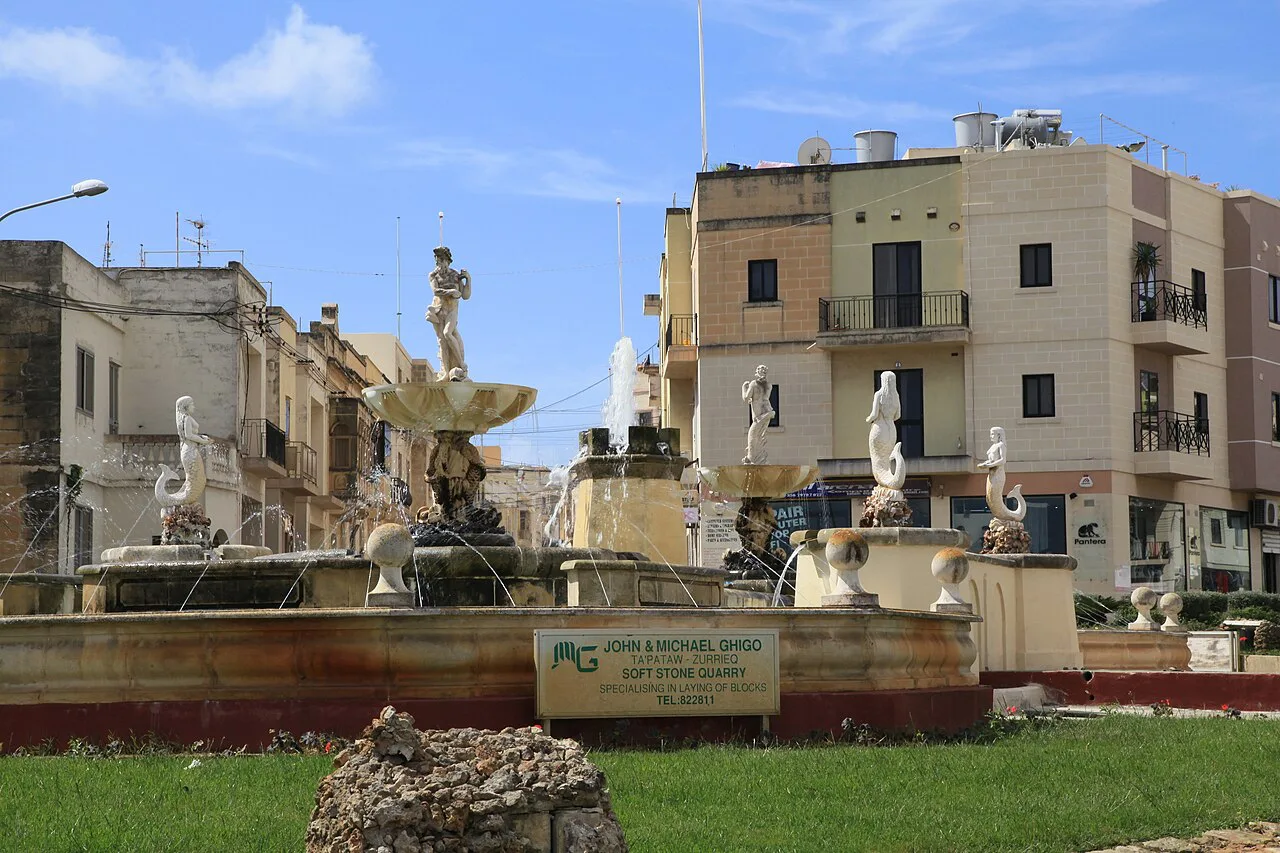
April is a transition month: heritage sites and museums run through the spring, boat trips around the Grand Harbour and out to Gozo and Comino depend on the sea and the season, and restaurants shift from winter to summer rhythms as the weather settles. Because timetables and opening hours shift with the season, check directly with the individual venue or boat company you plan to use, especially for boat trips that are weather-dependent.
The upside of travelling before the summer machinery starts is that you see the island at a human pace. The trade-off is that a few seasonal places may still be running shortened hours, so a flexible plan works better than a tightly booked one.
Things to do in April
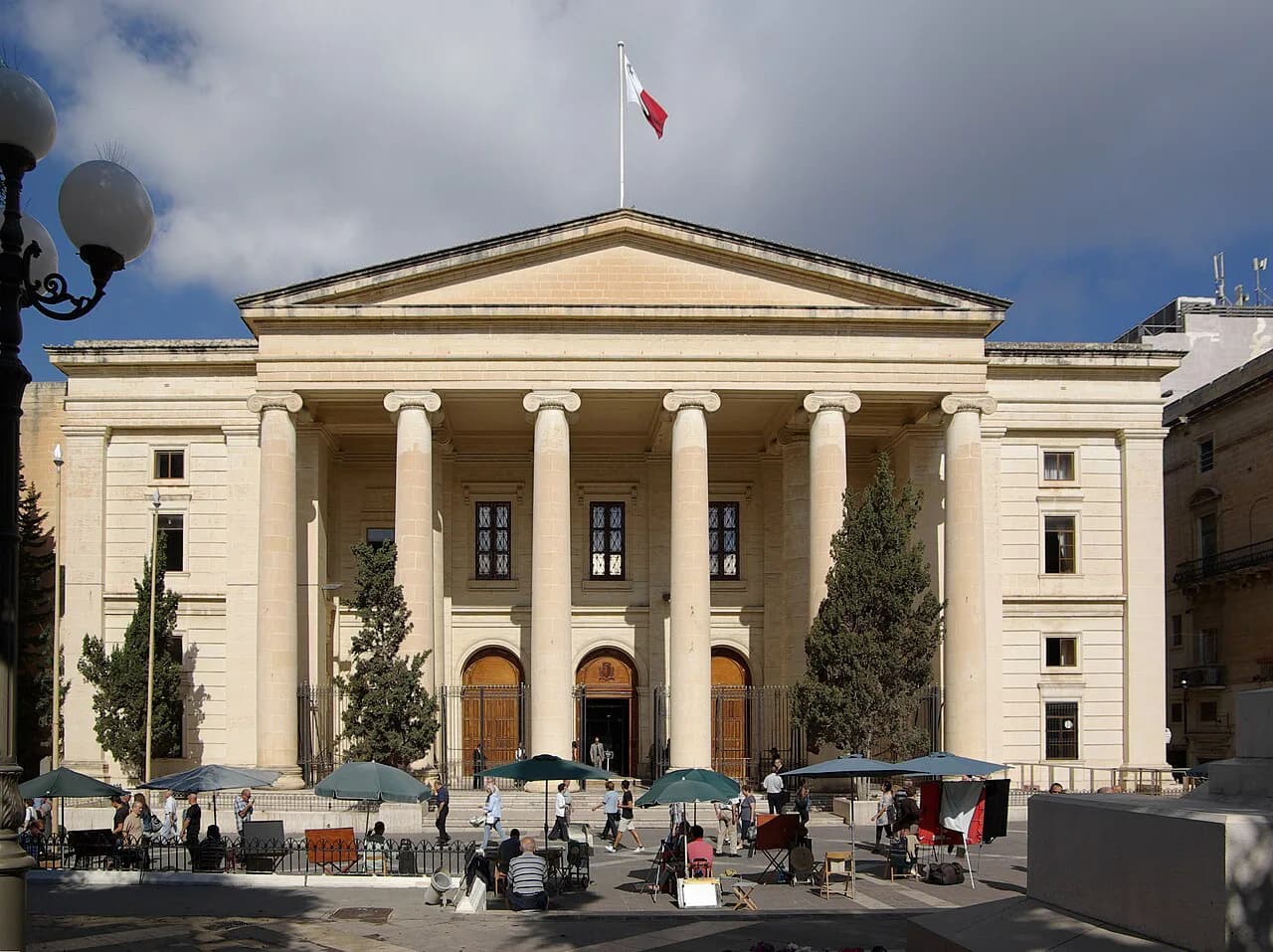
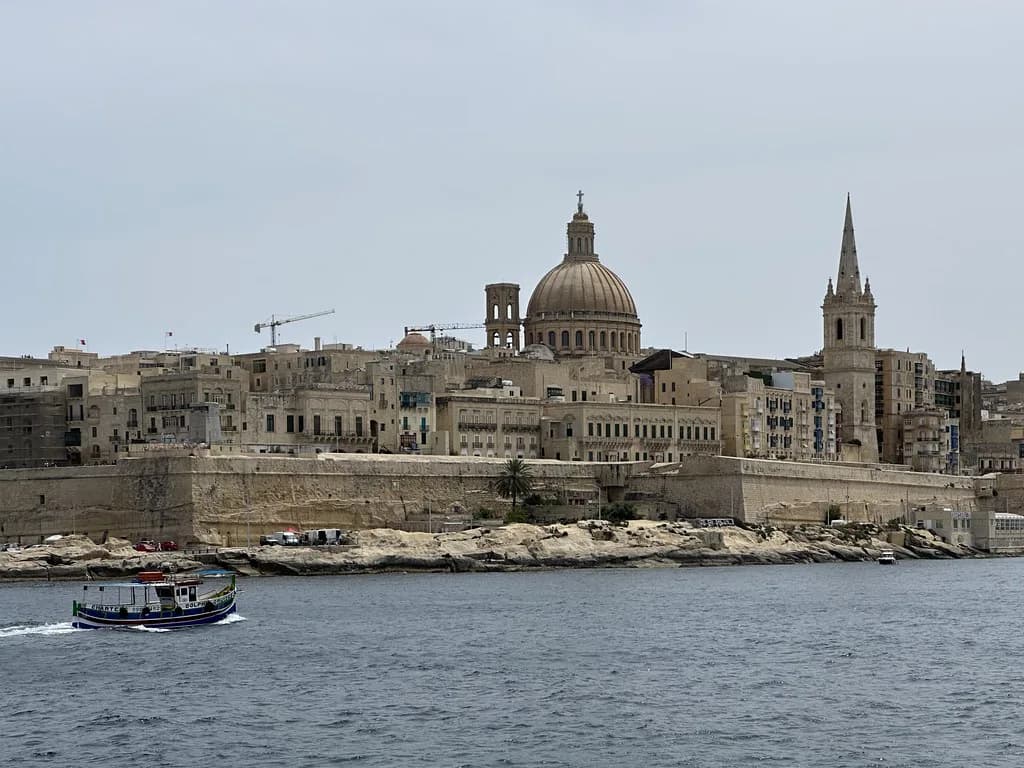
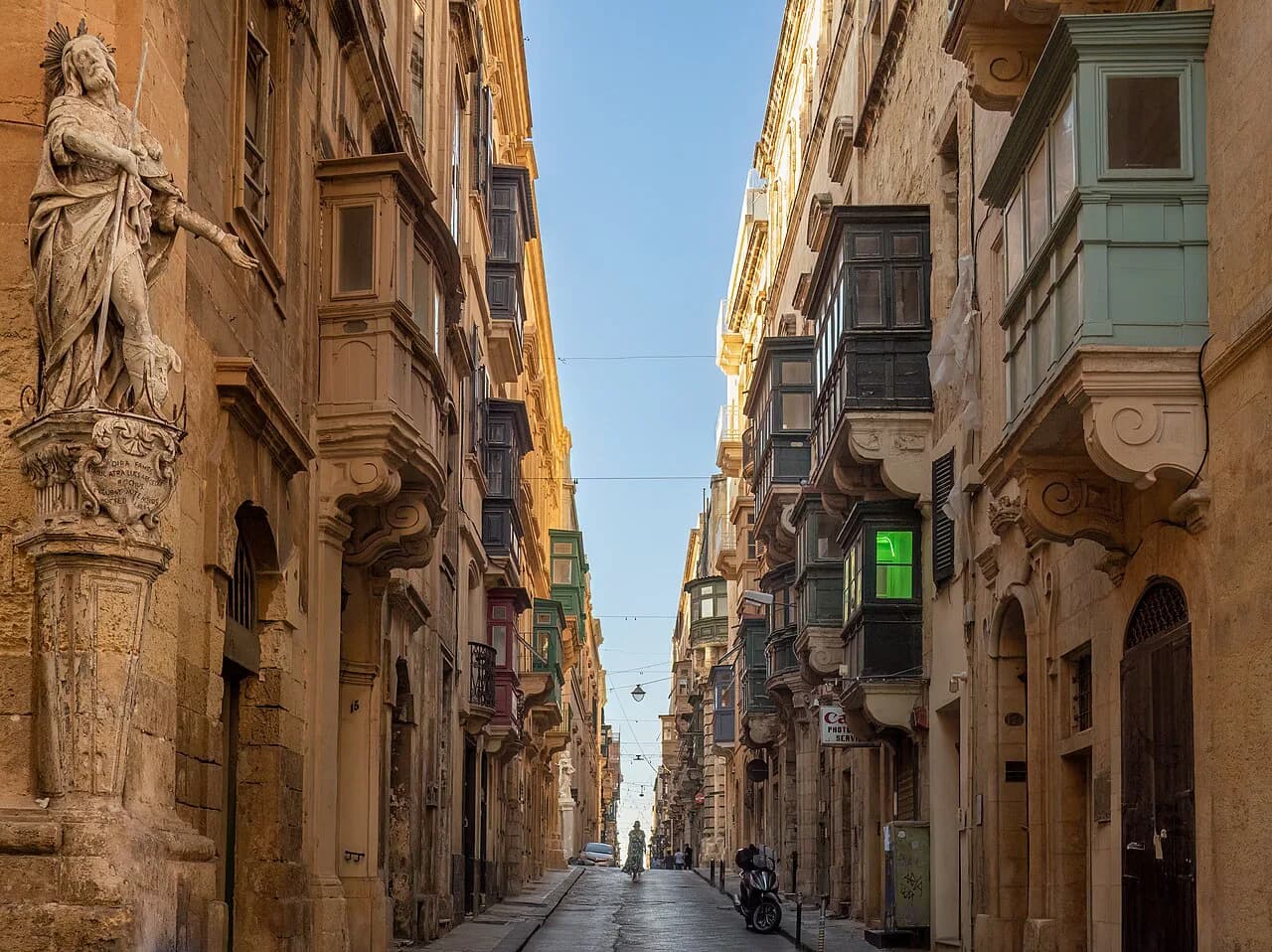
Valletta rewards a slow day: the grid of streets, the Upper Barrakka viewpoint over the Grand Harbour and the co-cathedral interior all work well in mild weather. Mdina and neighbouring Rabat make a natural pairing, one for the silent lanes and the other for everyday Maltese street life.
Head south for the prehistoric temples of Hagar Qim and Mnajdra, which sit on an exposed plateau and are best visited on a clear, calm day. The Three Cities across the water from Valletta offer waterfront walks and quieter streets, and Gozo is a full day out for the Citadel at Victoria and the coastal paths beyond.
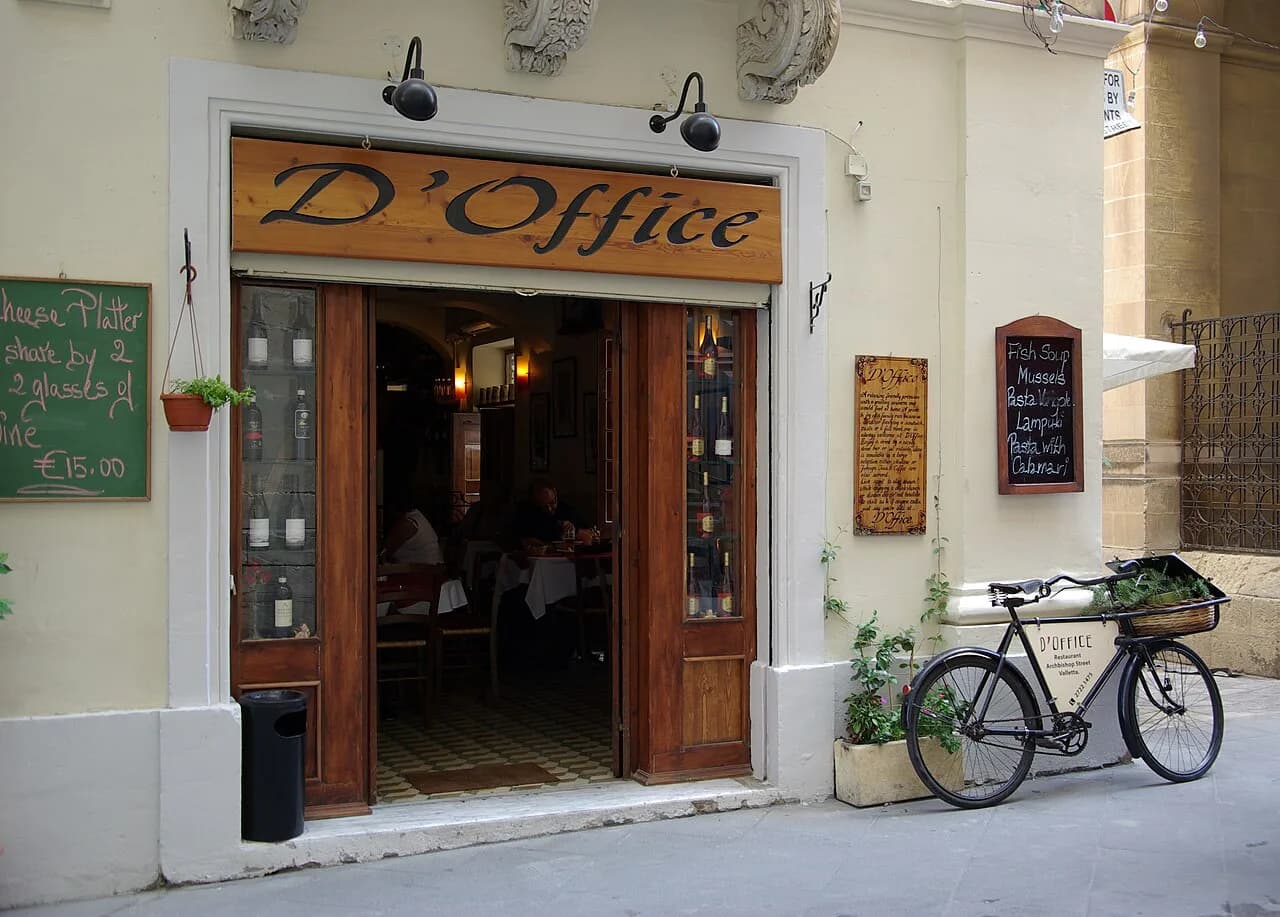
Eat the local way: ftira, the filled Maltese bread, pastizzi from a village shop, and rabbit stew, the island's signature dish, all suit a spring lunch. One traveller's report from a week in April put a pastizzi at small change and a seven-day bus pass at €25, so treat both as a rough guide and check current fares with Malta Public Transport before you rely on them.
If your dates fall later in spring, the same sights become hot rather than mild, and the shoulder-season calm gives way to fuller streets; that shift is worth weighing when you pick a fortnight.
Crowds and prices
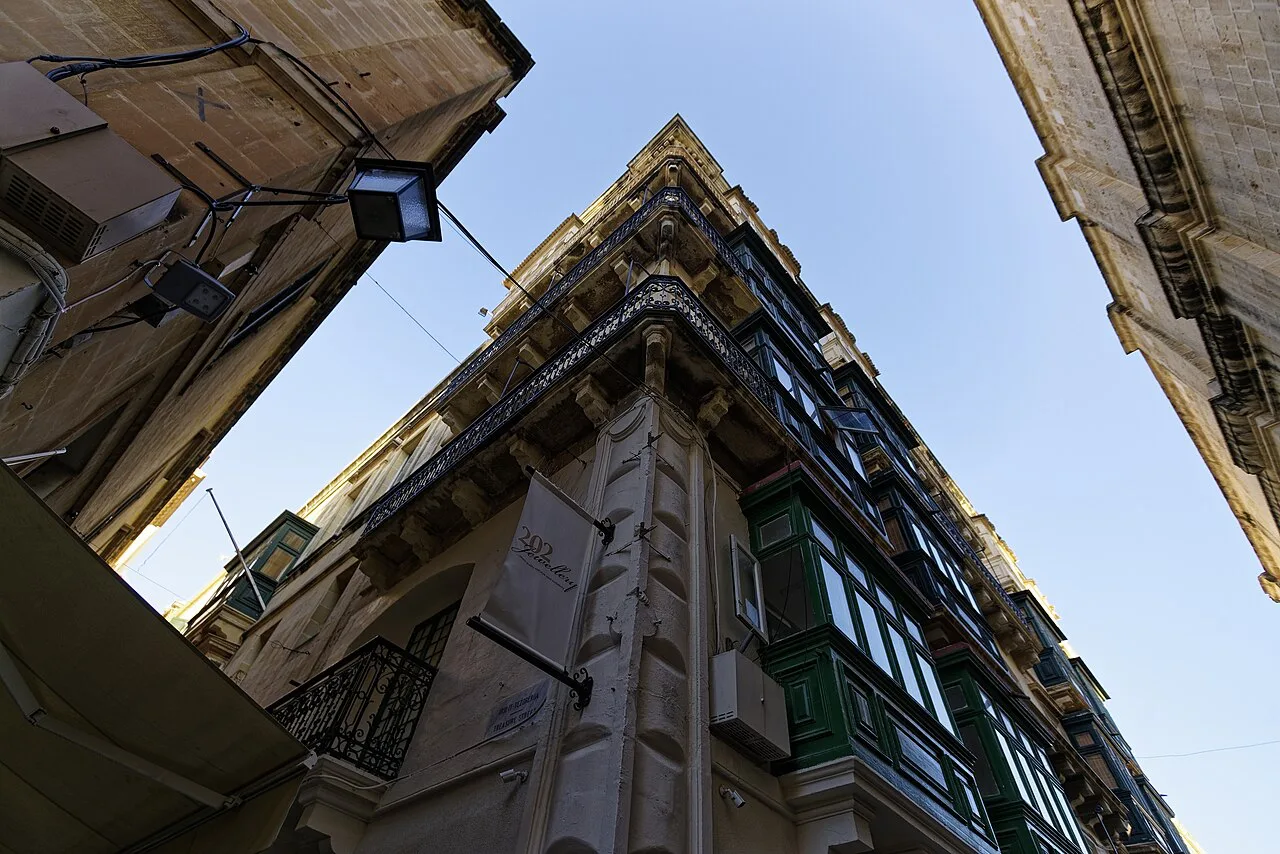
April is shoulder season, but it is not empty. School Easter holidays pull in family groups, and the island's buses fill at popular stops, with disorderly queues and buses often full by the time they reach Mdina or Valletta in peak periods.
Prices in April sit between winter quiet and summer peak: reasonable for accommodation and cheaper than London for eating out, and friendlier for a week-long stay than July or August. Getting around car-free is realistic, though a bus pass and patience matter more than any timetable.
Honest drawbacks
Expect cool evenings, gusty days on exposed coasts and the occasional wet spell, none of which ruins a trip but all of which limit beach time and al fresco dinners early in the month. The sea stays cold, so swimming is a brief plunge rather than a holiday activity.
The bus network is the main practical friction. Buses at popular stops can be full in April, especially during school holidays, and frequencies on some routes are thin, so plan around fewer, better-chosen journeys rather than hopping on and off all day.
April or May?
May is warmer and drier by a clear margin, with daytime highs around 23.3°C (73.9°F) and only a couple of rain days in a normal month, which makes it the better pick for sunbathers, families with young children and anyone who wants reliable outdoor evenings.
April wins on comfort for walking, quieter sights and a more local feel, and it remains a strong choice if your priority is seeing the island rather than lying on it. If you are settled on May but want the August-level heat, June pushes daytime highs to 27.5°C (81.5°F) with barely any rain, at the cost of more heat and more people.
The verdict
April suits sightseers, walkers, couples and culture-minded families who want mild days, clear light and manageable crowds. It does not suit beach-seekers or anyone who needs guaranteed sunshine and warm evenings, and those travellers should move to May or June.
Book late April rather than early if you can, plan a car-free route around a few well-chosen bases, and treat boat trips as a bonus rather than a fixed plan. Done that way, Malta in April is one of the Mediterranean's most rewarding shoulder-season trips.
How to plan a spring trip around the weather
If you are measuring whether spring in Malta is warm enough, the published climate normals give you a clear frame. The long-term figures for Luqa, published by the WMO World Weather Information Service, put April's average daily maximum at 19.1 °C and the average daily minimum at 11.9 °C, with 6.4 rain days and 22.5 mm of precipitation across the month. May shifts noticeably: the average daily maximum rises to 23.3 °C, the minimum to 14.9 °C, and rain days fall to 2.8 with just 6.6 mm of precipitation. June follows on with a 27.5 °C average daily maximum, a 18.4 °C minimum, 1.1 rain days and 3.2 mm. These values cover the 1961-1990 averaging period.
That narrowing of rainy days as the season progresses is the single most useful planning signal. April carries 6.4 rain days in the normals, so a week-long trip has a real chance of a wet day among it; May carries 2.8 and June 1.1. Booking in April means packing for a 19.1 °C daytime high and an 11.9 °C low, but knowing one day in roughly five, on average, is likely to be a rain day gives you a reason to keep your plans flexible rather than fixing every outing in advance.
One traveller's account of a week in April, published by Make It What You Want, describes the temperature as perfect and recommends four to five full days as a good amount of time to visit Malta, with an example itinerary running Medina/Rabat, Valletta, the Three Cities, Gozo and Comino, and St Julians and Sliema across five days. The same writer reports buying a bus pass for €25 covering unlimited bus travel for 7 days, though the approximate costs section of that post lists a 7 day bus pass at £21.5pp. It also warns that the bus system is at capacity in April, with disorderly queues at popular locations, buses often full, routes not super frequent, and drivers known to leave people at stations if they cannot squeeze anymore on.
Put together, the climate figures and that experience point to a sensible shape for a spring visit: allow for one or two days when the weather turns, and build days around shorter hops rather than long multi-stop bus chains. Because the normals show the biggest jump in warmth and the biggest drop in rain days between April and May, anyone who needs reliably dry, milder conditions is better served by the later month.
Plan Your April Trip
April gives you Malta without the summer crush: mild days, long light and an island that still feels lived-in. Accept that the sea is cold and the evenings are cool, and the month delivers far more than it costs you.
For entry requirements, use the official UK government travel advice page for Malta before booking. Everything else — which sites to see, how to move around and how to eat well — fits comfortably into a four or five day trip.
More Malta spring guides
Frequently Asked Questions
Is Malta warm in April?
Mildly warm. Long-term Luqa normals give a typical April daytime high of 19.1°C (66.4°F) and a night-time low of 11.9°C (53.4°F), averaged over 1961 to 1990. That is comfortable in the sun for walking and sightseeing, but shade, wind and evenings feel cool, so it is not a sunbathing month.
Can you sunbathe in Malta in April?
You can lie in the sun on a sheltered terrace on a clear afternoon, but the air and especially the sea are still cool, and breezy days make it unreliable. Anyone whose holiday depends on sunbathing and swimming should aim for May or June, when daytime highs and rain patterns shift clearly in your favour.
Is the sea warm enough to swim in Malta in April?
For most people, no. Air temperatures in the high teens are pleasant but the water lags well behind the land, so a dip is a brief plunge for the hardy rather than a holiday activity. If swimming matters, book later in spring; if you only want to look at the sea from a harbour wall, April is lovely.
Is April a good time to visit Malta for a first trip?
Yes, if your priority is seeing the island rather than lying on it. Valletta, Mdina, Rabat, the Three Cities and Gozo's Citadel and coastal paths all work well in mild weather, and crowds are lighter than in summer. The main frictions are cool evenings and full buses at popular stops during school holidays.
Malta in April or May: which is better?
May is warmer and drier, with a typical high of 23.3°C (73.9°F) and around 6.6 mm of rain over 2.8 rain days on the same Luqa normals. April is better for walking and quieter sights. Sunbathers and families with young children should pick May; sightseers who dislike heat should pick April.
Sources
Spring sun notes
Optional updates when we add destinations and months.
You might also like
Continue reading
More guides you'll find useful