Best Places to Visit in Europe in June: Where to Go
June in Southern Europe brings 25-30°C days, near-dry islands and a sea that has finally warmed. Compare named destinations by June heat and crowds.
On this page
The warmest reliable June weather in Europe sits in the eastern Mediterranean and the Canaries: Larnaca averages 30.6°C (87.1°F) by day, Paphos 28.1°C (82.7°F), and Lanzarote and Fuerteventura both hover around 26°C (79°F) with almost no rain. If you want to laze outdoors and eat dinner on a terrace without a jacket, that is the shortlist.
If you would rather walk all day than lie down, June rewards the milder edges: Nice averages 24.7°C (76.5°F) with 309.8 hours of sunshine, Barcelona 24.9°C (76.7°F), and Lake Garda 28.1°C (82.6°F) in the valleys with cooler air on the trails. The trade-off is real — the Riviera and the Catalan coast still take rain days in June, while Cyprus and the Canaries are effectively dry.
How to read June in Europe
Early June is the better half of the month almost everywhere. The Mediterranean has warmed steadily since May, the big school holidays have not started in most of the UK, and Greek and Italian coastal businesses are running fully but without the August crush. Late June brings the first genuine heat in Seville, Antalya and inland Sicily, plus the start of the long European school break and American summer travel.
Compare June with the months either side and the pattern is clear: May is cooler and wetter across the Mediterranean, September is warmer at sea but back at school-term prices, and June sits in the middle with the year's longest days. That makes June the strongest month for combining sightseeing with outdoor meals and a late-evening walk.
The sea finally becomes usable in the Aegean and the central Mediterranean in June, but the Atlantic side — the Algarve, Madeira, the Canaries — stays bracing even when the air is hot. If swimming matters more than sunbathing, plan your days around sheltered coves rather than open Atlantic beaches.
The Canaries: Lanzarote, Fuerteventura, Gran Canaria and Tenerife in June
June is the Canaries at their most consistent. Lanzarote averages 26.3°C (79.3°F) by day and 18.8°C (65.8°F) at night with 292 hours of sunshine and effectively no rain; Fuerteventura is almost identical at 25.8°C (78.4°F) and 19.1°C (66.4°F). Gran Canaria (25.3°C/77.5°F) and Tenerife (25.4°C/77.7°F) are a fraction cooler at the coast but equally dry. These are the safest June numbers in Europe for outdoor living.
The catch is the wind. Fuerteventura and Lanzarote in June are breezy enough that a beach towel needs weighting down, and the resorts built for winter sun can feel oddly quiet in the smaller villages. Inland, Timanfaya's volcanic landscape on Lanzarote and the green laurel valleys of Tenerife's Anaga give you something to do when the trade winds pick up. The Canaries are a calmer bet in April and May if you want warmth without the breeze; see our guide to Gran Canaria and the other islands for those months.
Balearics: Mallorca, Ibiza and Menorca in June
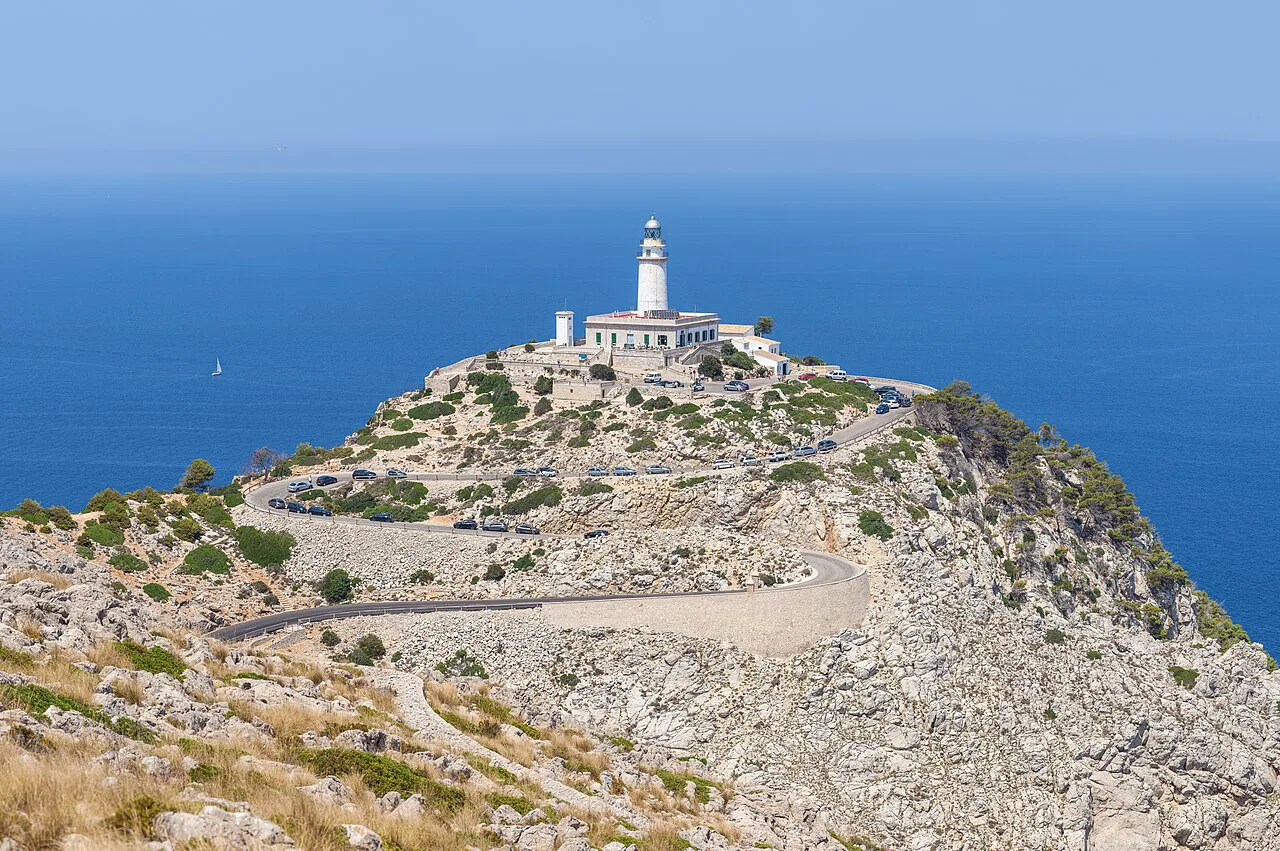
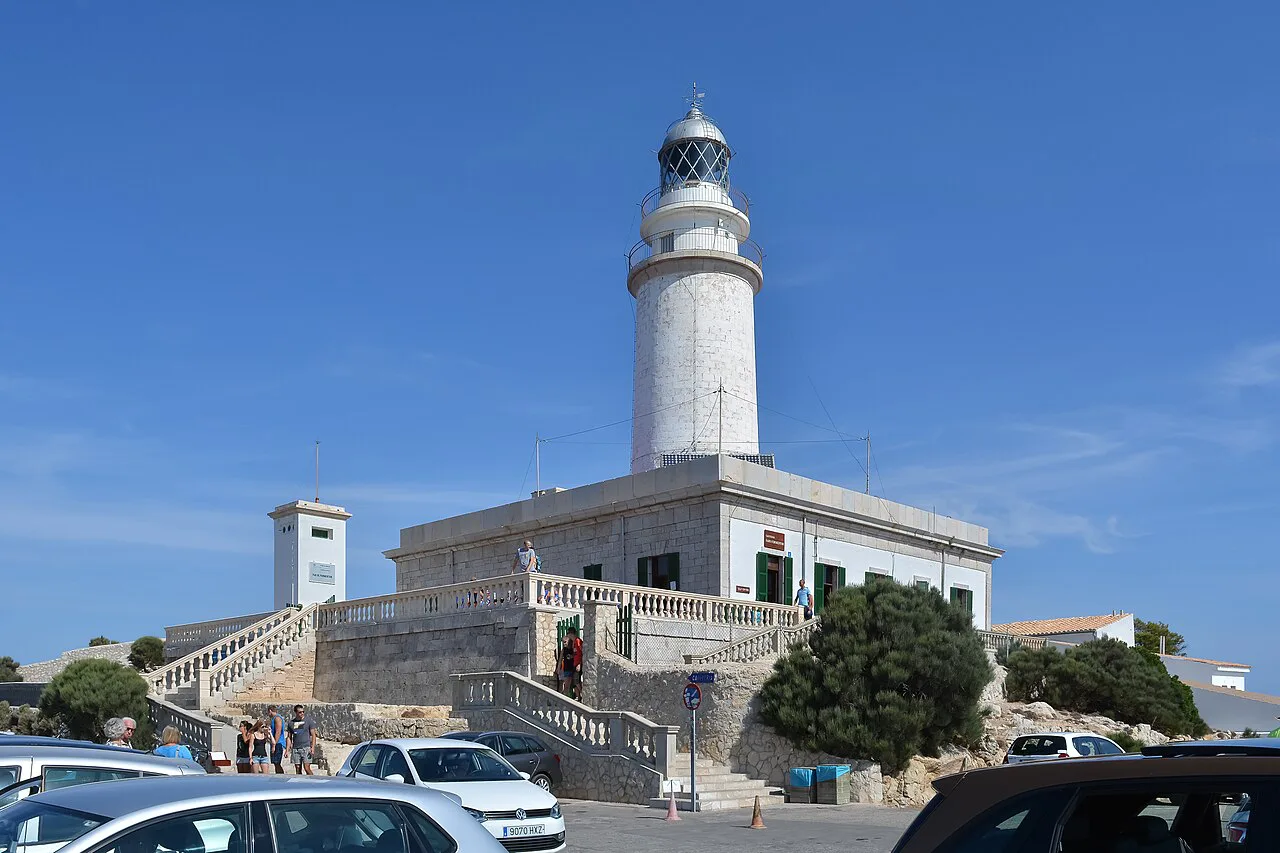
Mallorca's June average is 28.1°C (82.6°F) by day and 15.4°C (59.7°F) at night with 316 hours of sunshine and only 1.8 rain days. Ibiza is warmer at night (18.4°C/65.1°F) and almost as sunny, and Menorca sits cooler at 25.8°C (78.4°F) with 2.0 rain days. All three are properly summery by mid-June without the August furnace.
Choosing between them comes down to what you want from the day. Mallorca gives you the Tramuntana range for walks, Deià and Valldemossa for stone-village lunches, and Palma for a city afternoon; Ibiza trades that for quieter north-coast coves and a shorter drive between everything; Menorca stays the calmest of the three, with the Cami de Cavalls path linking beaches along the south coast. For a first June trip, Mallorca offers the most variety per day.
Book accommodation early if your dates fall in the last week of June, when UK schools start breaking up and the island switches to peak-season pricing. The same applies to Mallorca in April if you prefer cooler walking weather and emptier trails.
Cyprus: Larnaca and Paphos in June
Cyprus is the hottest reliable option in the eastern Mediterranean in June. Larnaca averages 30.6°C (87.1°F) by day and 20.1°C (68.2°F) at night with 378.6 hours of sunshine, and Paphos is a touch softer at 28.1°C (82.7°F) and 18.5°C (65.3°F) with 371.8 hours. Rain is negligible on both coasts, and the sea is warm enough for long swims by the middle of the month.
The heat shapes the day. Sightseeing works best in the morning: the Tombs of the Kings and the Paphos mosaics are exposed, and by early afternoon the sun is fierce. Inland, the Troodos villages and the Kykkos monastery sit high enough to be noticeably cooler, which makes them a sensible day trip from the coast.
For ruins, wine and long lunches, June in Cyprus rewards people willing to start early. If you want to walk rather than drive between sites, the shoulder months are kinder.
Greece: Crete, Rhodes, Kos, Santorini and Kefalonia in June
Crete is the strongest all-round Greek choice in June. Heraklion averages 27.5°C (81.5°F) by day and 19.7°C (67.5°F) at night with only 1.3 rain days, which is warm enough for the beach and comfortable enough to walk the Samaria gorge or the Lasithi plateau. Rhodes is similar at 27.8°C (82°F) with warm nights, and Kos runs hotter by day at 28.5°C (83.3°F).
Santorini is the exception people underestimate: its June average high is 27.7°C (81.9°F), which is pleasant, but the caldera villages are on a cliff and the island is squarely in cruise season. Go for the walk from Fira to Oia early, before the day-trippers land, and expect the view from Imerovigli to be shared. Kefalonia stays quieter, at 27.8°C (82°F) with 1.5 rain days and forested hills around Argostoli.
Crete is also the best Greek island for combining a beach base with genuinely cool mountain villages in the same week. If you want to see the island before the heat and the crowds, our guide to Crete in April covers the spring side of the same trip.
Malta in June
Malta averages 27.5°C (81.5°F) by day and 18.4°C (65.1°F) at night in June, with just 1.1 rain days and 3.2 mm of rain across the month. It is the most reliably dry of the central Mediterranean islands, and the sea around Mellieħa and Gozo is properly warm by mid-June.
Valletta and Mdina are compact enough to walk in the morning, the Ħaġar Qim and Mnajdra temples sit on an exposed clifftop better visited before noon, and the Three Cities reward an afternoon ferry ride. Malta is a good first June destination for travellers who want sightseeing and swimming in equal measure.
Sicily and Sardinia in June
Sicily is the hottest large island in the western Mediterranean in June: Catania Sigonella averages 31°C (87.8°F) by day and 16.6°C (61.9°F) at night with 1.4 rain days. Palermo is moderated by the sea at 27.2°C (81°F), making the northwest coast a more comfortable base. Both get noticeably hotter from July, so June is the sweet spot for eating outdoors and walking in the hill towns.
Sardinia runs slightly cooler. Cagliari averages 28.7°C (83.7°F) by day and 17.3°C (63.1°F) at night with 2.2 rain days, and the island's interior — Barbagia, the Nuraghe sites, the Gennargentu slopes — stays breezier than the coast. The Costa Smeralda in June is warm but not yet at August prices, though the small villages inland remain the better value week.
Southern Spain: Seville, Málaga and Valencia in June
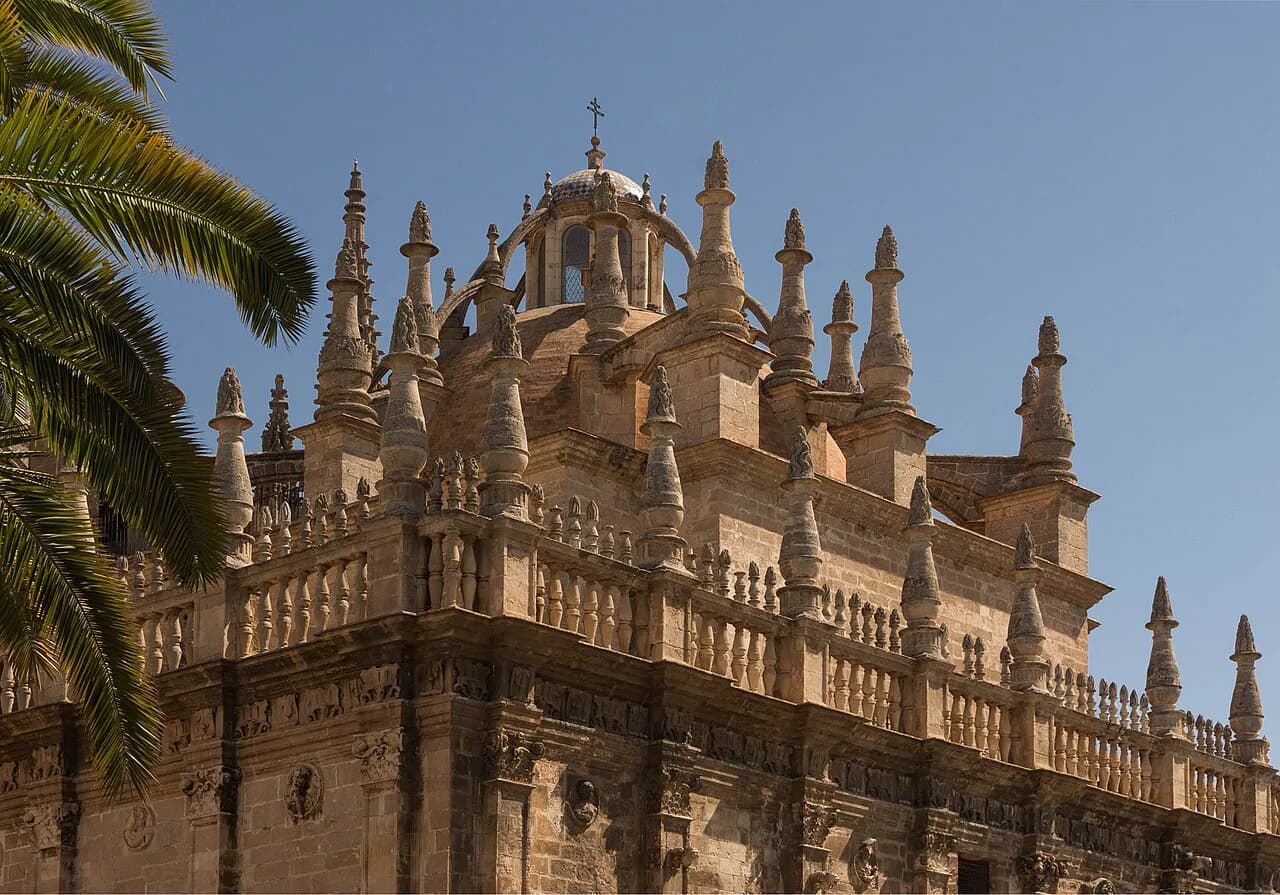
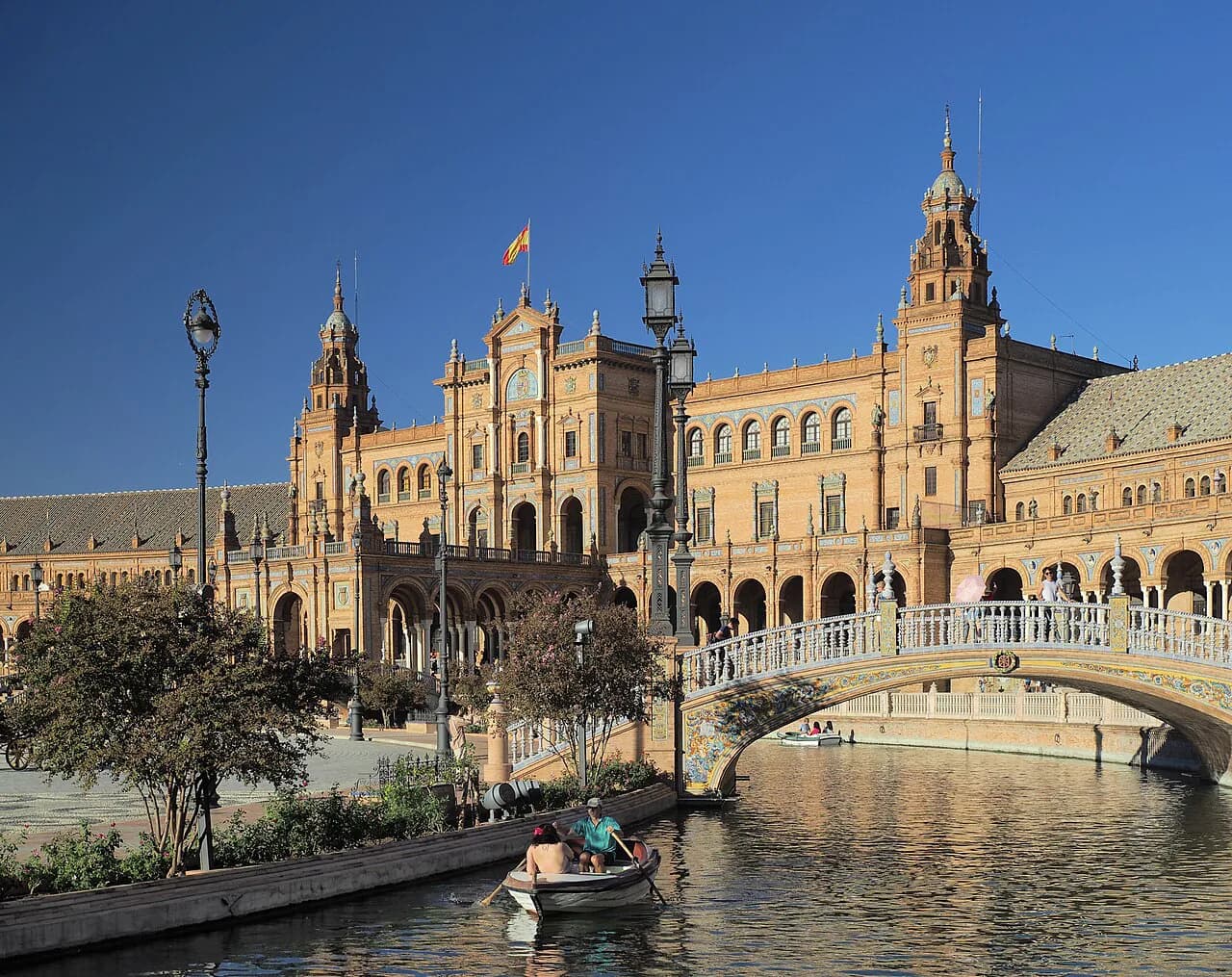
Seville is where June turns serious: an average high of 32.2°C (90°F) with 18.0°C (64.4°F) at night and 1.3 rain days. That is a fine month for tapas indoors and early-morning walks around the Alcázar, but the afternoon heat is real. Málaga is the more sensible Andalusian base at 28.1°C (82.6°F) on the coast, and Valencia sits comfortably at 27.1°C (80.8°F) with just 2.6 rain days.
The pattern in Andalusia is to work with the day rather than against it: gardens in the morning, a long afternoon meal, a late evening beside the Guadalquivir. The practical trade-off is that late June in Seville is already uncomfortable enough that most consideration of visiting is better moved to May or late September.
Portugal: the Algarve, Lisbon and Madeira in June
The Algarve in June is one of the most balanced warm destinations in Europe. Faro averages 26.8°C (80.2°F) by day and 17.8°C (64°F) at night with 0.8 rain days and just 5.1 mm of rain. Lisbon is slightly cooler at 26.1°C (79°F) with 2.0 rain days, and Madeira is the gentlest of the three at 23.7°C (74.7°F) by day and 18.2°C (64.8°F) at night, with only 1.0 rain day.
The Algarve edge is the Atlantic temperature. The water stays cold well into July, so June is for coastal walks, cliff scenery and sheltered beach sunbathing rather than swimming. Madeira is the best of the three for levada walking and high viewpoints, with the Pico do Arieiro and Pico Ruivo paths giving mountain walking that does not rely on coastal weather.
Croatia: Dubrovnik in June
Dubrovnik averages 25.2°C (77.4°F) by day and 18.8°C (65.8°F) at night in June, with 6.7 rain days and 48.6 mm of rain across the month. That is a noticeable amount of precipitation for June, and rain tends to arrive in short sharp bursts rather than full days.
The real trade-off in June is not weather but crowding. The old town walls, the Stradun and the cable car all fill up once the first big cruise ships arrive, and the wall walk is best done at opening time. An overnight stay lets you see the old town in the evening after most day-trippers have gone. For a quieter Dalmatian June, the islands and the Pelješac peninsula reward the extra ferry.
Türkiye: Antalya and the Bodrum coast in June
Antalya in June averages 31.6°C (88.9°F) by day and 20.1°C (68.2°F) at night, with 3.3 rain days and 10.1 mm of rain. That is properly hot, and the Turkish south coast works best when the sea, shaded courtyards and evening meals carry the day. The old town of Kaleiçi and the cliff-top parks around the marina are better in the early morning.
The Bodrum peninsula is warmer at night (21.6°C/70.9°F) and similar by day at 32.1°C (89.8°F) with just 1.6 rain days. The wind that makes Bodrum a sailing centre also makes the heat easier to take, which is why the peninsula now draws long-stay visitors through June. It is also a good base for the classical sites at Ephesus and Didyma, though both need starting early.
Italy beyond the south: Rome, Tuscany, the Amalfi Coast and the lakes
Rome in June averages 28.1°C (82.6°F) by day and 16.7°C (62.1°F) at night with 297.4 hours of sunshine, easing into a drier pattern overall. The city is at its most pleasant for the first two-thirds of the month and starts to feel stifling in the last week.
The Amalfi Coast, using Capri's figures, is a softer 28.7°C (83.7°F) with 2.4 rain days — warm but tempered by the sea, and the coastal paths between Amalfi and Ravello are best at the start of the day. Tuscany, using Florence's inland numbers, hits 29.1°C (84.4°F) with 5.2 rain days, which makes for hot city days but pleasant villa evenings.
The northern lakes are the underrated June option. Lake Garda, using Verona's figures, is 28.1°C (82.6°F) in the valleys but noticeably cooler on the water and on footpaths, with 7.8 rain days — enough to make thunderstorms a real possibility. Lake Como stays milder at 26.6°C (79.9°F) but takes the most rain of the group, over 100 mm in May and June, so it rewards flexibility.
Where June is warm but not hot: Nice, Barcelona, Lisbon and the Algarve compared
If the aim is 24-26°C (75-79°F) afternoons and a jumper in the evening, the Mediterranean's northern rim delivers. Nice averages 24.7°C (76.5°F) by day with 309.8 hours of sunshine but 3.8 rain days; Barcelona is 24.9°C (76.7°F) with 3.6 rain days; Lisbon is 26.1°C (79°F) with 2.0 rain days; Faro is 26.8°C (80.2°F) with only 0.8 rain days.
These four suit city breaks and gentle coastal walking, not sunbathing. The Riviera, in particular, still has unsettled spells in June, and the beaches around Nice are pebbled and busy. The Algarve gives you the same comfortable temperatures with markedly less rain, which is why it works as the first-choice mild option and the French Riviera as the more atmospheric second.
Crowds and prices in June
June pricing reflects the calendar. The first three weeks are still shoulder season in much of Spain and Greece, with mid-range hotels and restaurants charging materially less than in August. From around the last week of June, when UK schools break up and American summer travel starts in earnest, coastal prices jump, especially in Mallorca, Santorini, Dubrovnik and the Ibiza resorts.
The cheapest June weeks tend to be the first ones, and the best-value destinations for those weeks are the quieter Greek islands such as Kefalonia, the smaller Canary islands and the Portuguese Algarve outside the main resorts. The most expensive are the recognised honeymoon and cruise stops, where June is effectively peak season with peak prices. Book direct with hotels and small operators where you can, and check cancellation terms if you are relying on early warm weather. Our guide to where is warm in Europe in May picks up from here.
For a broader picture of how the Mediterranean in June compares with May, our guide to the best places to visit in Europe in May sets out the same destinations at the start of the season.
The honest drawbacks of a June trip
There are four real drawbacks. First, heat: Seville at 32.2°C, Antalya at 31.6°C and Catania at 31°C are hot enough to limit sightseeing between late morning and early evening. Second, the sea: the Atlantic coasts of Portugal and Morocco-facing islands stay cold even when the air is warm. Third, cost and crowds in the recognised resorts. Fourth, the northern lakes and the Riviera can be genuinely wet in June.
There is also the practical point that some Greek island infrastructure only reaches full summer rhythm late in the month, when the daily boat trips and seasonal tavernas pick up. Plan around a base with year-round life rather than a beach resort that opens for July, and check any scheduled boat trip or site opening directly with the boat company or site before building a day around it. For the bigger picture on European spring travel, our guide to where is warm in europe in april covers the earlier season.
June or September? A short comparison
June has the longer days and the fresher landscapes, and the sea in the Aegean and the central Mediterranean is warm enough by the middle of the month for comfortable swimming. September has a warmer sea almost everywhere in the Mediterranean and fewer crowds on the Greek islands and the Croatian coast, since the school holidays have ended.
Weather-wise the two months are close in the eastern Mediterranean. September is hotter in Seville and Antalya, and warmer at sea everywhere. June wins on daylight, greenery and long evening light; September wins on water temperature, quieter hotels and the sense that the summer rush has passed. If your priority is dry air and warm evenings, pick June; if it is warm sea and empty villages, pick September.
The verdict
If you want reliable June sun and no rain, go to Lanzarote, Fuerteventura, Cyprus or Crete. Lanzarote at 26.3°C with 0.0 rain days and Larnaca at 30.6°C with 378.6 hours of sunshine are the most dependable, and Crete gives you mountains and coast in the same trip.
If you want warmth with more sightseeing and less intensity, go to Sicily's northwest coast, the Algarve, Valencia or Malta. Palermo, Faro and Valletta all sit in the high twenties with dry days, and none of them is overwhelming in early June.
If you want mild air and long walks, go to Lake Garda, Tuscany, Nice or Barcelona, and accept that a day or two of rain is part of the deal. Whichever you choose, book the first three weeks of June rather than the last: you get the same warmth, fewer people and better value. Our guide to where is warm in Europe in June picks up from here.
More Europe spring guides
Frequently Asked Questions
Which country in Europe is best to visit in June?
Neither answer is universal, but if you want the most reliable combination of heat, sunshine and dry days, Cyprus and Greece lead. Larnaca averages around 30.6°C (87.1°F) by day with 378.6 hours of sunshine, and Crete averages 27.5°C (81.5°F) with barely any rain days. If you want warmth without extreme heat, Portugal and Malta are the safer picks.
Where in Europe is warmest in June?
The eastern Mediterranean and inland southern Spain are consistently hottest. Larnaca, Antalya, Bodrum and inland Sicily all average daytime highs around 30-32°C, and Seville is similar. Island coasts are usually two to four degrees cooler because of the sea breeze, which can be welcome rather than a disappointment.
Is June a good time to visit the Greek islands?
Yes, particularly the first three weeks. Crete and Rhodes are warm enough for the beach and comfortable for walking, and the crowds are lighter than in July and August. Santorini is the exception where crowding matters more than temperature: its caldera villages are busy with cruise passengers, so early mornings work better there.
Where in Europe is it cheap to go in June?
The quieter Greek islands such as Kefalonia, the smaller Canary Islands and the Algarve outside the main resorts tend to offer the best value in early June. Prices rise across the Mediterranean once UK schools break up towards the end of the month. Comparing the same weeks in early and late June usually shows a meaningful difference.
Sources
- Mallorca climate normals (AEMET, Palma de Mallorca Airport (AEMET B278))
- Ibiza climate normals (AEMET, Ibiza Airport (AEMET B954))
- Menorca climate normals (AEMET, Menorca Airport, Mahon (AEMET B893))
- Málaga climate normals (AEMET, Malaga Airport (AEMET 6155A))
- Lanzarote climate normals (AEMET, Lanzarote Airport (AEMET C029O))
- Gran Canaria climate normals (AEMET, Gran Canaria Airport (AEMET C649I))
- Tenerife climate normals (AEMET, Tenerife South Airport (AEMET C429I))
- Fuerteventura climate normals (AEMET, Fuerteventura Airport (AEMET C249I))
- Seville climate normals (AEMET, Seville Airport (AEMET 5783))
- Greek climate normals (HNMS)
- Sicily climate normals (WMO Climate Normals 1991-2020, Catania Sigonella (WMO 16459))
- Palermo climate normals (WMO World Weather Information Service, Palermo (Aeronautica Militare))
- Sardinia climate normals (WMO Climate Normals 1991-2020, Cagliari Elmas (WMO 16560))
- Amalfi Coast climate normals (WMO Climate Normals 1991-2020, Capri (WMO 16294))
- Lake Garda climate normals (WMO Climate Normals 1991-2020, Verona Villafranca (WMO 16090))
- Lake Como climate normals (WMO Climate Normals 1991-2020, Milano Malpensa (WMO 16066))
- Tuscany climate normals (WMO Climate Normals 1991-2020, Firenze Peretola (WMO 16170))
- Rome climate normals (WMO Climate Normals 1991-2020, Roma Ciampino (WMO 16239))
- Malta climate normals (WMO World Weather Information Service, Luqa (Malta Meteorological Office))
- Algarve climate normals (IPMA, Faro Airport (IPMA station 554))
- Lisbon climate normals (IPMA, Lisboa / Instituto Geofisico (IPMA station 535))
- Madeira climate normals (IPMA, Funchal / Observatorio (IPMA station 522))
- Paphos climate normals (WMO Climate Normals 1991-2020, Paphos Airport (WMO 17600))
- Larnaca climate normals (WMO Climate Normals 1991-2020, Larnaca Airport (WMO 17609))
- Antalya climate normals (MGM, Antalya regional station (MGM))
- Dalaman climate normals (WMO Climate Normals 1991-2020, Bodrum (WMO 17290))
- Nice climate normals (Meteo-France, Nice Cote d'Azur Airport (Meteo-France 06088001))
- Barcelona climate normals (AEMET, Barcelona Airport, El Prat (AEMET 0076))
- Valencia climate normals (AEMET, Valencia city (AEMET 8416))
- Dubrovnik climate normals (WMO World Weather Information Service, Dubrovnik (DHMZ))
Spring sun notes
Optional updates when we add destinations and months.
You might also like

Continue reading
More guides you'll find useful