Gran Canaria in April: How Warm It Is and What to Expect
Gran Canaria in April averages 22.6°C by day and 16.2°C at night, with 228 hours of sunshine and barely any rain. Here is what that means for your trip.
On this page
April is warm enough to spend the day outdoors in Gran Canaria, but not reliably warm enough to swim. AEMET's long-term normals for Gran Canaria Airport give an average daytime high of 22.6°C (72.7°F) and a night-time low of 16.2°C (61.2°F) for the month, with 228 hours of sunshine, 6 mm of rain across roughly 1.3 wet days and a station period of 1981–2010.
Those figures suit sightseeing, coastal walking, golf and long lunches on a terrace, and they are close to ideal for anyone who finds high summer too hot. If your trip is built around swimming or heat, aim for late June or later; if you want a gentle first taste of Mediterranean-adjacent sun in spring, compare this with our guide to where is warm in Europe in April.
Weather in April: The Figures in Plain Terms
AEMET records April at the airport as a dry, bright month: 22.6°C (72.7°F) by day, 16.2°C (61.2°F) at night, 228 hours of sunshine and 6 mm of rain. Put simply, you get roughly seven and a half hours of sun a day on average and a wet day rarely intrudes on a week's holiday.
The airport figures describe the sheltered east-coast side of the island, which is why they are a reasonable proxy for Maspalomas and Playa del Inglés. They are not a forecast, and they understate the island's variety: the north around Las Palmas de Gran Canaria and the green interior see more cloud and cooler air than the southern resorts on the same day.
Is It Warm Enough for the Beach, Walking and Sightseeing?
For sunbathing on a sheltered terrace or the dunes, yes: an average high of 22.6°C (72.7°F) with strong April sunshine feels genuinely warm when the wind drops. For swimming in the Atlantic, no, not comfortably; the sea is still cool in April and most visitors who go in are quick about it.
Walking is where April excels. The highlands around Tejeda and the pine forests above the central peaks are cool enough for real effort, and the coast path at Puerto de Mogán is pleasant rather than punishing. Families with small children will find the south coast forgiving, while anyone chasing guaranteed heat should look at Gran Canaria in May instead.
Early vs Late April: What Shifts
Expect the first week to feel like a continuation of March, with a greater chance of a cloudy spell and evenings that need a layer. By the last ten days the pattern is more settled and the afternoons more consistently warm, which is why late April is the safer bet for a beach-led trip.
The bigger shift is human rather than meteorological. Spanish school holidays and Easter fall in or near April in most years, and the resorts fill accordingly; once those weeks pass, the island drops back into a quieter pre-season rhythm before the summer rush. If your dates are fixed around a holiday period, book the popular southern resorts early rather than expecting last-minute bargains.
How April Compares With March and May
April sits neatly between the two. AEMET's May normals rise to 23.6°C (74.5°F) by day and 17.3°C (63.1°F) at night with 272 sunshine hours and just 1 mm of rain, so May is warmer, sunnier and drier on paper; March, by contrast, is cooler and more unsettled than April.
That difference of roughly one degree by day matters less than the sunshine gain: May adds around 44 hours of sun over April. If you are weighing up the two months, our guide to the best time to visit Gran Canaria sets out the trade-off between warmth, crowds and value across the year.
What Is Open in April
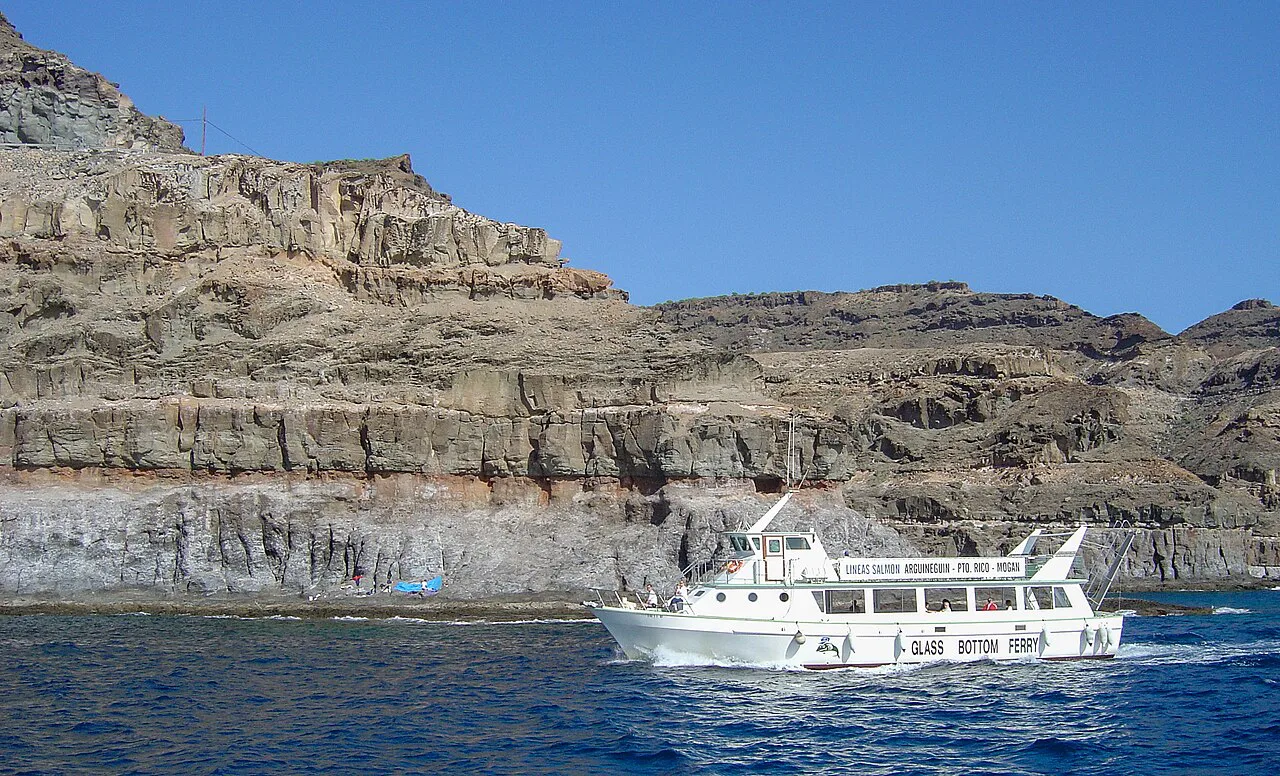
April is pre-season for much of the island's tourist infrastructure, so treat it as a month of partial opening rather than full summer operation. Beach clubs, boat trips and some resort restaurants run reduced hours or open only at weekends until the season proper begins, and the pattern varies by resort, so ask the specific company you plan to use, whether that is a catamaran from Puerto Rico or a restaurant in Playa del Inglés.
Mountain roads into the interior are open year-round, and the walking routes around Roque Nublo and the Bandama crater rim are at their best before the summer heat arrives. Las Palmas's Vegueta old town and its museums keep normal city hours regardless of the tourist season.
For a full list of April-appropriate outings, from the dunes at Maspalomas to the Guayadeque ravine, see our guide to things to do in Gran Canaria in April.
Where to Base Yourself: South, North and Interior
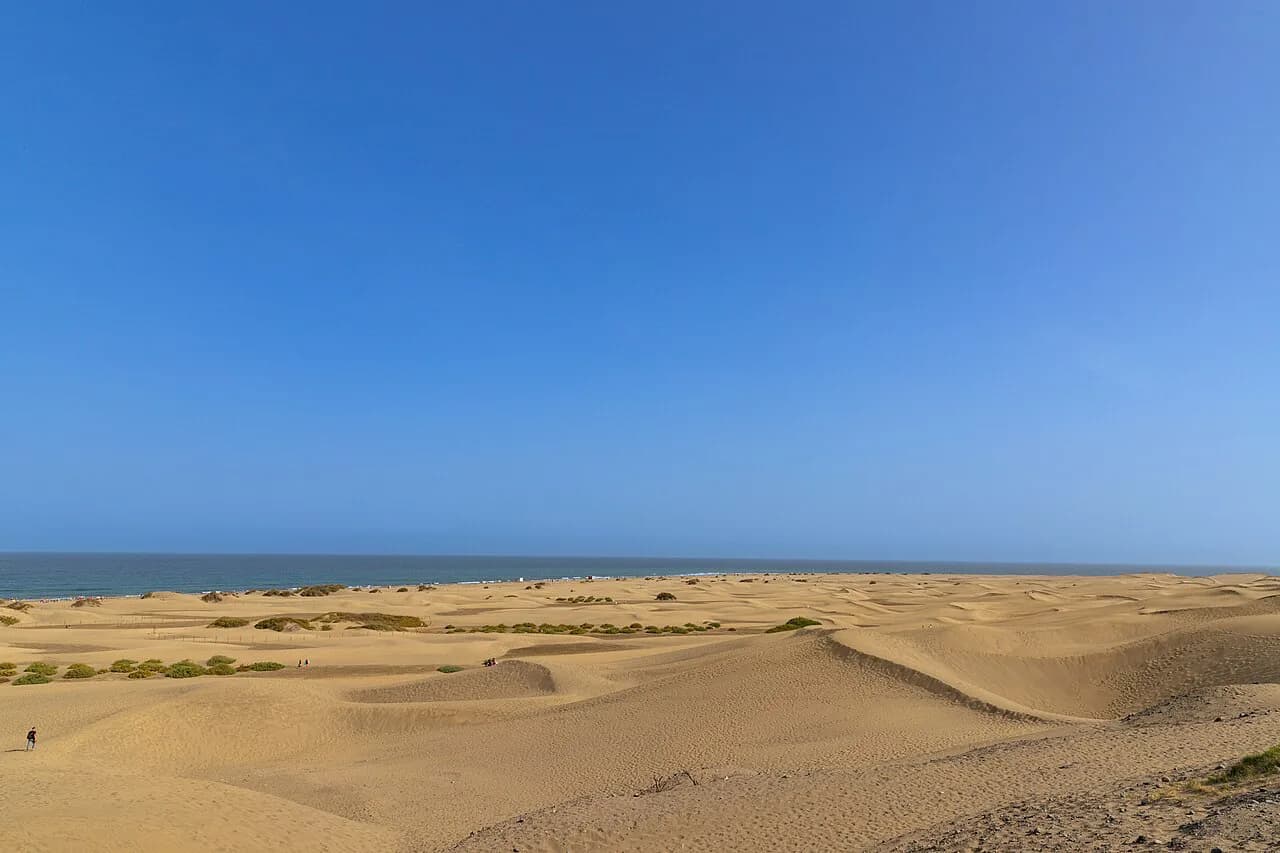
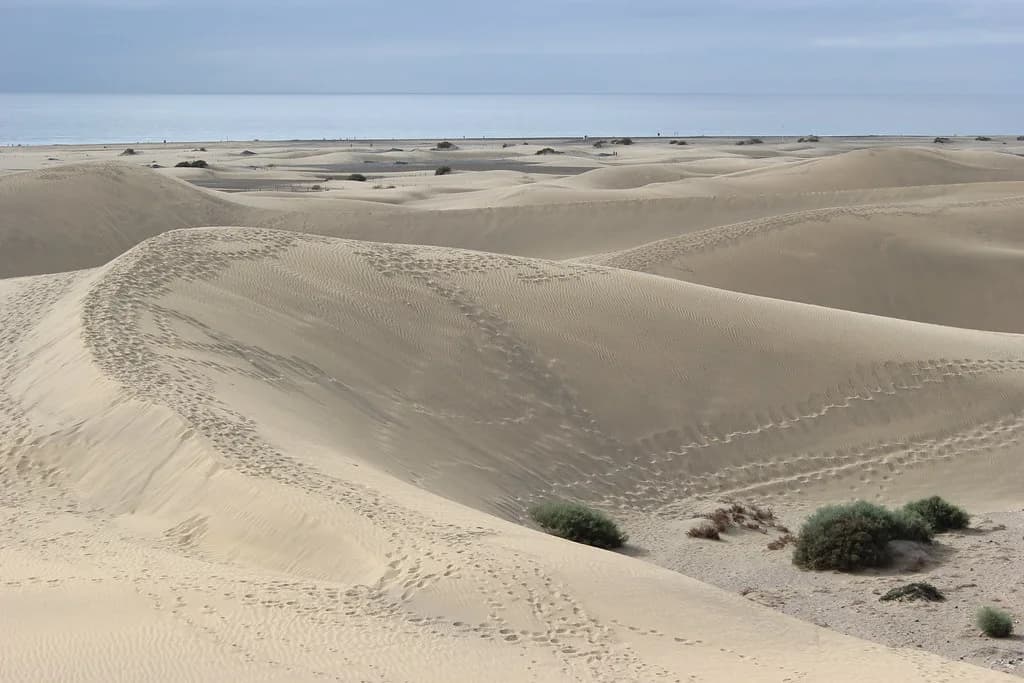
The southern resorts of Maspalomas and Playa del Inglés are the obvious April choice: they catch the best of the sunshine, have the widest choice of open restaurants and put the Dunas de Maspalomas within walking distance. The trade-off is that the south is the busiest and most built-up part of the island.
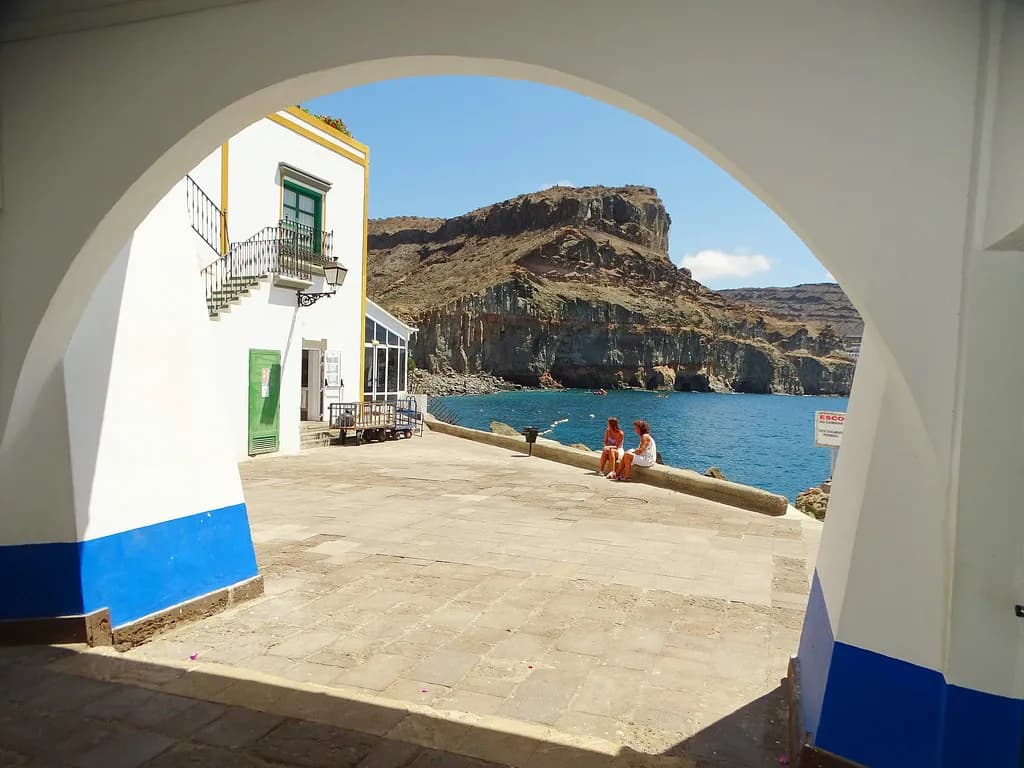
Puerto de Mogán, further west along the same coast, is quieter and prettier, with a working harbour and a good base for boat trips. The north around Las Palmas de Gran Canaria is cooler, cloudier and more urban; it suits city breaks and food-led trips rather than beach days.
Inland, Tejeda and the villages of the central highlands are cool in April but stunning, and the drive up through the pine forests is one of the island's best half-days. It is not a beach base, but it makes an excellent two-night break if you want to combine coast and mountains.
Crowds and Prices in April
April is a shoulder month, which usually means moderate prices and plenty of availability outside the Easter fortnight. Once schools break up, the southern resorts fill fast and prices climb, particularly for family-friendly accommodation. After the holidays, the island settles back into a calmer, cheaper pre-season period.
British travellers should also watch the late-April timing of May bank holidays and half term, which can push demand into the first week of May and lift prices for trips that straddle the two months. The FCDO travel advice page for Spain is the place to look for entry and safety guidance before you book.
The Honest Drawbacks
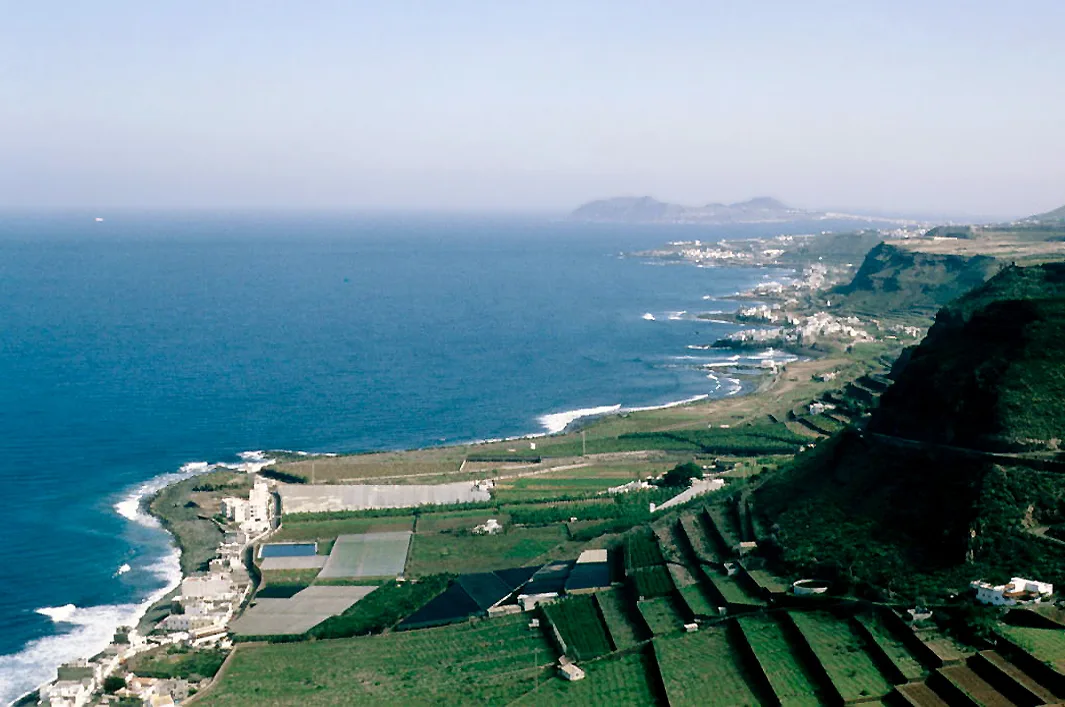
The evenings are genuinely cool: 16.2°C (61.2°F) on average means you will want a layer once the sun goes down, especially near the coast where the breeze picks up. Wind is the other factor; the southern resorts are exposed, and a windy April day can feel considerably cooler than the thermometer suggests.
The Atlantic remains cold well into spring, so swimming is a brief affair rather than a lazy afternoon. Some restaurants and attractions operate reduced pre-season hours, and a cloudy spell in the north can last a day or two. None of this is a reason to avoid April, but it is a reason to choose the south and to plan walking rather than swimming.
April or May?
If your priority is reliably warm days, brighter sunshine and a better chance of swimming comfortably, May is the stronger month on the AEMET figures. If you want lower prices, fewer crowds and the island at its greenest, April delivers.
Travellers comparing the wider region may also want to look at how Lanzarote in April compares, or at the Canary Islands in April more broadly, since the smaller islands run slightly cooler and windier than Gran Canaria's south.
Those looking ahead to early summer should read Gran Canaria in June, which shows how the island changes once the trade winds settle and the sea finally warms.
Planning April Days Around the Sunshine and the Sea
Knowing the averages is one thing; shaping a day around them is another. On Gran Canaria the April figures point to a rhythm: with an average daily maximum of 22.6 °C, a daily minimum of 16.2 °C and 228 hours of sunshine across the month, the warm part of the day is long enough to build plans around, while mornings and evenings sit closer to the minimum. Those 228 hours work out to a substantial stretch of bright weather each day in aggregate, and with 1.3 rain days and 6 mm of precipitation for the month the odds of a washout are low rather than zero.
The sea is the piece the air temperatures do not tell you about. For April, sea temperature around Puerto Rico is 21 °C, which is cooler than the 22.6 °C average daytime high on land and explains why swimming is a more committed choice than sunbathing. Beach days work best when the water is treated as optional and the sand as the main event; days built around walking, sightseeing or simply sitting out are easier to fill, since the air is warm without being hot. After dark, the drop toward 16.2 °C is the reason a light layer earns its place in the bag alongside swimwear.
Budgeting the daylight is the other half of planning. Reported sunshine for April in Puerto Rico runs to 10 hours per day, so there is room for a morning outing, a slower middle of the day and a second excursion before the light goes. Wind speed averaging 15 km/h is enough to make exposed coastal spots feel fresher than the thermometer suggests, while humidity averaging 60% keeps the heat comfortable rather than sticky. A practical pattern is to put the most active plan of the day into the brightest, warmest hours and keep the cooler edges of the day for transfers, meals and anything that does not depend on the sun.
Rain, when it comes, is a small factor rather than a theme: 20 mm for the month is the figure quoted for Puerto Rico in April, and the airport normals show 6 mm with 1.3 rain days, so a single wet spell can account for a good share of the month's total. That argues for keeping one flexible day in the plan rather than scheduling every hour in advance, and for treating an overcast morning as a prompt to shift rather than cancel. The month's mild, sunny character means the weather rarely dictates the whole trip, but a little sequencing around the warmest, brightest stretch makes the days go further.
The Verdict
April suits walkers, sightseers, golfers and anyone who wants spring sun without summer heat. It does not suit swimmers or travellers who need guaranteed beach weather every day; those visitors should wait until June or later.
Choose the south for sunshine and the interior for walking, expect cool evenings and a cold sea, and book early if your dates coincide with Easter or the May holidays. With those caveats, April is one of the most rewarding months to see the island.
More Gran Canaria spring guides
Frequently Asked Questions
Is Gran Canaria hot in April?
Warm rather than hot. Average daytime highs are around 22.6°C (72.7°F), with night-time lows near 16.2°C (61.2°F). It feels pleasant in the sun, particularly in the sheltered south, but it is not beach-heat weather every day.
Can you swim in Gran Canaria in April?
The Atlantic is still cool in April, so swimming is generally brief and better suited to confident cold-water swimmers. The southern resorts are the most sheltered, but do not expect warm sea.
Does it rain in Gran Canaria in April?
Rain is limited: the airport normals show roughly 6 mm across about 1.3 wet days for the month. The north and the interior see more cloud and occasional showers than the south coast.
Is April a good time to visit Gran Canaria?
Yes, for walking, sightseeing and relaxed outdoor days. It is less reliable for swimming and can be busy around Easter and the May holidays, so late April is usually the sweet spot.
Is Gran Canaria warmer in April or May?
May is warmer, with average highs around 23.6°C (74.5°F) and more sunshine. April is cooler but quieter and often better value outside the holiday periods.
How warm is Gran Canaria in April at night?
Around 16.2°C (61.2°F) on average, which means a layer is useful after dark, especially on the coast where the breeze is stronger.
Sources
Spring sun notes
Optional updates when we add destinations and months.
You might also like
Continue reading
More guides you'll find useful