Europe Weather in May: What to Expect by Region
Europe in May ranges from 21°C in Nice to 27°C in Larnaca. Compare temperatures, sunshine and rain across the Mediterranean, the Canaries and the north.
On this page
May is the first month in which most of southern Europe is warm enough to plan a trip around being outdoors. Average daytime highs reach about 24°C (75°F) in Málaga, 23°C (73°F) in Rome and 27°C (81°F) in Larnaca, with night-time lows in the mid-teens. North of the Alps the picture changes completely: Milan averages 21.8°C (71°F) by day but only 10.2°C (50°F) at night, so evenings still need a jacket. If you are still choosing a destination, our guide to where is warm in Europe in May narrows the field to the places that genuinely deliver.
Europe Weather in May at a Glance
Southern Europe splits into three May patterns. The Atlantic-facing south — the Algarve, Lisbon, Madeira — is mild rather than hot, with highs of 22°C to 24°C (72°F to 75°F). The central Mediterranean — the Balearics, Sicily, Sardinia, Malta, Greece, Cyprus — is comfortably warm by day, with highs of 22°C to 27°C (72°F to 81°F) and evenings that stay above 13°C (55°F) almost everywhere. Turkey's Aegean and Mediterranean coast is the hottest of the mainstream options, at 27°C to 32°C (81°F to 90°F).
Northern and inland Europe behaves like a different season. Verona, used here for Lake Garda, averages 24°C (75°F) by day in May but 12.5°C (55°F) at night, and records 71 mm of rain across nearly eight wet days. That is perfectly good sightseeing weather, but it is not a beach month. The one European destination with genuinely reliable warmth and almost no rain in May is the Canary Islands, where Lanzarote averages 24.6°C (76°F) with 0.4 rain days. Our guide to where is warm in Europe in April picks up from here.
The Mediterranean in May: Balearics, Spain, Portugal, Italy, Malta, Greece and Cyprus
In Spain, Seville is the warmest of the mainland cities at 27.2°C (81°F) by day and 14.2°C (58°F) at night, but it also logs 3.7 rain days and 30 mm, so a wet afternoon is possible even this late in spring. Málaga is a touch cooler at 24.3°C (76°F) with just 20 mm of rain, and Valencia sits at 23.4°C (73°F) with 39 mm. Barcelona is the coolest of the four at 21.1°C (70°F) and 47 mm, which makes it a city-touring month rather than a beach one.
The Balearics are approaching their best month. Palma de Mallorca averages 23.7°C (75°F) by day and 11.3°C (52°F) at night with 283 hours of sunshine and only 32 mm of rain across 3.8 wet days, which is enough sun for long coastal walks and lazy lunches but not yet summer heat. Ibiza runs warmer at night at 14.6°C (58°F) and Menorca is the breeziest and coolest of the three at 21.6°C (71°F), with 37 mm of rain. If you want the Balearics before the season fills up, Mallorca in April shows how much cooler the island still is a month earlier.
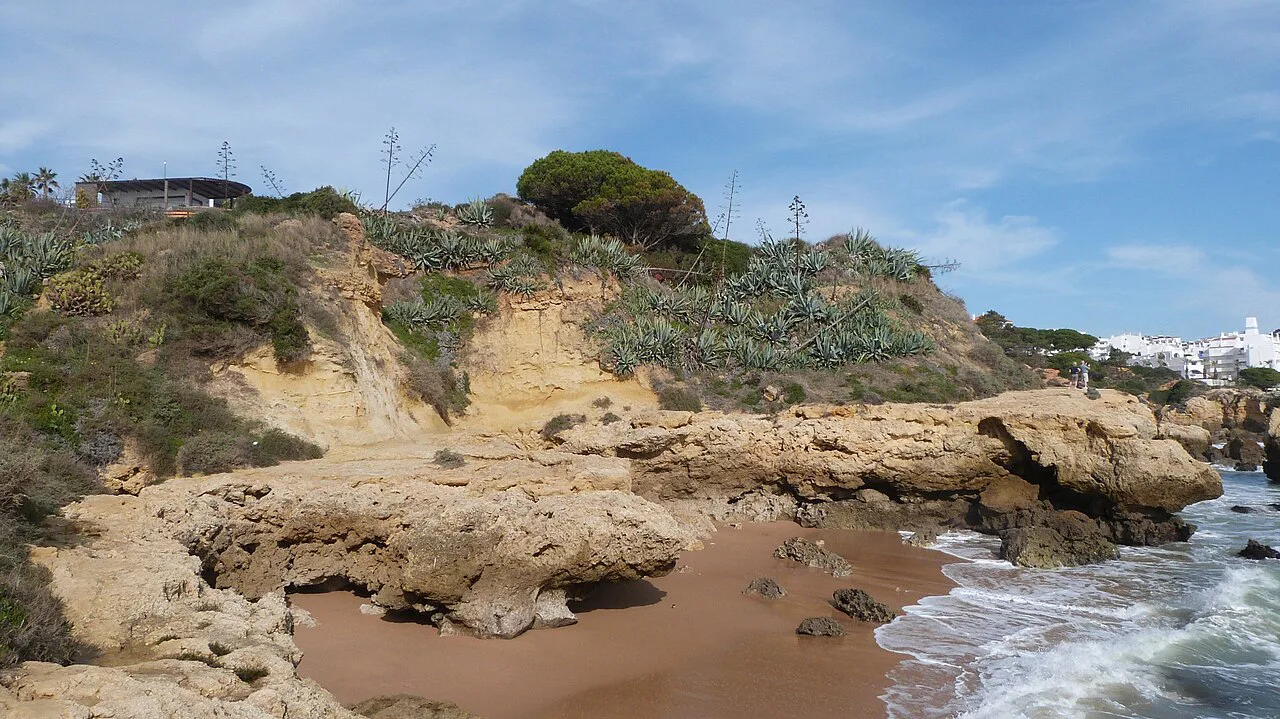
Portugal is the mild end of southern Europe. Faro on the Algarve averages 23.5°C (74°F) by day and 15.0°C (59°F) at night with 26 mm of rain spread over 3.8 wet days, and Lisbon is slightly cooler at 23.1°C (73°F) with 58 mm. Madeira stays remarkably even at 22.0°C (72°F) by day and 16.2°C (61°F) at night with just 27 mm, which suits walkers who want warmth without heat. The Atlantic keeps all three cooler than the Spanish Mediterranean coast, so pick them for mild rather than hot.
Italy spreads across nearly the whole range in one country. Palermo averages 23.3°C (74°F) with 36 mm of rain, Cagliari in Sardinia 24.1°C (75°F) with 26 mm, Capri 24.4°C (76°F), while Florence is 24.3°C (76°F) but with 63 mm and Lake Como — measured at Malpensa — only 21.8°C (72°F) with over 100 mm of rain. Catania in Sicily is already touching 26.1°C (79°F), the warmest of the Italian stations here. Northern lakes and Cinque Terre are better saved for late May or June if you want dry days.
Malta and the Greek islands are where May starts to feel like proper early summer in the air. Malta averages 23.3°C (74°F) by day and 14.9°C (59°F) at night with only 6.6 mm of rain, Heraklion on Crete 23.9°C (75°F), Rhodes 23.8°C (74°F) and Santorini 23.1°C (73°F). Corfu is noticeably wetter at 37 mm across eight wet days, and Kefalonia similar at 17.9 mm, so the Ionian islands reward a little flexibility. For a cooler, quieter version of the same islands a month earlier, see our guide to Greece in April.
Cyprus is the warmest mainstream Mediterranean option before Turkey enters the picture. Larnaca averages 27.0°C (81°F) by day and 16.4°C (61°F) at night with 11.5 mm of rain and over 330 hours of sunshine in the month, while Paphos is a couple of degrees cooler at 24.9°C (77°F) but still bone-dry by Mediterranean standards. If you want the sea warm enough to swim comfortably, May is early; the air, though, is unambiguously summery.
The Canary Islands in May: The Steadiest Warmth in Europe
The Canaries do not have a May so much as a continuation of April, and that is the point. Lanzarote averages 24.6°C (76°F) by day and 16.8°C (62°F) at night with 297 hours of sunshine and 0.4 rain days, which is close to a guarantee of dry, bright weather. Fuerteventura sits at 24.1°C (75°F) with barely a trace of rain, and Tenerife South at 23.9°C (75°F) with 1 mm across the month.
Gran Canaria is the mildest of the four in May at 23.6°C (74°F) by day and 17.3°C (63°F) at night, with 272 hours of sun and 1 mm of rain. What sets the islands apart is the night-time temperature: 17°C (63°F) means dinner outdoors without a jacket, which almost nowhere in mainland Europe manages in May. The trade-off is that the islands are not hot — you will not find 30°C here in May, and the sea stays cool. If you want a warmer Canaries picture, our guide to Europe weather in April shows how little changes from one month to the next.
Inland and Northern Europe in May: Pleasant Afternoons, Cool Evenings
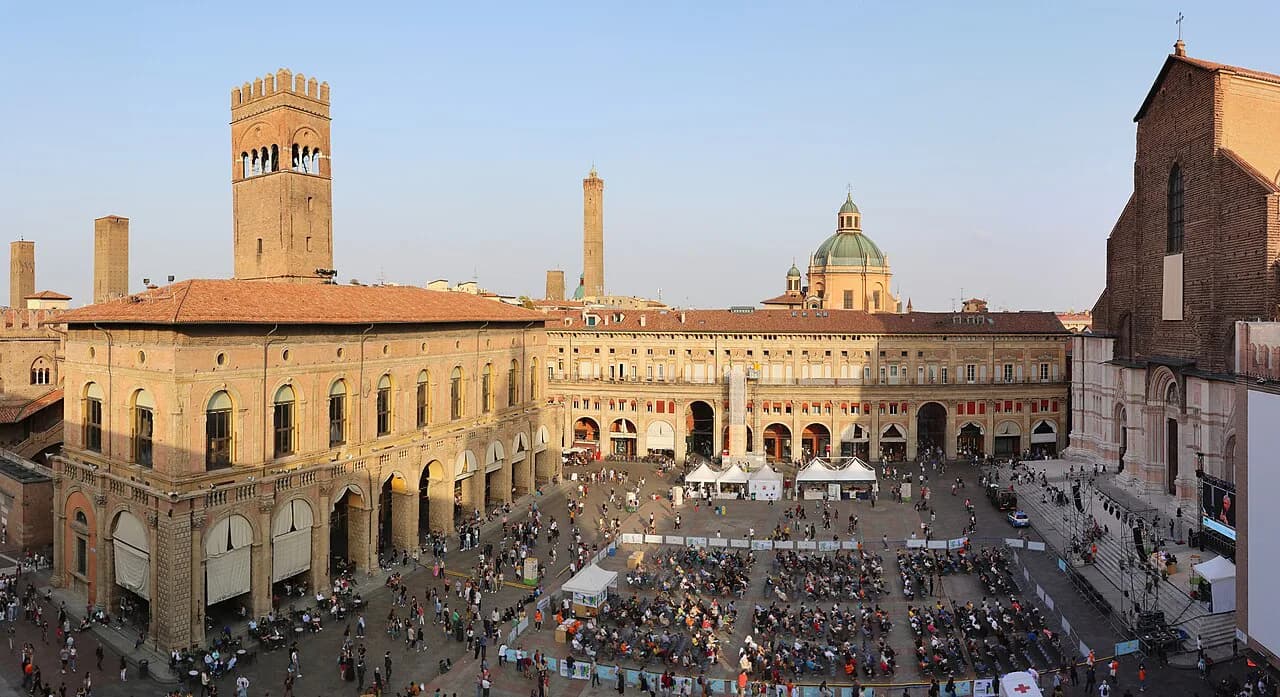
Inland Italy and the Adriatic are genuinely pleasant by day and brisk by night. Verona averages 24.0°C (75°F) by day and 12.5°C (55°F) at night with 241 hours of sunshine, Bologna 23.0°C (73°F) and 12.0°C (54°F) with 58 mm of rain, and Dubrovnik on the Croatian coast 21.3°C (70°F) by day and 15.2°C (59°F) at night but with 76 mm of rain across 9.5 wet days. Dubrovnik's wet days are the honest caveat: the Dalmatian coast in May can be glorious or showery within the same week.
The French Riviera is cooler than most British travellers expect in May. Nice averages 21.0°C (70°F) by day and 14.5°C (58°F) at night with 40 mm of rain across just over five wet days and 271 hours of sunshine, which makes for excellent walking and city time but not guaranteed sunbathing. Cinque Terre, measured at Sarzana Luni, is similar at 22.2°C (72°F) by day with 59 mm of rain, and its coastal paths reward the mild conditions.
Turkey is the outlier in the eastern Mediterranean: Bodrum averages 26.6°C (80°F) by day and 17.2°C (63°F) at night with 266 hours of sunshine and only 19.6 mm of rain, which is comfortably among the warmest and driest of the mainstream coastal options. Antalya is similar at 26.4°C (79°F) with 37 mm, and inland Cappadocia is far cooler at 21.2°C (70°F) by day and 9.3°C (49°F) at night, with more than 13 rain days. Cappadocia in May suits walking and balloon-morning starts, not sunbathing.
Early vs Late May
Late May is meaningfully warmer than the first week almost everywhere in southern Europe, and the difference is most obvious in the evenings. The averages above are monthly figures, so a trip in the first ten days will typically sit below them by a degree or two at night in the Balearics, Tuscany and the Riviera, while the last ten days run above. If your plan involves dinner outside, book the second half of the month.
What opens as the month progresses matters as much as the temperature. In the Mediterranean, boat trips, beach clubs and seasonal restaurants generally ramp up towards the end of May ahead of the June season; each operator sets its own start dates, so check the timetable of the specific company you want to use before you book. In the Greek islands and the Balearics, ferry schedules also thicken from late May, and island-hopping plans made for early May can be noticeably thinner than the same plan in June. If your dates are fixed and the boat trips matter to you, choose the last week over the first.
Rain and Sunshine in May
Rain in May is concentrated in three places. The first is northern Italy, where Lake Como records over 100 mm and Florence 63 mm; the second is the Adriatic, where Dubrovnik has 76 mm across 9.5 wet days and Corfu 37 mm across eight; the third is inland Turkey, where Cappadocia logs more than 13 rain days. These are not washouts — the rain often arrives as an afternoon spell — but they justify a flexible plan with one indoor option in reserve.
The dry end of the spectrum is striking by comparison. Lanzarote averages 0.4 rain days, Fuerteventura 0.2, Gran Canaria 0.3 and Tenerife South 0.3, which is about as close to guaranteed dry weather as Europe gets. In the Mediterranean, Malta records 6.6 mm, Palermo 36 mm, Cagliari 26 mm and Larnaca 11.5 mm. If your trip depends on dry days, the Canaries and Cyprus are the safest calls.
Crowds and Prices in May
May is the month when southern Europe shifts from shoulder season to pre-season, and the pressure is uneven. The two UK bank holidays and the school half-term week concentrate British demand into a handful of days, and the Easter period still falls in late March or April in most years, so early May can feel quiet while the bank-holiday weekends feel busy. Late May is also when many seasonal hotels, restaurants and boat operators reopen, so the atmosphere improves as the month goes on.
Prices tend to be lower than in July and August but are already climbing in the last week of May, particularly in the Balearics and the Greek islands. The Canaries hold steadier because their season is longer; Malta is comparatively good value in the first half of the month. Book accommodation and inter-island ferries early for the bank-holiday weekends and half term, and leave the rest of the month late if you want flexibility.
Where May Is Warm Enough for Lazing Outdoors
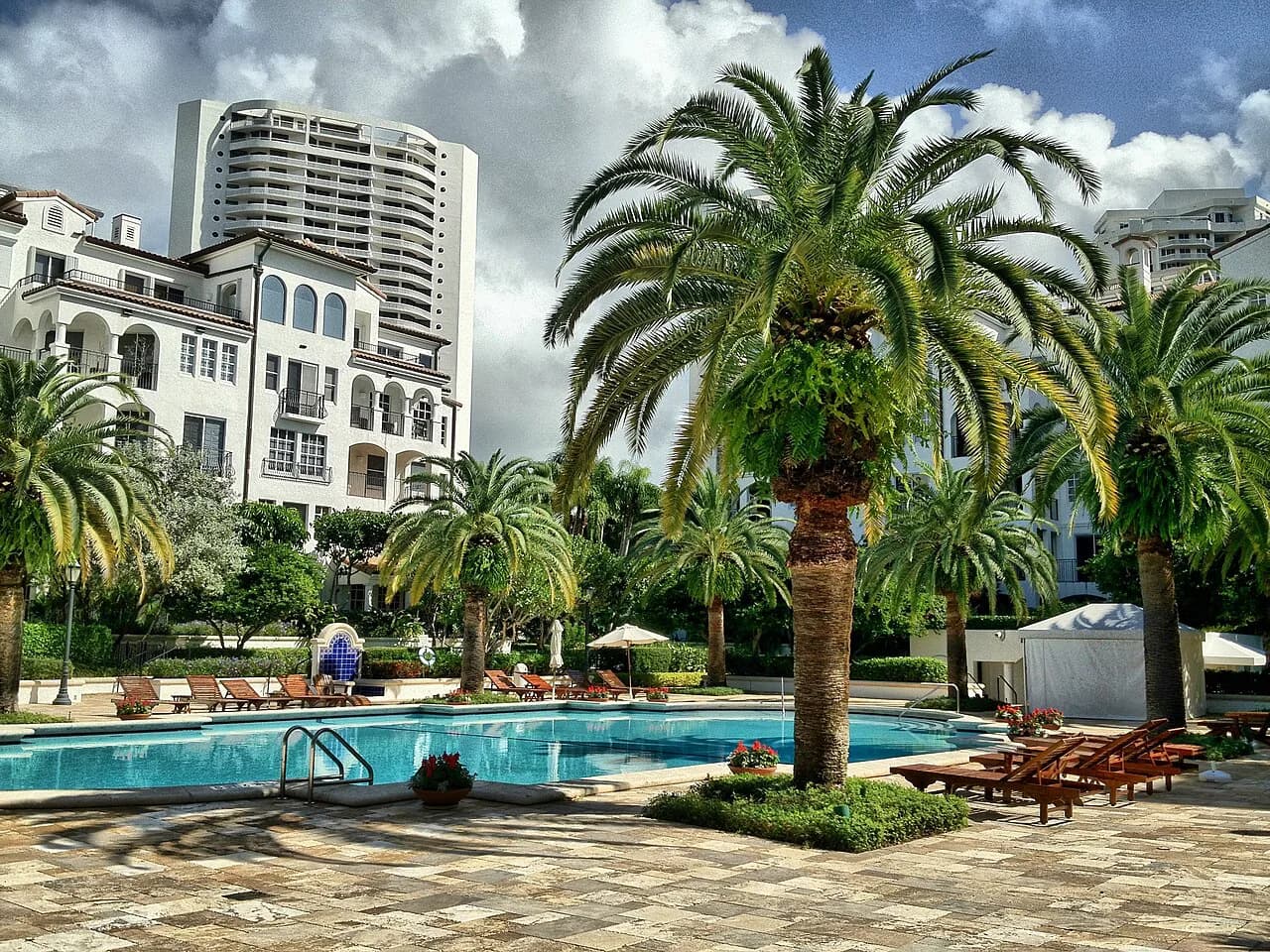
For a trip built around being outdoors all day, the reliable choices in May are the Canary Islands, Cyprus and Turkey's Aegean and Mediterranean coast. Daytime highs of 24°C to 27°C (75°F to 81°F) with night-time lows of 16°C to 18°C (61°F to 64°F) and little rain make these safe bets for sunbathing, long lunches and outdoor dinners. Malta and the Balearics are very close behind, but the evenings are cooler and the odd wet day is possible.
Elsewhere in Europe, May is a sightseeing month rather than a beach one. Barcelona at 21.1°C (70°F), Nice at 21.0°C (70°F) and Dubrovnik at 21.3°C (70°F) are lovely for walking but rarely hot enough to laze for hours, and the sea is still cold almost everywhere. If sunbathing is the whole point, go further south or wait until June — our guide to where is warm in Europe in June shows how much the map changes.
Where May Suits Sightseeing and Walking Instead
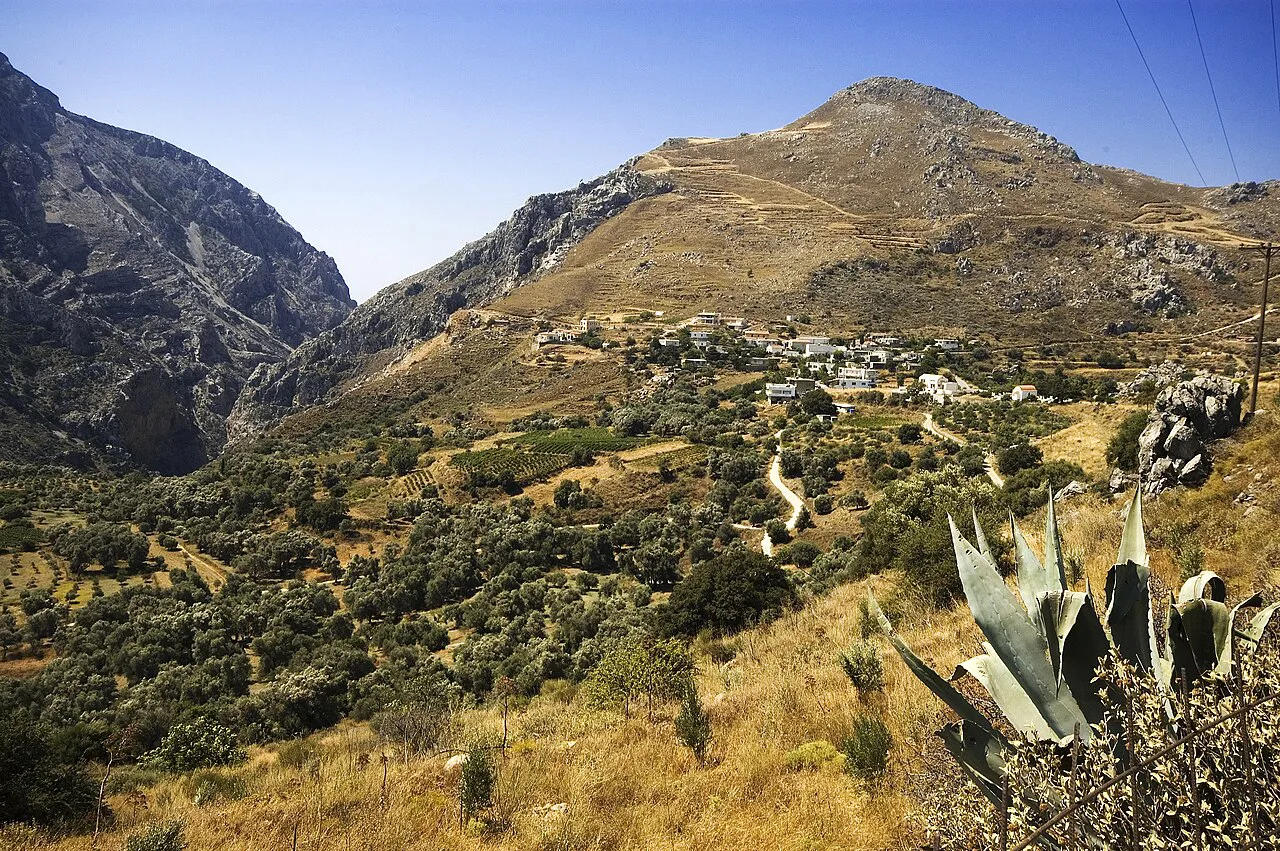
May is arguably the best month in the year for city and walking trips in the Mediterranean. Rome averages 23.4°C (74°F) by day and 12.6°C (55°F) at night with 62 mm of rain, comfortable for a full day on foot, and Florence at 24.3°C (76°F) is warm but not yet oppressive. In Greece, Athens at 25.2°C (77°F) is lively but bearable, and Heraklion at 23.9°C (75°F) makes the Cretan countryside and coast paths genuinely enjoyable.
The cooler, greener options reward a different kind of trip. Madeira at 22.0°C (72°F) by day and 16.2°C (61°F) at night with 27 mm is ideal for levada walks, and the Ionian islands are at their best before the heat and the crowds arrive. The lakes of northern Italy and the Dalmatian coast are lovely when the weather holds, but plan for showers. If walking rather than lying on a beach is the aim, May is a better bet than June in most of southern Europe.
May or June? The Trade-offs
June is warmer, drier and more reliably sunny, but it also brings the first real heat and the start of high season. In Seville, the average high jumps from 27.2°C (81°F) in May to 32.2°C (90°F) in June, and in Antalya from 26.4°C (79°F) to 31.6°C (88°F); both become cities to tour in the morning rather than all day. Bodrum goes from 26.6°C (80°F) to 32.1°C (90°F), which is either exactly what you want or too much.
May wins on crowds and price, and it is cooler for walking and sightseeing. June wins on sea temperature, dry days and long evenings. If you want a beach holiday with guaranteed sunshine, June is the safer choice in the Mediterranean; if you want to combine cities, walking and warm afternoons without the heat, May is better. The Canaries are a partial exception: their May and June are very similar, so go for May and get the warmth earlier and cheaper.
The Verdict
May is the best all-round month for a European trip that combines warmth with comfort. The southern half of the continent reaches the mid-20s by day and mid-teens by night, which is warm enough for outdoor lunches and long walks without the punishing heat of July. The Canaries and Cyprus are the reliable dry options; the Balearics, Malta and southern Greece are the sweet spot for sightseeing and coastal walks; and northern Italy, the Adriatic and the Riviera are pleasant but need a flexible plan.
Plan Your Visit
Choose your destination by what you plan to do, not by the headline temperature alone. If beach days and outdoor dinners are the whole point, book the Canaries, Cyprus or the Turkish coast and aim for the second half of the month. If you want cities, walking and mild afternoons, the Balearics, Malta, Crete and Italy are at their best in May, with June arriving as a hotter, busier alternative.
More Europe spring guides
Frequently Asked Questions
How warm is Europe in May?
It depends heavily on where you go. The warmest mainstream destinations are Turkey's Aegean and Mediterranean coast, Cyprus and the Canary Islands, where average daytime highs sit between about 24°C and 27°C (75°F to 81°F). The central Mediterranean — the Balearics, Malta, Sicily, Sardinia and Greece — reaches roughly 22°C to 26°C (72°F to 79°F), while northern Italy and the French Riviera sit around 21°C to 24°C (70°F to 75°F) by day with noticeably cooler nights.
Where in Europe is warmest in May?
Among the destinations here, Bodrum and Antalya on the Turkish coast and Larnaca in Cyprus are the warmest, with average daytime highs of about 27°C (81°F). The Canary Islands are a degree or two cooler in the air but far drier, with almost no rain and night-time lows of about 17°C (63°F), which makes them the most reliable option for outdoor evenings and beach days.
Is the south of France warm in May?
Nice averages around 21°C (70°F) by day and 14.5°C (58°F) at night, with roughly 40 mm of rain across five wet days. That is comfortable for walking, markets and long lunches, but it is not reliably sunbathing weather. If you want heat and guaranteed dry days, head further east or south.
Does it rain much in Europe in May?
Rain is concentrated in northern Italy, the Adriatic and inland Turkey. Florence records around 63 mm, Lake Como over 100 mm, Dubrovnik 76 mm across 9.5 wet days and Cappadocia more than 13 rain days. The Canaries and Cyprus are the driest options, with only a few millimetres across the whole month.
Is May warm enough to swim in the Mediterranean?
The air is warm in much of the Mediterranean in May, but the sea is still recovering from winter and is noticeably cooler than in July and August. For most people the sea is bracing rather than comfortable, especially in the Balearics and Greece. If swimming is central to your trip, June is a better choice for the Mediterranean, while the Canaries are more forgiving earlier.
Which Greek islands are warmest in May?
Crete, Rhodes and Kos are the warmest of the Greek islands in May, with average daytime highs of about 23.8°C to 23.9°C (75°F). Santorini is slightly cooler at 23.1°C (73°F), while Corfu and Kefalonia are cooler and wetter, with 37 mm and 18 mm of rain respectively. The southern and eastern islands are the better bet for a sunny week.
Is May or June better for a warm European trip?
June is warmer, drier and more reliably sunny, but it brings the start of high season and real heat in cities such as Seville, Antalya and Bodrum. May is cooler, quieter and cheaper, and better for walking and sightseeing. If you want a beach holiday with guaranteed sunshine, June is safer; if you want to combine cities, walking and warm afternoons, May wins.
Is northern Italy warm in May?
It is pleasant but not hot. Verona averages around 24°C (75°F) by day but only 12.5°C (55°F) at night, and Bologna is similar with 58 mm of rain. Lake Como and Lake Garda are cooler and wetter, with Lake Como recording over 100 mm of rain. May suits walking, gardens and sightseeing, but not beach weather.
Sources
- Mallorca climate normals (AEMET, Palma de Mallorca Airport (AEMET B278))
- Ibiza climate normals (AEMET, Ibiza Airport (AEMET B954))
- Menorca climate normals (AEMET, Menorca Airport, Mahon (AEMET B893))
- Málaga climate normals (AEMET, Malaga Airport (AEMET 6155A))
- Lanzarote climate normals (AEMET, Lanzarote Airport (AEMET C029O))
- Gran Canaria climate normals (AEMET, Gran Canaria Airport (AEMET C649I))
- Tenerife climate normals (AEMET, Tenerife South Airport (AEMET C429I))
- Fuerteventura climate normals (AEMET, Fuerteventura Airport (AEMET C249I))
- Seville climate normals (AEMET, Seville Airport (AEMET 5783))
- Greek climate normals (HNMS)
- Corfu climate normals (WMO World Weather Information Service, Kerkyra / Corfu (HNMS))
- Palermo climate normals (WMO World Weather Information Service, Palermo (Aeronautica Militare))
- Sardinia climate normals (WMO Climate Normals 1991-2020, Cagliari Elmas (WMO 16560))
- Amalfi Coast climate normals (WMO Climate Normals 1991-2020, Capri (WMO 16294))
- Lake Garda climate normals (WMO Climate Normals 1991-2020, Verona Villafranca (WMO 16090))
- Tuscany climate normals (WMO Climate Normals 1991-2020, Firenze Peretola (WMO 16170))
- Bologna climate normals (WMO World Weather Information Service, Bologna (Aeronautica Militare))
- Cinque Terre climate normals (WMO Climate Normals 1991-2020, Sarzana Luni, near La Spezia (WMO 16125))
- Malta climate normals (WMO World Weather Information Service, Luqa (Malta Meteorological Office))
- Algarve climate normals (IPMA, Faro Airport (IPMA station 554))
- Lisbon climate normals (IPMA, Lisboa / Instituto Geofisico (IPMA station 535))
- Madeira climate normals (IPMA, Funchal / Observatorio (IPMA station 522))
- Paphos climate normals (WMO Climate Normals 1991-2020, Paphos Airport (WMO 17600))
- Larnaca climate normals (WMO Climate Normals 1991-2020, Larnaca Airport (WMO 17609))
- Cappadocia climate normals (MGM, Nevsehir (MGM))
- Antalya climate normals (MGM, Antalya regional station (MGM))
- Dalaman climate normals (WMO Climate Normals 1991-2020, Bodrum (WMO 17290))
- Nice climate normals (Meteo-France, Nice Cote d'Azur Airport (Meteo-France 06088001))
- Valencia climate normals (AEMET, Valencia city (AEMET 8416))
- Dubrovnik climate normals (WMO World Weather Information Service, Dubrovnik (DHMZ))
Spring sun notes
Optional updates when we add destinations and months.
You might also like

Continue reading
More guides you'll find useful