Best Time to Visit the Mediterranean: Month by Month
May and June are the sweet spot for most Mediterranean trips: warm days, long sunshine hours and crowds still short of July.
On this page
May and June are the best months for most Mediterranean trips. Days are reliably warm without the August furnace, sunshine hours are long, and the summer crowds have not yet arrived in force. If your priority is walking or sightseeing rather than lazing outdoors, late April already works well in Cyprus, the Canary Islands and southern Turkey.
Where you go matters as much as when. In April the typical daytime high runs from 17.4 °C (63 °F) at Nice to 23.0 °C (73 °F) at Larnaca, and by June the gap has widened to 24.7 °C (76 °F) against 30.6 °C (87 °F). That spread decides whether you pack for a brisk coastal walk or a proper summer.
This guide compares the western basin, the Adriatic, Greece, Cyprus and Turkey using national weather service normals, and treats the sea, the opening of the season and the crowds in words rather than tables. Use it to pick your month and your coast together, because the two choices pull in different directions.
What 'Best' Means for Your Kind of Trip
There is no single best month, because the Mediterranean runs from the Gulf of Lion to the Levant and the climate shifts accordingly. A walker who wants 18–20 °C (64–68 °F) days should look at April in Nice, Barcelona or Rome. A family that wants outdoor evenings and lazy lunches should target late May or June, when the minimum temperatures in the western islands reach the mid-teens.
Sightseers get the best value in April and early May, before the queues build at the headline sites and the afternoon heat makes stone cities uncomfortable. Sun-seekers and swimmers should aim for late June onwards, when the sea has had time to warm. Anyone who dislikes heat above 30 °C should avoid inland Sicily, Athens, Antalya and Seville in June, where average highs already reach or pass that mark.
If you can travel outside school holidays, the two strongest windows are late April to mid-June and September to mid-October. The first gives you longer days than autumn and fresher landscapes; the second gives you a warmer sea and fewer people. The trade-off is simple: spring for green hills and empty streets, autumn for swimming and softer light.
April: Warm Enough for Walking
April is a sightseeing month, not a beach month. Typical highs reach 19.8 °C (68 °F) at Palma de Mallorca, 21.4 °C (71 °F) at Málaga and 23.4 °C (74 °F) at Seville, but nights still drop to 7.4 °C (45 °F) on Mallorca and 11.1 °C (52 °F) in Seville. Evenings are cool enough to need a jacket, and the sea is still cold for all but the hardiest swimmers.
Rain is a real risk in the west. Menorca averages 6.0 rain days and 45 mm in April, and the Algarve records 5.3 rain days and 39 mm at Faro. The eastern basin is drier: Paphos gets 15.2 mm across the month and Larnaca 15.8 mm, with nearly 280 hours of sunshine at Paphos. That makes Cyprus the safer April bet for a walking holiday built around fixed dates.
Crete in April suits hikers who want the Samaria gorge and the Lasithi plateau without summer heat; Heraklion averages 20.3 °C (69 °F) by day but still sees 7.7 rain days. If you want the widest choice of April destinations by temperature and rain, start with our guide to where is warm in Europe in April, then narrow by flight routes.
Late April is noticeably warmer than early April and marks the start of the season in the Greek islands, where ferries and seasonal tavernas begin to run after the winter lull. If you are locked into early April, choose the Canaries or Cyprus rather than the Balearics or the Croatian coast, where Dubrovnik averages only 16.9 °C (62 °F) and sees 11.2 rain days.
May: The Month That Suits Most Trips
May is the most balanced month in the Mediterranean. Mallorca reaches 23.7 °C (75 °F) by day with 283 hours of sunshine, Málaga 24.3 °C (76 °F) and Athens 25.2 °C (77 °F), and rain days fall sharply almost everywhere. You can walk in the morning, eat outside at lunch and still sleep comfortably at night.
The sea is still cool in early May but warms through the month, so late May is the first realistic point for casual swimming in the western basin. Dive operators, boat trips and beach clubs generally reopen during May, though their individual start dates vary from one operator to the next.
Sicily and Sardinia both work well in May: Catania Sigonella averages 26.1 °C (79 °F) with only 2.6 rain days, and Cagliari 24.1 °C (75 °F) with 4.2. Palermo is slightly cooler and wetter at 23.3 °C (74 °F) and 4.1 rain days, using 1971–2000 normals. Tuscany, at 24.3 °C (76 °F) in Florence, is warm enough for hill towns and vineyard lunches before the summer crowds.
May is also when the northern lakes and Liguria start to feel like themselves again. Lake Garda averages 24.0 °C (75 °F), Lake Como 21.8 °C (71 °F) and the Cinque Terre 22.2 °C (72 °F), all with more rain than the south but far fewer people than in July. For a wider shortlist, see where is warm in Europe in May.
June: Heat Arrives and the Sea Warms Up
June is the start of proper summer in the south. Seville averages 32.2 °C (90 °F), Antalya 31.6 °C (89 °F) and Athens 30.3 °C (87 °F), with rain almost gone. The coast is more comfortable than the interior, but you should plan walking and sightseeing for the morning.
The sea is now warm enough for most people, and this is the first month when a beach-led holiday makes sense without a wetsuit. The western islands stay gentler: Ibiza averages 26.8 °C (80 °F) with 299 hours of sunshine, and Mallorca 28.1 °C (83 °F) with 316 hours. Both are hot but rarely punishing, and the evenings are pleasant rather than stifling.
Crowds build through June as European schools begin to break up, and prices follow. Early June still feels like a shoulder month in the cities; late June is high season on the coast. If you are choosing between May and June, take May for walking and cities, June for swimming and long evenings. Our guide to where is warm in Europe in June compares the hotter options.
Heat-sensitive travellers should note how quickly the eastern Mediterranean climbs. Larnaca reaches 30.6 °C (87 °F) in June and Paphos 28.1 °C (83 °F), both with more than 270 hours of sunshine. Bodrum in Turkey is hotter still at 32.1 °C (90 °F) with only 1.6 rain days, which suits a beach holiday but not a hiking one.
How the Eastern Mediterranean Compares With the West
The east runs warmer and drier earlier. In April, Larnaca averages 23.0 °C (73 °F) against Barcelona's 18.0 °C (64 °F), and Paphos logs nearly 278 hours of sunshine against Barcelona's 228. If you want reliable April warmth, fly east.
Greece sits in between, with local variation that matters. Rhodes averages 20.0 °C (68 °F) in April with 7.6 rain days, while Santorini is cooler at 18.9 °C (66 °F) and exposed wind makes it feel fresher. Corfu is wetter still at 19.0 °C (66 °F) and 12.9 rain days, so an April trip there needs a flexible plan.
The Adriatic is the coolest of the southern coasts in spring. Dubrovnik averages 16.9 °C (62 °F) in April and 21.3 °C (70 °F) in May, so May is the month to aim for if you want to combine the old town with a boat trip to the islands. Croatia rewards the traveller who waits until the water and the weather have both settled.
The Canary Islands and Madeira: Warm Out of Season
The Canaries are the most dependable winter and early-spring option in this guide. In April, Lanzarote averages 23.5 °C (74 °F) with 1.3 rain days, Tenerife 23.1 °C (73 °F) with 1.1, and Fuerteventura 22.9 °C (73 °F) with 1.0. The nights stay mild, at 15.7 °C (60 °F) on Lanzarote and 16.0 °C (61 °F) on Tenerife, so you can eat outside.
Gran Canaria is similar, at 22.6 °C (73 °F) with 1.3 rain days in April and 228 hours of sunshine. The islands' trade winds keep the coast comfortable even when the interior bakes, which makes them a sensible choice for anyone with young children or a low tolerance for humidity. For a wider spring comparison, see best places to visit in Europe in April.
Madeira is milder and greener, with Funchal averaging 21.0 °C (70 °F) in April and 4.7 rain days. It suits walkers who want levada trails and flowers rather than beach weather, and it stays comfortable through June at 23.7 °C (75 °F) with just 1.0 rain day. Neither the Canaries nor Madeira has a summer heat problem, which is exactly why they work outside the classic season.
July and August: Hot, Crowded and Expensive
High summer delivers exactly what it promises, and a bit more. Seville averages 32.2 °C (90 °F) in June and climbs further in July and August, Athens 30.3 °C (87 °F) in June, and Bodrum 32.1 °C (90 °F). City sightseeing becomes a matter of early starts and long siestas, and the Acropolis and similar exposed sites can be genuinely unpleasant at midday.
Crowds peak too, as European school holidays coincide. Prices for flights and accommodation are at their highest, restaurants are full, and popular beaches and viewpoints are busy from mid-morning. If your dates are fixed in July or August, choose the coast over the interior, book ahead and accept that the season sets the pace.
September and October: The Second Window
September is the best autumn month for most trips. The sea has stored summer heat, the light softens, and the crowds thin once schools return. Air temperatures remain warm across the south, and the risk of rain is still low in the eastern basin.
October is a mixed month. The southern islands hold up well while the northern Adriatic, Liguria and the lakes cool quickly. If you want October sun, stay south: Sicily, Cyprus, the Canaries and southern Turkey are safer than the Italian lakes or the Croatian coast.
Winter: Mild Cities and Quiet Islands
Winter is not a beach season in the Mediterranean, but it is a good city season. April shows how mild the Costa del Sol already is, with Málaga averaging 21.4 °C (71 °F), and coastal cities from Valencia to Athens stay walkable through the cooler months. Expect rain and shorter days, and plan around indoor sights and food.
The Canaries are the exception, running warm enough for outdoor lunches and coastal walks even in the winter months. Many island ferries and seasonal restaurants operate on reduced schedules outside the season, so check individual operators. Winter is for cities, walking and food, not swimming.
Crowds and Prices Through the Year
Prices track the crowds closely. April and early May are moderate, with Easter and the May bank holidays creating short spikes around the western Mediterranean. Late May half term and early June bring a second surge, and July and August are the most expensive weeks of the year in almost every coastal destination.
September is the value month for people tied to school holidays, as demand drops while the weather holds. The Canaries and Madeira sit outside this cycle to some extent, with steadier demand through the winter and spring. Booking flights early for spring half term is the single most effective way to cut costs.
The Best Time for Sightseeing and Walking
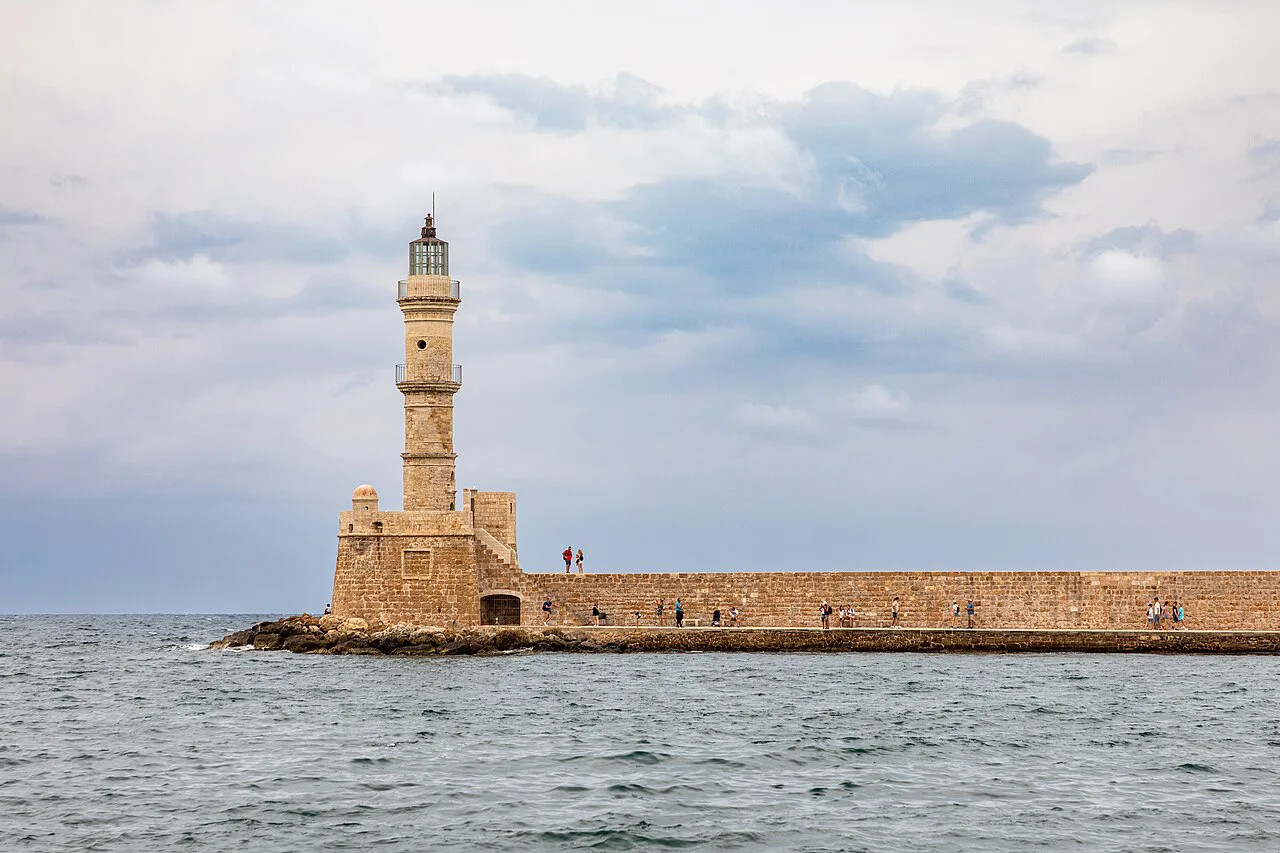
April and May are the strongest months for cities and trails. Temples and ruins are bearable, museum queues are shorter, and wildflowers are out across Crete, the Peloponnese and Tuscany. The catch is rain in the west and cool evenings almost everywhere.
For serious walking, late April to mid-May in Crete, Kefalonia or the Canaries gives the best combination of dry ground and comfortable temperatures. Kefalonia averages 19.2 °C (67 °F) in April but still has 9.5 rain days, so build in a spare day. By June, the heat in the eastern islands makes long walks tougher.
The Best Time for Families
Families with school-age children should aim for late May or June. The sea is warm enough for paddling and swimming, evenings are long, and restaurants and beach clubs are fully open. Early May can still feel cool for small children in the evenings, especially in the Balearics and along the Adriatic.
If you can travel in September, it is arguably the best family month of all: warm sea, fewer crowds and lower prices. The Canaries work year-round for families because the trade winds keep the coast comfortable, and the winter months there are mild enough for outdoor pools and coastal walks.
Where to Go, Month by Month
For April, choose Cyprus, the Canaries, southern Turkey or Crete. For May, the Balearics, Málaga, Rome, Tuscany, Sicily and the Greek islands all work well, with only occasional rain. For June, head for the coast and the islands, favouring the western Mediterranean if you want to avoid extreme heat. For September, almost anywhere south of the Alps is a good bet.
If you want the warmth without committing to a single destination, use the month-by-month comparisons in our guides to where is warm in Europe in April, where is warm in Europe in May and where is warm in Europe in June. For a short city break, the same climate rules still apply, with April and May the safest months for walking-heavy itineraries.
The Verdict
May and June are the best months for most Mediterranean trips. May gives you warm days, mild evenings and manageable crowds; June gives you a warm sea and reliable sunshine at the cost of heat and higher prices. April is the connoisseur's month for walking and cities, especially in Cyprus, Crete and the Canaries.
If you want a single recommendation, book late May or early June for a first Mediterranean trip and late April for a walking or sightseeing holiday. Go in September if you can travel outside school holidays and want the best balance of sea, weather and value. Wherever you go, check the current entry rules on the official government travel page before you book.
More Europe spring guides
Frequently Asked Questions
When is the best time to visit the Mediterranean for good weather?
Late May and June give most travellers the best balance: typical daytime highs in the mid-twenties Celsius across the western islands, long sunshine hours, falling rain days and crowds well short of July. April works better if you plan to walk or sightsee rather than swim, particularly in Cyprus, Crete and the Canary Islands, where average highs sit in the low twenties.
Is April too early for a Mediterranean holiday?
Not too early, but it depends on the trip. April is excellent for cities, ruins and coastal walking, with typical highs of about 18 °C in Barcelona and 23 °C in Larnaca. Evenings are cool and the sea is still cold, so it suits sightseeing far better than beach days. Choose Cyprus or the Canaries if you want the mildest April.
Is the sea warm enough to swim in May?
Early May is still cool for most swimmers in the western Mediterranean, and the sea warms through the month, so late May is the first realistic point for casual swimming. By June the sea is comfortable for most people and beach-led holidays make sense. The eastern Mediterranean warms earlier than the western basin.
Is September a good time to visit the Mediterranean?
September is excellent. The sea holds the summer's heat, the light softens, air temperatures stay warm across the south and the crowds thin once schools return. It is the best autumn month for most trips and often the best value window for anyone tied to school holidays, with lower demand than July and August.
Which Mediterranean destinations are warmest in winter?
The Canary Islands are the reliable winter option, staying mild enough for outdoor lunches and coastal walks. On the mainland, southern Spanish cities such as Málaga stay far milder than northern Italy or the Croatian coast. Expect rain and shorter days, and treat winter as a city and walking season rather than a beach one.
Where should I go in June to avoid extreme heat?
Stay on the coast and favour the western basin. Ibiza and Mallorca average around 27–28 °C in June, while Seville, Antalya and Athens already reach or pass 30 °C. Bodrum is hotter still. If you want long walks, keep them to the morning and pick islands with sea breezes and shade.
Sources
- Mallorca climate normals (AEMET, Palma de Mallorca Airport (AEMET B278))
- Ibiza climate normals (AEMET, Ibiza Airport (AEMET B954))
- Menorca climate normals (AEMET, Menorca Airport, Mahon (AEMET B893))
- Málaga climate normals (AEMET, Malaga Airport (AEMET 6155A))
- Lanzarote climate normals (AEMET, Lanzarote Airport (AEMET C029O))
- Gran Canaria climate normals (AEMET, Gran Canaria Airport (AEMET C649I))
- Tenerife climate normals (AEMET, Tenerife South Airport (AEMET C429I))
- Fuerteventura climate normals (AEMET, Fuerteventura Airport (AEMET C249I))
- Seville climate normals (AEMET, Seville Airport (AEMET 5783))
- Greek climate normals (HNMS)
- Corfu climate normals (WMO World Weather Information Service, Kerkyra / Corfu (HNMS))
- Sicily climate normals (WMO Climate Normals 1991-2020, Catania Sigonella (WMO 16459))
- Palermo climate normals (WMO World Weather Information Service, Palermo (Aeronautica Militare))
- Sardinia climate normals (WMO Climate Normals 1991-2020, Cagliari Elmas (WMO 16560))
- Lake Garda climate normals (WMO Climate Normals 1991-2020, Verona Villafranca (WMO 16090))
- Lake Como climate normals (WMO Climate Normals 1991-2020, Milano Malpensa (WMO 16066))
- Tuscany climate normals (WMO Climate Normals 1991-2020, Firenze Peretola (WMO 16170))
- Cinque Terre climate normals (WMO Climate Normals 1991-2020, Sarzana Luni, near La Spezia (WMO 16125))
- Rome climate normals (WMO Climate Normals 1991-2020, Roma Ciampino (WMO 16239))
- Algarve climate normals (IPMA, Faro Airport (IPMA station 554))
- Madeira climate normals (IPMA, Funchal / Observatorio (IPMA station 522))
- Paphos climate normals (WMO Climate Normals 1991-2020, Paphos Airport (WMO 17600))
- Larnaca climate normals (WMO Climate Normals 1991-2020, Larnaca Airport (WMO 17609))
- Antalya climate normals (MGM, Antalya regional station (MGM))
- Dalaman climate normals (WMO Climate Normals 1991-2020, Bodrum (WMO 17290))
- Nice climate normals (Meteo-France, Nice Cote d'Azur Airport (Meteo-France 06088001))
- Barcelona climate normals (AEMET, Barcelona Airport, El Prat (AEMET 0076))
- Valencia climate normals (AEMET, Valencia city (AEMET 8416))
- Dubrovnik climate normals (WMO World Weather Information Service, Dubrovnik (DHMZ))
Spring sun notes
Optional updates when we add destinations and months.
You might also like
Continue reading
More guides you'll find useful