Best Places to Visit in Europe in May: Where to Go
May warms southern Europe properly. Compare Cyprus, the Canary Islands, Crete, Andalusia and the Balearics on temperature, rain, sunshine and crowds.
On this page
The most reliable May warmth in Europe sits in two places: Cyprus and the Canary Islands. Larnaca averages 27.0 °C (80.6 °F) by day with 16.4 °C (61.5 °F) at night, and Lanzarote averages 24.6 °C (76.3 °F) with 16.8 °C (64.0 °F), so a beach holiday works without wishful thinking.
Everything north and west of that is a different proposition. Nice averages 21 °C (69.8 °F), Dubrovnik 21.3 °C (70.3 °F) with 9.5 rain days, and the Italian lakes average around 22–24 °C (71.6–75.2 °F) with spring showers that run from roughly 60 mm to 100 mm across the month. Those are pleasant sightseeing temperatures, not sunbathing ones.
So the choice comes down to what you want the warmth for. If it is a lounger, book the eastern Mediterranean or the Canaries; if it is long walks, hill towns and ruins without sweating through your shirt, the Balearics, mainland Greece, Tuscany and Portugal are better value in every sense.
How to Read May in Europe
A 21 °C afternoon and a 27 °C afternoon are not the same holiday. At 27 °C you eat outside in the evening and swim without bracing; at 21 °C with a breeze off the water, a boat trip needs a jacket and a seafront lunch is pleasant but brief. Read the night-time low as carefully as the daytime high, because that is what decides whether evenings stay outdoors.
The sea lags the air by roughly two months everywhere in the Mediterranean, which is why May rewards pools, sheltered coves and hardy swimmers rather than long open-water sessions. It also explains why the Canaries, cooled year-round by the Atlantic, feel less stifling than their air temperature suggests.
Rain is the other divider. In May, Larnaca records 11.5 mm and Lanzarote 0.4 rain days, while Corfu logs 37 mm across 8 rain days and Rome 61.59 mm across 6.03. If you have one week and no flexibility, the dry end of the spectrum is worth paying for.
If your dates are locked to late April rather than May, the map shifts: see where is warm in Europe in April before committing, because several of the destinations below are still ten days short of their May form.
Cyprus: The Warmest Reliable Option
Larnaca is the strongest May bet on the continent. The WMO 1991-2020 normals for Larnaca Airport give 27.0 °C (80.6 °F) by day, 16.4 °C (61.5 °F) at night, 11.5 mm of rain and 338.4 hours of sunshine across the month — close to eleven hours a day.
Paphos is a degree or two cooler and breezier at 24.9 °C (76.8 °F) by day and 15.2 °C (59.4 °F) at night, with 11.1 mm of rain and 336.6 hours of sunshine. The sea breeze and the west-coast sunsets make it the better pick for anyone who finds 27 °C already a touch much, and the archaeology around Kato Paphos fills a morning before the heat builds.
Inland, the Troodos foothills run noticeably cooler than the coast, which makes villages such as Omodos and the wine country a sensible midday alternative when Larnaca is pushing towards 30 °C. Late May is already edging into early-summer heat, so plan walking for mornings.
Crete: The Balanced Choice
Heraklion averages 23.9 °C (75.0 °F) by day and 15.6 °C (60.1 °F) at night in May, with 14.2 mm of rain over 4.4 rain days. That is warm enough for the beach in the afternoon and cool enough to walk a gorge or a Minoan site in the morning.
Early May suits the walking and the archaeology — Knossos, Phaistos, the Lasithi plateau — while late May is when the south coast, around Plakias and Ierapetra, starts to feel properly hot and the meltemi begins to temper the afternoons. Chania and Rethymno reward a slow day of harbour cafés and Venetian lanes whatever the temperature.
If you are weighing Greece as a whole rather than one island, our guide to where is warm in Europe in May puts Crete alongside the Aegean islands and the mainland in a single comparison.
Rhodes and Kos: Two Aegean Weeks, Two Moods
Rhodes and Kos sit level on temperature in May, both averaging 23.8 °C (74.8 °F) by day, but they differ at night: Rhodes holds 17.8 °C (64.0 °F) while Kos drops to 16.6 °C (61.9 °F). Rhodes also records 18.6 mm of rain across 4.6 rain days.
Rhodes is the sightseeing island of the two, with the walled medieval town, Lindos and Kamiros giving you three genuinely different days, and its warmer nights make outdoor dining comfortable from the first evening. Kos suits a lazier week: flat cycling, quiet beaches and the Asklepion, with the caveat that early May evenings still want a layer.
Santorini averages 23.1 °C (73.6 °F) by day and 16.9 °C (62.4 °F) at night in May, cool enough for the caldera walk but busy enough that you should book the ferry crossing and the village of your choice well ahead.
The Canary Islands: The Steadiest Weather in Europe
The Canaries offer the most dependable May in Europe, because the Atlantic keeps them mild rather than hot. Lanzarote averages 24.6 °C (76.3 °F) by day and 16.8 °C (64.0 °F) at night with 0.4 rain days and 297 hours of sunshine, which is about as close to a guaranteed dry week as the continent gets.
Tenerife South averages 23.9 °C (75.0 °F) by day and 17.0 °C (62.6 °F) at night with 246 hours of sunshine, and Gran Canaria 23.6 °C (74.5 °F) and 17.3 °C (63.1 °F) with 272 hours. Fuerteventura sits between them at 24.1 °C (75.4 °F) with 280 hours, and its wind makes it the choice for anyone who wants the heat softened.
The trade-off is the water and the wind. The Atlantic in May is bracing rather than balmy, and resorts with unshielded beaches can be gusty, so pick a cove or a pool if you plan to spend the afternoon in the sea. Inland, Teide and the Timanfaya landscapes are at their most comfortable now, before the summer heat arrives.
Andalusia: Inland Heat Versus the Coast
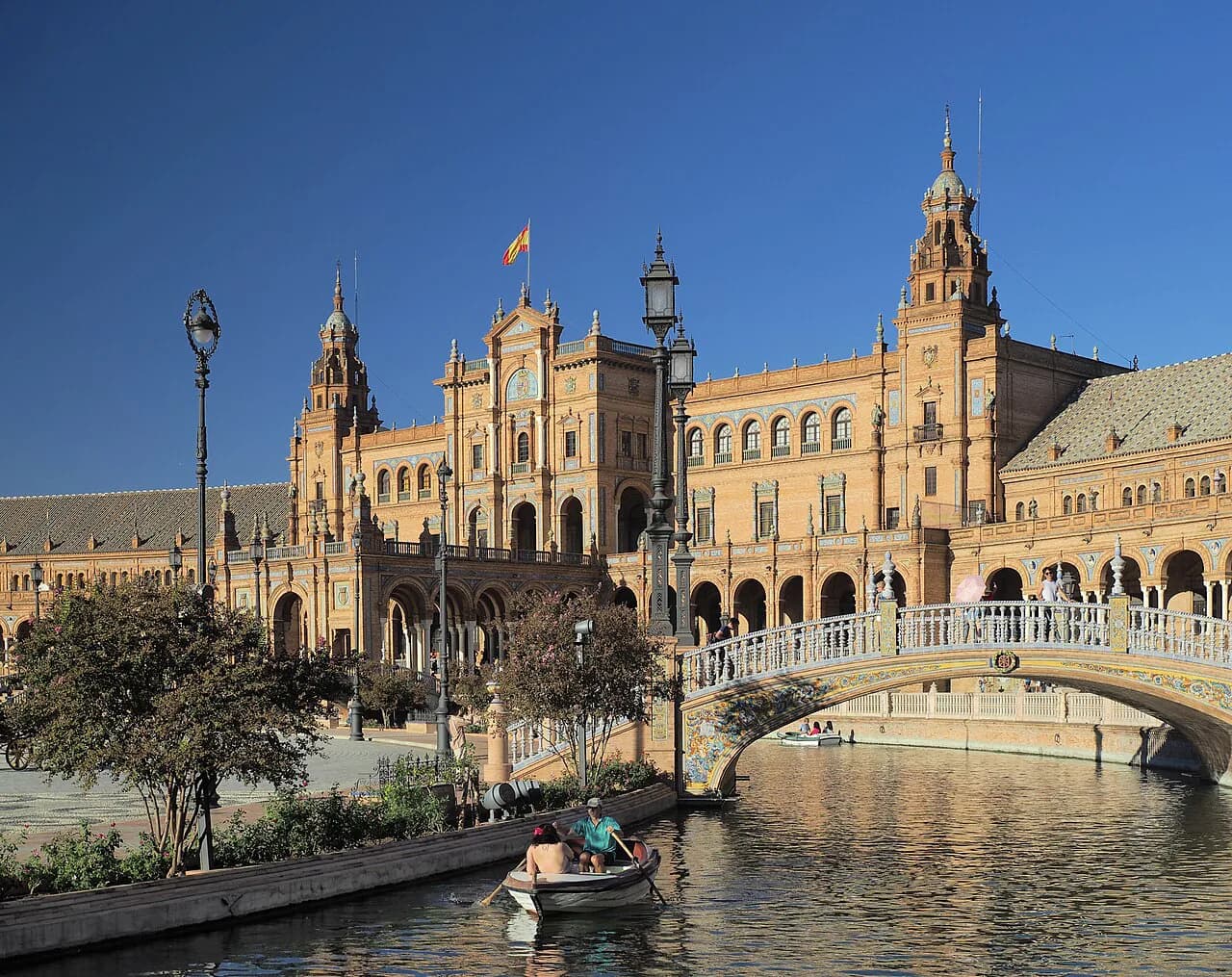
Andalusia splits sharply in May. Seville averages 27.2 °C (81.0 °F) by day with 30 mm of rain across 3.7 rain days, but late May afternoons can push well past 30 °C, so the Alcázar and the cathedral are morning business and the siesta is not a cliché.
The Costa del Sol is gentler: Málaga averages 24.3 °C (75.7 °F) by day and 14.2 °C (57.6 °F) at night with just 20 mm of rain and 292 hours of sunshine. That combination makes it the best of both worlds — city sightseeing, the Alhambra an hour or so inland, and evenings that stay warm without being oppressive.
Inland hill towns such as Ronda and the white villages run cooler than Seville and make excellent day trips, while the sherry country around Jerez is at its best before the summer heat sets in. May is also the last comfortable month for serious walking in the Sierra.
The Balearics: Warm Enough for Walking, Not for Lazing
Mallorca averages 23.7 °C (74.7 °F) by day and 11.3 °C (52.3 °F) at night in May, with 283 hours of sunshine and 3.8 rain days. The days are lovely; the nights are cool enough that a terrace dinner needs a jumper, which is worth knowing if you picture long evenings outside.
This is prime cycling and hiking weather: the Serra de Tramuntana, Deià and the Formentor peninsula are all at their best before the summer heat bakes the limestone. Ibiza averages 22.7 °C (72.9 °F) with 14.6 °C (58.3 °F) at night and 27 mm of rain, and Menorca is the coolest and wettest of the three at 21.6 °C (70.9 °F) with 37 mm across 4.4 rain days.
The sea is still cool and many beach clubs and seasonal restaurants are only just opening, so treat May in the Balearics as a walking and sightseeing month with beach afternoons rather than a beach holiday with walks. Palma's old town and the Sóller railway fill a cloudy day without difficulty.
Mainland Greece and the Ionian Islands
Athens averages 25.2 °C (77.4 °F) by day and 16.1 °C (61.0 °F) at night in May, with 15.2 mm across 6.8 rain days — city sightseeing temperature, with the Acropolis best climbed early and the coast at Glyfada and Vouliagmeni warm enough for a late-afternoon swim if you are hardy.
The Ionian is wetter and greener. Corfu averages 23.8 °C (74.8 °F) by day and 12.9 °C (55.2 °F) at night with 37 mm across 8 rain days, so build a wet-day plan: Corfu Town's Venetian lanes and the Achilleion work regardless, and the island is at its lush best before summer dries it out.
Kefalonia averages 23.4 °C (74.1 °F) with 14.6 °C (58.3 °F) at night and 17.9 mm over 4.6 rain days, which is drier than Corfu and suits the Assos and Fiskardo coast and the Melissani cave. Both islands reward early May visits for walking before the heat and the high season arrive together.
Italy: South for Heat, North for Lakes
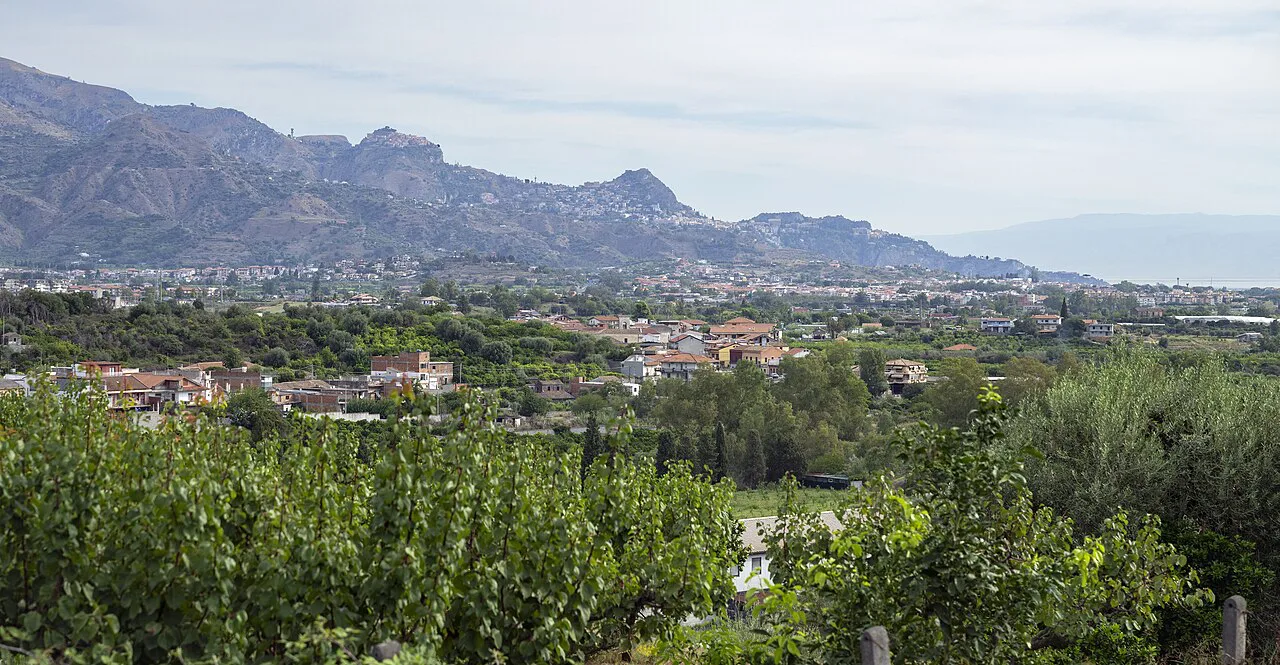
Sicily is the warmest part of Italy in May. Catania Sigonella averages 26.14 °C (79.1 °F) by day and 12.3 °C (54.1 °F) at night with 17.85 mm and 2.61 rain days, which makes Etna's lower slopes, Syracuse and the Baroque towns of the Val di Noto comfortable rather than punishing.
Sardinia averages 24.1 °C (75.4 °F) at Cagliari with 13.33 °C (55.9 °F) at night and 26.17 mm of rain; Rome 23.35 °C (74.0 °F) with 61.59 mm across 6.03 rain days; and the Amalfi Coast, measured at Capri, 24.36 °C (75.8 °F) with 26.7 mm. All three are sightseeing destinations in May, not beach ones.
The north is another climate. Lake Garda averages 23.98 °C (75.2 °F) by day at Verona Villafranca but 7.73 rain days and 71.33 mm, and Lake Como 21.81 °C (71.3 °F) with 101.63 mm across 8.14 rain days. Tuscany sits between at 24.34 °C (75.8 °F) with 63.01 mm, while the Cinque Terre are cooler and damper at 22.21 °C (72.0 °F) and 59.27 mm.
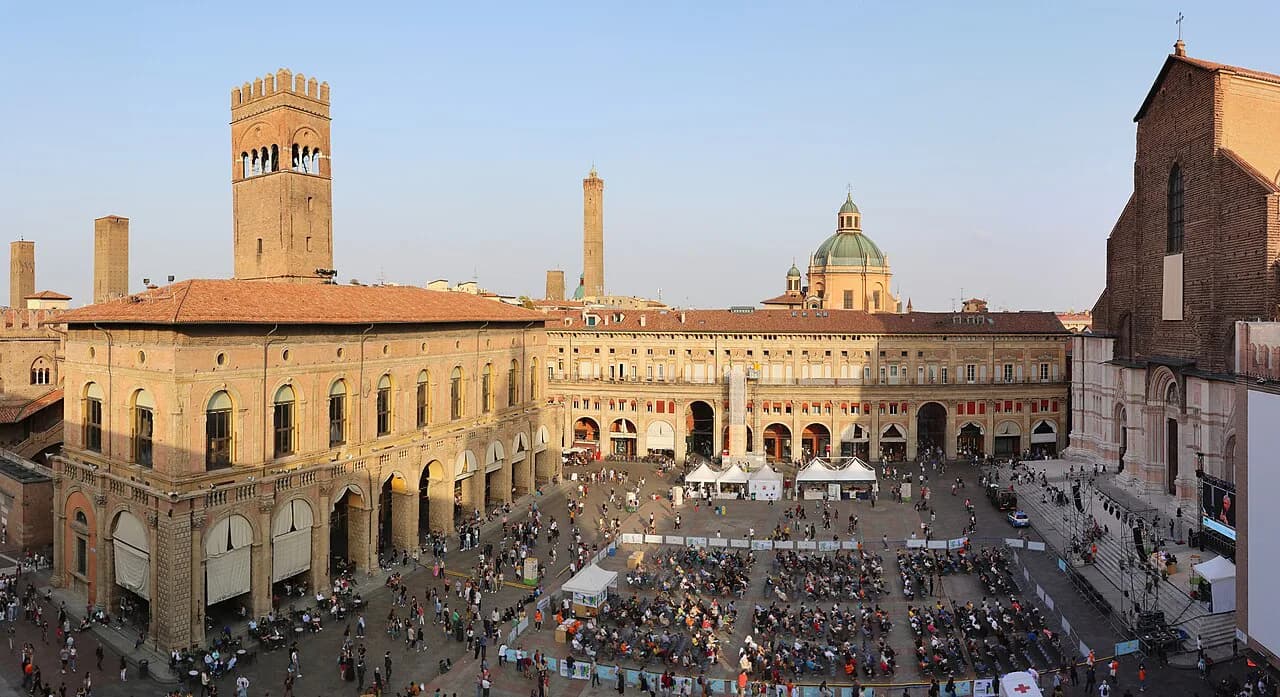
Choose the lakes for villa gardens, boat crossings and long lunches with a shower overhead, and Sicily or Sardinia if you want the sea to be an option rather than a joke. Bologna, at 23.0 °C (73.4 °F) with 58 mm, is the sensible city break if you want food and porticoes rather than coastline.
Portugal: Mild Atlantic Warmth
Portugal is mild rather than hot in May. The Algarve averages 23.5 °C (74.3 °F) by day at Faro with 15.0 °C (59.0 °F) at night and 26.2 mm across 3.8 rain days, which suits coastal walking, the Algarve's fishing towns and golf more than it suits sunbathing.
Lisbon averages 23.1 °C (73.6 °F) with 14.4 °C (57.9 °F) at night but 57.8 mm across 5.8 rain days, so pack for showers and use them as an excuse for the tile museum and the city's cafés. Madeira is the steadiest of the three at 22.0 °C (71.6 °F) with 16.2 °C (61.2 °F) at night and only 27.2 mm, and the levada walks are at their best now.
For comparison with the month before, the same destinations two or three weeks earlier run several degrees cooler and considerably wetter, which is why May is the point at which Portugal starts to work as a beach and walking destination at once.
Southern France, Croatia and Malta
Nice averages 21 °C (69.8 °F) by day and 14.5 °C (58.1 °F) at night in May, with 40.3 mm across 5.1 rain days and 270.9 hours of sunshine — lovely for the Riviera's markets and hill villages, uncertain for a beach. Malta is warmer at 23.3 °C (73.9 °F) by day and 14.9 °C (58.8 °F) at night with only 6.6 mm across 2.8 rain days.
Dubrovnik averages 21.3 °C (70.3 °F) by day and 15.2 °C (59.4 °F) at night, but 76.1 mm across 9.5 rain days makes the Dalmatian coast the least predictable of these options in May. The city walls and the old town reward an early start before the day boats arrive, and the evenings are warm enough for the Stradun.
Malta's appeal is consistency: Valletta, Mdina and the harbours need no beach weather to work, and the island's short crossing distances make it easy to move around on a mixed-weather day.
Southern Turkey: The Hottest Coastal May
The Turkish Riviera delivers the hottest coastal May in the eastern Mediterranean. Antalya averages 26.4 °C (79.5 °F) by day and 15.7 °C (60.3 °F) at night with 37 mm of rain, and Bodrum 26.6 °C (79.9 °F) with 17.2 °C (63.0 °F) at night and just 19.58 mm across 2.8 rain days.
The trade-off is that June arrives fast here: Bodrum averages 32.1 °C (89.8 °F) by day and Antalya 31.6 °C (88.9 °F), so late May is the last comfortable window for ruins such as Ephesus, Termessos and the Lycian coast before the heat becomes the organising principle of the day.
The Lycian Way and the Kayaköy hills suit early May walking far better than late May, while the gulet coast around Fethiye and Göcek is at its best once the evenings warm up towards the end of the month.
Early vs Late May
The gap between 1 May and 31 May is roughly the same as the gap between May and late June in the eastern Mediterranean. In Cyprus and southern Turkey, early May is warm and comfortable while late May is already tipping into the high twenties and thirties; in Nice, Dubrovnik and the Italian lakes, early May can still feel like a cool spring with showers.
What changes most visibly is what is open. Island ferries and boat trips that run a reduced spring timetable in early May settle into something closer to daily by the end of the month, seasonal restaurants and beach clubs in the Balearics, the Ionian and the Dalmatian coast open up, and mountain lifts and rural hotels come back to life. Check the specific crossing or service directly with the ferry or boat company, and with the lift company or hotel for mountain and rural services, since published schedules change with demand and weather.
Sea conditions improve slowly, and it is late May before sheltered coves in Greece and Cyprus become genuinely comfortable for a long swim. If swimming is the priority rather than the beach, aim for the last ten days of the month.
Crowds and Prices
May is busy but not yet peak. The UK's early May bank holiday and the late-May half term are the two pressure points, particularly on short-haul Mediterranean flights, and accommodation in the Balearics and the Greek islands tightens around them. Travelling in the middle two weeks of the month is noticeably easier than at either end.
The eastern Mediterranean and the Canaries generally offer better value in May than in August, and the shoulder-season pricing still applies on the islands that only open fully in June. Prices are set by operators and change constantly, so compare your specific dates rather than relying on a general reputation for cheapness.
For a sense of how quickly the picture colours in once June arrives, our guide to where is warm in Europe in June shows which destinations tip from pleasant to hot, and which are already past the point of comfortable sightseeing.
May or June?
If you want beach weather without serious heat, May wins. Cyprus and the Canaries are already beach-ready, Crete and Andalusia are comfortable, and the Balearics and Italian lakes are excellent for walking. The cost is cool evenings in the west and the risk of a wet spell in the Ionian, the Adriatic and northern Italy.
June wins if you want warm sea, longer days and reliable dry weather across the whole of the Mediterranean, at the price of higher temperatures inland and fuller resorts. Seville at 32.2 °C (90.0 °F) and Athens at 30.3 °C (86.5 °F) are the destinations where the difference between the two months is most acute.
For a single recommendation: late May in Cyprus or the Canaries if warmth is the point, the middle of the month in Crete, Andalusia or the Balearics if you want to walk and sightsee, and the Italian lakes or the Ionian if you accept spring showers in exchange for green landscapes and quiet villages.
The Verdict
Pick Cyprus or the Canary Islands if a warm, dry week matters more than sightseeing, and pick Crete, Andalusia or the Balearics if you want to be active. The eastern Mediterranean and the Atlantic islands deliver the temperatures; the western Mediterranean delivers the walking weather.
Check the official travel advice for your destination before booking, and treat all of these figures as long-term averages rather than a forecast for your week. A single unsettled spell can still land in May, which is why a flexible itinerary and a wet-day plan are worth more than a perfect average.
More Europe spring guides
Frequently Asked Questions
Which country in Europe is best to visit in May?
Cyprus is the most reliably warm choice, with Larnaca averaging 27.0 °C (80.6 °F) by day, 16.4 °C (61.5 °F) at night, 11.5 mm of rain and 338.4 hours of sunshine across the month. If you would rather walk than sunbathe, Crete or the Andalusian coast give you warm days with cooler evenings, and the Canary Islands offer the steadiest dry weather of all.
Where in Europe is hot in May?
Nowhere in Europe is genuinely hot in May, but the eastern Mediterranean comes closest. Larnaca averages 27.0 °C by day and Antalya 26.4 °C, while Bodrum and Seville sit around 26–27 °C and Sicily averages 26.14 °C. Late May in Cyprus, southern Turkey and inland Andalusia is where afternoons start pushing towards 30 °C.
Is Greece or Cyprus warmer in May?
Cyprus is warmer. Larnaca averages 27.0 °C (80.6 °F) by day and 16.4 °C (61.5 °F) at night, against 23.9 °C (75.0 °F) and 15.6 °C (60.1 °F) at Heraklion and 23.8 °C (74.8 °F) on both Rhodes and Kos. Athens is the warmest part of Greece at 25.2 °C by day.
Is the sea warm enough to swim in Europe in May?
Only for hardy swimmers in most places. The sea trails the air temperature by roughly two months across the Mediterranean, so sheltered coves in Greece and Cyprus are the first to become comfortable, usually in the last ten days of May. The Atlantic around the Canaries stays bracing, which is why pools and coves work better than open beaches.
Where is warm but not too hot in Europe in May?
The Balearics and the Italian lakes are the sweet spot for warm-but-not-hot. Mallorca averages 23.7 °C (74.7 °F) by day and 11.3 °C (52.3 °F) at night, Lake Garda 23.98 °C, Tuscany 24.34 °C and the Algarve 23.5 °C. Days are pleasant for walking and sightseeing, though nights in the Balearics and the lakes are cool enough for a layer.
Is May a good time to visit the Balearics?
Yes, if you want walking, cycling and sightseeing rather than a beach holiday. Mallorca averages 23.7 °C (74.7 °F) by day with 283 hours of sunshine and 3.8 rain days, Ibiza 22.7 °C and Menorca 21.6 °C with 37 mm across 4.4 rain days. Nights are cool, the sea is still fresh, and some seasonal restaurants and beach clubs are only just opening.
Should I go to Europe in May or June?
Choose May for beach weather without serious heat, cooler walking conditions and thinner crowds, and June for warm sea, longer days and reliably dry weather across the whole Mediterranean. The difference is sharpest inland: Seville moves from 27.2 °C in May to 32.2 °C in June, and Athens from 25.2 °C to 30.3 °C.
Sources
- Mallorca climate normals (AEMET, Palma de Mallorca Airport (AEMET B278))
- Ibiza climate normals (AEMET, Ibiza Airport (AEMET B954))
- Menorca climate normals (AEMET, Menorca Airport, Mahon (AEMET B893))
- Málaga climate normals (AEMET, Malaga Airport (AEMET 6155A))
- Lanzarote climate normals (AEMET, Lanzarote Airport (AEMET C029O))
- Gran Canaria climate normals (AEMET, Gran Canaria Airport (AEMET C649I))
- Tenerife climate normals (AEMET, Tenerife South Airport (AEMET C429I))
- Fuerteventura climate normals (AEMET, Fuerteventura Airport (AEMET C249I))
- Seville climate normals (AEMET, Seville Airport (AEMET 5783))
- Greek climate normals (HNMS)
- Corfu climate normals (WMO World Weather Information Service, Kerkyra / Corfu (HNMS))
- Sicily climate normals (WMO Climate Normals 1991-2020, Catania Sigonella (WMO 16459))
- Sardinia climate normals (WMO Climate Normals 1991-2020, Cagliari Elmas (WMO 16560))
- Amalfi Coast climate normals (WMO Climate Normals 1991-2020, Capri (WMO 16294))
- Lake Garda climate normals (WMO Climate Normals 1991-2020, Verona Villafranca (WMO 16090))
- Lake Como climate normals (WMO Climate Normals 1991-2020, Milano Malpensa (WMO 16066))
- Tuscany climate normals (WMO Climate Normals 1991-2020, Firenze Peretola (WMO 16170))
- Bologna climate normals (WMO World Weather Information Service, Bologna (Aeronautica Militare))
- Cinque Terre climate normals (WMO Climate Normals 1991-2020, Sarzana Luni, near La Spezia (WMO 16125))
- Rome climate normals (WMO Climate Normals 1991-2020, Roma Ciampino (WMO 16239))
- Malta climate normals (WMO World Weather Information Service, Luqa (Malta Meteorological Office))
- Algarve climate normals (IPMA, Faro Airport (IPMA station 554))
- Lisbon climate normals (IPMA, Lisboa / Instituto Geofisico (IPMA station 535))
- Madeira climate normals (IPMA, Funchal / Observatorio (IPMA station 522))
- Paphos climate normals (WMO Climate Normals 1991-2020, Paphos Airport (WMO 17600))
- Larnaca climate normals (WMO Climate Normals 1991-2020, Larnaca Airport (WMO 17609))
- Antalya climate normals (MGM, Antalya regional station (MGM))
- Dalaman climate normals (WMO Climate Normals 1991-2020, Bodrum (WMO 17290))
- Nice climate normals (Meteo-France, Nice Cote d'Azur Airport (Meteo-France 06088001))
- Dubrovnik climate normals (WMO World Weather Information Service, Dubrovnik (DHMZ))
Spring sun notes
Optional updates when we add destinations and months.
You might also like

Continue reading
More guides you'll find useful