Sardinia in April: How Warm It Is and Who It Suits
Sardinia in April averages about 20°C by day and 10°C at night with roughly six rain days. Warm enough for walking and sightseeing, cool for swimming.
On this page
April in Sardinia is warm enough for long days of walking, sightseeing and outdoor lunches, but not reliably warm enough for swimming or lazy beach days. Long-term climate normals for Cagliari put the average daytime high at 19.91°C (about 68°F) and the average night-time low at 9.66°C (about 49°F), so you get T-shirt afternoons and genuinely cool evenings.
Rain is present but not dominant: the same reference period records 45.62 mm across roughly 6.49 rain days in April, which means showers and unsettled spells rather than a wet month. Spring catches the island at its greenest, with wildflowers in the fields and archaeological sites comfortable to wander instead of baking.
If your trip is built around swimming, book for June instead and use Sardinia in June as your planning page; if you want a short, warm city break in early spring across the continent, see where is warm in Europe in April.
Weather in April
Treat the Cagliari normals as the island's benchmark rather than a promise. Averaged over 1991 to 2020, April delivers a mean daily maximum of 19.91°C (68°F), a mean daily minimum of 9.66°C (49°F), 45.62 mm of rain over about 6.49 rain days, and some windy days mixed in.
The south around Cagliari is the mildest and most predictable part of the island, which is why the capital works well as an April base. The interior runs cooler and more changeable: Nuoro and the Barbagia hills sit higher and feel crisper, so pack for a second layer even on a sunny morning. The northern coast around Alghero can be breezier and slightly behind the south in warmth.
April is a transition month, and the island can swing from winter-chilly one day to distinctly summery the next, with scattered showers and wind in between.
The upshot is a month where the weather rewards flexibility: keep one indoor or archaeological option in reserve for a wet spell, and save the long coastal walks for the clearer days.
Is it warm enough?
For sightseeing, hiking and eating outside, yes. Highs close to 20°C are ideal for wandering old towns, and the cooler air makes exposed archaeological sites far more pleasant than they are in July or August. Spring is widely treated as the best season for longer walks, since it is neither cold nor too hot for hours on your feet.
For swimming and sunbathing, no. The sea is still cold, and the reliable swimming window comes later, from mid-May into June, when the water has had time to warm and the air outside is hot enough to dry off comfortably.
Families with small children should think in layers rather than beach gear: mornings are fresh, afternoons mild, and evenings need a jacket. Couples and walkers get the best of the month, especially if they put the coast and the interior on separate days to allow for wind and showers.
Early vs late April
Late April is meaningfully better than early April for outdoor plans. The days lengthen, the chance of a genuinely warm afternoon rises, and the landscape is at its most colourful, with poppies and daisies across the fields and sea daffodils along the coast.
Early April keeps more of winter's edge, so build in a slower first day and keep the hillier walks for later in the trip. If you are travelling in the first half of the month, plan around shorter daylight and cooler evenings instead of counting on long dinners outside.
Easter moves through April in most years, and the holiday week shifts both demand and opening patterns. Rather than planning around specific dates, decide whether you want to be on the island during the holiday week at all, then work backwards from your flight and car availability.
How April compares with March and May
March is cooler and less predictable, with more chance of a washout and many coastal places still in their winter rhythm. April is the step up: the first month when a walk, a ruin and an outdoor lunch all comfortably fit the same day in ordinary clothes.
May is warmer, drier and more stable, with a mean daily maximum of 24.1°C (75°F), a mean minimum of 13.33°C (56°F), and fewer than half April's rain days at about 4.19. If you want the warmth of late spring with some space left on the coast, Sardinia in May is the stronger choice.
June jumps again, to a mean daily maximum of 28.69°C (84°F) and a mean minimum of 17.29°C (63°F), with only about 2.18 rain days. That is proper summer heat, which is glorious on the coast and punishing on exposed archaeological sites at midday.
What is open
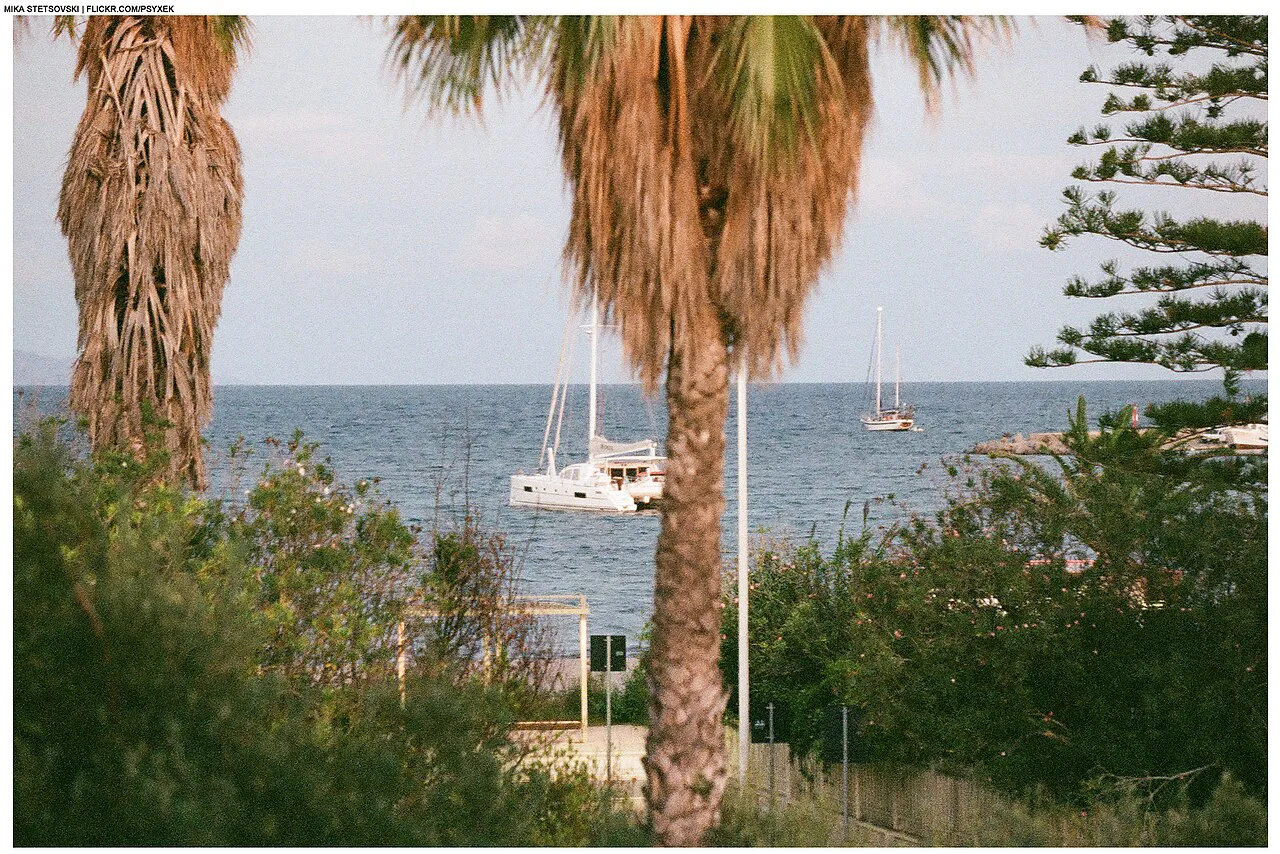
April is pre-season, so the coast wakes up gradually rather than all at once. Boat trips and ferries generally begin running for the season in spring, but timetables are not fixed to a calendar you can rely on from a distance, so book directly with the ferry and boat companies once you have dates.
Neptune's Grottoes near Alghero are reachable by boat from the town's port, which makes them a natural April outing when the sea is calm. Check sailing times with the boat operators at Alghero port before you build a day around them.
Some coastal restaurants and beach clubs run reduced hours until the season proper starts, while inland towns and museums keep more regular rhythms. In the first half of June many paid parking areas in touristy spots are still free, since the ticket machines often switch on from mid-June, which gives a sense of how the season ramps up after April.
Expect a few places to be sprucing up rather than serving, especially along the smaller beach resorts. That is a minor inconvenience, and it is offset by quiet roads, easy parking and staff with time to talk.
Things to do in April
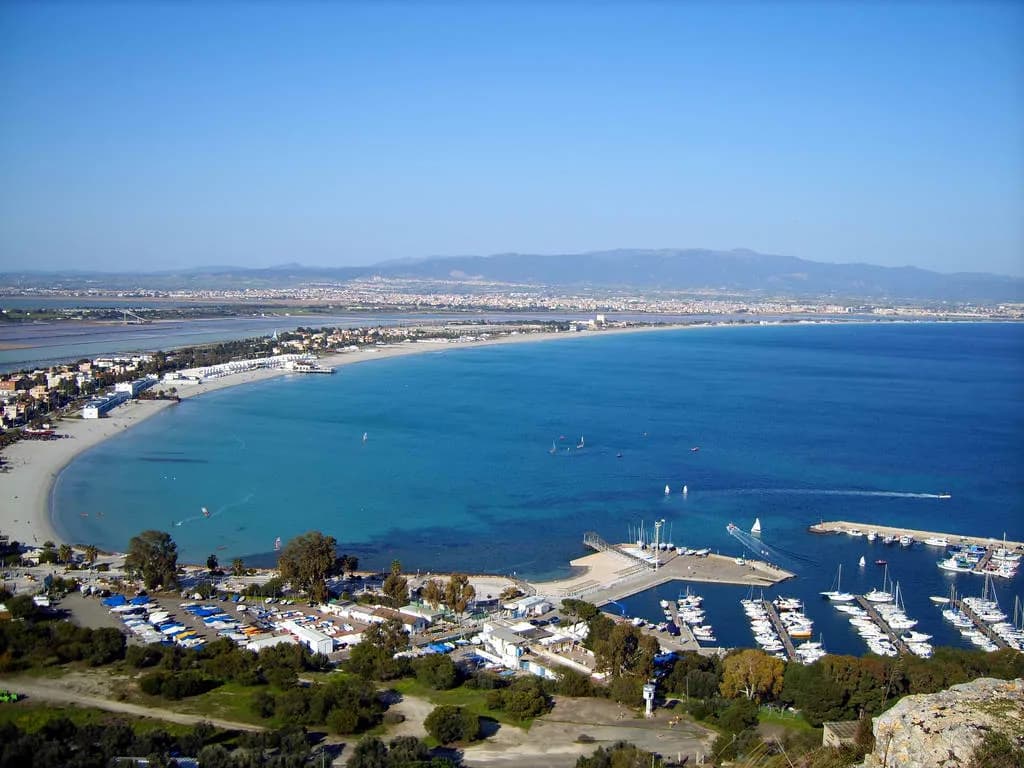
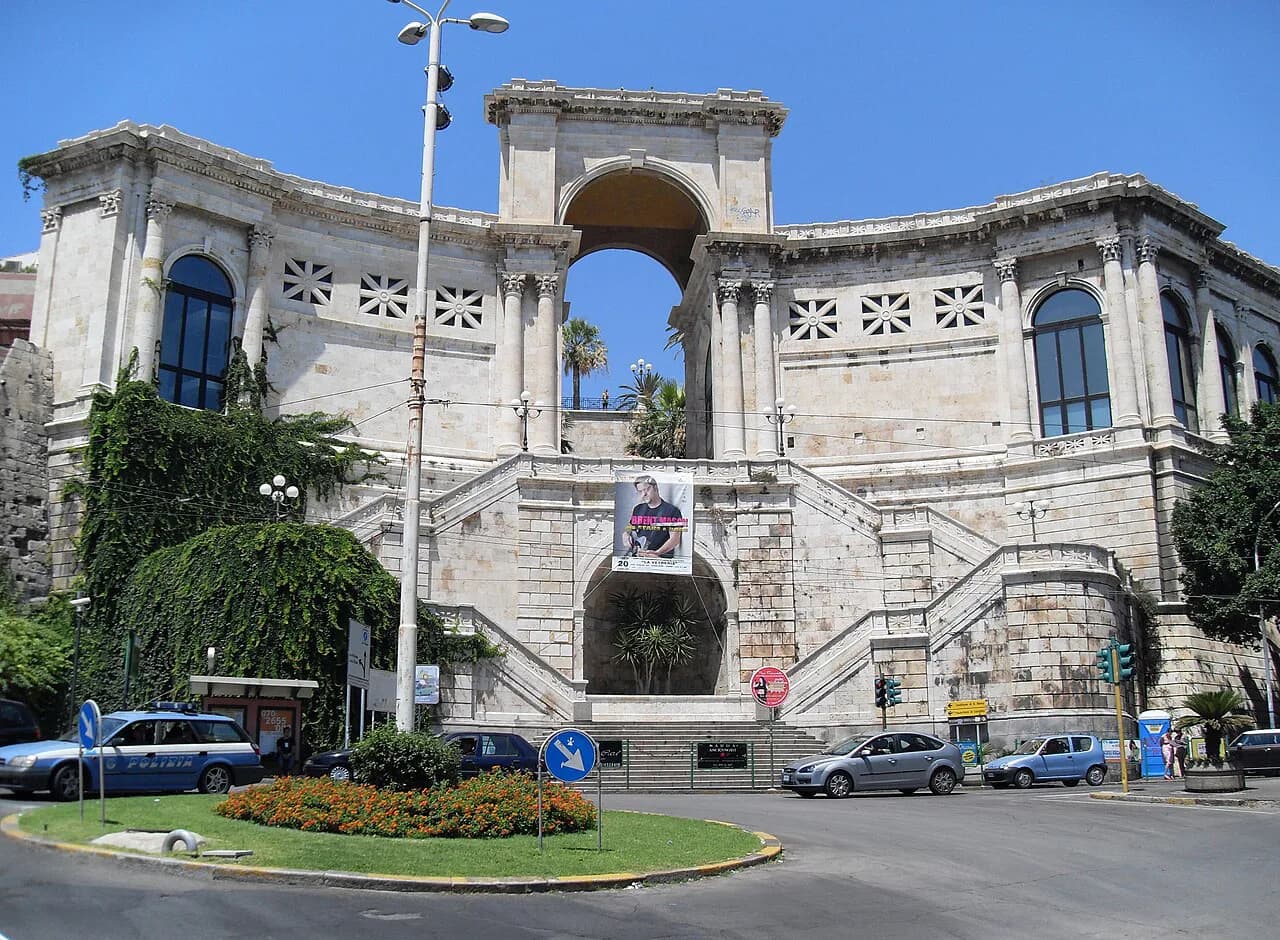
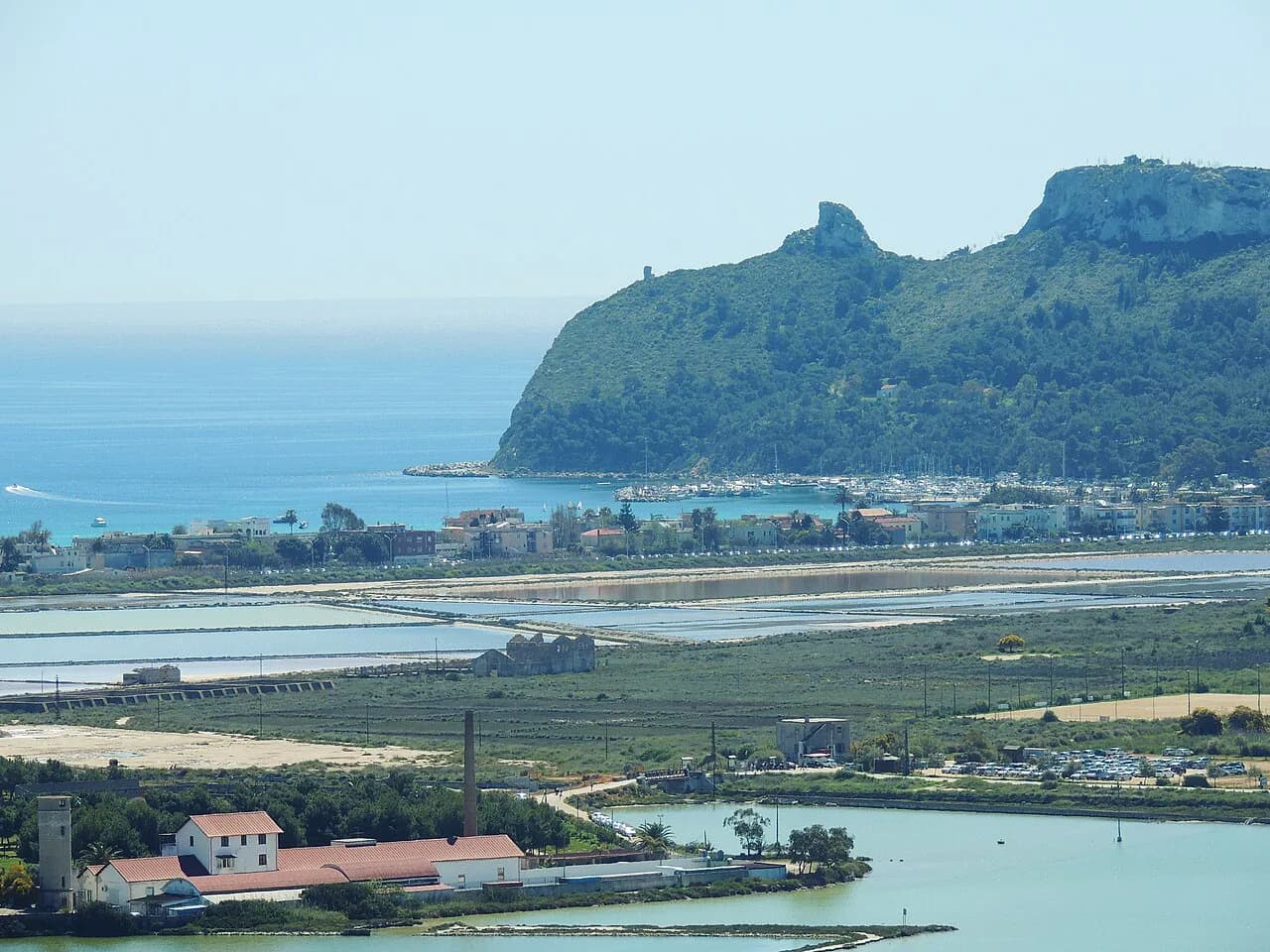
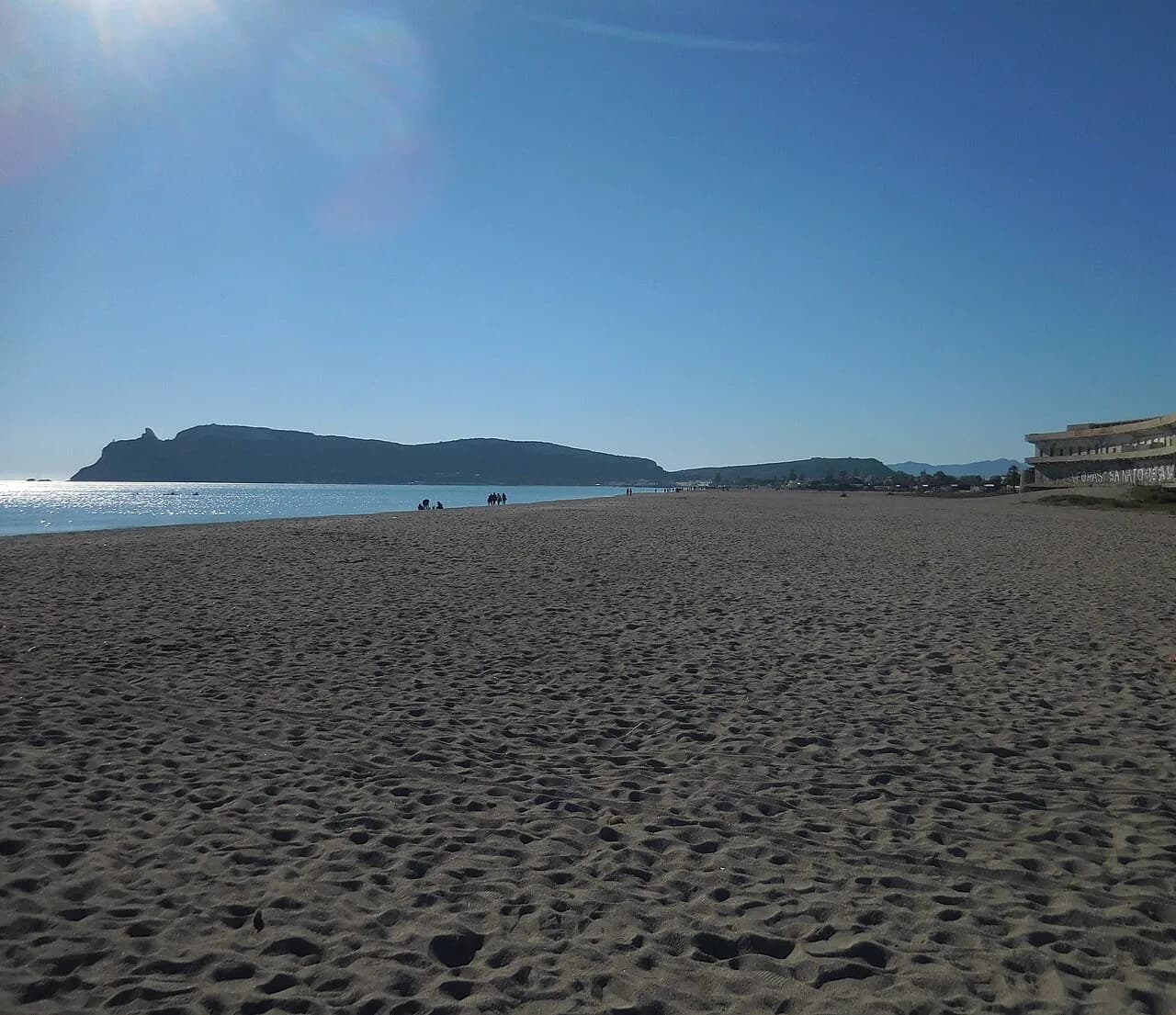
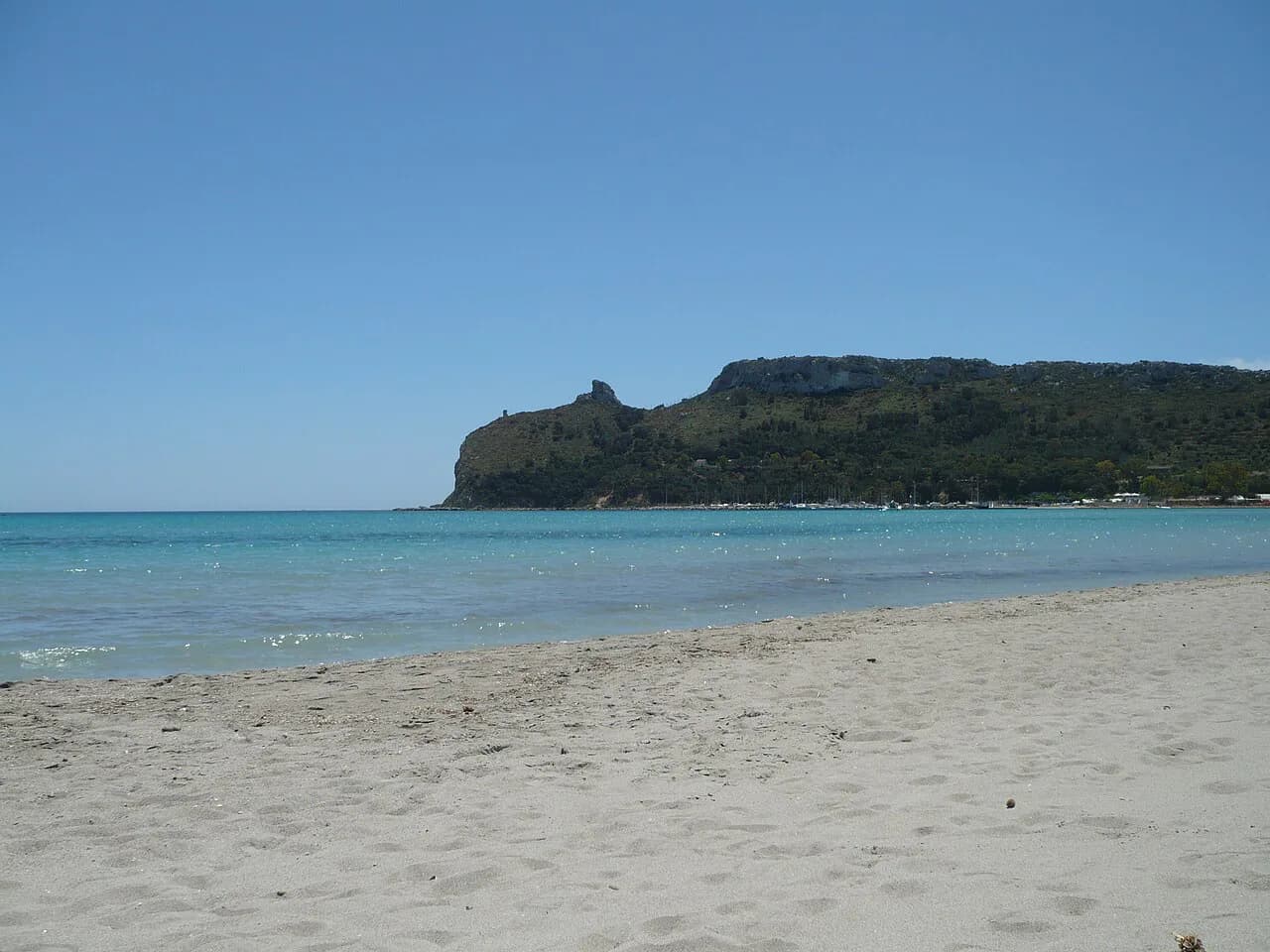
Start in Cagliari, where the Castello quarter, the Marina and the port make for an easy day on foot, and Poetto gives you a long beach walk without needing to swim. The archaeological site of Nora, near Pula and about 45 minutes to an hour's drive from the city, is a straightforward day trip.
Inland, Su Nuraxi at Barumini is the island's standout nuraghe complex, visited with a guide included in the ticket, and the Casa Zapata museum in the village rounds out the trip. Pair it with a hill-town lunch for a full day away from the coast.
On the west coast, the Punic-Roman city of Tharros sits on the Sinis Peninsula near Cabras, with columns against the sea and the tower of San Giovanni giving a view over the site. Oristano, with its cathedral, Antiquarium Arborense museum and the tower of Mariano II in Piazza Roma, makes a good base for this corner.
North of Oristano, the mural-covered village of Tinnura is a short and rewarding stop on the drive towards Bosa and Alghero, and its inland position makes April far more comfortable than summer for standing in the street looking at painted walls.
Walkers should head for Su Gorropu, the deep gorge between Ogliastra and Barbagia near Dorgali and Urzulei, which has an easier family route and a harder option; guides run trips if you prefer not to navigate it yourself. The Sella del Diavolo above Cagliari and the old mining country between Masua and Cala Domestica are the other spring classics.
In Nuoro, the Deledda house, the Museo del Costume and the MAN art museum fill a cool or wet day, and Monte Ortobene is right there for a shorter walk. Orgosolo's murals and the Orosei Gulf are viable day trips from the city.
Food in season
Spring is the season for wild asparagus, fresh fava beans, green peas and Sardinian artichokes, which have thorns and a different character from the round Roman ones. Menus in April lean on these vegetables far more than the summer beach menus do.
Look for culurgiones, the potato-and-mint dumplings from Ogliastra, fregula pasta with seafood, sea-urchin spaghetti or risotto, and lamb either spit-roasted or stewed with artichokes. Spring also brings the sagre, local food fairs with tastings and produce to buy.
Easter week brings its own breads and pastries, including pardulas with ricotta and lemon, but treat the holiday as a reason to eat well rather than the organising principle of the trip.
Crowds and prices
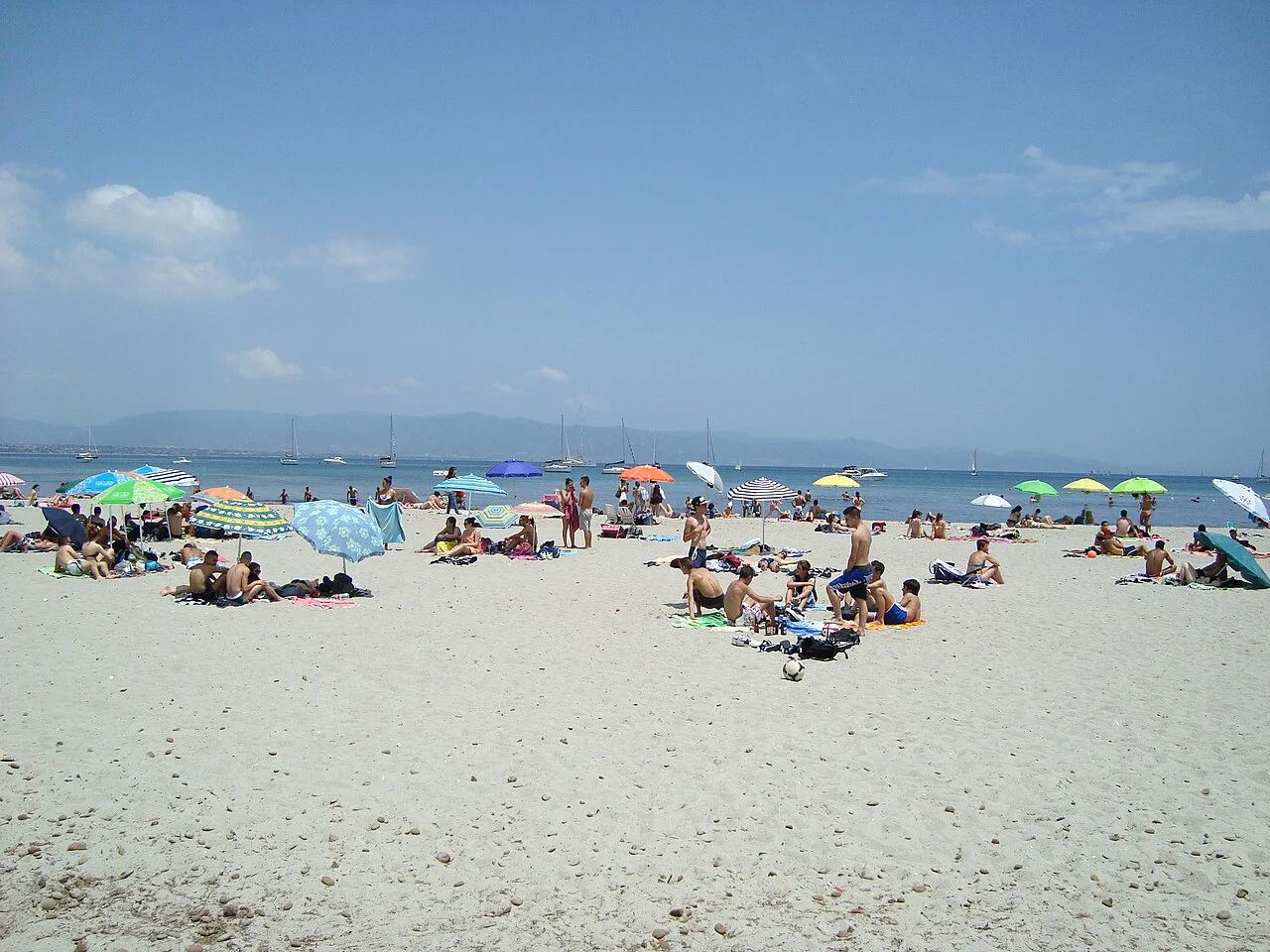
April is quiet by Sardinian standards, with Easter week and the school holidays as the clear exceptions when ferries, car hire and coastal hotels fill up. Outside those weeks you will find space at the sights and easy tables at lunch.
Prices sit below the June to August peak, and the difference is most obvious in accommodation and car rental. Early June is still cheaper and quieter than July and August, with more parking and cleaner beaches, which tells you how much April undercuts the high season.
April to June is consistently named the best window for comfortable temperatures, low rainfall and easy exploring, so the value is in the conditions as much as the cost.
April or May for your trip?
Choose April for walking, ruins, hill towns and city time, and for quieter roads at lower prices. Choose May if you want warmer evenings, a better chance of a swim by the end of the month, and more of the coast open for boat trips and long lunches outside.
If your dates are fixed and the beach is the point, shift to June and read things to do in Sardinia in June for the trade-offs. If you are still choosing a destination rather than a month, compare the Amalfi Coast in April and Bologna in April before committing to an island.
The verdict
April is the month to take Sardinia seriously as a walking and sightseeing island rather than a beach destination. Cool nights, a handful of showers and cold sea are the price; in return you get green hills, empty ruins, quiet roads and pre-season prices.
Book late April rather than early if you can, keep a flexible day for rain, and check current prices and dates for boat trips and grotto sailings directly with the companies running them once your dates are set. If you need reliable heat, move your trip to May or June and plan the coast around it.
More Sardinia spring guides
Frequently Asked Questions
Is Sardinia nice to visit in April?
Yes, if you want walking, sightseeing and food rather than beach days. Daytime highs average around 20°C with cool nights near 10°C, and the island is green and quiet outside Easter week. Expect a few showers and windy days and plan indoor or archaeological options for those.
How warm is Sardinia in April?
Long-term normals for Cagliari give an average daytime high of 19.91°C and an average night-time low of 9.66°C. Days can feel distinctly summery, but the month swings between cool and warm spells. Inland and higher ground such as Barbagia and Nuoro run cooler than the south.
Can you swim in Sardinia in April?
Not comfortably for most people. The sea is still cold and the air is not reliably warm enough to dry off afterwards. The dependable swimming window opens from mid-May into June, when the water has warmed and beach conditions improve.
Does Sardinia have a rainy season?
There is no sharply defined wet season in the way tropical destinations have one. April averages about 45.62 mm over roughly 6.49 rain days, mostly as showers and unsettled spells. Rain becomes rarer through May and June.
Is Sardinia warmer in April or May?
May is clearly warmer. The Cagliari normals show an average high of 24.1°C and a low of 13.33°C in May, against 19.91°C and 9.66°C in April, with fewer rain days. May also opens up more of the coast for boat trips and outdoor dining.
What is there to do in Sardinia in April?
Cagliari's Castello and Marina quarters, Su Nuraxi at Barumini, Tharros and the Sinis Peninsula, Tinnura's murals, Alghero and Neptune's Grottoes, plus serious walking at Su Gorropu and the Sella del Diavolo. April is also the best month for inland towns like Nuoro and Orgosolo, which are uncomfortable in summer heat.
Sources
Spring sun notes
Optional updates when we add destinations and months.
You might also like
Continue reading
More guides you'll find useful