Canary Islands in April: How Warm It Is and Where to Go
Canary Islands in April bring daytime highs of 22 to 24°C, long sunny days and cool evenings. See which island is warmest and whether April suits you.
On this page
April is warm enough for shirt sleeves by day on every main island, with average highs of 22.6 to 23.5°C (72.7 to 74.3°F), but evenings drop to around 16°C (61°F) and the wind on the eastern islands is a real feature of the month. It is the month for walking volcanic trails, exploring hill towns and eating outside at lunchtime rather than for lying on a beach in baking heat.
Rain is close to negligible: Lanzarote and Fuerteventura average around one rain day each in April at 5 mm, Tenerife South 1.1 days at 7 mm and Gran Canaria 1.3 days at 6 mm, according to AEMET stations. Sunshine runs from more than seven hours a day at Tenerife South to more than nine hours a day on Lanzarote, so a week here usually delivers several full blue-sky days.
Weather in April, Island by Island
Tenerife South has an average April maximum of 23.1°C (73.6°F) and minimum of 16°C (60.8°F), with 219 sunshine hours across the month. Gran Canaria Airport averages 22.6°C (72.7°F) by day and 16.2°C (61.2°F) at night over 228 sunny hours. These are the numbers for the coastal airports, not the uplands, so a day on Teide or in the Gran Canaria interior will feel noticeably cooler.
Lanzarote Airport averages 23.5°C (74.3°F) by day and 15.7°C (60.3°F) at night, with 255 sunshine hours in April, the brightest of the four main airports. Fuerteventura Airport comes in at 22.9°C (73.2°F) and 16°C (60.8°F) with 242 hours. That extra sunshine and drier air is exactly why the eastern islands feel like the obvious choice if your priority is bright days.
All four figures come from AEMET's long-term climate normals for the 1981-2010 period and describe typical April conditions rather than any particular year. Treat them as a planning baseline: a normal April sits in the low twenties by day, and a poor one means more cloud on the northern slopes and a stronger breeze rather than cold.
How Sunny and How Wet
April sits at the tail of the Canaries' wet season, and the monthly rainfall totals are tiny: 5 mm on Lanzarote and Fuerteventura, 6 mm on Gran Canaria and 7 mm on Tenerife South. A wet spell in April usually means a passing frontal band that brings cloud and a few hours of rain, then clears to sunshine again.
The bigger practical difference is where you are on each island. Northern coasts such as Puerto de la Cruz on Tenerife and Las Palmas de Gran Canaria sit under cloud more often than the south, while the high ground around Teide and the Cumbre can catch cloud and cooler air even on a bright coastal day. Plan the beach or coastal walk for the south and the mountain day for when the cloud is high.
Sunshine is the reason people commit to April here. Lanzarote's 255 hours works out at more than eight hours a day on average, and even Tenerife South's 219 hours gives plenty of full outdoor days. Spain's official tourism site notes the islands enjoy over 3,000 hours of sunshine a year, which is the wider context for that consistency.
Is It Warm Enough?
For sightseeing, city wandering and coastal walking, April is close to ideal. You can spend a full day outdoors without overheating, and hill towns such as San Cristóbal de La Laguna and the terraces of Las Palmas are pleasant at lunchtime in the low twenties.
For serious hiking, April is the best window before summer heat sets in on the high ground, though you should expect strong sun and changeable cloud on exposed ridges. Families with young children will find the days comfortable and the evenings needing a layer, and the short flights from the UK make it an easy first trip.
If your goal is guaranteed sunbathing heat, or sea warm enough for long swims, April is the wrong month. Wait for June, when Tenerife South averages 25.4°C (77.7°F) and almost no rain, or look further south in the Mediterranean; our guide to where is warm in Europe in April sets out the alternatives side by side.
Early vs Late April
The month warms steadily, and the last ten days usually feel a couple of degrees more comfortable than the first, with the sea still cold all month and only slowly recovering from winter. Early April is more likely to catch a leftover Atlantic front, which shows up as a cloudy day and a short shower rather than a washout.
Compare the neighbouring months to see the trend: May lifts Tenerife South's average high to 23.9°C (75°F) and cuts rain days to 0.3, and June adds another degree and a half with practically no rain at all. March, by contrast, is cooler and wetter, so late April is the sweet spot if you want spring conditions without the school-holiday crowds.
Day length is already generous in April, with sunset around the eight o'clock mark local time, so long days out and late-afternoon walks are entirely practical.
Which Canary Island Is Warmest in April?
On the AEMET figures, Lanzarote edges it for daytime warmth at 23.5°C (74.3°F) and leads on sunshine hours, with Fuerteventura a fraction behind. Tenerife South and Gran Canaria are within half a degree of both, so the difference in practice is less about temperature and more about wind, cloud and what you want to do.
Lanzarote and Fuerteventura are the drier, breezier, more open pair, with volcanic landscapes and wide skies; Tenerife offers the most variety, from the south-coast resorts to Teide and the laurel forests of the north; Gran Canaria combines a dry south with a green, steep north. The quieter western islands, La Gomera, La Palma and El Hierro, are greener again and better suited to walkers than to anyone chasing guaranteed beach weather.
If you are weighing broader timing across the year, the best time to visit the Canary Islands depends on whether you want warmth, quiet or value, and April scores well on the last two.
Tenerife in April: Coast and High Ground
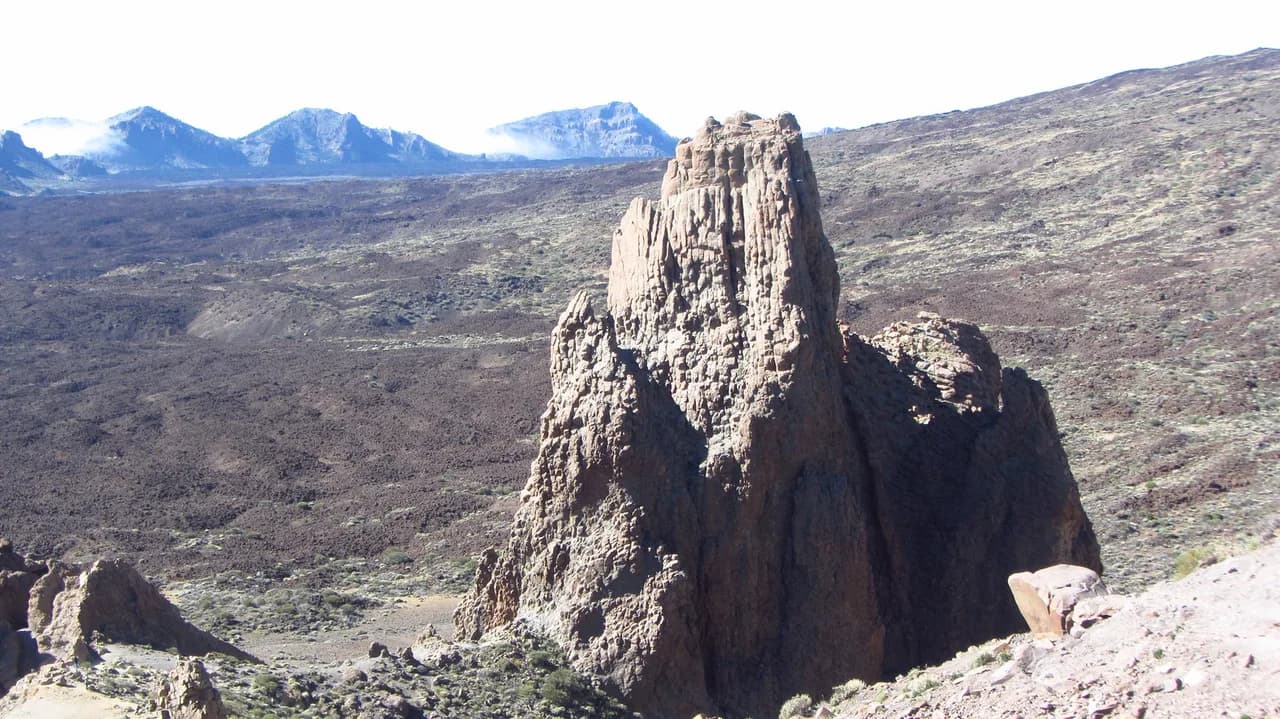
The south coast around Los Cristianos and Costa Adeje is where April's low-twenties warmth is most reliable, and it is the natural base for boat trips and coastal walks. Teide National Park is the counterpoint: at over 2,000 metres the plateau is markedly cooler and can be in cloud while the coast is clear, so pick your day and go early.
San Cristóbal de La Laguna, a UNESCO World Heritage city, is a good half-day for its colonial streets and cafés, and the Anaga hills to the north-east give shady laurel walks that suit a warm spring day. The north coast around Puerto de la Cruz is greener and cloudier, which is a fair trade for its gardens and old town.
Gran Canaria in April: Dry South, Green North
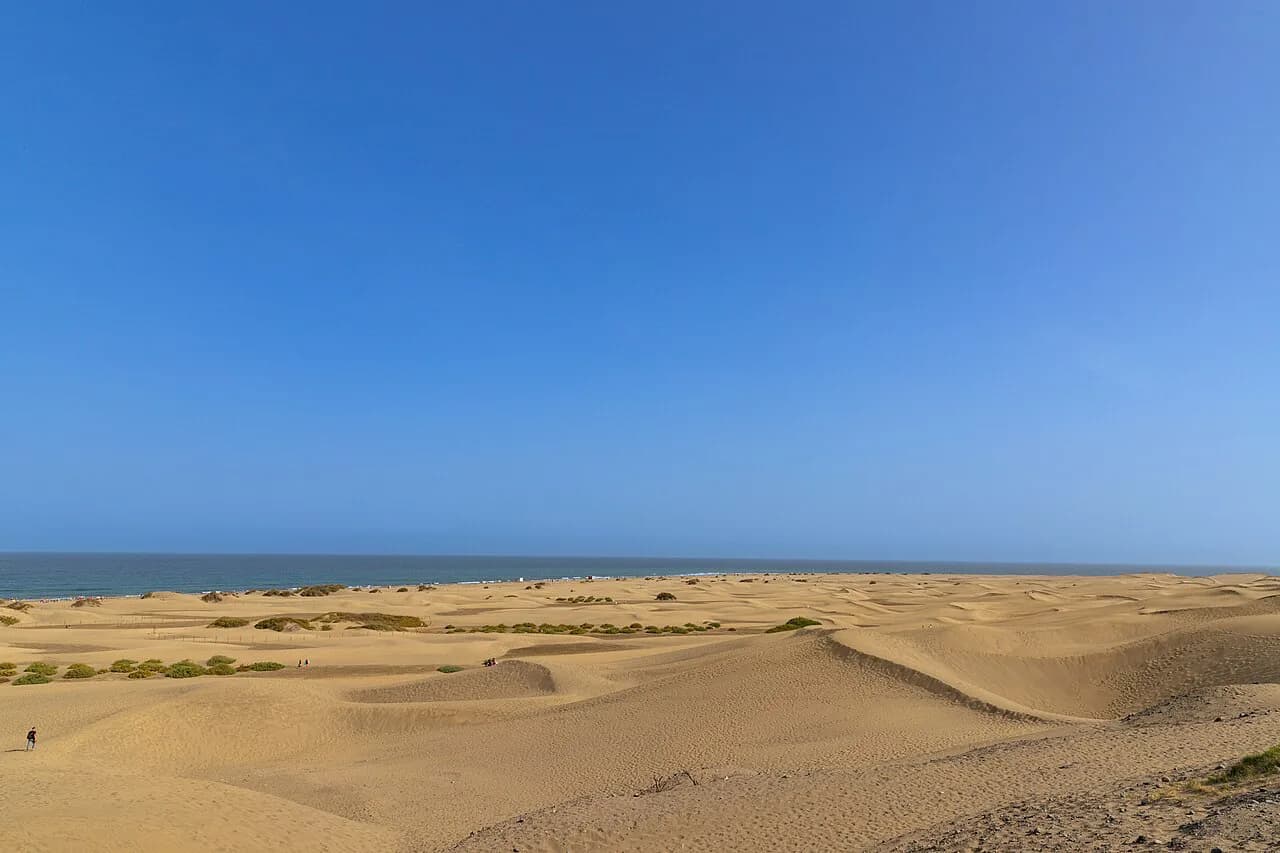
Gran Canaria's south, around Maspalomas and the dunes, is the dry, sunny side and the easiest place to plan outdoor days in April. The north around Las Palmas is greener and busier with local life, and the old town of Vegueta is a strong rainy-day or cloudy-morning option.
Inland walking is the island's real April strength: the central highlands around Cruz de Tejeda and the Roque Nublo trails are cooler than the coast and best done before midday cloud builds. Expect the interior to be several degrees cooler than Maspalomas, so a layer matters even on a sunny morning.
Lanzarote and Fuerteventura in April
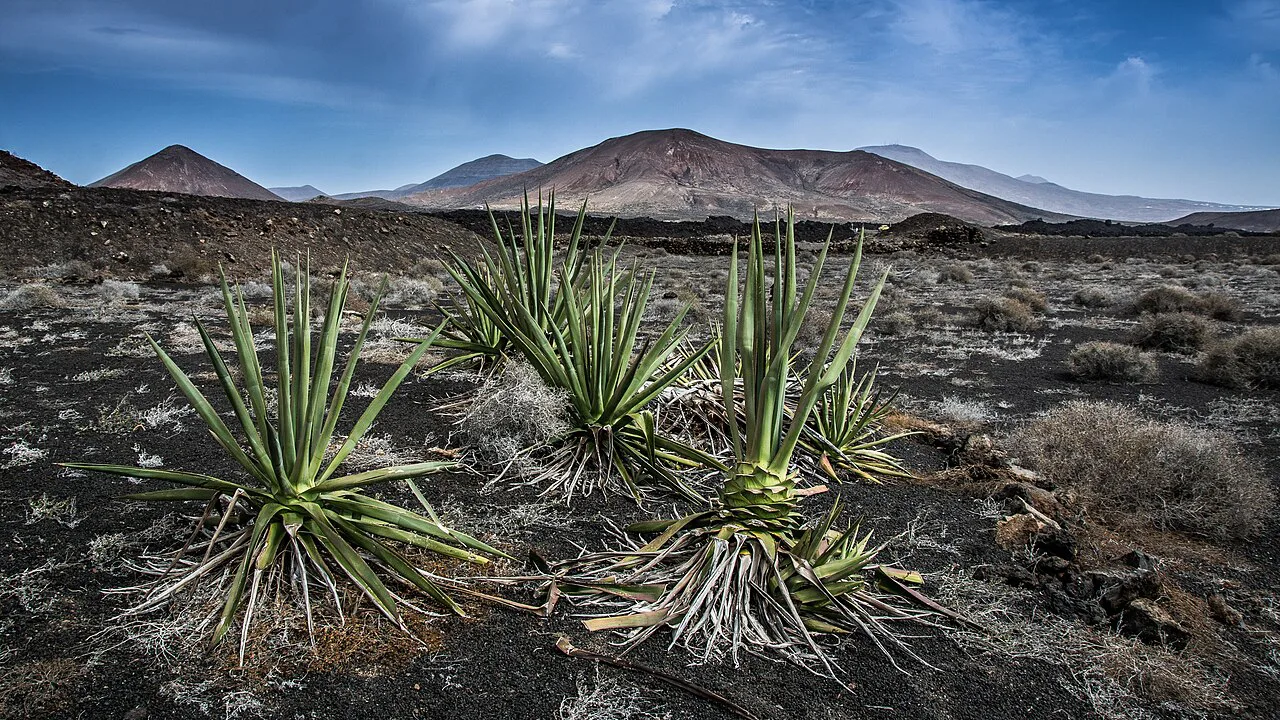
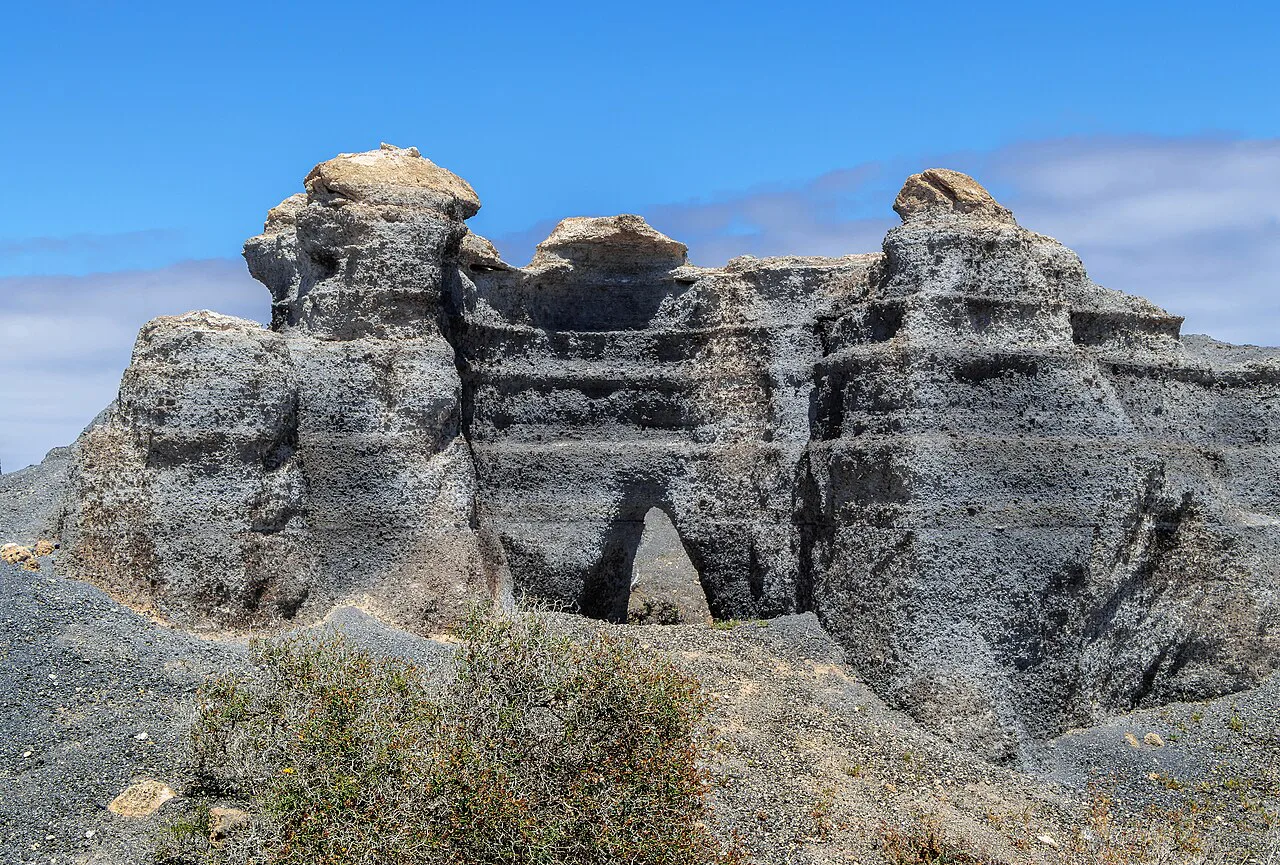
These two are the windiest of the main islands in April, and that wind is both the appeal and the drawback. It keeps the air fresh on the volcanic trails of Timanfaya National Park and around the Manrique sights such as Jameos del Agua, but it can make a beach day on the exposed east coast feel cooler than the thermometer suggests.
Lanzarote's 255 sunshine hours make it the brightest of the four airport stations in April, and Fuerteventura's 242 hours are close behind, so both deliver long clear days even when the breeze is up. Take the Lanzarote in April guide if you want the detail on the island's own conditions and what suits the month.
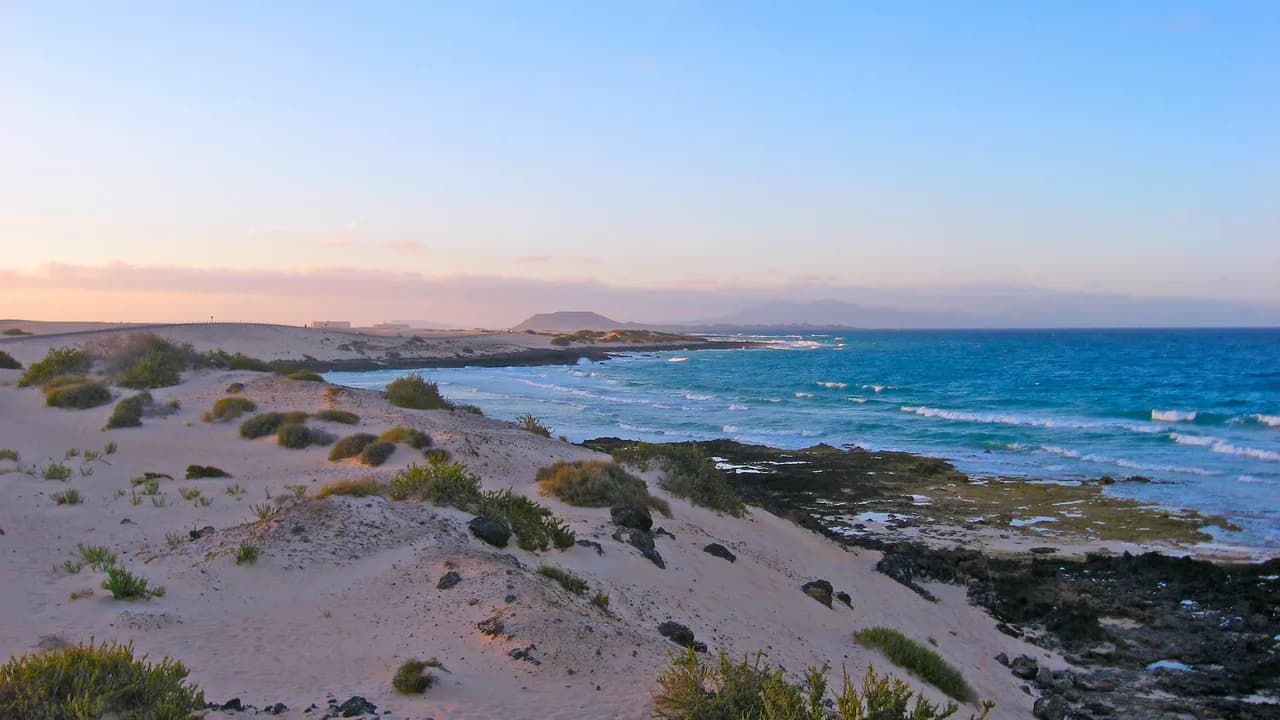
Corralejo and the Dunas de Corralejo reserve on Fuerteventura are the obvious base for dune walks and boat crossings to Lobos, and the calmer western coast is more sheltered than the east when the wind picks up.
What Is Open in April
April is when the islands come fully out of the winter lull but before the summer rush, so ferries, boat trips and most visitor attractions are running their normal schedules. Some beach clubs and seasonal restaurants on the resort coasts use reduced hours until the weather settles, so book the boat trip and the popular restaurant a day or two ahead rather than assuming walk-in availability.
National park access is the one thing worth sorting early: Teide and Timanfaya both draw steady spring traffic, and the cable car and visitor centres operate to their own published timetables. Check the Teleférico del Teide and Timanfaya National Park pages for current dates and opening hours rather than relying on a winter schedule.
Travel insurance and entry rules are the traveller's own business, but the UK government's Spain travel advice page is the place to confirm passport and entry requirements before booking flights.
Things to Do That Suit April
Walking is the standout: the Anaga laurel forests on Tenerife, the Roque Nublo and Tejeda trails on Gran Canaria and the volcanic routes of Timanfaya all work well in low-twenties temperatures. The Garajonay National Park on La Gomera, reachable by ferry, is a full day out for laurel forest and mist.
For viewpoints, the Teide cable car and the Mirador de Abrante on La Gomera offer big views without a long climb, and the César Manrique foundation and Jameos del Agua on Lanzarote pair well with a half-day drive. Food in season means fresh fish, papas arrugadas with mojo, and Fuerteventura's Majorero goat's cheese, all best eaten at lunchtime outdoors.
If you are combining the islands with mainland Spain, our Spain in April guide sets out how the mainland compares at the same time of year.
Crowds and Prices
April is shoulder season, and the Canaries see steadier demand in winter and the summer peak than in spring, so the month sits in a middle band on price. Easter week is the exception: when Easter falls in April, flights and resort accommodation tighten for that fortnight, and UK school holidays add another spike.
Outside those weeks, the islands feel notably quieter, with space on the trails and easy tables at lunch. Late April, after Easter and before the June build-up, is the best-value window for a low-twenties trip.
Honest Drawbacks
The sea is still cold in April, so anyone planning long swims will find it bracing, and the wind on Lanzarote and Fuerteventura can make a beach day feel chillier than the air temperature suggests. Evenings on all the islands drop to around 16°C (61°F), which means a jumper for dinner outside.
Higher ground is the other trap: Teide and the Gran Canaria interior can be in cloud and several degrees cooler, so a mountain day needs a flexible plan. And if your idea of April is guaranteed heat for sunbathing, look at June or further south rather than expecting it here.
April or May?
Choose April if you want spring walking, quiet trails and low-twenties sightseeing, and you do not mind cool evenings or a cold sea. Choose May if you want warmer days, drier air and a better chance of comfortable evenings, at the cost of slightly busier resorts and higher prices.
For families with young children, late April is a good compromise; for anyone chasing heat, June beats both.
The Verdict
April in the Canary Islands is a spring month, not a summer one: 22 to 24°C by day, cool evenings, almost no rain and plenty of sunshine. It is the right choice for walking, sightseeing and eating outside, and the wrong one for anyone who wants hot beach weather.
Pick Lanzarote or Fuerteventura for the brightest, driest days, Tenerife for variety and high ground, and Gran Canaria for the mix of dry coast and green interior. Book around Easter rather than through it, and go late in the month if you can.
More Canary Islands spring guides
Frequently Asked Questions
Which Canary Island is hottest in April?
On the AEMET airport normals, Lanzarote has the highest average April daytime maximum at 23.5°C, with Fuerteventura at 22.9°C, Tenerife South at 23.1°C and Gran Canaria at 22.6°C. The gaps are small, so wind, cloud and what you plan to do matter more than the fraction of a degree.
What is the average temperature in Gran Canaria in April?
Gran Canaria Airport averages 22.6°C by day and 16.2°C at night in April, with 228 sunshine hours across the month and around 1.3 rain days. Inland areas and the high ground are cooler than the airport figure, so plan a layer for mountain days.
Is the Canary Islands warm in April?
Yes, by day: daytime highs sit in the low twenties across all the main islands, which is comfortable for walking and sightseeing. Evenings drop to around 16°C, the sea is still cold and the eastern islands are breezy, so it does not feel like summer.
Is April a good time to visit the Canary Islands?
It is a very good month for walking, sightseeing and outdoor lunches, with long sunny days and little rain. It is less good for sunbathing heat or long swims, and Easter week brings a spike in crowds and prices.
How sunny is Lanzarote in April?
Lanzarote Airport averages 255 sunshine hours in April, more than eight hours a day, the highest of the four main airport stations. It also averages only 1.3 rain days and 5 mm of rain in the month.
How does April compare with May in the Canary Islands?
May is warmer and drier: Tenerife South lifts to 23.9°C by day with 0.3 rain days, and Lanzarote to 24.6°C. April is quieter and better value outside Easter, while May suits anyone who wants comfortable evenings and a better chance of beach weather.
Do I need to book boat trips and attractions in advance in April?
Ferries and most visitor attractions run normal schedules in April, but some beach clubs and seasonal restaurants work reduced hours early in the month. Book the popular boat trip and restaurant a day or two ahead, and check the operator's page for the day you plan to go.
Is the sea warm enough to swim in April?
The sea is still cold in April and only slowly warms after winter, so long swims will feel bracing. Plan short dips and pool time instead if you want comfort in the water.
Sources
Spring sun notes
Optional updates when we add destinations and months.
You might also like

Continue reading
More guides you'll find useful