Rhodes in May: How Warm It Is and Whether to Book
Rhodes in May averages 23.8°C by day and 17.8°C at night, with few rain days. See who it suits, how early and late May differ, and who should wait.
On this page
May is the month Rhodes stops being a spring island and starts behaving like a summer one, without the crowds or the heat of high season. The island's long-term normals put the average daytime high at 23.8°C (about 75°F) and the average night-time low at 17.8°C (about 64°F), with 4.6 rain days across the month. That combination suits sightseeing, hill walking and long outdoor lunches far better than July or August, and it leaves evenings warm enough to sit outside without a jacket.
The trade-off is the sea, which is still catching up with the air, and a tourist season that is ramping up rather than fully running. Late May feels noticeably closer to summer than the first week, so the dates you choose matter more here than in most months. If your trip hinges on swimming and late evenings rather than ruins and walks, Rhodes in June is the safer pick.
Weather in May
The Hellenic National Meteorological Service normals for 1991–2020 give Rhodes an average daily maximum of 23.8°C (about 75°F) and an average daily minimum of 17.8°C (about 64°F) in May. Rain is modest: 4.6 rain days and 18.6 mm for the month, which usually means a couple of showery spells rather than washed-out days. Treat these as typical conditions to plan around, not as a forecast for your week.
Compare that with the months either side and the direction of travel is clear. April averages 20°C by day and 14.2°C at night with 7.6 rain days, while June jumps to 27.8°C by day and 21.8°C at night with barely any rain at all. May sits in the sweet spot between April's unpredictability and June's building heat, and the jump from April to May is bigger than the jump from May to June in comfort terms.
Sunshine is generous but not yet relentless, and the meltemi wind that defines midsummer has usually not settled into its summer pattern. Coastal spots can still carry a breeze that makes a 24°C afternoon feel cooler in the shade, while inland valleys run warmer. That difference is worth factoring in when you plan which days to spend on the coast and which to spend climbing to a viewpoint.
Is it warm enough?
For sightseeing and walking, yes, comfortably. A 23.8°C afternoon is warm enough for the exposed ruins at Kamiros or the climb to the Acropolis at Lindos without the punishing heat that makes the same ascent unpleasant in July. The 17.8°C nights mean dinner outdoors is genuinely pleasant rather than a compromise, and you will not need to retreat indoors after sunset.
Families with young children generally find May easier than June or July, because the heat is milder and the days are long. The caveat is the water, which remains cool for much of the month and suits confident swimmers better than small children. Anyone whose holiday is built around hours in the sea should look at later dates rather than expect mid-summer conditions in the first half of May.
If you want heat you can feel at midday and evenings that never cool down, this is not your month. June delivers that, with average highs near 28°C and nights above 21°C. May suits people who would rather walk a hill in the morning and eat outside in the evening than lie flat in the sun all afternoon.
Early vs late May
Treat early and late May as two different trips. The first week can still feel like an extension of April, with fresher evenings, a cooler sea and a quieter island; the last week often feels close to summer, with warmer water, more stable weather and resorts running at something near full capacity. The sea warms gradually through the month, so late May is the better bet if swimming matters.
The season opens alongside the weather. Coastal tavernas and beach bars that sat quiet through winter come back to life, boat trips and coastal excursions start running again, and more restaurants in the resorts reopen as the month progresses. Rather than assume a particular place is trading, look at its own website or social page in the week before you travel, since reopening dates vary by business and by season.
For walkers, the early half has an edge: the countryside is still green from winter rain and wildflowers are out on the hills. For anyone combining beach time with sightseeing, the second half gives warmer afternoons and a better chance of calm, swimmable water. If your dates are flexible, aim for the last ten days rather than the first ten.
What is open
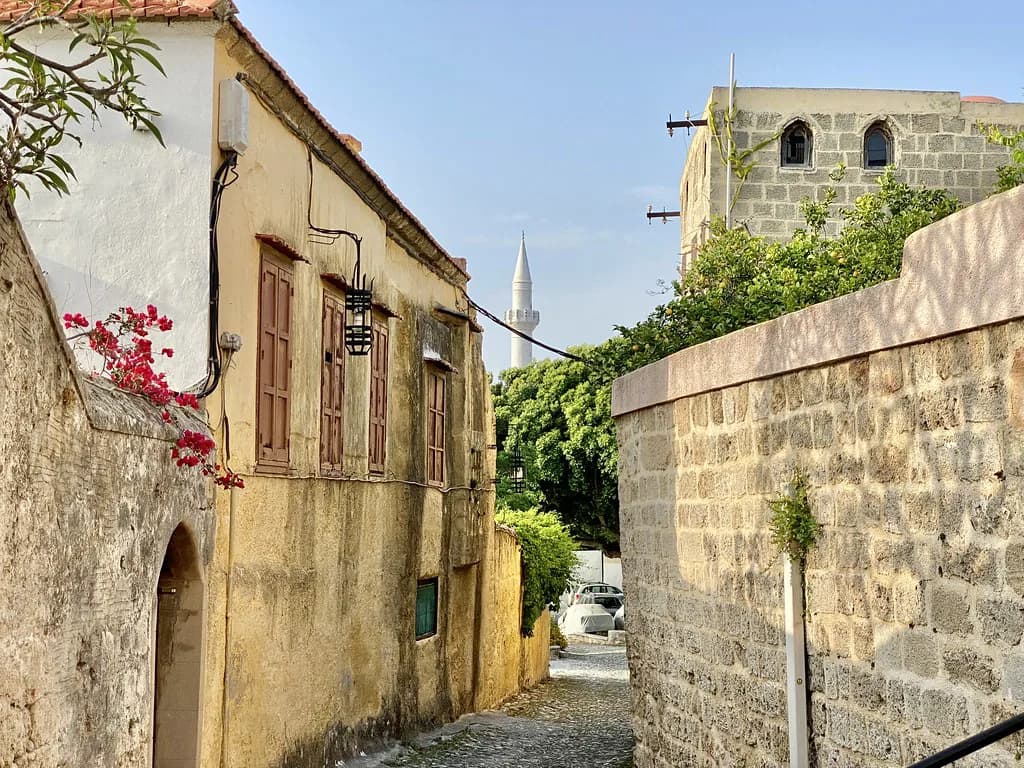
Rhodes Old Town operates year-round, so the medieval streets, the Palace of the Grand Master and the Archaeological Museum do not depend on the season. What changes is the surrounding economy: cafés, shops and terraces fill up as the month goes on, and the walled lanes feel lively in the evenings rather than half-asleep. Mornings remain the calmest time to walk the cobbles before the day-trippers arrive.
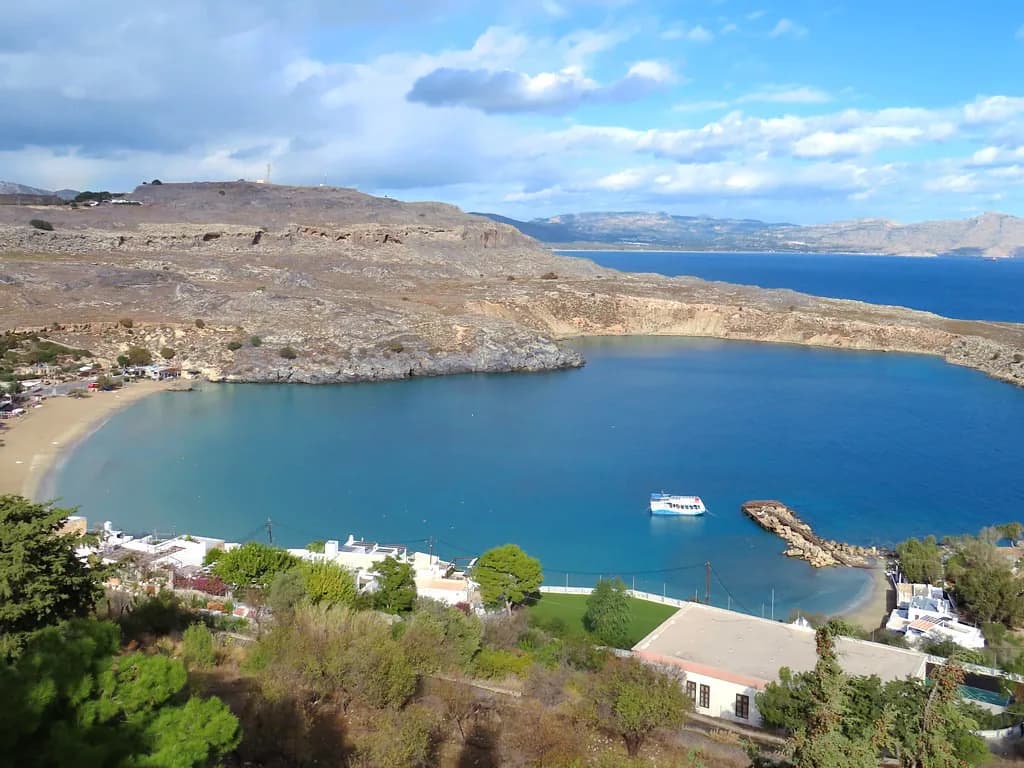
On the coast, the picture is patchier. Lindos, Faliraki and Kolymbia all come back to life during May, with restaurants and beach bars reopening and boat trips running again, but individual businesses set their own start dates. Cruise calls pick up too, which affects the middle of the day around the headline sights more than the early morning or the evening.
Inter-island trips are the other variable. Day trips to Symi and coastal cruises generally resume as the season builds, but schedules are set by the individual boat companies and change with demand and weather. Decide which trip you want before you book accommodation, then check the sailing directly with the company running it rather than relying on a listing from last season.
Things to do
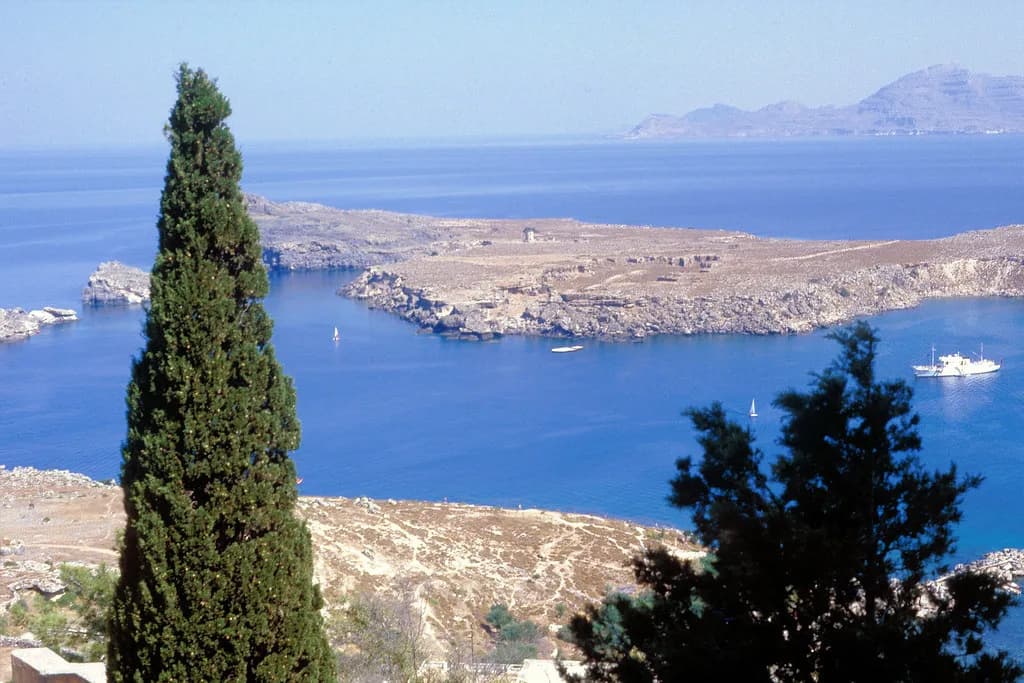
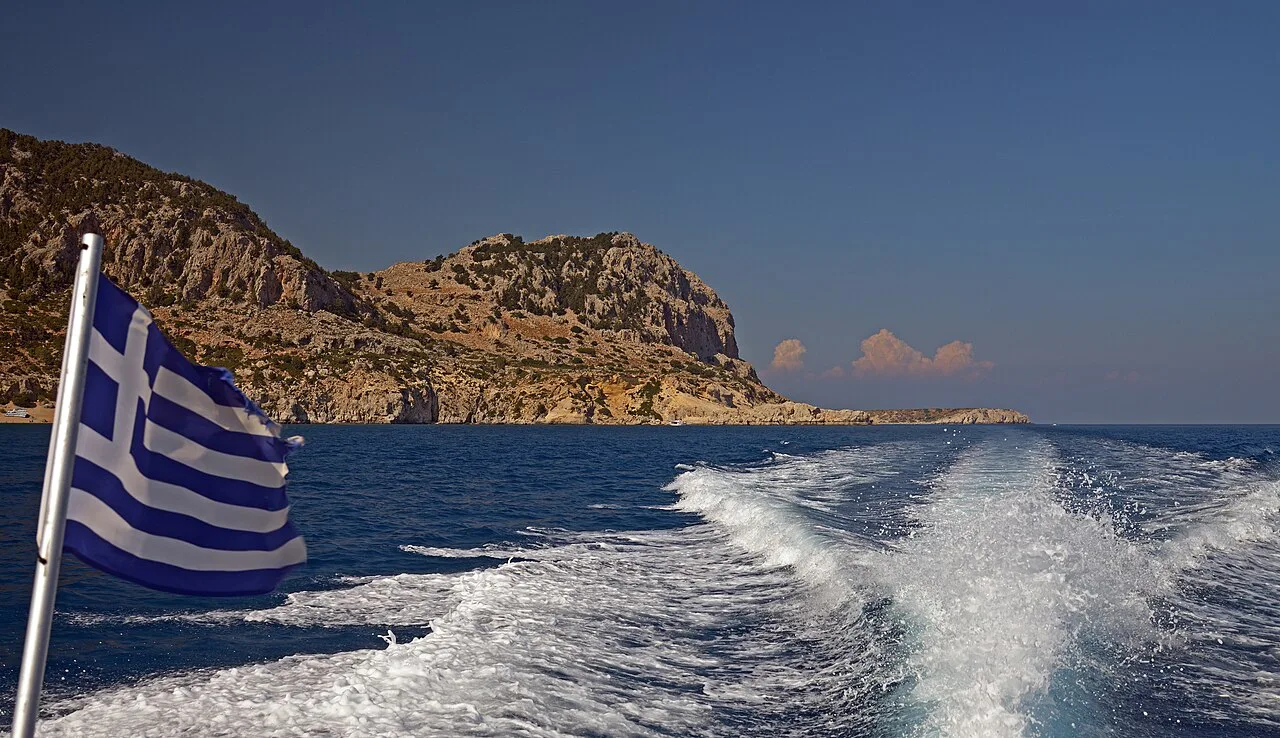
Start with the Old Town, which rewards a slow morning: the Street of the Knights, the moat walk and the Palace of the Grand Master are all comfortable at May temperatures. Then give Lindos a full afternoon rather than a flying visit, climbing to the Acropolis while it is still cool and staying for the village in the golden hour, when the whitewashed lanes are at their best and the day crowds have thinned.
Inland, head for the villages and the green countryside rather than another beach. The olive groves, pine forest and hill villages around Embonas and Siana show Rhodes as an agricultural island, and spring is when it looks its best. This is also the month when a rental car pays off, because you can follow the weather: coast on a clear day, hills when cloud builds.
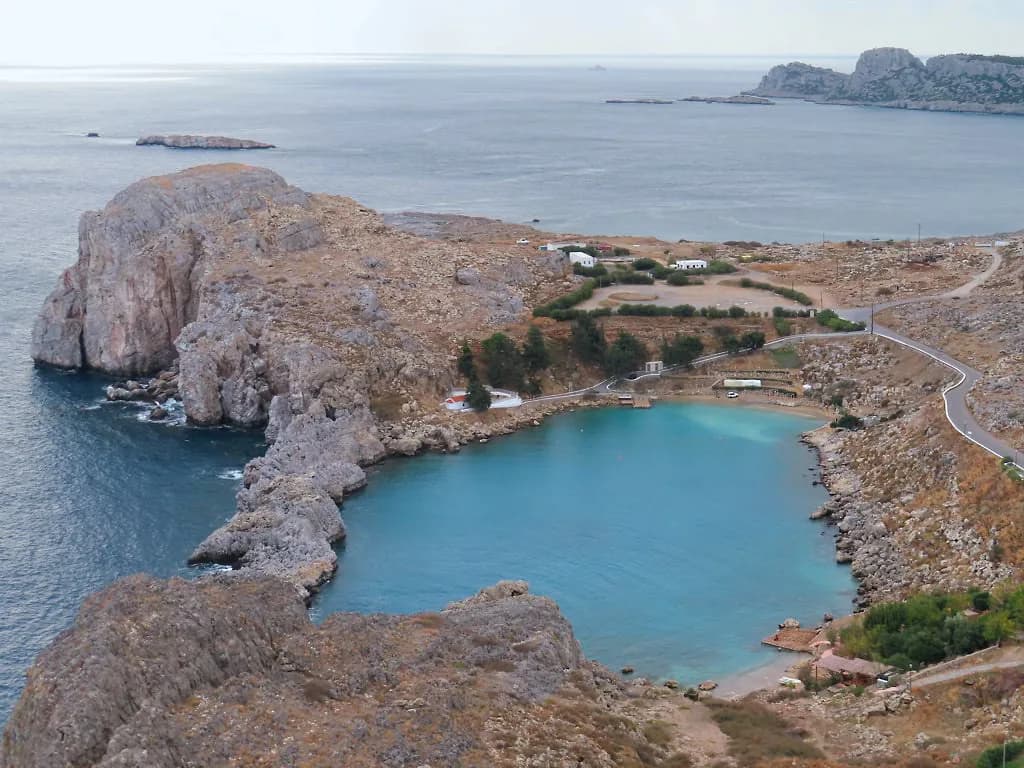
For history beyond the Old Town, the ruins at Kamiros and the site at Filerimos are far more enjoyable now than in high summer, when there is little shade and the stones radiate heat. Anthony Quinn Bay and the sheltered bays around Lindos are worth a look even if you only paddle, since the setting matters more than the water temperature in May. Build in an indoor option such as the museum for the occasional showery day.
Walks and viewpoints
Profitis Ilias is the standout May walk: pine forest, cooler air at altitude and views across the island, with the added curiosity of the Italian-era buildings near the summit. The Valley of the Butterflies, Petaloudes, is at its greenest in spring and shaded enough to be pleasant at midday. Both make sense in May in a way they do not in August.
Epta Piges, the Seven Springs, offers a short, shady walk and a cool contrast to the coast, and it works well combined with a lunch in a nearby village. None of this is demanding hiking, but the upland air is noticeably cooler than Rhodes Town, so carry a layer for the morning and expect the coast to feel warmer when you drop back down in the afternoon.
Viewpoints along the east coast, particularly above Lindos and around the cliffs near Anthony Quinn Bay, are best in the early morning or late afternoon light. The breeze that makes a May afternoon feel fresh on an exposed headland can be bracing, so save the ridgelines for calmer days and use windy ones for the Old Town or a museum.
Crowds and prices
May is busy but not packed. UK school half term and the bank holiday weekends bring a noticeable surge, particularly in the resorts and on the roads around Lindos and Faliraki, and cruise calls fill the Old Town at midday. Outside those windows the island feels comfortable: you can get a table, find space at a viewpoint and drive without queuing.
Prices climb through the month as the season opens, without reaching the levels of July and August. Expect better availability than high summer and more negotiating room on car hire and excursions, especially in the first half of the month. Greek Orthodox Easter falls in April in some years and can shift demand into spring, so check when it lands if you are booking around those weeks.
The practical advice is to book the popular things early and leave the rest flexible. A table at a well-known Lindos restaurant on a half-term evening is worth reserving; a mid-week lunch in a village taverna is not. Building in one unplanned day gives you room to move with the weather, which in May is worth more than a fixed itinerary.
Drawbacks
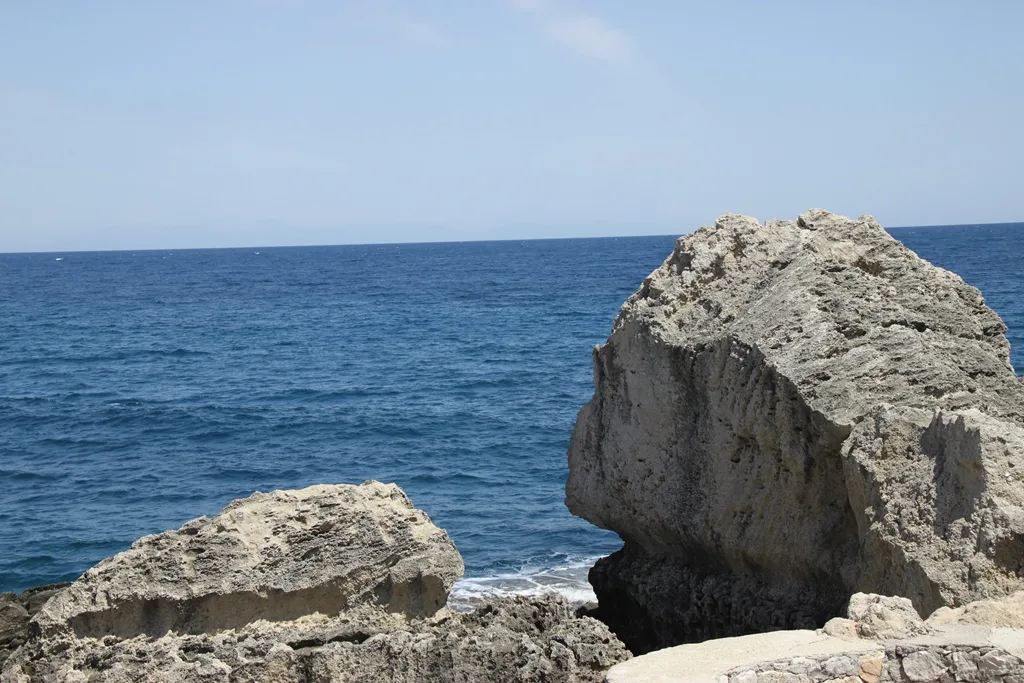
The main one is the sea. Air temperatures in the mid-twenties do not mean warm water, and many visitors find it refreshing rather than comfortable, especially in the first half of the month. If you are travelling principally to swim, late May or June serves you better, and you should treat May swims as a bonus rather than the plan.
The second is variability. A showery spell or a breezy few days can arrive at any point, and smaller resorts can still feel half-awake early in the month, with some tavernas and beach clubs not yet trading. That quietness is a plus for some travellers and a disappointment for others, so be honest about which you are.
Finally, the heat starts to build towards the end of the month. Late May afternoons can feel muggy in town, and the exposed archaeological sites lose their comfort margin. Plan the climbing and the ruins for the morning and keep the afternoon for the shade, the coast or a long lunch.
May or June? May or April?
Choose May for walking, ruins, village lunches and a green island without peak-season crowds; choose June for dependable swimming, warmer evenings and a resort scene running at full tilt. The gap in daytime temperature between the two is about four degrees, and the gap in how the island feels is larger than that. Our guide to where is warm in Europe in May puts Rhodes alongside the other reliable options if you are still comparing destinations.
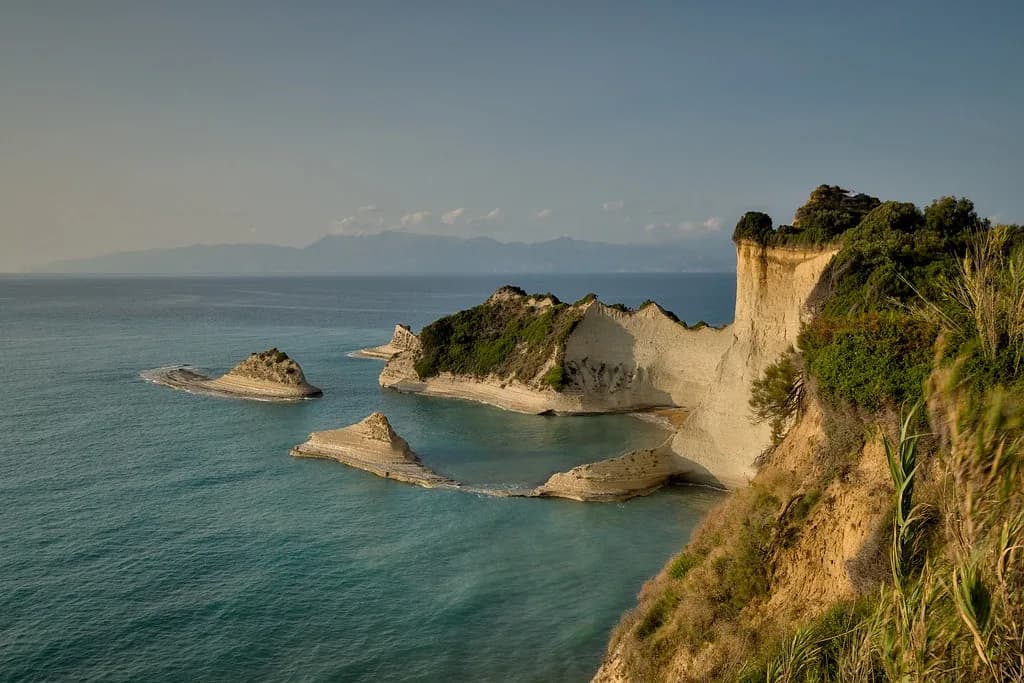
April is the wrong month for anyone who wants the sea or guaranteed evenings outside, but it suits city breaks and quiet sightseeing. Comparisons with Crete and Corfu are useful here: Crete in May runs warmer and offers bigger mountains, while Corfu in May is greener and wetter. If you only want one decision, take the second half of May on Rhodes.
If your dates are fixed to the first week and you are worried about the weather, look at somewhere further south rather than hoping for a warm spell. See where is warm in Europe in April for the destinations that deliver earlier in the season, and treat early May on Rhodes as a shoulder-month trip with a chance of a beach day rather than a guarantee.
The verdict
May is the best-balanced month on Rhodes: warm enough for a full day out, cool enough to climb to an acropolis at noon, quiet enough to enjoy the Old Town, and green in a way the island never is in summer. The honest caveats are the cool sea and the uneven opening of the coast. Go in the second half of the month if you can, and plan around the weather rather than against it.
Plan Your Trip
Decide first what the holiday is for. If it is walking, ruins, villages and long dinners outside, book late May and accept that swimming may be bracing. If it is beach days and warm evenings, move to June. If it is a city break with history, April works and costs you less in crowds.
Then check the practicalities with the people who run them: boat operators for sailings, individual tavernas and beach clubs for whether they are trading, and the site itself for opening times. For entry rules, use the official UK government or US State Department travel page for Greece once and ignore everything else. The rest is weather, and in May that usually rewards a flexible plan.
More Rhodes spring guides
Frequently Asked Questions
How warm is Rhodes in May?
The 1991–2020 normals for Rhodes put the average daytime high at 23.8°C (about 75°F) and the average night-time low at 17.8°C (about 64°F). Rain is limited, with 4.6 rain days and 18.6 mm across the month, so most days are dry enough for sightseeing. Read these as typical conditions rather than a forecast, and expect the last week to feel warmer than the first.
Is Rhodes hot in May?
It is warm rather than hot. Mid-twenties by day is comfortable for walking, ruins and long lunches, but it is not the 28°C-plus daytime heat of June or the mid-thirties of August. If you want genuine heat and evenings that stay warm late, June is the better month for you.
Can you swim in Rhodes in May?
The air warms faster than the water, so the sea is still cool for much of the month and many people find it refreshing rather than comfortable. Conditions improve noticeably towards the end of May. If swimming is the main reason for the trip, look at June, when the water has had longer to warm.
Is May a good time to visit Rhodes?
Yes, for most kinds of trip. It is the best-balanced month for combining the Old Town, Lindos, inland villages and hill walks, with warm afternoons and pleasant evenings and without peak-summer crowds. The compromises are a cool sea early in the month and a coast that is still opening up, so late May is the stronger choice.
Is Rhodes busier in May than in April?
Yes. Cruise calls pick up, resorts reopen and UK bank holidays and half term bring a surge, so the Old Town and the roads around Lindos and Faliraki are busier than in April. Outside those windows it still feels manageable, with easier tables and quieter viewpoints than in July or August.
Should I pick May or June for Rhodes?
Choose May if you want walking, archaeology, village lunches and a green island without the midsummer heat. Choose June if you want dependable swimming, warmer evenings and everything on the coast running properly. The daytime difference is roughly four degrees, but the difference in how the island feels is bigger.
Is mid-May a good window for Rhodes?
The middle of the month is a sensible compromise: warmer afternoons than early May, a better chance of calm sea, and a livelier resort scene without the full half-term and cruise peak. The countryside is still green, so hill walks and inland villages remain worthwhile. Build in one flexible day so you can move with the weather.
Sources
Spring sun notes
Optional updates when we add destinations and months.
You might also like

Continue reading
More guides you'll find useful