Greece in June: How Warm It Is and Where to Go
June in Greece means 27-30°C days, near-dry islands and a sea finally warming up. See which regions work best and when crowds and heat start to bite.
On this page
June is the month Greece stops being a gamble. Average daytime highs reach 30.3°C (86.5°F) in Athens, 27.5°C (81.5°F) at Heraklion on Crete and 27.8°C (82.0°F) on Rhodes, with rain almost gone from the Aegean by the end of the month.
That is warm enough for beach days, boat trips and long outdoor evenings, and it comes with long daylight and ferries running on full summer patterns. The trade-off is a mainland that is already hot by mid-afternoon, a sea that only becomes properly comfortable late in the month, and prices climbing towards the July peak.
Weather in June: Mainland, Aegean and Ionian
The national picture hides a real regional split, so pick your region first. Athens averages 30.3°C by day and 20.7°C at night in June, with 3.7 rain days and 5.6 mm of precipitation across the month, which means the odd shower but mostly settled, bright days.
Crete is slightly cooler on the thermometer but far drier: Heraklion averages 27.5°C by day and 19.7°C at night, with just 1.3 rain days and 3.5 mm of rain all month. Rhodes runs 27.8°C by day and 21.8°C at night with 1.2 rain days, and its nights are the warmest of the big islands, which matters if you want to eat outside late.
Thessaloniki shows the northern pattern: 29.9°C by day but 7.5 rain days and 29.6 mm of precipitation, the wettest of the mainland cities here, with thunderstorms more likely than in the south. Santorini averages 27.7°C by day and 20.9°C at night, while Kos runs 28.5°C and 20.7°C, both warm enough for swimming and sunbathing without the punishing heat of July.
The Ionian is warmer and wetter than the Aegean early in the month. On Corfu, June averages 28.0°C by day and 16.4°C at night with 4.9 rain days and 14.1 mm of rain, on figures the WMO World Weather Information Service publishes without stating an averaging period, so treat them as indicative rather than a 1991-2020 normal.
Kefalonia sits close to that pattern at 27.8°C by day and 18.4°C at night, with 1.5 rain days and 10.8 mm, and the Ionian Islands generally feel greener and more humid than the Cyclades in June. If you want the driest, most predictable weather, head for Crete, Rhodes or Kos; if you want softer evenings and lush scenery, the Ionian delivers.
Is June Warm Enough for the Beach?
For air temperature, yes, comfortably. Days of 27-30°C (81-86°F) across the south suit lazing outdoors, boat trips and outdoor dining, and the nights at 19-22°C on Crete, Rhodes and Kos mean you rarely need a jacket after dark. The sea is the slower variable: it warms through the month and is at its most inviting in the last week or so, which makes late June the better bet for anyone who wants to swim for long stretches.
June suits families with school-age children, walkers who start early, and island-hoppers who want reliable ferries. It does not suit anyone who wilts in 30°C city heat, wants empty archaeological sites, or is travelling on a tight budget in the last week of the month. If those apply, look at our guide to Greece in May for a cooler, quieter version of the same trip.
Early vs Late June
The first ten days still feel like late spring. Crowds are thinnish, tavernas and beach clubs are opening rather than full, and daytime heat is manageable, though the sea is at its coolest. Ferries are running but some smaller island connections are still on reduced pre-season patterns, so build in slack if you are hopping between the smaller Cyclades.
By the last week the season has switched on. Beach clubs and coastal tavernas are fully open, ferry schedules thicken, and both the heat and the prices rise. Greek school holidays begin in mid-June and UK schools break in mid-July, so the final week of June brings the first real surge of domestic visitors and the start of the family season.
The practical rule: book early June for value and breathing room, late June for guaranteed swimming and everything open. Mid-June is the compromise, with warm days, a warming sea and crowds not yet at their peak.
June Compared with May and July
May is cooler and greener, with more rain. Athens averages 25.2°C by day and 16.1°C at night with 6.8 rain days, and Crete 23.9°C by day and 15.6°C at night with 4.4 rain days, so May is lovely for walking and sightseeing but unreliable for beach days. On Corfu, May averages 23.8°C by day and 12.9°C at night with 8.0 rain days and 37.0 mm, noticeably wetter than June.
July is hotter and drier still, and much busier. Athens climbs to highs around the mid-30s, the Aegean islands bake, and crowds and prices peak. June gives you most of July's sun with a fraction of its intensity and cost, which is why it is the sensible choice for a first Greek summer trip.
If your priority is quiet countryside and wildflowers rather than swimming, spring is the better season, and our Greece in Spring guide covers that window. If you want the warmest sea and softer light with fewer people, September beats June on both counts.
Where to Go in June
For the most reliable conditions, pick Crete or Rhodes. Crete's south coast around Ierapetra and the Messara plain is the driest corner of the country in June, and the archaeological sites at Knossos and Phaistos are best visited at opening time before the heat builds. Rhodes combines warm nights with the walled old town and the Lindos acropolis, both of which reward an early start.
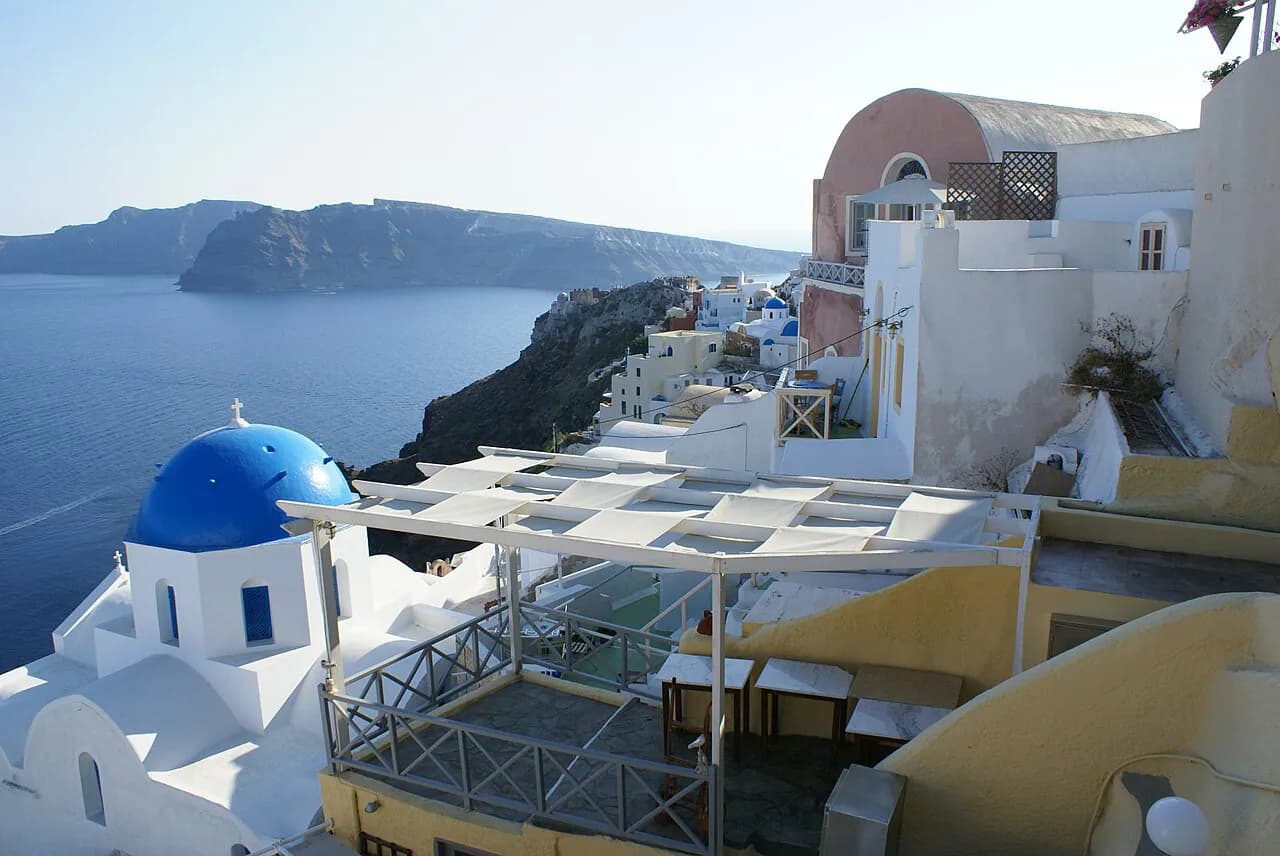
The Dodecanese generally, including Kos, is at its best in June: warm, dry and not yet crowded. The Cyclades are beautiful but windier, and Santorini's caldera villages get busy by late June, so go early in the month or accept the crush. For a wider comparison of sunny early-summer options, see where is warm in Europe in June.
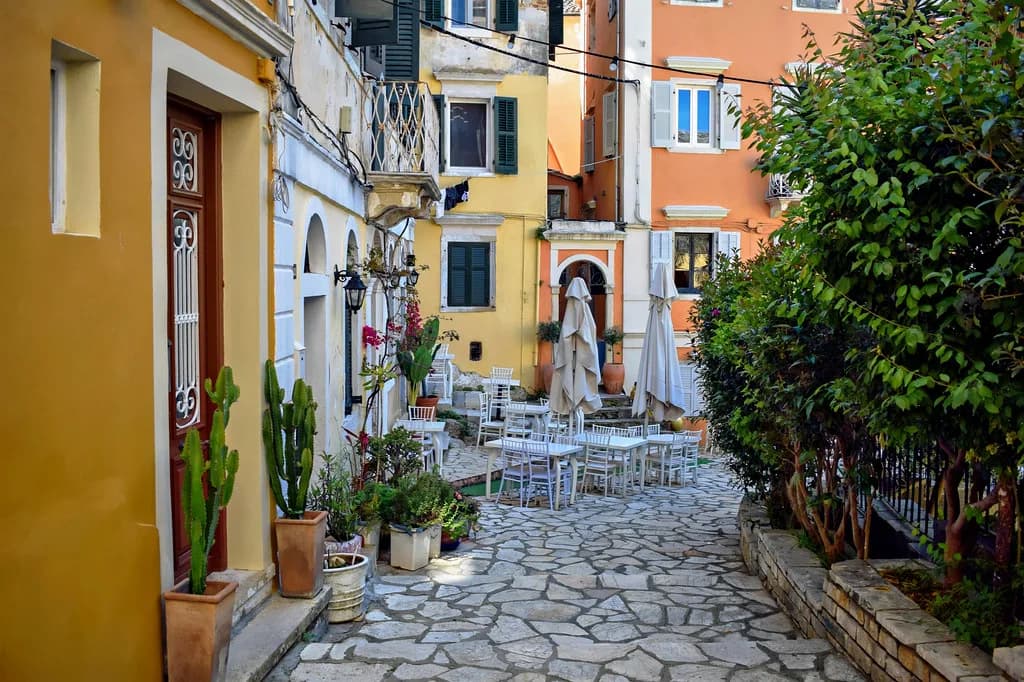
In the Ionian, Corfu and Kefalonia are lush and warm, with Corfu Town and the Kefalonian coast best explored in the mornings. The Ionian Islands are greener and wetter than the Aegean, so pack for the odd shower early in the month. A detailed month guide to Corfu in June puts the island's beaches and old town in context.
Athens and the Mainland
Athens in June is hot by midday, so the day has to be structured around the heat. Visit the Acropolis and the Ancient Agora first thing, then retreat to museums and shaded streets in the afternoon, and eat late when the city cools. The Acropolis Museum is a good afternoon refuge, and our things to do in Greece in June guide has more ideas for beating the heat.
The Peloponnese is superb in June, with the theatre at Epidaurus, the sites at Olympia and Mycenae, and the Mani coast all at their best before July's heat. The mountains of the Peloponnese, including Mount Taygetos, offer cooler walking, though the lower trails are hot by afternoon. If spring walking is your goal, the warmest places in Europe in April shows how much cooler an earlier trip can be.
Further north, Thessaloniki and Central Greece are warm but showery, and the mountain villages of Epirus are pleasant if you want to escape the coast. For mainland sightseeing, June works if you start early and treat midday as downtime.
Things to Do in June
This is prime time for boat trips: the Aegean is calm, the sea is warming, and day sails to Delos, the Santorini volcano and the smaller Cyclades run daily. Walking is best in the early morning, whether on Crete's Samaria Gorge, the Rhodope trails or the Peloponnese's coastal paths.
Archaeological sites and museums are at their most usable in June before the July crowds arrive, and the Athens and Epidaurus Festival brings theatre and music to the ancient stages through the summer. Food is in season too: tomatoes, courgettes, apricots and the first figs, plus fresh sardines and grilled fish along the coast.
June also brings local festivals on the islands, from Ikarian panagiria to Navy Week events in port towns, though dates vary and are best confirmed with local tourist offices. For a wider menu of activities, see our things to do in Greece in June page.
Crowds and Prices
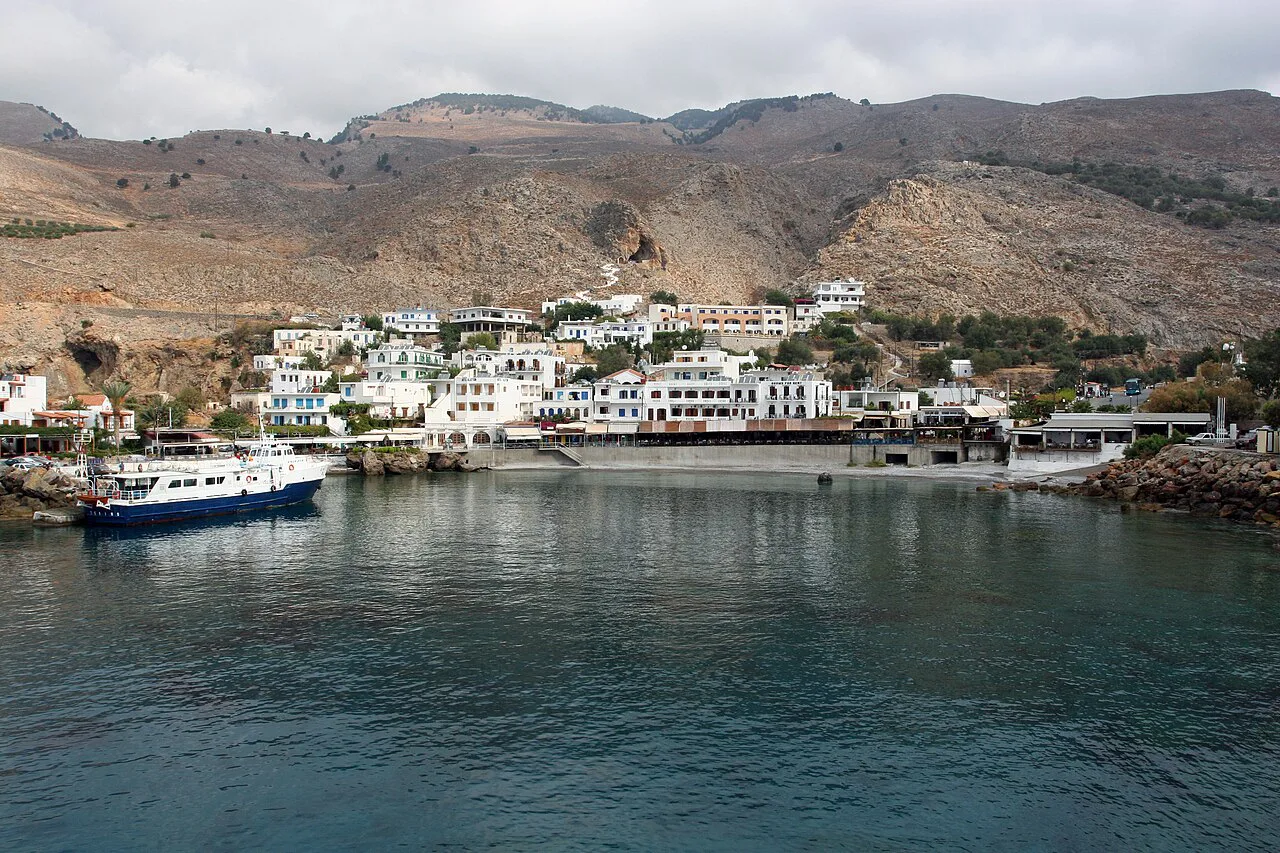
Early June is still shoulder season: flights and ferries are bookable at reasonable prices, and popular islands like Santorini and Mykonos are busy but not overwhelming. By late June, prices climb sharply as Greek holidaymakers and early-summer tourists arrive, and accommodation on the Cyclades becomes expensive and scarce.
For the best value, book early June and travel midweek. Avoid the last week of June if you want quiet beaches and reasonable rates, or embrace it if you want everything fully open.
Honest Drawbacks
The main drawback is heat, especially in Athens and on the mainland, where 30°C by day makes midday sightseeing uncomfortable. The sea early in the month is still cool, and the Meltemi wind can make the Cyclades breezy and the Aegean choppy for small boats.
Rain is rare but not unknown, particularly in the Ionian and the north, where Thessaloniki and Corfu see more showers than Crete or Rhodes. And while June is quieter than July, the last week brings a real surge, so don't expect empty sites if you travel late.
June or September?
Both are excellent, but they suit different trips. June gives you long days, green landscapes, warm air and the whole summer ahead, with the sea warming fast. September gives you a warmer sea, softer light, fewer crowds and lower prices, with the added bonus of the grape harvest and olive pressing beginning.
If you want to swim a lot and avoid the heat, choose September. If you want the longest days, the freshest landscapes and the full opening of the season, choose June, and go early in the month for the best balance.
The Verdict
June is one of the best months to visit Greece: warm, sunny and dry, with everything open and ferries running reliably. It is the month to choose if you want a classic Greek summer holiday without July's heat and crowds, or if you are combining sightseeing with beach time.
Go early in the month for value, late for the warmest sea. Crete and Rhodes are the safest bets for weather; Athens and the mainland need an early start. If you want a cooler, quieter trip, May is the better shoulder month, and our Greece in May guide explains why.
Plan Your Visit
Book early June for the best balance of weather and value, and late June only if you want everything open and can accept the crowds. Check the Greek National Meteorological Service (EMY) for current conditions and the UK government's Greece travel advice page for entry rules before you go.
Wherever you go, start early, eat late and keep the sea in mind for the afternoons. That is the rhythm that makes a June trip to Greece work.
More Greece spring guides
Frequently Asked Questions
How hot is Greece in June?
Average daytime highs reach 30.3°C (86.5°F) in Athens, 27.5°C (81.5°F) at Heraklion on Crete and 27.8°C (82.0°F) on Rhodes, with night-time lows of 20.7°C, 19.7°C and 21.8°C respectively. Thessaloniki runs slightly hotter by day at 29.9°C but with more showers. These are 1991-2020 climate normals, not forecasts.
Is June a good time to visit Greece?
Yes, for most travellers. Rain nearly disappears from the Aegean, ferries run reliably, and everything from beach clubs to coastal tavernas is open. The caveats are a mainland that is hot by mid-afternoon and prices that climb sharply in the last week as Greek school holidays begin.
Is the sea warm enough to swim in Greece in June?
It warms through the month. Early June is the coolest stretch and late June the most comfortable, which makes the final week the better bet for long swims. The Cyclades can also be breezy from the Meltemi wind, so sheltered coves on Crete and Rhodes tend to feel warmer.
Is June busier than May in Greece?
Yes, and noticeably so by the end of the month. Early June still feels like shoulder season with thinnish crowds and reasonable rates, but the final week brings a surge of domestic visitors as Greek schools break up, followed by the main family season in July and August.
Sources
Spring sun notes
Optional updates when we add destinations and months.
You might also like
Continue reading
More guides you'll find useful