Corfu in June: How Warm It Really Gets and What It's Like
Corfu in June averages 28°C by day and 16.4°C at night with only around five rain days, so it suits swimmers, sightseers and early-summer walkers alike.
On this page
Corfu in June is genuinely warm: long-term normals for Kerkyra give an average daily maximum of 28.0°C (82.4°F) and an average minimum of 16.4°C (61.5°F), with 4.9 rain days and 14.1 mm of rain across the month. That is hot enough for proper beach days, comfortable for walking before mid-morning, and dry enough that you rarely need a Plan B.
The trade-off is the sea. The Ionian warms more slowly than the Aegean, so an early-June dip can still feel bracing even while the air is hitting the high twenties; by late June it is a different proposition. Decide which matters more — a quiet island with cooler water, or a warmer sea with more people around — and the rest of the planning falls into place.
Is Corfu warm enough in June?
Yes, for almost everything. Daytime highs averaging 28.0°C (82.4°F) put June within a degree or two of high summer, and the 16.4°C (61.5°F) average night-time low means evenings are pleasant rather than chilly. Compare that with Corfu in April, when the average high is only 19.0°C (66.2°F) and rain falls on nearly 13 days.
Rain almost disappears: 4.9 rain days and 14.1 mm for the whole month is a fraction of April's 66.7 mm. Those are long-term climate normals from the Hellenic National Meteorological Service, published through the World Meteorological Organization's city climate pages, and the page does not state the averaging period, so treat them as typical conditions rather than a guarantee for any given week.
Who should look later? Anyone who wants bath-warm sea from the first day, and anyone who wilts above 30°C, should consider September or stick to early June. Families with school-age children will find June easier than July and August on both heat and crowds.
Weather in June: what the numbers mean for your days
A typical June day starts clear and bright, builds to the high twenties by mid-afternoon, and cools steadily after sunset. Because the rainfall total is low but not zero, a short sharp shower is still possible; the normals show roughly five days in the month with measurable rain, so a single wet afternoon on a week's trip is within normal range.
Plan outdoor exertion for the morning. The old town, the fortresses and the inland villages are far more enjoyable at 9am than at 3pm, and the long daylight means you can split the day: sightseeing early, shade or sea in the middle, a walk or a late taverna dinner afterwards.
The World Meteorological Organization page for Kerkyra gives no sunshine-hours figure, so it is safer to plan around the temperature and rain normals than around a specific daily sunshine count. In practice June days on Corfu are long and mostly clear, with sunset late enough that an evening on a harbour-front terrace never feels rushed.
Early vs late June
The gap between the start and end of the month is real, even if the monthly averages hide it. Early June keeps some of May's softness — the sea is still cool, the evenings are gentler, and the island has not yet filled up — while late June pushes towards July conditions, with hotter afternoons and a sea you can stay in.
For swimming, aim late. For walking and sightseeing, aim early. Either way, the month sits between an increasingly reliable May and a July that is hotter, busier and considerably more expensive on accommodation; our guide to the best time to visit Corfu sets out that wider comparison if you are still choosing between spring and summer.
Heat spikes happen. In June 2024 Greece recorded temperatures above 40°C on some islands and in Athens, and wildfires on Kos in early July that year led to evacuations; those were exceptional events rather than a Corfu pattern, but they are a fair warning that a late-June heatwave can make midday activity uncomfortable and should shape how you pace a trip.
June compared with May and July
May in Corfu averages 23.8°C (74.8°F) by day and 12.9°C (55.2°F) at night with 8.0 rain days and 37.0 mm; June jumps to 28.0°C and 16.4°C with rain down to 4.9 days and 14.1 mm. That is a meaningful step up in reliability, not just a couple of degrees: May can still deliver a washed-out day, June rarely does.
July and August are hotter and busier, and the sea finally reaches its warmest. If your priority is lazing by water and you don't mind heat, high summer wins; if you want to combine swimming with walking, villages and archaeological sites without exhausting yourself, June is the better balance.
Compared with the rest of Southern Europe in the same month, Corfu is warm but not the hottest option. For a wider comparison across the Mediterranean and the Canary Islands, see where is warm in Europe in June before committing to the Ionian.
What is open in June
By June the island is running close to full summer mode. Boat trips along the coast, ferries linking Corfu with the mainland and with Paxos, beach clubs and the great majority of tavernas and shops in the resorts are operating, unlike the patchier pre-season weeks either side of April and early May, when schedules are thinner and some places open only part-time.
Schedules still change, and the boat operators and restaurants named in this guide publish their own timetables and season dates rather than following an island-wide calendar. If a particular boat trip, ferry crossing or restaurant matters to your plans — a day on Paxos, for instance — check current details before you build an itinerary around it.
For entry rules and safety information, the UK government's travel advice for Greece is the page to keep bookmarked; nothing in this guide replaces it.
Things to do in June
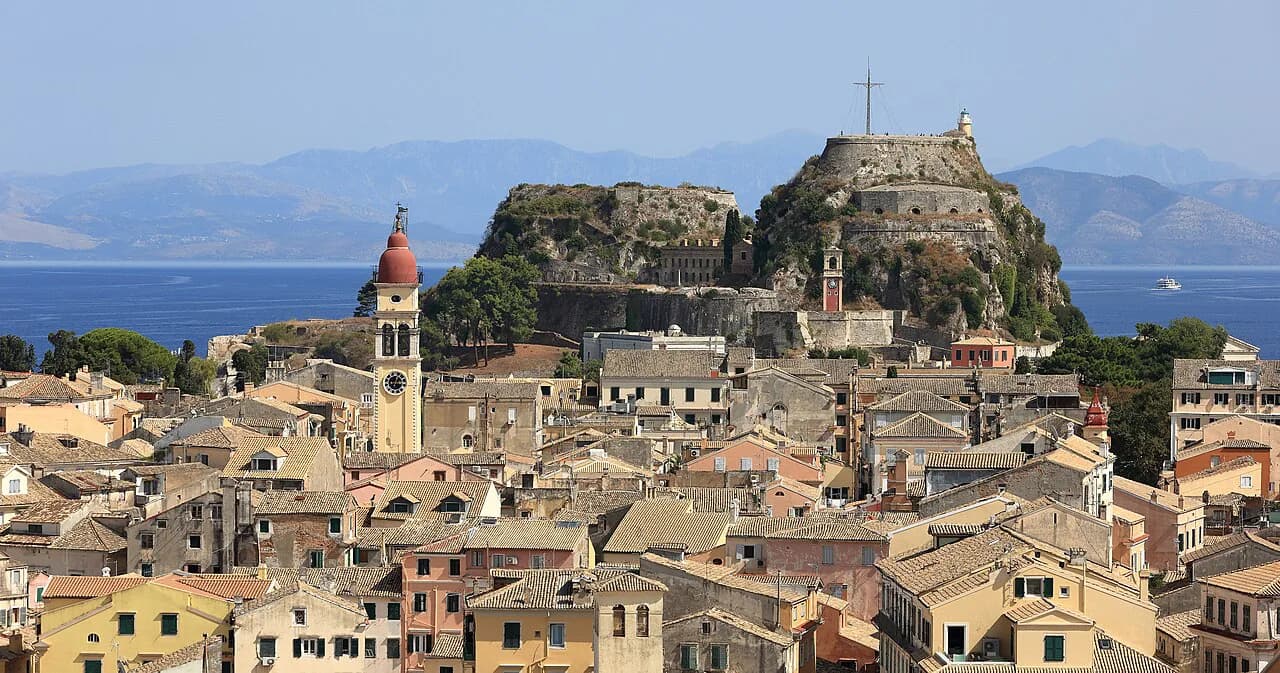
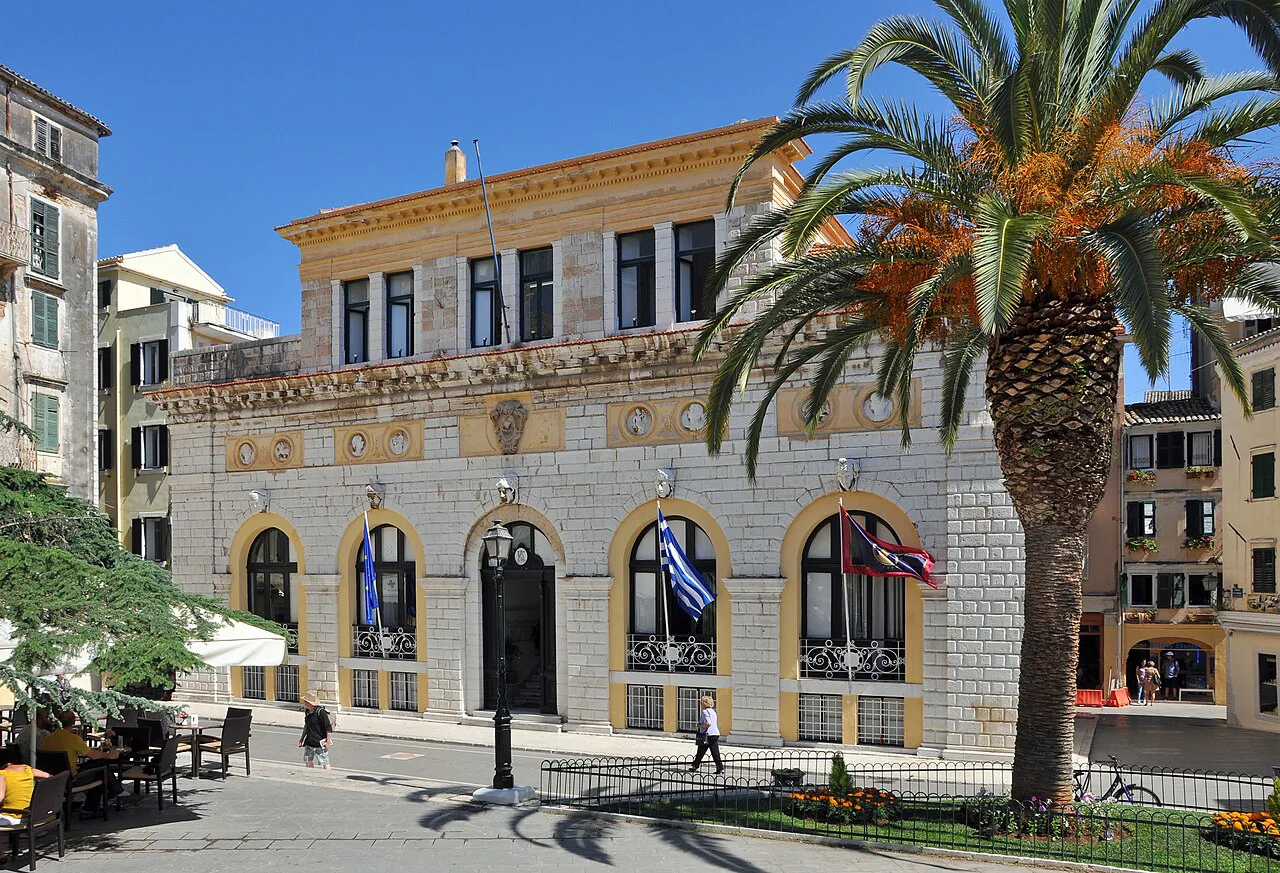
Corfu Town is the obvious first day and the best place to spend a hot morning: the old fortresses, the Liston arcade and the tight lanes of the Venetian quarter reward slow wandering, and the sea breeze off the Esplanade makes the heat manageable. Start early, break for a long lunch, and return in the evening when the streets cool and fill.
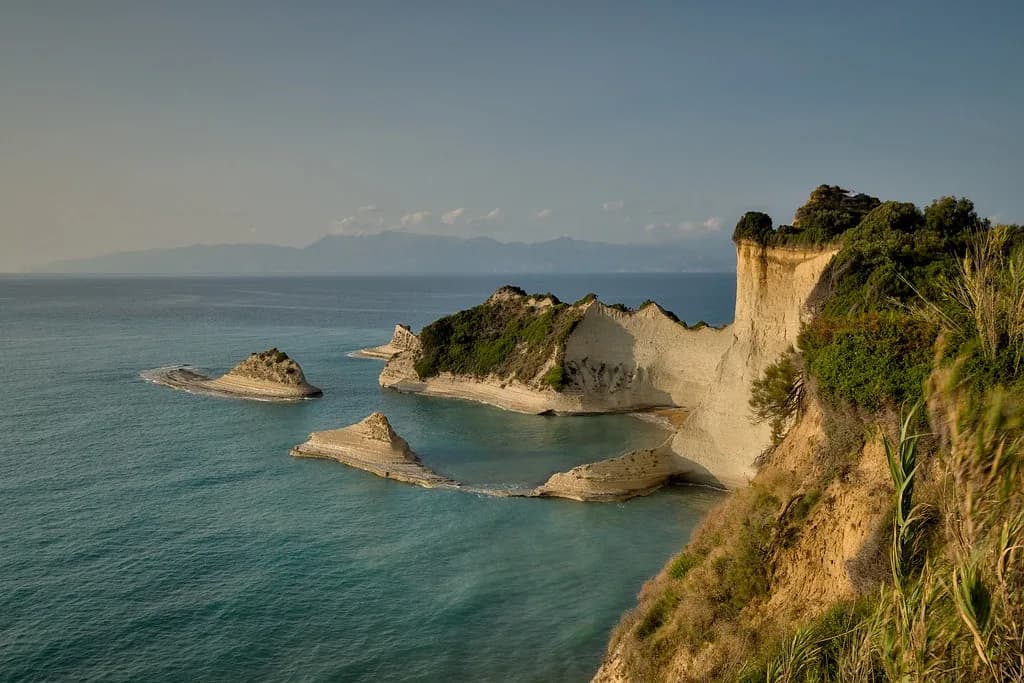
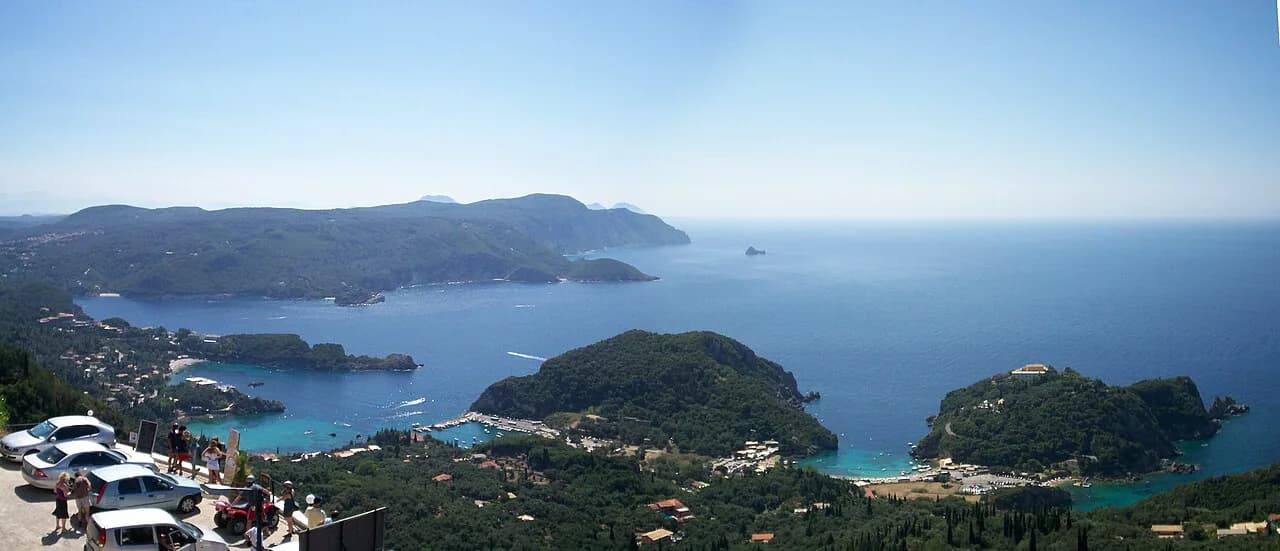
Paleokastritsa, on the west coast, is at its best in June: the water below the monastery is clear and the boat trips into the caves are running, and the site is far less crowded than in August. Kanoni and Mouse Island make an easy half-day from town, with the short causeway walk and the views back across the water.
The north-east coast, from Kassiopi down towards Barbati and Nisaki, gives you pebbly coves, clear water and tavernas within walking distance of each other — good in June because the sea is finally usable and the coast road is not yet jammed. Inland, the slopes around Mount Pantokrator and the olive terraces offer cooler walks and a genuine sense of the island beyond the resorts.
If you would rather build a trip around the shoulder seasons, the things to do in Corfu in April will show how different the island feels before the summer machinery starts; June is that same island with everything switched on and the sea worth entering.
Village life and food in season
June is the month to eat outside without shivering. Tavernas in the villages serve the Corfiot classics — sofrito, pastitsada, bourdeto — alongside whatever is in season, and the island's kumquat liqueur and sweets are sold everywhere from Corfu Town's shops to roadside stalls.
Local produce peaks earlier in the year for many crops; June is more about long lunches, fresh fish and the start of the tomato-and-melon season than about harvest festivals. If food and village life are your main reason for coming, the run-up to summer is arguably better than the height of August, when the same dishes arrive with a queue.
Crowds and prices
June is busy but not peak. The first half is noticeably quieter than the second, and both are calmer than July and August, when the island's accommodation and beaches fill with families on school holidays. If you want the sweet spot, aim for the first two weeks.
Prices reflect that: June generally undercuts high season for flights and rooms, though the gap narrows as the month goes on. Rather than relying on a rule of thumb, price your dates directly — the difference between the first and last week of June is often larger than the difference between late June and early July.
One thing to watch: late June overlaps with the end of term in some countries and with early-summer events, so the last week can feel close to July. Book flights early if you are tied to school dates, and accept that the quietest, cheapest version of June is the one that starts on the 1st rather than the 25th.
Honest drawbacks
The sea is the main one. June water is cooler than the Aegean and much cooler than August, so early-month swimming is bracing rather than balmy; if warm water matters more than empty beaches, shift to late June or September.
Heat builds through the afternoon, and by late June a heatwave can make midday genuinely uncomfortable — the 2024 Greek heatwave showed how far June temperatures can spike. Wind is another factor on exposed west-coast beaches, where it can whip up the water and sand even on a sunny day.
And the odd shower still happens: roughly five rain days a month is not zero. It is a small risk compared with May, but it is not a month to plan with no indoor fallback at all.
Corfu or elsewhere in June?
Crete and Kos run hotter in June, and Crete's southerly position gives it a longer, drier summer and easier access to sites like Knossos; if pure heat and a warm sea are the priority, Crete in June is the stronger choice. Mykonos is hotter again but busier and pricier, and Paxos, reached by ferry from Corfu, offers a quieter version of the same Ionian climate.
Corfu's case is greenness, Venetian architecture, a compact old town and a genuinely varied island within a short drive — plus a gentler heat than the southern Aegean. Halkidiki on the mainland offers similar June temperatures with a different, more wooded coastline.
If you are weighing June against an earlier spring trip, where is warm in Europe in April shows how much further south you need to go for reliable heat that early; the answer is usually a different island, not a different week.
June or July?
July is hotter, drier and busier, with the sea at its warmest and the island at full capacity. June gives you most of that heat with fewer people, lower prices and a sea that is usable if not yet luxurious — a better deal for sightseeing-led trips and for anyone who dislikes crowds.
Choose July only if warm water and guaranteed beach weather matter more than comfort and cost, or if your dates are fixed by school holidays. Otherwise June, and especially early June, is the more balanced month.
The verdict
Book June for the combination: 28.0°C days, comfortable nights, around five rain days and an island that is open without being packed. Aim for the first half if you want quiet, the second half if you want the sea to have warmed up.
Wait for September if you want bath-warm water without August crowds, and choose Crete or Kos if you want more heat. For everyone else planning a spring-to-summer trip, June is the month Corfu stops being a gamble and starts being a holiday.
More Corfu spring guides
Frequently Asked Questions
How warm is Corfu in June?
Long-term climate normals for Kerkyra give an average daily high of 28.0°C (82.4°F) and an average night-time low of 16.4°C (61.5°F). Evenings are mild rather than cool, and afternoons sit close to high-summer levels, so June works for beach days, early walks and outdoor dining without a jacket.
Does it rain in Corfu in June?
Very little. The same normals show 4.9 rain days and 14.1 mm across the whole month, a steep drop from May's 8.0 rain days and 37.0 mm. A short shower is still possible, so keep one indoor option in mind, but most June days are dry from morning to evening.
Is the sea warm enough to swim in Corfu in June?
It depends when you go. The Ionian warms more slowly than the Aegean, so early-June dips are bracing while the air is already hot; by late June the water is comfortable for long swims. If warm water is your priority over quiet beaches, book the second half of the month or wait for September.
Corfu in June or July — which is better?
June is the better balance for most trips. July brings more heat, the warmest sea and a busier, more expensive island; June keeps daytime highs near 28°C with far fewer people and lower prices. Choose July only if guaranteed hot water and fixed school dates matter more than comfort and cost.
How busy is Corfu in June?
Busy but not peak. The first fortnight is noticeably quieter than the second, and both are calmer than July and August, when school holidays fill the beaches and accommodation. If you want the sweet spot of open facilities, usable sea and manageable crowds, aim for the first two weeks of June.
Sources
Spring sun notes
Optional updates when we add destinations and months.
You might also like


Continue reading
More guides you'll find useful