Things to Do in Greece in May: 14 Ideas That Suit the Month
In May the Greek islands average around 24°C by day, with little rain and a sea still on the cool side. Here are the things worth doing, island by island.
On this page
May is arguably the best all-round month for a Greek island trip: the islands average around 24°C (75°F) by day, rain is uncommon, and the summer crowds have not yet landed. That combination suits sightseeing, hiking, sailing and long lunches outdoors far better than July or August.
The catch is the sea, which is still cool rather than properly warm, and the Meltemi wind, which builds through the month and can disrupt inter-island ferries by late May. Plan around those two facts and May rewards you with open ruins, quiet villages and space on the water.
May in Greece: what the weather lets you do
Daytime temperatures on the islands average about 24°C (75°F), skies are usually clear and rain is rare, so most days work for both a ruins morning and an outdoor afternoon. Evenings and ferry decks stay cool enough that you will want a layer after sunset, which is the one thing that stops May feeling like full summer.
For anyone weighing up when to come, this is the month that balances reliable warmth against manageable crowds: you get enough visitors for everything to feel alive without the saturation of high summer. If your priority is guaranteed heat rather than comfort, look at where is hot in April and accept a shorter season, or hold out for June.
Is it warm enough for the beach?
The air is warm enough for a beach day from the middle of the month, but the water is only just approaching comfortable and many visitors find it bracing rather than balmy. Treat swimming as a bonus on a hot afternoon rather than the reason for the trip, and you will enjoy the coast far more.
Wind is the other variable: on strong Meltemi days, exposed Cycladic beaches get whipped sand and rough water, so shift to a sheltered cove on the leeward side of the island instead. The Ionian and Saronic islands are more protected overall and a better bet if calm water matters to you.
Early vs late May
Early May still feels like spring: quieter ferries, cooler evenings and the last of the wildflowers on the hills. Late May tips towards early summer, with stronger Meltemi winds that can affect sea traffic between islands and warmer, busier days.
For serious walking, go early; for beach time and dependable sun, go late. If you are deciding between seasons rather than weeks, our guide to Greece in April covers the cooler, greener start to spring.
Things to do in the Cyclades
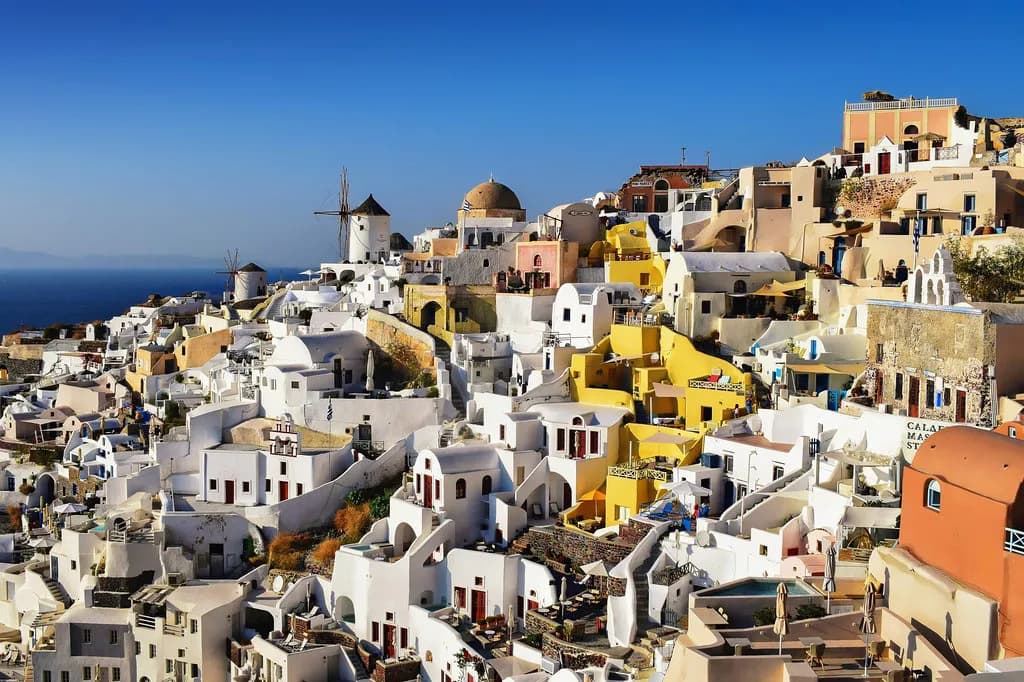
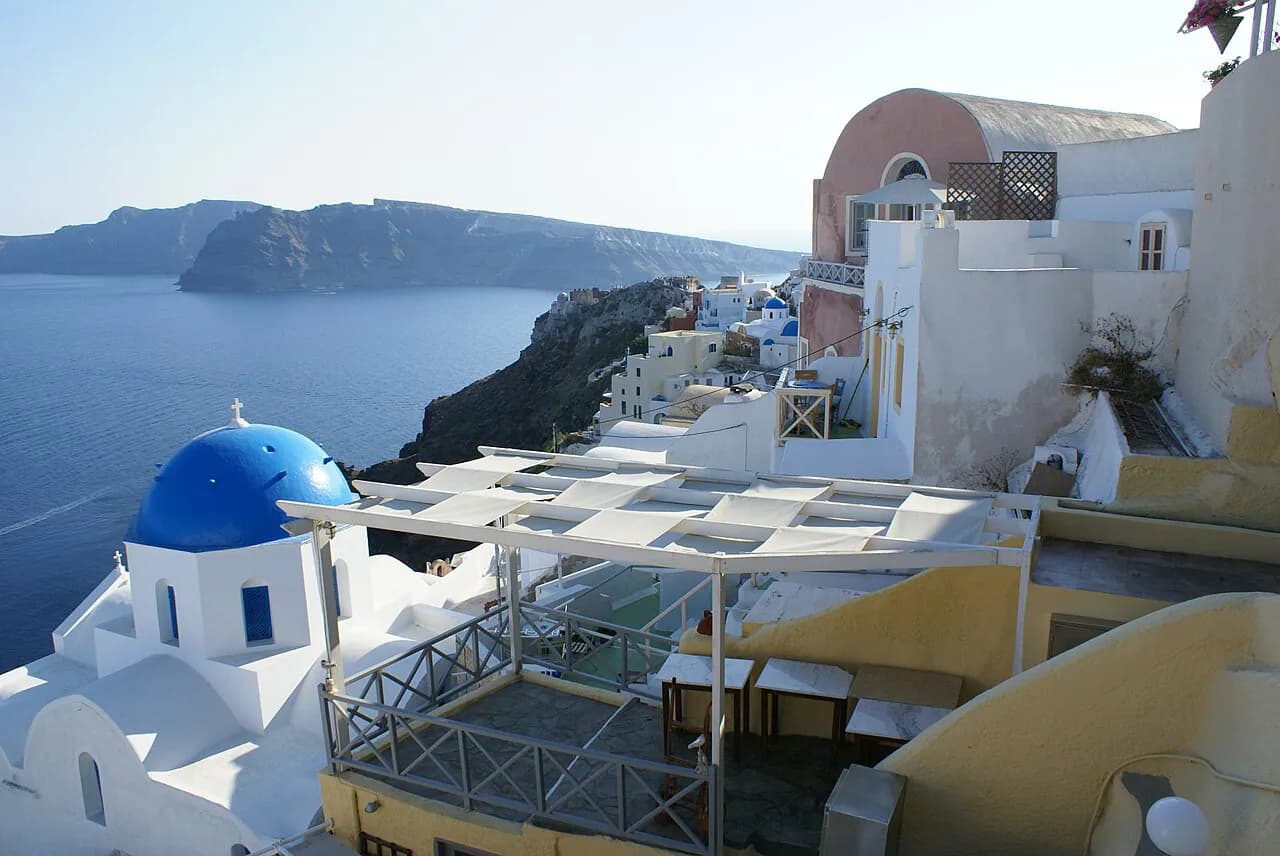
Santorini in May is the version people hope for: Fira and Oia are not yet overrun, the beaches are quiet, and you can explore the ruins at Akrotiri without queueing behind tour groups. Combine a morning there with the climb to Profitis Ilias for the island's best wide view, and book a volcanic-soil wine tasting for the afternoon.
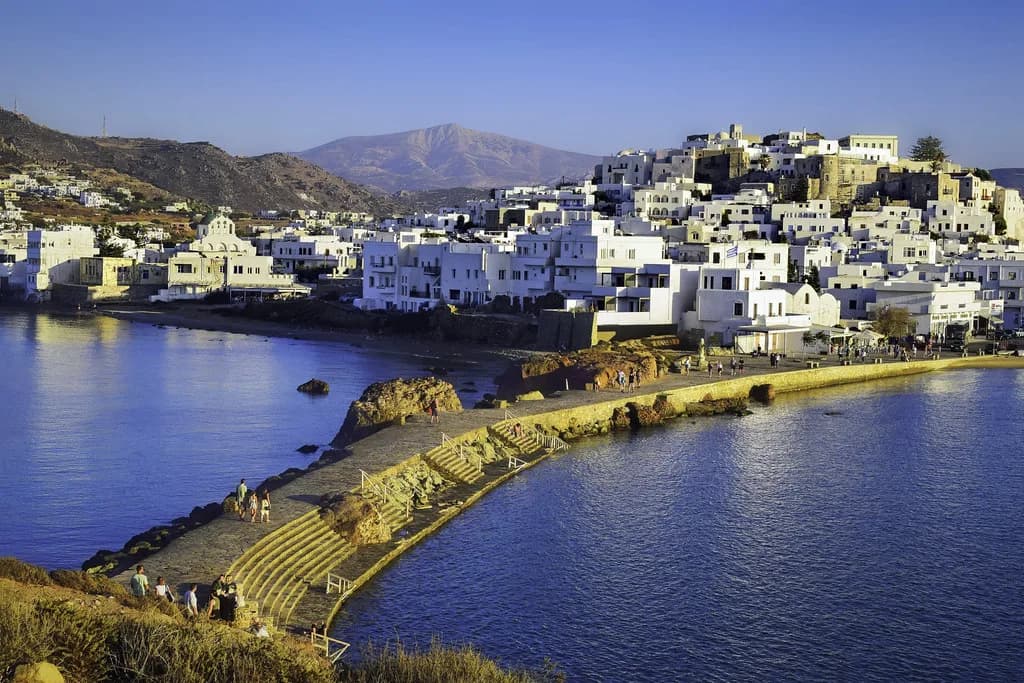
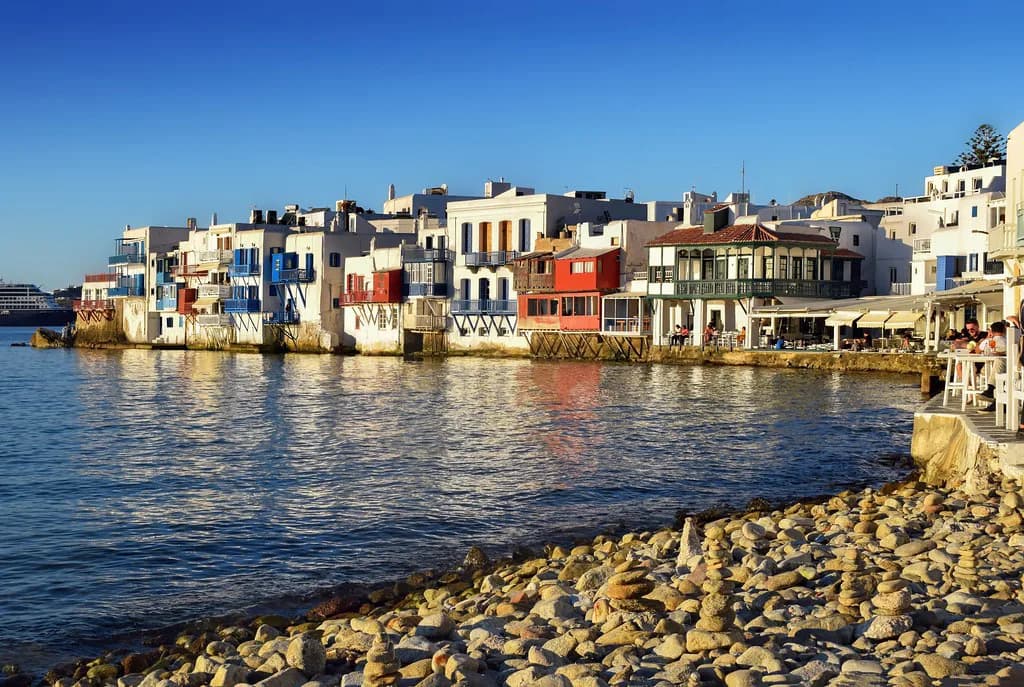
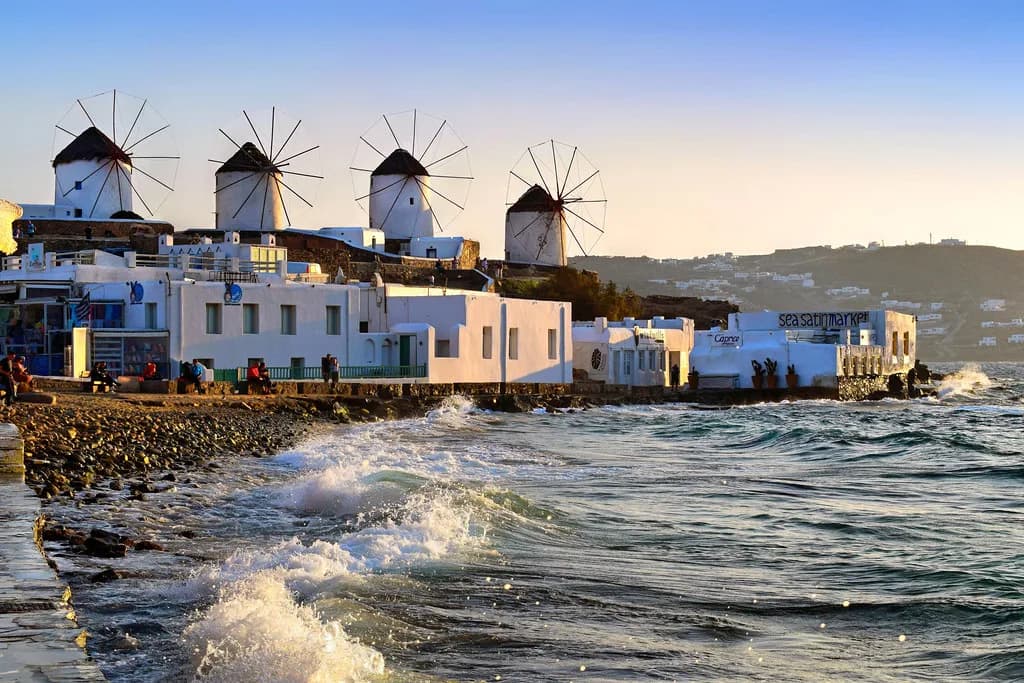
Mykonos works on the same logic: the quieter, more natural side of the island is accessible before the summer machine starts, and the ruins and beaches are easy to reach. Naxos, the largest Cycladic island, gives you mountain villages and long walks with far less polish and far fewer people.
Things to do in Crete
Crete earns its reputation in May as the gourmet island, with fresh local produce, olive oil and wine best enjoyed before the heat flattens the middle of the day. Heraklion hosts a large flower show around May Day, when many businesses close for the public holiday, so plan that day around the city rather than the coast.
This is also the month for the Samaria Gorge and other long walks in the White Mountains: the temperatures are still on your side, and the walking is far cooler than in midsummer. Leave those hikes for June and you are walking in real heat.
Things to do in the Ionian and Saronic islands
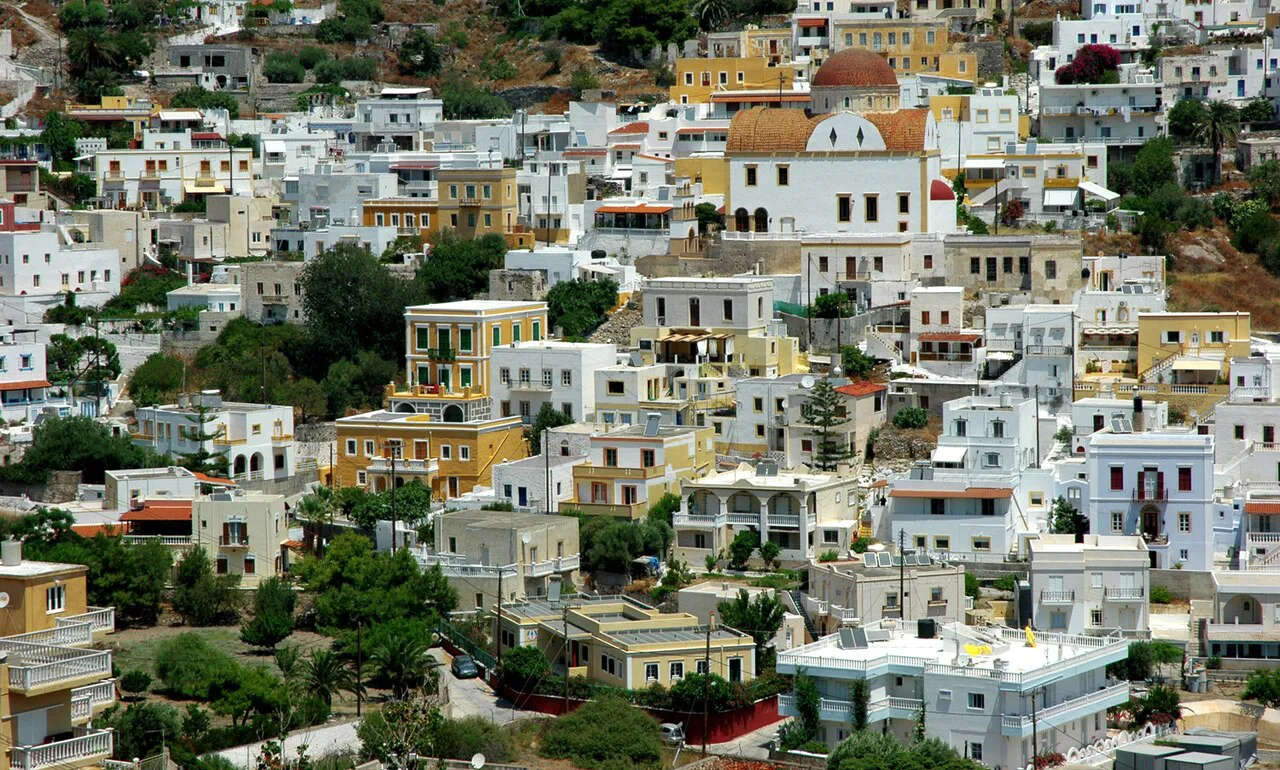
The Ionian islands are the shelter option: calmer water than the Cyclades, Venetian castles and monasteries on Kefalonia, and family-friendly beaches such as Myrtos. The Saronic islands closer to Athens and the Sporades to the north offer the same protection if you dislike wind.
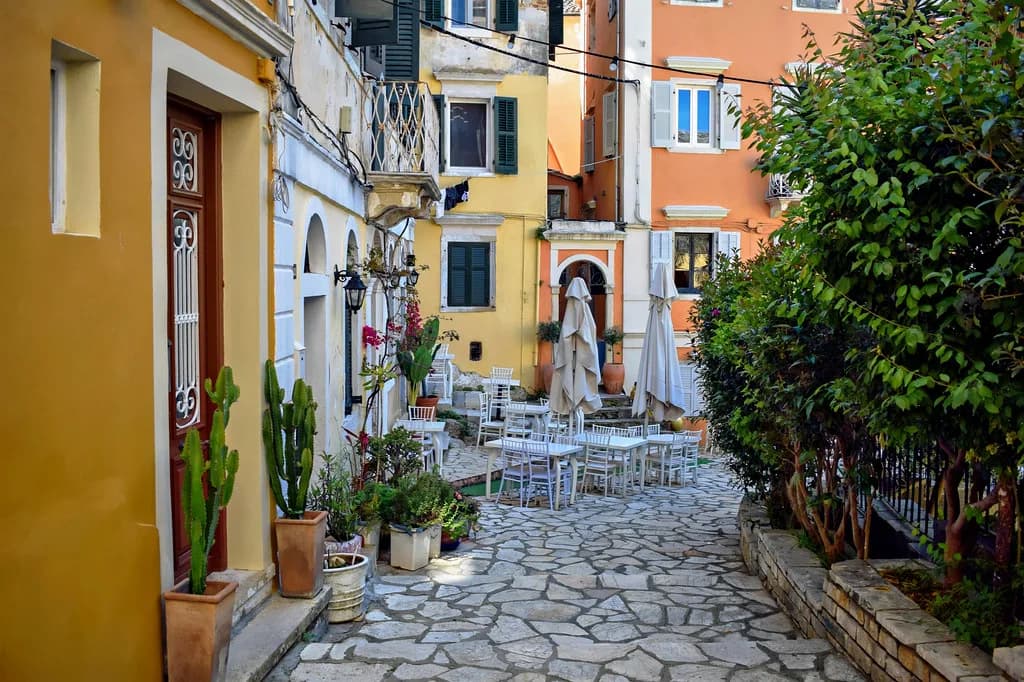
Corfu is the natural base for this group, and there is plenty to fill a week beyond the beaches. See our guide to things to do in Corfu in May for the island-level detail.
Hiking and cycling before the heat
May is the last month when a full day on foot or a bike is genuinely pleasant rather than a test of endurance, and the hill villages and gorge routes are at their greenest. Ride or walk in the morning, eat late, and keep the middle of the day for shade and a siesta.
The Profitis Ilias climb on Santorini and the Samaria Gorge on Crete are the two set-piece outings most worth building a day around. Both reward an early start, and both are far more enjoyable now than in high summer.
Sailing and boat trips
May is a fine month for yachting, with reliable sun and seas that have not yet filled with summer charter traffic. Charter companies still treat it as shoulder season, so you get more space on the water for the effort of booking.
The one thing to watch is the wind: late-month Meltemi gusts can interrupt inter-island ferry schedules, so keep a spare day in your island-hopping plan rather than a tight chain of connections. Quiet, calm-water routes in the Ionian are the safer choice if your itinerary is fixed.
Archaeological sites without the summer crush
The big sites are at their most usable in May: you can stand in front of a temple without a wall of people and without the midday heat that makes July visits punishing. Popular islands such as Crete, Mykonos and Santorini are prime sightseeing territory now, before June starts to overflow.
Pair a ruins morning with something lighter in the afternoon, such as a cooking class drawing on local ingredients, and you get a full day without sun fatigue. This is the month when that rhythm actually works.
Food and wine in season
May is the tail of the spring growing season, so markets and tavernas are full of fresh greens, herbs, cheese and early produce, and wine tasting is a genuinely good way to spend an afternoon on Santorini or Crete. The volcanic soil of Santorini gives its wines a character you will not find elsewhere in the Aegean.
Village panigiria, the local feast days, still happen in May and are the most authentic eating and dancing you will stumble across. On Santorini, Akrotiri marks the feast of Agios Epiphanios and Fira marks Agia Theodosia on 12 May, with daytime processions followed by evening feasts.
Crowds, prices and the May bank holidays
May is still shoulder season: busy enough to feel lively, quiet enough for uncrowded sightseeing, and cheaper than high summer, though prices climb towards the end of the month and over holiday weekends. May Day on 1 May closes many businesses, so plan it as a relaxed day or a city day rather than a shopping day.
Book operators directly to confirm seasonal schedules rather than relying on last year's timetable, and reserve ferries and popular islands early if your dates are fixed around school holidays.
May or June?
Choose May for walking, ruins, sailing and lower prices, and accept a cooler sea and the odd windy day. Choose June for reliably warm water and a fuller summer atmosphere, at the cost of bigger crowds and hotter sightseeing.
Family trips that need swimmable sea usually land in June or later; trips built around food, hiking and culture generally peak in May. Our full Greece in May guide sets out the month in more detail.
The verdict
May is the month that gives you the most Greece for the least friction: warm days, sparse rain, open ruins, affordable charters and space to move. If you can tolerate a cool swim and one windy afternoon, it is the better month.
For a wider view of the season, the best time to visit Greece guide lays out what changes month by month. April remains the quieter, greener alternative for sightseeing travellers.
Plan Your Visit
Build your May trip around the two things that actually constrain it: a cool sea and the building Meltemi. Shelter in the Ionian and Saronic islands if calm water matters, or hedge your island-hopping with a spare day so a late-May ferry cancellation does not break the itinerary.
For entry rules and travel advice, use the official UK government travel page for Greece once, then leave the rest of your planning to the weather. Our Greece in spring guide covers the wider season if you can move your dates.
More Greece spring guides
Frequently Asked Questions
How warm is Greece in May?
On the Greek islands, daytime highs average about 24°C (75°F), with plenty of sunshine and little rain. Evenings and ferry crossings are noticeably cooler, so the month feels like warm spring tipping into summer rather than peak-season heat.
Can you swim in Greece in May?
Yes, but the sea is only just reaching comfortable and many people find it cool rather than warm. Late May is more forgiving than early May, and sheltered coves on the Ionian and Saronic islands are calmer than exposed Cycladic beaches when the wind blows.
What is the best thing to do in Greece in May?
Treat it as a sightseeing and walking month: ruins without crowds, the Profitis Ilias climb on Santorini, the Samaria Gorge on Crete, wine tasting and sailing. Beach time works well, but go in knowing the water is still on the cool side.
Is May or June better for the Greek islands?
May wins on comfort, price and quiet sightseeing; June wins on warm sea and dependable beach weather. If swimming is the priority, wait for June. If you want to hike, tour ruins and sail without the crowds, May is the stronger choice.
Does the wind affect ferries in May?
The Meltemi builds through the month and by late May can interrupt inter-island ferry schedules. Keep a buffer day in any hopping itinerary, and favour calmer Ionian routes if your connections are fixed.
Are places open in Greece in May?
The main sites, tavernas and charter operators are running, and the island resorts are coming back to life without being full. For specific seasonal hours and schedules, contact the venue directly before you set out.
Sources
Spring sun notes
Optional updates when we add destinations and months.
You might also like

Continue reading
More guides you'll find useful