Things To Do in Greece in April: Where To Go & What To See
April in Greece brings green hillsides, walkable ruins and pre-season islands. Here are the trips worth planning now, and the ones better left to May.
On this page
April in Greece is comfortably warm for walking, sightseeing and sitting outside at lunch, and it is not yet beach weather. Expect mild, changeable days, cool evenings and a sea that stays cold well into May; the national weather service publishes the monthly normals for each region if you want figures. That combination suits walkers, ruin-hunters and families with young children who want space, and it frustrates anyone whose main aim is to lie on a beach. Greece in april has the full picture.
The month's real advantage is space. Wildflowers carpet the fields and roadsides, hillsides that are parched brown by summer are still green from winter rains, and ancient sites are quiet compared with June. Corfu, Crete and the Cyclades all feel like themselves rather than a resort, though tavernas and boat operators come back to life gradually through the month rather than on a single opening day.
Compared with the months either side, April is the handover: cooler and quieter than May, far warmer and busier than March. If you want the pick of the walking and the ruins without heat, come in April; if the sea and a full ferry network matter, May is the better month.
Is April warm enough for what you want to do?
Treat April as a walking and sightseeing month with a good chance of al fresco lunches, not a sunbathing month. Daytime temperatures are pleasant in the lowlands and noticeably cooler in the mountains and on the islands, and evenings drop enough that you will want a layer after dinner. Sunvil's take is that April and May are the best months for Greece, with mild temperatures, fewer tourists and blooming countryside beside restaurants and guesthouses that start opening their doors.
Rain is still possible in April, often as short, heavy showers rather than all-day drizzle; the winter rain is what keeps the hills green. That makes April the wrong month for a beach-centred trip and the right one for anything that keeps you moving. Athens, Crete and Corfu differ enough that it is worth comparing them before you commit.
For real figures, read the climate normals from the Hellenic National Meteorological Service for the specific region, because Athens, Crete and Corfu vary meaningfully in both temperature and rainfall. Treat them as typical conditions for the month, not as a forecast for your week.
Walking and wildflowers on Crete
Crete is the strongest April walking destination in Greece, with green hillsides, poppies and white clover along the roads and tracks, and trails that are far too hot to enjoy in July. The fresh, verdant countryside makes walking and hiking a popular activity across the islands and mainland regions at this time of year.
Even on Crete, April weather is changeable: plan shorter walks with a village lunch as a fallback, and keep higher routes for settled spells. The mountains still hold some snow early in the month, so the low and middle paths are the reliable choice.
Zagori, Arcadia and the mountains before the heat
In April the mainland mountains are at their best for hiking: the Zagori villages of Epirus, Arcadia in the Peloponnese and Evritania in Central Greece all combine stone villages, old bridges and paths that are green from winter rain. Zagori, Arcadia and Evritania are singled out specifically for walking and river activities in spring.
The same snowmelt fills the rivers, making April a genuine month for rafting, kayaking and river trekking as the water comes down from the mountains. That is exactly what Sunvil highlights for spring in Zagori, Arcadia and Evritania. If you are travelling as a family, ask the rafting and kayaking companies you plan to use whether they are running, since many outdoor companies scale up gradually through spring rather than running a full programme from the first of the month.
Ancient sites without the summer crush
Athens and the Peloponnese are at their most usable in April: the Acropolis and the sites around it are busy but not overwhelming, and midday heat does not cut your day in half. Fewer tourists around means you can take your time at the different attractions without feeling rushed.
In the Peloponnese, April allows a sensible circuit of ancient sites with an hour's drive between them rather than a single rushed stop. For an Athens city break, four days is enough for the major sites plus a half-day at the coast or a museum, and four days in April feels longer than four days in July because you can walk between them without wilting.
Corfu: green lanes and spring light
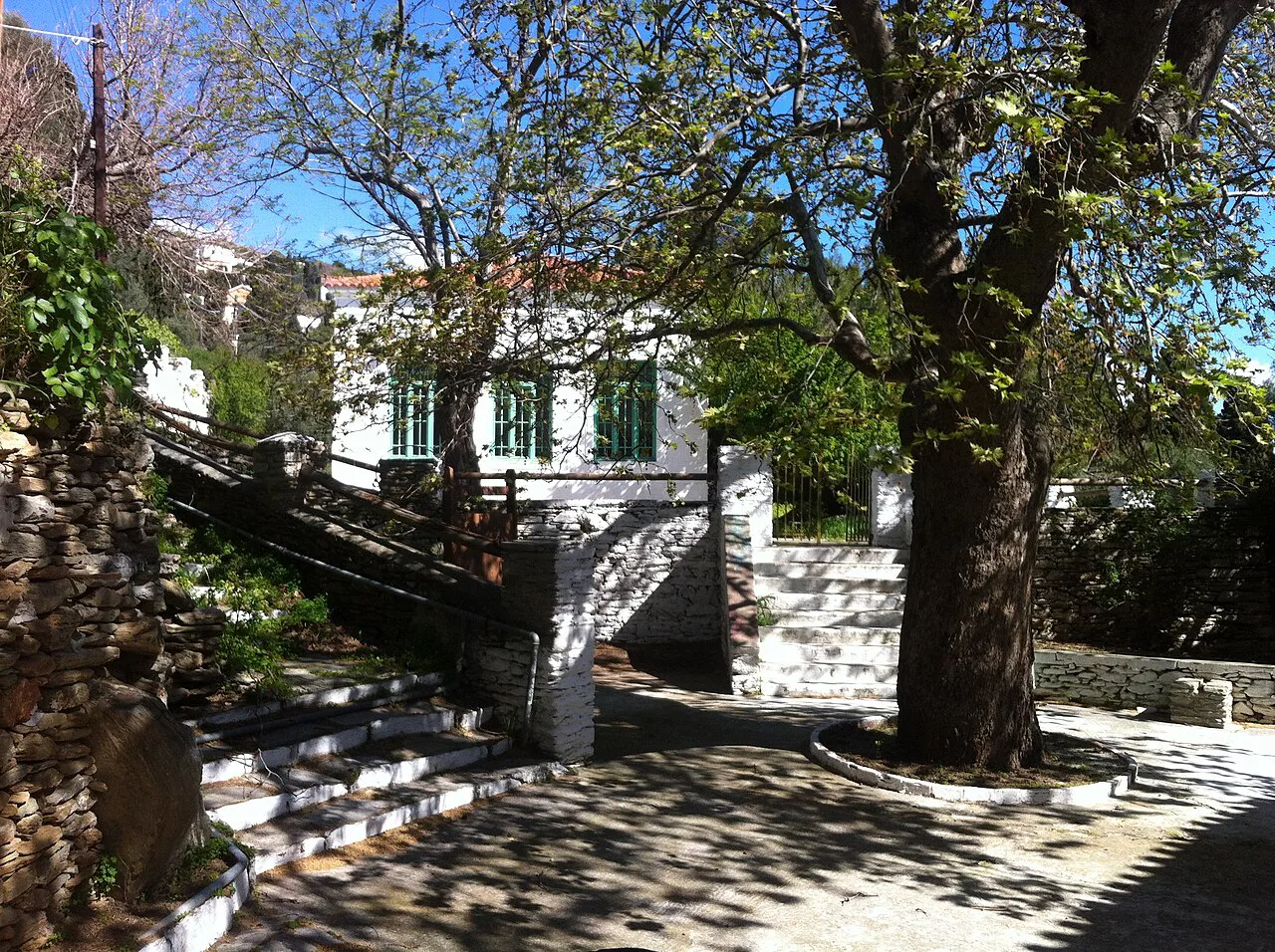
Corfu earns its place in April on greenery and light rather than on sea. The old town, the lanes and the hill villages are at their best before the summer heat, and the spring weather makes viewpoints comfortable rather than punishing.
It is also the sort of island where you can walk in the morning and sit in a village square at lunch without needing a full season's infrastructure. If you want to combine it with other Ionian islands, expect ferries to run on a reduced spring rhythm rather than the summer timetable.
Cyclades island-hopping before the season opens
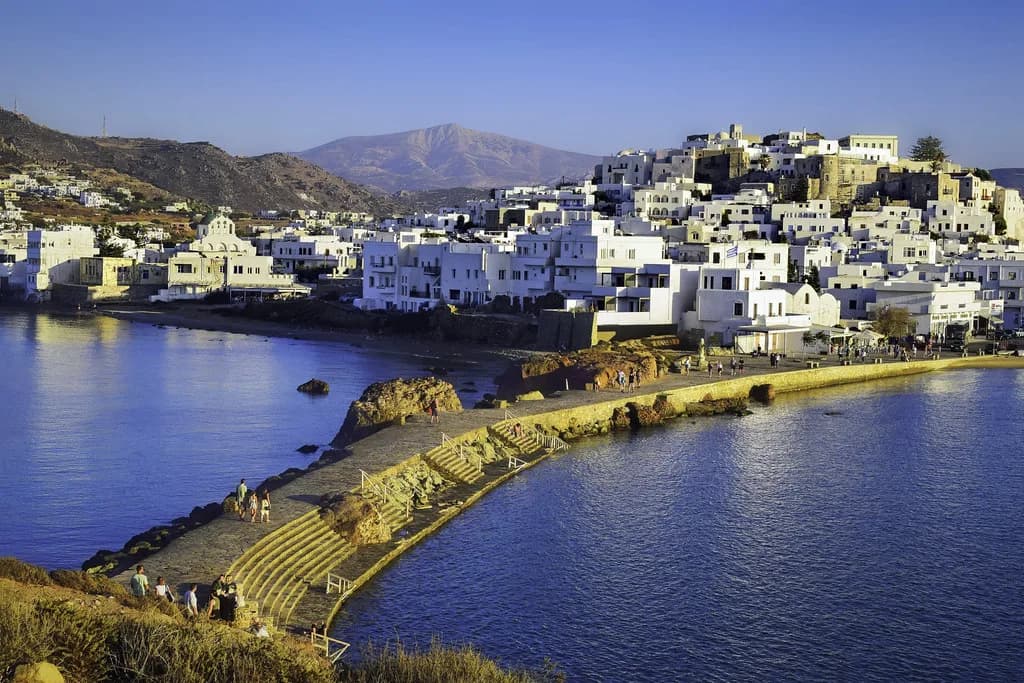
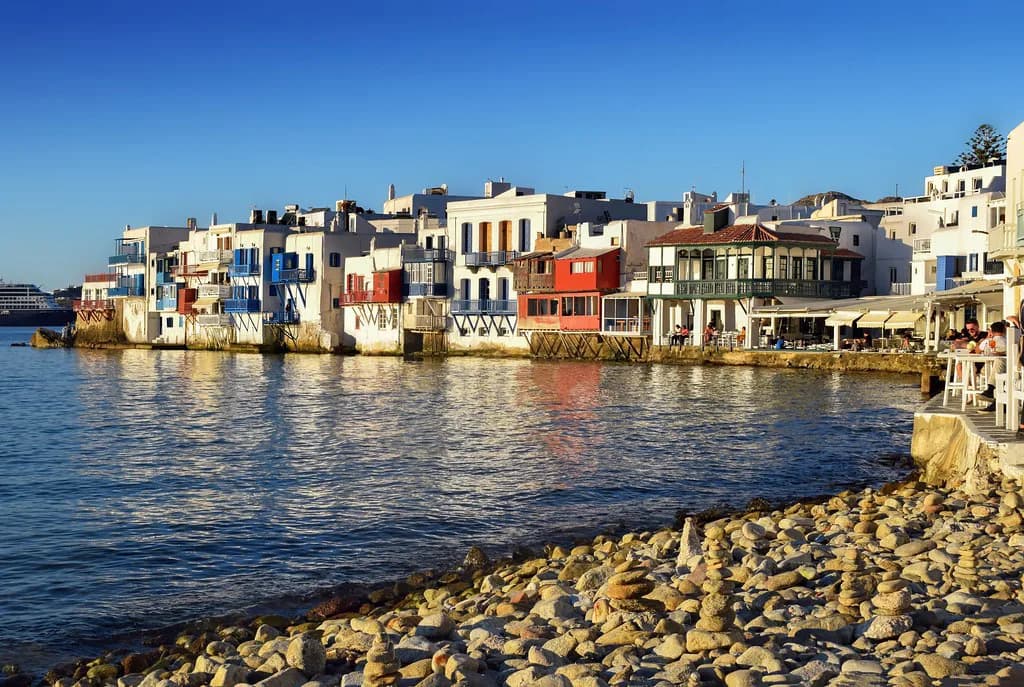
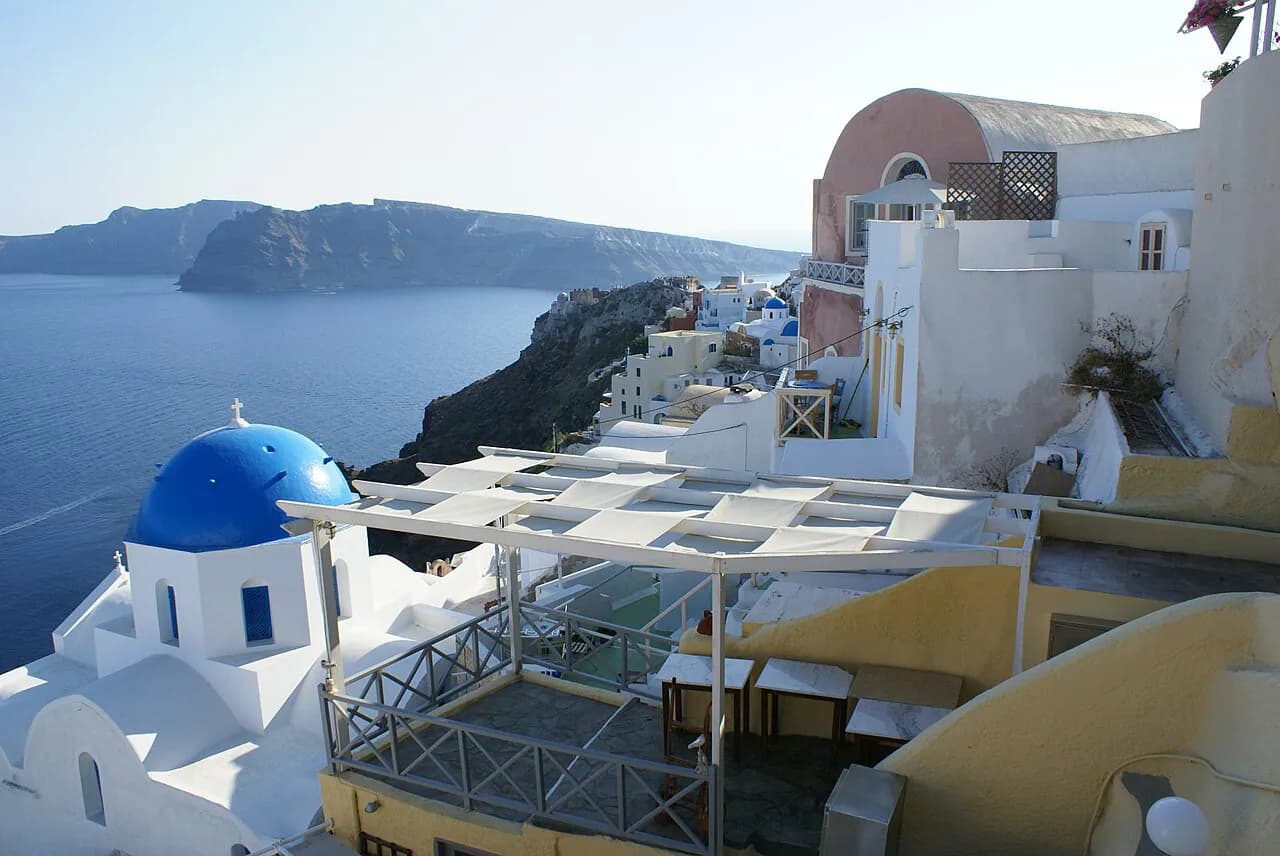
The Cyclades in April are the honest, quiet version of the islands: fewer people take holidays before June, which means you can mix with locals and see the islands as themselves. That is a genuine reason to choose an early-season island-hopping trip rather than a consolation prize.
The trade-off is services: some tavernas, guesthouses and boat operators open gradually through the month. Restaurants and guesthouses start opening their doors in April, but not all on the same day. Build a two-centre holiday around villages and archaeology rather than around a fixed ferry itinerary.
Kythnos and the quieter Cyclades
Kythnos is a useful base for the quieter side of a Cyclades spring: walks, chapels, wildflowers and a very relaxed pace, with the season still limited enough that you will need to be patient with services. That suits walkers and anyone who prefers a village taverna to a beach club.
It also illustrates the general rule for April in the smaller islands: what is open is what the local season can support, and the bigger resorts are quiet rather than shut. If a particular restaurant, boat trip or site matters to your trip, call the restaurant or boat operator directly before you place it at the centre of your itinerary.
Crowds and prices in April
April is the last widely cheap, calm month before the summer build-up. Spring is described squarely as the cheaper time of year to book Greece, and cheaper is the right word for April more generally: the islands are not busy, and you will not be competing for tables or viewpoints.
The one exception is Greek Orthodox Easter, which can fall in April or spill into early May and is one of the biggest celebrations in the Greek calendar. Book well ahead for that week and expect the main island towns to be busier than at any other point in spring.
Early versus late April
Early April begins with the quieter, cooler phase before the season fully opens, with changeable weather and the highest chance that mountain routes are still wet or snow-affected. It is also the half most likely to contain Greek Easter, which can be a fine time to be in Corfu or Crete but is the wrong choice if you wanted empty islands.
Late April is warmer, greener and noticeably busier, with more tavernas and guesthouses opening and better odds of lunch outside being comfortable. If you want to walk well and still feel the islands are quiet, late April is the best compromise in the calendar.
April or May in Greece?
Choose April for walking, archaeology, wildflowers and quiet islands without heat. Choose May if the sea, the fuller ferry network and a wider choice of tavernas matter more than solitude; our guide to Greece in May sets out what changes.
If your main aim is reliably hot weather, look at Greece in June instead, and use a guide to the best time to visit Greece to weigh the months against each other.
The verdict
Come to Greece in April for what the season allows: hiking in Zagori and Arcadia, wildflowers, rivers running high, and Athens and the Peloponnese without the summer heat. Do not come for sea swimming or guaranteed blue skies.
For real warmth in April, Spain, Portugal and the Canary Islands are better bets even if you are set on the wider region, as our guide to Europe's warmest spots in April makes clear. For Greek ferries, beach clubs and full taverna programmes, come in late May or June. Our Greece in spring overview sets out the rest of the season, and the FCDO travel advice page is the place to check entry rules before you book.
More Greece spring guides
Frequently Asked Questions
Is Greece good to visit in April?
Yes, if you are going for walking, ancient sites, wildflowers and quiet islands. April is mild and changeable, with cool evenings and a cold sea, so it is not a beach month. It is a good month for Athens, the Peloponnese, Crete and the Cyclades before the season fills up.
What is the weather like in Athens in April?
Athens is mild and spring-like in April, with changeable days and cool evenings. For exact typical high and low temperatures, use the climate normals from the Hellenic National Meteorological Service for Attica, and read them as typical conditions rather than a forecast for your stay.
Is Greece pretty in April?
It is arguably the prettiest month of the season in the countryside. Winter rain leaves hillsides green, wildflowers and poppies line the roads, and the mainland mountains still carry snow on the higher peaks. The landscape in April looks very different from the parched brown of August.
Can you swim in Greece in April?
Swimming is possible but cold, and locals will mostly wait for May or June. April suits walking, ruins and boat trips more than beach days. If sea swimming is the point of your trip, come later in spring.
What about Greek Orthodox Easter in April?
Greek Orthodox Easter often falls in April or early May, and it can be one of the busiest weeks of the Greek spring. It is a good reason to book early if you want to be in Corfu or Crete for it, and a good reason to choose a different fortnight if you want quiet.
Is Cyprus worth adding to an April Greece trip?
Cyprus is close enough to combine with a Greek hop, but it is not part of Greece and has its own entry rules. The Troodos Mountains suit walking in April, and April is a good month for the coastal archaeology and old town of Paphos. For entry requirements, use the UK government's FCDO travel advice page for Cyprus.
Sources
Spring sun notes
Optional updates when we add destinations and months.
You might also like

Continue reading
More guides you'll find useful