The Best Time to Visit Crete: A Month-by-Month Guide
May and early June are the best time to visit Crete for warm days, open tavernas and quiet trails. See what April, May and June are really like.
On this page
For most trips, the best time to visit Crete is May or the first half of June: daytime highs sit comfortably in the low to mid twenties, rain becomes rare and the island is fully awake without the August crush. April is the connoisseur's month for ruins, gorges and old towns, provided you accept cool evenings and a sea that is still bracing. July and August deliver guaranteed heat but also peak crowds and peak prices; late September and October are the mirror image of spring.
The figures below come from the Heraklion station of the Hellenic National Meteorological Service, averaged over 1991 to 2020, so treat them as typical conditions rather than a forecast. They describe the north-coast capital, and the south coast around Ierapetra and Plakias usually runs a degree or two warmer, while the mountain villages of the Lefka Ori and Psiloritis are markedly cooler.
Why May and Early June Win for Most Trips
May gets the balance right. Heraklion averages a daytime high of 23.9 °C (75 °F) and a night-time low of 15.6 °C (60 °F), with only 4.4 rain days across the month. That is warm enough for a full day at Knossos or a long coastal walk, cool enough to sleep without air conditioning, and dry enough that you can plan a gorge without a backup plan.
Early June is the sweet spot for anyone who wants heat without the crowds: 27.5 °C (81.5 °F) by day, 19.7 °C (67.5 °F) at night, and barely a rain day to speak of. The sea has had time to warm, beach clubs and boat operators are running properly, and the school-holiday wave has not yet arrived. If your priority is lying on a beach rather than walking one, aim for the second half of June onwards.
Weather in April: Warm Enough for Sightseeing, Not for the Sea
April in Crete averages 20.3 °C (68.5 °F) by day and 12.3 °C (54 °F) at night, with roughly 28.5 mm of rain spread over about 7.7 rain days. In practice that means bright, generous days punctuated by the occasional wet spell, and evenings that call for a jacket. It is excellent weather for archaeology, old towns and low-altitude walking; it is not beach weather, and the sea lags well behind the air.
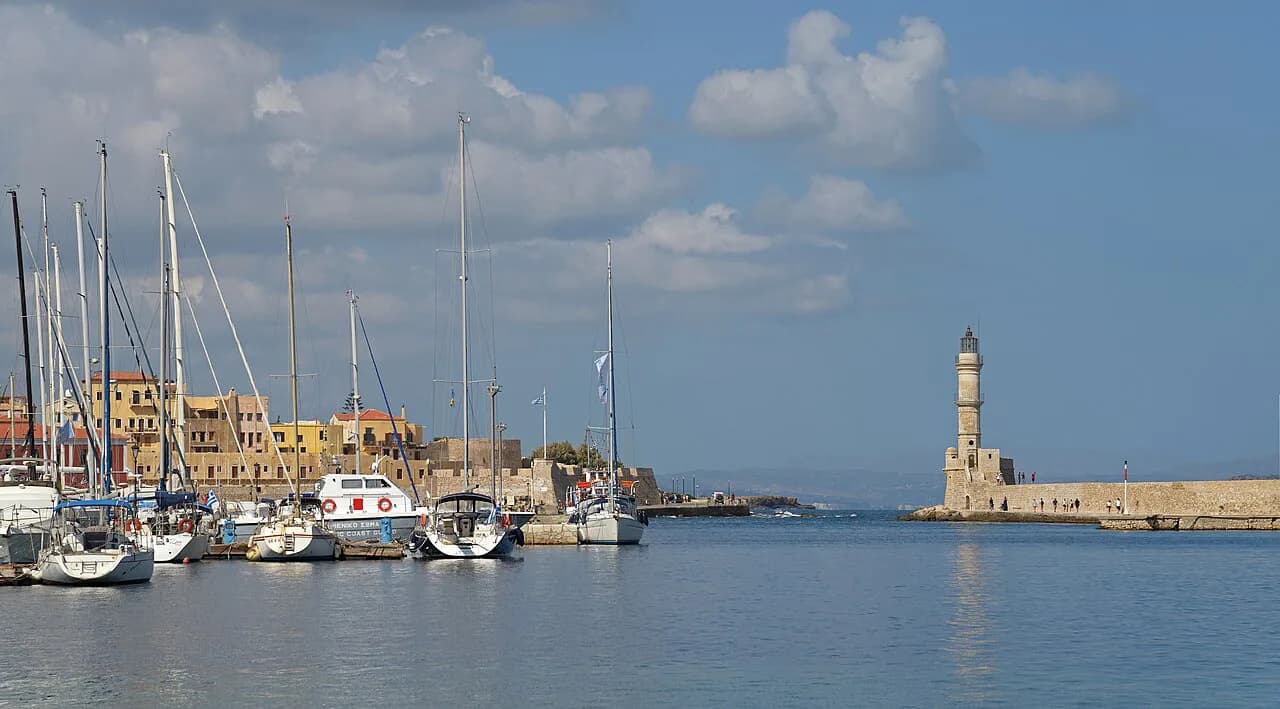
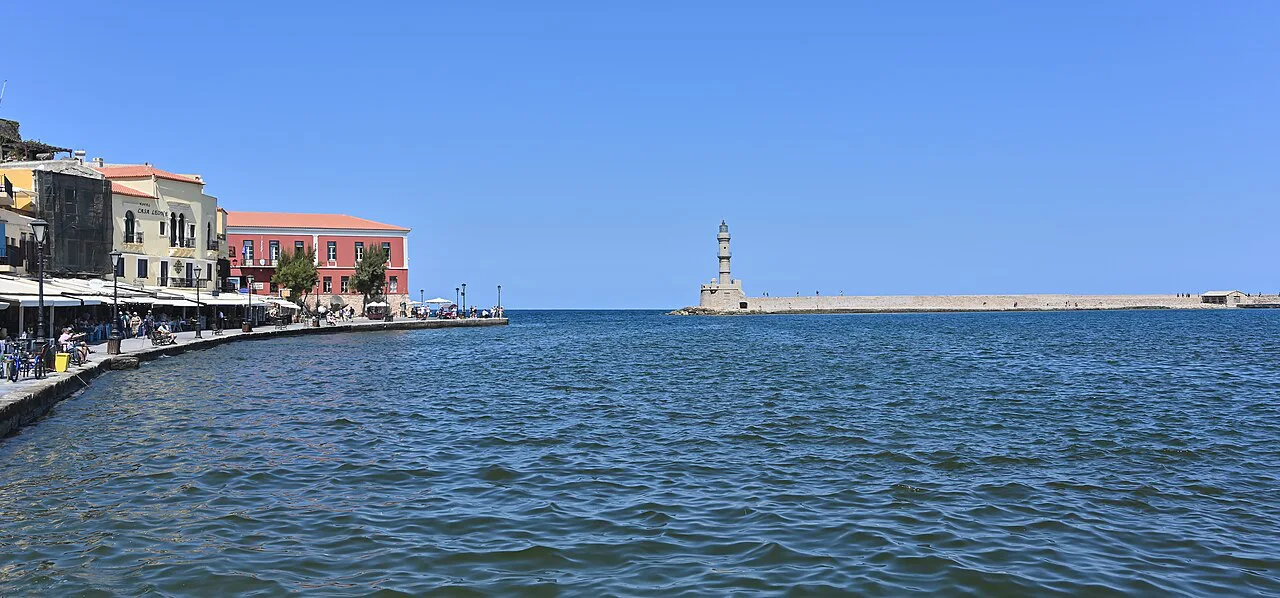
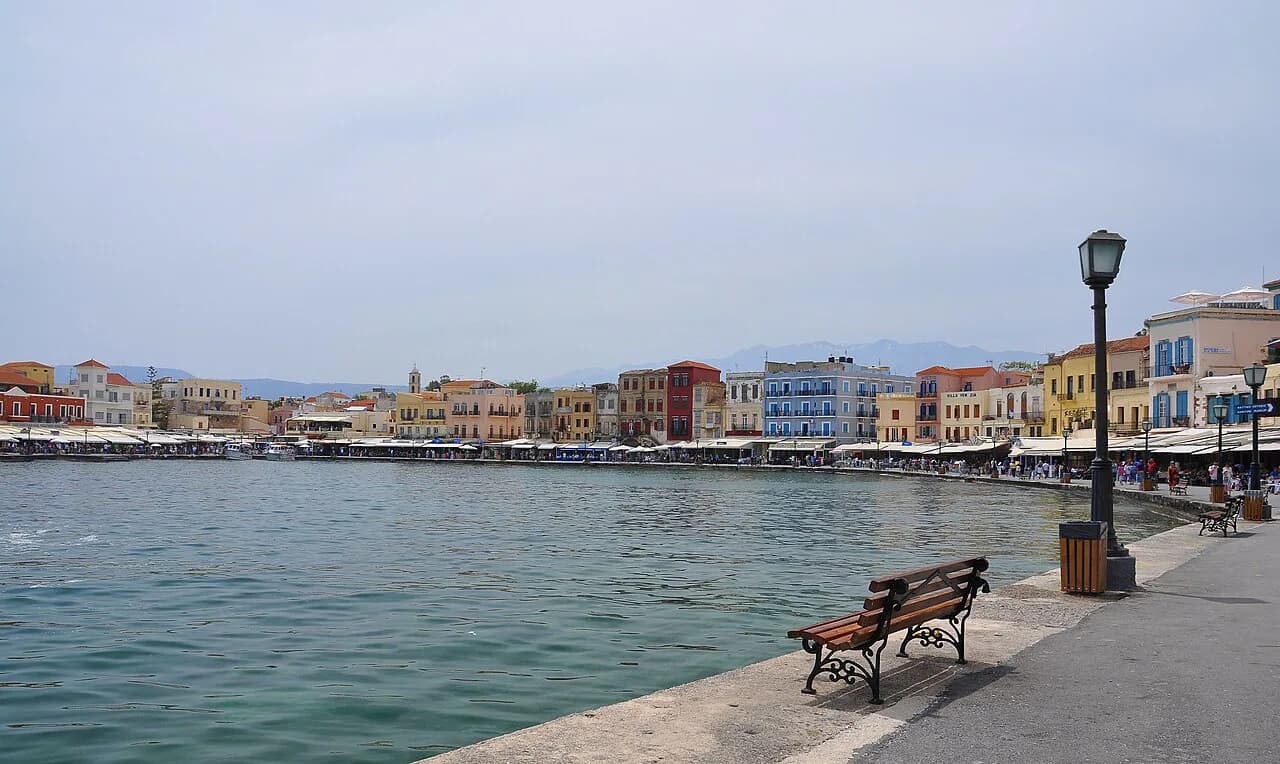
April suits travellers who would rather have Chania's Venetian harbour and Rethymno's lanes half to themselves than sit on a sun lounger. Families with small children and anyone whose holiday depends on swimming should look at late May or June instead. For a wider comparison of the continent in early spring, see where it is warm in Europe in April.
Weather in May: The Sweet Spot for Walking and Coast Days
May is the month when Crete stops being a gamble. Highs of 23.9 °C (75 °F), lows of 15.6 °C (60 °F) and just over four rain days make long days outdoors the default rather than a lucky break. The north coast can still feel a breeze off the Aegean, so pick the south side around Plakias, Ierapetra or the Lasithi plateau fringes when the wind picks up.
Walking is the real reason to come now: the bigger gorges are usually walkable and the heat is not yet punishing, though the Samaria Gorge and other organised routes run to their own seasonal schedule, which the managing authority publishes each year. Coastal boat trips and tavernas are generally up and running by this point, and the water is finally inviting for a quick dip rather than a heroic one.
Weather in June: Reliable Heat and the Start of High Season
June turns the dial up: expect a typical daily high of 27.5 °C (81.5 °F) and a night-time low of 19.7 °C (67.5 °F), with rain almost vanishing at 1.3 rain days and 3.5 mm for the month. That is proper summer weather, and it is dependable enough to book a beach-focused trip around. The catch is that the last ten days or so bring the first real crowds and the first real price rises.
Use June for the coast and the high country in the same trip: mornings in the hills before the heat builds, afternoons at Elafonissi or Balos, evenings in Heraklion. Inland archaeological sites such as Phaistos and Gortyna become punishing at midday, so front-load your sightseeing. If heat is the point of the holiday, late June is when Crete starts to deliver it without argument.
Early vs Late Month Differences in Spring
The gap between the start and end of each month is bigger than the monthly averages suggest. Early April can still feel like a cool maritime spring, with wet days and jackets in the evening; late April often delivers a run of clear, still days that feel like early summer. Early May can carry a lingering breeze and a cool sea, while late May is reliably warm and dry.
On the ground, the same shift shows up in what is running. Early in the season some coastal tavernas and boat operators are still gearing up, and by late May the machine is fully turned over. June follows the same pattern in reverse for crowds: the first half is calm, the second half is the beginning of high season.
How Spring Compares With Autumn
Autumn is spring's mirror with one advantage: the sea is at its warmest after a summer of sun, so swimming in September and October is far more inviting than in April. Spring wins on landscape, with green hillsides and wildflowers, and on daylight, which stretches later into the evening as the season opens. Autumn tends to be slightly warmer in the air, too, though the difference is modest.
If your priority is walking and sightseeing in comfortable temperatures, both seasons work; if you want warm water without high-summer crowds, autumn is the stronger choice. If you want long evenings and the island waking up, spring has the edge. Either way, the shoulder months beat July and August on crowds and cost.
What Is Open as the Season Starts
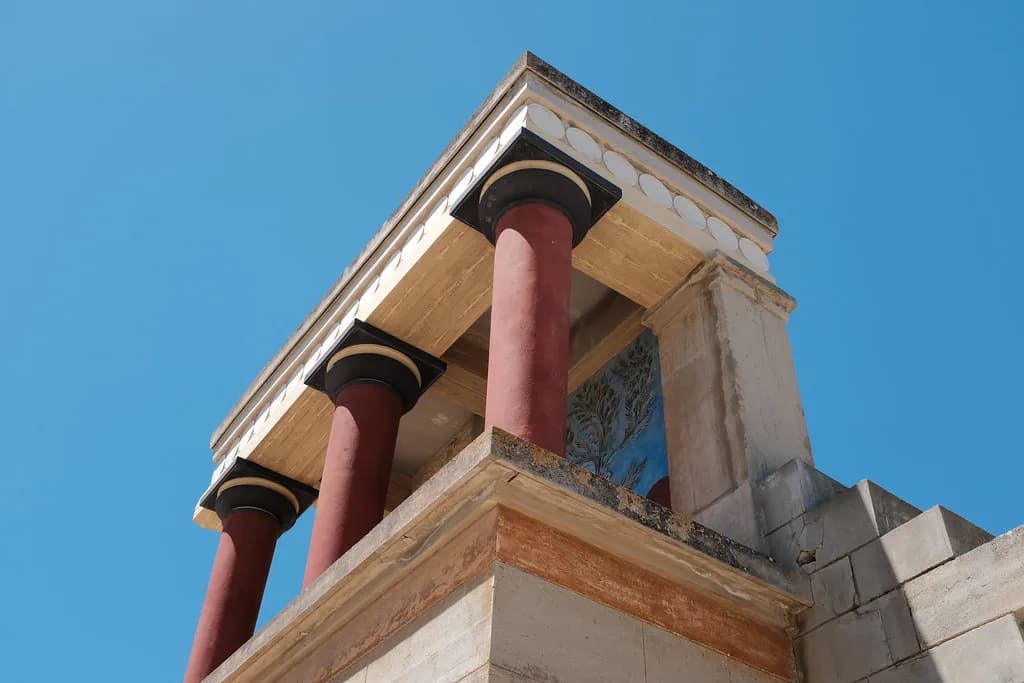
Crete does not switch on uniformly on a single date. Heraklion's Archaeological Museum and the major archaeological sites such as Knossos operate year-round, and the old towns of Chania and Rethymno stay inhabited and open regardless of season. The seasonal layer sits on top: coastal tavernas, beach clubs, boat trips and organised gorge walks ramp up through spring and peak in summer.
For anything with a schedule, consult the managing authority or company running it rather than a blog. Samaria Gorge access, ferry timetables to Gavdos and Chrissi, and cruise departures from Chania all change with the season, and the companies publish their own dates. Build your itinerary around what is confirmed open for your dates, not on the assumption that everything will be running.
Things to Do in April
April belongs to the island's interior and its archaeology. Knossos, Phaistos and Gortyna are manageable at around 20 °C (68 °F), and the Heraklion Archaeological Museum is a sensible rainy-day anchor. Villages such as Kritsa and Argyroupoli, both in the foothills, are pleasant for a slow lunch without the summer crush, and the Lasithi plateau is green and quiet.
Walking is viable at lower altitudes, and the countryside is at its most photogenic. Expect some wet days, keep a flexible plan and hold the coast for afternoons rather than full days. For a fuller list of what works in this month, see things to do in Crete in April.
Things to Do in May
May opens up the coast properly. Boat trips from Chania and Agios Nikolaos, day sails to Chrissi, and the coastal walks around Falassarna and Preveli all become realistic, and the south coast around Matala and Plakias is warm enough to sit out. It is also the best month for the bigger walking routes if you start early and carry water.
The mix that works best is a few days based in Chania or Rethymno for the old towns and food, then a shift south or east for the coast and the gorges. Book the walking days early in the trip, before you get too comfortable. A more detailed plan sits in things to do in Crete in May.
Things to Do in June
June is coast-first. Elafonissi, Balos and Preveli are at their best, and boat trips and boat cruises are running reliably. Mornings are the time for ruins and hill villages, with the afternoons given over to the water. If you want to walk a gorge, do it early in the month and early in the day.
By late June, the pattern has shifted to high-summer behaviour: early starts, long siestas and late evenings. If your group is split between sightseers and sunbathers, June is the month that keeps both reasonably happy. A detailed plan lives in things to do in Crete in June.
Crowds and Prices Through the Spring
April is quiet almost everywhere except around the Easter period, when domestic travel picks up and some places fill briefly. May is busier at the coast, especially around the UK bank holidays and half term, but still well short of summer. June builds steadily, with the last week or so starting to feel like the season proper.
On cost, the pattern is straightforward: spring rates sit below high summer and rise through June, with the steepest jumps in the last week. Rather than quote figures that shift, compare your own dates across a couple of operators and book the walking or boat days first, since those are what sell out.
Honest Drawbacks: Wind, Cool Evenings and Cold Sea
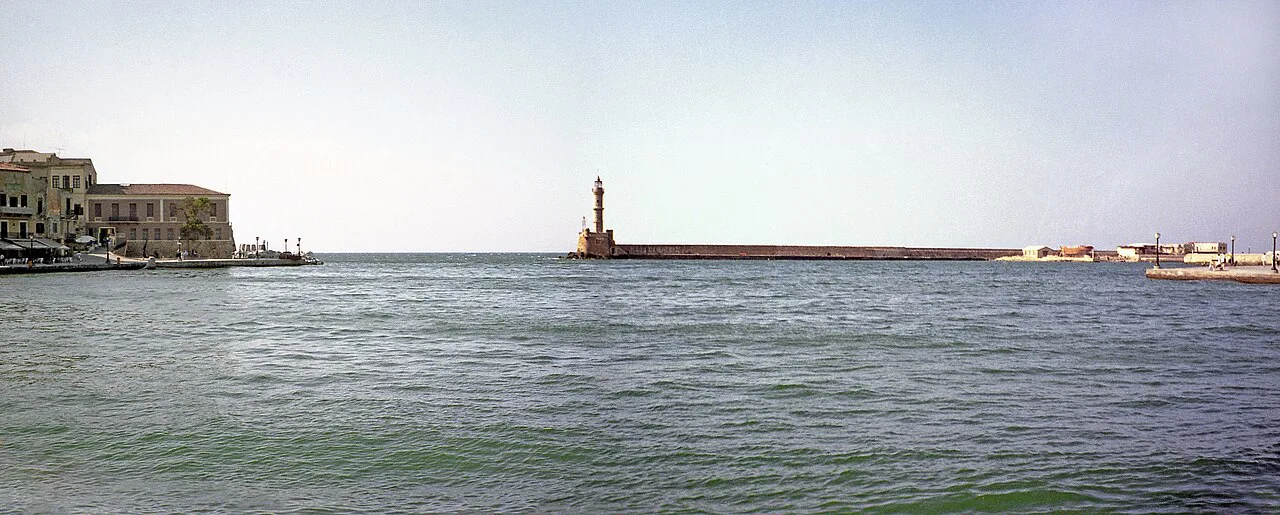
Spring in Crete has three reliable irritations. The meltemi wind can blow hard for days on the north coast, which is why the south around Ierapetra and Plakias often feels calmer. Evenings in April and early May are genuinely cool, so a jacket is not optional. And the sea warms more slowly than the land, which is why swimming in April is for the hardy and even May can feel brisk.
Rain is the fourth, smaller irritation. April averages around 7.7 rain days, which means a wet day or two is likely on any week-long trip; by June the risk has almost gone. If a washed-out day would ruin the holiday, push towards late May or June, and keep a museum or an indoor food stop in reserve.
April or May?
Choose April if you want the island at its quietest, if your trip is built around archaeology, old towns and low-level walking, and if you can live with cool evenings and a cold sea. Choose May if you want reliable dry days, working coastal businesses and a sea you can actually swim in, at the cost of a few more people.
May or June?
Choose May for walking and sightseeing in comfort, cooler evenings and lower prices. Choose June if heat, sea and long beach days matter more than quiet trails, and if you can travel in the first half of the month before the crowds build. Both months are strong; the choice is between activity and idleness.
The Verdict
For most travellers from the UK or the US, May is the best month to visit Crete: warm, dry, fully open and still affordable. Late April is the pick for walkers and sightseers who value solitude over swimming, and early June is the pick for anyone who wants real heat without the full summer surge. If you can only travel in high summer, accept the crowds and the prices and go anyway.
Plan Your Visit
Pick your month by what you will actually do: April for ruins and quiet lanes, May for gorges and long walks, June for the sea. Whichever you choose, book the walking days and the boat trips first and leave the rest flexible for weather. A week in Crete in spring is one of the better-value trips in the Mediterranean.
Before you go, check current entry requirements on the official UK or US government travel page, and confirm specific opening dates with the companies you plan to use. For a broader comparison across the Mediterranean, see the best time to visit Corfu and the best time to visit Greece.
More Crete spring guides
Frequently Asked Questions
What is the best month to visit Crete?
May is the strongest all-round month for most trips. Heraklion averages a daytime high of 23.9 °C and a night-time low of 15.6 °C in May, with only about 4.4 rain days, which keeps long walks, ruins and coastal days comfortable without high-summer crowds. Early June is the better choice if reliable beach heat matters more than quiet trails.
Is Crete warm in April?
Yes for daytime sightseeing, no for the sea. April averages around 20.3 °C by day and 12.3 °C at night at Heraklion, with roughly 7.7 rain days, so plan for bright days, occasional wet spells and cool evenings. Swimming is a stretch until later in spring.
Is the sea warm enough to swim in Crete in May?
The air is reliably warm in May, but the sea warms more slowly than the land, so expect bracing water early in the month and something more inviting by late May. If swimming is central to your holiday, late May or June is the safer bet, and the south coast around Ierapetra and Plakias tends to feel warmer than the north.
Is April or May better for walking in Crete?
May is better for big walking days: the gorges are generally walkable, rain is down to about four days a month and the heat has not yet turned punishing. April works for low-altitude and village walks, but you should build in a wet-day fallback and expect cool evenings.
How hot is Crete in June?
June averages around 27.5 °C by day and 19.7 °C at night at Heraklion, with rain almost absent at about 1.3 rain days. That is dependable summer weather, and the final week or so also brings the first real crowds and higher prices.
When do boat trips and gorges open in Crete?
There is no single island-wide opening date; gorge routes, boat trips and cruises each run to their own operator or managing-authority schedule and ramp up through spring. Check the specific operator or authority for your dates rather than relying on a general season guide.
Sources
Spring sun notes
Optional updates when we add destinations and months.
You might also like
Continue reading
More guides you'll find useful