Crete in June: What the Weather and Trip Are Really Like
Crete in June averages 27.5°C by day and 19.7°C at night with barely any rain. Here is what that means for ruins, walking, families and the sea.
On this page
June is the month Crete becomes a dependable summer island: in Heraklion the average daytime high reaches 27.5°C (81.5°F) and the average night-time low sits at 19.7°C (67.5°F), so evenings are warm enough to sit outside without a jacket. Rain effectively stops, averaging 1.3 rain days and 3.5 mm across the month. If you want ruins, coastal walks and open-air dinners without hedging your bets on the weather, this is the month that delivers.
The trade-offs are real but manageable: the sun is strong by midday, the meltemi can blow hard on the north coast, and the sea is still catching up with the air. The figures below are typical June conditions from long-term station normals, not a forecast, and the south coast and mountain villages run their own weather. For the wider picture of how the island changes month by month, see the best time to visit Crete.
Weather in June
The Heraklion station normals for 1991–2020 give 27.5°C (81.5°F) as the mean daily maximum and 19.7°C (67.5°F) as the mean daily minimum for June, with 1.3 rain days and 3.5 mm of precipitation. In practice that means a month of blue skies broken by the occasional short shower, mostly early on. Treat these as the typical pattern you are booking into rather than a promise for your week.
Heraklion sits on the north coast, and that matters. Chania and the west see broadly similar summer conditions, but the south coast around Matala, Plakias and Ierapetra is more sheltered from the north wind and often feels hotter and calmer. The Lasithi plateau and the high villages sit considerably higher and cooler, so a day up there can be ten degrees gentler than a day on the coast, with a genuine chill after sunset.
The other June factor is the meltemi, the northerly wind that builds through the season. On exposed north-coast beaches it can whip up sand and make the shade feel cool even on a hot day, while the south coast is usually calmer. If wind bothers you, plan beach time on the southern side and keep the northern coves for still mornings.
Is it warm enough?
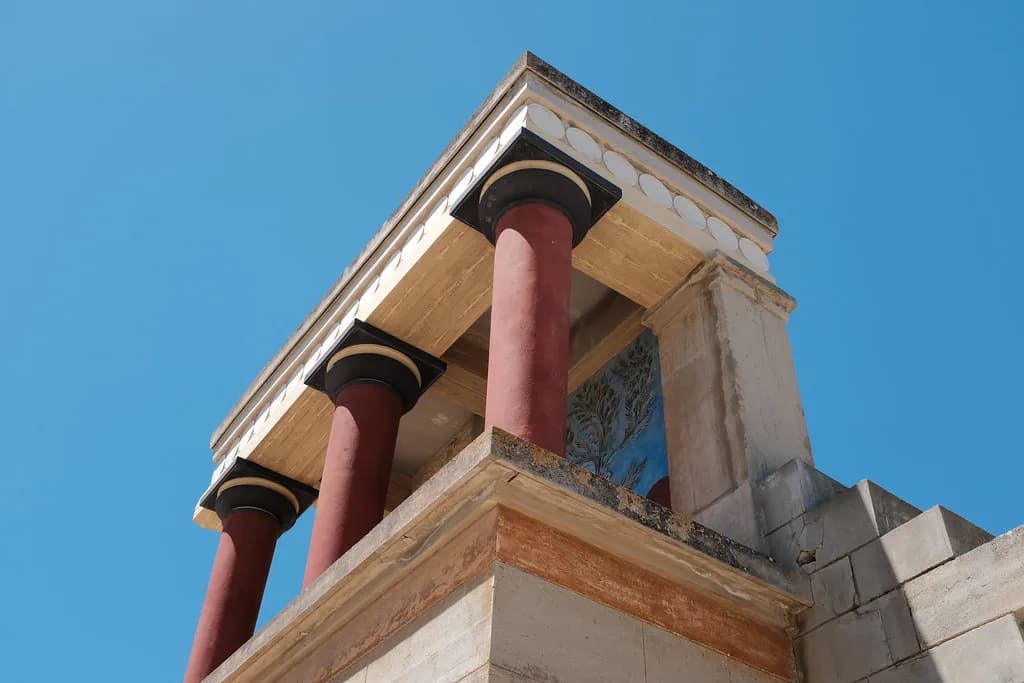
June is warm enough for almost everything, which is why it is one of the easiest months to plan around. Sightseers get dry, bright days at Knossos and the Heraklion Archaeological Museum without the July crush of heat, and outdoor lunches stretch comfortably into the evening. Families with school-age children find the sea and pools usable and the days long.
Walkers need to adapt rather than avoid: start the Samaria Gorge and any exposed coastal path early, because the midday sun in the gorge is fierce and there is little shade. Anyone who wants cool rambling all day, or who wilts above the mid-twenties, should look at May instead. Anyone who wants guaranteed oven heat and bathtub sea should wait for July and August.
If your priority is a shoulder-season island with gentler temperatures and greener hills, April is the other end of the scale and a very different trip. Read our guide to Crete in April for the comparison.
Early vs late June
Early June still carries a trace of late-May freshness: the first week often brings slightly softer afternoons, cooler evenings and a livelier breeze. By the last ten days the island has settled into full summer, with hotter middays, warmer nights and the meltemi more firmly established on the north coast. The final week already feels like high season in the resorts and on the more famous beaches.
That progression matters for planning. If you want long walks, gorge hikes and heavy sightseeing, book the first half of the month and start early. If you want reliable beach weather and warm evenings, the second half is safer. Either way, the difference is measured in comfort rather than in whether the sun shows up.
How June compares with May and July
May averages 23.9°C (75°F) by day and 15.6°C (60°F) at night, with 4.4 rain days and 14.2 mm of rain, so it is noticeably cooler, greener and less predictable. June jumps to 27.5°C (81.5°F) and 19.7°C (67.5°F) with the rain all but gone. July pushes higher still and adds the peak-season crowds, which is why June sits in the sweet spot for most travellers.
Put simply: May is for walkers and anyone who wants the island before the heat arrives, June is for a balanced mix of sightseeing and beach time, and July is for people who genuinely want the furnace and do not mind the crowds. If you are weighing up the cooler option, our guide to Crete in May sets out the case in detail.
What is open
By June Crete is running at full summer pace. Ferries around the island and to the smaller islands operate on their summer patterns, boat trips to Gramvousa and Balos run regularly, and beach clubs, tavernas and coastal restaurants that close for winter are back in business. Archaeological sites switch to summer opening hours, which usually means earlier starts and later closing, but the exact times vary by site and season.
Because those schedules shift with the season, the reliable move is to confirm times with the site, ferry operator or boat company directly before you build a day around them. The broader picture of how the island opens up through the season is covered in our guide to Crete in spring.
Things to do
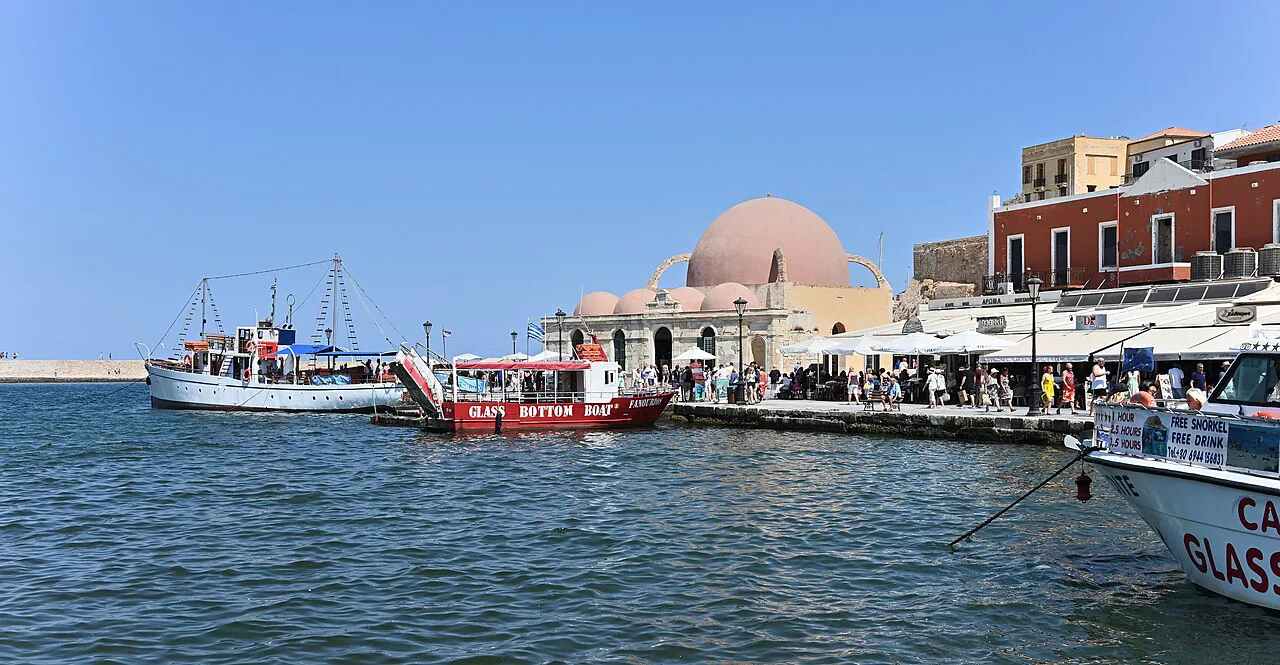
Front-load the famous sights. Knossos and the Heraklion Archaeological Museum are far more enjoyable in the first hours of the morning, before the sun hits the open site and the coach groups arrive. The same logic applies to Phaistos and Gortyn in the Mesara plain, where shade is scarce and the stone radiates heat by noon.
Walk early and walk high. The Samaria Gorge is the headline route, and in June the key decision is timing: an early start means cooler air in the gorge and a better chance of catching the afternoon boat out. For a gentler alternative, the paths and villages of the Lasithi plateau sit high enough to stay comfortable when the coast is baking, and the windmill-dotted landscape rewards a slow day of driving between villages.
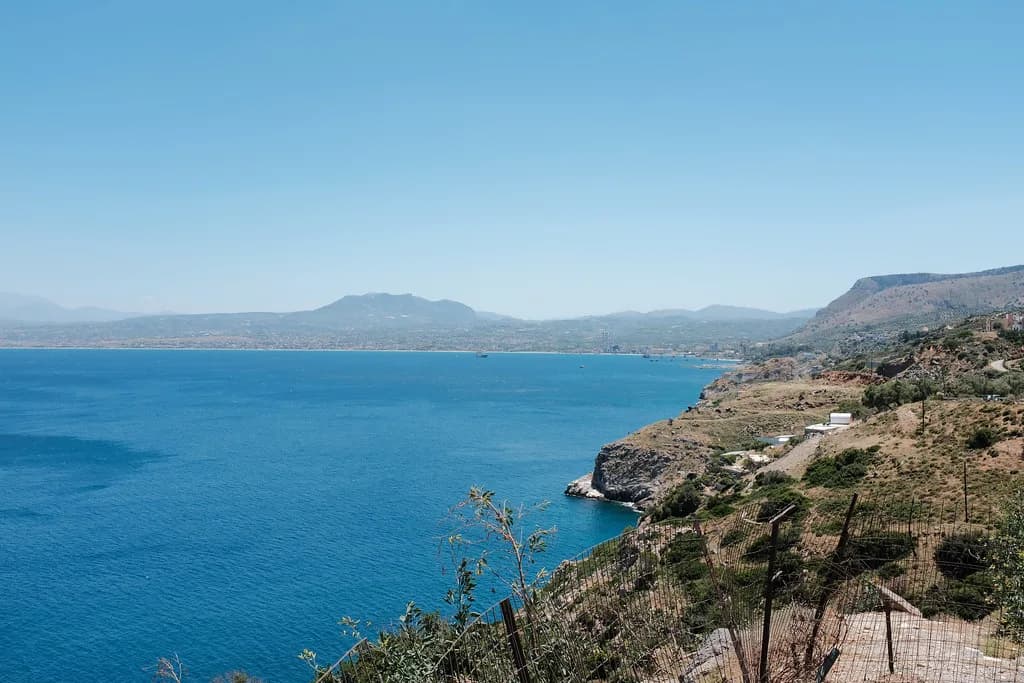
Use the south coast for beach days and boat trips. The sheltered southern bays around Matala, Plakias and Ierapetra tend to be calmer than the north when the meltemi blows, and the boat trips to Gramvousa and Balos in the far west combine lagoon swimming with a genuinely dramatic coastline. Book those boat trips ahead in the second half of the month, when demand picks up.
For food, June is the start of the good stuff: tomatoes with real flavour, fresh cheese, wild greens still in the hills, and the first of the summer fruit. Eat lunch late in a village square rather than at midday on an exposed terrace, and save the long dinners for the warm evenings, which are one of June's strongest arguments.
The sea in June
The sea is still warming from spring, so expect it to be invigorating rather than bathtub-warm, especially on the north coast where the meltemi stirs the surface. Most people swim happily, and the shallows on sheltered southern beaches feel considerably kinder than exposed northern ones. If warm water is a dealbreaker, July and August are your months.
Crowds and prices
The first fortnight of June is noticeably quieter than the last. Greek school holidays begin late in the month, and the combination of that and the approach of high season lifts demand in the final week. Accommodation and flights generally sit below July and August levels for most of June, though the last days of the month start to look like peak season in the busier resorts.
That makes early June the better-value window: the weather is already reliably dry and hot, but the beaches, sites and tavernas are calmer. If you have flexibility, aim for the first two weeks and avoid the final weekend if you dislike crowds. Across Southern Europe more broadly, June is when several destinations hit their stride, which our guide to where is warm in Europe in June compares side by side.
Honest drawbacks
June's weaknesses are all about intensity rather than unpredictability. The midday sun is strong enough to make exposed archaeological sites and shadeless walks genuinely punishing, so plan around it rather than through it. The meltemi can cancel boat trips and spoil north-coast beach days, and mountain evenings are cool enough to need a layer.
The bigger point is that June arrives without much of a build-up: after a mild May, the first real heat of the year lands quickly, and people who are not used to it feel it in the first two days. That is a reason to take the first afternoon slowly, not a reason to avoid the month.
June or May?
Choose May if you want cooler walking, greener countryside, fewer people and a lower chance of being roasted at Knossos, and you can tolerate a few rain days. Choose June if you want dry, dependably sunny weather, warm evenings and the full range of boat trips and beach clubs without the July crowds. The honest split is this: May for active travellers and sightseers who dislike heat, June for a balanced holiday with reliable sun.
If you are still deciding whether Crete is the right island at all, our guide to where is warm in Europe in June puts it against the Greek islands, Italy, Spain and the Canary Islands.
If your holiday dates land earlier in the spring, our guide to where is hot in April shows which islands and coasts warm up first, which helps if you are weighing Crete against the western Mediterranean.
The verdict
June is the best all-round month for a first trip to Crete. The weather is dry, the days are long, the sea is swimmable, and everything from ferries to tavernas is fully open, with early June still offering a quieter, better-value version of the same experience. It is not the month for cool-weather walkers, and the last week starts to feel like high season, but for most travellers it is the sweet spot.
For entry rules, use the official Greek government travel page once and rely on it rather than on forum posts. Then book the first half of the month, plan your ruins and gorge walks for the morning, and keep the afternoons for the south-coast beaches and long lunches.
Plan Your Visit
Book the first fortnight if you want June's dry, warm weather without the end-of-month crowds, and anchor each day around an early start for sites and walks. Keep the middle hours for shade, swimming or a slow lunch, and reserve the evenings for the outdoor dining that makes June so easy.
If you want cooler temperatures and a greener island, take a look at Crete in May before you commit; if you want the fullest heat and do not mind the crowds, July delivers. Otherwise, June is the month that gives you the most reliable version of Crete with the fewest compromises.
More Crete spring guides
Frequently Asked Questions
What is the weather like in Crete in June?
Typical June conditions in Heraklion are a daytime high of about 27.5°C (81.5°F) and a night-time low of about 19.7°C (67.5°F), with only around 1.3 rain days and 3.5 mm of rain across the month. Expect long sunny days and warm evenings. The south coast is often calmer and hotter, while mountain villages are cooler.
How hot is Crete in June?
Daytime highs average around 27.5°C (81.5°F) on the north coast, with the south coast often feeling hotter and the Lasithi plateau and mountain villages noticeably cooler. It is warm rather than scorching, but the midday sun is strong on exposed sites and walks.
Is June a good time to visit Crete?
For most travellers, yes. June combines dry, reliable weather with everything open, from ferries to boat trips and beach clubs, and it is quieter in the first fortnight than in the last week. Walkers who dislike heat may prefer May, and anyone wanting guaranteed oven heat should look at July.
Is the sea warm enough to swim in Crete in June?
The sea is warming through June and is comfortably swimmable for most people, though it feels invigorating rather than bathtub-warm. Sheltered south-coast beaches feel kinder than exposed north-coast ones, especially when the meltemi is blowing.
Is Crete busy in June?
The first half of June is noticeably quieter than the last, when Greek school holidays begin and demand rises towards high season. Beaches, sites and tavernas are calmest in the first two weeks, and the final days of the month already feel like peak season in the busier resorts.
June or May for Crete?
Choose May for cooler walking, greener hills, fewer people and a few rain days. Choose June for dry, dependably sunny weather, warm evenings and the full range of boat trips and beach clubs. May suits active travellers who dislike heat; June suits a balanced holiday with reliable sun.
Sources
Spring sun notes
Optional updates when we add destinations and months.
You might also like
Continue reading
More guides you'll find useful