Gran Canaria in May: How Warm It Is and What to Expect
Gran Canaria in May brings 23.6°C daytime highs and almost no rain, with mild evenings and a sea that stays cool. Here is what the month feels like.
On this page
May is the month when Gran Canaria settles into reliable warmth without the summer heat: at Gran Canaria Airport the long-term normals give an average daytime high of 23.6°C (74.5°F), a night-time low of 17.3°C (63.1°F), 272 hours of sunshine and 0.3 rain days across the month.
That combination suits most spring trips: mornings and afternoons are warm enough to sit out, walk a coastal path or spend a few hours in an old town, while evenings stay mild enough to eat outside. Beach time works on the sheltered southern coasts, but the Atlantic is still cool, so treat swimming as bracing rather than balmy and plan other things around it.
Weather in May
The island's published climate normals for the airport station, covering 1981 to 2010, put May at an average daily maximum of 23.6°C (74.5°F) and a minimum of 17.3°C (63.1°F), with 272 hours of sunshine and a mean of just 0.3 days of rain measuring 1 mm or more. In practice that means a month of mostly bright days and long evenings, with rain rare enough that it rarely shapes a trip.
Where you stay changes the feel of the month more than the calendar does. The south coast, from Maspalomas and Playa del Inglés across to Puerto Rico and Puerto de Mogán, gets the most reliable sun and the least cloud; the north around Las Palmas de Gran Canaria and Agaete is greener, breezier and more prone to cloudy spells, which is exactly why the banana groves and laurel slopes there look the way they do.
Altitude matters too. Tejeda and the highland villages sit well above the coast, so a warm afternoon down in the resorts can turn into a fresh, windy one up among the peaks, and you should expect to want a layer in the evening even in late May.
Is it warm enough?
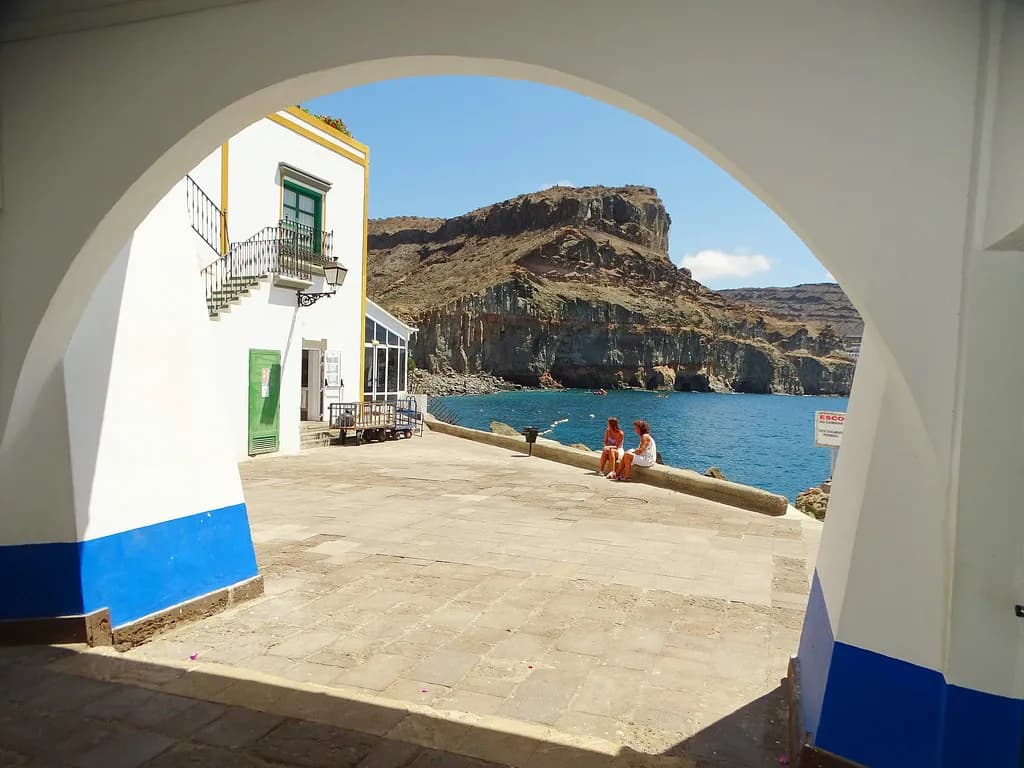
For sightseeing, the answer is emphatically yes: 23.6°C (74.5°F) is close to ideal for wandering the old town of Las Palmas de Gran Canaria, walking the headlands around Puerto de Mogán or exploring the green north without breaking a sweat. For lazing outdoors, the south coast delivers, and the low rainfall figures mean you are unlucky rather than foolish to plan beach days in May.
Families with young children usually find May kinder than July or August, since the heat is moderate and the evenings are mild rather than muggy. Older travellers and anyone who wilts in summer heat get the same benefit, with the caveat that shade is scarce on the dunes and at the high viewpoints.
If your priority is genuinely warm water and hot, still afternoons, hold out for later in the season and look at Gran Canaria in June, when the airport normals climb to a 25.3°C (77.5°F) average high and 19.2°C (66.6°F) nights. Those wanting a cooler, greener island should look at the earlier weeks instead and compare with our guide to Gran Canaria in April.
Early vs late May
The month warms steadily rather than in steps. The April normals of 22.6°C (72.7°F) by day and 16.2°C (61.2°F) at night sit just below May's, so the first week of May feels like a slightly softer version of late April, and the last week edges towards June's longer, hotter days.
Early May is the better bet for walkers and for anyone who wants the trails and viewpoints to themselves, with cooler air on the high ground and less chance of the first summer heat. Late May brings the warmest sea-watching afternoons, the longest evenings and the first real build of summer visitors, though it also brings the occasional calima, the dusty haze that can blow in from the Sahara and take the edge off the views.
The sunshine figures tell the same story: 228 hours across April, 272 in May and 284 in June, so the jump from April to May is bigger than the one from May to June, which is why May feels like the month the season opens properly.
The sea in May
The Atlantic around the Canaries stays cool well into summer, and May is no exception: the water lags behind the air, so a warm, sunny afternoon on the sand does not translate into a warm swim. Treat the sea as refreshing, best taken in short bursts, and let children paddle rather than settle in for long sessions.
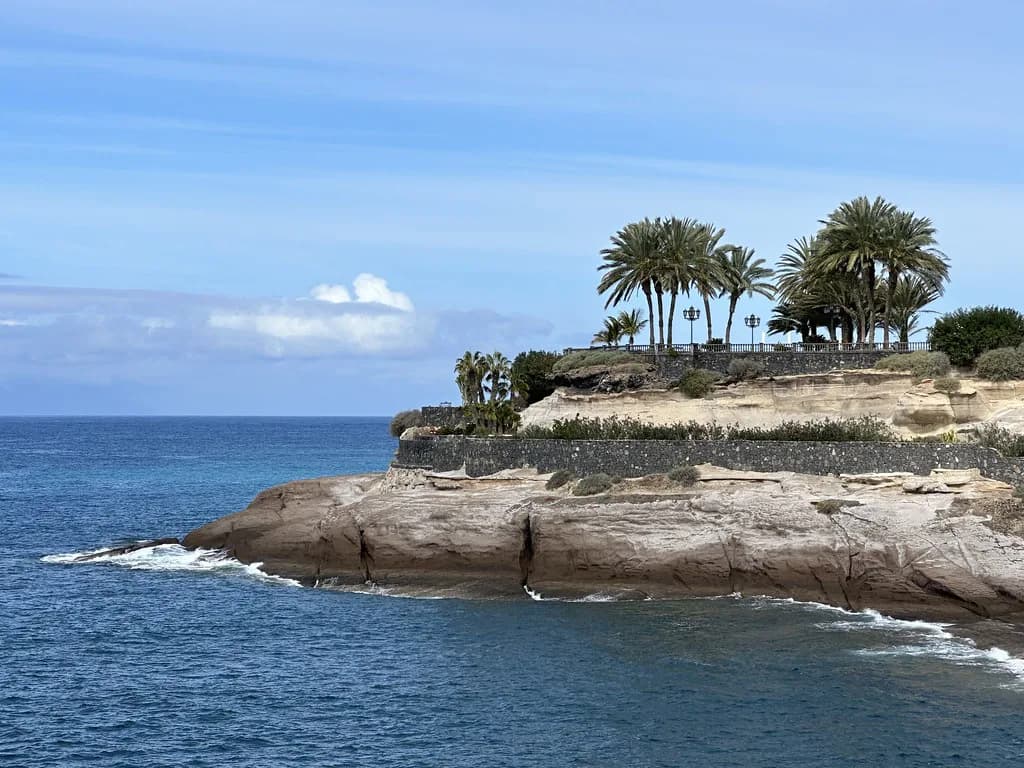
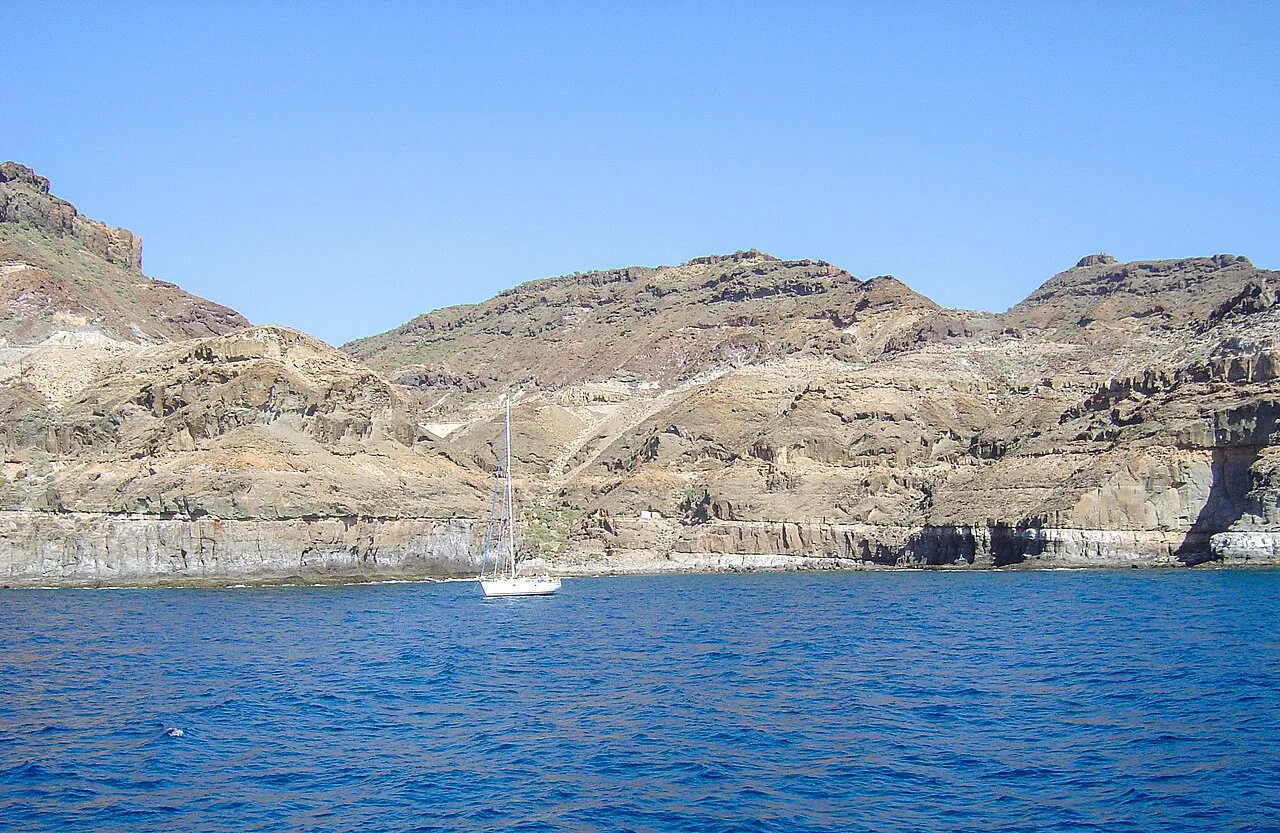
The sheltered southern coves are where swimming works best in May. The bays around Puerto de Mogán and the calm water off Amadores and Puerto Rico tend to be gentler and warmer than the exposed northern beaches, where swell and breeze are more common.
If the sea is central to the trip, plan around the pool or the beach rather than long swims, and leave serious water time for later in the season.
What is open
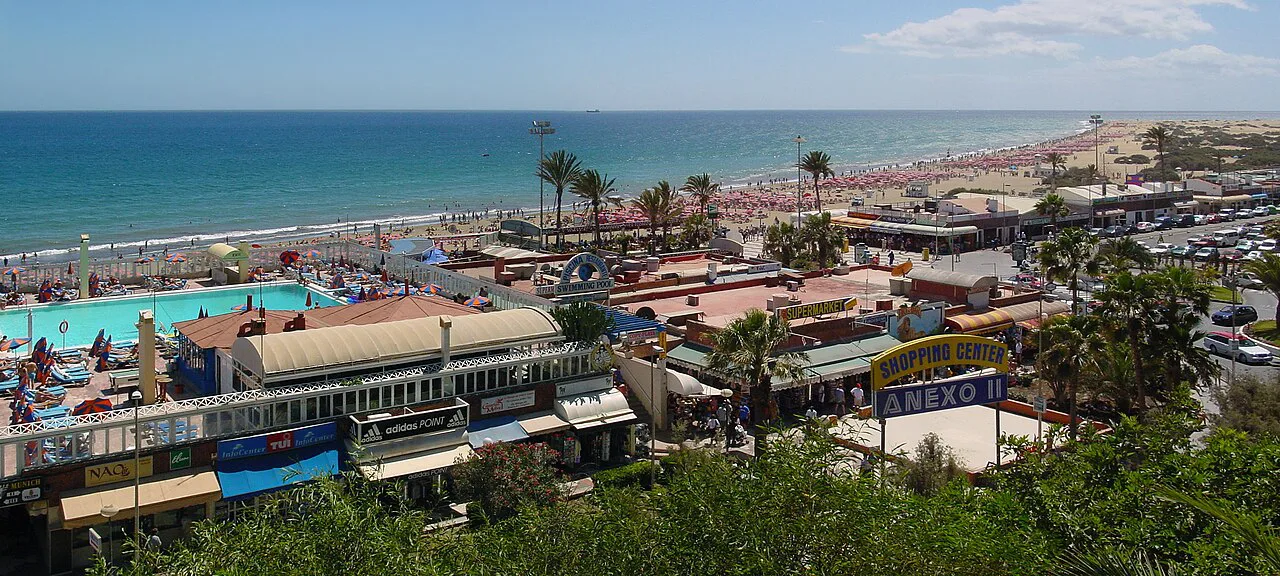
By May the island is running close to full summer rhythm: boat trips along the south coast, excursions into the interior and the main attractions are generally operating, and the beachfront strips in Maspalomas, Playa del Inglés and Puerto Rico have their restaurants and terraces going.
That said, individual companies set their own seasons and timetables, and some smaller boat companies and rural restaurants open only when trade justifies it. Ferries between the islands run year-round, but if a particular crossing or boat trip matters to your plans, ask the ferry company directly rather than assuming a May date is running.
Things to do in May
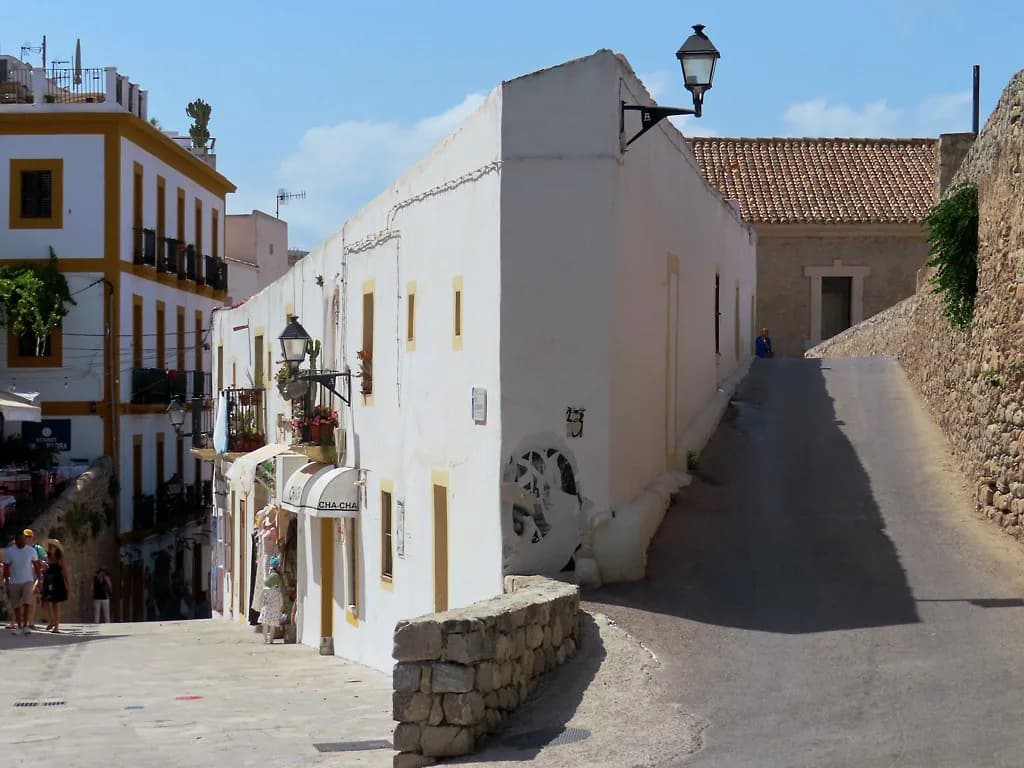
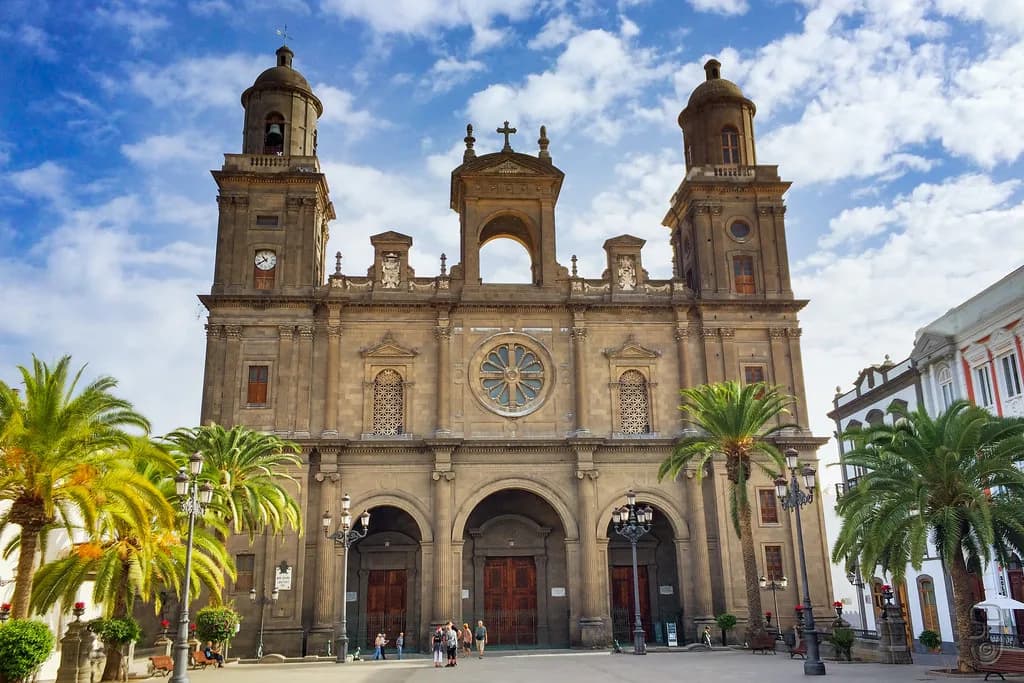
Start in Las Palmas de Gran Canaria. The Vegueta old town, with its cathedral, cobbled squares and the Casa de Colón, is a half-day of easy walking, and the city beach at Las Canteras gives you a long promenade stroll afterwards. May's moderate temperatures make this far more comfortable than midsummer.
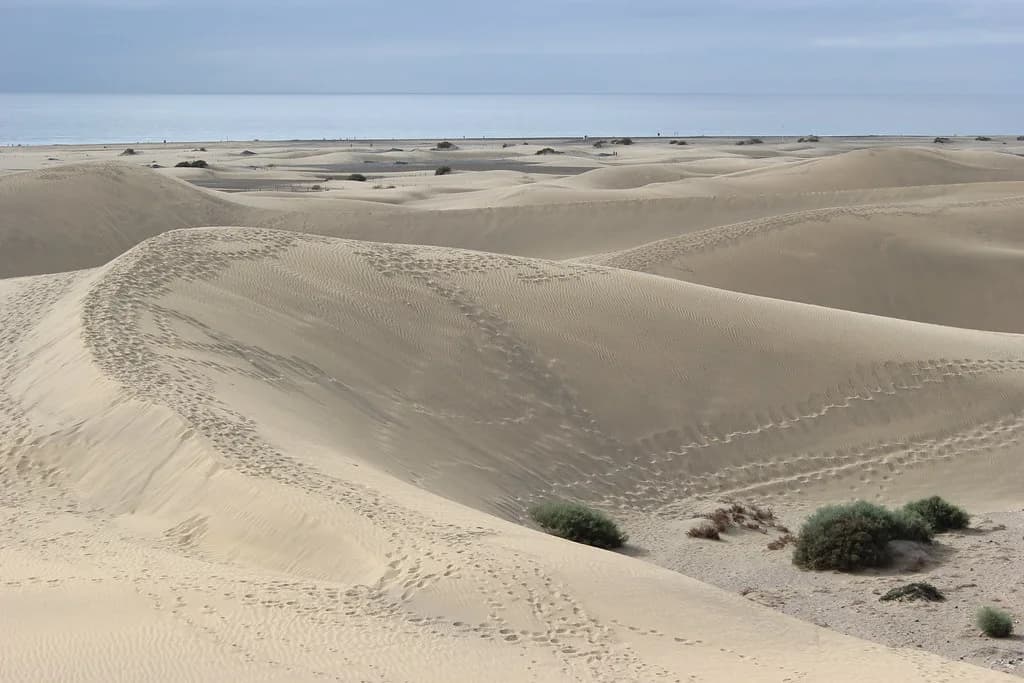
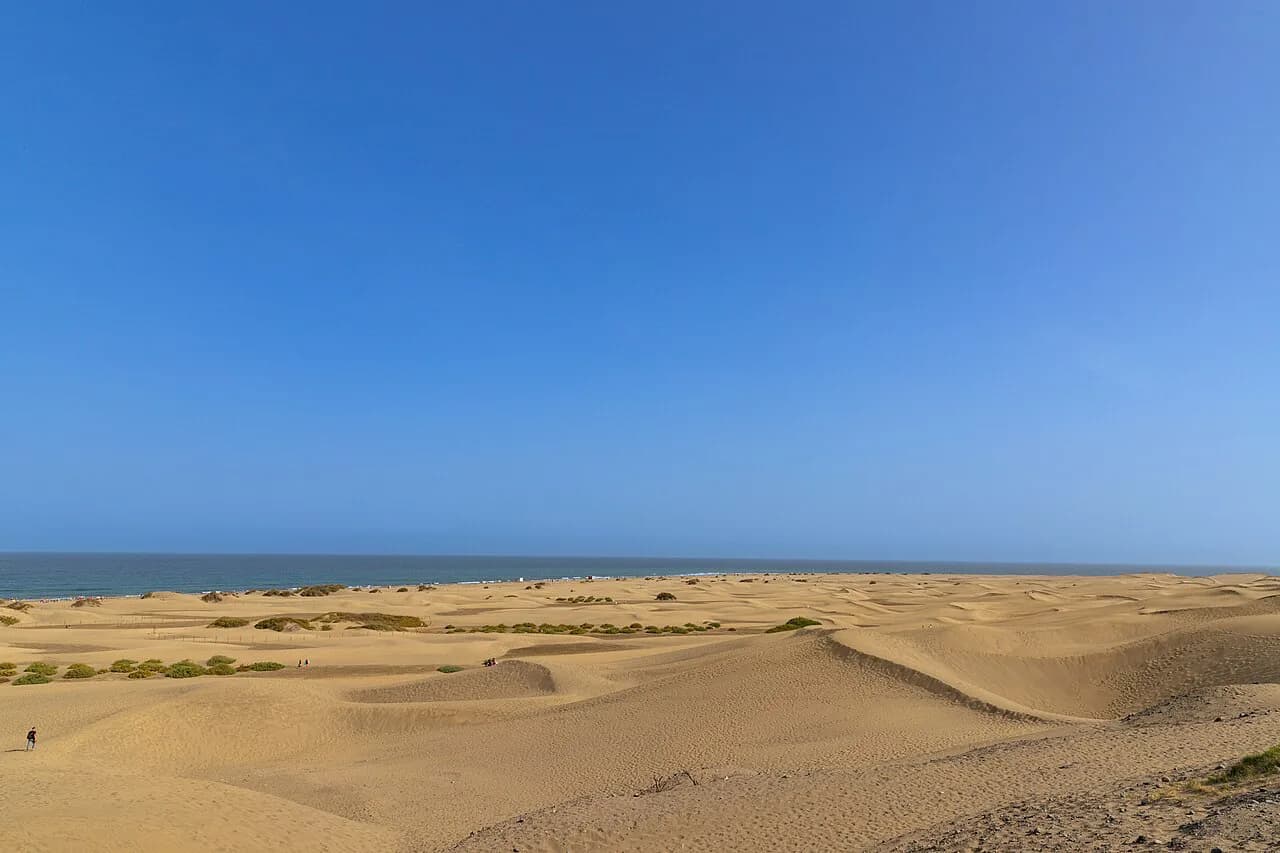
The Dunas de Maspalomas are the island's signature landscape, and in May the sand is warm without being punishing. Walk the dunes in the morning, then follow the palm-lined route towards the lighthouse and the lagoon. Those planning a spring trip built around this kind of day should look at things to do in Gran Canaria in April for the shoulder-season version.
For walking, head inland to Roque Nublo, the volcanic monolith above the centre of the island, and the villages of Tejeda and Cruz de Tejeda, where the air is cooler and the views run to the peak of Pico de las Nieves. The paths are exposed, and May's sunshine is strong at that altitude, so start early.
The green north rewards a day of its own: the cliffside village of Agaete, the Puerto de las Nieves waterfront, and the terraced valleys around Firgas and Teror feel like a different island from the dunes, and May's mix of sun and cloud suits them.
Food in May leans on the island's staples rather than a particular season: papas arrugadas with mojo, fresh fish along the coast, and the excellent local cheeses from the highland farms around Tejeda and Santa María de Guía.
Crowds and prices
May sits in a comfortable pocket. The Easter rush is over, the UK half-term week at the end of the month brings a visible bump in family bookings, and the last ten days generally feel busier than the first three weeks.
Prices reflect that pattern in a general way rather than a dramatic one: May is typically cheaper than July and August and pricier than the quieter weeks of late April, with half-term and late-May warm spells the moments when demand peaks. For island-wide context on how the month compares elsewhere, see where is warm in Europe in May.
Honest drawbacks
The sea is cool all month, so if long swims in warm water are the point of the holiday, May will disappoint. Evenings are mild on the coast but genuinely fresh up in the highlands, and the wind that keeps the island comfortable can be persistent on exposed beaches and ridges.
The north can produce cloudy, damp spells even in May, and the odd calima can dull the views and raise the temperature for a day or two. None of this is likely to ruin a trip, but it is worth knowing before you book a week of outdoor plans.
May or June? May or April?
Choose May over June for walking, sightseeing and value, and because the island is busy but not packed; choose June for warmer evenings, a warmer sea and the settled, hotter days that make lazing by the pool or on the sand genuinely comfortable.
Choose May over April for a noticeably drier, sunnier month with warmer nights, and April over May only if you want the greenest landscapes, the quietest trails and a cooler visit. Elsewhere in Europe the pattern differs, and our guide to where is warm in Europe in April covers Europe's warmest spots in April, from the Aegean to the Canaries.
Across the Canaries, May is broadly similar rather than wildly different: Gran Canaria's southern resorts are among the most reliable for sun, while the western islands and Tenerife's south coast offer comparable warmth. If you are deciding between islands, see Canary Islands in May for the side-by-side picture, and our guide to the best time to visit Gran Canaria for the year as a whole.
The verdict
May is the best-value month of Gran Canaria's spring: the AEMET normals give 23.6°C (74.5°F) by day, 17.3°C (63.1°F) at night, 272 hours of sunshine and almost no rain, which is warm enough for the beach, ideal for walking and sightseeing, and comfortable for families.
Go early in the month for quiet trails and lower prices, late in the month for the warmest evenings, and expect the sea to stay cool throughout. If you want hot, settled beach weather, June is the better pick; if you want green hills and a quieter island, April is.
More Gran Canaria spring guides
Frequently Asked Questions
What is the average temperature in Gran Canaria in May?
At Gran Canaria Airport the long-term climate normals give an average daytime high of 23.6°C (74.5°F) and a night-time low of 17.3°C (63.1°F). The south coast tends to be sunnier and slightly warmer than the north, while the highland villages around Tejeda are noticeably cooler in the evenings.
Is Gran Canaria hot in May?
Warm rather than hot. Daytime highs of around 23.6°C (74.5°F) feel pleasantly warm in the sun, especially on the south coast, but the month lacks the sustained heat of July and August. Evenings are mild on the coast and fresh in the hills.
Is May a good time to visit Gran Canaria?
Yes. May combines warm days, mild nights, 272 hours of sunshine and very little rain, and it falls between the Easter rush and the peak summer season. It suits walkers, sightseers, families and anyone who prefers moderate heat to midsummer temperatures.
Is the sea warm enough to swim in Gran Canaria in May?
The Atlantic is still cool in May, noticeably cooler than the air, so swimming is bracing rather than comfortable. Sheltered southern coves such as those around Puerto de Mogán and Amadores are the easiest places to get in, and a pool is a sensible alternative for long sessions.
Which Canary Island is best to visit in May?
Gran Canaria's south coast is one of the most reliable choices for sunshine and mild temperatures, with a wide range of coast, highland walking and city sightseeing within a short drive. Tenerife, Lanzarote and Fuerteventura offer similar May conditions, so the choice usually comes down to landscape and what you want to do.
Is Gran Canaria warmer than Tenerife and Lanzarote in May?
The islands sit within a degree or two of each other in May, and microclimate matters more than island: sheltered southern coasts are warmest everywhere. Gran Canaria's airport normals give a 23.6°C (74.5°F) average high, and the southern resorts feel warmer still.
What is Gran Canaria like in May compared with June?
June is warmer and drier, with normals of 25.3°C (77.5°F) by day and 19.2°C (66.6°F) at night, and the sea slowly warms too. May is better for walking and sightseeing and generally lighter on crowds, while June suits beach-focused trips.
Sources
Spring sun notes
Optional updates when we add destinations and months.
You might also like
Continue reading
More guides you'll find useful