Crete in Spring: Weather and What's Open to Decide Your Trip
Crete in spring runs from mild, green March to beach-warm June. Here is how each month compares for walking, sightseeing, crowds and prices.
On this page
Crete is warm enough for comfortable spring travel from April onward, and May is the month that suits most trips best. Heraklion's long-term normals put April days at 20.3°C (68.5°F) and May at 23.9°C (75°F), with nights of 12.3°C (54.1°F) and 15.6°C (60.1°F). March is milder and greener but has no comparable figures here, so treat it as a soft, quiet start rather than a beach month. Crete in april has the full picture.
The island rewards the traveller who matches month to purpose. April and May are for ruins, gorges and hill villages; June is when the coast and the sea finally make sense for long outdoor days. If you are still weighing up alternative destinations, see where is hot in April across Southern Europe before you commit to flights.
Is Crete warm enough in spring?
It depends on the month and on what you plan to do. By the Heraklion normals, April averages 20.3°C (68.5°F) by day and 12.3°C (54.1°F) at night, May climbs to 23.9°C (75°F) and 15.6°C (60.1°F), and June reaches 27.5°C (81.5°F) and 19.7°C (67.5°F). Those are typical conditions drawn from the 1991-2020 normals, not a forecast for your week.
Rain falls away sharply as the season goes on: about 7.7 rain days and 28.5 mm in April, 4.4 rain days and 14.2 mm in May, then 1.3 rain days and 3.5 mm in June. The rain-day averages come from the WMO city climate page for Heraklion, which does not state its averaging period. Read the April figure as a real risk of short wet spells rather than a guarantee of dry sunshine.
For sightseeing, walking and long lunches outside, April suits anyone who does not need to swim and May suits almost everyone. For swimming and lazy beach days, hold out for June. Families with small children will find May and June easier than April, when evenings are genuinely cool.
Weather in March: the quiet, green start
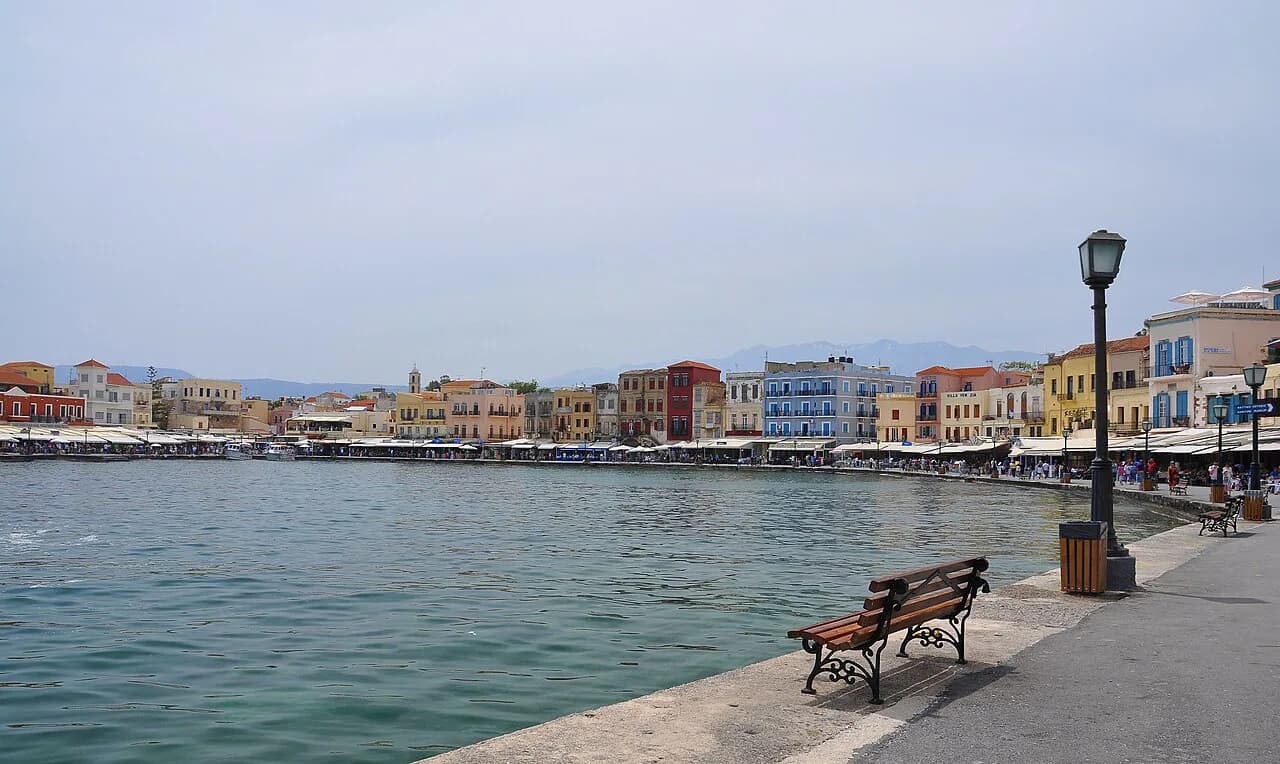
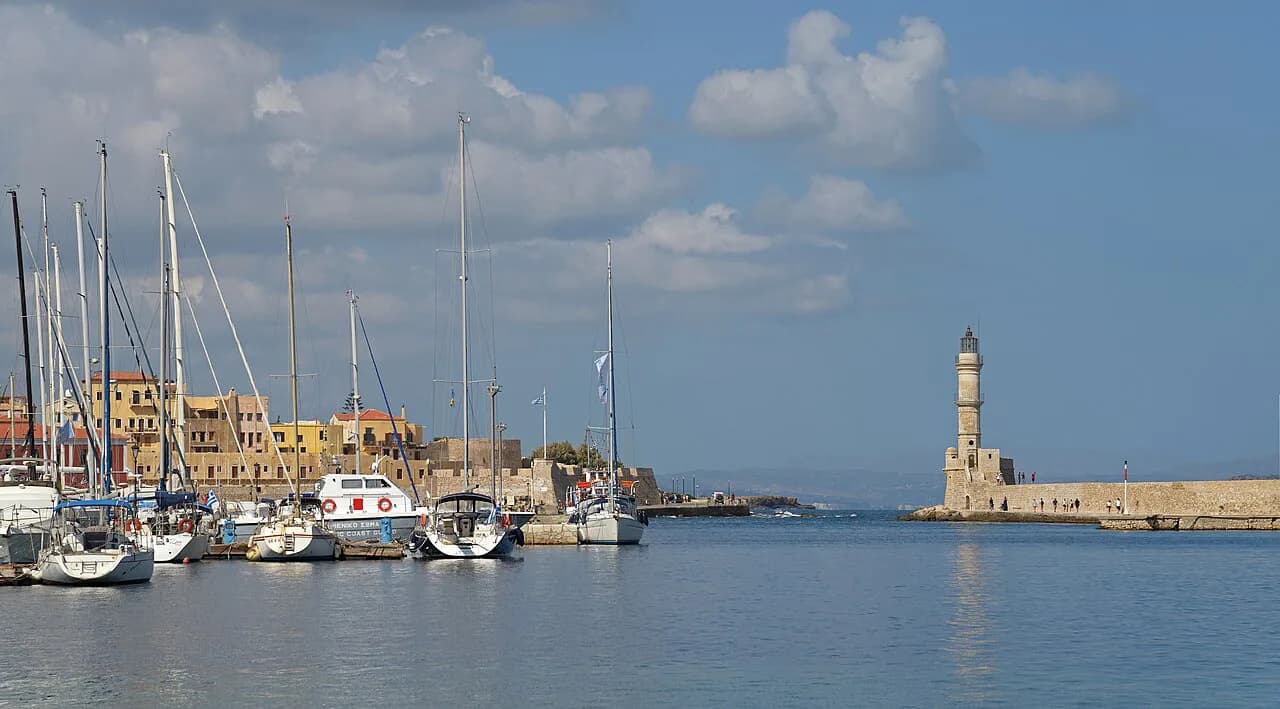
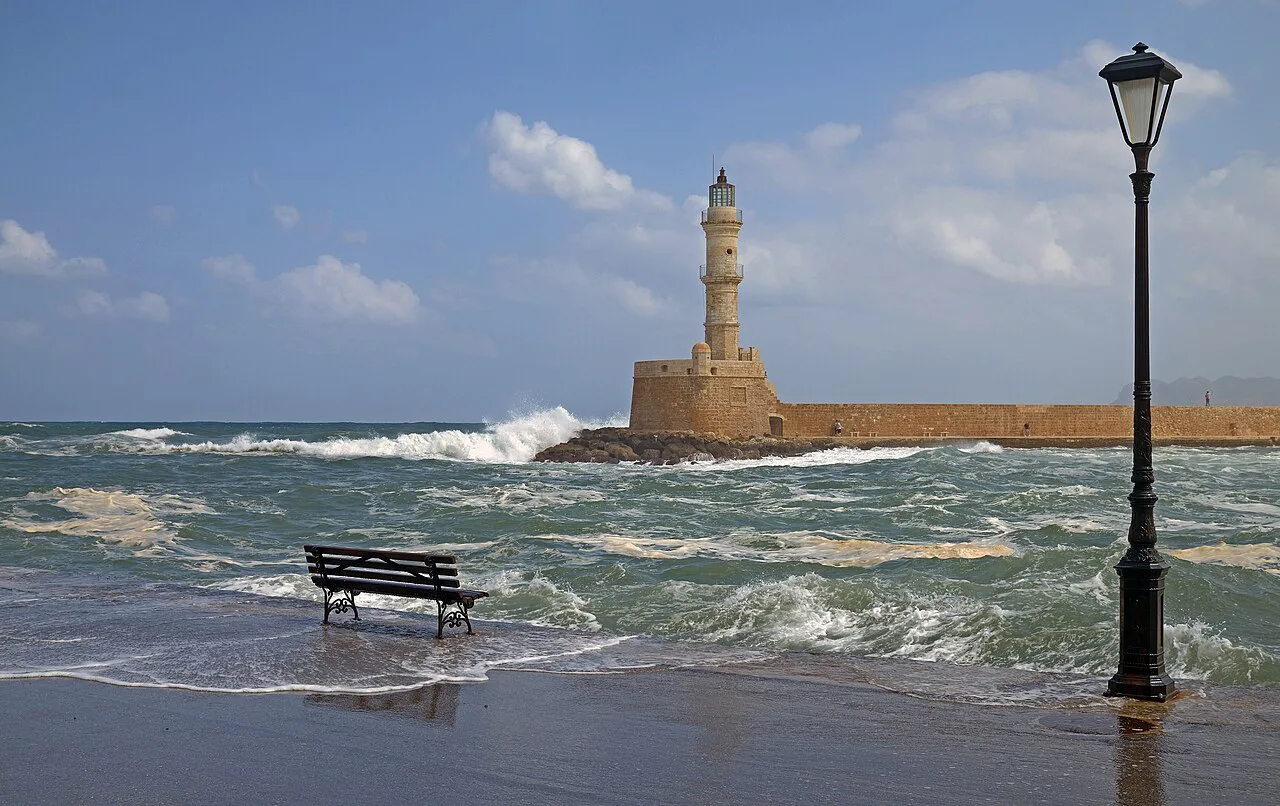
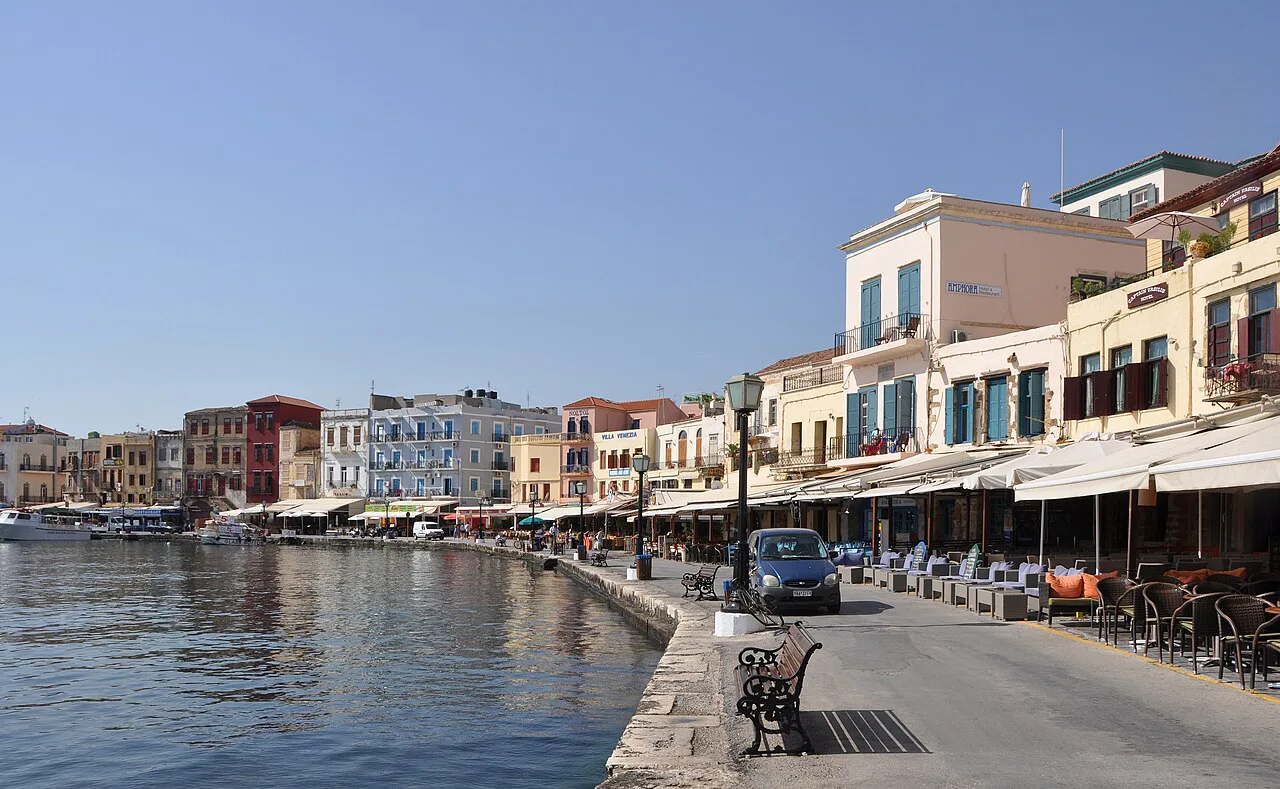
March is the island at its greenest, with the White Mountains still holding snow and the lower slopes running with water. Days are mild rather than hot, and the light on the Venetian harbour fronts at Chania and Rethymno is excellent for photography without summer glare. Reliable monthly normals for Heraklion in March are not part of the figures used here, so plan for changeable conditions rather than a fixed temperature.
Think of March as a sightseeing month with short days and a good chance of rain. Coastal tavernas in the smaller resorts often run on reduced hours before the season builds, and mountain villages can feel very quiet. It is a fine month for archaeology, food and driving, and a poor one for anyone hoping to lie on a beach.
Weather in April: warm days, cool sea, few crowds
April is the first month when Crete feels like a spring holiday rather than a gamble. Expect average highs around 20.3°C (68.5°F) and nights near 12.3°C (54.1°F), with roughly 7.7 rain days in the month. Days are pleasant in a jacket or light layer; evenings near the coast are cool enough to want a jumper.
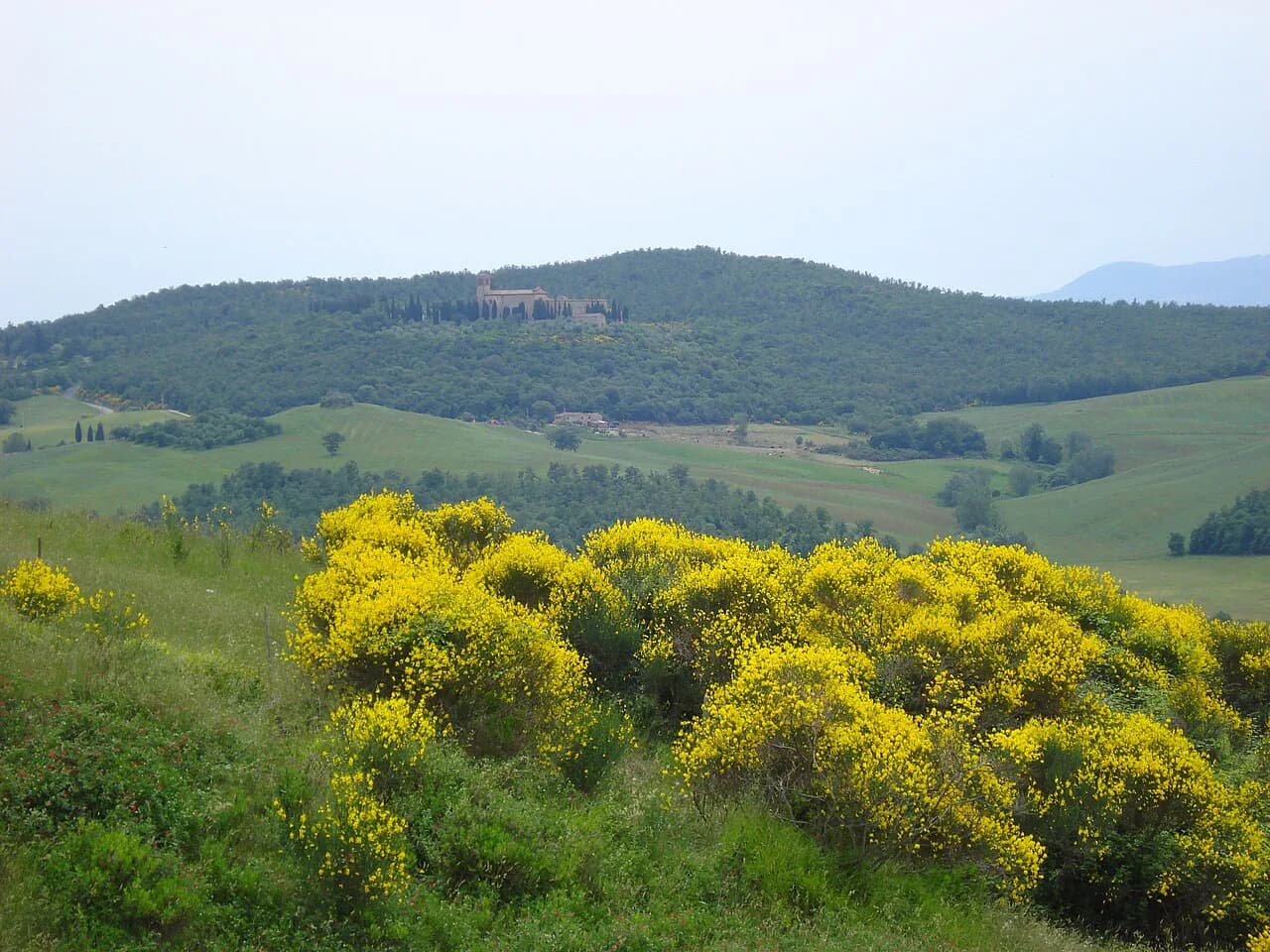
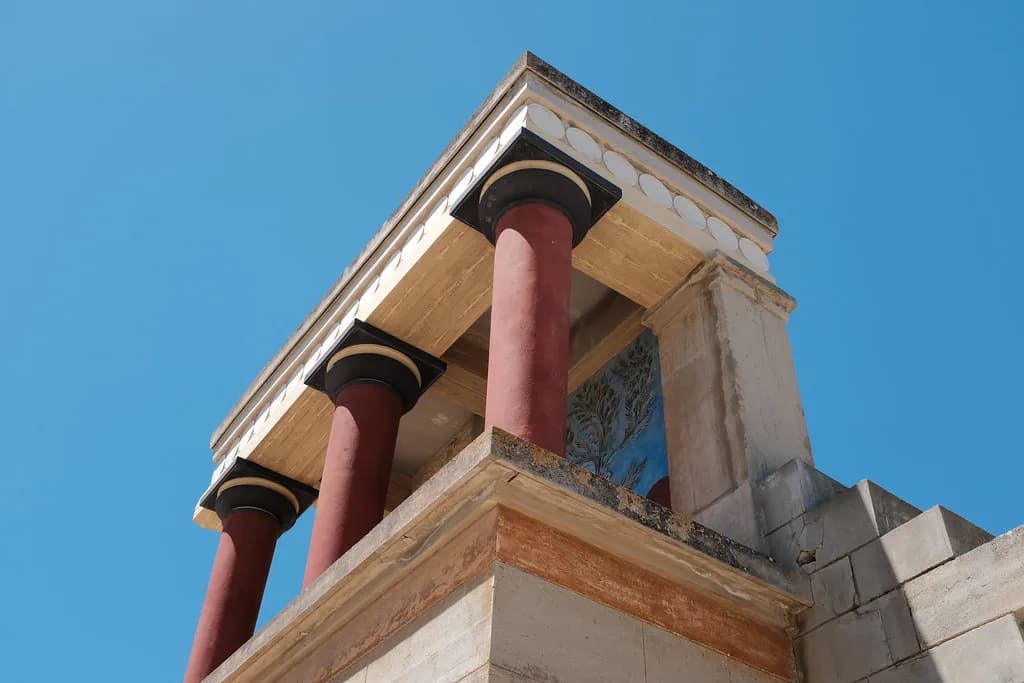
The sea lags well behind the air, so April is a month for walking the coast rather than swimming it. Wildflowers are out, the countryside is lush, and archaeological sites such as Knossos are far calmer than in high summer. This is the month for travellers who want the island without the heat or the queues.
Late April is warmer and busier than early April, and Easter can pull Greek visitors to the main towns. Book the popular sites for the morning and keep a flex day for a wet spell. For a fuller picture of the month, our guide to Crete in April covers where to head when the weather turns.
Weather in May: the sweet spot for walking and sightseeing
May is the best-balanced month of the Cretan spring. Average highs reach 23.9°C (75°F) and nights 15.6°C (60.1°F), and rain days drop to about 4.4 with 14.2 mm across the month. That is warm enough for a full day on foot and cool enough to climb to a hill village without suffering.
This is the month for the big walks and the long drives. The Samaria Gorge and the high country around Omalos come into their own, and the south-coast villages such as Sougia and Loutro are pleasant for a slow afternoon. In the east, Agios Nikolaos and the causeway at Elounda, with Spinalonga offshore, make an easy day out.
The sea is still cool in May but no longer punishing, and the beach clubs and boat operators are getting into their stride. Coastal tavernas are open and the food is at its spring best: wild greens, fresh cheese and the first tomatoes. Expect more British and German visitors in the second half of the month.
Weather in June: reliably warm and busier
June is the month when spring hands over to summer. Heraklion averages 27.5°C (81.5°F) by day and 19.7°C (67.5°F) at night, with only about 1.3 rain days and 3.5 mm of rain. Days are long, the sea has warmed, and outdoor dinners stop needing a jacket.
The trade-off is heat and company. Inland sites like Knossos and the Archaeological Museum in Heraklion are best done early, before the middle of the day. Beaches fill on weekends, and the last week of June starts to feel like July, especially on the north coast.
June suits families and beach-focused trips, and it is the first month when the sea invites a proper swim. If you want the warmth without the peak-season crush, the first half of June is the compromise. For a month-by-month comparison of the whole island year, see the best time to visit Crete.
Early vs late month: what shifts through spring
The change within each month is mostly about warmth and people, not opening hours. Early April can still deliver cold snaps and wet days; late April usually brings settled, mild weather and the first busy weekends. Early May is quiet and green, while late May begins to feel like early summer.
By June the shift is more pronounced. Early June has long, warm days with room to move at the major sites; late June brings school-holiday energy, hotter afternoons and fuller beaches. If your dates are fixed, plan the heavy sightseeing for the start of the trip and keep the coast for later.
How spring compares with the months either side
March is cooler, wetter and quieter than April, with the mountains still snowy and the coast half asleep. July and August are far hotter, drier and busier, with the interior uncomfortable in the afternoon. Spring sits in the middle: enough warmth for comfort, enough rain to keep the landscape green, and far fewer people.
The practical comparison is this: April and May give you the island for walking and ruins, June gives you the island for the sea. If you want neither cold evenings nor peak heat, May is the month that lands between them.
What is open: ferries, gorges, sites and tavernas
The main archaeological sites and museums, including Knossos and the Heraklion Archaeological Museum, run year-round and are busiest in summer. Smaller sites and rural tavernas often keep reduced winter hours into early spring and extend them as the season builds. Rather than assume, check the official site or operator for the day you plan to visit.
Boat trips and ferries follow the season too. Services to Spinalonga from Plaka and Elounda, and coastal excursions along the south coast, tend to gather pace as spring advances. The gorges, including Samaria, are seasonal mountain routes and are usually walkable later in spring than in March, so check the Samaria gorge opening dates and boat schedules before building a day around one.
None of this comes with fixed dates you can rely on from a guidebook. Operators publish their own start and end dates, and these shift with the weather and with demand. Pick the operator first, then plan the rest of the day around it.
Things to do in March and April
Early spring is for the interior and the towns. Walk the Venetian lanes of Chania and Rethymno, visit the market in Chania for cheese, olives and greens, and take a cooking class built around the spring larder. Drive up to the Lasithi plateau for the windmills and the quiet villages, where the air is cooler than on the coast.
In April the wildflowers make the foothills worth a day on foot, and the smaller gorges, such as Agia Irini near Chania, are fine low-commitment walks. The south-coast village of Sougia is a good lunch stop after a morning in the White Mountains. If the weather turns, head indoors to the museums in Heraklion.
There is plenty more in our guide to things to do in Crete in April, from the archaeological sites to the wineries. Just keep the sea out of your plans for swimming and treat the beach as a place to sit rather than to bathe.
Things to do in May and June
May is the month for the long walks and the big views. The Samaria Gorge is the classic, but the plateau at Omalos and the paths above Sougia give you the same high country with fewer people. In the east, the boat to Spinalonga from Plaka and a wander through Agios Nikolaos and the village of Kritsa fill an easy day.
June shifts the emphasis to the water and the coast. Elafonisi in the far west, the palm beach at Vai in the east, and the calm bays around Loutro are the obvious draws. Inland, Knossos and the Heraklion Archaeological Museum are still worth the morning, but start early before the heat builds.
Food follows the same curve: spring greens and lamb in April and May, then tomatoes, aubergines and grilled fish as the summer arrives. Look for dakos, kalitsounia and the local raki wherever you stop. Our guide to things to do in Crete in May goes deeper on the walking side.
Crowds and prices in words
March and early April are the quietest weeks of the spring. Late April, May bank holidays and half term bring a noticeable lift, especially in Chania and around the main archaeological sites. June is busier again, and the last week starts to look like high season.
Spring prices sit below summer levels across the board, with the best value in March and early April and the gap narrowing through June. Flight prices from the UK rise around school breaks and the late-May half term. Compare fares across a few weeks rather than a single date, and book accommodation early for the May bank holiday weekends.
Honest drawbacks: wind, rain spells, cold sea, cool evenings
April can be windy, particularly on the south coast and in the mountain passes. Rain arrives as short, heavy spells rather than all-day drizzle, but a week in April can include two or three wet days. Evenings near the coast are cool enough to need a layer from sunset.
The sea is the biggest compromise. It stays cold well into May and only becomes properly inviting in June. High-country walks and the gorges can be closed or unsuitable early in the season, so check before you set out. And in June the heat builds quickly inland, which makes midday hiking a poor idea.
April or May? Choosing between the two best spring months
Choose April if you want the quietest version of the island, the greenest landscape and the best value, and if you are happy to sightsee, walk and eat rather than swim. Choose May if you want warmer days, a better chance of dry weather and access to the high-country walks, and you can accept more people and higher prices.
For a first trip built around ruins, food and scenery, May is the stronger bet. For a repeat visit or a slow week in the towns, April is quieter and cheaper. Families should lean toward June, when the sea and the evenings both work.
The verdict
May is the best all-round month for a spring trip to Crete. The days average 23.9°C (75°F), rain is limited to about 4.4 days, and the walking, the archaeology and the tavernas are all at their best. April suits the traveller who values quiet and value over warmth, and June suits anyone whose trip revolves around the sea.
Whichever month you choose, build the trip around the island's strengths rather than around the beach. If you are still comparing destinations, look at where is hot in April and our wider Greece in April guide before you book.
Plan Your Spring Trip to Crete
Start with the month, then the base. May gives you the widest range of options, April gives you the calmest version of the island, and June gives you the warmest sea. Fly into Heraklion for the east and centre, or Chania for the west and the big walks.
Book the long walks and the boat trips with named operators once your dates are fixed, and leave room in the plan for a wet day. If spring weather in Crete is part of a wider trip, compare the Greek islands before you commit to a single base.
More Crete spring guides
Frequently Asked Questions
Is Crete warm in spring?
Yes, from April onward. Heraklion averages about 20.3°C (68.5°F) by day in April and 23.9°C (75°F) in May, rising to 27.5°C (81.5°F) in June. Nights are cooler, particularly in April, and rain is more likely early in the season.
What is the best month to visit Crete?
May is the best all-round month for most trips. The days are warm without being hot, rain days fall to about four, and the walking, archaeological sites and tavernas are all running. June suits beach-focused trips, and April suits travellers who want quiet and value.
Does it rain in Crete in April?
April averages about 7.7 rain days, with roughly 28.5 mm across the month. The rain tends to arrive as short spells rather than steady all-day downpours. By May it drops to about 4.4 rain days, and June is largely dry.
Is the sea warm enough to swim in Crete in spring?
Not comfortably in April, and only marginally in May. The sea warms more slowly than the air, so the water becomes properly inviting in June. April and May are better for coastal walks, boat trips and sitting on the beach than for swimming.
Is May a good time to visit Crete?
Yes, May is the strongest spring month. Average highs reach 23.9°C (75°F), nights are around 15.6°C (60.1°F), and rain is limited. The high-country walks are at their best and the coast is open without feeling crowded.
Is spring in Crete busy?
March and early April are quiet. Late April, May bank holidays and half term bring more visitors, and June gets busier again, particularly in the last week. Outside those peaks, the main sites and towns are noticeably calmer than in summer.
Should I choose April or May for a spring trip to Crete?
Pick April for the quietest, greenest and best-value version of the island, accepting cool evenings and a cold sea. Pick May for warmer days, more reliable dry weather and access to the gorges and mountain walks, with more people and higher prices.
Sources
Spring sun notes
Optional updates when we add destinations and months.
You might also like
Continue reading
More guides you'll find useful