Things to Do in Crete in June: Weather, Walks and Days Out
June brings Crete hot, dry days and warm seas before the July crowds. Here are the best things to do, from Samaria Gorge to Spinalonga and the Vai palm forest.
On this page
June is one of the best months to be in Crete if you want dependable sun, a sea you can actually get into and sights that have not yet hit their July queues. Days are typically hot and dry, the water has warmed through, and the island is busy without being overwhelmed. The trade-off is a sun that gets serious by late morning, so the month rewards early starts rather than long lunches followed by ruins.
Why June suits Crete
June sits in the sweet spot between a spring that can still turn showery and the hard heat of high summer. The island is largely dry, sunshine hours are long, and the meltemi wind that defines July and August has not yet settled into its full strength. That combination makes it a month for both sightseeing and outdoor days rather than a beach-only holiday.
The main advantage over July and August is pace. Popular sites such as Knossos and Spinalonga can still be visited without the peak-season crush, and roads and tavernas feel relaxed. If your trip is built around walking, ruins and boat trips, June delivers those with more comfort than the months either side.
How warm June is
Typical June conditions in Crete run to daytime highs of about 25°C to 30°C (77°F to 86°F), with nights around 18°C to 22°C (64°F to 72°F). Rainfall is minimal, under about 10mm across the month, and the sea sits around 22°C to 24°C (72°F to 75°F), which is warm enough for a proper swim, according to seasonal guides to Crete in June [link]. These are climate norms rather than forecasts, so expect individual days to run hotter or cooler. For the practical details, see the crete in june.
That range suits most people: warm enough for evenings outdoors, not so hot that a mid-morning walk becomes a chore. It is the sea temperature that changes the trip most, turning swimming from a quick plunge into something you linger over. If you want cooler walking weather and emptier trails, read our guide to Crete in May, when the hills are still green and the season has barely opened.
Early June vs late June
Early June behaves like a warm extension of late spring. Days are comfortably hot rather than fierce, the countryside still carries some green, and the sea has just reached the point where most people are happy to swim. It is the better window if you plan to hike or spend whole afternoons at archaeological sites.
By late June the heat is building towards July, and exposed sites such as Knossos and Gortyna become genuinely draining in the middle of the day. That is when the pattern shifts to early-morning sightseeing, a long shaded lunch and a late-afternoon swim. Family-friendly beaches and the bigger resorts pick up noticeably as the month ends and the holiday season arrives.
Hiking before the heat: Samaria Gorge and the White Mountains
The Samaria Gorge walk through the White Mountains is one of Crete's defining days out, a long 16km descent that starts high at Xyloskalo, at 1,230m, and finishes near Agia Roumeli on the south coast. It is roughly a six-hour walk, so June is best treated as a start-at-first-light outing rather than something to begin late. The cooler upper section and the shade in the gorge make the early hours far more comfortable than midday. Pair it with a night in Agia Roumeli or a planned transfer out, because finishing in the afternoon heat with a tired pair of legs is the part people underestimate.
Beyond Samaria, the White Mountains offer shorter walks and village-based rambles that suit June better than a full-day gorge descent. Higher routes stay cooler, and the kri-kri goats are a realistic spot on quieter paths. If a full gorge crossing feels like too much in the heat, use the month for shorter mountain walks and save the big descent for a cooler season such as April. Our guide to where is warm in Europe in April covers this in depth.
Knossos and Heraklion's Archaeological Museum
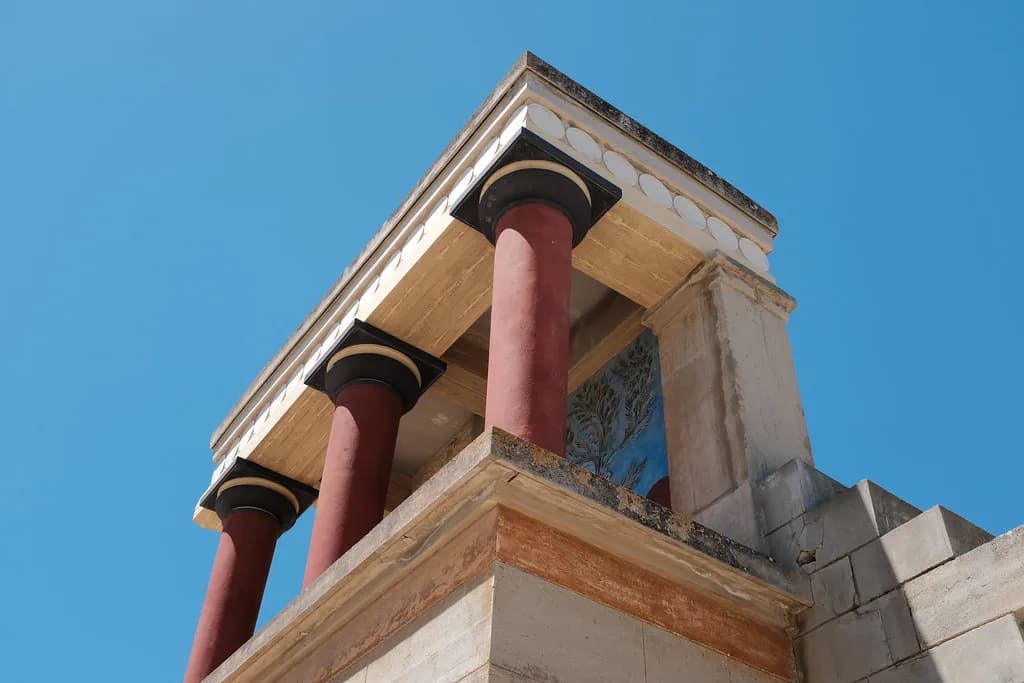
Knossos, just outside Heraklion, is the island's headline ancient site and the centre of Minoan civilisation. In June the sensible approach is to arrive at opening time, walk the palace while it is still cool, then retreat to the shade of the Heraklion Archaeological Museum for the middle of the day. The museum holds the Minoan finds that make the ruins legible, so doing both in one day is more rewarding than either alone.
Because the palace is largely exposed, with little shade across the Throne Room and the reconstructed upper levels, the heat is the limiting factor rather than the crowds. Late June afternoons at Knossos are the least pleasant part of the day, so treat a morning slot as the plan rather than an option. Those wanting cooler conditions and thinner queues should look at May instead.
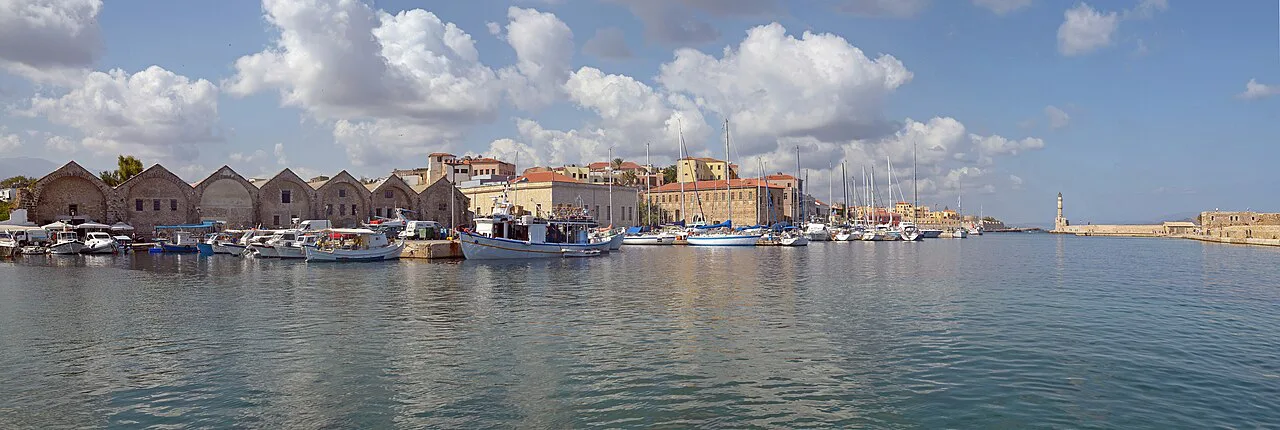
Chania's old town and Venetian port
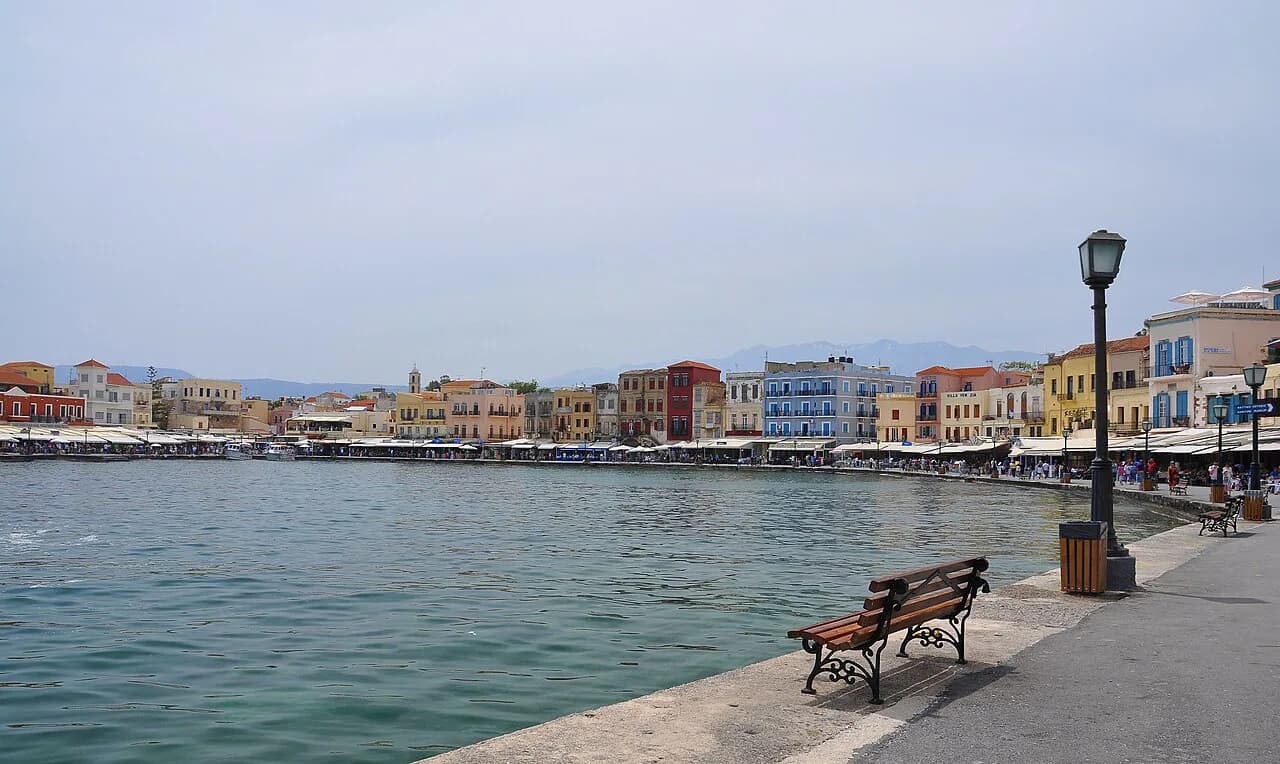
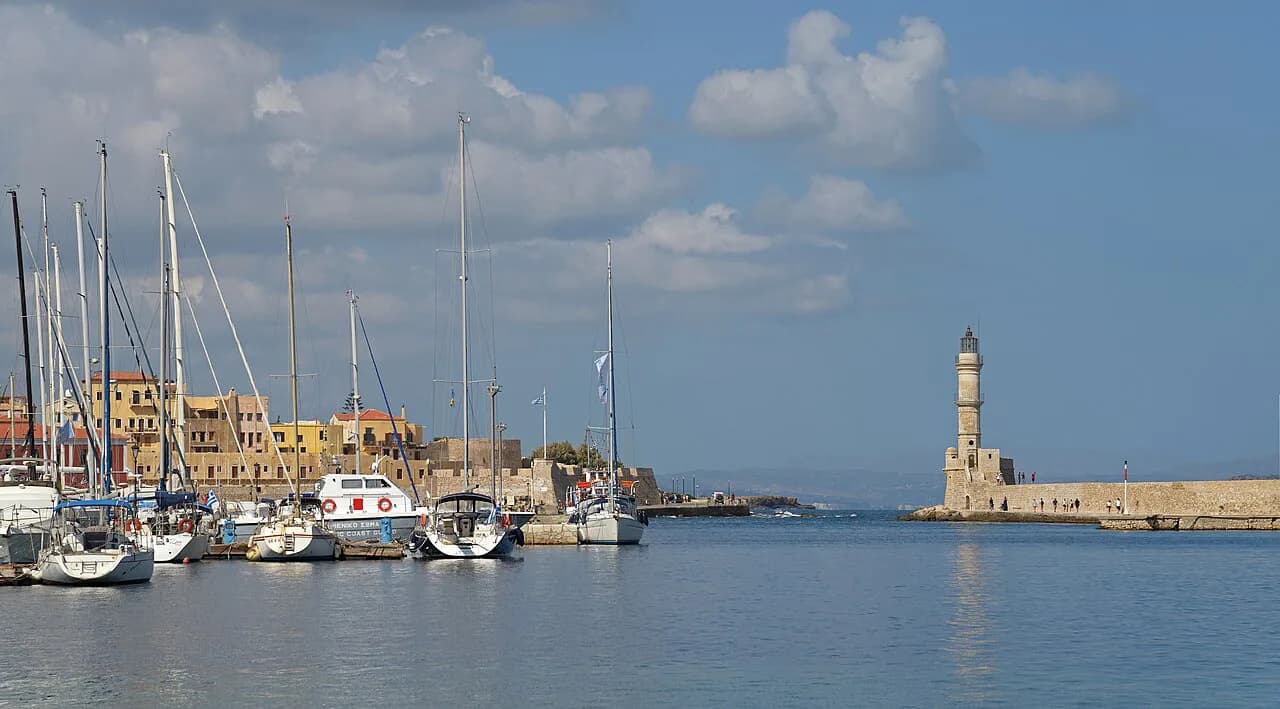
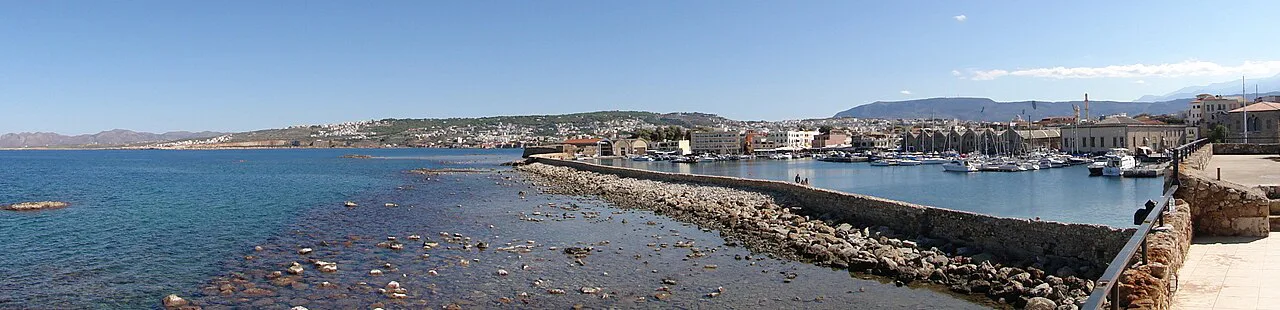
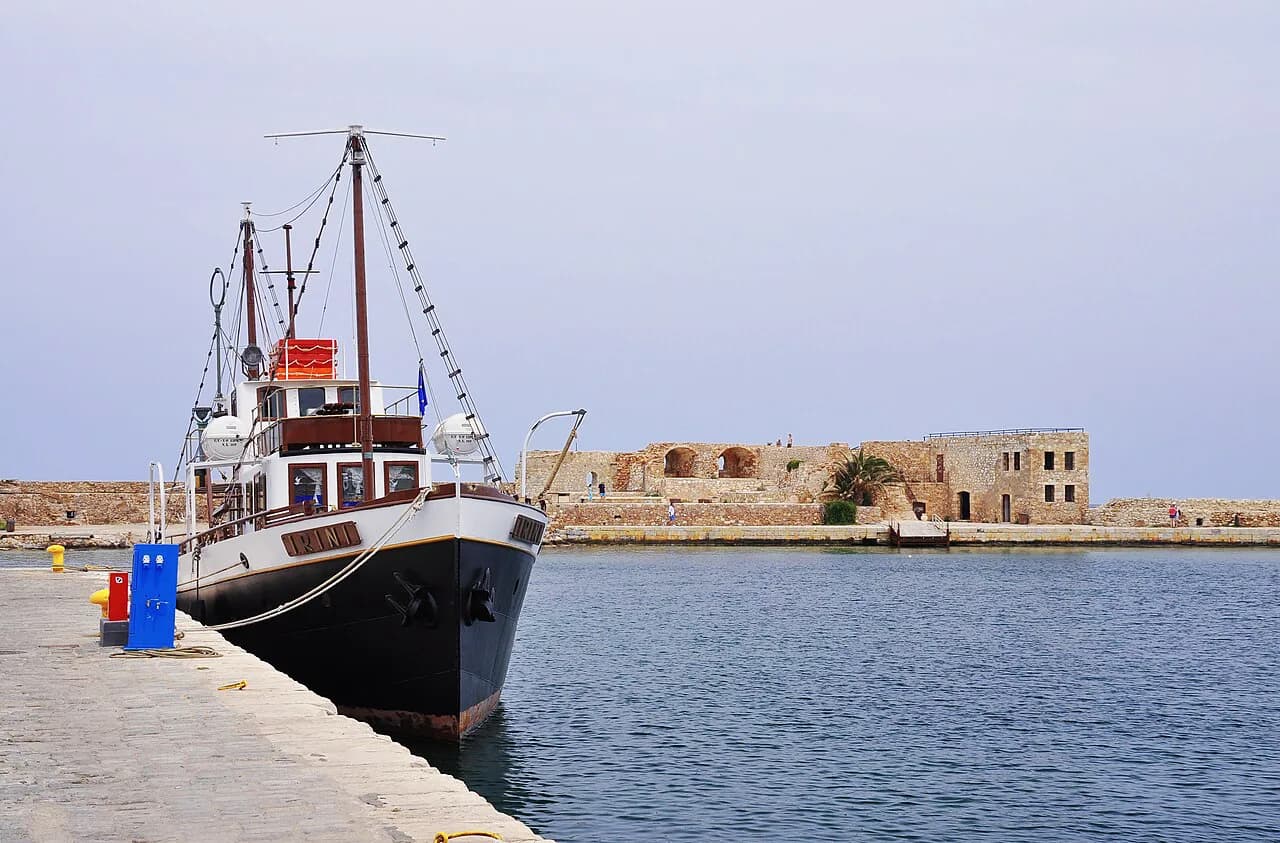
Chania's old town is the most atmospheric urban base on the island, a tangle of Venetian, Ottoman and Cretan layers wrapped around a working harbour. In June the pleasure is the evening: a stroll along the Venetian port as the light softens, then seafood in one of the lanes behind it. The alleyways and covered market also give you a genuine escape from the afternoon sun.
Chania is also the most rewarding place to look at contemporary Cretan craft. Independent studios and galleries around the old town sell ceramics and pottery made by local artists, which makes for better souvenirs than the harbour-front shops. Allow a slow half-day for this rather than squeezing it between beach trips.
Rethymno and the Venetian harbour
Rethymno is the gentler counterpoint to Chania: a Venetian harbour, a fortress above the town and a compact old quarter of wooden balconies and narrow streets. In June it works well as an evening destination, when the harbour fills with people eating late and the heat has gone out of the stone. It also makes a practical base between Chania and Heraklion.
Art is a reasonable excuse to linger here. Rethymno has small independent galleries alongside the usual craft shops, and the old town rewards wandering without a fixed route. Combine a gallery visit with a late harbour dinner rather than treating Rethymno as a quick photo stop.
Beaches worth the June trip
Elafonissi, on the far south-west, is the beach most people come for: pink-tinged sand, shallow turquoise water and a lagoon-like feel. June is a far better time to see it than high summer, when it is genuinely mobbed. Balos Lagoon and Falassarna on the west coast offer similarly dramatic scenery, though Balos usually involves a boat or a rough access track.
In eastern Crete, Vai is the other standout, a long sandy sweep backed by a palm forest in the Sitia Geopark. It has a distinctly different feel from the west-coast beaches and stays quieter than the big names. June is a good month to combine it with a day exploring the far east rather than crossing the island for a single swim.
Boat trips and the Gulf of Elounda: Spinalonga and Hora Sfakion
Boat trips are one of June's best uses: the sea is warm, the wind is usually gentle and operators are running regular schedules before the peak-season pressure. Spinalonga, the former leper colony in the Gulf of Elounda, is the most rewarding destination, a small island with a heavy history that repays a guided visit. Hora Sfakion, a sleepy harbour village on the south coast, works well as a boat-trip base and a place to eat by the water afterwards.
The alternative to a formal tour is simply to use the boat as transport along the coast, hopping off at beaches that are awkward to reach by road. June's calmer water makes that far more reliable than in windier months. Book through your accommodation or the harbour operators in Elounda or Chora Sfakion once you arrive, and check current timetables and prices before you travel, as schedules shift with demand.
Eastern Crete: Sitia Geopark and the Lasithi Plateau
The east is where Crete thins out. The Sitia Geopark takes in wild coastline, caves and rock formations around Vai and the Zakros Mountains, and it sees a fraction of the traffic of the west. June is ideal for exploring it: hot enough for the sea, cool enough for driving and short walks.
Inland, the Lasithi Plateau is a different Crete again, a high plain of orchards and the old white-sailed windmills that appear on every postcard. It is noticeably cooler than the coast, which makes it a sensible choice for the hottest part of a late-June day. A circular drive with a long lunch is the right pace.
Food and wine: wineries, raki and Cretan cheeses
Cretan food is the reason many people return. Dakos, the barley rusk topped with tomato, mizithra and olive oil, appears everywhere and is the island's best simple lunch; myzithra and other local cheeses turn up on every menu; and the olive oil is genuinely among the best in Greece. June is a good month for it, with fresh summer produce in the tavernas and outdoor tables still pleasant in the evening.
Several wineries in the Heraklion and Chania regions run tours and tastings, with Manousakis, Douloufakis, Lyrarakis and Dourakis among the names to look for. Each works with local grape varieties, and the smaller estates are the more interesting visits. Raki is the island's other staple spirit; it is drunk with meals rather than saved for a festival, and the autumn distillation celebrations are not a June activity.
Artisan villages and crafts: Kritsa and Chania's ceramics studios
Kritsa, in the hills above Agios Nikolaos, is a traditional village known for lace-making, weaving and embroidery. It makes a worthwhile half-day in June: the altitude takes the edge off the heat, the olive groves around it are still green, and the craft shops sell work made locally rather than imported. Go early and combine it with a drive through the surrounding hills.
Chania is the other centre for craft, with independent ceramicists and artists whose studios sit among the old-town lanes. Buying directly from a maker is a better use of a June afternoon than another beach hour. Keep a little space in your bag for something fragile.
Roman Gortyna and the monastery of Arkadi
Gortyna, in the Messara plain south of Heraklion, was the Roman capital of Crete and holds a substantial spread of ruins, including baths, temples and the Basilica of Agios Titos. It is a large, mostly open site, so June visits belong in the morning or late afternoon. The site's Acropolis gives a commanding view from above and rewards the short climb.
The monastery of Arkadi, inland from Rethymno, is one of Crete's most important historic sites and an easy pairing with a day in the Rethymno area. Treat it as a place of worship rather than a photo stop, and dress accordingly. Combined with Gortyna it makes a full but manageable day away from the coast.
With kids in June
June is close to ideal for families. The sea is warm, the days are long and the main sights are not yet at peak capacity, so short attention spans are less of a problem. Elafonissi's shallow lagoon is the obvious choice for younger children, and boat trips to Spinalonga or along the coast break up beach days nicely.
The heat is the thing to plan around rather than fight. Morning sightseeing at Knossos or a village like Kritsa, a long shaded lunch, then a late-afternoon swim keeps everyone happier than a full day in the sun. Once the school holidays arrive at the end of June, family-friendly beaches get busier, so early June is the calmer window.
Crowds and prices in June
June is busy in the way a good month is busy: popular places fill up but you can still move. Crowds build through the month and rise as the school holidays approach, and the big-name beaches such as Elafonissi and Balos feel it first. Restaurants and harbours are lively rather than rammed.
Prices are generally below the July and August peak, though nobody should expect bargain rates by June. Package holidays and car hire are priced for the summer season rather than the shoulder, and the best value comes from booking early and staying flexible on dates.
June's drawbacks: heat building, the meltemi and the exposed south coast
The honest downside of June is the heat, especially late in the month. Exposed archaeological sites become uncomfortable by midday, and the combination of sun and stone at Knossos or Gortyna is draining even for people who like hot weather. Plan those for the morning and accept that afternoons belong to shade and water.
The meltemi wind, which strengthens in July and August, may begin to show in late June, mainly along the exposed east and south coasts. It can make some beaches uncomfortable and affect boat schedules, so build in a little slack if a boat trip is a priority. It also brings welcome relief on the hottest days.
June or May? June or September?
May is the better choice if walking and sightseeing matter more than swimming: cooler days, more green, and quieter trails. June wins if you want the sea warm enough to spend real time in it while the island is still short of its peak. The difference is a trade between comfort on land and comfort in the water. If you are still deciding more broadly, our guide to the best time to visit Crete sets out the seasons side by side, and where is warm in Europe in April covers earlier options elsewhere. Our guide to Crete in april covers this in depth.
September is June's closest rival: the sea is at its warmest, the grape harvest is in and the summer crowds have begun to thin. June has the edge on long days and the green landscape; September wins on water temperature and a calmer feel. Either is a better bet than July or August for anyone who wants to do more than lie on a beach.
The verdict
June is the month Crete starts to feel like the island people imagine: hot, bright, dry and swimmable, but still short of the high-summer crush. Base yourself in one region rather than trying to cover the island, start big sights and gorge walks early, and keep afternoons for the sea.
Pick early June for hiking and sightseeing, late June for the warmest water and liveliest evenings, and May or September if you want to trade some heat for thinner crowds. For paperwork on travelling from the UK, use the official UK government travel advice for Greece and leave it at that.
More Crete spring guides
Frequently Asked Questions
Is Crete worth visiting in June?
Yes, for most travellers it is one of the best months. Days are typically hot and dry, the sea has warmed to around 22°C to 24°C (72°F to 75°F), and crowds are still below the July and August peak. The trade-off is a sun that gets serious by midday, so plan mornings for ruins and walks.
Is it too hot in Crete in June?
Rarely too hot in early June, but late June can feel intense at exposed sites such as Knossos and Gortyna. Typical highs run from about 25°C to 30°C (77°F to 86°F). Shift sightseeing to the morning, take a long shaded lunch and swim in the late afternoon.
Can you swim in Crete in June?
Yes. The sea typically reaches around 22°C to 24°C (72°F to 75°F) in June, which is comfortable for most people, and the calmer conditions make boat trips and beach days more reliable than in windier months.
What are the best things to do in Crete in June?
Walk the Samaria Gorge early, see Knossos and the Heraklion Archaeological Museum in one morning, wander Chania's old town and Venetian port in the evening, take a boat to Spinalonga, and swim at Elafonissi or Vai. Inland, Gortyna, Kritsa, the Lasithi Plateau and the Sitia Geopark reward a day each.
Is June a good time to hike the Samaria Gorge?
It can be, provided you start at first light and allow for the roughly six-hour descent. June heat makes a late start unwise, and finishing at Agia Roumeli in the afternoon is far more comfortable with a planned transfer or an overnight stay.
Is Crete busy in June?
Busy but manageable. Crowds build through the month and rise once Greek school holidays begin in late June, with Elafonissi, Balos and the main archaeological sites feeling it first. Early June is the calmer window.
Sources
Spring sun notes
Optional updates when we add destinations and months.
You might also like
Continue reading
More guides you'll find useful