Best Time to Visit Tenerife: Month-by-Month Weather and Trade-offs
May and June are the best months to visit Tenerife for warm, sunny days before the summer crowds. Here is how each month of the year really compares.
On this page
May and June are the best months to visit Tenerife for most travellers: warm, sunny days on the south coast, very little rain, and none of the July and August crush. If you want the island at its most comfortable for walking, sightseeing and long lunches outdoors, aim for that window.
The trade-off is the sea, which stays cooler than the air through spring, and the north of the island, which is greener, cloudier and a few degrees cooler than the resorts around Costa Adeje and Los Cristianos. Pick your month and your coast together, because the same week can feel like two different islands.
What the Weather Is Actually Like
The reliable numbers come from Tenerife South Airport, the island's main climate station, which published averages for 1981 to 2010. In April the average daytime high is 23.1°C (74°F) and the average night-time low 16.0°C (61°F), with 219 hours of sunshine across the month and only 1.1 days of rain.
May lifts the average high to 23.9°C (75°F) and the low to 17.0°C (63°F), with 246 hours of sunshine and virtually no rain. June reaches 25.4°C (78°F) by day and 18.8°C (66°F) at night, and the month is effectively dry.
Read those figures as typical conditions rather than a forecast, and note that they come from an airport on the arid south coast at low altitude. The north coast and the hills above Puerto de la Cruz run cooler and cloudier, while Teide's summit sits in a different climate altogether.
Is It Warm Enough?
For sightseeing, coastal walking, outdoor lunches and sitting by a pool, yes: a 23°C to 25°C afternoon is comfortable rather than hot, and the low humidity of the south coast makes it feel easier than the same temperature in Britain. Families with small children usually find spring kinder than high summer.
If your priority is lying on a beach in heat or swimming in genuinely warm water, wait until July or later, when air and sea both climb. Spring on Tenerife rewards people who want to be active outdoors rather than baked.
Anyone chasing reliably hot weather in April should compare the island with warmer corners of the Mediterranean before booking; our guide to where is warm in Europe in April sets out the alternatives.
April: Spring Warmth, Easter Crowds and a Cooler Sea
April is a genuinely pleasant month: warm afternoons, long sunny spells and only occasional rain days on the south coast. Days are noticeably longer than in March, which makes it a good month for combining a morning walk with an afternoon on a terrace.
The drawback is the sea, which warms more slowly than the air and still feels bracing in April. It is fine for a quick dip on a still, sunny afternoon; it is not the month for long sessions in the water.
Crowds and prices rise around Easter, when Spanish and British school holidays overlap, then fall away sharply afterwards. Late April is therefore noticeably quieter and better value than the first half of the month. Lonely Planet notes that prices spike around Easter and that May is lovely and often overlooked, which matches the pattern.
May: The Sweet Spot for Walking, Sightseeing and Outdoors
May is the month to choose if you want Tenerife without compromises: 23.9°C (75°F) average highs, almost no rain, and enough daylight for a full day out. It is warm enough to eat outside in the evening and cool enough to climb, and it is one of the cheapest months of the year for flights, hotels and car hire.
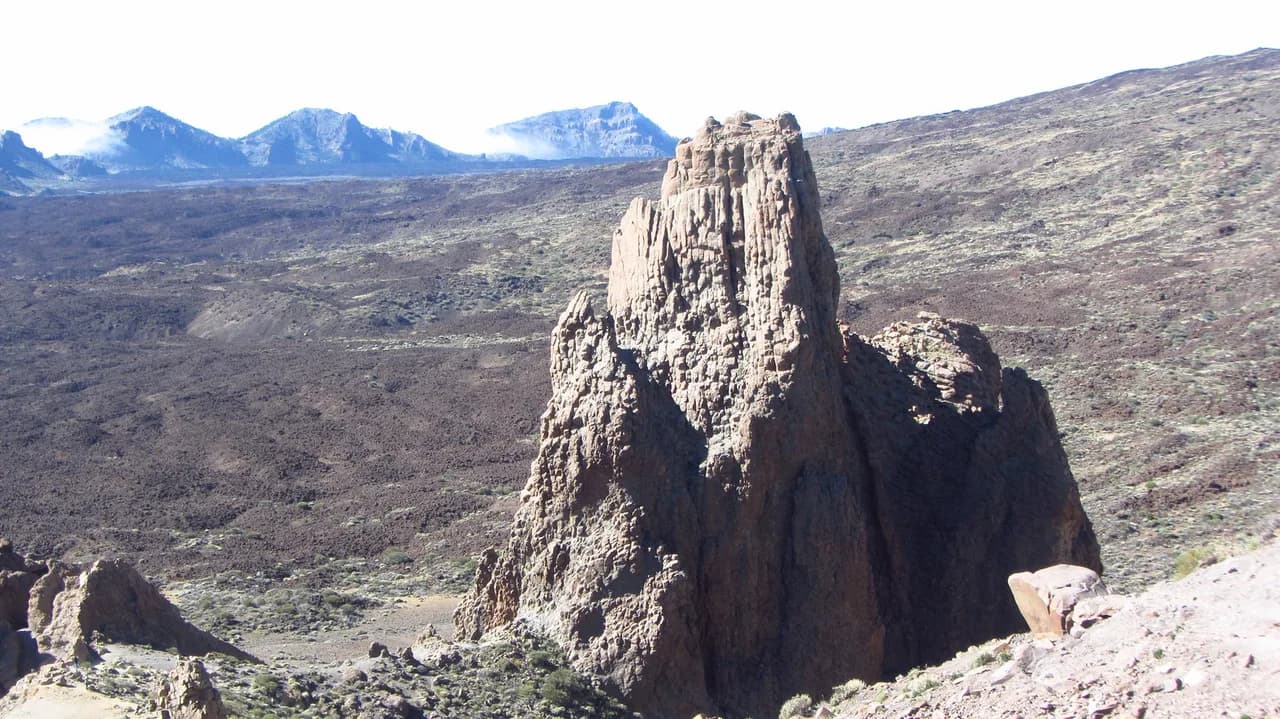
This is the month for the Anaga hills above Santa Cruz, where laurel forest and ridge paths stay cool and often misty, and for the Teide slopes, where the red tajinaste flower is at its best. Walk early: cloud often builds in the north through the afternoon.
May is also one of the quieter months of the year outside local holidays, and accommodation and car hire are generally easier and cheaper than in high summer. Holiday Hypermarket gives south Tenerife figures of around 22°C in May against 21°C in the north, underlining the coastal split.
Across the archipelago the same pattern holds, with warm days and light winds before the summer trade winds strengthen; our guide to the Canary Islands in May compares the islands week by week. In Tenerife that makes May the month to book the walking and the long lunches into the same trip.
June: Heat Builds and the Season Swings Into Gear
June raises the average high to 25.4°C (78°F) and brings long, reliably sunny days with essentially no rain on the south coast. It is the month when beach clubs, boat operators and resort restaurants move into full summer operation.
The catch is that June brings the start of summer season, and the south coast begins to feel busier. Inland and in the north the heat is milder, which makes June a good compromise for mixed walking and beach days.
If you are comparing islands for an early-summer trip, our guide to the Canary Islands in June explains how Tenerife's climate differs from its neighbours.
North vs South: Why the Same Month Feels Different
Tenerife's north coast, around Puerto de la Cruz and La Orotava, catches the trade winds and is greener, cloudier and cooler than the resorts of the south. In spring this is a feature, not a fault: the north is best for gardens, old towns and walking, while the south is best for sun.
Plan your days with that split in mind. If you are based in the south, save Puerto de la Cruz, La Orotava and the Anaga hills for days when cloud over the coast is no loss; if you are based in the north, a short drive south usually finds sun.
July and August: Hot, Busy and Peak Season
High summer brings the hottest and driest conditions of the year, along with the biggest crowds and highest prices. Expect coastal temperatures to climb well above the spring averages and the south coast resorts to be at their fullest.
That suits families tied to school holidays and anyone who wants guaranteed sun and warm water. It does not suit walkers or sightseers: the heat makes lower-altitude trails unpleasant from mid-morning, and popular viewpoints are crowded.
September and October: Warm Sea, Quieter Resorts, Better Value
September and October often feel like the best-kept secret of the Tenerife year: the sea has finally warmed, the summer crowds have thinned and the weather remains settled. It is the mirror image of May, with warmer water and marginally higher air temperatures.
October can bring rain spells, more so in the north than the south, but the month still delivers plenty of sunny days. If you want swimming without peak-season prices, this is the strongest window.
November to February: Winter Sun and the Case for the South
Winter is Tenerife's winter-sun season, when northern Europeans arrive for mild days at the coast while the mountains and Teide can be genuinely cold. Conditions can be windy, and occasional calima, the dusty haze blown in from the Sahara, affects visibility and air quality.
The south coast is the safer bet for sunshine in these months, and the resorts are at their busiest around Christmas and in February. Walking is excellent at lower altitudes, with cooler conditions making long days on the trail comfortable.
March: The Least Reliable Month of Spring
March is the month to treat with caution. It often brings wind, cloud and rain, and the weather can be changeable enough to spoil a short beach-focused break. On the south coast you can still find good days, but they are less dependable than in April or May.
If your dates are flexible, April or May is the better spring choice: warmer, sunnier and more settled. For an island-wide view of what spring offers in the archipelago, compare with the Canary Islands in April and decide whether Tenerife or a drier neighbour suits you.
Crowds and Prices Through the Year
Crowds follow the school calendar rather than the weather. Easter, May half-term, the last two weeks of July and much of August, Christmas and February all push up demand; late April, May, June before the holidays, and September are calmer.
On prices, treat the pattern rather than the figure as your guide: late spring and September are generally the cheapest periods for accommodation and car hire, while Christmas and February are the most expensive. Lodging and car-hire quotes vary by week, so compare dates directly rather than assuming.
When to Go for Walking, Teide and the Anaga Hills
Late spring is the best window for walking: May and June give you long days, dry trails and comfortable temperatures, with the added bonus of the red tajinaste on the Teide slopes in May. The Anaga hills in the north-east are at their most atmospheric in spring, when cloud and mist soften the laurel forest.
In summer, shift your hiking to the north and to forest trails such as Las Lagunetas, where it stays cooler, and walk early. In winter, coastal and lower-altitude trails in the south are at their best.
Tenerife or Elsewhere in the Canaries in Spring?
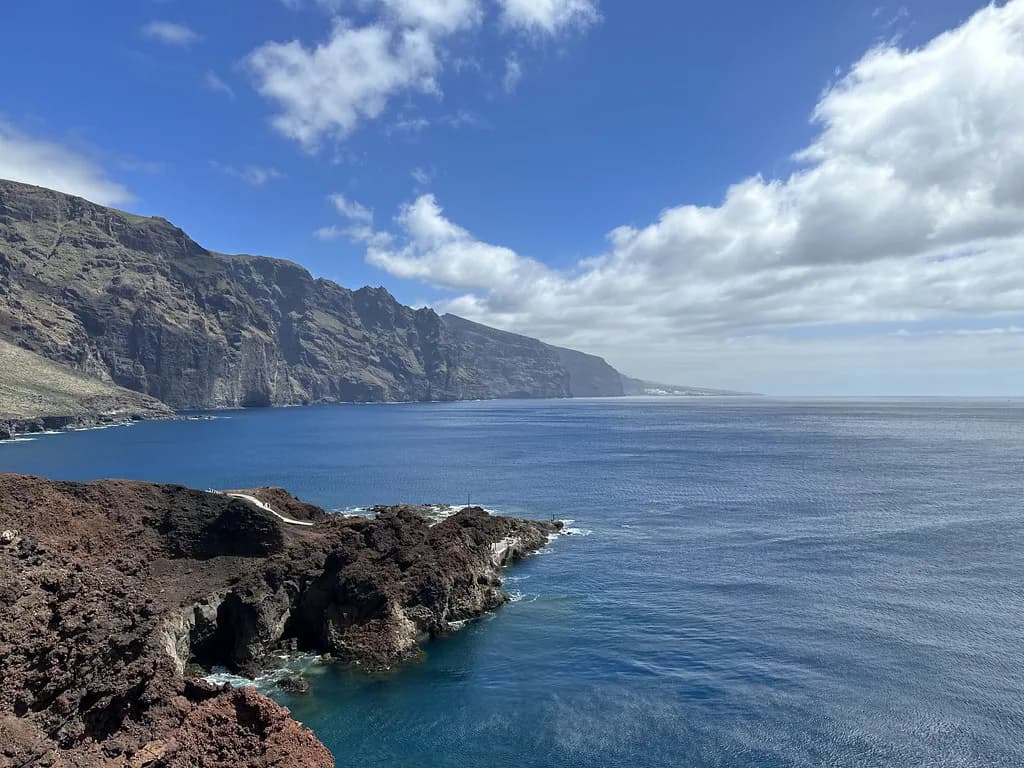
Tenerife offers the widest range of landscapes in the archipelago: high Teide, the Anaga forest, black-sand coves in the north and the long sunny south coast. That variety is its advantage in spring, when the north and south offer genuinely different days out.
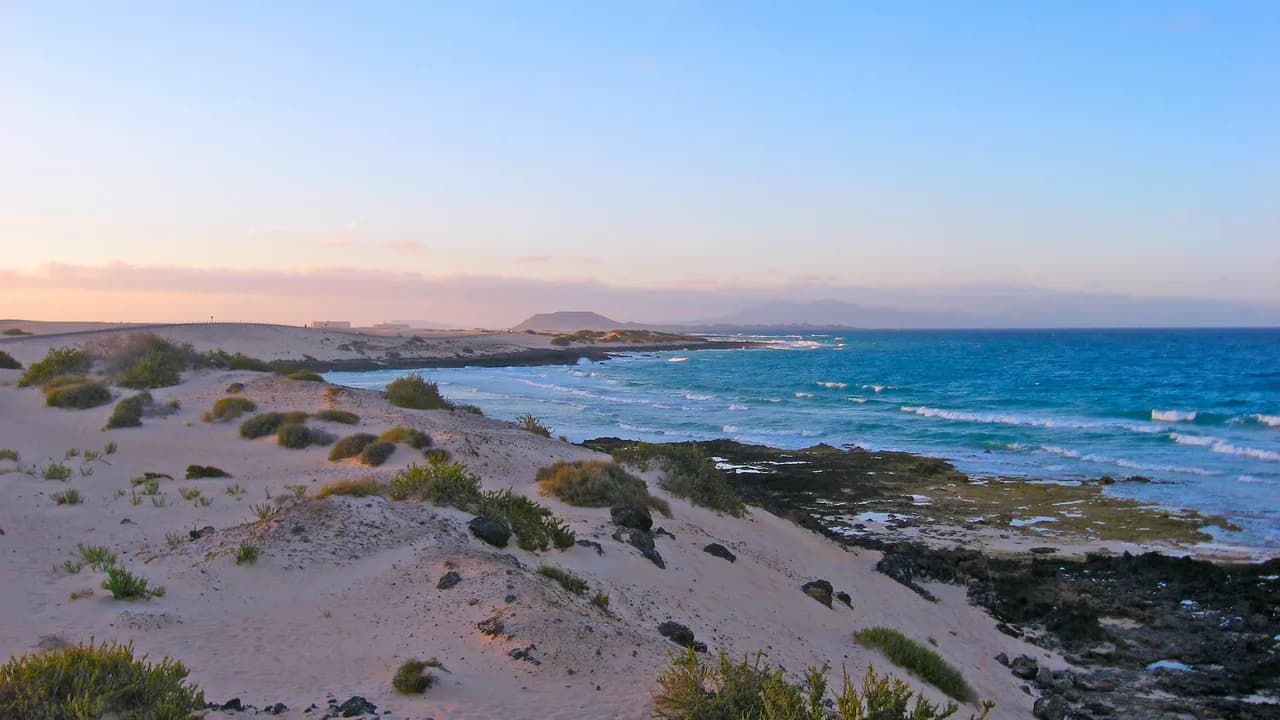
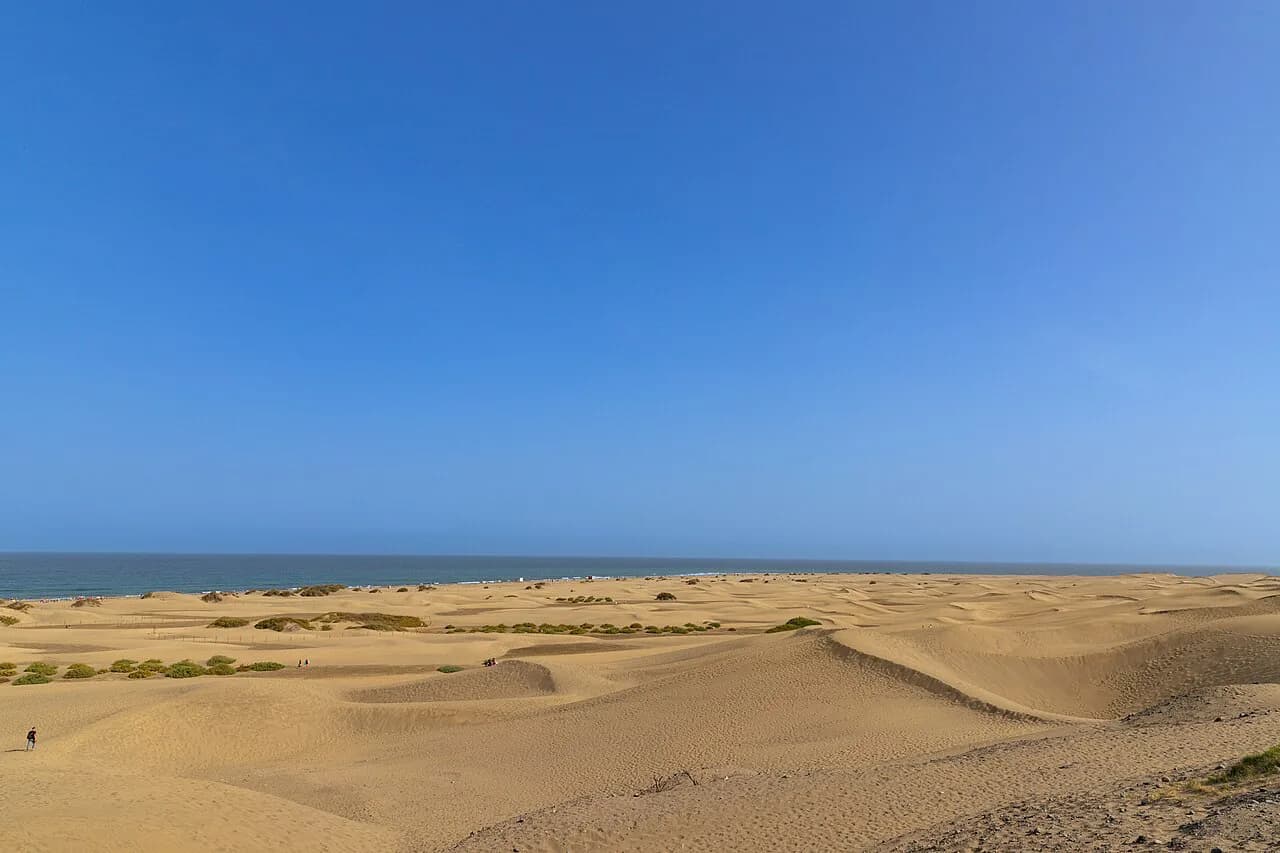
Lanzarote and Fuerteventura are flatter and drier, with brighter, breezier conditions and fine beaches; Gran Canaria combines a green centre with an arid south. If you want to compare islands, our guide to the best time to visit the Canary Islands sets out how each one behaves through the year, and it is worth looking at the best time to visit Fuerteventura if wind and big beaches appeal.
The Verdict
For most UK and US travellers, May and June are the best months to visit Tenerife: warm, sunny and dry on the south coast, cool enough for walking, and quieter and better value than high summer. Late April follows close behind if you can dodge the Easter rush.
Choose July and August only if you want guaranteed heat and warm water and can accept the crowds. Choose September and October for swimming and value, and November to February for winter sun.
Plan Your Trip
Book your dates around your reason for going: May or June for walking and sightseeing, late April for spring warmth with fewer crowds, September and October for warm sea and lower prices. Then choose your base accordingly, with the south for reliable sun and the north for green landscapes and old towns.
For any last-minute practicalities, including entry rules, refer to the official UK government travel advice page for Spain before you book.
More Canary Islands spring guides
Frequently Asked Questions
What month has the best weather in Tenerife?
May and June offer the best balance: average daytime highs of 23.9°C and 25.4°C on the south coast, very little rain and plenty of sunshine. If you want heat and warm sea, July to October is hotter, but busier and more expensive.
What is the rainy season in Tenerife?
Rain is modest all year on the south coast, but the wettest months tend to fall between November and March, and the north is wetter than the south. Spring and early summer are the driest periods on the south coast.
What is the cheapest month to go to Tenerife?
Late April after Easter, May and September generally see the lowest demand and the cheapest accommodation and car hire. Christmas, February and the school holidays are the most expensive periods. Always compare live quotes for your exact dates.
What is the quietest month in Tenerife?
Late April, May and the early part of June are noticeably quieter than the school-holiday months, and September is calm once the summer peak ends. Christmas, February, Easter and the last two weeks of July are the busiest.
Is Tenerife warm in April?
Yes, on the south coast: the average daytime high is 23.1°C and the average night-time low 16.0°C, with around 219 hours of sunshine across the month. The sea is still cool, so swimming is brief, and the north is cooler and cloudier.
Is the sea warm enough to swim in Tenerife in May?
The sea warms more slowly than the air, so in May it still feels cool for many people, though a short dip is comfortable on sunny, still days. For genuinely warm water, aim for late summer or early autumn.
Is July too hot in Tenerife?
July is hot and dry on the south coast, and it is also one of the busiest and most expensive months. It suits beach holidays and pool time but is tough for lower-altitude walking and sightseeing in the middle of the day.
Sources
Spring sun notes
Optional updates when we add destinations and months.
You might also like


Continue reading
More guides you'll find useful