Best Time to Visit Gran Canaria: A Month-by-Month Guide
The best time to visit Gran Canaria is late April to June, when days are warm and sunny but summer crowds and peak heat are still weeks away.
On this page
The best time to visit Gran Canaria is late April through June. Daytime highs climb from the low 20s into the mid-20s Celsius, rain nearly disappears, and the island is still weeks away from the crowds and prices of high summer. Choose late spring if you want warm walking, easy sightseeing and long sunny days without the August heat. Gran Canaria in april has the full picture.
The figures that anchor this guide come from AEMET climate normals for Gran Canaria Airport, recorded over 1981 to 2010. In April the average daily maximum is 22.6 °C (72.7 °F) and the minimum 16.2 °C (61.2 °F), with 228 hours of sunshine and about 6 mm of rain across roughly 1.3 rain days. Treat these as typical conditions, not a forecast for your week.
The island's microclimates matter as much as the month. The arid south coast around Maspalomas and Puerto Rico is sunniest and driest, the greener north around Las Palmas de Gran Canaria catches more cloud, and the high interior around Tejeda runs noticeably cooler at altitude. Pick your base and your month together, because a cool inland week and a warm coastal one are entirely possible on the same dates.
Why the Best Time Depends on What You Want
There is no single best month for the whole island; there is a best month for your kind of trip. If you want to walk the interior and explore villages, aim for April or May, when the days are warm but the sun is not punishing. If you want beach weather and long evenings outdoors, June suits better.
Families with school-age children often find the Easter and half-term windows workable because the weather is already reliable, even though flights and accommodation cost more during those breaks. Couples and walkers who can travel outside school holidays usually get better value and quieter trails in late April and May.
Decide first whether you want heat or comfort. Anyone who wilts above the mid-20s should avoid July and August entirely and book May instead, while anyone chasing proper beach warmth should look at June rather than March.
Weather in Spring: March, April, May and June
Spring is when the island hits its stride. April averages 22.6 °C (72.7 °F) by day and 16.2 °C (61.2 °F) at night with 228 sunshine hours, May moves up to 23.6 °C (74.5 °F) and 17.3 °C (63.1 °F) with 272 sunshine hours, and June reaches 25.3 °C (77.5 °F) and 19.2 °C (66.6 °F) with 284 sunshine hours.
Rainfall in these months is minimal: AEMET records about 6 mm over 1.3 rain days in April, 1 mm over 0.3 rain days in May, and effectively nothing in June. A wet week is possible but unusual, and the south coast generally sees less of it than the north.
March sits just before this run and is cooler and more changeable, which makes it a better bet for walking than for lying on a beach. April is the first month that reliably feels like a proper spring holiday, and June is the first that feels like summer.
Mornings and evenings stay cool enough for a layer right through spring, and the trade winds make shaded terraces feel colder than the thermometer suggests. That breeze is also what keeps the island comfortable when the sun is at its strongest.
Weather at the Turn of the Season: Early vs Late Spring
Early April is noticeably cooler than late April, and the sea takes longer to warm than the air, so early-month swimming feels bracing even on a sunny afternoon. Late April is usually the point where outdoor lunches and evening strolls stop feeling like a gamble.
May is the most consistent month of the spring. Rain days essentially vanish, sunshine hours jump, and the days are warm without the sharper heat of high summer, which makes it the best single month for mixing hiking, sightseeing and time on the coast.
By late June the island is firmly into summer patterns, with stronger sun, busier beaches and the first real build-up of heat in the interior. If you want the shoulder-season feel, aim for the first half of June rather than the last week.
How Spring Compares with Autumn and Summer
July and August are the hottest and busiest months, when daytime temperatures push well above the spring averages and resorts and beaches fill with families. Walking in the interior becomes a morning-only activity, and accommodation prices peak.
Autumn, especially September and October, brings the warmest sea of the year and a drop in crowds, which suits swimmers and anyone who wants the water at its most inviting. The air is slightly cooler than midsummer but still comfortably warm.
Spring's advantage over autumn is the light and the greenery: wildflowers are out, the interior is at its freshest, and the days lengthen quickly towards June. Autumn wins on sea warmth and on post-summer calm in the resorts.
What Suits Spring Best: Walking, Sightseeing, Families and Lazing Outdoors
Spring is the island's best walking season. The high interior around Tejeda and the trails towards Roque Nublo are at their most comfortable in April and May, when the air is warm but not exhausting and the views are clear more often than not.
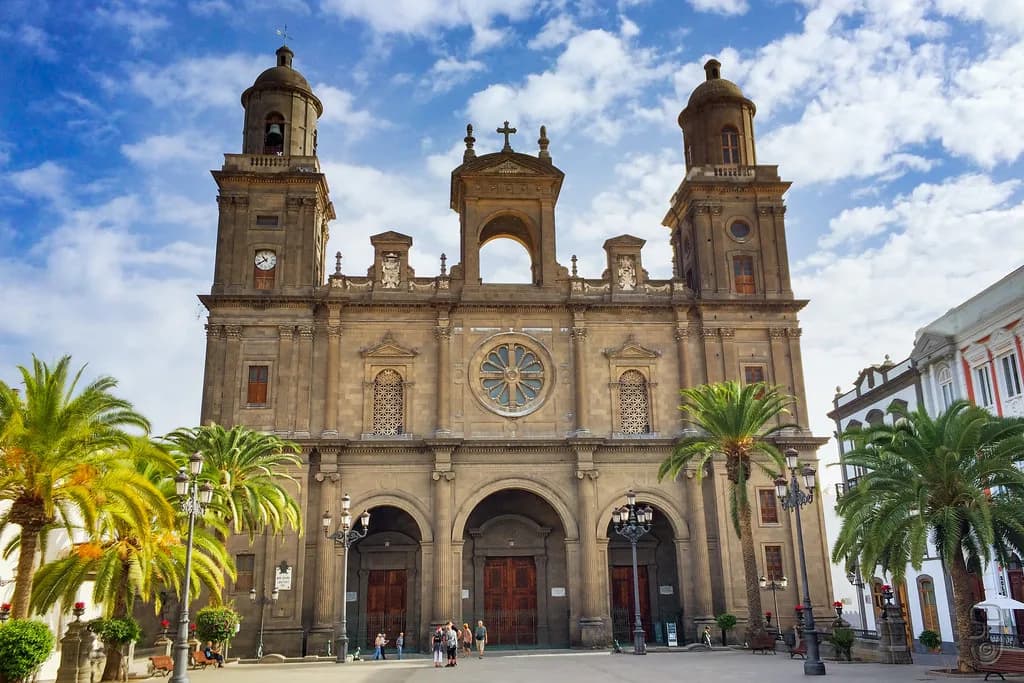
Sightseeing suits the same window. Las Palmas de Gran Canaria, with its old town and city beach, is far more pleasant to explore on foot in April or May than in the heat of August, and the island's mountain villages reward a slow day of wandering.
Families do well in late spring because the weather is reliable and the days are long, though the sea is still cool early in the season. Anyone planning serious beach time with young children should lean towards June rather than April.
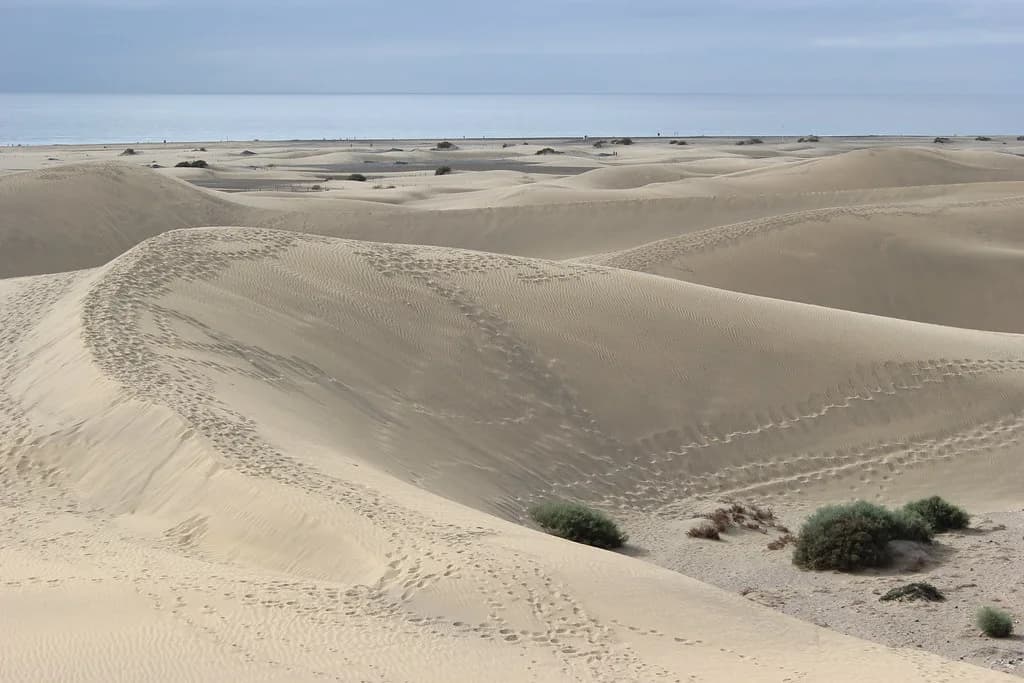
For pure lazing outdoors, June is the pick. The dunes at Maspalomas and the sheltered coves of the south coast are at their best once the air has warmed properly, and the long evenings make outdoor dining genuinely pleasant rather than a dash for a jumper.
What Is Open as the Season Opens
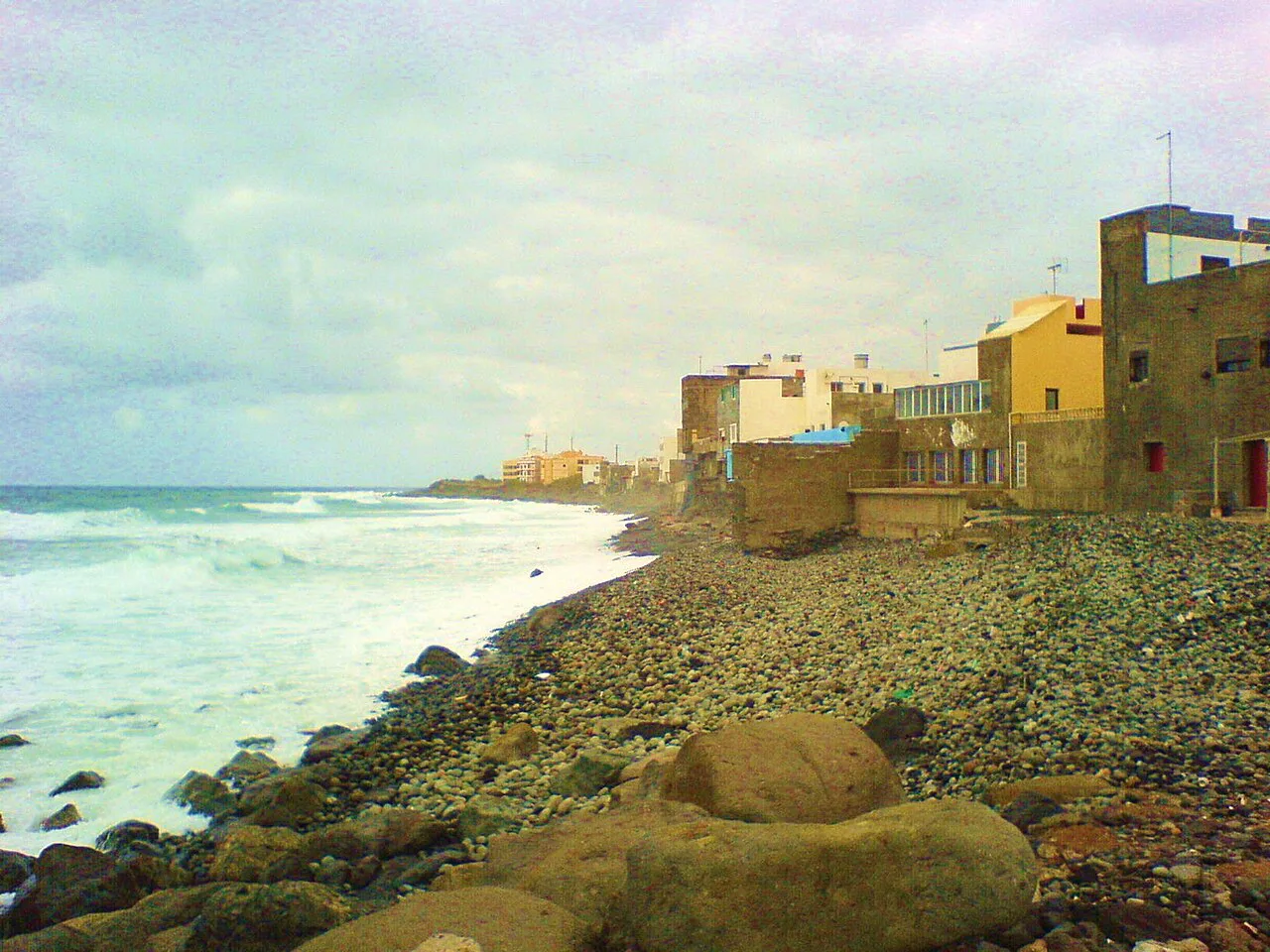
Spring is a transitional season on the island: resorts are open and transport runs normally, but some seasonal beach clubs, boat trips and activity operators ramp up later, closer to summer. Rather than assume a specific operator is running in April, contact them directly, because opening patterns vary year to year.
Museums, historic sites and the main visitor attractions in Las Palmas de Gran Canaria and the interior generally operate year-round, so a spring trip does not mean missing the cultural highlights. Seasonal restaurants in resort areas may run shorter hours before the summer rush.
Inter-island ferries and flights to Tenerife and the other Canary Islands run throughout the year, which makes spring a good time to combine Gran Canaria with a few days elsewhere. Timetables change with the season, so confirm sailing times when you book.
Wildflowers and Wildlife in Spring
Spring brings the island's wildflowers into bloom, from poppies to thistles, and the interior hillsides are greener than at any other time of year, with whales and dolphins also passing offshore in these months. This is one of the strongest arguments for April and May over the drier autumn months.
Whale and dolphin watching is a year-round draw off the south and west coasts, and spring conditions are usually calm enough for comfortable boat trips. Book with a licensed operator and expect sightings to be wildlife, not a guarantee.
Crowds and Prices: Easter, Half Term and May Bank Holidays
Crowds track the school calendar more than the weather. Easter is the busiest spring period, when Spanish and northern European families arrive together, and prices for flights and accommodation rise accordingly. May half term and the UK bank holidays bring a second, shorter spike.
Outside those windows, late April and most of May are markedly quieter and better value. June sees demand build steadily towards the summer peak, with the last week of the month noticeably busier than the first.
Summer is the most expensive season, when resorts are full and prices climb across the board. If budget matters more than perfect beach weather, spring gives you most of the sunshine for a fraction of the crowding.
Summer: Heat, Trade Winds and Peak Prices
July and August bring the highest temperatures of the year, and the trade winds that keep the coast bearable do not reach everywhere. Walkers should stick to early mornings and late afternoons, and the arid interior becomes genuinely tough in the middle of the day.
Beaches are at their busiest, umbrellas go up early, and prices for accommodation and flights reach their annual peak. If you want heat and sea warmth and can tolerate the crowds, summer delivers; if you want space and value, it does not.
Autumn: The Warm Sea and Quieter Resorts
September and October are the connoisseur's choice for swimming, because the sea has had all summer to warm and the air cools slightly without losing its comfort. The summer crowds disperse, leaving resorts noticeably calmer.
October is also excellent for walking, with temperatures more forgiving than in summer and the grape harvest adding a seasonal rhythm to the interior. It is a strong alternative to spring if you care more about water than wildflowers.
Winter: Sun in the South, Cloud in the North
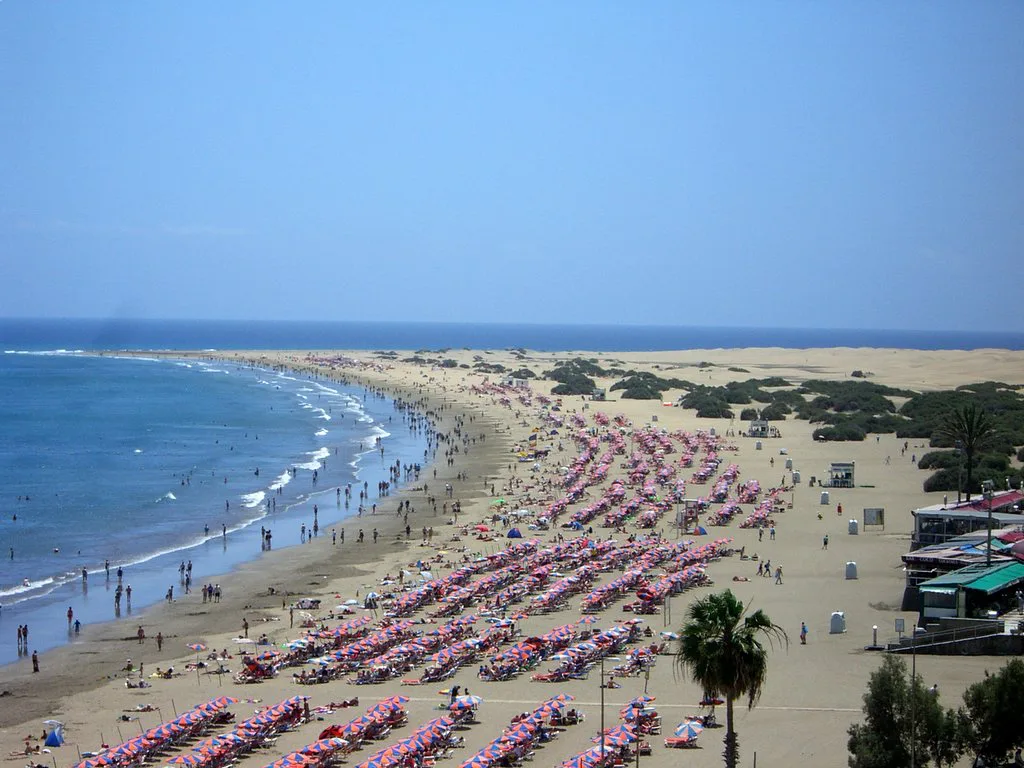
Winter is the island's low season, and the cheapest time to visit. The south coast usually stays sunny enough for pleasant days outdoors, while the north around Las Palmas sees more cloud and the occasional shower.
Temperatures are mild rather than hot, and evenings and higher ground can feel cool, so winter suits walkers and sightseers more than committed sunbathers. It remains a far better bet than mainland Europe at the same time of year.
Some attractions run reduced hours in the quieter months, and the resorts are calmer than in summer. Anyone needing guaranteed beach weather should look at the southern islands of the archipelago rather than the northern coast.
The North and the Mountains vs the South Coast
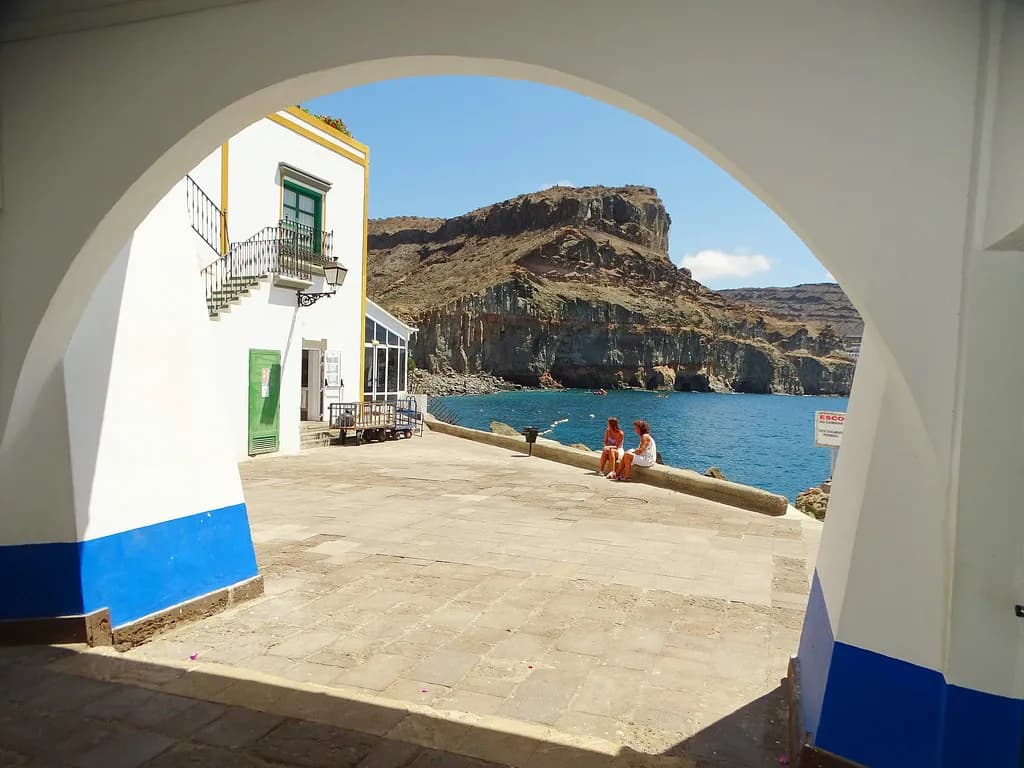
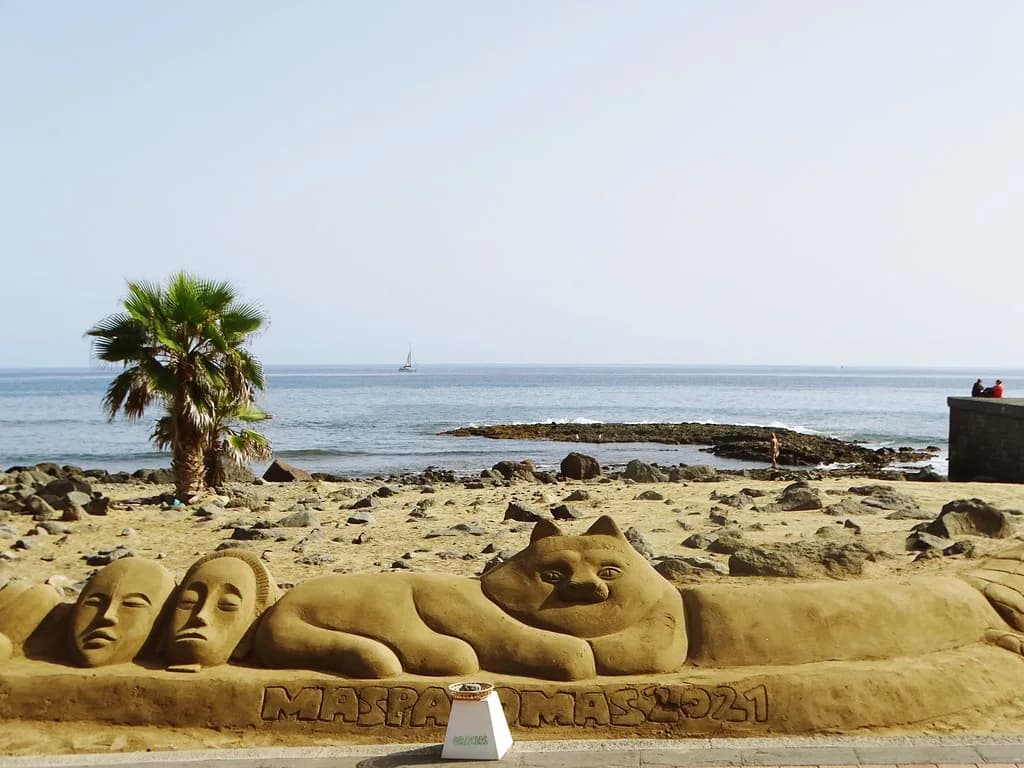
The south coast around Maspalomas, Puerto Rico and Playa del Inglés is the driest and sunniest part of the island, and it is where you should base yourself if reliable sunshine is the priority. The dunes and wide beaches make it the obvious choice for a lazy spring break.
The north, centred on Las Palmas de Gran Canaria, is greener and cloudier, with a working city, a historic old town and a city beach rather than resort strips. It suits travellers who want culture and food as much as sun, and it is usually cheaper than the southern resorts.
The mountainous interior around Tejeda and Roque Nublo runs cooler than the coast at any time of year, so a spring day up high can feel like a different season altogether. That is a blessing in May and a reason for an extra layer in April.
The practical result is that you can chase the weather you want by moving around the island. If the north is under cloud, drive south; if the coast is too hot in June, head up to the villages.
The Verdict
Go in late April or May for the best all-round trip: warm days, minimal rain, comfortable walking and reasonable prices before the summer rush. Choose June if beach time and long evenings matter most, and accept that prices and crowds will be building by the end of the month.
Skip July and August unless heat and water are your only priorities. If you are comparing the island with the rest of the Mediterranean in spring, see Europe's warmest spots in April before you commit, because Gran Canaria is often warmer and drier than mainland Spain at the same time of year.
If you are weighing Gran Canaria against the Balearics, remember that the Canaries deliver more reliable spring sun and warmer seas early in the season. The best time to visit Mallorca and the best time to visit Ibiza arrive later, generally from May onwards, so Gran Canaria wins on early-season warmth.
Plan Your Visit
Book late April to June for warm, sunny days without the August crush, and choose your base by microclimate: the south for reliable sun, the north for city culture, the interior for walking. Check AEMET climate normals for the figures and treat them as typical conditions rather than a forecast.
Travellers from the UK and Ireland should consult the official government travel advice page for Spain for entry and health information before booking. For everything else, contact your accommodation and activity providers directly about seasonal opening hours and availability.
More Gran Canaria spring guides
Frequently Asked Questions
What is the best month to visit Gran Canaria?
Late April and May give the best balance of warm, sunny days, low rainfall and manageable crowds. June is warmer and better for beach time, but demand and prices build through the month, and July and August bring the year's highest heat and busiest resorts. If comfort on the trail matters more than sea warmth, May is the single strongest choice.
Is Gran Canaria warm in April?
Yes. AEMET climate normals for Gran Canaria Airport put the average April daytime high at 22.6 °C (72.7 °F) and the night-time low at 16.2 °C (61.2 °F), with around 228 hours of sunshine and very little rain. Evenings and shaded terraces can feel cool in the trade winds, and the interior around Tejeda runs cooler than the coast.
Is Gran Canaria hot in June?
June is warm rather than fierce: AEMET normals show an average high of 25.3 °C (77.5 °F) and a low of 19.2 °C (66.6 °F), with around 284 sunshine hours and almost no rain. It is the first month that feels properly like summer, so it suits beach days and long evenings, while the interior starts to feel hot at midday.
When should you avoid Gran Canaria?
Avoid July and August if you dislike intense heat, crowded beaches and peak prices, and avoid the Easter and half-term weeks if you want quieter trails and better value. Winter is the cheapest season, but the north can be cloudy and evenings are cool, so it suits walkers and sightseers more than committed sunbathers.
Sources
Spring sun notes
Optional updates when we add destinations and months.
You might also like
Continue reading
More guides you'll find useful