Best Time to Visit Lanzarote: Month by Month for Warmth
Lanzarote's best months for warm, sunny weather are April to June and September to November. Compare highs, sunshine, rain and crowds month by month.
On this page
April to June and September to November are the best months to visit Lanzarote if you want warm days, plenty of sun and room to move. Spring is the classic pick: the island warms up quickly while the summer crowds are still weeks away, and rain becomes rare.
The trade-offs are real. Evenings stay cool in spring, the sea lags behind the air, and midsummer heat plus a steady coastal breeze can catch you out. Which month suits you depends on whether you are coming to walk, to laze outdoors or to entertain children.
Lanzarote sits off the Moroccan coast, so its climate is drier and more even than mainland Spain's. The figures below come from long-term climate normals for Lanzarote Airport, which give a reliable picture of typical conditions rather than any forecast.
Why Spring and Autumn Win
Spring and autumn both deliver comfortable warmth without the intensity of high summer. Daytime temperatures sit in the low to mid twenties Celsius, sunshine is generous, and rain is scarce from April onward. That combination suits sightseeing, hiking and long lunches outdoors far better than July or August.
The spring window also comes with thinner crowds. Once the Easter period passes, the island settles into a quieter rhythm until the summer school holidays begin, which means easier access to the volcanic landscapes and the award-winning vineyards. Our guide to Lanzarote in April sets out what that month feels like in practice.
Autumn offers a second window with similar appeal. The summer heat eases, the sea holds its warmth from the preceding months, and the crowds thin once the school holidays end. If your dates are flexible, choosing either shoulder season will generally give you better value and a calmer island than midsummer.
Lanzarote Weather by Month
The most reliable figures come from AEMET, Spain's national weather service, using normals for Lanzarote Airport recorded between 1981 and 2010. In April, the average daytime high is 23.5 °C (74.3 °F) and the night-time low 15.7 °C (60.3 °F). The month averages 255 hours of sunshine, 1.3 rain days and 5 mm of precipitation.
May warms slightly to a 24.6 °C (76.3 °F) average high and 16.8 °C (62.2 °F) low. Sunshine rises to 297 hours, while rain days fall to 0.4 and precipitation to 2 mm. In practice, May is one of the driest and sunniest months of the year on the island.
June pushes the average high to 26.3 °C (79.3 °F) and the low to 18.8 °C (65.8 °F), with 292 hours of sunshine. The normals record 0.0 rain days and 0 mm for the month. Evenings finally feel warm rather than merely mild, which changes what you can do after dark.
July and August are the hottest months, with daytime temperatures climbing further and the coastal breeze making the heat feel more tolerable than the numbers suggest. September and October ease back toward spring-like warmth while the sea stays pleasant. November cools noticeably and brings more showery days, and December to March is mild by northern European standards but comes with cooler evenings and a greater chance of rain.
April and May: The Spring Sweet Spot
April and May are the months most travellers should aim for. Days are warm enough for outdoor lunches, coastal walks and exploring the volcanic interior, while nights remain cool enough for comfortable sleep. Rain is minimal, and the island has not yet filled up for summer.
April suits walkers and sightseers particularly well. The landscape is at its greenest after the winter rains, and temperatures stay comfortable on exposed routes such as the trails around the Volcanoes Natural Park. Easter week is the exception to the calm: the island gets busy then, so book transport and accommodation early if your dates coincide.
May edges ahead for anyone who wants reliable sunshine and warmer evenings. With nearly 300 hours of sunshine in a typical month and almost no rain, it is the safest bet for a week built around being outdoors. The guide to things to do in Lanzarote in May covers how the month opens up.
Who should wait? Anyone who prioritises warm evening swims or genuinely hot days should look at June or later. In April and May the sea is still cool, and a dip is refreshing rather than balmy.
June: The Heat Builds
June marks the shift into summer. Average highs reach 26.3 °C (79.3 °F) and nights stay around 18.8 °C (65.8 °F), so the island finally feels warm around the clock. Sunshine remains abundant and rain is effectively absent in a typical June.
The steady north-easterly breeze is what makes June bearable. It takes the edge off midday heat, but it also makes the sun feel weaker than it is, so shade and hydration matter more than the temperature suggests. The wind is strongest along the exposed east coast around Costa Teguise.
June is also the last month before the summer school holidays fill the island. Flights and accommodation are generally easier to secure, and popular spots such as the Timanfaya National Park are less congested than in July or August.
July and August: Peak Heat and Peak Season
High summer brings the hottest conditions of the year and the largest crowds. Daytime temperatures climb well above the spring averages, and the coastal wind can make the heat feel gentler than it is, which is a common trap for walkers and cyclists.
This is peak season in every sense. Accommodation and flights cost more, beaches fill early, and the popular volcanic sites see long queues. The upside is that everything is open and the sea is at its most inviting for swimming and watersports.
If you do come in midsummer, plan outdoor activity for the morning. The interior around Timanfaya and the Volcanoes Natural Park gets genuinely hot by midday, and shade is scarce. Coastal resorts such as Puerto del Carmen and Playa Blanca benefit from the breeze.
September to November: The Autumn Window
September and October are the connoisseur's choice. The fierce summer heat eases, the sea retains warmth from the preceding months, and the summer crowds disappear once the school holidays end. Days remain long and sunny, and rain is still limited in September.
November is transitional. Temperatures drop and short showers become more likely, but the island remains far sunnier and warmer than northern Europe. It suits travellers who want mild conditions and low prices rather than guaranteed beach weather.
Autumn is a strong alternative to spring for anyone who cannot travel between April and June. The main differences are a warmer sea and a slightly softer light, with the same low-key atmosphere once the peak season ends.
December to March: Mild Winter Sun
Winter on Lanzarote is mild rather than hot. Daytime temperatures remain pleasant enough for walking and sightseeing, and the island sees more sunshine than almost anywhere in northern Europe at that time of year. Evenings, however, are decidedly cool.
This is also the wettest stretch of the year, though rain tends to arrive as short showers rather than sustained downpours. If your priority is reliable warmth and dry days, spring or autumn is the better choice.
Winter suits travellers who want quiet roads, low prices and comfortable hiking conditions. It is also a good time for exploring the wine country around La Geria and the villages of the interior without the summer heat.
What the Wind and the Island's Shape Mean
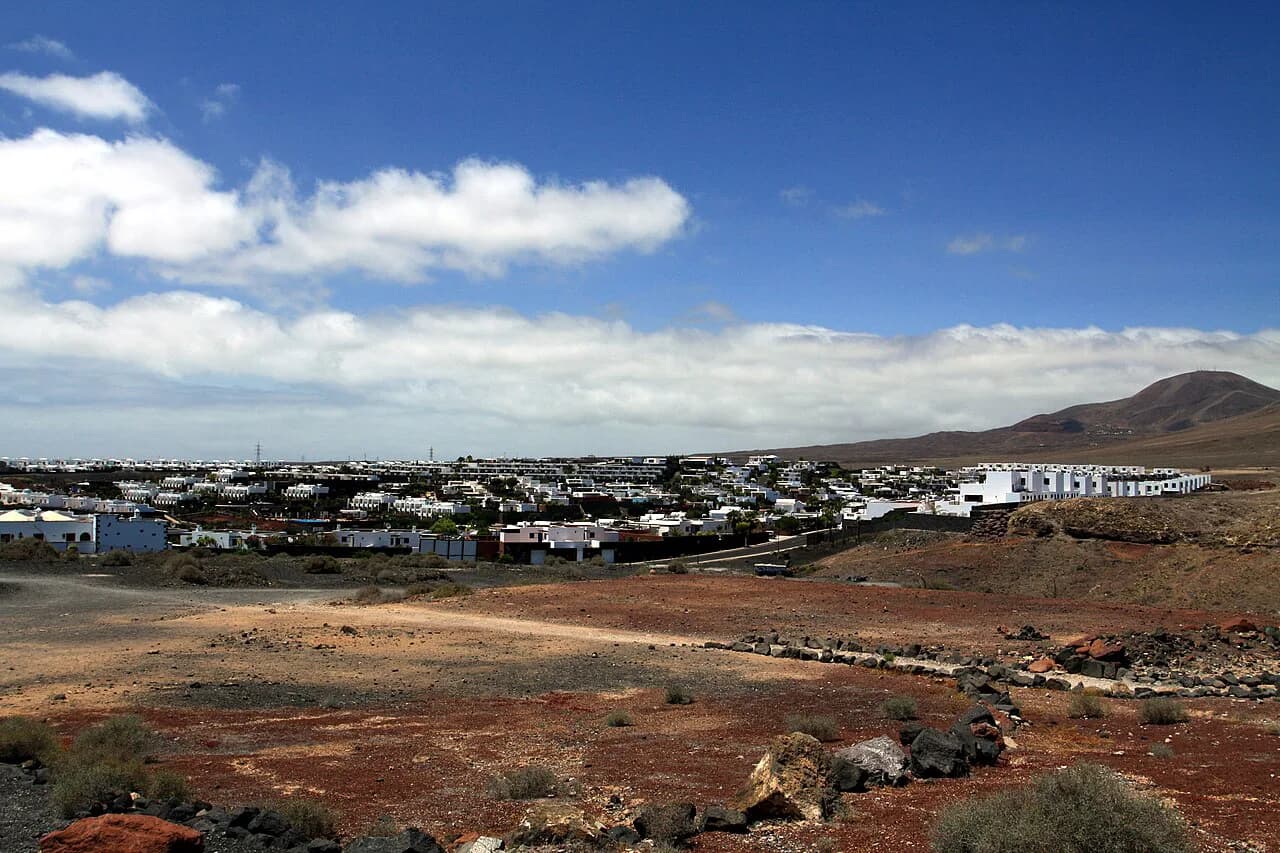
Lanzarote is low, windswept and volcanic, and its weather varies noticeably across a small area. The south, around Playa Blanca, tends to be the warmest and most sheltered. The north and the east coast are breezier and see more cloud.
That matters when you choose where to base yourself or where to spend a day. Costa Teguise on the east coast catches the strongest wind, which is why it has become a hub for windsurfing and kitesurfing. The interior is milder and less windy, making it comfortable for walking and cycling.
The breeze also affects how warm the island feels. A sunny day with a stiff wind can feel cool in the shade yet intense in direct sun, so build flexibility into your plans rather than committing to a single exposed spot all day.
Things to Do Month by Month
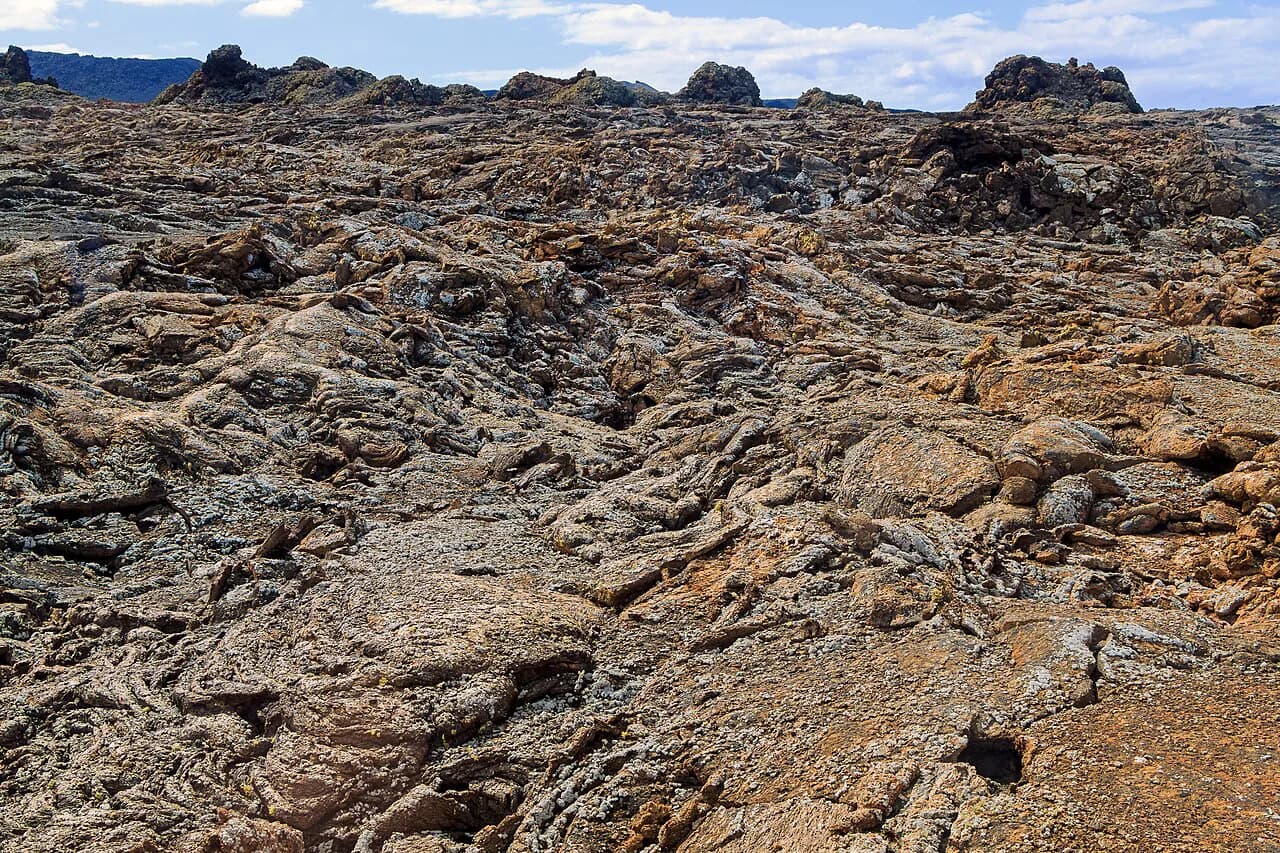
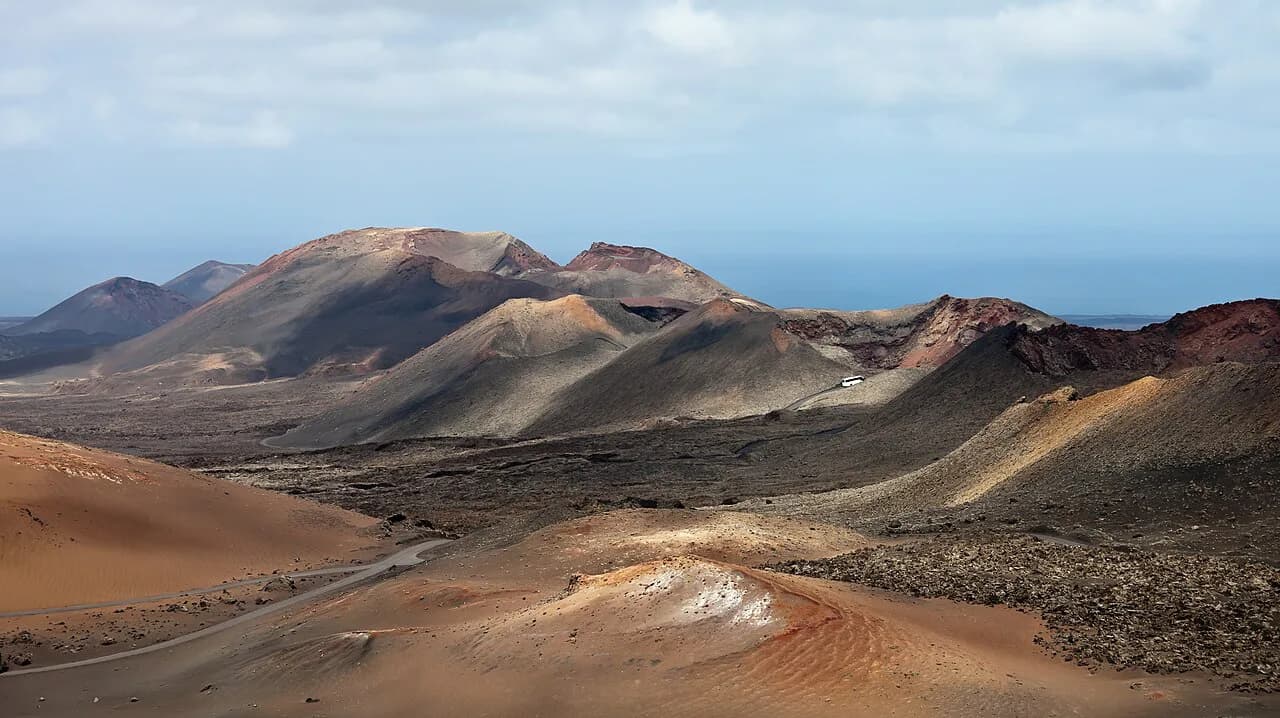
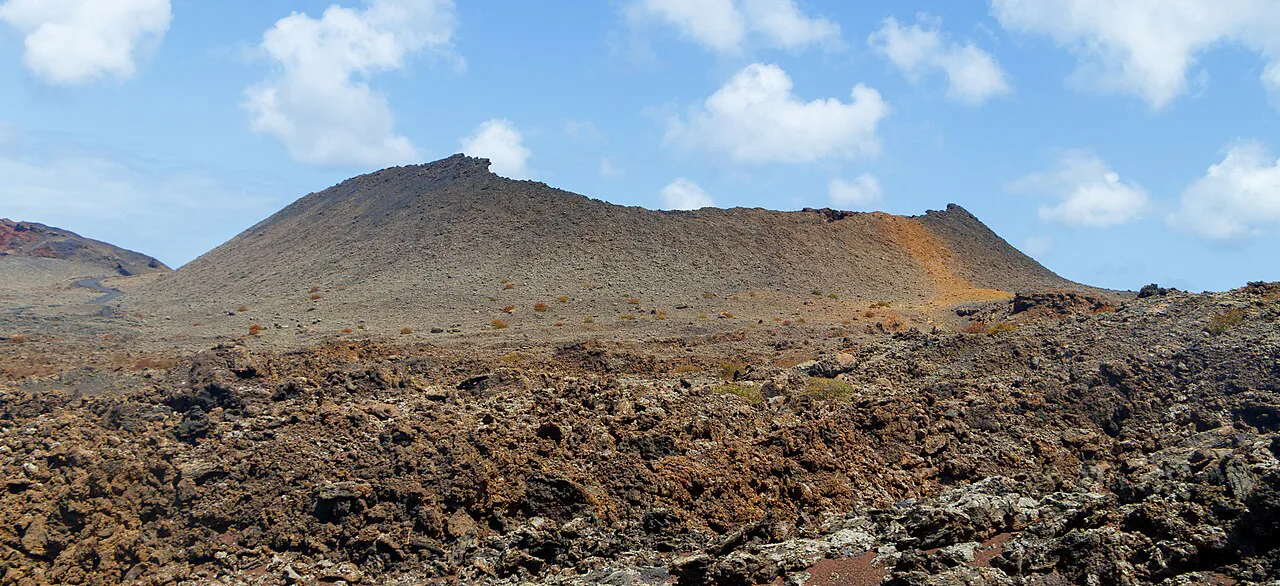
Timanfaya National Park is the island's defining sight, a protected volcanic landscape where you can see geothermal heat rising from the ground. It is at its most comfortable in spring and autumn, when temperatures stay moderate. Midsummer visits are best done early in the day.
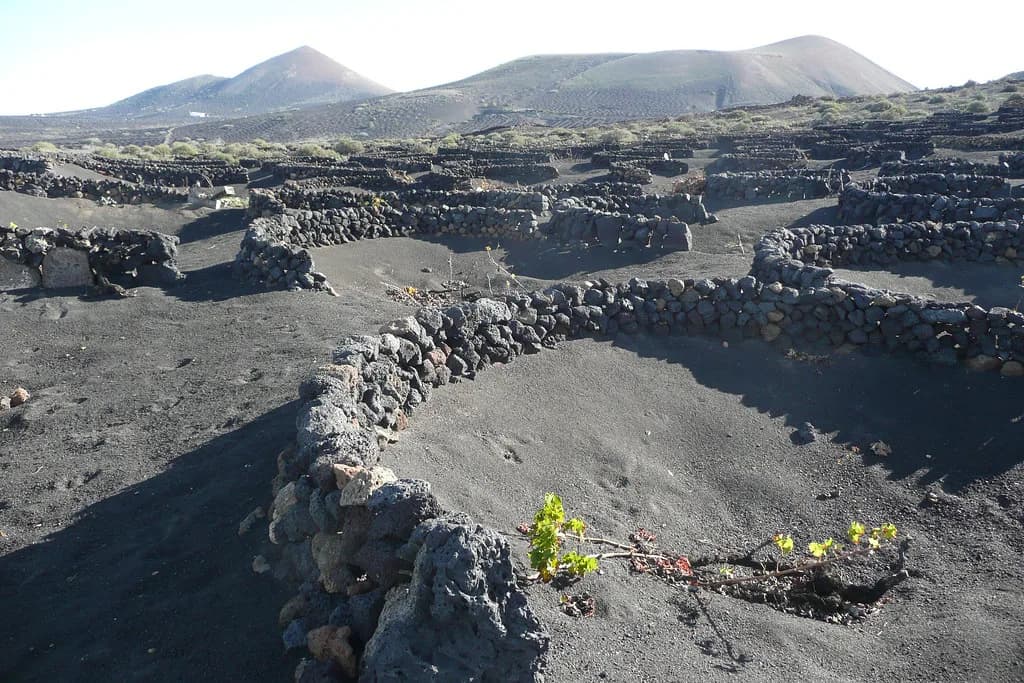
La Geria, the island's volcanic wine region, is worth a day in any season. The vines grow in hollows dug into black ash, and the low stone walls shelter them from the wind. Spring is especially good, with the vines in growth and the light long.
Famara, on the north-west coast, combines a long beach with dramatic cliffs and is a fine base for coastal walks. La Graciosa, the small island off the north coast reached by ferry from Órzola, offers car-free walking and quiet beaches. Ferries do run year-round, but sailings can be affected by wind, so check current timetables before you travel.
For contrast, you could compare Lanzarote with the Balearics. Our best time to visit Mallorca covers the Serra de Tramuntana and a very different Mediterranean spring.
Crowds and Prices Through the Year
Crowds follow a predictable pattern. Easter week, the May half term and the summer school holidays bring the busiest conditions, with beaches filling early and flights and accommodation costing more. The rest of spring and most of autumn are noticeably calmer.
Día de Canaria on 30 May is a public holiday in the Canaries and brings cultural events across the island group. If your trip coincides with it, expect busier transport and accommodation. A single point of reference for entry requirements and travel advice is the UK government's travel advice page for Spain.
Prices follow the same rhythm. Peak summer and school holiday periods command the highest rates, while late spring and autumn generally offer better value. Exact costs change constantly, so compare live prices for your dates rather than relying on seasonal averages.
Honest Drawbacks by Month
Spring's main drawback is the cool evenings. Even in May, nights can feel chilly enough for a jacket after sunset. In April, the sea is still cold, so swimming is for the hardy rather than the comfortable.
Summer brings heat that some find oppressive, especially inland and away from the breeze. The coastal wind can be deceptive, lulling you into underestimating the sun. The east coast is the windiest part of the island, which can be trying if you want still, calm days by the water.
Winter is mild but not guaranteed dry. Rain days are more frequent, evenings are cool, and the sea is at its coldest. If reliable sunshine is your priority, avoid the December to February window.
Spring or Autumn: A Decision Guide
Walkers and sightseers should choose April, May or October. Temperatures are comfortable, the light is good, and the landscape is at its best. Families with school-age children often find the May half term or the autumn half term works well, though both are busier and more expensive.
Sun-seekers who want long, hot days should look at June, July and August, accepting higher prices and bigger crowds. Anyone who wants warm evenings without the peak season crush should choose June or September.
If you are comparing the island with the wider region, our guide to where is warm in Europe in April shows how the Canaries fit alongside southern Spain, Greece and Cyprus. For a different island's rhythm, the best time to visit Ibiza offers a useful counterpoint on crowds and seasonality.
The Verdict
April to June is the best time to visit Lanzarote for most travellers. May stands out for sunshine and near-absent rain, while April suits walkers and anyone who prefers cooler days and thinner crowds. June brings the first properly warm evenings.
Autumn is the strongest alternative, particularly September and October, when the sea is warmer and the peak season has passed. Winter is mild but cooler and wetter, and midsummer is hot, busy and best for those who want the full summer experience.
Frequently Asked Questions
What is the best month to visit Lanzarote?
May is the best all-round month for most travellers, with warm days, very little rain and plenty of sunshine. April suits walkers and sightseers who prefer cooler conditions and thinner crowds, while June brings warmer evenings before the summer school holidays begin.
How hot is Lanzarote in April and May?
Using long-term climate normals for Lanzarote Airport, April averages a daytime high of 23.5 °C with nights around 15.7 °C. May warms to about 24.6 °C by day and 16.8 °C at night, with rain becoming rare and sunshine increasing.
Is Lanzarote warm enough in spring?
Yes, for sightseeing, walking and outdoor lunches. Days are comfortably warm from April onward, though evenings stay cool and the sea is still chilly. Anyone who wants hot days and warm evening swims should wait until June or later.
When is Lanzarote wettest?
Rain is most likely between December and March, when short showers become more frequent and evenings are cooler. From April the island dries out quickly, and June typically records no measurable rain at all.
Is June a good time to visit Lanzarote?
June is an excellent choice if you want real warmth before the summer crowds arrive. Daytime highs average around 26 °C and nights stay near 19 °C, with abundant sunshine. The coastal breeze keeps the heat manageable but can make the sun feel weaker than it is.
Is Lanzarote busy at Easter?
Easter week is one of the busier periods of the spring, with higher demand for flights and accommodation and fuller beaches. If your dates fall then, book early and expect a livelier atmosphere across the island.
Which part of Lanzarote is warmest?
The south, around Playa Blanca, tends to be the warmest and most sheltered part of the island. The north and east coasts are breezier and see more cloud, with Costa Teguise catching the strongest wind.
Should I choose spring or autumn?
Spring offers greener landscapes and the longest days, while autumn brings a warmer sea and the quiet of the post-holiday season. Both avoid the heat and crowds of midsummer, so pick whichever fits your calendar.
Sources
Spring sun notes
Optional updates when we add destinations and months.
You might also like
Continue reading
More guides you'll find useful