Gran Canaria in June: Weather & Trip Guide
Gran Canaria in June is warm, sunny and almost rain-free, with highs near 25°C and mild nights. Here is what that means for sightseeing and walking.
On this page
June in Gran Canaria is warm, sunny and very dry, and the figures are unusually steady for a shoulder-season month. The island is already into reliable summer weather without the peak-season crowds of July and August, which makes it a strong choice for sightseeing, highland walking and long outdoor lunches. What it is not is a hot-evening, warm-sea holiday: the Atlantic stays cool and the nights are comfortable rather than balmy. Our guide to where is warm in Europe in June picks up from here.
Weather in June
At Gran Canaria Airport, the long-term climate normals for 1981–2010 give an average daytime high of 25.3 °C (77.5 °F) and an average night-time low of 19.2 °C (67.6 °F) in June. The same records show 284 hours of sunshine across the month, 0.1 rain days and 0 mm of precipitation, so rain is a rarity rather than a risk to plan around. Treat these as typical conditions, not a forecast for your week.
Those numbers come from one station near sea level in the island's drier eastern half, and the island's geography does the rest. The south — Maspalomas, Puerto Rico, Puerto de Mogán — is the sunniest and most sheltered, while the north coast around Las Palmas and Agaete is cloudier and breezier. Head inland to Tejeda or the Roque Nublo area and you gain altitude, which means noticeably cooler air and a real chance of cloud caught on the peaks.
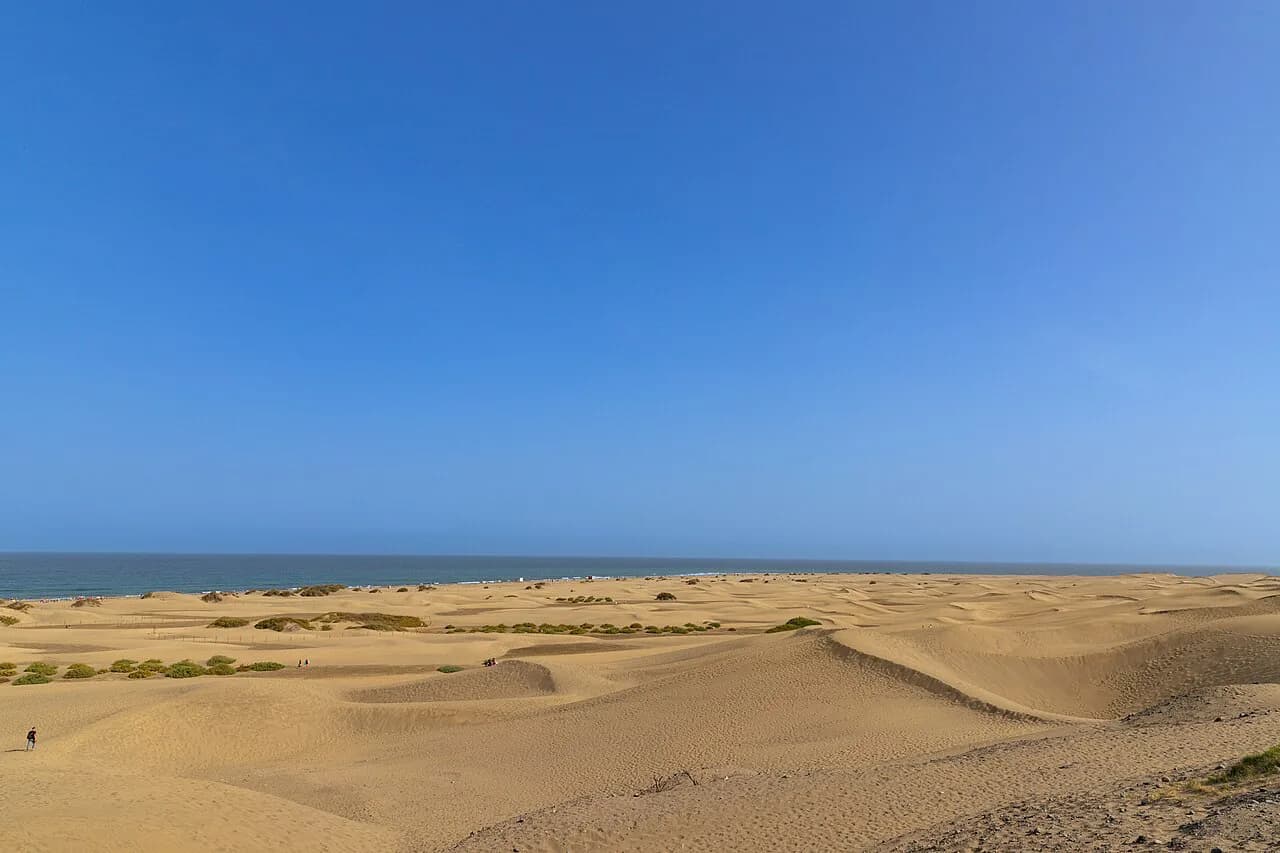
In practice, a June day might mean full sun on the dunes at Maspalomas and a jacket over lunch in Teror. Build the day around that split rather than expecting one uniform climate across a small island.
Is it warm enough?
For most travellers, yes. A high of around 25 °C (77 °F) is comfortable for wandering Vegueta's old streets, eating outside in the evening, and sitting on a terrace without seeking shade. Families with young children get warm days without the punishing heat of high summer, and the mild 19 °C (67 °F) nights mean hotel rooms cool down properly.
Two caveats matter. The sea remains cool in June, so think of swimming as a bracing dip rather than a long bathe, and the trade winds can make a shaded coastal terrace feel fresher than the thermometer suggests. If your ideal holiday is hot evenings and warm water, July and August deliver more of both — at the cost of crowds and higher prices.
If you are weighing Gran Canaria against the rest of southern Europe, June is when the island's advantage of reliable warmth without extreme heat is clearest. Our guide to where it is warm in Europe in April shows how different the picture looks earlier in spring, when the Canaries are often the only reliably warm option.
Early vs late June
June builds steadily. Early in the month the coastal air still carries a spring edge in the mornings and evenings, and the north coast can hold cloud well into the day. By late June the pattern has settled into proper summer, with longer sunny stretches and warmer evenings, especially in the south.
Late June also brings the first real uptick in visitors as UK schools wind down towards the summer break, so resort towns such as Playa del Inglés and Puerto Rico get busier in the final week. If you want the quietest version of June, aim for the first half; if you want the warmest, aim for the last ten days.
How June compares with May and July
May at the same airport station averages 23.6 °C (74.5 °F) by day and 17.3 °C (63.1 °F) at night, with 272 sunshine hours and 0.3 rain days. June is therefore a clear step warmer and slightly drier, and the gap is most noticeable in the evenings. For a fuller month-by-month picture of the island's seasons, our guide to the best time to visit Gran Canaria sets June against the rest of the year.
July is hotter and busier, with the summer school holidays pushing flights and accommodation up. June gives you most of the weather for noticeably less crowding, which is why it works so well for walkers and sightseers who want the highlands to themselves.
What is open
By June the island is running a full summer operation: resort restaurants, boat trips from Puerto Rico and Puerto de Mogán, and the mountain roads into the interior are all in normal service. Attractions in Las Palmas and the main visitor sites inland are open on their usual schedules.
Specific opening times and excursion timetables change with the season, so check current times directly with the venue or tour company when you book rather than relying on last year's information.
Things to do
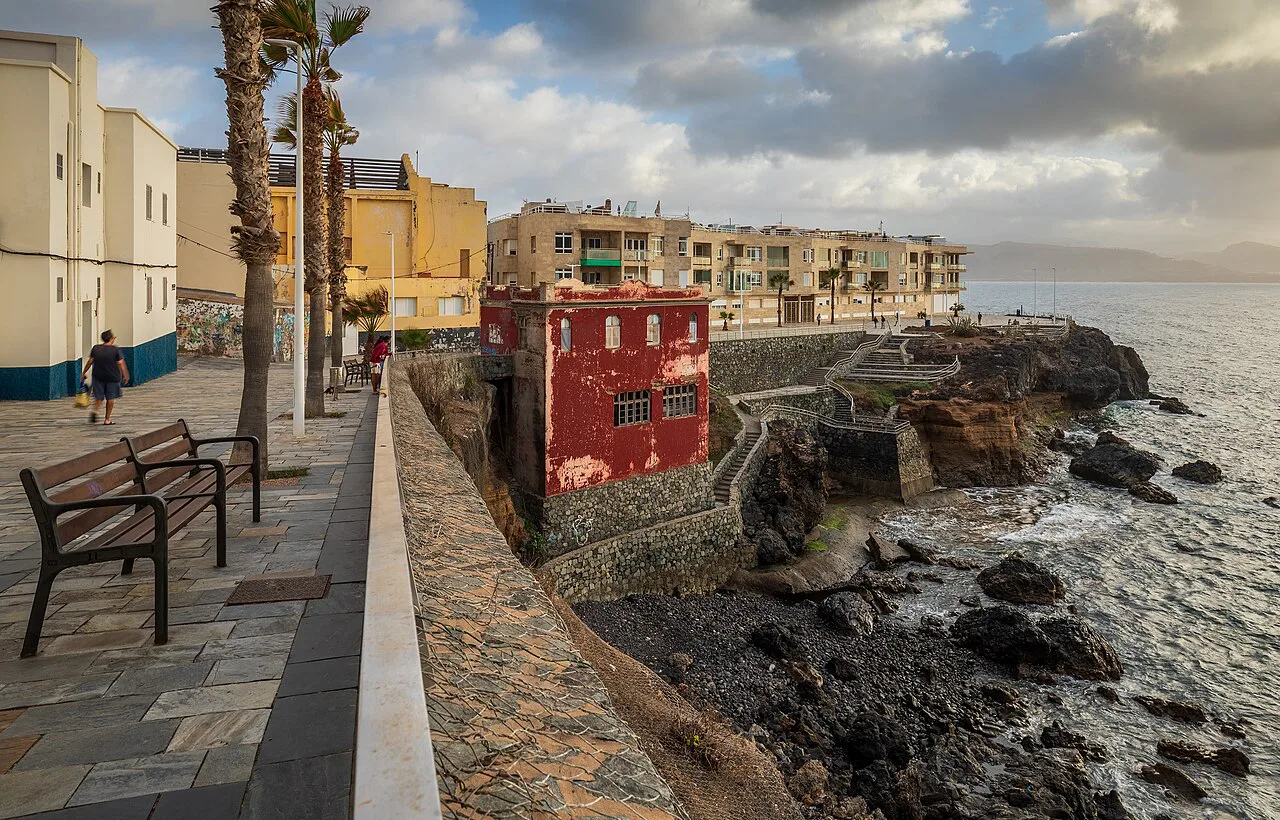
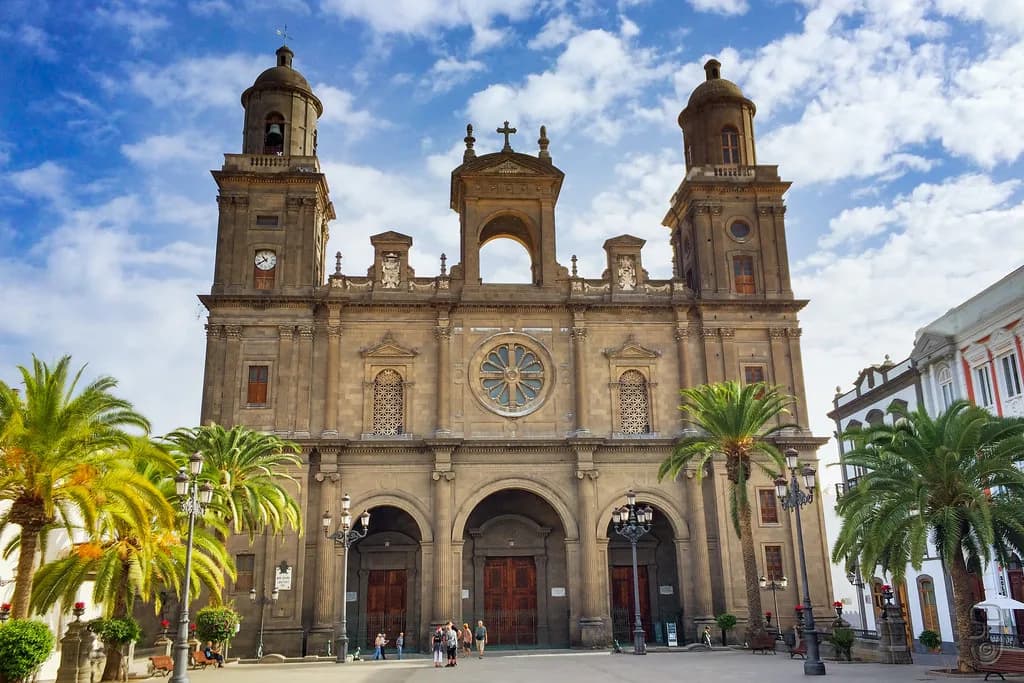
Start with Las Palmas de Gran Canaria. The Vegueta and Triana quarters are made for a warm but not hot June morning of old streets, markets and coffee stops, and the city's Atlantic breezes keep things bearable. The beach at Las Canteras is right there if you want to finish the day by the water.
Inland, Teror's basilica and balconied streets make an easy half-day, while Tejeda and the Roque Nublo area offer the island's most dramatic scenery. June is ideal for these higher villages because the heat has not yet built, though you should expect cooler air and possible cloud compared with the coast.
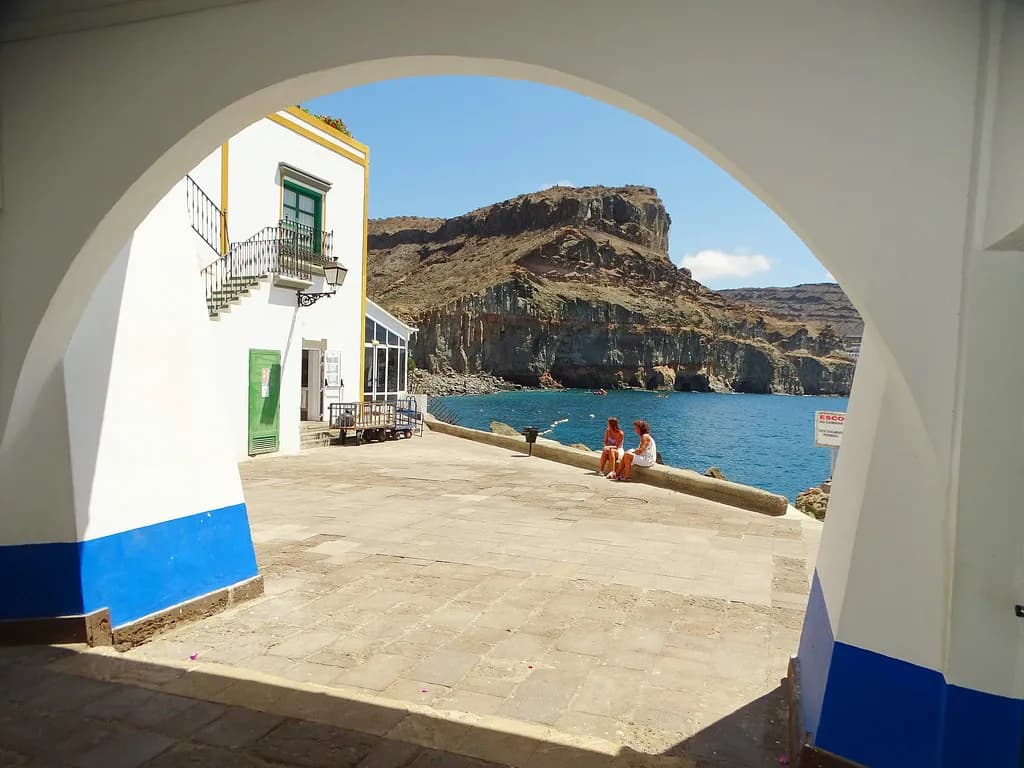
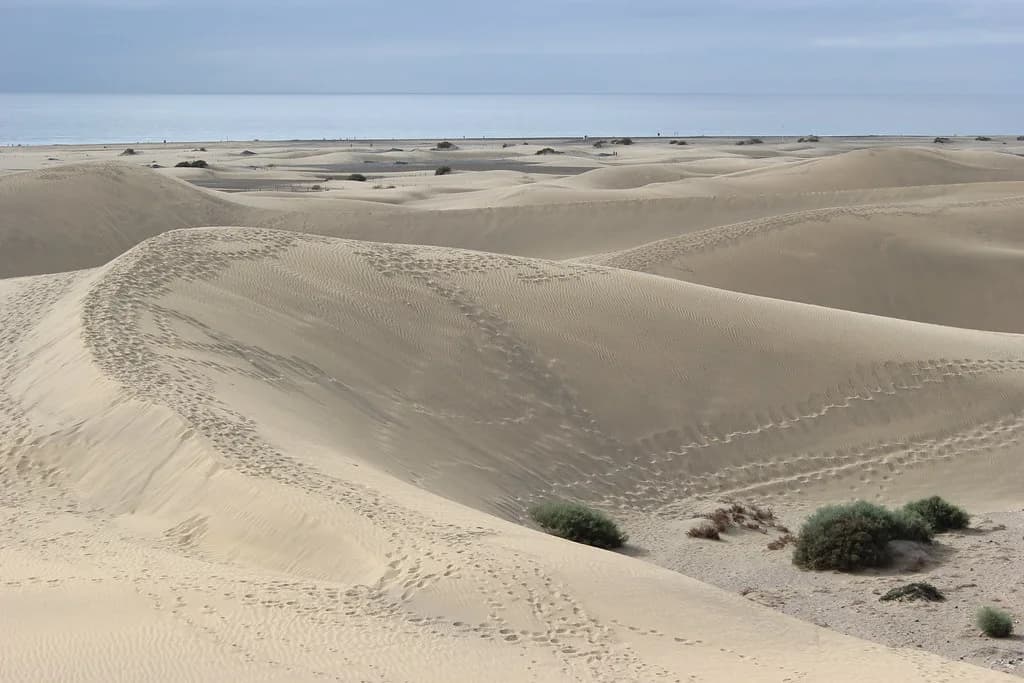
In the south, the dunes at Maspalomas are at their best before the summer crowds arrive, and Agaete and Puerto de Mogán give you whitewashed coastal villages and a slower pace. Each of these works well in June precisely because the weather is settled but the peak-season pressure has not yet landed.
If you are travelling earlier in the season, things to do in Gran Canaria in April covers the spring version of the same itinerary, when the highlands are greener and the coast quieter still.
Walking in June
June suits walkers well, provided you split your days between the coast and the interior. High routes around Roque Nublo and Tejeda are cooler than the resorts and often clearer in the morning before cloud builds on the peaks. Start early and treat the afternoon as the flexible half of the day.
Coastal paths are pleasant but exposed, and the trade winds can be stronger than expected on open stretches. Carry more water than you think you need for inland walks, because the sun at altitude is fiercer than the coastal temperature suggests.
Crowds and prices
June sits in the sweet spot between spring and the summer peak. Prices and visitor numbers are lower than in July and August, when UK school holidays fill the resorts, but higher than in the quieter spring months. The first half of June is the calmer and better-value option; late June starts to feel the pull of summer.
Expect the south to be busier than the north throughout, with Maspalomas and Puerto Rico drawing the bulk of the beach trade. If price matters more than guaranteed sunshine, spring remains cheaper — but June buys you warmer evenings and more reliable sun for a modest premium.
Honest drawbacks
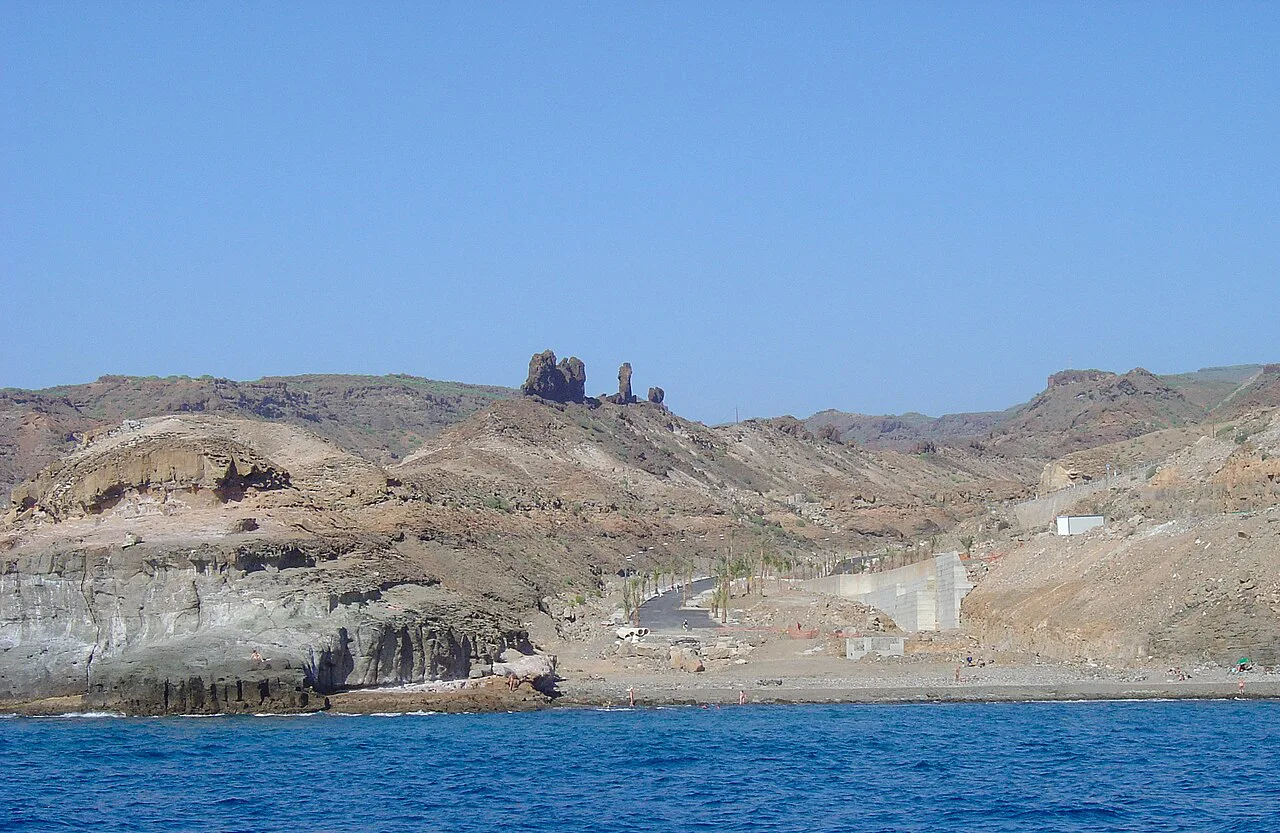
The Atlantic is still cool in June, so swimmers should set expectations accordingly; this is not the month for long, warm-water sessions. The north coast can be cloudy and breezy even when the south is blazing, and a cloudy spell can last a day or more.
Trade winds are a constant, occasionally strong enough to make a beach day less relaxing than the temperature suggests. Calima — Saharan dust haze — can occur and reduces visibility and air quality, and the sun inland is strong enough to burn quickly at altitude.
Gran Canaria, Lanzarote or Tenerife in June?
Gran Canaria and its Canary neighbours are warm and dry in June, and the choice comes down to landscape and atmosphere rather than weather. Gran Canaria offers the most variety in a compact space, with green highlands, dramatic peaks and long southern beaches within an hour or so of each other.
Lanzarote is flatter and more volcanic, with a starker beauty and a quieter feel, while Tenerife adds Spain's highest peak and a greener north. Lanzarote in June is worth comparing if you want a slower, more otherworldly island, and our wider guide to where is warm in Europe in June places all of these options side by side. For the Balearics instead, Ibiza in June shows a very different kind of early-summer trip.
June or September?
June and September are close cousins: both are warm, both avoid the school-holiday crush, and both sit either side of the summer peak. June tends to feel fresher and greener, with the island still shaking off spring, while September carries warmer sea and a slightly more worn, end-of-summer atmosphere. Travel practicalities and entry requirements are set out on the UK government's Spain travel advice page.
If you want the island at its most alive and the days at their longest, choose June. If warm water and a softer, post-season calm matter more, September is the better bet.
The verdict
Book June if you want dependable warmth, near-certain sunshine and comfortable evenings without peak-season crowds or prices. It is the best month for sightseeing, highland walking and eating outdoors, and it suits families who would rather avoid real heat.
Choose July or August only if hot evenings and warmer sea are essential, and accept the crowds and higher costs that come with them. If you are flexible on timing and want to see how the island compares across the whole season, our parent guide to Gran Canaria in April is the natural place to start.
More Gran Canaria spring guides
Frequently Asked Questions
Is Gran Canaria hot in June?
It is warm rather than hot. Long-term averages for Gran Canaria Airport give daytime highs of about 25 °C (77 °F) and night-time lows near 19 °C (67 °F), with almost no rain and plenty of sunshine. That is comfortable for sightseeing and walking; if you want genuine heat and balmy evenings, July and August are the months to choose.
What is the average temperature in Gran Canaria in June?
The 1981–2010 climate normals for the airport station put the average daily maximum at 25.3 °C (77.5 °F) and the average daily minimum at 19.2 °C (67.6 °F). The same records show 284 hours of sunshine in the month and barely any rain. These are typical conditions, not a forecast, and higher inland villages such as Tejeda run cooler than the coast.
Is the sea warm enough to swim in Gran Canaria in June?
The Atlantic is still cool in June and warms slowly through the summer, so most people treat a swim as a short, bracing dip rather than a long bathe. Sheltered southern coves feel gentler than exposed northern beaches, where the trade winds add a chill. If warm water matters more than dry, sunny days, later summer is a better fit.
Is June a good time to visit Gran Canaria?
Yes, for most trips. You get settled, sunny weather without the crowds and higher prices of July and August, and the highlands around Tejeda and Roque Nublo are cool enough to walk comfortably. The trade-offs are cooler evenings than high summer and a sea that is still on the cold side.
How does June in Gran Canaria compare with July?
July is hotter and busier, with UK school holidays pushing up flights and accommodation, and the sea has had longer to warm. June offers most of the sunshine with fewer people and lower prices. Pick July only if hot evenings and warmer water are central to your plans.
Does it rain in Gran Canaria in June?
Rain is very rare. The airport climate normals record 0.1 rain days and 0 mm of precipitation for June, so a washout is unlikely to shape your trip. Cloud is a different matter: the north coast and the high peaks can hold cloud while the south stays sunny.
Is Gran Canaria busy in June?
June is shoulder season, so it is quieter than July and August but busier than spring. The first half of the month is calmest; late June picks up as UK schools approach the summer break and southern resorts such as Playa del Inglés and Puerto Rico fill. The south is busier than the north throughout.
Is June a good time for walking in Gran Canaria?
It is one of the better months for it. Inland routes around Roque Nublo and Tejeda sit higher and cooler than the resorts, and mornings are usually clearer before cloud builds on the peaks. Start early, carry more water than you expect to need, and keep the afternoon flexible.
Sources
Spring sun notes
Optional updates when we add destinations and months.
You might also like
Continue reading
More guides you'll find useful