Things to Do in Malta in May: Warm Days, Quiet Coastlines
Plan the best things to do in Malta in May, from Gozo cliff walks and Mdina mornings to Valletta gardens and Marsaxlokk lunches.
On this page
May is the month to go to Malta if you want warmth without the summer crush. Days are generally warm and sunny, evenings still cool enough for a layer, and the island's walking and sightseeing are at their best before the heat builds. It suits ramblers, history lovers and families with young children far better than committed beach-goers.
The trade-off is a month of mixed weather. May brings plenty of sunshine but also windy spells and the occasional thundery shower, so plan one indoor or sheltered option for every two outdoor days. If you want predictable heat and warm sea, June is the better bet; if you want to see the island in bloom with breathing room, May wins.
May in Malta: warm, sunny, and not yet crowded
Malta has long marketed itself on a mild climate and abundant sunshine, and May sits comfortably in that sweet spot before summer humidity arrives. The upshot is that spring is a good season for long rambles in the countryside, and the island's temples, fortifications and palaces reward unhurried days. Visit Malta's own things to see and do pages are a sensible starting point for mapping out the big sights.
The island is compact, which makes May especially rewarding: you can walk a coastal path in the morning and be in Valletta's gardens or Mdina's lanes by mid-afternoon. It rewards a slower pace than a July trip allows. If you have been considering April instead, compare Malta in April for cooler walking weather and emptier trails before May's festival season starts.
Weather in May: how warm, how sunny, how wet
Expect warm, sunny days and distinctly cool, breezy evenings. May is often windy, and thundery showers are not unusual, so a week can bring a mix of sunshine, rain and wind rather than guaranteed blue skies. Judge the month by those variables rather than by a single average figure.
The warmth is comfortable rather than oppressive, which is why walking and sightseeing work so well. Afternoons can feel hot if you are in full sun with no shade, so start outdoor plans earlier and reserve the early afternoon for gardens, churches or a long indoor lunch. For a sense of how the island's spring unfolds month by month, our guide to Malta in spring covers the run-up to May.
If you specifically want to know where it is warm in Europe in April, Malta is a strong option, and by May the island has shifted from 'mild' to 'reliably warm by day'. That shift matters for anyone choosing between a walking holiday and a beach holiday: May is increasingly good for the former and still variable for the latter.
Early vs late May: what changes as the season opens
Early May carries more of April's unpredictability: sharper wind, a higher chance of a wet day and cooler evenings. Late May is noticeably warmer and more settled, and the first proper beach days appear. If you want the outdoors without committing to heat, aim for the first half; if you want reliable sunshine and a chance of swimming, aim for the last week.
The island's festival season also starts to stir in May, which means fireworks and late noise in the bigger towns. Light sleepers should weigh that when choosing between Valletta, Sliema, St Julian's or Bugibba and quieter rural bases. For a picture of how May slots into the season, read Malta in May in full.
Countryside walks: Mtahleb, the Victoria Lines and Majjistral Park
May is the best month of the year for Malta's rural paths, with green slopes, wildflowers and temperatures that make a full day on foot pleasant. Mtahleb, on the west coast, offers steep valleys and sea views; the Victoria Lines follow a historic defensive wall across the island; and Majjistral Park in the north-west combines clifftop paths with coastal scenery. Each suits a half or full day, and all are best done before the afternoon heat.
Pack water and set off early: shade is scarce on the exposed stretches. The reward in May is that you get the landscape largely to yourself, which is not true in high summer. If you are weighing May against June for a walking trip, June works but you will be starting earlier and finishing sooner.
Easy paths for families: Buskett and Dingli Cliffs
Families with younger children will do better on smoother ground than on the wilder western valleys. Buskett's wooded gardens and the flat clifftop path at Dingli Cliffs offer shorter, easier outings with big views and plenty of places to stop. Both are good May choices because the heat is not yet a factor.
The cliffs are exposed, so keep an eye on the wind, which is stronger than inland in May. Pair an easy morning walk with an afternoon indoors if the weather turns. If your dates fall earlier in the year, things to do in Malta in April includes quieter, cooler versions of the same outings.
Gozo on foot: Wied il-Mielah, Dwejra and the Sannat Cliffs
Gozo is greener, quieter and made for walking in May, when the coast paths are at their best and the summer heat has not arrived. The window arch at Wied il-Mielah, the dramatic coastline at Dwejra and the Sannat Cliffs all repay a morning on foot. Add a slower afternoon in Victoria or at Ramla Bay if the weather holds.
Cliff paths demand care, especially in wind and after rain, so keep to marked routes and save exposed stretches for calm days. A day on Gozo plus the crossing makes a full itinerary, so plan one island day rather than trying to squeeze it into an afternoon. For a sense of the whole season, see Malta in May.
Valletta and Floriana gardens in bloom
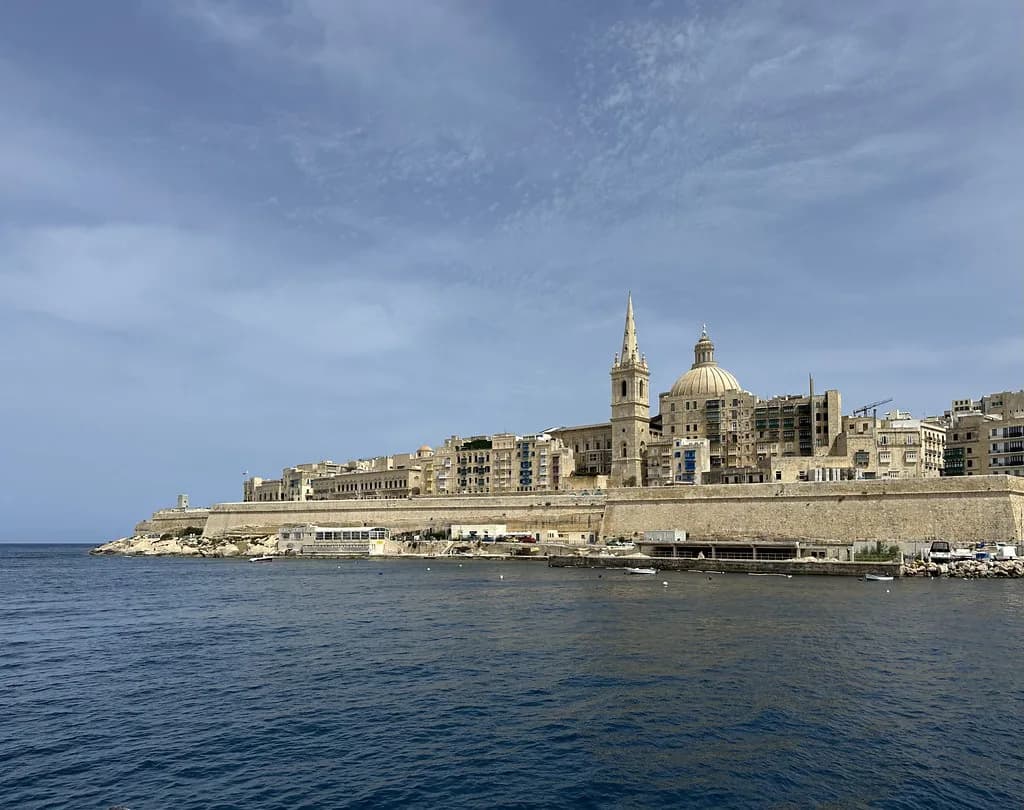
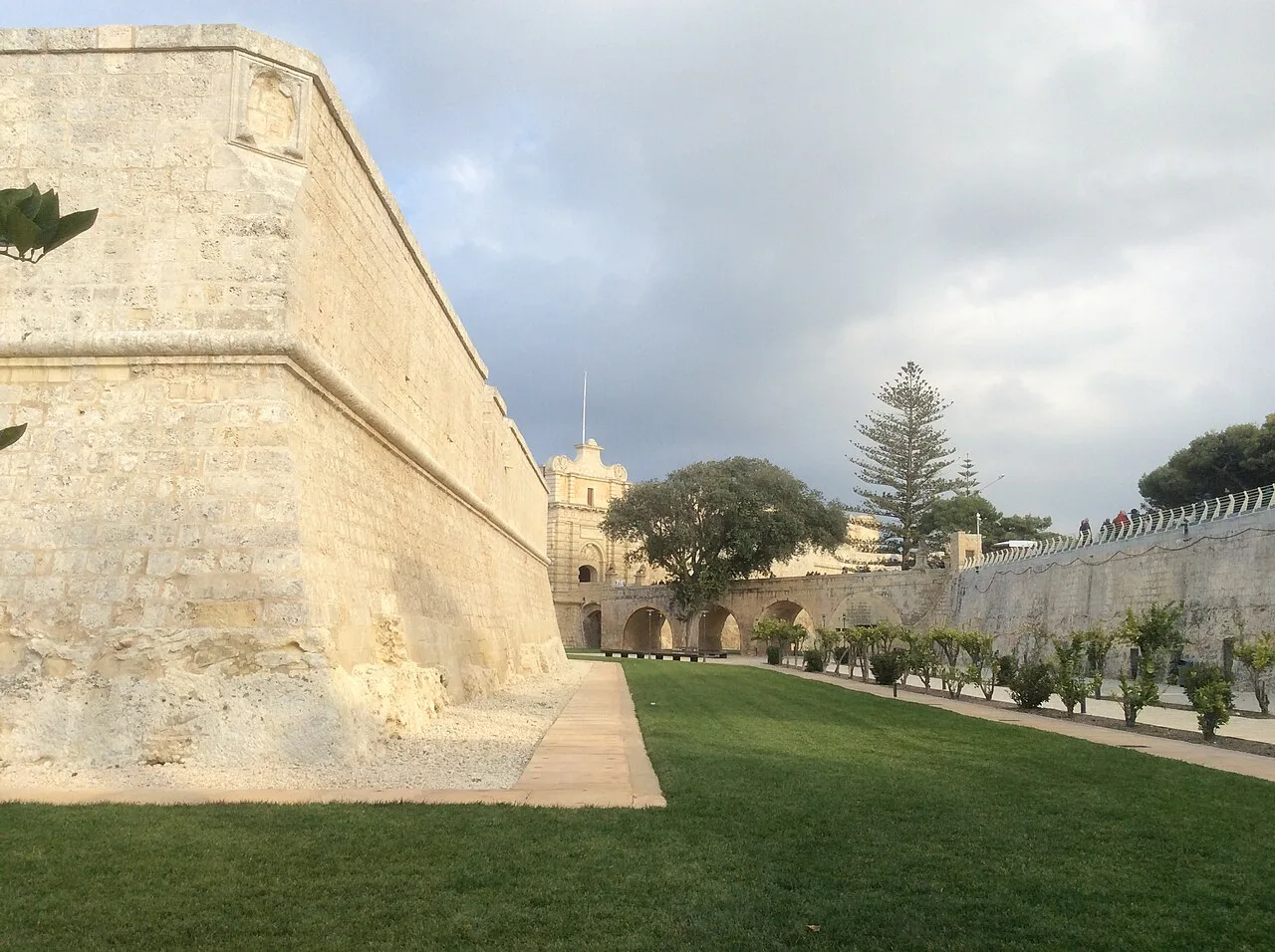
Valletta's Upper and Lower Barrakka Gardens give you some of the best views over the Grand Harbour, and in May the planting is at its freshest. Neighbouring Floriana's Argotti Botanic Gardens are usually peaceful, making a good afternoon refuge when the sun is at full strength. Both suit a slow day in the capital rather than a rushed one.
Go early or late for the Barrakka terraces to avoid tour groups, and use the middle of the day for the gardens or a museum. The capital's sights work well in May because you can walk between them without summer's sweat. If you want the quieter version of the same city, Malta in April is worth a look.
The Grand Harbour by boat
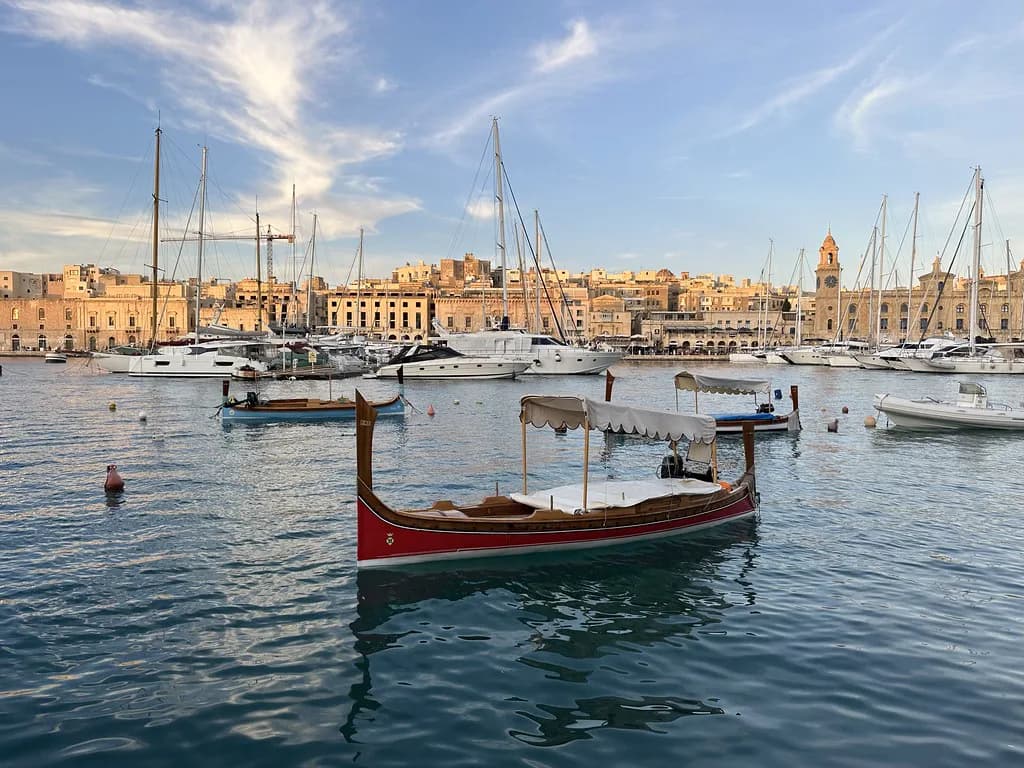
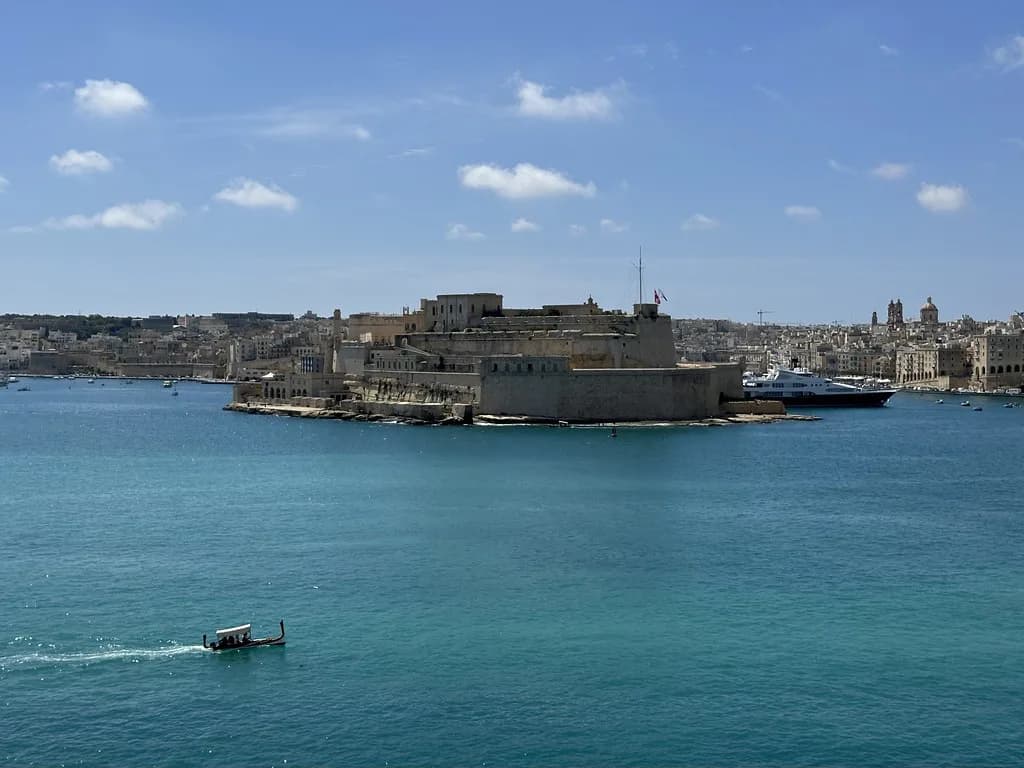
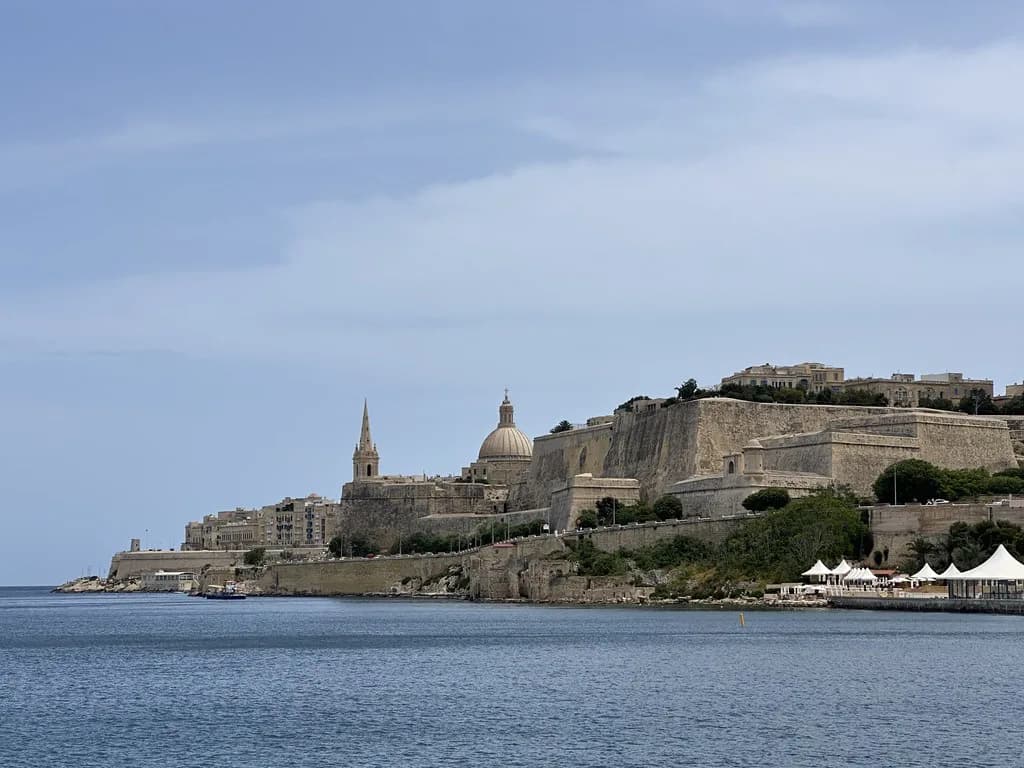
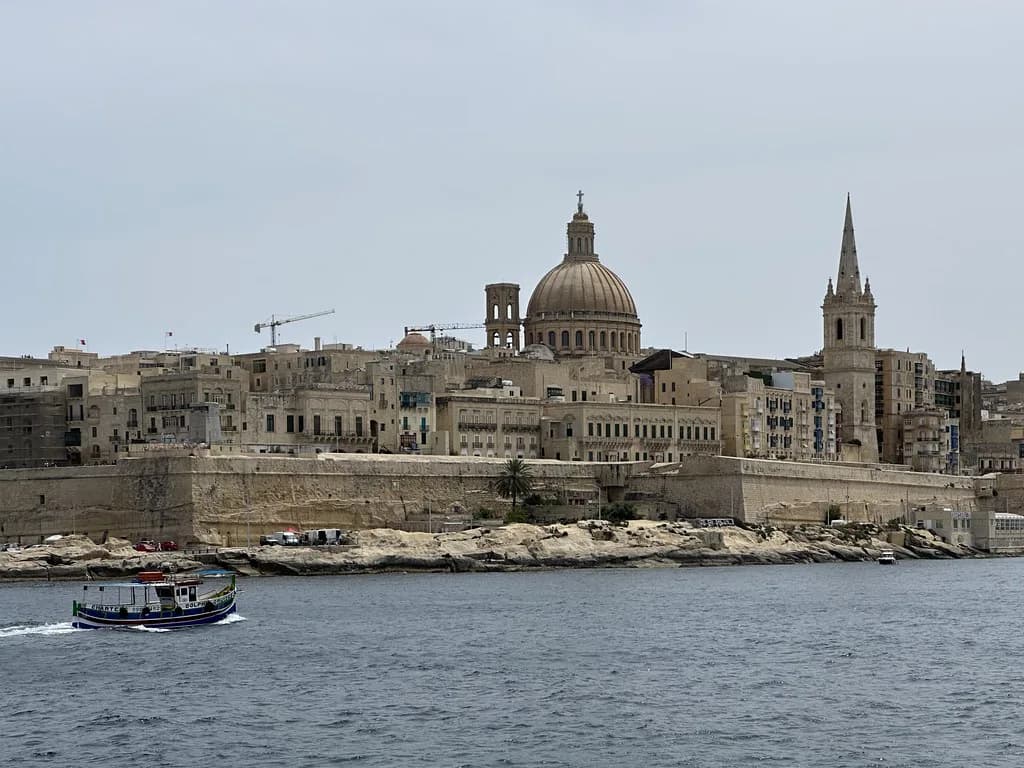
A boat tour around the Grand Harbour is the most efficient way to grasp Malta's layered history, taking in the fortified cities of Valletta, Birgu, Bormla, Isla and Kalkara. Tours usually leave from Sliema or Valletta with English commentary. May is ideal because the harbour is busy but not yet at peak-season volume and the sea is often calm enough for a comfortable trip.
Pick a calm morning and bring a layer: the wind on open water is cooler than on land in May. The boat trip also gives you a useful overview of which of the Three Cities you want to explore on foot the next day.
The Three Cities: Birgu, Bormla and Isla
The fortified cities across the water from Valletta hold some of Malta's most rewarding wandering. Birgu has Fort St. Angelo, the Inquisitor's Palace and the Maritime Museum; Bormla and Isla follow along the harbour with boats, waterfront walks and the Gardjola Gardens looking out over the harbour. A full day on foot is realistic in May weather.
Walk the waterfront between the cities rather than driving, and break the day with a long lunch. The mild May temperatures make the uphill sections manageable but you will still want water. This is a strong pick for travellers who want history without the crowds of a summer afternoon.
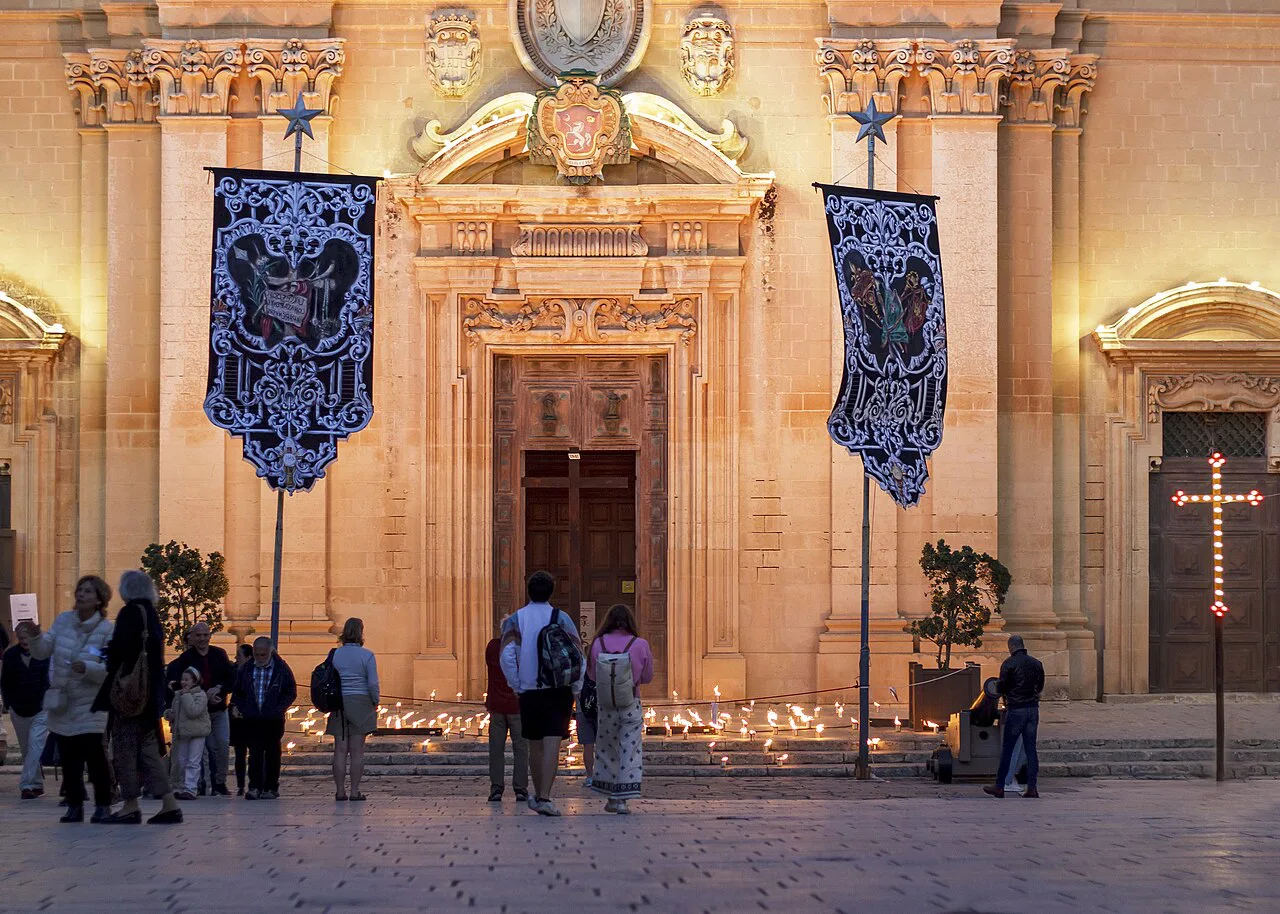
Mdina and Rabat before the tour groups arrive
Mdina's limestone lanes are magical early in the morning, and going before mid-morning lets you wander before the biggest groups arrive. Neighbouring Rabat adds St. Paul's Catacombs, St. Agatha's crypt and museum, and a Roman villa, making a full morning. May is the right month for this because the stone streets reflect heat later in the day.
Arrive early and plan an early lunch, then use the afternoon for an indoor site if the sun is strong. Weekdays are noticeably quieter than weekends. For travellers debating months, Malta in June brings more heat and more people but reliable beach weather alongside.
Marsaxlokk: a weekday lunch on the waterfront
Marsaxlokk's fishing village seafront is lined with restaurants serving fresh seafood, and the traditional boats make it one of the most photogenic spots on the island. The Sunday fish market draws heavy crowds, so a weekday lunch is the better plan in May. Inland tables and an early sitting avoid the cool end of the day.
Evenings can still be cool, which is why lunch on the waterfront works better than dinner in May. Pair the village with the nearby coast for a relaxed half-day. If you want to build a broader food-led trip, this is one of the strongest things to do in Malta in May.
Seasonal food in May: strawberries, broad beans and a food tour
Late spring is a productive season on the island, with strawberries, broad beans, peas, artichokes, peaches and mulberries in the markets. Driving to Mgarr for strawberries from a farm shop is a good excuse to see the rural north, and local food tours build their itineraries around what is in season.
Mgarr also hosts a strawberry festival in the late April to early May window, though you should confirm this year's date on the local council's own announcements before planning around it. Self-catering visitors should head to the Tuesday and Sunday farmers' markets at Ta' Qali for fresh produce and local specialities.
Food-led days suit May because there is no pressure to be at the beach during the hottest hours. A food tour can cover several villages on foot and by short transfers. It is a good wet-weather fallback too, since many tours are organised around indoor tastings. If you are considering a later trip, things to do in Malta in June shifts the emphasis towards early mornings and long evenings by the sea.
Beaches and the sea in May
May delivers some genuinely lovely beach days, but the sea remains cool and the official swimming season does not start until June, so lifeguards and designated swimming zones may not be in place. A beach picnic, a walk along the sand at Golden Bay, Paradise Bay or Ghadira Bay, or a paddle close to the shoreline is the sensible approach in May.
If the sea is choppy, stay out; currents are worth respecting on the bigger sandy bays. Families should treat May as an outdoor-play month rather than a swimming holiday. If warm sea is a priority, Malta in June is the better choice.
Comino's Blue Lagoon is the island's most famous swim stop, and it is dramatically quieter in May than in high summer. A half-day boat trip there works well when the weather is settled. Hikers and sightseers who like the sound of a less crowded coastline can browse the best time to visit Malta for a month-by-month comparison.
Family options: Popeye Village, Esplora and the aquarium
For mixed-weather days, the island has three reliable family fallbacks. Popeye Village at Anchor Bay is a film set turned theme park with interactive shows; Esplora in Kalkara is an interactive science centre with a planetarium; and the Malta National Aquarium at Bugibba houses more than 175 species. All three work well in May because they are mostly indoors or sheltered.
Esplora pairs neatly with the Three Cities, so you can split a day between science and harbour history. Check each venue's own website for the day's opening times and any family ticket deals before you go. Popeye Village also has a restaurant on site, which simplifies a day out with younger children.
Crowds and prices in May
May is pre-season in terms of crowds, but the school May half-term and the UK bank holidays are noticeably busier. The festival season brings fireworks and late-night noise to Valletta, Sliema, St Julian's and Bugibba. If quiet matters, choose a rural base and book the half-term week early, as accommodation prices rise with demand.
Prices generally sit below the July and August peak, though we do not quote specific figures here; compare rates directly on hotel and operator sites for your dates. Mdina, Marsaxlokk and the Blue Lagoon are the sights most sensitive to crowds in May. Starting early solves most of it.
If you have flexibility, the first half of May is the best value and the quietest window. Our guide to where it is warm in Europe in April can help if you are also considering an earlier spring trip elsewhere in the Mediterranean, where warmth varies considerably by destination.
Honest drawbacks: wind, thundery showers, cool evenings
May is not a guaranteed-sunshine month. Wind is the main nuisance, disrupting boat trips and making clifftop walks harder, and thundery showers can arrive quickly. Evenings are cool enough that outdoor dinners need a jacket or an indoor table. Plan at least one indoor day for every few days outside.
The sea is cold by Mediterranean standards, which limits swimming to short dips or warm afternoons. The upside is a greener, emptier, more comfortable island than you get in high summer. If a predictable hot beach holiday is the goal, look at our guide to Malta in May to compare the month's promise against its reality, then weigh June.
May or June?
Choose May for walking, sightseeing, gardens in bloom, quieter sights and lower prices, and accept that the sea is cool and the weather can be mixed. Choose June for reliable sunshine, warm sea and long evenings, and accept more crowds and rising heat. Families with young children and walkers favour May; sun-seekers and swimmers should hold out.
If your dates span both months, aim for late May to get a taste of both. Our companion guide to Malta in May sets out the month in more detail, while our earlier-month guide to Malta in April covers cooler, quieter walking. For the fuller seasonal picture, see the best time to visit Malta.
Plan Your May Trip
Book May for the island's best walking and sightseeing weather, and structure days around early starts, long lunches and afternoon gardens or museums. Use the cooler, windier days for Esplora, the aquarium, Mdina's indoor sites or a food tour, and save clifftop walks for the calmest mornings. Check the ferry and boat operators' own pages for the day's sailings before setting out, especially on Gozo days.
For official travel advice, use the UK government's Malta travel page once before you book, then plan the rest around the weather rather than the other way round. If you are deciding between months, the best time to visit Malta helps you compare spring, summer and autumn honestly.
Frequently Asked Questions
Is May a good time to visit Malta?
Yes, for most travellers. May delivers warm, sunny days without the summer crowds or peak heat, which makes it excellent for walking, sightseeing and long outdoor lunches. It is less reliable for swimming, because the sea is still cool and the official swimming season does not begin until June.
Is it warm enough to swim in Malta in May?
Not reliably. Some sunny days allow a short dip, but the sea is still cool and lifeguards and designated swimming zones may not be in place until June. Treat May as a beach-picnic and shoreline month rather than a swimming holiday, and save serious time in the water for June onwards.
What is Malta's weather like in May?
Days are generally warm and sunny, with cooler breezy evenings. May is also a windy month on the island, and thundery showers are not unusual, so a week can mix sunshine, rain and gusty spells. Plan a flexible itinerary with indoor fallbacks in case of rain.
What is on in Malta in May?
The festival season starts to stir, with village festas featuring processions, food and fireworks, and strawberry season is at its peak in Mgarr. The strawberry festival usually falls around late April or early May, but check this year's date with the local council before planning around it.
How do I avoid crowds in Malta in May?
Start early. Mdina is best before mid-morning, Marsaxlokk is calmer on a weekday than on Sunday, and the Blue Lagoon is far quieter in May than in summer. Avoid the UK school half-term week for the quietest conditions, and choose a rural base if fireworks and late noise in Valletta or Bugibba would bother you.
Is May or June better for Malta?
May is better for walking, sightseeing and avoiding crowds, with cooler weather and lower prices. June is better for warm sea, reliable sunshine and long evenings, at the cost of more people and rising heat. Walkers and families with young children tend to prefer May; swimmers should wait for June.
How hot does Malta get in May?
Warm enough for shirts and shorts by day, with evenings that still call for a layer. Afternoons in full sun can feel hot, especially on stone streets in Valletta and Mdina, so shift outdoor plans to morning and late afternoon and use the middle of the day for shade, gardens or indoor sights.
Sources
Spring sun notes
Optional updates when we add destinations and months.
You might also like
Continue reading
More guides you'll find useful