Things to Do in Malta in June: Plan Your Best Days Out
June in Malta brings warm days, a sea that has finally warmed up and everything running at full pace. Here is what genuinely suits early summer on the islands.
On this page
June is the month Malta shifts into full summer: warm days, a sea that has finally lost its bite, and ferries, boat trips and heritage sites all running at full pace. It suits travellers who want swimming and sightseeing on the same trip, and who can handle stronger sun by late afternoon.
If you want the same islands with cooler air and thinner crowds, look at Malta in May instead; if you are weighing the shoulder months more broadly, see where it is warm in Europe in April. June rewards you with the longest evenings of the spring run-up, which changes how you plan a day.
June in Malta: warm days, warm sea, full operation
By June the limiting factor on a Malta trip stops being the water and becomes the sun. Boat operators run their Comino and Gozo itineraries with swimming stops, weather permitting, and the islands' heritage sites, restaurants and beach clubs are in season rather than limbering up.
That full operation is the real argument for June over the earlier spring months. You can plan a boat day, a walled-city afternoon and a cliff sunset in the same long day without wondering whether the season has started.
Weather in June: typical highs and nights
Treat June as warm rather than scorching: it is the build-up month before July and August, with comfortable daytime conditions and noticeably cooler nights. The Malta Met Office publishes the official climate normals for each month, so check its June figures in degrees Celsius before you commit to a date.
Rain becomes rare as the month progresses, and daylight stretches well into the evening, which is what makes late-afternoon sightseeing work. Do not read any specific daily figure as a forecast; the normals describe what June usually delivers, not what your week will bring.
For context on how quickly the island warms through spring, the earlier months are covered in our guide to Malta in April, where evenings still need a layer.
Is it warm enough for swimming and lazing outdoors?
June is the first month when most visitors find the sea genuinely inviting rather than bracing, which is why swimming stops and lagoon trips appear on operator schedules from this point. Sunbathing and long outdoor lunches are comfortable, but the middle of the day is strong enough that you will want shade or a siesta.
Family trips work well because the water is calmer and warmer than in spring, and the daylight means you are not racing the clock to get back from a boat day. If your group includes anyone who wilts in heat, book the outdoor block for morning or evening.
Early vs late June: what changes as summer builds
Early June feels like a generous extension of spring: warm but rarely punishing, with the sea at its most refreshing and the island not yet at full summer pressure. Late June tips towards high summer, with hotter afternoons, busier transport and the first wave of school-holiday families arriving.
Prices and crowds build across the month, so the same trip costs less and moves faster in the first week. If you are flexible, aim early and use the long evenings for the outdoor sights rather than midday.
Comino and the Blue Lagoon by boat
The Blue Lagoon on Comino is the headline boat day, a sheltered channel between Comino and the tiny islet of Cominotto with white sand under impossibly clear water. It looks staged in photographs and is not; the trade-off is that in high summer dozens of boats anchor in the bay and every flat rock gets claimed.
June gives you most of the water quality with fewer of the crowds than July or August, especially if you take an early departure. Swimming stops are weather permitting, so build in a spare day if the lagoon is the reason for your trip.
Most Gozo day tours fold in a Blue Lagoon stop on the return leg, which saves you arranging separate transport and usually times the visit away from the worst of the afternoon. Crystal Lagoon, around the headland, sees fewer visitors and has water just as clear.
Gozo in a day: Victoria, the Citadel and Dwejra
Gozo is Malta's quieter, greener sister island, reached by a short ferry crossing from Ċirkewwa in the north; you pay for the return on the way back rather than on the outbound leg. On the island, buses run infrequently, so a tour or a car makes more sense than relying on public transport for a one-day visit.
In Victoria, the Citadel has been restored and gives panoramic views from the ramparts, with small museums and craft shops inside the walls. Below the fortifications, the morning market in the main square sells local produce and is worth timing your arrival around.
Dwejra still draws visitors even though the Azure Window collapsed in 2017; the Inland Sea remains, a saltwater lagoon linked to the open Mediterranean through a tunnel in the cliff. Ramla Bay, with its unusual reddish-orange sand, is the island's best beach, and the short walk up to Tal-Mixta Cave gives you the view back over it.
Valletta: St John's Co-Cathedral and the Upper Barrakka Gardens
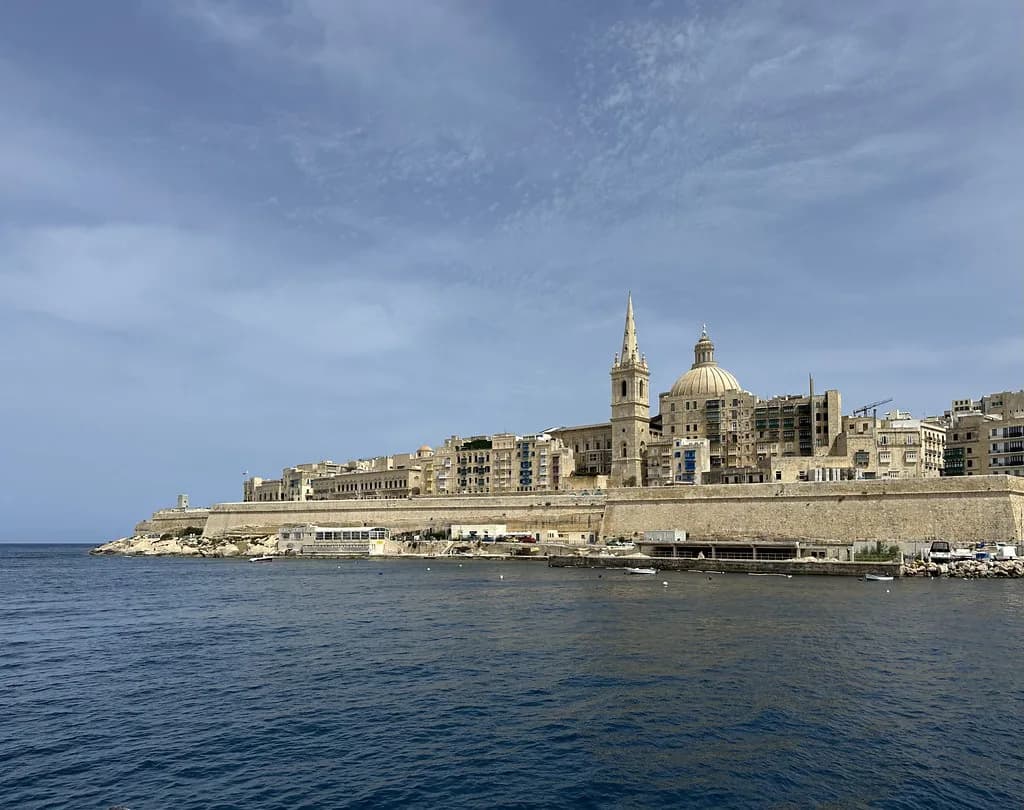
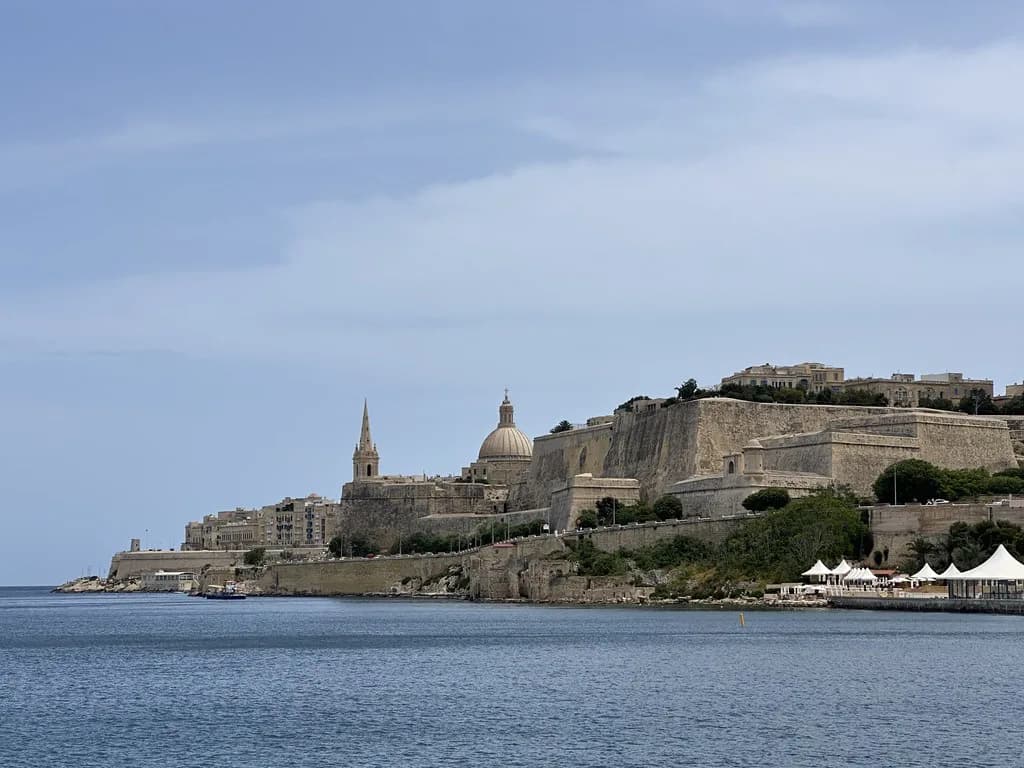
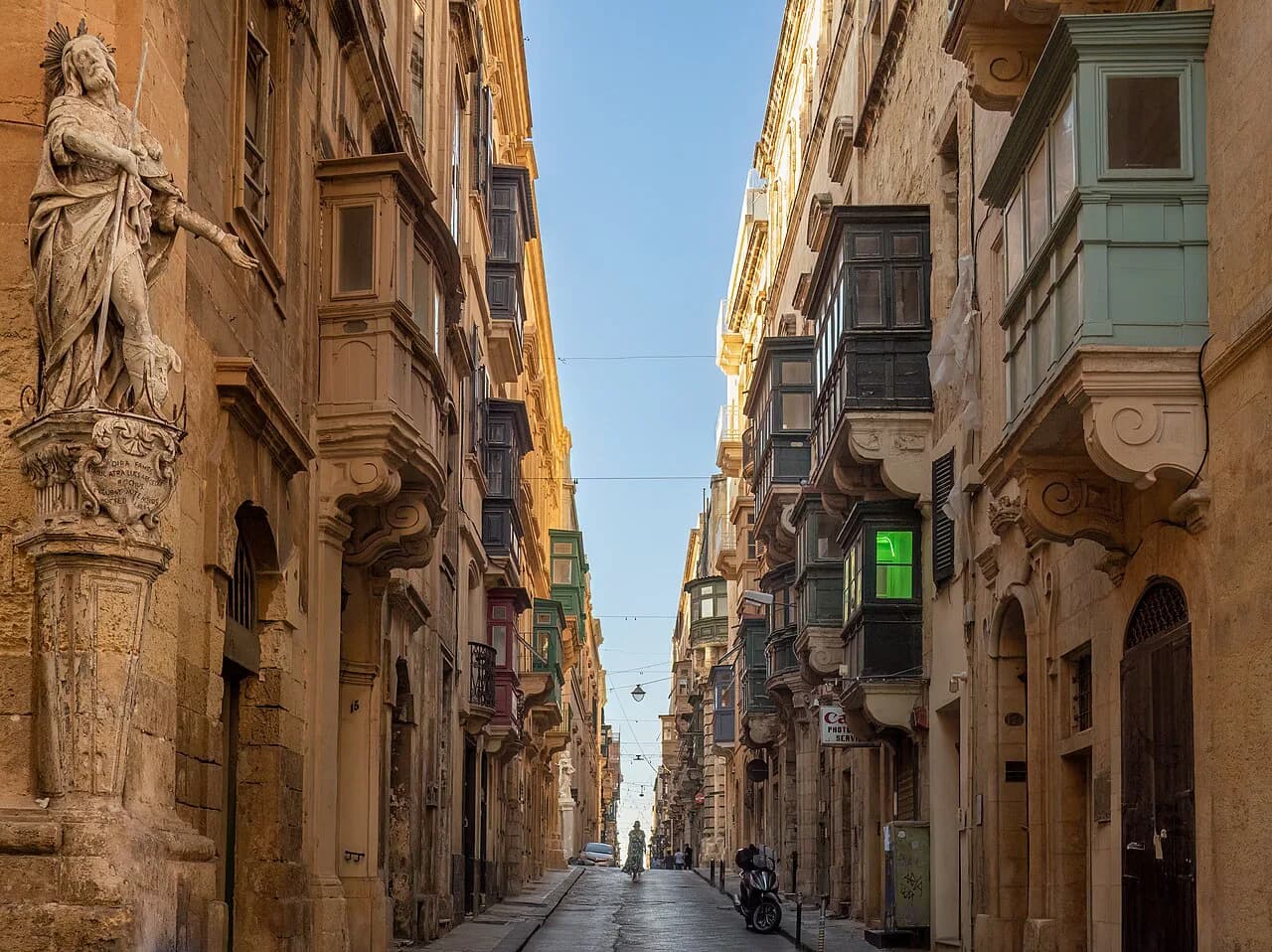
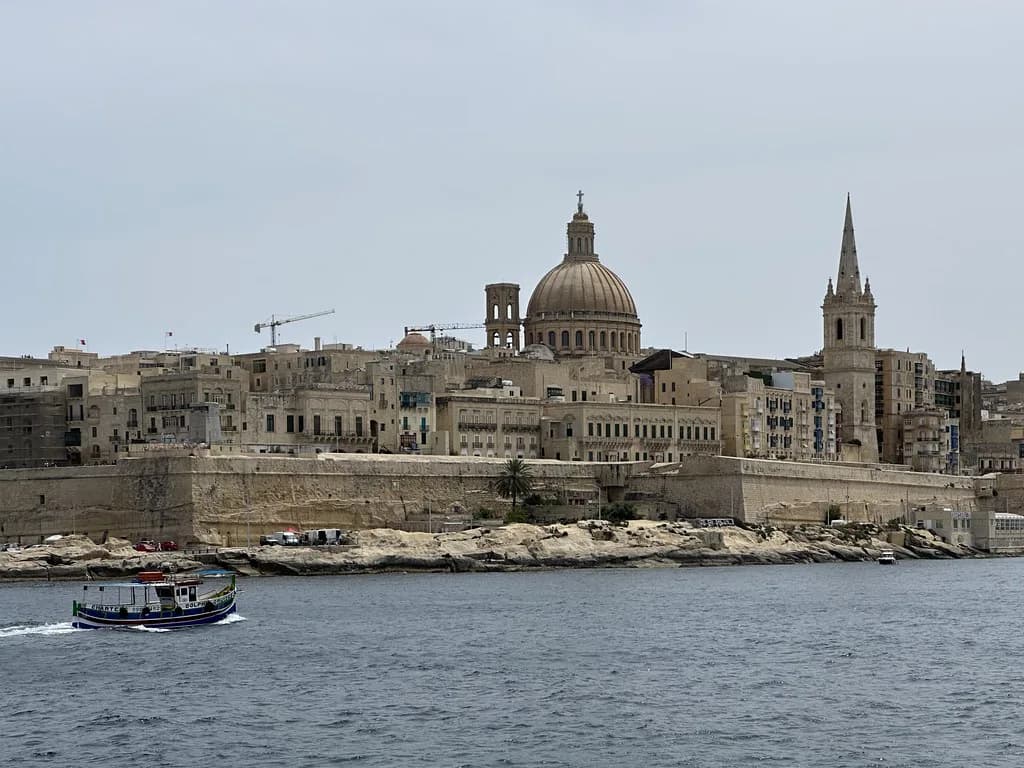
Valletta is compact enough to cross on foot in about twenty minutes yet dense enough to fill a day, with Republic Street running from the Triton Fountain to Fort St Elmo. Start early, because the sun on the limestone gets fierce by midday and the popular interiors fill up.
St John's Co-Cathedral looks plain from outside and is astonishing within, with gilded surfaces, marble floor tombs and two Caravaggio paintings. Check the cathedral's own site for current entry arrangements and opening times before you build a morning around it, and see our notes on St John's Co-Cathedral in April for how the earlier season compares.
Upper Barrakka Gardens is free and has the best view in the city, over the Grand Harbour towards the Three Cities, with the noon cannon fired from the Saluting Battery below. In June the gardens are best in the late afternoon, when the light softens and the heat drops; our guide to the Upper Barrakka Gardens in May explains what changes earlier in spring.
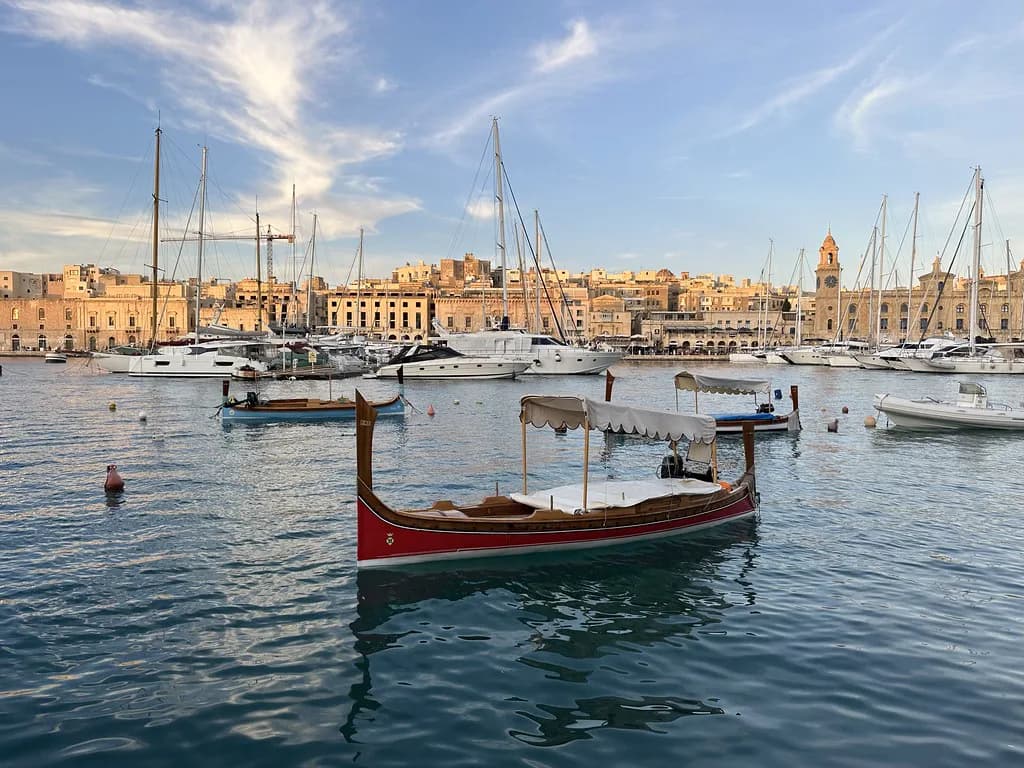
From the gardens, the Barrakka Lift drops you to the waterfront, where traditional dgħajsa boats cross to Birgu. Birgu is older than Valletta, gets far fewer tourists and rewards a slow wander through its narrow streets.
Mdina and Rabat at dusk
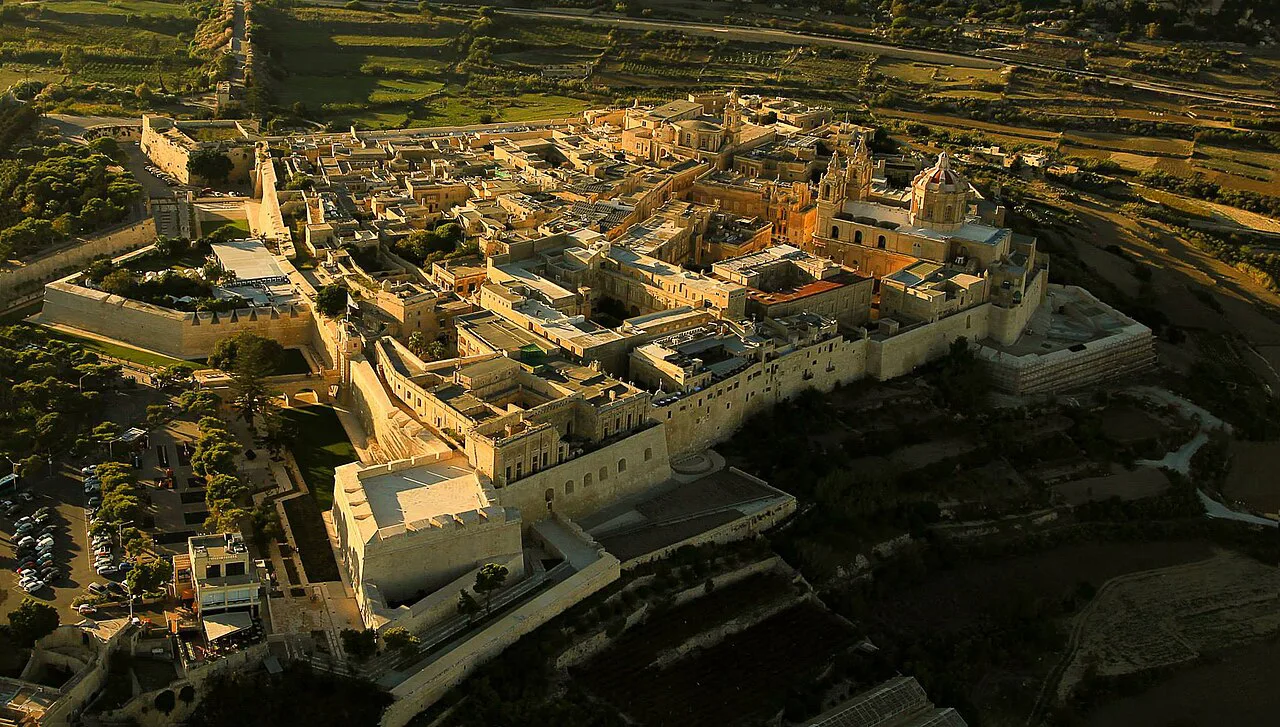
Mdina was Malta's capital for centuries and now holds around 300 residents inside its walls, with cars banned and a silence that earns it the nickname the Silent City. Arrive late afternoon in June, when the day-trippers have gone and the limestone turns gold.
The main gate, reached over a stone bridge across a dry moat, has stood in for ancient Mediterranean fortresses in films and television for decades. Inside, the streets twist without logic, which is the pleasure of the place; the Cathedral of St Paul has a ceiling painted to imitate a dome the money never stretched to build.
Stop at Fontanella Tea Garden on the bastions for the view and the chocolate cake, then walk out through the gate into Rabat, which is more lived-in and less polished. St Paul's Catacombs run underground for longer than you expect and make a cool finish to a hot day.
The prehistoric temples: Ħaġar Qim, Mnajdra and Ġgantija
Malta's megalithic temples are older than the pyramids and far quieter than they deserve, built between about 3600 and 2500 BCE by a civilisation that then vanished. Ħaġar Qim and Mnajdra sit on the southern cliffs about 500 metres apart and share a ticket, with a visitor centre film that explains what you are looking at.
On Gozo, Ġgantija is older still, its name meaning belonging to the giants because medieval observers could not imagine humans moving stones that size. Visit in the morning in June, when the exposed sites are bearable and the coach groups have not yet arrived.
The Ħal Saflieni Hypogeum, an underground burial complex carved by hand with flint and antler tools, admits only a small number of visitors each day and sells out well ahead. If it is the reason for your trip, secure a slot before booking flights.
The Blue Grotto and Marsaxlokk on the south coast
The Blue Grotto is a series of sea caves near Wied iż-Żurrieq where the water glows electric blue when the morning light hits the main arch. Traditional luzzijiet take visitors in for about twenty-five minutes, and the boatmen run only when conditions are calm, so keep the trip flexible.
Above the caves, a viewing platform gives you the coastline without the boat. Pair the morning with Marsaxlokk, where brightly painted luzzu boats line the harbour, each prow marked with the Eye of Osiris, and the Sunday fish market draws locals and visitors alike.
Waterfront restaurants in Marsaxlokk serve whatever came in that morning, which makes a long seafood lunch the natural end to a south-coast day. Reserve if you are coming on a Sunday in June, when the village is at its busiest.
Dingli Cliffs and the western coast walk
Dingli Cliffs are Malta's highest point, over 250 metres above sea level, and the terraced farmland along the edge feels like a different island from the built-up east. Come late afternoon in June, when the limestone turns gold and then pink, and you may have the whole stretch to yourself.
Walking trails run in both directions along the cliffs, past a small chapel dedicated to St Mary Magdalene near the high point. On clear days the uninhabited islet of Filfla sits on the horizon; it is a bird sanctuary and nobody lands there.
For dinner afterwards, the farmhouse cooking around Dingli includes rabbit stew, fresh bread and local wine, the kind of slow meal that suits a long June evening. Book ahead at weekends.
Village festas in June
June is when village festas start filling squares across Malta and Gozo, with streets hung with lights, statues carried through the village and food stalls selling nougat and imqaret, the date pastries. Maltese fireworks are loud, long and occasionally alarming, and the displays can run for hours.
The bigger towns, including Mosta and Żurrieq, draw the largest crowds; smaller villages are more intimate and easier to enjoy. Parish and Malta Tourism Authority listings carry the confirmed dates for each locality, so match a festa to your dates rather than hoping to stumble on one.
Food in season: pastizzi, ftira, fenkata and ġbejna
Pastizzi are the cheapest and most constant pleasure, diamond-shaped pastries filled with ricotta or mushy peas and sold fresh in every town. Eat them warm, standing up, with a coffee, and you have understood Maltese breakfast.
Ftira is the local bread, chewy with a hole in the middle, usually dressed with kunserva tomato paste, capers, olives and tuna. Fenkata, the national dish of stewed rabbit with garlic and wine, is a slow weekend meal rather than a quick lunch, and ġbejna, the small sheep's or goat's cheese, is worth ordering fresh and again aged.
In Valletta, Nenu The Artisan Baker does good ftira and local dishes; in Victoria on Gozo, Ta' Rikardu is known for home-style Gozitan cooking. For a broader picture of what the island does well, see things to do in Malta in May, which covers the food stops that open as the season builds.
Crowds and prices in June
June is busy but not yet peak-summer busy: the first half is noticeably calmer than the second, and the school-holiday wave arrives later in the month. Prices climb with demand as the month runs on, so early June buys you breathing room on both counts.
Book the boat days and the Hypogeum first, since those are the pieces with fixed capacity, then work the rest of the itinerary around them. Everything else, from Valletta's streets to the Dingli Cliffs, needs no reservation at all.
June or September? Choosing your month
Both are excellent, and the choice comes down to what you want from the sea and the heat. June's water has warmed enough for comfortable swimming but the air has not yet reached its August peak, while September brings a sea that has spent all summer warming and an island that empties as the school holidays end.
For a fuller picture of how June compares across the year, our guide to Malta in June covers the same ground in more detail, and the best time to visit Malta sets out how the seasons stack up for different kinds of trip.
The verdict
June is one of the best months to see Malta if you want swimming and sightseeing on the same trip, with long evenings that make Mdina and the Dingli Cliffs genuinely special. It is less compelling if you hate heat or want the island to yourself.
For cooler air and fewer people, the earlier part of spring is covered in Malta in spring; for the full build-up and where else in the Mediterranean is warming, the best time to visit Sicily is a useful comparison from the same latitude band.
Plan Your Visit
Book early June if you can, prioritise the boat day and the Hypogeum, and leave the middle of the day for interiors, long lunches and shade. Save Mdina, the Dingli Cliffs and the Barrakka Gardens for the evening, when June's light pays you back.
For anything not covered here, check current details on the venue's own site and the official UK government travel advice page before you book. Nothing on these pages is a forecast, and the weather will do as it does.
Frequently Asked Questions
Is Malta hot in June?
June is warm rather than scorching, the build-up month before July and August. Daytime highs are comfortable for sightseeing and the evenings are noticeably cooler, but the midday sun is strong enough that you will want shade or a siesta. Check the Malta Met Office climate normals for the official June figures.
Can you swim in Malta in June?
For most visitors, yes. June is when the sea stops being bracing, which is why boat operators start running Comino and Blue Lagoon trips with swimming stops, weather permitting. The water is calmer and warmer than in spring, which makes it a good month for families.
What are the best things to do in Malta in June?
Take a boat day to Comino and the Blue Lagoon, spend a morning at the prehistoric temples, and give Valletta a full day with St John's Co-Cathedral and the Upper Barrakka Gardens. Save Mdina and the Dingli Cliffs for late afternoon, and check whether a village festa falls in your week.
Is June a good time to visit Malta?
It is one of the best months for a mixed trip: warm days, warm sea, everything open and long evenings. The trade-off is the first real heat and prices starting to climb towards peak season, so early June is the sweet spot.
How busy is Malta in June?
Busy but not yet at peak-summer levels. The first half of the month is noticeably calmer than the second, and the school-holiday wave arrives later. Book boat trips and the Ħal Saflieni Hypogeum first, since those have fixed capacity.
Is Malta in June or September better?
June gives you a sea that has warmed up with air temperatures still shy of their August peak; September gives you the warmest water of the year and an island that empties as school holidays end. Pick June for longer daylight and fresher sightseeing, September for swimming.
Do you need a car in Malta in June?
For Valletta, Mdina and the south coast you do not; buses, taxis and walking cover the main sights. A car helps on Gozo, where buses run infrequently and a one-day visit is hard to do on public transport, but plenty of travellers take a tour instead.
Sources
Spring sun notes
Optional updates when we add destinations and months.
You might also like
Continue reading
More guides you'll find useful