Malta in May: What to Expect and How to Decide
Malta in May averages 23.3°C by day and 14.9°C at night, with rain on barely three days. What that suits, and whether to wait for June.
On this page
Yes, Malta is warm in May, and it is arguably the island's most comfortable month for anything that involves being on your feet. The long-term Luqa normals put the average daytime high at 23.3 °C (about 74 °F) and the night-time low at 14.9 °C (about 59 °F), with rain on just 2.8 days across the month and 6.6 mm in total.
That combination — bright, mostly dry, rarely hot — makes May the month to pick for Mdina's lanes, the Victoria Lines and long lunches in Marsaxlokk. It is not yet a beach holiday: the air warms faster than the sea, evenings stay cool, and the wind can interrupt an otherwise perfect day. If swimming and full summer service matter more than comfort, June is the better call.
Weather in May
The figures come from the WMO World Weather Information Service page for Malta, using Luqa station data supplied by the Meteorological Office and averaged over 1961-1990. Treat them as typical conditions rather than a forecast: May's average daily maximum is 23.3 °C (about 74 °F), the average daily minimum is 14.9 °C (about 59 °F), and the month averages 2.8 rain days with 6.6 mm of precipitation.
For context, April averages 19.1 °C by day and 11.9 °C at night with 6.4 rain days and 22.5 mm of rain, while June jumps to 27.5 °C and 18.4 °C with barely a rain day. May sits neatly between the two: noticeably warmer and drier than April, several degrees short of June's heat. Sunshine is plentiful in May, though the official normals page does not publish a sunshine total, so judge the month by its rain figures and its reputation for bright, breezy days rather than a specific hour count.
Is it warm enough?
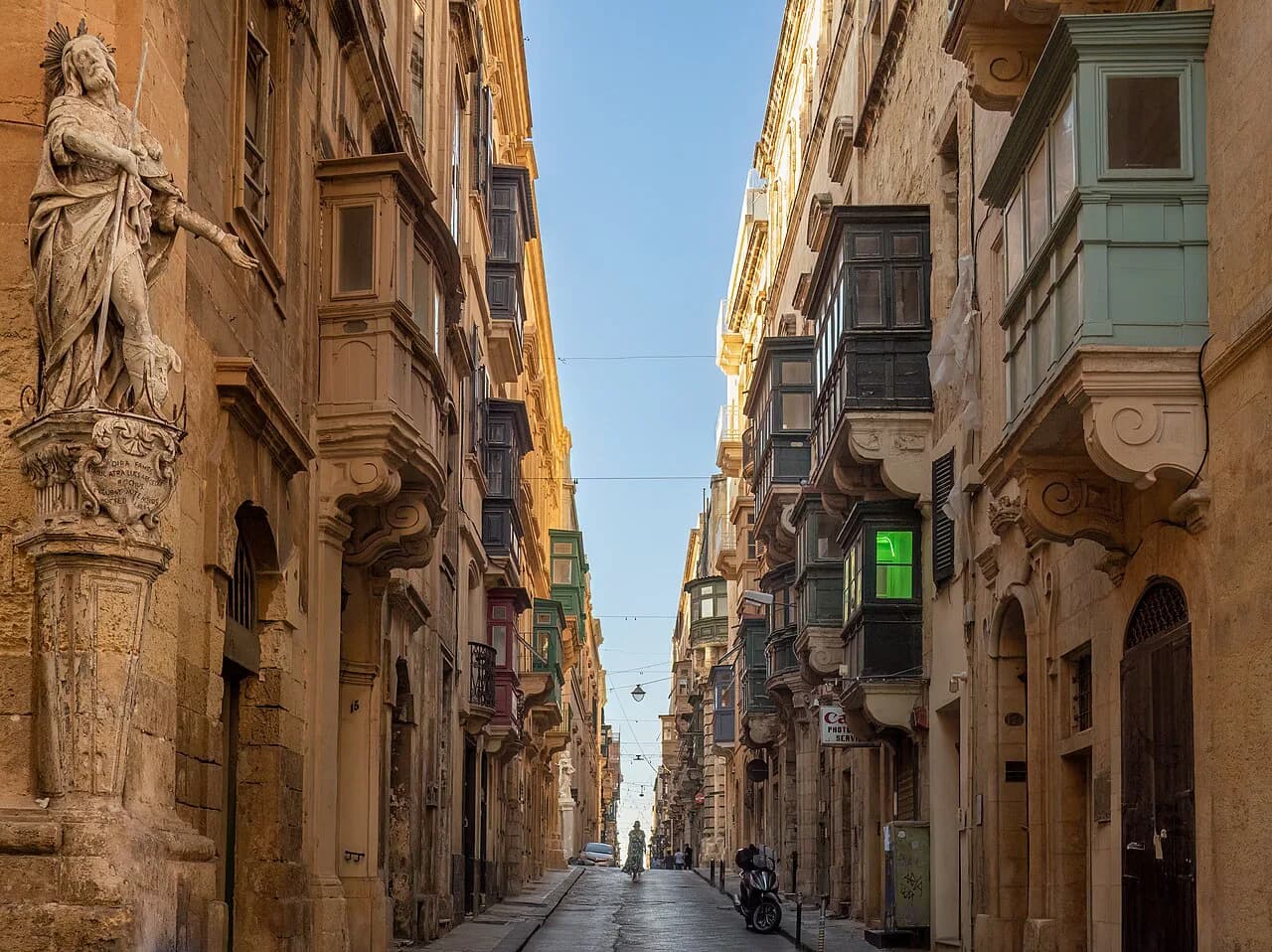
May suits walkers, sightseers and anyone who wants to spend the day outdoors without wilting. A high of 23 °C is comfortable for the Victoria Lines, the cliffs at Dingli and Majjistral Park, and it is mild enough for exploring Valletta's grid of limestone streets without the shade-hunting that July demands. Families with young children will find the daytime temperatures manageable, though the sea is still cool and the evenings need a layer.
It does not suit anyone whose main goal is lying on a beach in swimwear from morning to evening. The sea lags behind the air, the wind picks up on exposed coasts, and the pre-season rhythm means beach clubs and waterfront restaurants are still finding their feet. If a proper swimming holiday is the plan, look at Malta in June instead, when the air is several degrees warmer and the island shifts into summer mode.
Early vs late May
Early May behaves more like a mild April: days around 21-23 °C, cooler nights, and a higher chance of a showery spell. Late May pushes towards June's pattern, with afternoons that can feel genuinely hot and evenings that stay pleasant well into the night. The month warms steadily, so if you are booking a week, the second half is the safer bet for outdoor lunches and long walks.
Compared with April, May is drier and warmer by a clear margin — April's 6.4 rain days and 22.5 mm drop to 2.8 days and 6.6 mm — and the countryside is still green from spring rain. Compared with June, May is cooler by about four degrees and has a bit more rain, but it is also less crowded and less expensive before the school holidays begin.
Wind, showers and hot spells
May is a breezy month, and the wind is the detail that catches visitors out. Malta is flat and exposed, so a sunny 23 °C day can feel cool on an open headland or a ferry deck, while a sheltered square in Valletta feels considerably warmer. Thundery showers are not unusual in May, though they tend to pass through rather than settle in for days.
The occasional hot spell can push afternoon temperatures well above the monthly average, usually when a southerly airflow arrives from North Africa. Those days are the ones that make late May feel like a preview of summer, and they are also the days when the shade of the Barrakka Gardens or a stone arcade in Mdina becomes genuinely welcome.
What is open
May is a transitional month: the island is waking up for summer but not yet at full capacity. Ferries to Gozo and Comino run year-round, and boat trips around the Grand Harbour and to the Blue Lagoon typically operate in May, though schedules are lighter than in July and August. Harbour cruises usually depart from Sliema or Valletta with English commentary, and they are a good wet-day or windy-day fallback.
Beach clubs, lidos and waterfront restaurants are in pre-season mode: some open at weekends only, some open fully by late May, and many are still quiet. Rather than guess, look up the specific boat trip or beach club's own page or call ahead if it is central to your plan. Museums and heritage sites in Valletta, the Three Cities and Mdina generally keep regular hours through May.
Things to do in May
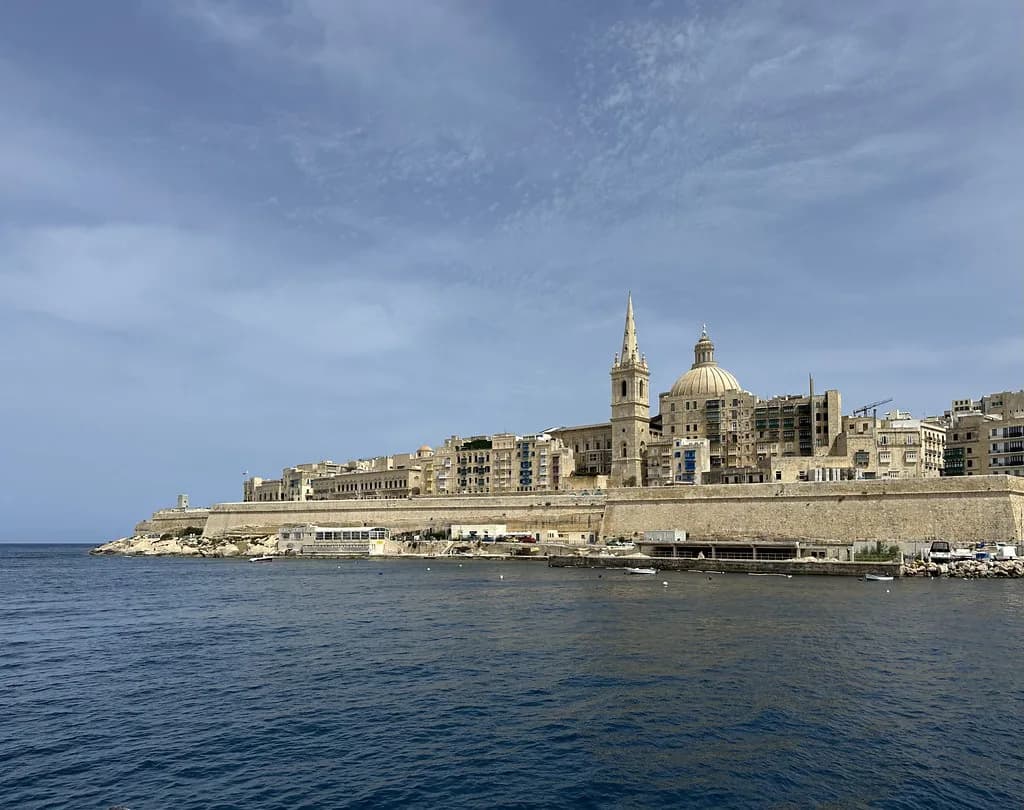
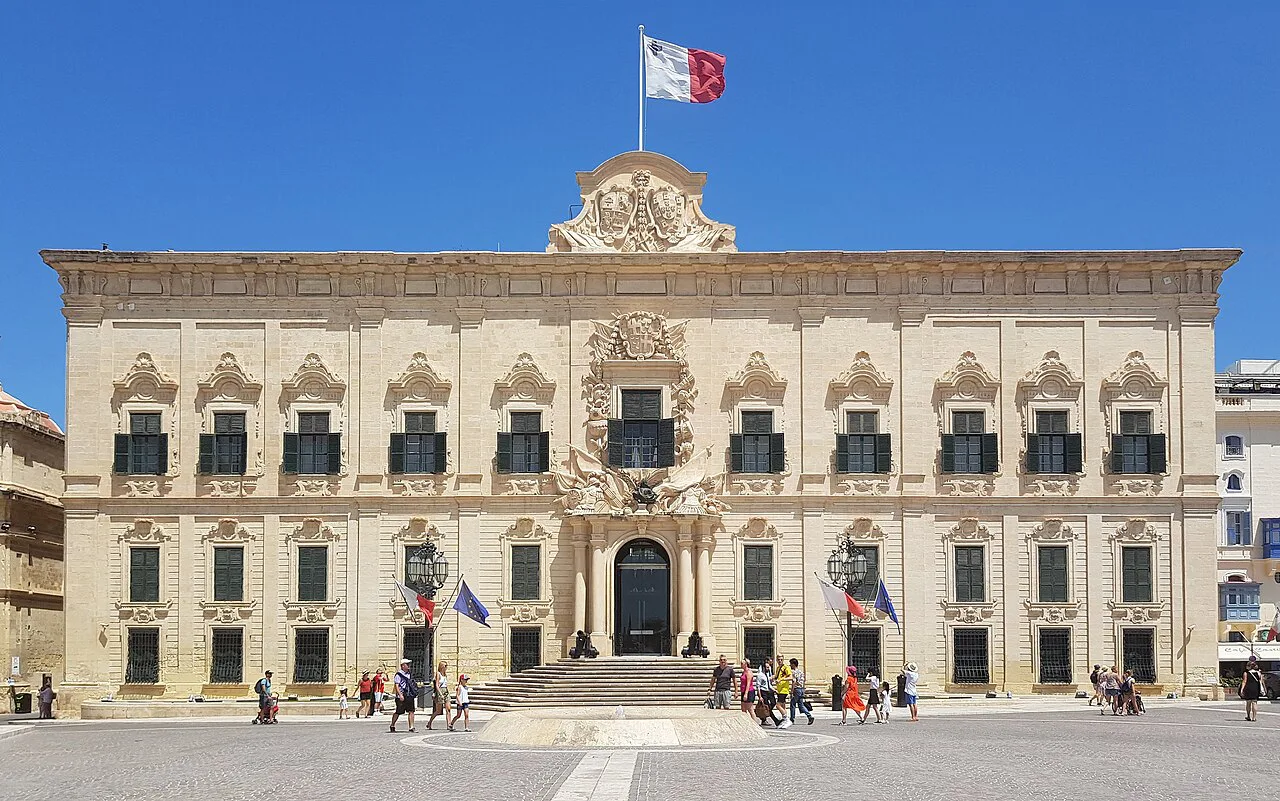
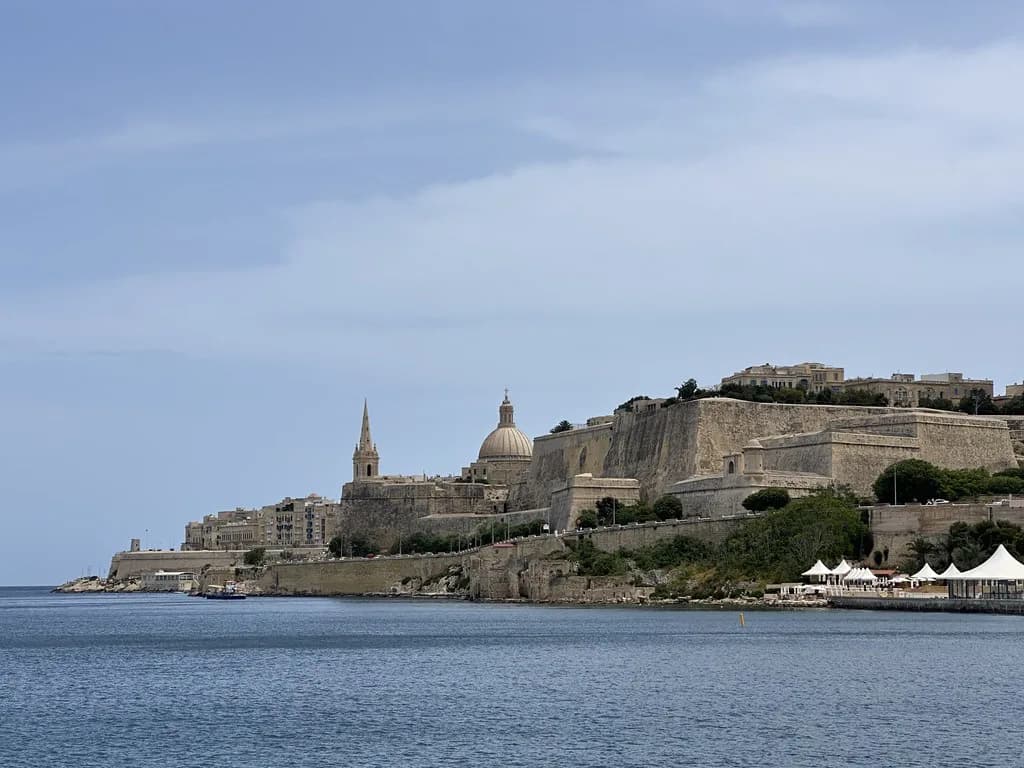
Start in Valletta and Floriana, where the Upper and Lower Barrakka Gardens and the Argotti Botanic Gardens are at their best in May. The gardens are free to enter and give you harbour views without the summer crowds, and the walk between them takes in some of the city's finest limestone architecture. Pair a morning there with the Three Cities across the water — Birgu's Inquisitor's Palace and Fort St. Angelo, then the Gardjola Gardens on Isla for the classic harbour panorama.
Mdina and Rabat reward an early start: arrive before 10am and you will have the silent city largely to yourself before the tour groups arrive. In Rabat, St Paul's Catacombs and the Roman Villa add a half-day of ancient history to the morning. Save Marsaxlokk for lunch rather than dinner — the seafront restaurants are pleasant in the midday sun, but the evening breeze in May can be cool enough to send you inside.
For a fuller list of what is on across the island, including events and seasonal openings, see our guide to things to do in Malta in May. It covers the food tours, harbour cruises and garden visits that make the most of the month's mild weather.
Gozo and the coast
Gozo is the highlight of a May trip if you like walking. The coast path around Dwejra and the cliffs at Sannat offer dramatic scenery without summer heat, and Wied il-Mielah's sea arch is best reached on foot in the cooler months. The Victoria Lines on Malta itself, a Victorian-era defensive wall running across the island, make a superb half-day walk when the countryside is still green from spring rain.
The coast is at its most photogenic in May: the countryside is lush rather than burnt, and the light is clear. Ramla Bay on Gozo is a good place for a picnic even if the water is too cold for a long swim, and the ferry crossing from Malta is short enough to make Gozo a day trip rather than an overnight. Just remember that cliff paths demand care, especially in wind.
Food in season
May is strawberry season in Malta, and the roadside farm shops around Mgarr sell fruit that is noticeably sweeter than the supermarket version. The Festa Frawli, a strawberry festival in Mgarr, usually falls at the end of April or the start of May, though the exact date varies each year. Broad beans, peas, artichokes and early peaches also appear in markets, making this a good month for simple vegetable-led cooking.
For self-catering, the farmers' market at Ta' Qali on Tuesdays and Sundays is the place to stock up on local produce. Pair it with a food tour if you want context on Maltese cheeselets, pastries and wine, or simply build a picnic for a day on the Victoria Lines.
Crowds and prices
May sits in the sweet spot between quiet spring and busy summer, but it is not empty. The May school break, public holidays and a run of village festas bring more visitors than April, and accommodation prices start to climb as demand builds towards June. Expect popular spots like Mdina and the Blue Lagoon to be busy at midday, especially at weekends.
Prices are best described in words: May is more expensive than April but cheaper than July and August, and late May is busier than early May. Book ferries and popular boat trips ahead if you are travelling during the school break, when demand for family-friendly excursions rises sharply.
Honest drawbacks
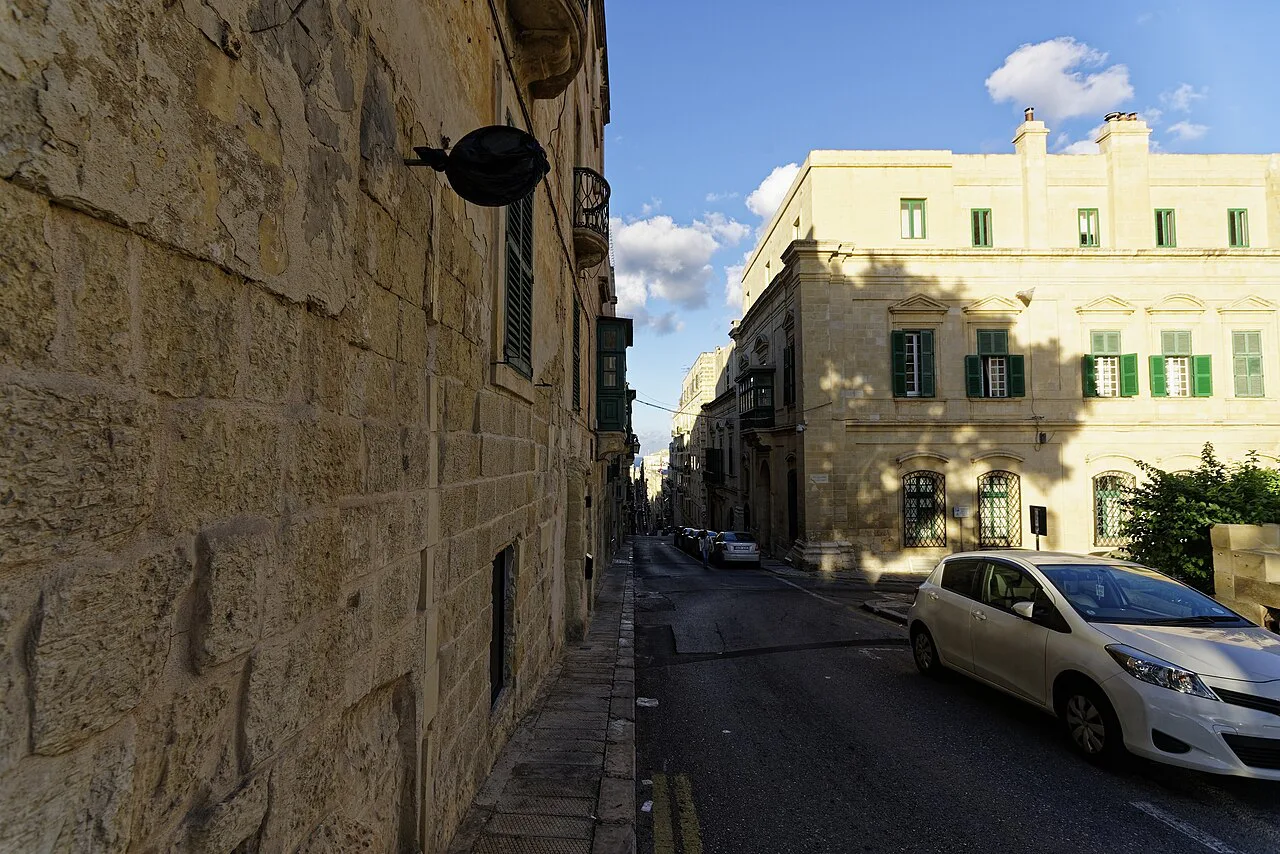
The evenings are cool. A night-time average of 14.9 °C means a jacket is welcome after sunset, and waterfront dinners in Marsaxlokk or Birgu can be chilly if the wind gets up. The sea is also still cold relative to the air, so swimming is for the hardy rather than the whole family, and the beaches do not yet have the full summer infrastructure of lifeguards and designated swimming zones.
Wind and rain can still disrupt a week, and a thundery shower can roll in quickly. Some restaurants and beach clubs are on reduced hours until late May, so a place you had set your heart on may not be fully open. For UK travellers, the FCDO travel advice page for Malta is the place to check entry requirements and safety information ahead of your trip.
May or June?
Choose May if you want comfortable temperatures for walking and sightseeing, green countryside, lower prices than midsummer, and you do not mind cool evenings or a sea that is still brisk. Choose June if swimming, sunbathing and a fully open summer season matter more than avoiding the heat and the crowds. June's average high of 27.5 °C is a different experience from May's 23.3 °C, and the rain practically stops.
If you are flexible on dates and want to compare Malta with the rest of the Mediterranean, see where is warm in Europe in May — Malta holds up well against most of the competition for dry, bright weather. For a wider look at the shoulder season, our guide to Malta in spring covers March through May and helps you place May in the context of the whole season.
If you are weighing Malta against cooler northern options, remember that the island's appeal in May is reliability rather than raw heat: several Mediterranean coasts are still unsettled at this point. To see how those alternatives compare on typical temperatures, read our guide to Europe's warmest spots in April, which sets out the early-season picture before the May warm-up.
The verdict
May is the best month for a Maltese trip built around towns, walks, gardens and long lunches. It is warm without being hot, mostly dry, and the island is lively without being overwhelmed. It is not the right month for a beach holiday, and anyone who wants to swim daily should look at June or later.
If you are still weighing up dates, the best time to visit Malta guide sets out the trade-offs across the year, and our Malta in April piece explains what the month before May offers if you prefer cooler weather and quieter streets.
Plan Your Visit
Book May if you want Malta at its most usable: warm enough for a full day outdoors, cool enough to sleep, and dry enough that a week rarely feels washed out. Pack for cool evenings and wind, and treat swimming as a bonus rather than the point of the trip.
The single most useful step is to check current prices and dates on the official page for any boat trip, ferry or beach club you plan to use, especially in early May when the season is still opening. Beyond that, the month looks after itself — pick a base, plan around the wind, and leave room for a long lunch.
Frequently Asked Questions
Is Malta warm in May?
Yes. Long-term Luqa normals put the average daytime high at 23.3 °C (about 74 °F) and the night-time low at 14.9 °C (about 59 °F). It is warm enough for sightseeing and outdoor lunches, but evenings need a layer.
Can you sunbathe in Malta in May?
On bright, still days, yes — the sun is strong enough for sunbathing on a sheltered beach or terrace. The wind can make it feel cooler than the thermometer suggests, and the sea is still cold, so it is not yet a full beach holiday.
How hot is Malta in early May?
Early May tends to be a degree or two cooler than the monthly average, with daytime highs in the low twenties Celsius and cooler nights. The month warms steadily, so late May feels noticeably closer to summer.
Is May a good time to visit Malta?
It is one of the best months for walking, sightseeing and eating outdoors. The weather is comfortable, the countryside is green and the island is not yet at peak summer crowds. It is less ideal if swimming is your main goal.
Is the sea warm enough to swim in Malta in May?
The sea lags behind the air temperature and is still cool in May. Some visitors swim on warm, calm days, but it is not a month for long sessions in the water. If swimming matters, June is a better bet.
Is Malta busy in May?
Busier than April but quieter than July and August. The May school break and public holidays bring extra visitors, and popular spots like Mdina and the Blue Lagoon are busy at midday, especially at weekends.
Sources
Spring sun notes
Optional updates when we add destinations and months.
You might also like
Continue reading
More guides you'll find useful