Things to Do in Malta in April: What's Worth It This Month
Plan April in Malta around walled cities, harbour ferries and country walks, with mild days, cool evenings and a sea still cold for most swimmers.
On this page
April in Malta is a walking-and-looking month rather than a swimming one. Days are mild and often bright enough to spend hours outdoors, evenings still turn cool, and the sea has not caught up with the air, so most visitors end up exploring towns and coast paths instead of lying on sand.
That suits anyone who wants dense history, short distances and no need for a car, and it suits families who would rather move between sights than sit still. If your idea of a spring holiday is long afternoons in the water, look at later weeks or compare Europe's warmest spots in April before you commit.
April in Malta at a Glance
Think of April as the month when Malta is comfortable to cross on foot all day. The official tourism site promotes the islands on their sunshine record, but April itself delivers changeable spring conditions: some genuinely warm, still days and some breezy or showery ones, so build flex into a short trip rather than pinning everything on one outdoor day.
The main trade-off is that April is warm enough to walk but not warm enough to spread the crowds out onto the beaches. Everyone converges on the same walled towns and viewpoints, so the honeypots feel busier than the calendar suggests. Plan around that by starting early and saving rural walks and secondary sights for the middle of the day, when the headline attractions are at their worst.
Weather in April and Is It Warm Enough?
Daytime conditions in April generally favour sightseeing, walking and eating outside, with enough brightness to make harbourfront lunches and terrace coffees reliable pleasures. Evenings are noticeably cooler than the afternoons, so a light layer matters if you plan to be out after sunset. For precise monthly averages, check the Malta Met Office climate pages for Malta before booking.
The sea is the limiting factor. It lags the air temperature by weeks, so April swimming is for the hardy rather than the typical visitor, and beach time tends to mean walking the sand and paddling at the edge. If swimming is central to your trip, that single fact should push your dates later; the case for waiting is set out in our guide to Malta in May.
Early vs Late April
Early April still carries a whiff of winter: cooler evenings, a higher chance of a wet or windy spell, and a sea at its least inviting. Late April is usually the better bet for outdoor lunches, boat crossings and long walks, because the days have warmed without the summer heat that builds later. Our guide to Malta in april covers this in depth.
Compared with March, April is a clear step up in comfort and daylight; compared with May, it is cooler, less reliable and cheaper in feel, but also less crowded outside the Easter period. The Easter weeks and the UK school holidays are the exceptions, when demand spikes and the popular lanes of Valletta and Mdina fill early. If your dates are fixed to the school break, book the headline sights and any boat crossings ahead and treat the rest of the day as flexible.
Valletta on Foot
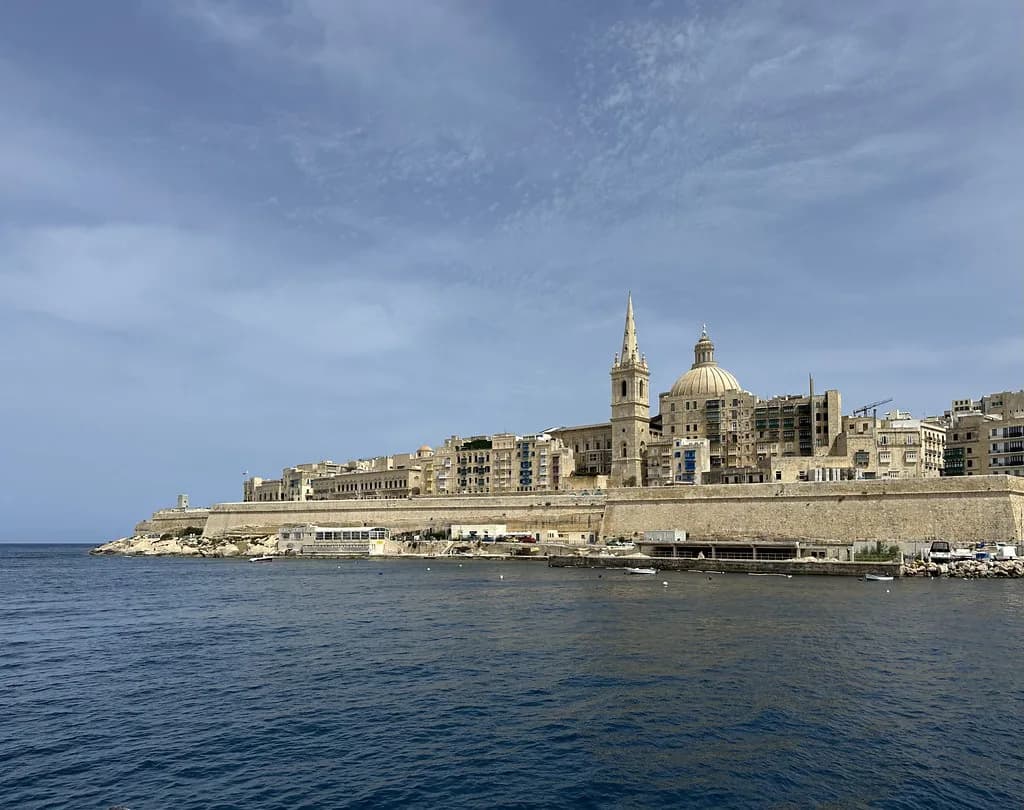
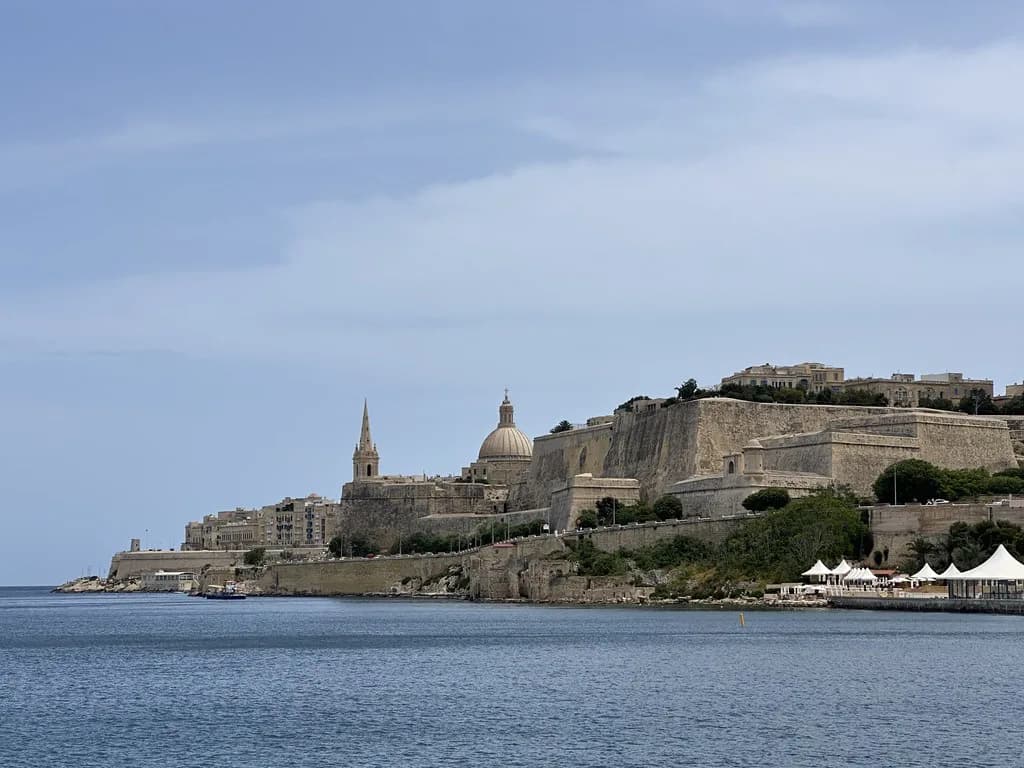
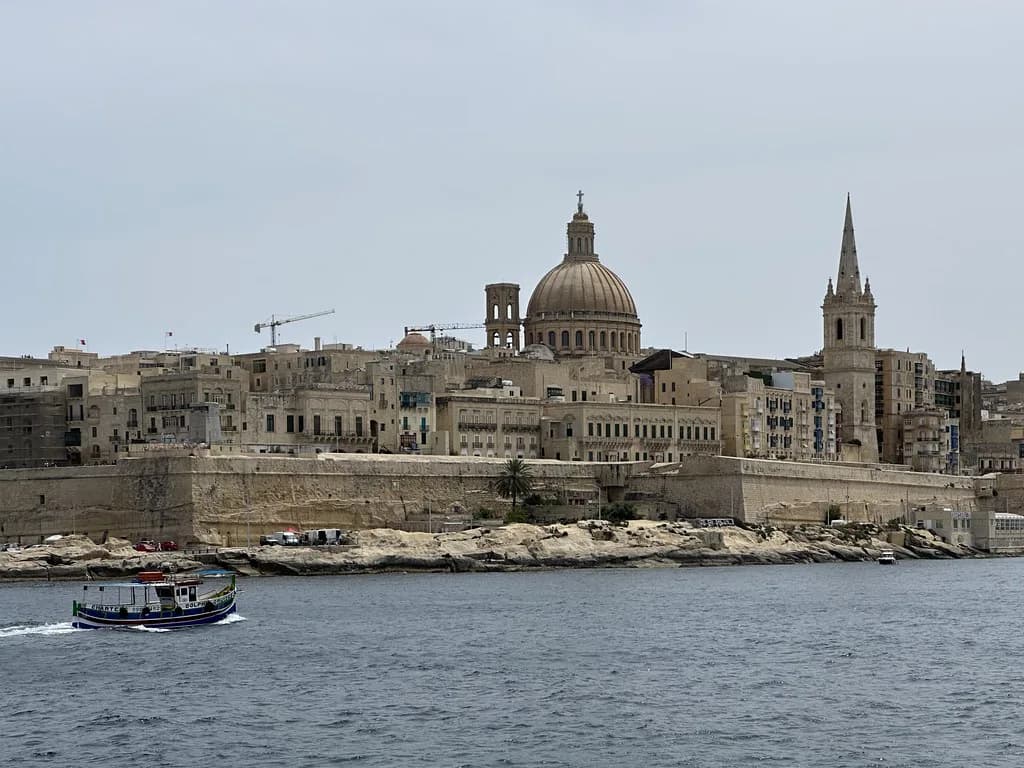
Valletta rewards a full day on foot. St John's Co-Cathedral is the interior that justifies the trip on its own, and the Upper and Lower Barrakka Gardens give you the harbour panorama that defines the city; both gardens and the cathedral rank among the most-reviewed sights on the islands.
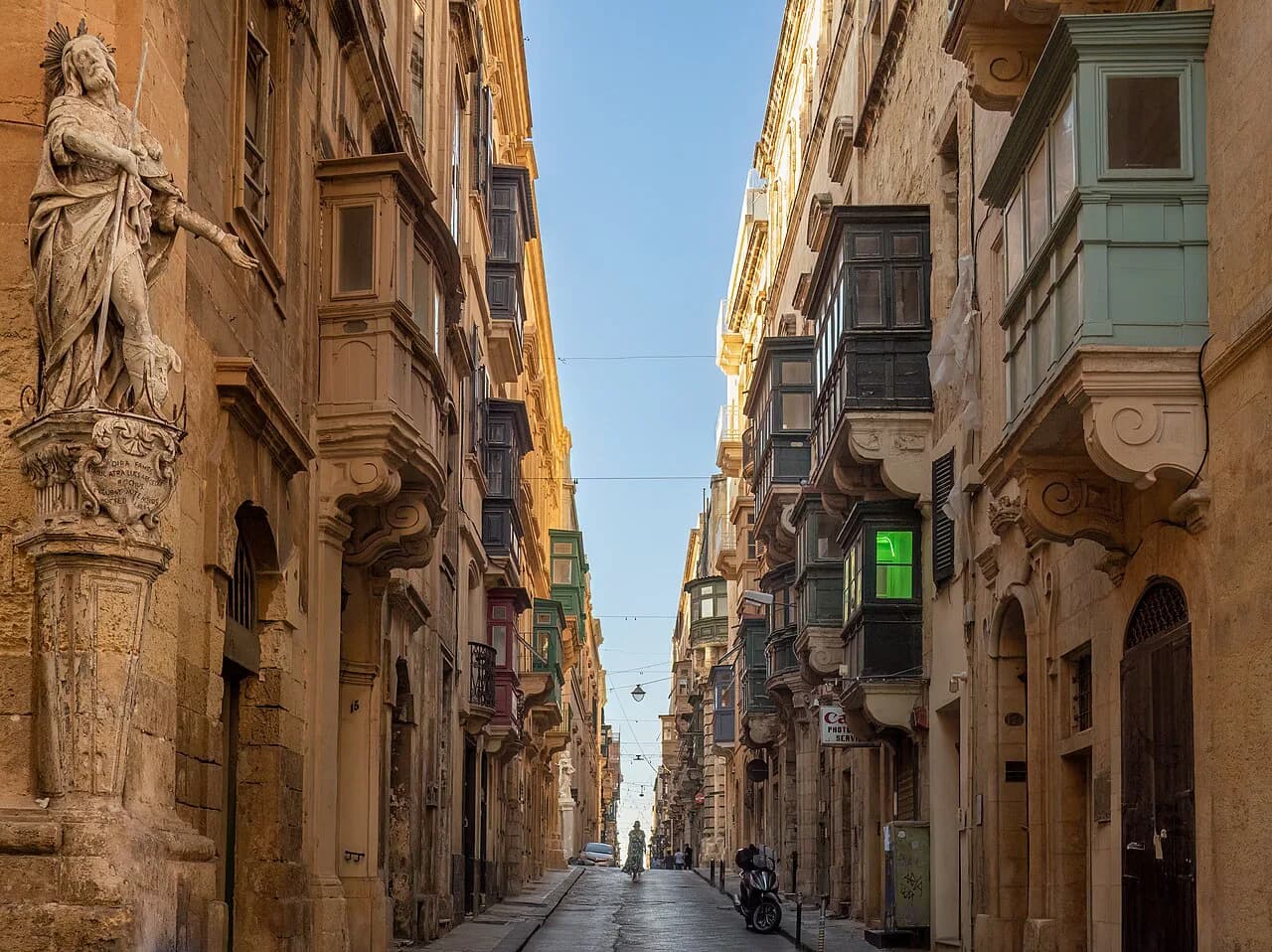
Work the city in a loop rather than a list: start at the City Gate end, take in the cathedral early before groups arrive, then drop down to the Barrakka terraces for the view across to the Three Cities. The grid is compact and shaded in parts, which makes it ideal April walking, but the main street funnels everyone through the same corridor, so side lanes are where you get breathing room.
The Three Cities by Ferry
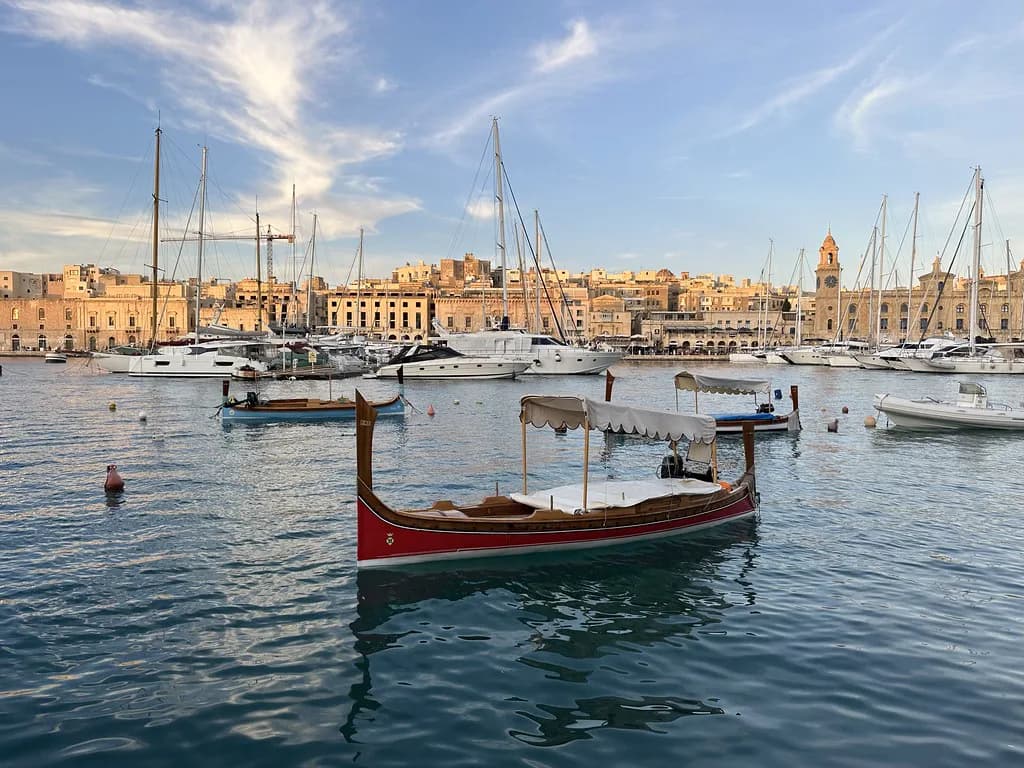
The short harbour crossing to Birgu is one of the best-value experiences in Malta: a boat ride, a change of pace and a waterfront that feels calmer than Valletta. Birgu's lanes, fortifications and marina reward a slow couple of hours, and the crossing itself gives you the city from the water, which is how it looks best.
Go in the morning if you want the waterfront to yourself, and check the ferry timetable on the day rather than relying on a printed guide. The public bus network is easy to use and tickets are bought on board, which makes combining a ferry crossing with a bus hop to the next village straightforward for anyone without a car.
Mdina and Rabat
Mdina is the quiet counterweight to Valletta: a walled, largely car-free grid of honey-coloured stone where the pleasure is in the lanes, the bastion views and the absence of traffic. It is small enough to cover in half a day, which leaves time for Rabat next door, where the streets are lived-in rather than staged and the pace drops further.
April suits Mdina particularly well because the stone streets offer little shade and become uncomfortable in summer heat. Arrive early, walk the ramparts before the day-trippers land, then eat in Rabat rather than inside the walls. The two together make the strongest single inland day on the islands and are easy to reach by bus from Valletta.
Coast and Country Walks
The antidote to Valletta's congestion is the countryside. Paths across the main island's quieter interior and along the cliffs give you open views, spring greenery and far fewer people than the towns, and April temperatures make a half-day walk genuinely pleasant rather than a slog.
Comino is the classic day out for walkers, with cliff paths and clear water that looks its best in spring light even if you are not getting in. Treat the crossing as weather-dependent: April wind can cancel or shorten boat trips, so keep Comino for a settled day and have a land-based alternative ready. Confirm sailing times with the ferry company you book through.
Gozo for the Day
Gozo deserves more than a rushed day trip, but if a day is what you have, pick two anchors rather than five. The Ggantija temples are the prehistoric set-piece and Xlendi gives you a compact harbour village to end on. Trying to add Comino as well turns the day into a ferry queue.
April is a good month for Gozo because the island's appeal is walking and looking rather than swimming, and the crowds are thinner than in high summer. Check Gozo Channel ferry times before you commit to a late return, and remember that a day trip gives you the highlights but not the island's quiet interior, which is where Gozo is at its best.
Food in April
Maltese food is built for spring eating: rabbit stewed in garlic and wine, pastizzi from a corner shop, ftira sandwiches, and harbour-side fish that tastes better for being eaten outdoors in mild air. Marsaxlokk is the obvious place for a long seafood lunch, especially if you go on a day when the fishing boats are in and the waterfront is busy.
Use the towns for produce as well as plates: Valletta's food shops and Rabat's bakeries are where you pick up picnic supplies for a walk or a ferry day. In April you can eat outside without competing for the best terrace tables, which is one of the quiet advantages of the month.

Crowds and Prices in April
April sits in an awkward middle for crowds: not high summer, but not quiet either. The Easter period and the UK school holidays bring the heaviest demand, hotel rates harden around those weeks, and the popular sights of Valletta and Mdina feel packed even when the weather is only fair. Outside those windows, the islands are manageable and prices sit below summer levels, though shoulder-season discounts are not guaranteed.
The deeper issue is that April weather does not spread people out. With the sea still cold, everyone stays in the towns, so a mild rainy day concentrates the crowds indoors at the cathedral and museums. Build one flexible indoor day into your plan and you will absorb a wet spell without losing the trip.
What Is Open in April
April is a working month on the islands rather than a pre-season one: the towns, the ferry crossings and the main heritage sights operate, and the tourism authority maintains a live events calendar for what's on across Malta, Gozo and Comino during your dates.
Boat trips and seasonal water activities are the part most likely to be affected, because April wind and swell can interrupt them and operators set their own start dates. Rather than assume a particular crossing or tour runs every day, check with the boat operator directly when you arrive, as schedules can change on the day. If a boat day falls through, the public bus network will get you to most of the island's sights without much planning.
April or May?
Choose April if you want mild walking weather, softer prices outside the holidays and a Malta that is about towns and coast paths rather than beaches. Choose May if you want the sea to be bearable, longer evenings and a livelier waterfront, accepting higher prices and more people.
June pushes further still, with heat building and the summer season in full swing, which is better for swimming and worse for long walks in the middle of the day. Our guide to Malta in June sets out what changes. For the broad picture across the Mediterranean in April, the Malta in April overview pulls the month together.
The Verdict
April is a strong month for Malta if you treat it as a sightseeing trip: Valletta, the Three Cities, Mdina, Gozo and a couple of countryside walks will fill a week comfortably, with mild days and cool evenings. It is a weak month for a beach holiday, because the sea is still cold and the resorts are not yet at full tilt.
Let the balance of your trip decide. If walking and history matter more than swimming, book late April and keep one day flexible for weather. If swimming and long evenings outdoors are the point, wait for May or June and pay for it in crowds and prices.
More Malta spring guides
Frequently Asked Questions
Is April a good time to visit Malta?
Yes, if you are going for sightseeing rather than swimming. Days are mild enough for long walks around Valletta, Mdina and the coast paths, and the evenings are still cool. The sea lags behind the air, so most visitors paddle rather than swim, and the towns stay busy because the beaches are not yet drawing people away from them.
Is April or May better for Malta?
May wins if you want warmer evenings and water you can comfortably swim in, and it brings a livelier seafront. April wins on quieter walks, softer demand outside the Easter weeks and school holidays, and comfortable temperatures for a full day on foot. Pick April for history and walking, May for a holiday that includes the sea.
What should I do in Malta in April when the weather turns?
Keep one day unplanned so a wet or windy spell does not derail the trip. St John's Co-Cathedral in Valletta and the museums around the capital absorb a rainy morning well, and the bus network will still get you between towns. Save cliff walks and any boat crossing for the settled days and swap them in when the forecast improves.
Do boat trips to Comino and Gozo run in April?
Crossings and boat trips generally operate in April, but wind and swell can interrupt them, and individual operators set their own start dates and timetables. Ask the operator you intend to travel with about your intended day, and keep a land-based alternative ready in case conditions turn.
Sources
Spring sun notes
Optional updates when we add destinations and months.
You might also like
Continue reading
More guides you'll find useful