Best Time to Visit Malta: Month by Month, April to June
The best time to visit Malta is late April to June, when days are warm without peak-season heat. Compare climate normals, crowds and trade-offs by month.
On this page
For most trips, the best time to visit Malta is late April through June. May is the sweet spot for warm days, open countryside and manageable crowds, June suits anyone who wants reliable heat and long evenings, and April rewards walkers and sightseers who can accept cooler nights and a few wet days.
The figures below come from long-term climate normals for Luqa station, covering the 1961 to 1990 averaging period, so treat them as typical conditions rather than forecasts. They show how quickly the island warms from one month to the next, which is the single most useful thing to know when you are picking dates.
Weather in April
April averages a daytime high of 19.1 °C (66.4 °F) and a night-time low of 11.9 °C (53.4 °F), with 6.4 rain days and 22.5 mm of precipitation across the month, according to the WMO climate normals for Luqa. The daytime figure is pleasant for walking and standing around ruins, but the night-time figure is the one that decides your evenings: a light layer matters if you plan to eat outside.
Rain in April usually arrives as a few showery days rather than a washout, and a wet morning often clears into usable afternoon light. Build one indoor anchor into each day so a shower costs you an hour rather than a plan. The month suits sightseeing, hiking and photography, and it suits travellers who would rather be cool than hot.
Anyone whose main goal is lying on a beach or eating dinner outdoors every night should look at May instead. The sea lags well behind the air in spring, and April evenings on the coast carry a chill that catches people out. For a detailed day-by-day picture of the month, see our guide to Malta in April, which covers what is feasible in early April compared with the end of the month.
Weather in May
May lifts the average daytime high to 23.3 °C (73.9 °F) and the night-time low to 14.9 °C (58.8 °F), while rain days drop to 2.8 and precipitation to 6.6 mm over the month, on the same Luqa normals. That combination is close to ideal for a Mediterranean holiday: warm enough for shirtsleeves at lunchtime, cool enough to climb Valletta's streets without wilting.
May is the month when the Maltese countryside is still green and flowering, which makes it the strongest choice for coastal and inland walks. It is also the month when sea temperatures begin to catch up, though slowly, so swimmers should expect a brisk first dip rather than bathwater. See our guide to Malta in May for the walks and outdoor stops that work best in these temperatures.
Evenings turn comfortable rather than cool, which is what makes May the most versatile month of the spring. You can sightsee hard in the morning and sit outside at night without either feeling like a compromise. If you want a single recommendation for a first trip, this is it.
Weather in June
June averages 27.5 °C (81.5 °F) by day and 18.4 °C (65.1 °F) at night, with just 1.1 rain days and 3.2 mm of precipitation, so rain essentially stops being a planning factor. Warm nights are the real change: evenings become an extension of the day rather than a cool interval, which is why late June feels like proper summer.
The trade-off is heat building through the month, particularly on the exposed limestone of Valletta and Mdina, where midday walking becomes genuinely tiring. Shift sightseeing to mornings and late afternoons and save the middle of the day for shade, a long lunch or the water. Our guide to Malta in June sets out how early and late in the month differ.
June is the right month for travellers who want guaranteed warmth, long daylight and sea that has finally lost its spring edge. It is the wrong month for anyone who struggles in heat or wants quiet streets, because this is where the summer season visibly begins.
Early vs Late Spring
The gap between 1 April and 30 June is more than eight degrees on the daytime average, and the change is not evenly spread. Late April behaves noticeably like May, while early April can still produce a cool, blustery day that sends you indoors. If you are booking April, aim for the second half of the month.
The same applies in reverse at the far end: early June is gentle, late June is hot. A trip in the first week of June buys you most of the warmth with a little more breathing room, which matters if you are travelling with children or older relatives. Use the shoulder weeks within each month, not just the month labels.
Practically, this means checking when your dates fall rather than asking whether April or June is better in the abstract. Two weeks either side of a month boundary changes the character of the trip more than most people expect.
What April Suits
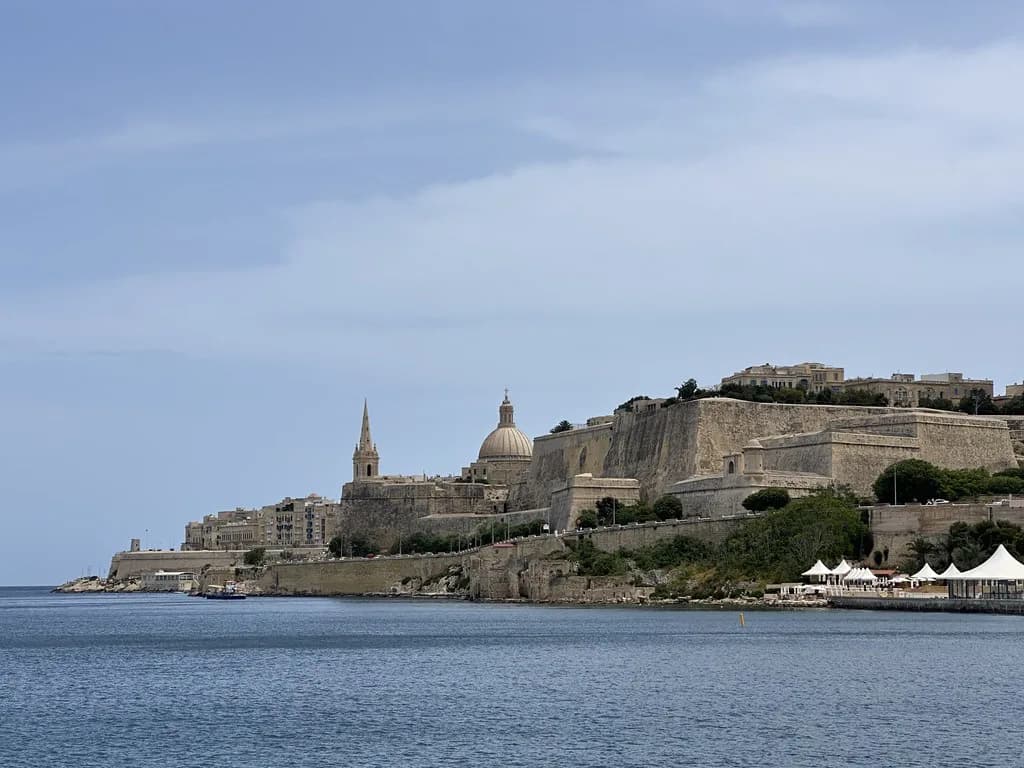
April is the month for walking, ruins and hill towns. The mild days make Mdina's lanes and the fortified edge of the Three Cities comfortable to explore on foot for hours, and the sparse crowds let you photograph the bastions without a queue of people in the frame.
It also suits anyone who prefers a quieter island to a busy one. Spring visitors report that April weather works well for walking and that the local bus network is an easy way to cover ground, which is a useful signal if you are planning without a car.
Who should hold out for May: anyone whose holiday is built around the sea, outdoor dinners or long evenings on a terrace. April can deliver all three on a good day, but it does not promise them, and a cool evening on the water is a poor trade for a small saving.
What May Suits
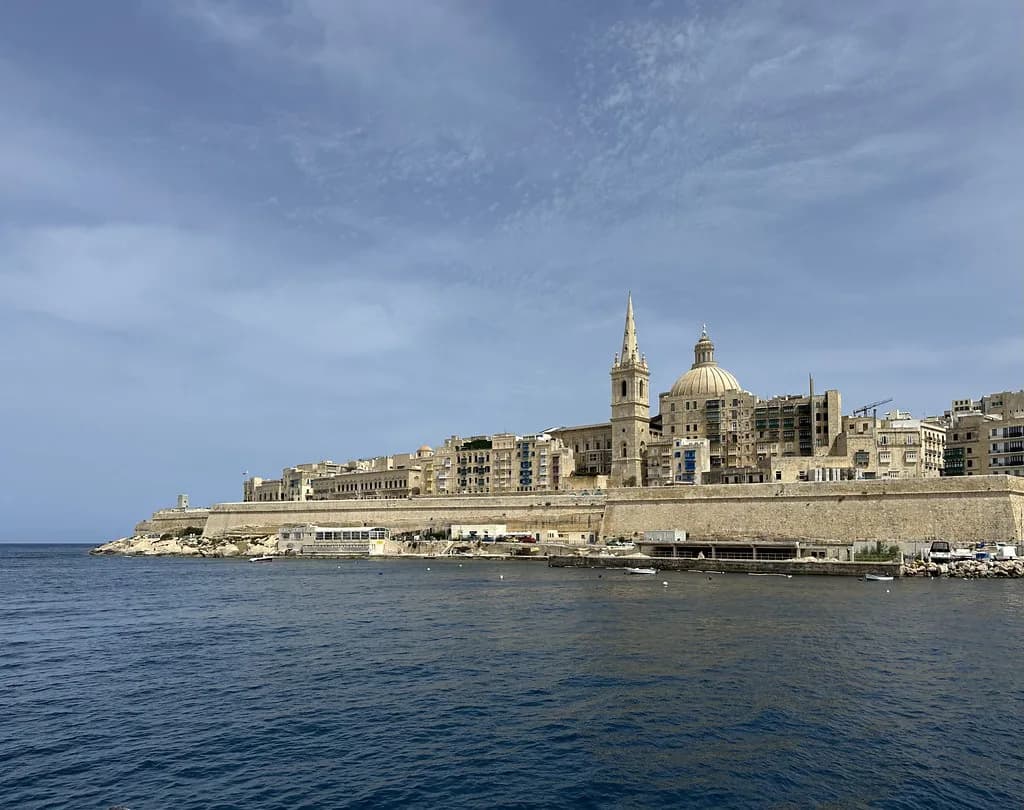
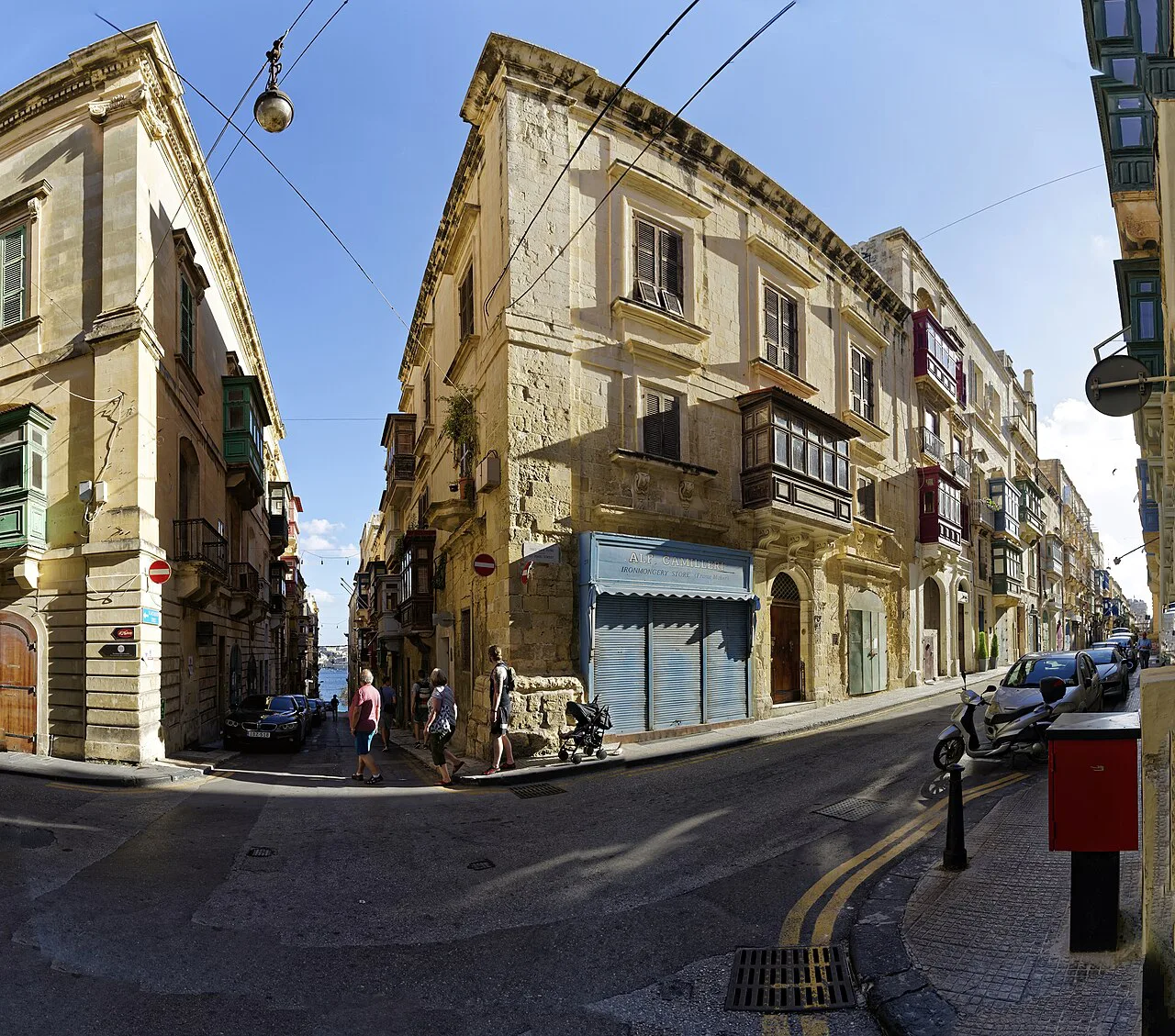
May is the best month for combining a city break with the coast. Valletta's Upper Barrakka Gardens and the harbour views around the Lower Barrakka Gardens are at their most usable now: warm, breezy and not yet crowded at opening time.
The countryside is the other argument for May. Gozo's fields and coastal paths are still green, and the walking is comfortable without the summer heat that turns exposed tracks into a chore. Base part of the trip on Gozo if walking matters to you.
May also sits neatly between the two extremes on price and crowds. You avoid the summer peak without accepting April's weather risk, which is the trade most travellers are actually making. For a fuller list of what is on, see things to do in Malta in May.
What June Suits
June is for water, long lunches and late evenings. The Blue Lagoon and the island's swimming spots come into their own once the sea has warmed, and daylight stretches far enough that you can do a morning sight and an afternoon swim without rushing.
For culture, June rewards early starts. St. John's Co-Cathedral and the Grandmaster's Palace in Valletta are best seen before the day heats up, leaving the afternoon free for shade and the sea.
The honest drawback is that June is where the island starts to feel busy and where midday heat limits how much you can pack into a day. If you want both heat and elbow room, go in the first half of the month. Our guide to things to do in Malta in June covers the options in more detail.
If you are comparing Malta with the wider Mediterranean in early spring, our round-up of where is warm in Europe in April is a useful cross-check before you commit. Malta is rarely the warmest option in April, but it is one of the most consistently usable.
Crowds and Prices
Spring is the shoulder season, and it behaves like one: April is quiet, May fills up gradually, and June is where the summer crowd begins. School holidays and half-term weeks push family-heavy dates towards the busier end, so if your dates are fixed by term times, expect less room to manoeuvre on accommodation and flights.
Easter falls in spring some years and moves the crowd pattern with it, filling the days around the holiday more than the weeks either side. Rather than guessing at price levels, compare your own dates directly: the difference between mid-April and a school holiday week is usually larger than the difference between two ordinary weeks in May and June.
Tour operators describe spring and autumn as the ideal window for mild weather and thinner crowds, which matches the pattern the normals suggest.
Rain matters less for crowds than for value: a wet April week can make a cheap deal feel poor value if you booked for the beach. Match the month to the trip you actually want rather than to the lowest fare you can find.
Gozo vs Malta in Spring
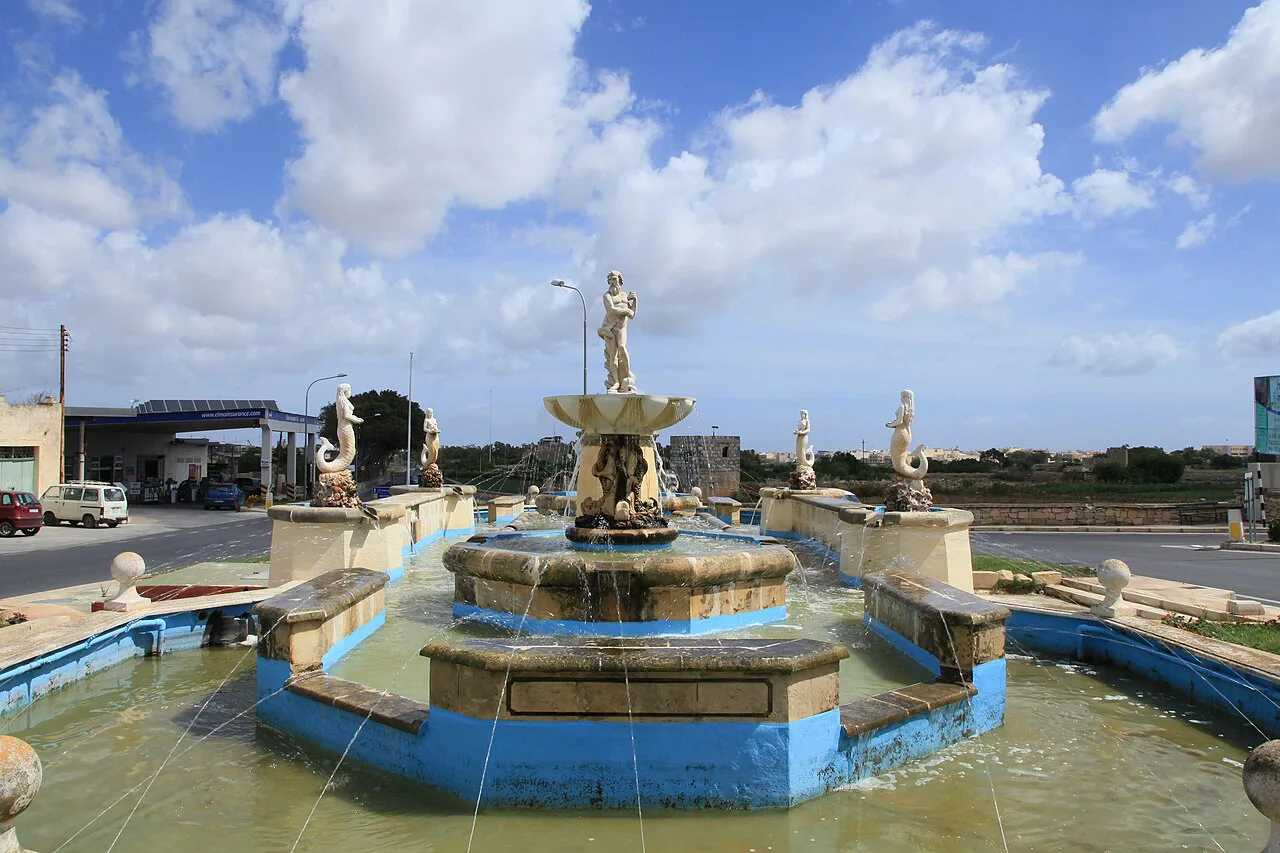
Gozo is the quieter half of the archipelago and the better base for walking, particularly in April and May while the fields are green. The crossing adds time to every journey, so treat Gozo as a place to stay for a few nights rather than a day trip squeezed between Valletta appointments.
Stay on Malta for the cities and on Gozo for the countryside, or split the trip. A common pattern is a few days around Valletta followed by the rest of the week on Gozo, which keeps the ferry crossing down to one transfer each way and lets you use the island's buses from a single base.
The spring advantage is real: Gozo's paths and villages are at their best before the summer heat and crowds arrive, and the short crossing is far more pleasant in May than in July. If your priority is scenery and quiet rather than nightlife or shopping, weight the trip towards Gozo.
April, May or June?
Choose April if you are travelling to walk, photograph and sightsee, and you would rather carry a jacket than queue in heat. Choose May if you want the best overall balance: warm days, cool evenings, green countryside and manageable crowds. Choose June if warm sea, long evenings and reliable sun matter more than empty streets.
Families tied to school holidays should look at late May and early June, which get much of June's warmth with a little more space. Couples and solo travellers with flexible dates should target mid to late May. Walkers should target April and accept a shower or two.
If you are deciding whether Malta earns a place on a wider spring itinerary at all, compare it against Europe's warmest spots in April first, then come back to dates. For April specifics, the Malta in April guide covers the early-versus-late split in more depth.
Autumn Alternative
If your real priority is warm sea rather than warm air, autumn is the better bet. The sea has had a whole summer to warm and stays usable into October and November, while the air cools to comfortable sightseeing temperatures and the summer crowds thin out.
The catch is rain. October brings a real chance of heavy showers, though they tend to be short and dramatic rather than settled all-day drizzle. November is quieter and cheaper but noticeably cooler, and some coastal facilities wind down for the season.
For travellers who want to swim comfortably and still walk in the afternoon, late September and October are the strongest window. Those who want the reverse, dry air and cool nights, are better served by April and May.
The Verdict
May is the best time to visit Malta for most people. It has warm days, cool but comfortable nights, far less rain than April and none of June's building heat, and the countryside is still flowering. Book late May if your dates are flexible.
Take April if you are going for the walking and the cities, and June if you are going for the sea, long evenings and heat. Whichever you pick, check your specific dates against the season's pattern rather than trusting the month name, and look at the official government travel advice page before booking flights.
More Malta spring guides
Frequently Asked Questions
What is the best month to visit Malta?
May is the strongest all-round month: warm days, comfortable evenings, little rain and thinner crowds than summer. April suits walkers and sightseers who can accept cooler nights and a few wet days, while June is the pick for warm sea and long evenings.
How warm is Malta in April?
Long-term normals for Luqa give an average daytime high of 19.1 °C and a night-time low of 11.9 °C, with around six rain days across the month. Days are pleasant for walking and sightseeing; evenings are cool enough to need a layer.
Is Malta warm enough in May for the beach?
Air temperatures in May average around 23 °C by day, which is comfortable for the beach, but the sea warms more slowly and will feel brisk to many swimmers. It is a better month for coastal walks and outdoor eating than for long swims.
Is June too hot in Malta?
Early June is usually gentle, with average daytime highs around 27.5 °C and warm nights. Heat builds through the month, so shift sightseeing to mornings and late afternoons and keep the middle of the day for shade or the water.
What is the rainiest month in Malta?
Among the spring months, April is the wettest, with around 6.4 rain days and 22.5 mm of precipitation in the long-term normals. Rain typically arrives as short showery spells rather than lasting all day.
Is Malta crowded in spring?
April is quiet, May fills gradually and June marks the start of the summer season. School holidays and half-term weeks are noticeably busier than ordinary spring weeks, so flexible dates give you more choice.
When is the best time to visit Malta for walking?
April and May are the best months for walking. The countryside is green and flowering, daytime temperatures are mild, and coastal and inland paths are comfortable without the summer heat.
Is Gozo better than Malta in spring?
Gozo is quieter and better for countryside walks, while Malta has the cities, the harbours and the bulk of the sights. A split trip, with a few nights in each, gets you both without crossing on the ferry more than necessary.
Sources
Spring sun notes
Optional updates when we add destinations and months.
You might also like
Continue reading
More guides you'll find useful