Malta in Spring: Where to Go and What to Do in March-June
Malta in spring runs from mild March to June heat. See typical highs and lows, early versus late month differences, and what suits walking and sightseeing.
On this page
Spring in Malta is a season you can use, not just endure: daytime highs climb from a mild March to roughly 19 °C (66 °F) in April, 23 °C (74 °F) in May and 27.5 °C (82 °F) in June, while nights stay cool enough for a jacket well into May. Rainfall falls away fast, from around six wet days in April to barely one by June. That makes April and May the sweet spot for walking and sightseeing, with June better for lying about outdoors.
The figures below come from long-term climate normals for Luqa, published by the World Meteorological Organization with data from the Meteorological Office, covering 1961–1990. Treat them as the typical shape of each month rather than a forecast, and expect individual springs to run warmer or cooler. The other honest caveat is the sea: it lags the air by weeks and stays bracing well into the season, so plan spring around land rather than swimming.
What spring in Malta is really like
Malta's spring is short and quick to warm. April behaves like a gentle late-spring month in southern England, May like a warm early-summer one, and June already feels like high summer by midday. The islands also get plenty of sun across the year, which is why spring days often feel brighter than the air temperature suggests. The official tourism site puts Malta's annual sunshine at around 3,000 hours.
The trade-off is wind and cool evenings. Nights in April average about 11.9 °C (53 °F), so dinner outside needs a layer, and exposed coastal spots such as Dingli and the Xemxija area can feel fresh even on a sunny afternoon. If you want guaranteed heat and warm sea, delay to June or later; if you want comfortable walking and quiet sights, spring is the better bargain.
March in Malta
March is the coolest and least predictable spring month, sitting between a wet winter and the drier stretch from April onwards. Days can be pleasant in the sun and chilly in shade or wind, and rain spells are still a real possibility. It suits city days in Valletta and Birgu, museum time and short walks rather than long days outdoors or anything involving the sea.
Crowds are thin outside school breaks, which makes March a good month for unhurried sightseeing and lower prices in the words that matter: fewer queues, more room on the buses and easier tables at the waterfront restaurants in Valletta and Birgu. Come expecting to layer up and to duck into cafés when a shower passes, and March rewards you with the islands at their quietest.
April in Malta
April is the month spring clicks into place. Typical daytime highs reach about 19.1 °C (66 °F) and nights about 11.9 °C (53 °F), with roughly 6.4 rain days and 22.5 mm of rain across the month. In practice that means a mix of bright, warm afternoons and the occasional wet day, so build some indoor options into your plan.
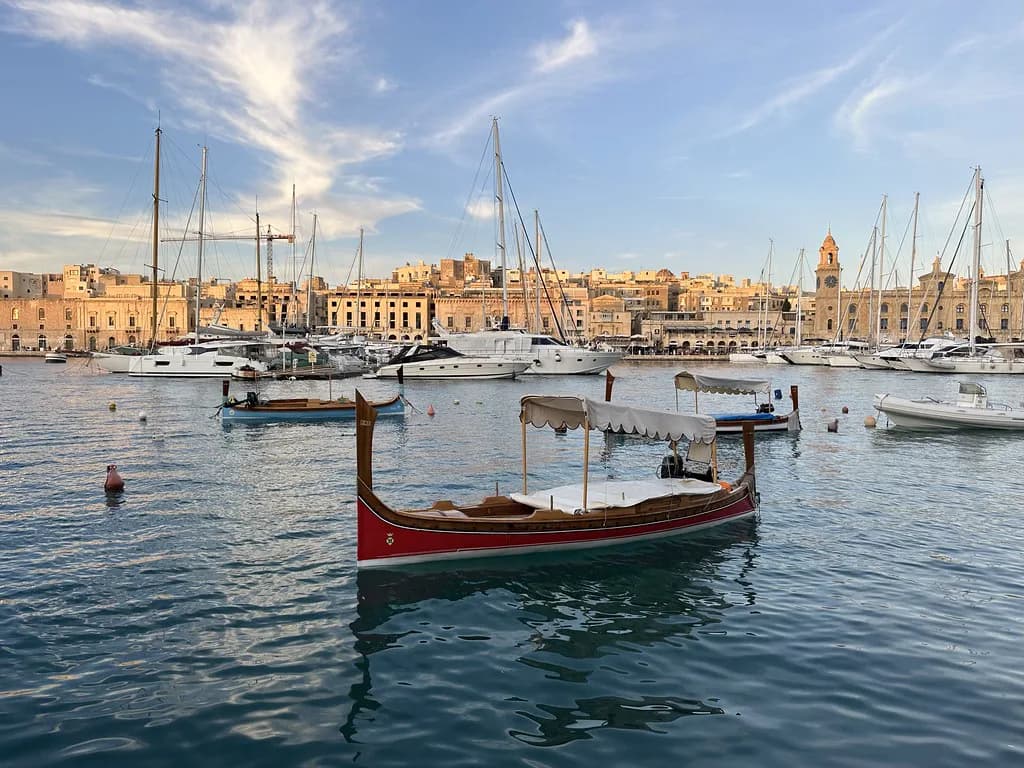
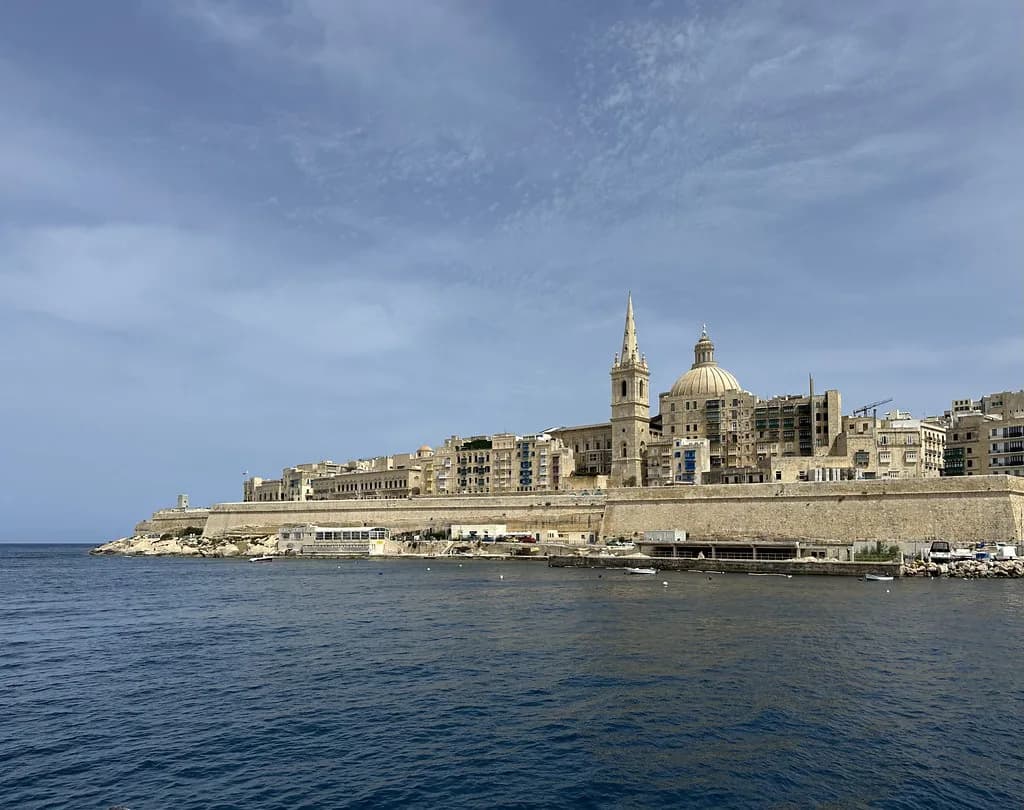
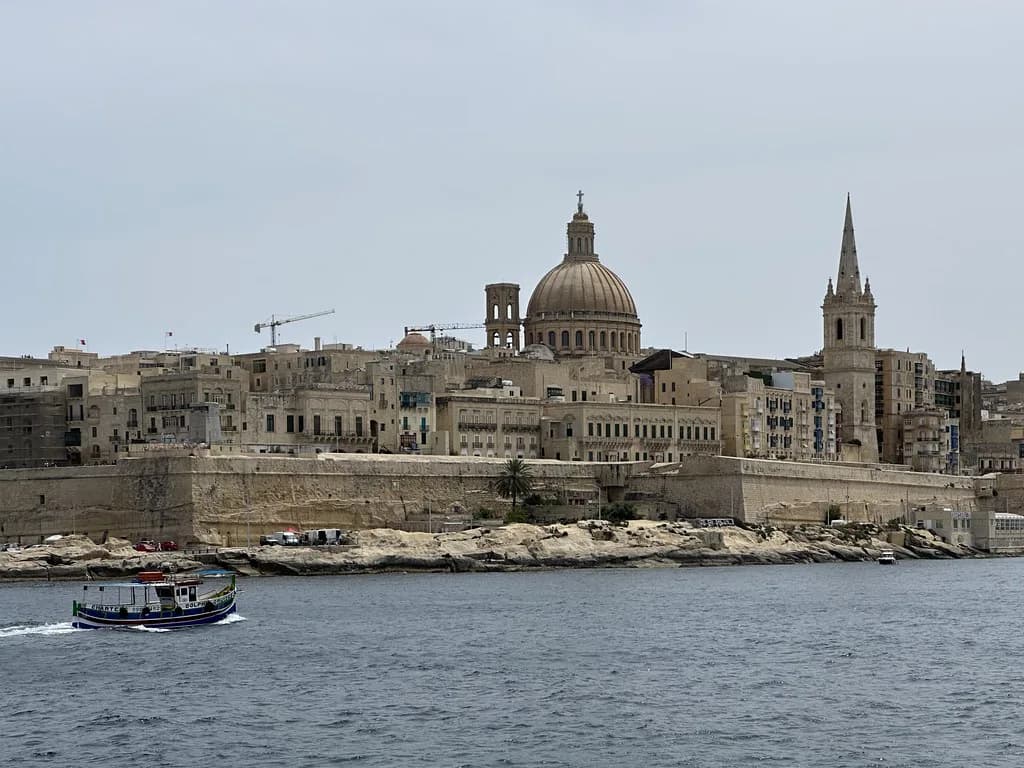
This is excellent sightseeing weather. Valletta's grid of streets, Mdina's silent lanes and the harbour forts at Birgu are all comfortable to walk in April, and the countryside around Mġarr, Dingli and Girgenti is still green from winter rain. Outdoor lunches at the Valletta and Birgu waterfronts work on most days, though you will want a layer once the sun drops.
April suits walkers, couples and families with older children who want to be active rather than baking on a beach. It does not suit anyone chasing reliable sunbathing heat or a warm sea. If warm water is the priority, look further south or later in the year; our guide to where is warm in Europe in April compares the alternatives honestly.
Is April warm enough for the beach?
For lying on sand in the sun, yes on a good day; for swimming, generally not. Air temperatures in the high teens Celsius feel pleasant when the sun is out, and April beaches are quiet, which makes them good for a walk or a picnic rather than a day of swimming. The sea retains winter cold and warms slowly, so treat it as a bracing dip at best.
Families with young children should plan April around pools, shallow paddling and time ashore rather than long swims. Lidos and beach facilities may be running reduced, pre-season service, so if a particular spot matters to your day, the practical route is to look at that lido's own site before you travel.
Early versus late April
Early April still carries a real chance of wet, windy days, and the sea is at its coldest. Late April typically brings more settled, sunnier afternoons and longer evenings, which makes it the better bet for outdoor dining and coastal walks. If you have flexibility, the second half of the month is the safer choice for a trip built around being outside.
The bigger difference is people. Easter can fall in late March or April and pulls in visitors from across Europe, while school holidays in the UK and elsewhere add pressure in the same window. Late April outside those breaks is noticeably calmer, with easier access to the Ħaġar Qim and Mnajdra temples and the Three Cities.
May in Malta
May is arguably the best-value spring month. Typical highs reach about 23.3 °C (74 °F) and lows about 14.9 °C (59 °F), with only around 2.8 rain days and 6.6 mm of rain, so rain becomes a minor risk rather than a planning factor. Days feel warm and settled, evenings mild.
May suits almost everything except serious heat-seekers. It is ideal for walking the coastal paths, exploring Gozo's villages, and eating outside along the Sliema and St Julian's seafront. The countryside is turning gold, so if you want the green version, come earlier in spring rather than later. Our guide to Malta in May covers the month in more detail.
Crowds build through the month, especially around UK bank holidays and half term, and accommodation prices rise accordingly in words rather than figures. Book the popular harbour-area restaurants and the Gozo ferry crossings you care about ahead of a bank-holiday weekend.
June in Malta
June is early summer rather than spring in feel. Typical highs hit about 27.5 °C (82 °F) and lows about 18.4 °C (65 °F), with roughly 1.1 rain days and 3.2 mm of rain, so dry, hot and reliable. This is the month for long outdoor days, boat trips and late dinners, with the caveat that midday heat starts to bite.
Walkers should shift to early mornings and evenings by June. The Xemxija Heritage Trail, the Selmun paths and the Dingli cliffs are still worth doing, but the exposed stretches become punishing in the afternoon, and shade is scarce. Sightseeing in Valletta and Mdina is best done before the day heats up or after it eases.
The sea finally starts to feel worthwhile for many visitors in June, though it is still cooler than in high summer. Families with school-age children will find June easier than July and August, when heat and crowds both peak. If you want hot weather without the worst of the summer crush, early June is a sensible compromise.
Early versus late spring: what opens up
Spring is a season of gradual opening. In March and early April, some boat trips and coastal facilities run reduced or pre-season schedules, and seasonal restaurants may open only at weekends. By late May, and more reliably in June, the summer rhythm is in place and more of the island is running at full tilt.
Ferry crossings to Gozo and boat services to Comino generally run year-round, but the frequency and the comfort of the crossing vary with the season and the weather. Visit Malta's transport pages are the sensible starting point if a specific crossing is central to your day.
Things to do in spring
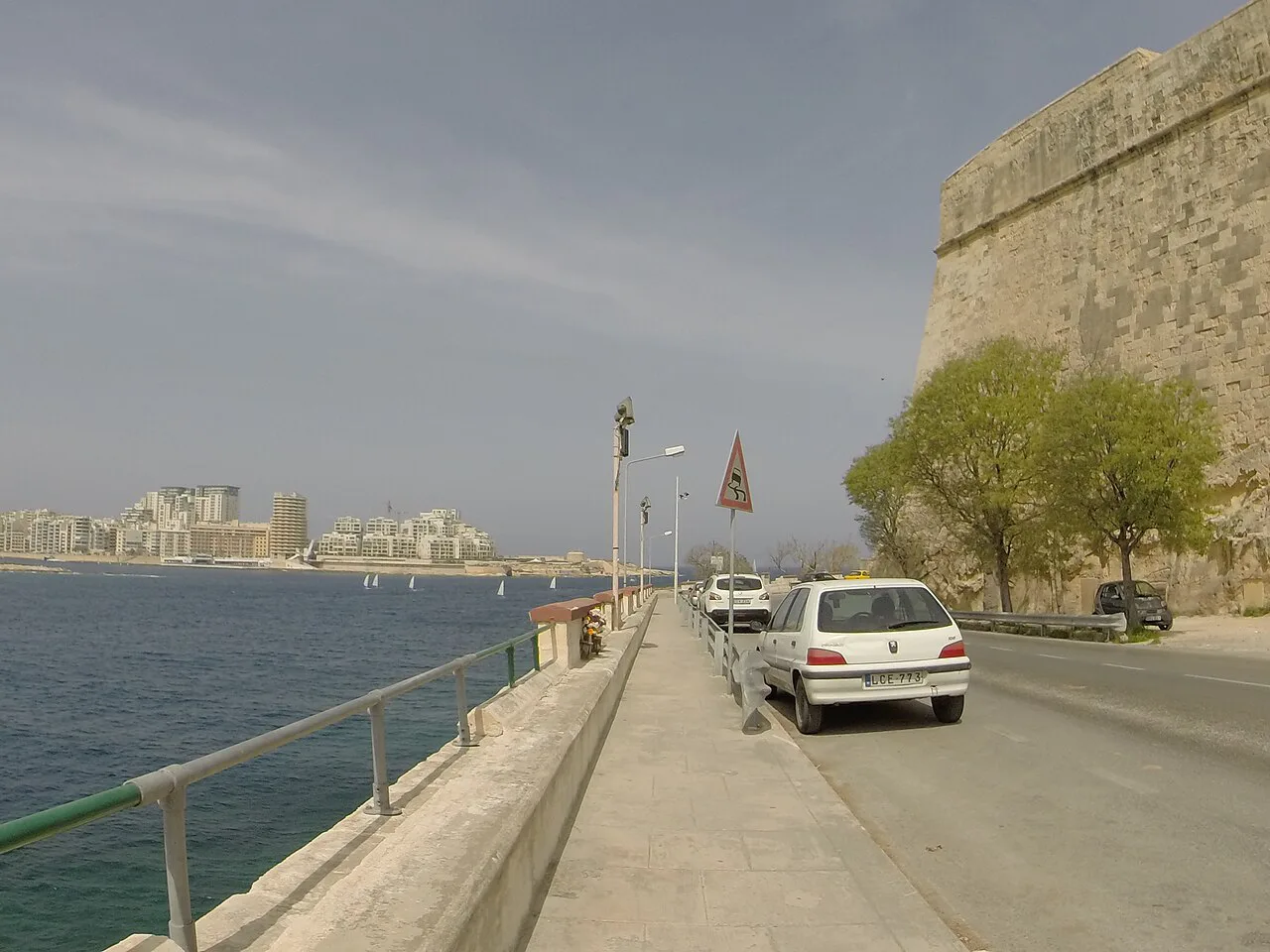
Spring works best when you plan around land and light. Valletta's St. John's Co-Cathedral and the Grandmaster's Palace reward a cool morning, and Mdina is at its best before the day-trippers arrive. The harbour forts at Birgu and Senglea offer long views without the summer heat.
Hiking and countryside walks are the standout spring activity. The Xemxija Heritage Trail, Selmun, Dingli, Girgenti and Żurrieq all make good half-days, and the green landscape is a spring bonus that disappears under the summer sun. Take water and check the wind before setting out.
Food and drink are part of the spring appeal. Waterfront lunches at Valletta and Birgu work as soon as the sun is out, and the Mġarr area is known for its strawberries, celebrated at the Festa Frawli. Festa Frawli is usually held in late April, so check the Mġarr local council listings for the year's arrangements.
The Malta Fireworks Festival is usually held around the end of April and marks Malta's EU accession, so late-April visitors may catch displays over the harbours. Confirm the current programme with the organisers rather than planning around a date that moves.
Walking and countryside routes
The best spring walks combine coast and history. The Dingli cliffs give you big sea views and ancient field boundaries; the Xemxija Heritage Trail mixes Roman remains with countryside; Selmun offers quieter paths above the north coast. All are more comfortable in April and May than in June.
Gozo rewards walkers with shorter, greener routes between villages and along the coast, and it is easy to reach as a day trip. In spring, the island is quiet enough to feel genuinely rural. If you are going specifically for a long walk, plan around the ferry timetable and the weather rather than squeezing it into an afternoon.
Spring food and festivals
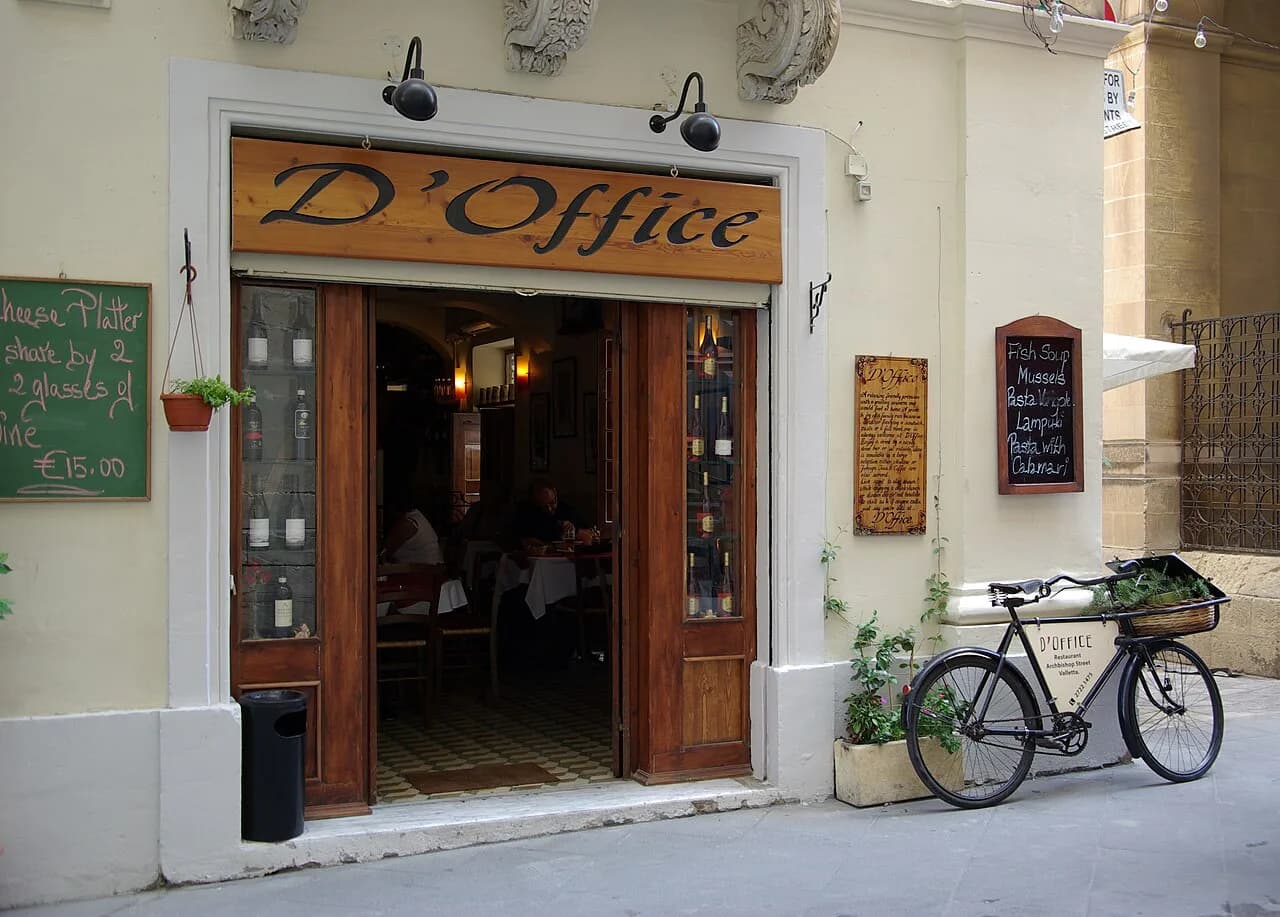
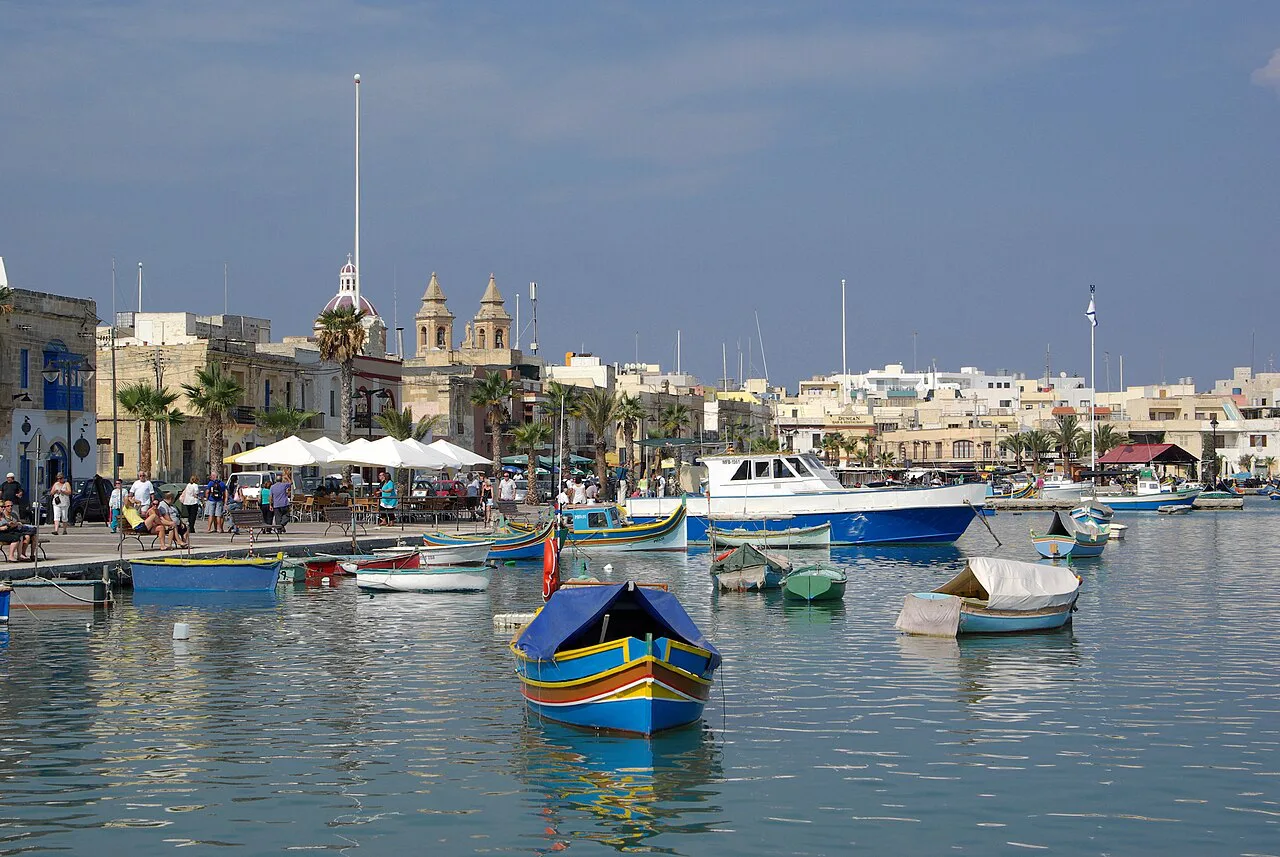
Spring eating in Malta is about outdoor tables and seasonal produce. The Valletta and Birgu waterfronts, and the Vittoriosa marina, are obvious choices for a long lunch with a view, while Sliema and St Julian's offer plenty of terraces for a drink in the sun. Prices in spring are generally lower than in high summer, with the biggest jumps around bank holidays and half term.
Alongside strawberries and fireworks, spring is when village festas start to fill the calendar, with fireworks and band marches. They are part of local life rather than tourist productions, so the best approach is to ask at your accommodation or look at Visit Malta's events pages for what is on during your dates.
Crowds and prices
Spring crowds follow the calendar more than the weather. March and early April are quiet; Easter week and the UK bank holidays in May are the busiest windows; late June starts to feel like summer. In between, you can usually turn up at most sights without much of a queue.
Prices follow the same curve, rising for Easter, bank holidays and half term, and settling back afterwards. Rather than chasing exact figures, aim for the gaps: mid-April outside Easter, mid-May between bank holidays, or early June before the school holidays begin.
Day trips to Gozo and Comino
Gozo is the easier day trip, with the short crossing from Ċirkewwa and enough time to see the citadel at Victoria, some coast and a village or two. In spring it is quiet enough to feel uncrowded. Comino's Blue Lagoon is the more weather-dependent outing: beautiful on a calm, sunny day, less so in wind.
Treat both as seasonal rather than fixed. Boat operators run different schedules in spring and can cancel in poor weather, so check the crossing company's own information the day before. If the sea is choppy, swap Comino for a land day and keep the ferry to Gozo as your backup.
Is spring better than summer in Malta?
For most travellers, spring beats summer. April and May give you comfortable temperatures, green countryside, thinner crowds and lower prices, and you can walk all day without wilting. Summer gives you warm sea but also heat, crowds and peak pricing, especially in July and August.
The exception is anyone whose trip is built around swimming, nightlife or long beach days. For those, June onwards makes more sense, accepting hotter afternoons and busier sights. The honest summary is: spring for activity and value, summer for sea and heat.
Spring or autumn?
Autumn and spring are close cousins in Malta, but they are not identical. Spring greens the countryside and warms up steadily, with a small risk of wet days in March and April. Autumn starts hot and dries out as the sea stays warm longer, which makes it better for swimming but less appealing for walking in the first half.
Choose spring if you want green landscapes, long daylight and cooler walking; choose autumn if the sea matters more than the countryside. Either way, avoid the Easter and bank-holiday crush if you value quiet.
The verdict
April and May are the pick of spring in Malta. April gives you mild days, green countryside and quiet sights at the cost of some rain and cool evenings; May gives you reliable warmth with only a small chance of wet weather. June is early summer, better for the sea, harder for walking.
If you are choosing between spring and summer, be honest about what you want. For sightseeing, walking and value, book late April or May; for warm sea and long beach days, wait until June. Before you book flights, check the current UK government travel advice page once, then plan around the weather pattern rather than a single forecast.
More Malta spring guides
Frequently Asked Questions
What is the weather like in Malta in April?
April is mild and often bright, with typical daytime highs around 19 °C (66 °F) and nights around 12 °C (53 °F). Rain falls on roughly six days across the month, so expect a mix of sunny afternoons and the occasional wet spell. Evenings are cool enough to need a layer.
Is Malta warm in spring?
Yes, but it warms steadily. April is mild, May is comfortably warm and June is genuinely hot by midday. March is the coolest and least predictable month, and wind can make any spring day feel cooler than the thermometer suggests.
Is the sea warm enough to swim in Malta in spring?
Generally not until late spring or early summer. The sea warms more slowly than the air, so April and much of May are bracing for most swimmers, and June is the first month when many visitors find it comfortable. If swimming is central to your trip, later is better.
Is spring a good time to visit Malta?
For walking, sightseeing and value, spring is excellent. April and May give you comfortable temperatures, green countryside and thinner crowds, with only a small rain risk by May. It is less suitable if you want guaranteed heat and warm sea.
How warm is Malta in May?
May typically brings highs around 23 °C (74 °F) and lows around 15 °C (63 °F), with rain becoming rare. It is warm enough for outdoor lunches and coastal walks, and mild enough in the evenings for a light layer.
Is Malta busy in spring?
March and early April are quiet. Easter, the UK bank holidays in May and half term are the busiest windows, and late June starts to feel like summer. If you want calm, aim for mid-April outside Easter or mid-May between bank holidays.
Sources
Spring sun notes
Optional updates when we add destinations and months.
You might also like
Continue reading
More guides you'll find useful