Málaga in May: Weather & What to Expect
Málaga in May averages 24°C by day and 14°C at night, with long sunshine and little rain. Here is what that means for sightseeing, the coast and crowds.
On this page
Málaga in May is warm enough for shirt sleeves and long lunches outdoors, but not yet a beach destination in any meaningful sense. AEMET's long-term normals for Malaga Airport (station 6155A, 1981–2010) put the average daytime high at 24.3°C (76°F) and the average night-time low at 14.2°C (58°F), with 292 hours of sunshine across the month.
Rain is close to a non-issue by local standards: roughly 20 mm over about three rain days in the same normals, which means most visitors see none at all. The Mediterranean is the honest weak point, staying noticeably colder than the air for the whole month, so swimming is a quick dip rather than an afternoon in the water. Treat May as a city-and-coast trip built around walking, viewpoints and food, and it delivers far more reliably than the beach does.
Weather in May
The figures come from AEMET's published climate normals for Malaga Airport, the reference station for the city and the Costa del Sol. Average daily maximum: 24.3°C (76°F). Average daily minimum: 14.2°C (58°F). Monthly sunshine: 292 hours. Precipitation: 20 mm over a mean of 3.1 rain days. These are long-term averages, not a forecast for your week, so expect individual days a few degrees either side and treat a grey morning as a spell rather than a pattern.
What those numbers feel like on the ground matters more than the table. A 24°C afternoon on an exposed terrace at Muelle Uno feels genuinely hot in direct sun, while the same temperature in the shade of the old town's alleys is comfortable for hours of walking. The mornings and evenings, closer to 14°C, are the part British visitors underestimate: a light layer is worth carrying after about seven in the evening well into the second half of the month.
Early vs Late May
May warms steadily rather than jumping, but the gap between the first week and the last is big enough to shape a trip. Early May keeps more of April's character: highs in the low twenties, evenings that cool quickly after sunset, and a higher chance of a passing shower. Late May pushes towards June, with longer, reliably sunny days and nights warm enough to sit outside after dinner.
The practical consequence is that late May is the better bet for anything that depends on being outdoors for a long stretch: the climb to Gibralfaro, a full day in Nerja, a coastal walk. Early May is the stronger choice if you want the city with fewer visitors and do not mind eating inside on the odd evening. Either way the month sits clearly between April and June, so shifting by a couple of weeks changes the feel of the trip more than the numbers suggest.
Is it warm enough?
For sightseeing, yes, and comfortably so. The Alcazaba and the walk up to Gibralfaro are exposed and shadeless in parts, and in May you can do them in the morning without the punishing heat that makes the same climb unpleasant in July and August. The old town, the cathedral quarter and the port promenade all work well at this temperature, with café terraces busy but not uncomfortable.
For families, May works if the plan is a city break with a paddle rather than a bucket-and-spade holiday. Children will be in the sea regardless, but the water is cold and sessions tend to be short. Anyone whose main aim is lying on sand in warm water should hold out for June or later, or look further south; our guide to where is warm in Europe in May compares the alternatives on exactly that basis.
The Sea
The Mediterranean off Málaga lags the air temperature by weeks, so even at the end of May the water is noticeably colder than the air on the promenade. That does not stop people swimming at La Malagueta, but most sessions are short and followed by a towel and a coffee rather than a long afternoon on the sand. If warm water is the point of the trip, May is the wrong month for this coast.
The compensation is that the beach itself is at its most pleasant: not yet crowded, no scramble for space, and the sea breeze that makes the coast feel fresher than the thermometer suggests is welcome rather than necessary. Local station records for a recent May showed the sea running well below the air temperature for most of the month, with fresh afternoon winds lifting sand on some days, which is worth knowing before you commit to a long beach day.

What is open
The city runs at full capacity in May: the Alcazaba, Gibralfaro, the cathedral and the Picasso Museum all operate their normal schedules, and the old town's restaurants and bars treat the month as proper season. The port area and Muelle Uno are fully open, with terraces busy at lunch and in the evening. Timetables vary by day and by site, so confirm opening hours with the individual monument or museum before you build a day around one.
Along the coast, May is a transitional month. Beach bars and boat operators on the Costa del Sol edge into the season, but not everything is running daily yet, and excursion timetables often firm up closer to June. If a specific boat trip or coastal restaurant matters to your plan, call the company directly to check current schedules rather than assuming a full summer timetable is in place.
Things to Do in May
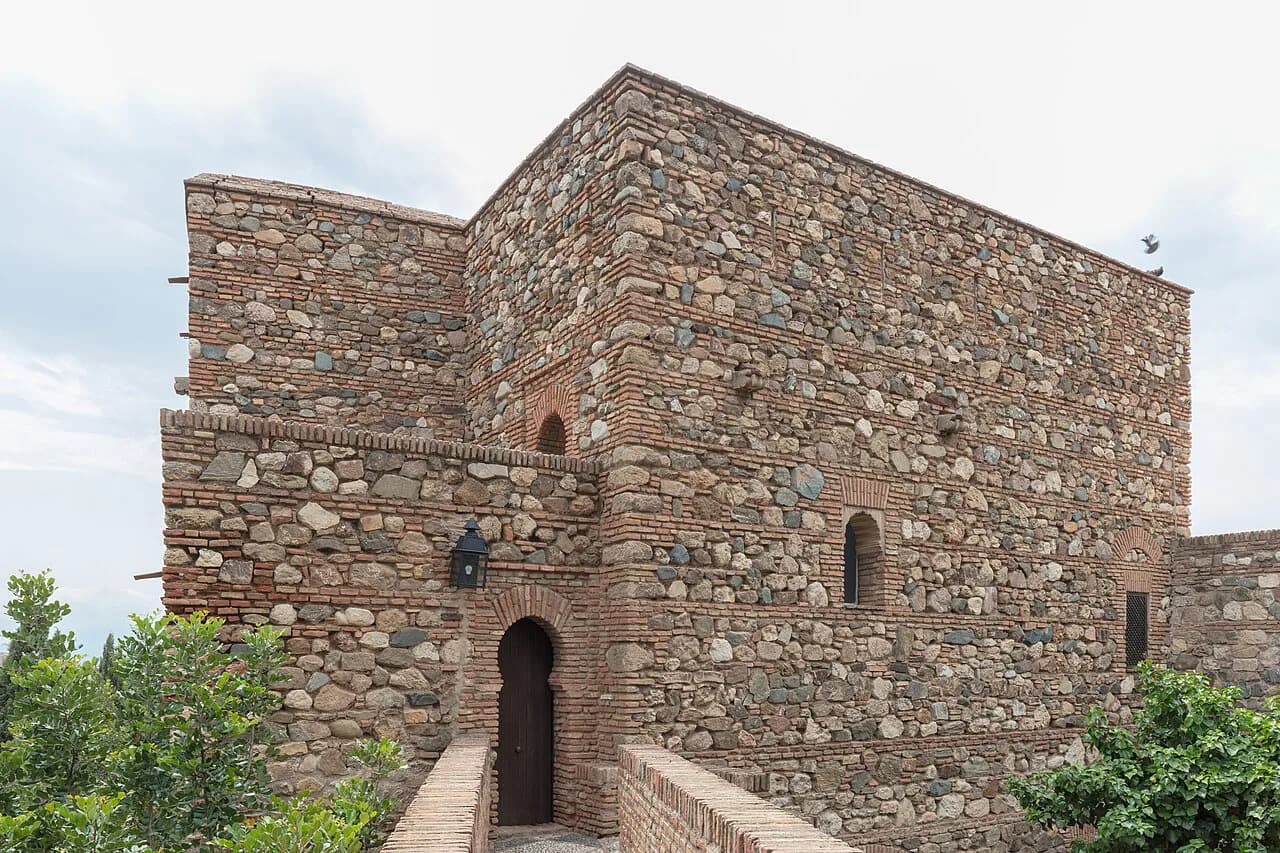
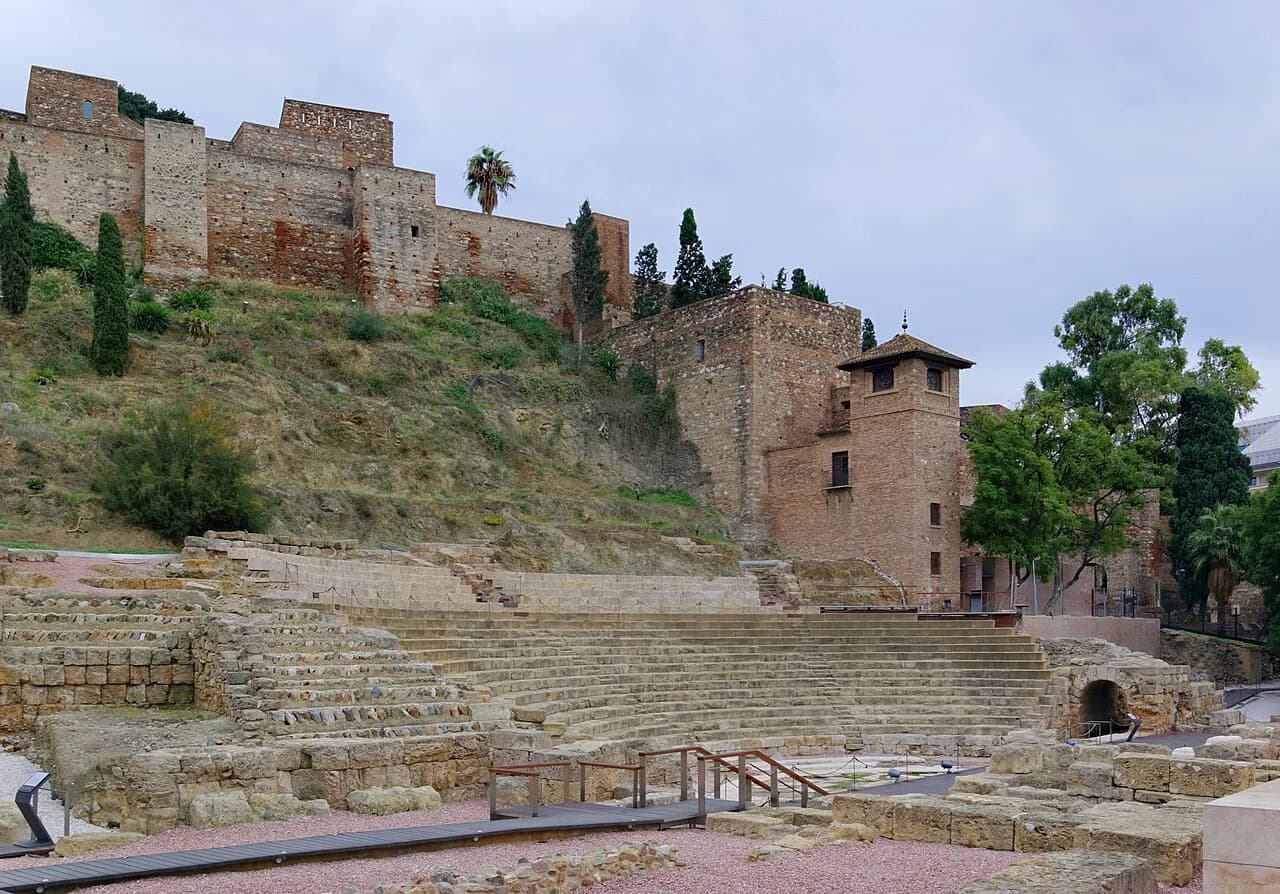
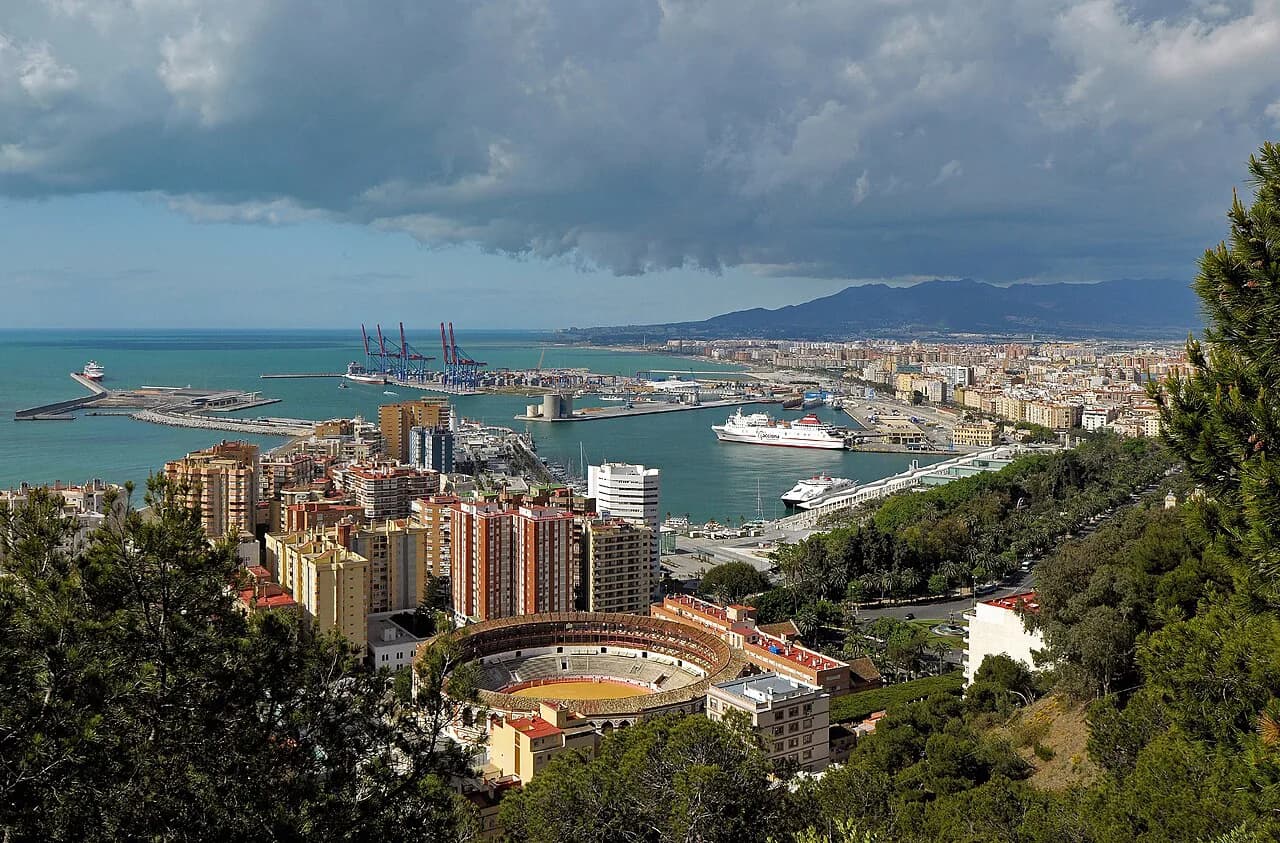
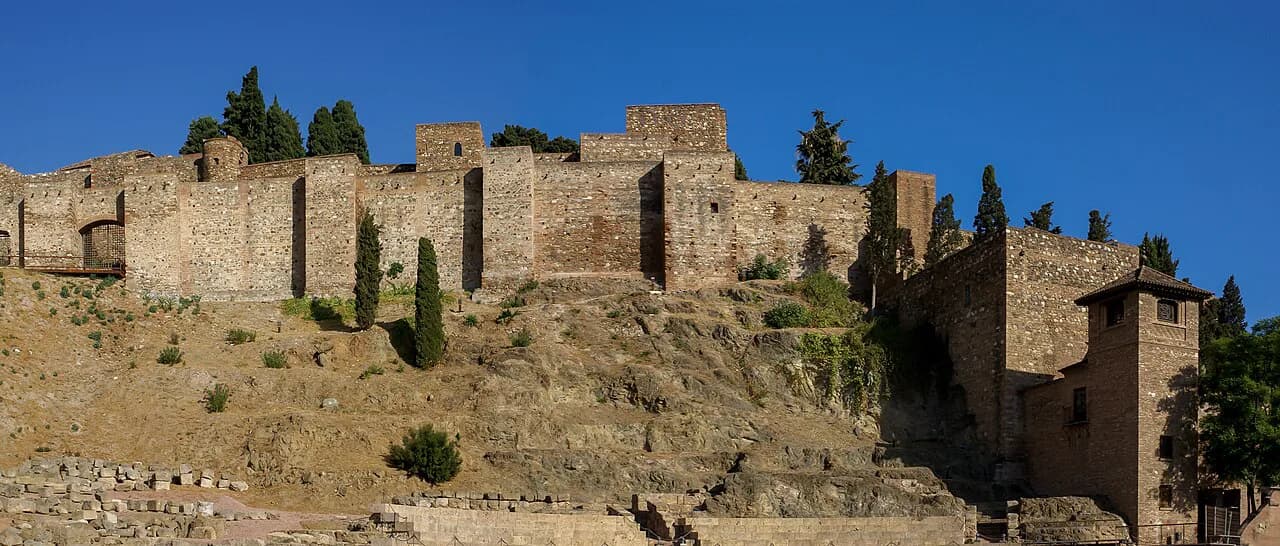
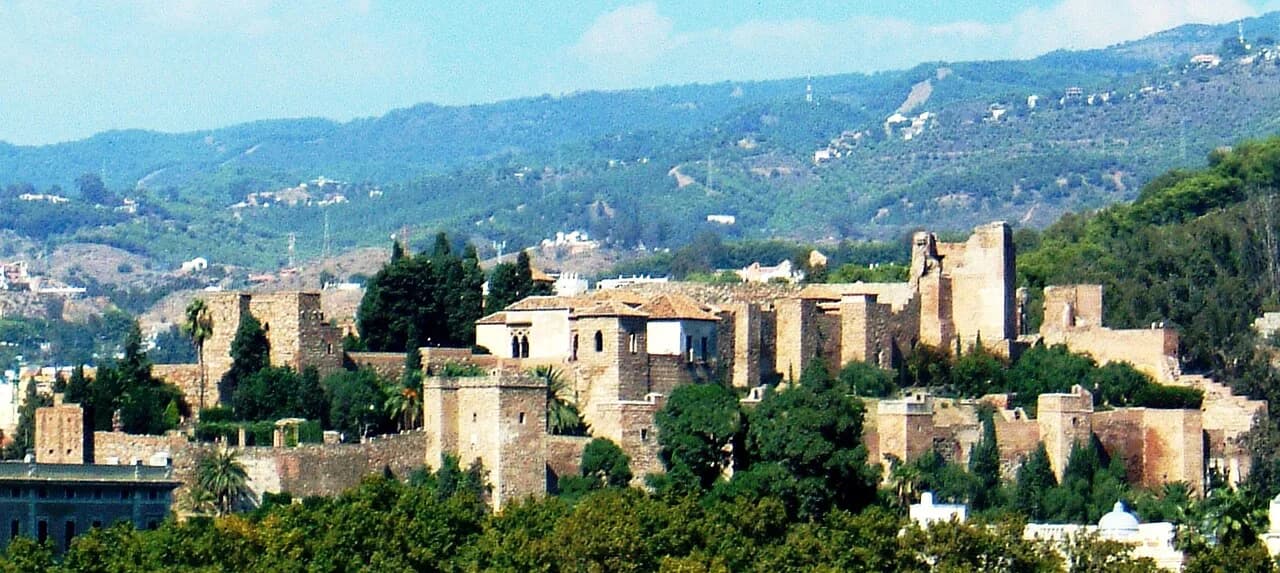
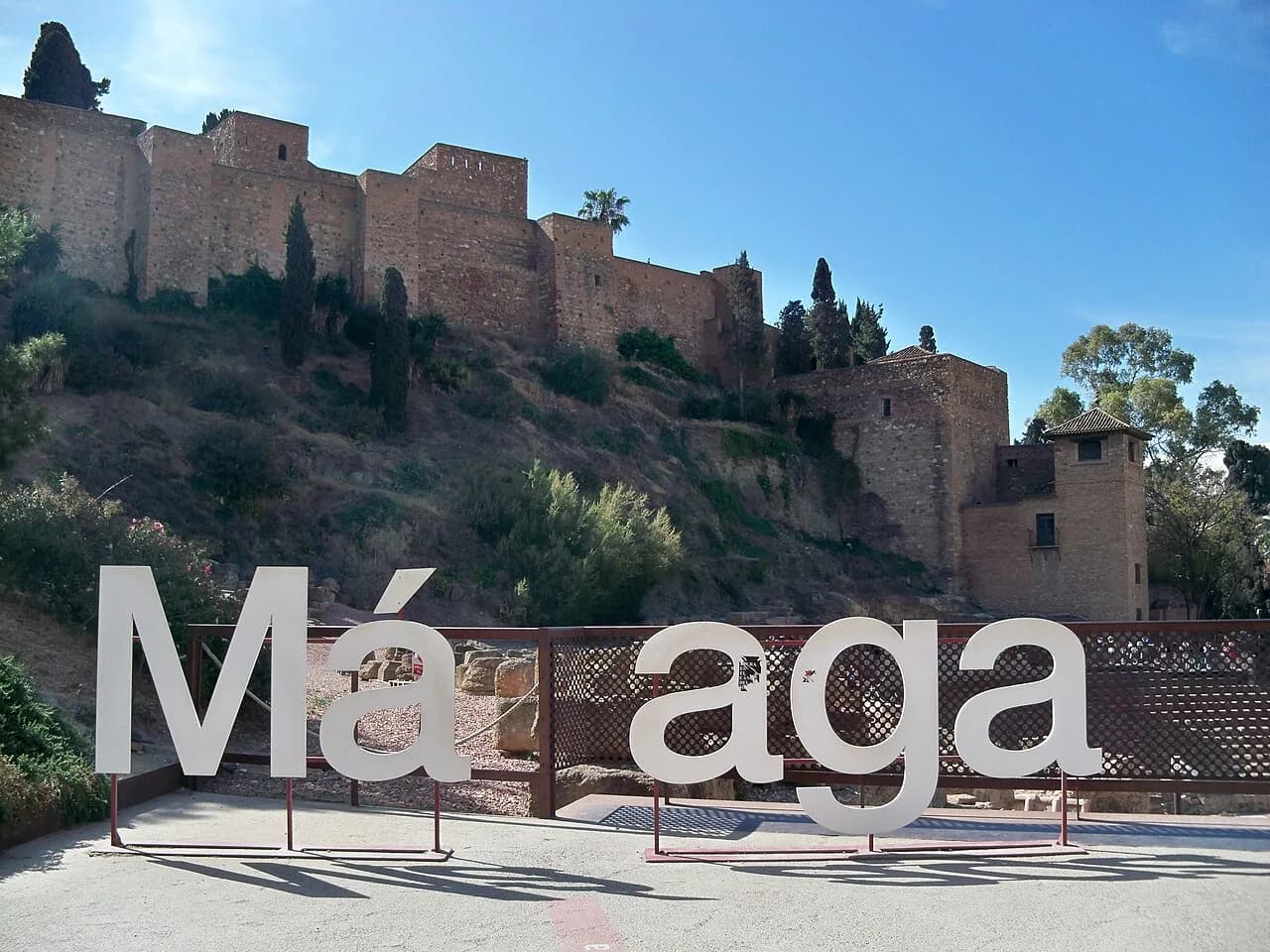
Start with the pair that define the city: the Alcazaba, the Moorish fortress below the hill, and the walk up to Gibralfaro for the view over the port and the bullring. In May you can link the two on foot in the morning without overheating, and the Roman Theatre at the foot of the Alcazaba is a natural pause on the way. The old town and cathedral quarter reward slow wandering rather than a checklist.
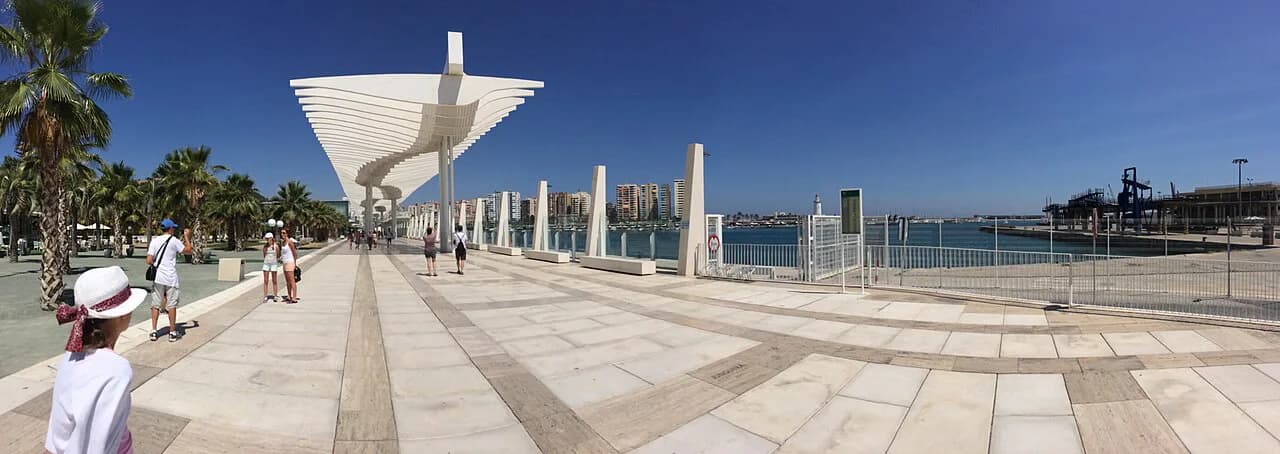
For a change of scale, the port promenade and Muelle Uno give you an easy waterfront walk with food and shade, and the city's tapas bars are at their best in spring, when the produce shifts towards spring vegetables and the fish is good. A day trip to Nerja, with its cliff-top views and Balcón de Europa, is realistic from Málaga and more comfortable in May than in high summer, and inland white villages such as those around the Guadalhorce valley make a good half-day by car.
Crowds and prices
May is busy but not crowded in the way July and August are. British school half term and the two May bank holidays push weekend demand, and the city fills noticeably on those dates, so accommodation and popular restaurants are worth booking ahead. Midweek in the second half of the month is the calmest stretch.
Prices sit between the shoulder season and high summer: higher than April, clearly below July and August. Because the month is popular with UK visitors on short breaks, weekend rates rise more than weekday ones, so flexibility on dates pays. Rival destinations in southern Europe at the same latitude tend to be similar or slightly warmer, which is where a comparison helps.
May or June?
June is warmer and drier on the same AEMET normals: average highs of 28.1°C (83°F), lows of 18.0°C (64°F), 329 hours of sunshine and under one rain day on average. That is better for the beach and for evenings outdoors, but it also brings the start of the summer crowds and higher prices.
Choose May if you want the city at its most walkable, with long sunny days and enough cool in the evenings to make a proper meal appealing. Choose June if warm sea and reliable sunbathing matter more than calm streets and lower prices. The difference in comfort for sightseeing is small; the difference in atmosphere is not.
April or May?
April is the cooler, quieter option: highs around 21.4°C (71°F) on the same AEMET normals, about 244 hours of sunshine and a little more rain, with the city still in spring mode. It suits travellers who want the Alcazaba and the old town without much company and do not mind a jacket in the evening, and it is cheaper than May.
May is the better month for a trip built around being outside all day, with the extra sunshine hours and fewer rain days making outdoor plans more reliable. If your dates are fixed to early spring and you want the sunniest option in the region, our pick of the warmest places in Europe in April is worth weighing before you commit.
Honest drawbacks
The sea is cold, the evenings are cool, and the coastal breeze can make a beach afternoon feel fresher than the thermometer promises. Rain is uncommon but not impossible in early May, and a wet spell can close outdoor plans for a day. Late in the month there is a chance of an early hot spell, which turns a pleasant walking day into one better spent in the shade.
The other drawback is expectation. Anyone arriving in May expecting July will be disappointed by the water and the wind; anyone arriving for the city, the food and the long bright days will find it one of the best months of the year. Be honest with yourself about which trip you are booking, and the month delivers.
The Verdict
Book May for Málaga if your trip is about walking the old town, climbing to Gibralfaro, eating well and taking long day trips into the Axarquía and along the coast. The air is warm, the sun is reliable and the city is busy without being overwhelmed. Skip it if you want warm water and days built entirely around the sand; June onwards is the better match.
Aim for the second half of the month if you can, book weekend accommodation early around the May bank holidays and half term, and keep one evening flexible for the weather. If your dates are open, compare the alternatives before you commit.
More Málaga spring guides
Frequently Asked Questions
Is Málaga hot in May?
No, it is warm rather than hot. AEMET's climate normals for Malaga Airport show average daytime highs of about 24°C and night-time lows of around 14°C, with roughly 292 hours of sunshine and about three rain days across the month. In direct sun it feels hotter than that, but evenings cool down and the sea stays cold. Think of it as comfortable city weather rather than beach heat.
How warm is the sea in Málaga in May?
The Mediterranean lags behind the air temperature, so even at the end of May the water is noticeably colder than the 24°C you feel on the promenade. Swimming is a short, bracing dip rather than a long session, and most visitors treat the sea as an interlude rather than the main event until later in the summer.
Is May a good time to visit Málaga?
It is one of the best months for a city trip. Long sunshine hours, low rainfall and comfortable walking temperatures suit the Alcazaba, Gibralfaro, the old town and day trips to Nerja. It is less good for a beach holiday, since the sea is cold and the coastal breeze can make the beach feel fresher than the air temperature suggests.
Should I go to Málaga in April or May?
April is quieter and cooler, with highs around 21°C on the same normals and more chance of rain, so it suits anyone wanting the city without company. May adds several degrees, more sunshine and fewer rain days, which makes long outdoor days more reliable. If your priority is walking and views, either works; if it is being outside all day, May is the better bet.
Is Málaga expensive in May?
Prices sit between the shoulder season and high summer: more than in April, clearly less than in July and August. British half term and the May bank holidays push weekend demand, so weekend rates rise more than midweek ones. Booking midweek in the second half of the month is the cheapest approach and also the calmest.
Sources
Spring sun notes
Optional updates when we add destinations and months.
You might also like
Continue reading
More guides you'll find useful