Things to Do in Málaga in May: The Month the City Opens Up
Málaga in May brings warm days, mild evenings and a busy events calendar. Here is what to do, what gets crowded, and what to book before you fly.
On this page
May is the best-balanced month for sightseeing in Málaga: you get long, mostly dry days without the punishing midday heat that makes the Alcazaba and Gibralfaro hard work in high summer. The city fills up around the May bank holidays and half term, then settles into warm, manageable weekdays. If you want culture, tapas and a plausible hour on the sand in one trip, this is the month that delivers all three.
The one real trade-off is the sea, which is still cool in May, so treat swimming as a bonus rather than the point of the trip. Build your days around the old town, the hillside fortresses and a day out to the Caminito del Rey, and you get the best of the month. Anyone who wants reliable hot-weather swimming should look at Málaga in June instead, or start with Europe's warmest spots in April to see how the season builds.
Weather in May
May in Málaga is reliably warm rather than hot, with average highs in the low twenties Celsius and nights that stay mild enough for a late dinner outdoors. Monthly rainfall drops sharply compared with April, and sunshine hours climb, which is why the terraces fill and the old town feels like it has switched into summer mode.
That profile suits almost everyone: walkers and sightseers get comfortable days for the uphill stretches, families get long daylight hours without heat exhaustion, and anyone who mainly wants to eat well and wander gets perfect conditions. The people who should think twice are those whose holiday depends on warm sea water, and anyone who wants guaranteed beach-heat should move later in the season.
Compare it with the months either side and the logic is clear. April is cooler and wetter, which suits a quieter city break, while June pushes daytime temperatures up and makes exposed sites uncomfortable at midday. May sits in the sweet spot where you can still climb a hill at noon and enjoy it.
Early vs Late May
Early May carries the bank holiday weekends, and with them the busiest hotel rates and the longest queues at the Picasso Museum and the Alcazaba. If your dates are fixed around a UK bank holiday, book the headline sights in advance and plan your walking days for the quieter weekday mornings. Late May is warmer, drier and noticeably calmer midweek, which makes it the better window for anyone with flexibility.
As the month progresses the city genuinely opens up: chiringuitos along the eastern beaches settle into fuller hours, boat trips and catamaran cruises start running more frequently, and restaurant terraces spread across the plazas. None of this is guaranteed by a fixed date, so if a specific boat trip or beach club matters to your plan, ask the sailing company directly when you book.
If you are weighing up whether to come earlier in the season, Málaga in April gives you a cooler, greener city with fewer visitors, while the fuller picture of the city's spring and early summer is in our guide to the best time to visit Málaga.
The Alcazaba and Gibralfaro
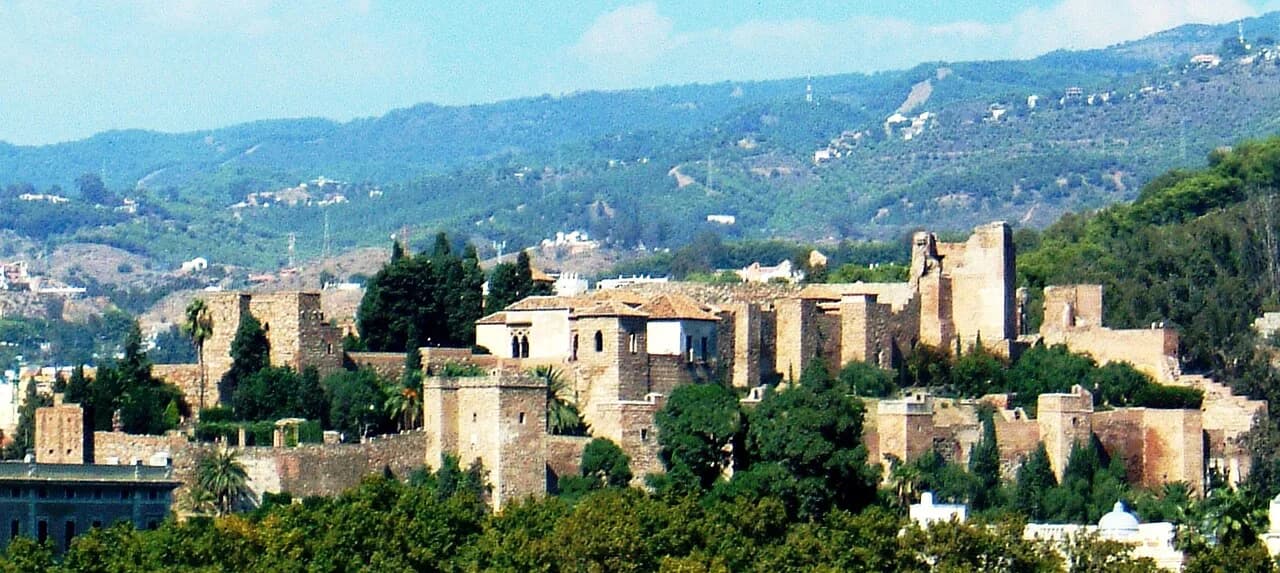
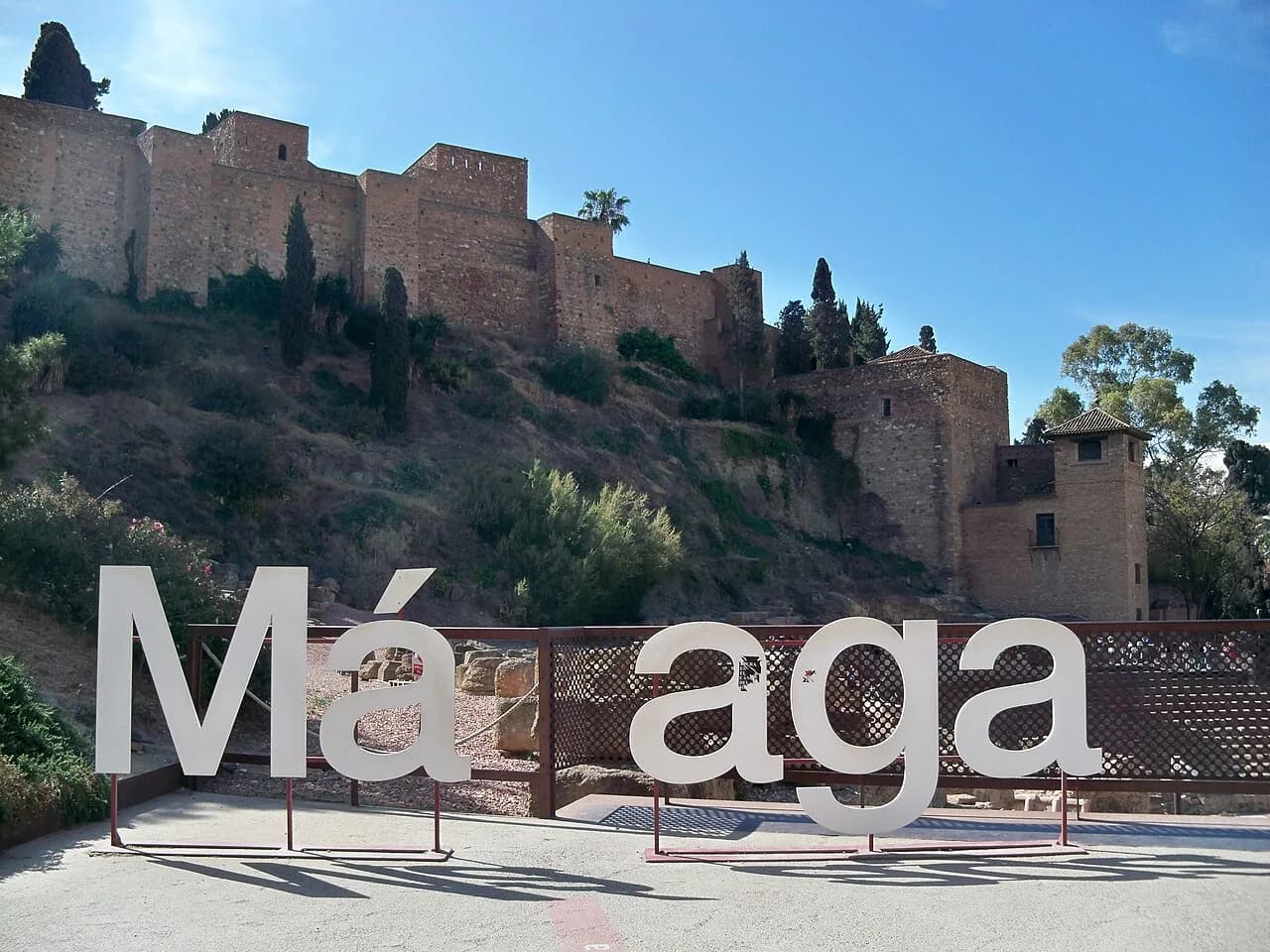
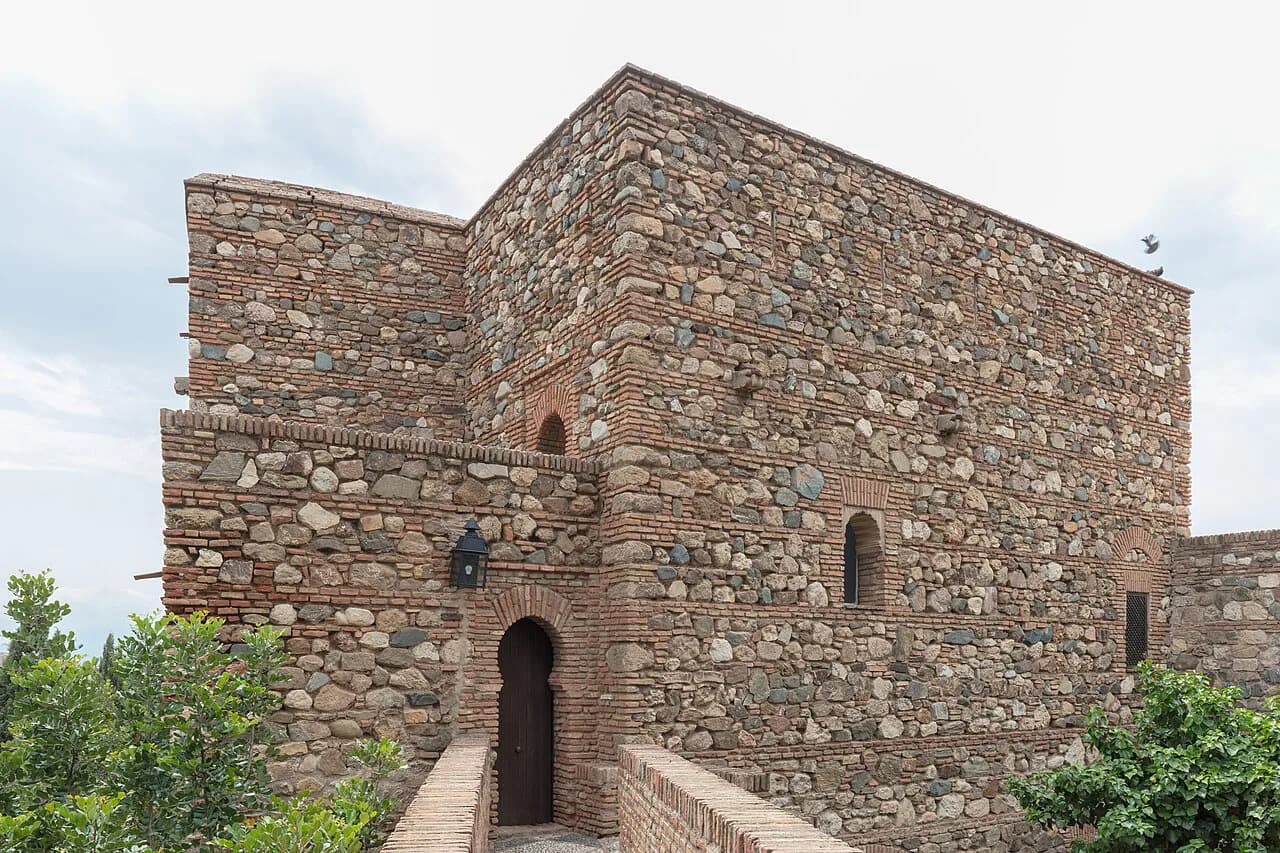
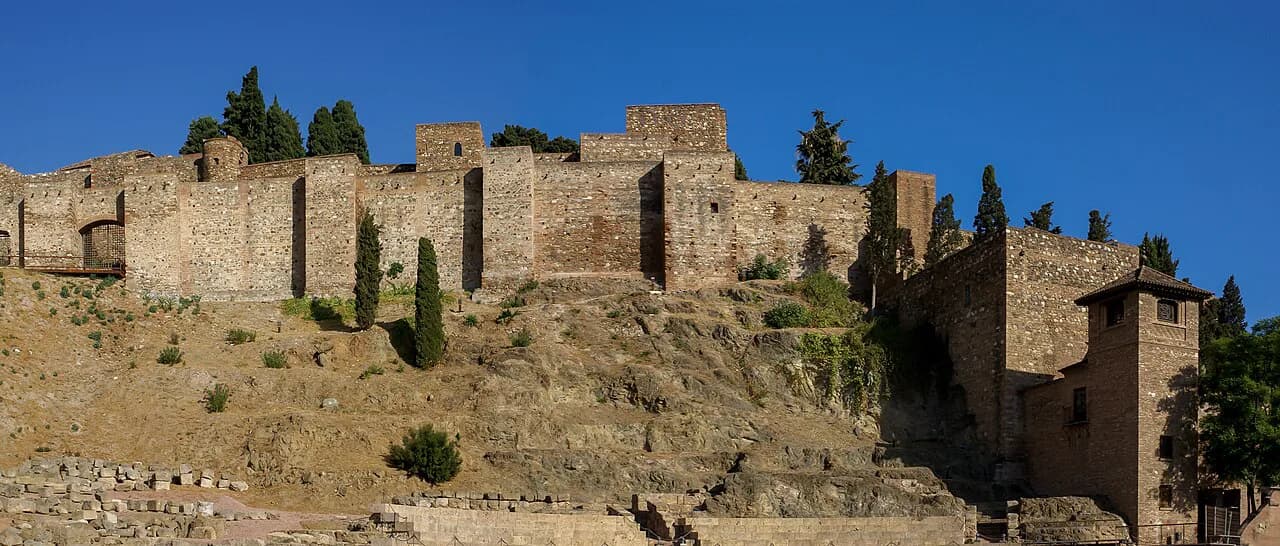
The Alcazaba, an eleventh-century Moorish fortress, and the Gibralfaro castle above it are the city's signature climb, and May is the month that makes the walk genuinely enjoyable. The route between the two takes roughly twenty minutes uphill, mostly in the open, so start early or go late in the day rather than tackling it at one in the afternoon.
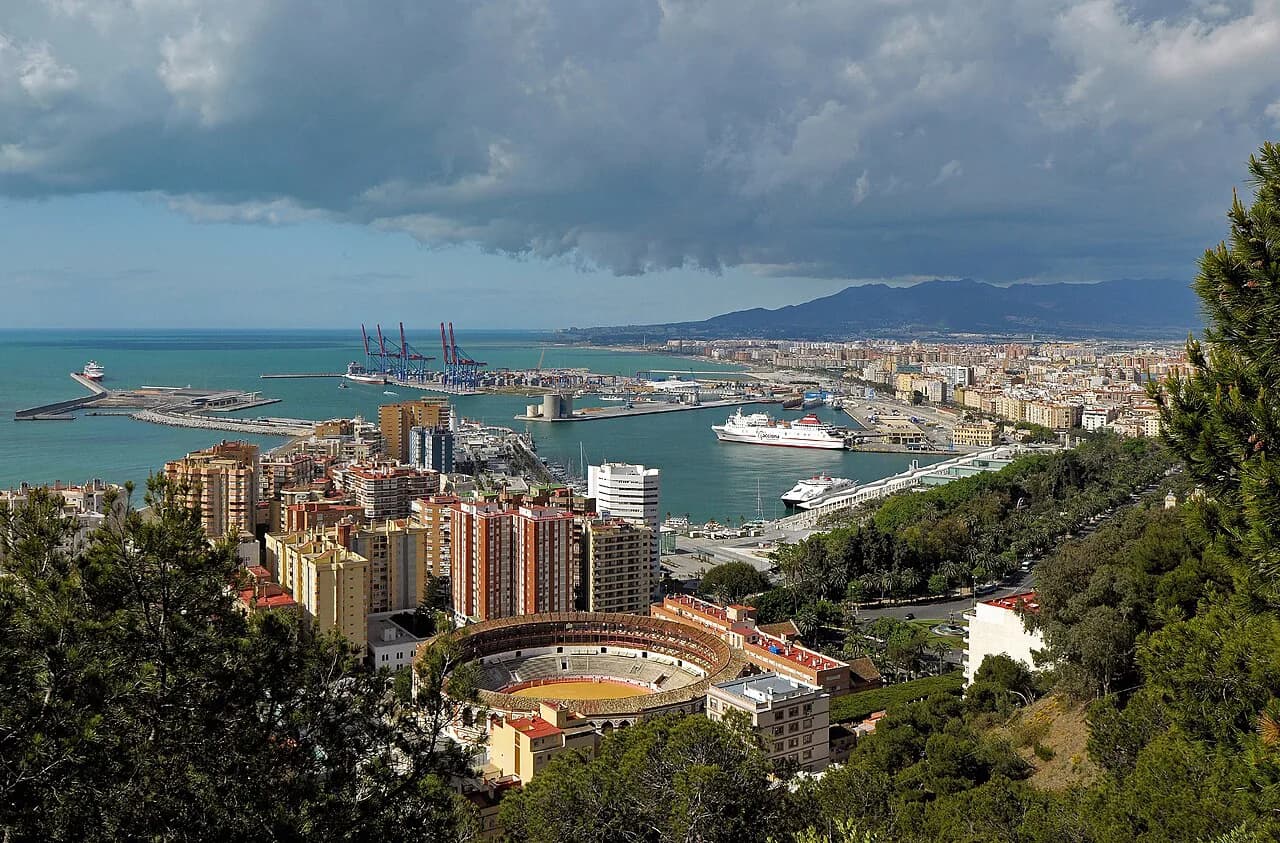
From Gibralfaro you get the panoramic payoff: the port, the bullring, the beaches and, on clear days, a view across the Mediterranean. Pair the two sites in a single outing, since they sit directly above one another, and carry water because the terraces and ramparts offer little shade. A guided tour is worth it if you want the defensive history explained rather than guessed at.
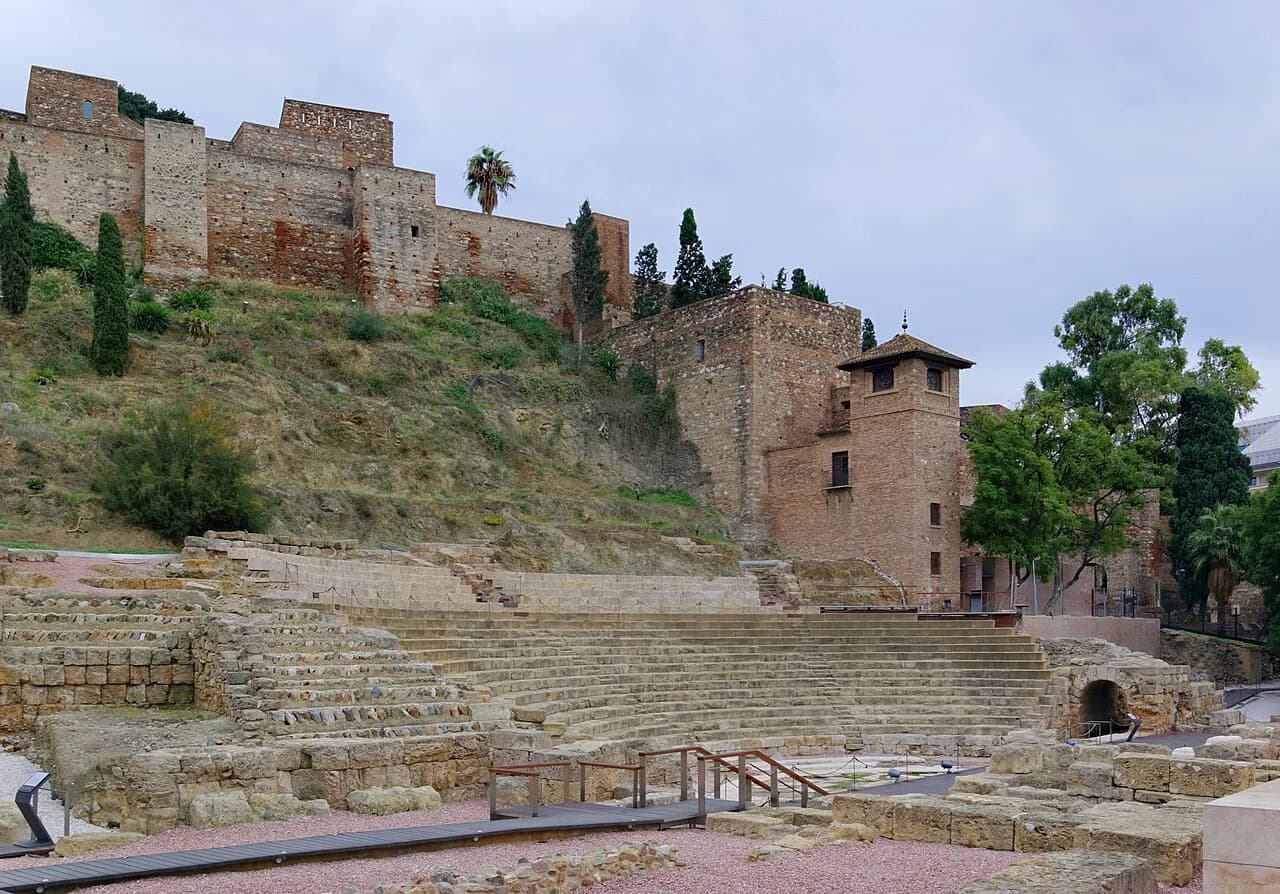
Down at street level, the Roman Theatre sits at the foot of the Alcazaba and can be seen from the road for nothing, which makes it an easy add-on to the same morning.
Picasso and the Art Circuit
Málaga's art offering is unusually strong for a city this size. The Picasso Museum, housed in a sixteenth-century palace in the old town, holds a collection spanning his whole career, and the queues without a timed ticket can swallow an afternoon, so book ahead. The Carmen Thyssen Museum, focused on nineteenth-century Andalusian painting, is far quieter and a good counterweight on a busy weekend.
The Centro Pompidou's branch sits down by the port, which makes it a natural stop on a waterfront wander rather than a separate excursion. In May, the difference from August is simple: you can arrive mid-morning and still get in without feeling you have spent your day in a queue.
For modern art in the open air, the Soho Arts District behind the port has large street murals that cost nothing to see. It fits neatly into an hour before lunch and gives you a reason to walk through a part of the city most visitors skip.
The Old Town on Foot
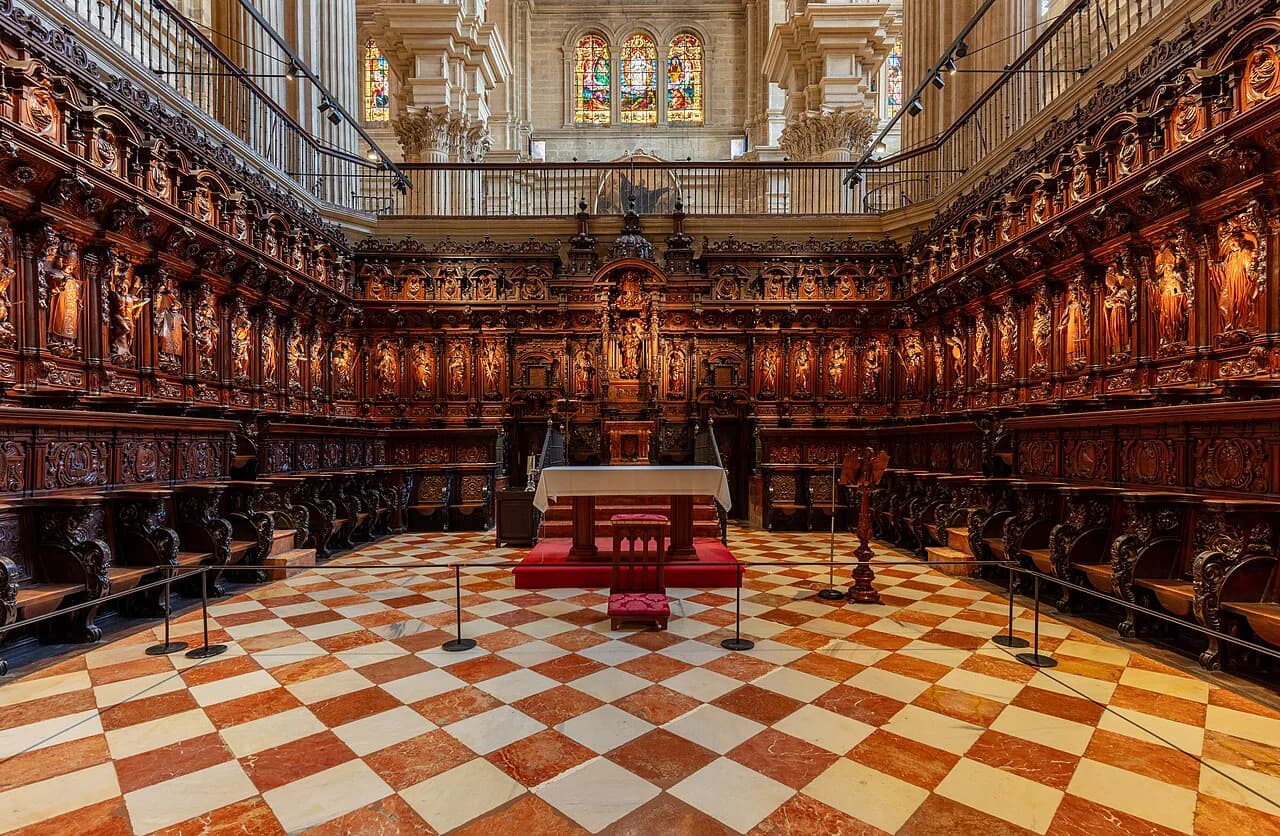
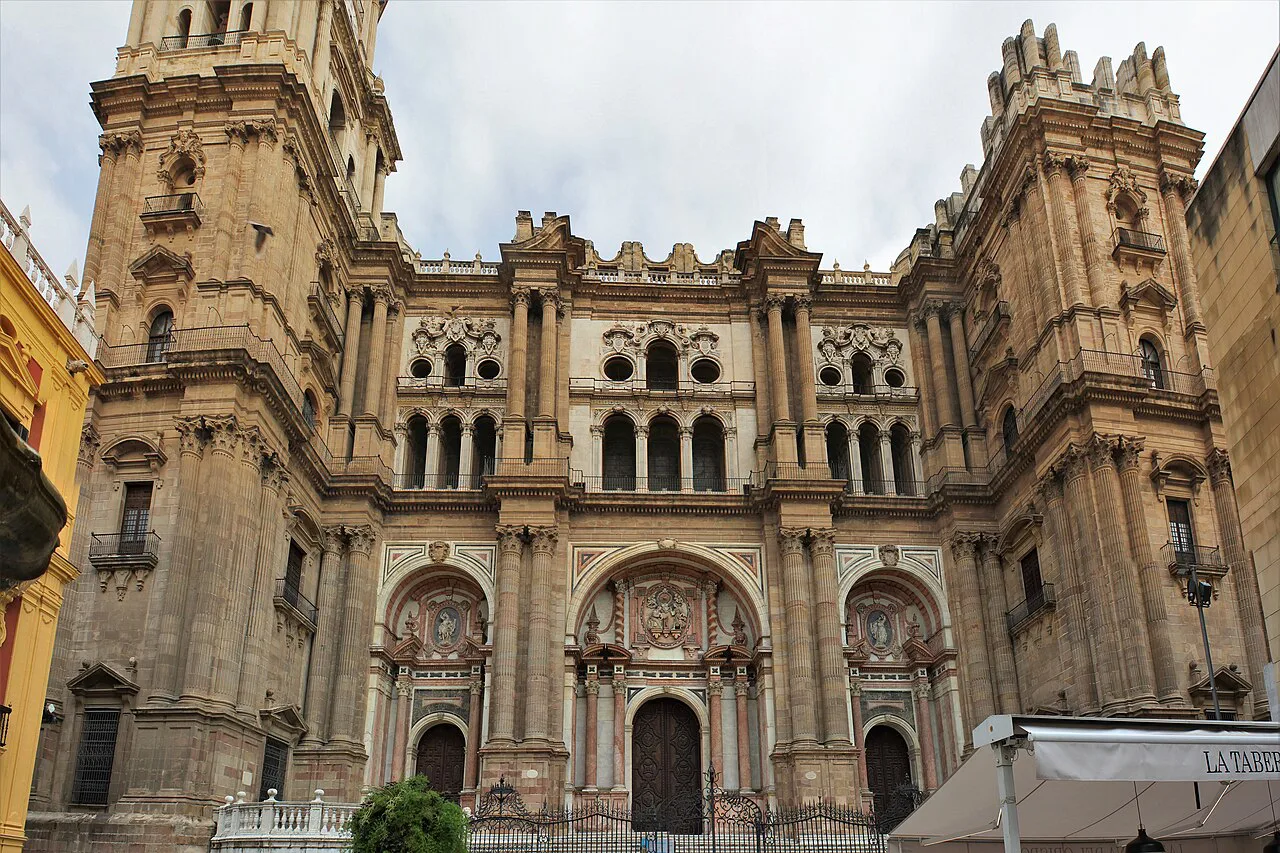
A half-day loop through the centre works beautifully in May temperatures: start at the cathedral, whose unfinished second tower earned it the nickname La Manquita, then drift through the surrounding lanes towards the Picasso Museum and the Roman Theatre. The cathedral's rooftop gives you a 360-degree view over the city and out to the sea, and it is far more pleasant in spring than in the heat of summer.
Calle Larios, the long pedestrian spine of the centre, is where the city promenades in the evening, and it makes a natural point to end a walking day. Add a free walking tour on your first morning if you want orientation and restaurant tips before you commit to a plan.

Mercado de Atarazanas and the Tapas Trail
The Mercado de Atarazanas is the best single food stop in the city: a covered market where stalls sell seafood, olives, cheeses and Andalusian produce, with bars inside and out cooking from what is on the counters. Go hungry and early, and treat it as lunch rather than a photo opportunity.
For the classic Málaga tapas experience, Casa Lola draws both locals and visitors for jamón ibérico and tomato dishes, while El Pimpi, a bodega serving since 1971, rewards anyone who reserves ahead. Order garlic prawns wherever you go, and try a tinto de verano, the local red-wine-and-lemonade drink that makes far more sense than it sounds.
A guided wine and tapas tour is a sensible first-night move if you want to be taken to four bars and shown what to order, rather than guessing from menus. After that, you will have the confidence to eat well on your own for the rest of the week.
Beaches and the Water
Playa de la Malagueta is the closest beach to the old town and comes with showers, toilets, chair rental and a line of chiringuitos, which makes it the easy choice for a couple of hours between sights. Pedregalejo, a short ride east, is more local in feel and has seafood restaurants right on the sand, and it is where a long May lunch beats a swim.
Be honest about the water: the Mediterranean is still cool in May, so most people will paddle rather than swim properly. Treat the beach as a place to read, eat and cool off in the shallows, and the month works perfectly well.
If you want the coast from the water, sunset catamaran cruises run out of the port and typically last a couple of hours with drinks on board. Check the catamaran company's own schedule for your dates rather than assuming a daily departure in early May.
Caminito del Rey
The Caminito del Rey, a walkway pinned to the walls of the Gaitanes Gorge and suspended around 100 meters above it, is the day trip that justifies building a whole itinerary around. It is a full day out from Málaga once transport is included, so do not try to squeeze it in beside a museum morning.
Book as early as you can: this is the one attraction in the region where turning up on the day is a genuine gamble, and tickets can go months ahead in popular periods. May weather is close to ideal for the exposed gorge, warm but rarely brutal, which is a strong argument for doing it now rather than in July.
If you would rather have a guide handle logistics and the route's history, guided packages with transport from the city remove the planning entirely.
Ronda and the Inland Alternative
When you want a break from the coast, Ronda makes a strong day trip: a clifftop town split by a deep gorge, with whitewashed lanes and long views over the Andalusian hills. In May the inland heat is still pleasant, which makes walking the town far more comfortable than it becomes in high summer.
Go early, since the drive eats a chunk of the day, and plan to be back in Málaga for a late dinner. It is the best argument for May over June: you get mountain walking weather without sacrificing the coast.
What's on in May
May is the city's most eventful spring month. The Patio Festival opens private courtyards in the historic centre to visitors, Noche en Blanco turns the museums and streets into a late-night cultural programme, and the Book Fair sets up stalls along the promenade. Free museum entry around International Museum Day is another fixture of the month.
These events change how you plan a day: the old town is noticeably busier during the Patio Festival and on Noche en Blanco, so shift your fortress climb or beach time to a different date. The city's own event listings confirm which courtyards participate and which museums waive entry, and those details are worth checking before you set your dates.
If you are travelling with children, the extra evening programme and the free museum slots make May unusually good value without any need to chase organised activities.
Crowds and Prices
Expect peak prices and the thickest crowds around the early-May bank holidays and half term, when UK and Spanish visitors coincide and the old town feels genuinely full. Book the Picasso Museum, flamenco shows and the Caminito del Rey ahead for those dates, and expect restaurant terraces in the centre to fill early.
Outside those windows, midweek in late May is a different city: you can walk into most tapas bars, get a table without drama, and find the Alhambra-free sights manageable. Accommodation is still cheaper than in high summer, though the difference narrows towards the end of the month. None of this is fixed, so check current prices and dates for your own week before booking.
If value matters more than heat, Spain in April is cheaper still, with fewer visitors and greener hills, at the cost of a shower or two.
When the Weather Turns
May rain in Málaga usually arrives as short showers rather than all-day downpours, so the sensible plan is to keep a museum or two in reserve rather than cancelling the day. The Picasso Museum, the Carmen Thyssen and the Pompidou all work well as wet-weather cover, and the covered market is a good lunch stop whatever the sky is doing.
Wind is the other variable, and it can cancel or shorten boat trips, so book water-based activities for the middle of your stay rather than the last day. That gives you room to rearrange if the forecast shifts.
May or June?
Choose May for walking, sightseeing and long outdoor lunches, with a sea that is cool but a city that is fully awake. Choose June for hotter days, warmer water and a proper beach-holiday feel, accepting that midday at Gibralfaro or on the Caminito becomes a test of stamina.
For most first-time visitors who want a bit of everything, May wins: the weather is kind, the events calendar is full, and the city is not yet in peak-season mode. Our fuller month-by-month view of Málaga in May sets out what changes as the season opens.
Plan Your Visit
Build your trip around the hillside fortresses, the old town art circuit and one full day at the Caminito del Rey, and you will have used May well. Book the Picasso Museum, any flamenco show and the gorge walk in advance, especially around the bank holidays, and keep a museum in reserve for a shower.
If you want a different island or coastal comparison for the same month, things to do in Ibiza in May and things to do in Lanzarote in May show how the season looks elsewhere in Southern Europe.
Frequently Asked Questions
Is May a good time to visit Málaga?
Yes. May gives you warm days with typical highs in the low twenties Celsius, mild evenings, low rainfall and enough sunshine for long days outdoors. It suits sightseeing, walking and eating outside, and the city's event calendar is at its fullest.
Is Málaga warm enough to swim in May?
The air is warm and pleasant, but the Mediterranean is still cool in May, so most visitors paddle and read on the sand rather than swim properly. If reliable warm water is your priority, look at later in the season, towards June.
What events happen in Málaga in May?
The month brings the Patio Festival, when private courtyards open to visitors, Noche en Blanco with late-night cultural programming, the Book Fair, and free museum entry around International Museum Day. Check the city's own listings for participating venues.
How does early May compare with late May in Málaga?
Early May coincides with bank holidays and half term, so the old town is busier and rates are higher. Late May is warmer and noticeably calmer midweek, which makes it better for anyone who can choose their dates.
What are the must-see sights in Málaga?
Priorities are the Alcazaba and Gibralfaro, the Picasso Museum, the cathedral, the Mercado de Atarazanas and the Roman Theatre, plus a day out to the Caminito del Rey. Ronda works well as an inland alternative.
Should I book the Caminito del Rey in advance?
Yes. It is the one attraction where turning up without a ticket is a real gamble, and slots can sell out months ahead in busy periods. Book before you arrange flights if the walk matters to you.
How many days do I need in Málaga in May?
Three days covers the old town, the fortresses and the art museums comfortably. Add two more if you want the Caminito del Rey and a day trip to Ronda without rushing.
May or June in Málaga?
May is better for walking and sightseeing, with kind temperatures and better value. June brings hotter days and warmer water but makes exposed sites demanding at midday.
Sources
Spring sun notes
Optional updates when we add destinations and months.
You might also like
Continue reading
More guides you'll find useful