Best Time to Visit Málaga: When to Go Month by Month
The best time to visit Málaga is late April to June, when days are warm and sunny but the summer heat has not arrived. Here is how each month compares.
On this page
Late April to June is the best time to visit Málaga for most spring travellers: days climb from pleasantly warm to genuinely hot, sunshine is abundant and rain becomes rare, while the fierce summer heat and peak-season crowds are still weeks away. If you want to sit outside all evening without a jacket, aim for June; if you want comfortable walking weather and lower prices, Málaga in April is the better bet.
Why Late April to June Suits Most Travellers
Málaga's spring is a steady ramp rather than a switch. April delivers mild, bright days with the occasional unsettled spell, May sits in the sweet spot for sightseeing and outdoor eating, and June turns reliably hot and almost rainless. Anyone chasing guaranteed sunbathing weather should look at June or wait for July, while anyone who wilts in heat should stop at May.
Weather in April
AEMET climate normals for Malaga Airport, covering 1981 to 2010, put April's average daytime high at 21.4 °C (70.5 °F) and the average night-time low at 11.1 °C (52 °F). The month averages 244 hours of sunshine, 4.5 rain days and 44 mm of precipitation, so you get plenty of bright weather with a realistic chance of a wet day or two.
That profile suits sightseeing, city walking and long lunches on a terrace far better than it suits lying on a beach. Evenings are cool enough to want a layer, and the sea has not had time to warm up. Families with young children usually find April's temperatures easier than June's.
Early vs Late April
The gap between the start and end of April matters more than the monthly average suggests. Early April behaves like an extension of March, with changeable days and a breeze off the Mediterranean, while the last week or so usually settles into the pattern that carries through May.
As the month progresses, terrace life returns in force: café tables spill onto the streets, chiringuitos along the city beaches start gearing up for the season, and the port area fills on sunny afternoons. Some coastal businesses still run reduced, pre-season hours early in the month, so treat the second half of April as the safer choice if outdoor dining is a priority.
Weather in May
May steps up noticeably: AEMET gives an average high of 24.3 °C (75.7 °F) and a low of 14.2 °C (57.6 °F), with 292 hours of sunshine, 3.1 rain days and 20 mm of rain. This is the month when the city feels properly warm without tipping into heat, and when evenings become comfortable enough to sit outside until late.
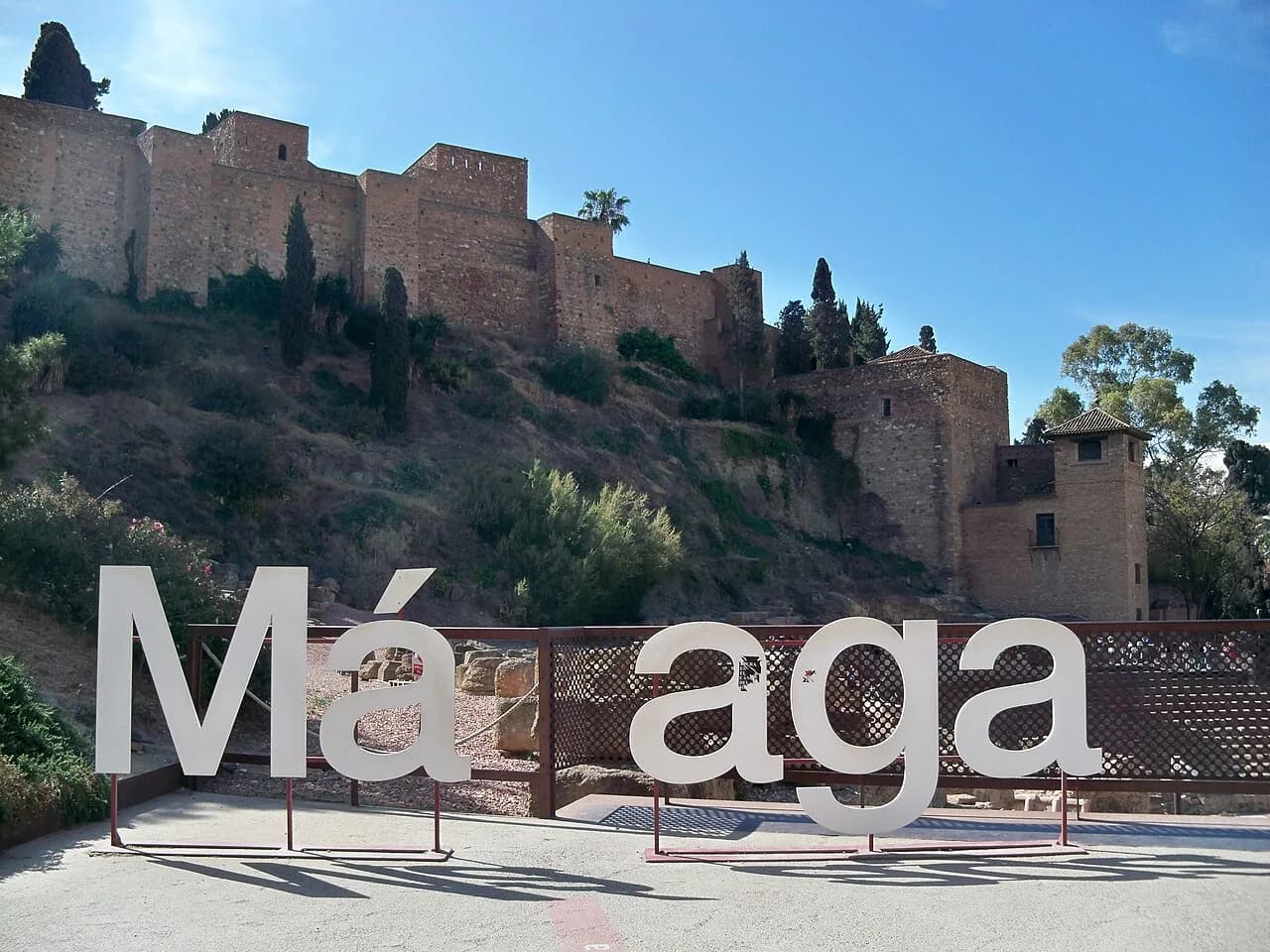
For a first trip built around the Alcazaba, Gibralfaro and the historic centre, May is hard to beat. Walking uphill to the castle in the middle of the day is still pleasant rather than punishing, and the light on the harbour is superb in the late afternoon.
Early vs Late May
Late May is noticeably warmer and drier than the first week, and the sea breeze that keeps the city bearable in high summer can still feel cool on the waterfront. Beach bars and boat trips operate more fully as the month goes on, while the final days merge into the early-summer rhythm that carries into June.
If your dates are flexible and you want the best balance of warmth, open businesses and manageable crowds, target the second half of May. The UK half-term break and the late-May bank holiday weekend are the busiest stretches, so book transport early for those weeks.
Weather in June
June is where spring hands over to summer. AEMET normals show an average high of 28.1 °C (82.6 °F) and a low of 18 °C (64.4 °F), 329 hours of sunshine and just 0.8 rain days, making it effectively a dry month. Days are long, evenings are warm, and outdoor plans become the default rather than a gamble.
This is the month for people who want to eat outside every night and spend whole afternoons by the water. It is also when the heat starts to build, so anyone planning long hikes or mid-afternoon city walks should shift those activities to the morning or evening.
Is It Warm Enough?
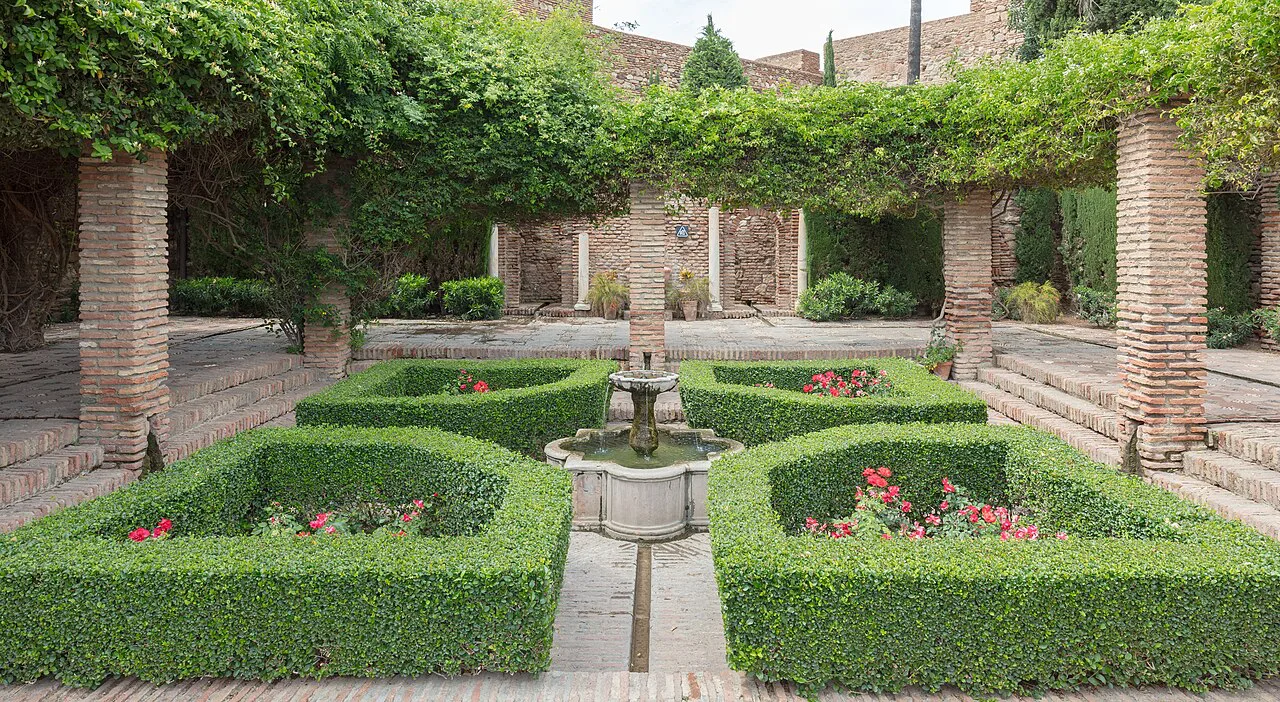
For sightseeing, walking and outdoor eating, late April through June is comfortably warm, with May the most balanced month. For lazing outdoors and long evenings without a jacket, June is the clear pick; for anyone who dislikes heat, April and May are safer.
If your idea of a spring trip requires hot, guaranteed beach weather, Málaga in April will disappoint and you should look at June or further south. If you want warm days, cool nights and a city you can walk all day, April and May deliver exactly that.
What Is Open in Spring
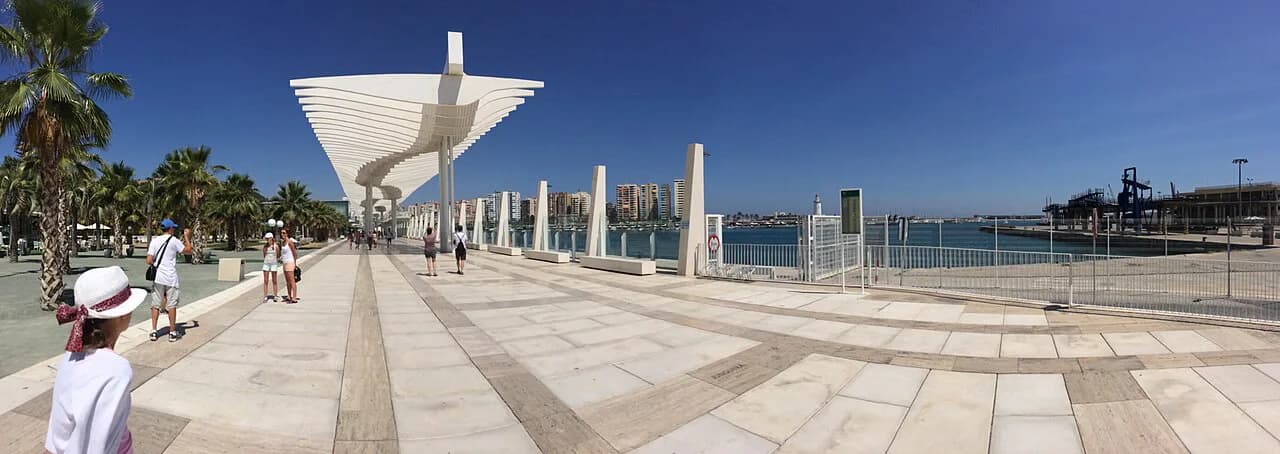
The city's core sights — the Alcazaba, Gibralfaro, the Picasso Museum and the cathedral — operate year-round, and spring is when their terraces and surrounding streets become pleasant rather than exposed. The port promenade at Muelle Uno is at its best from April onward, with outdoor seating filling up on fine days.
Boat trips and waterfront businesses ramp up through the season rather than switching on at a fixed date, so early April can feel quieter along the port. Chiringuitos on La Malagueta and the city beaches open progressively as the weather settles, and by June the seafront is in full swing.
Things to Do in Spring
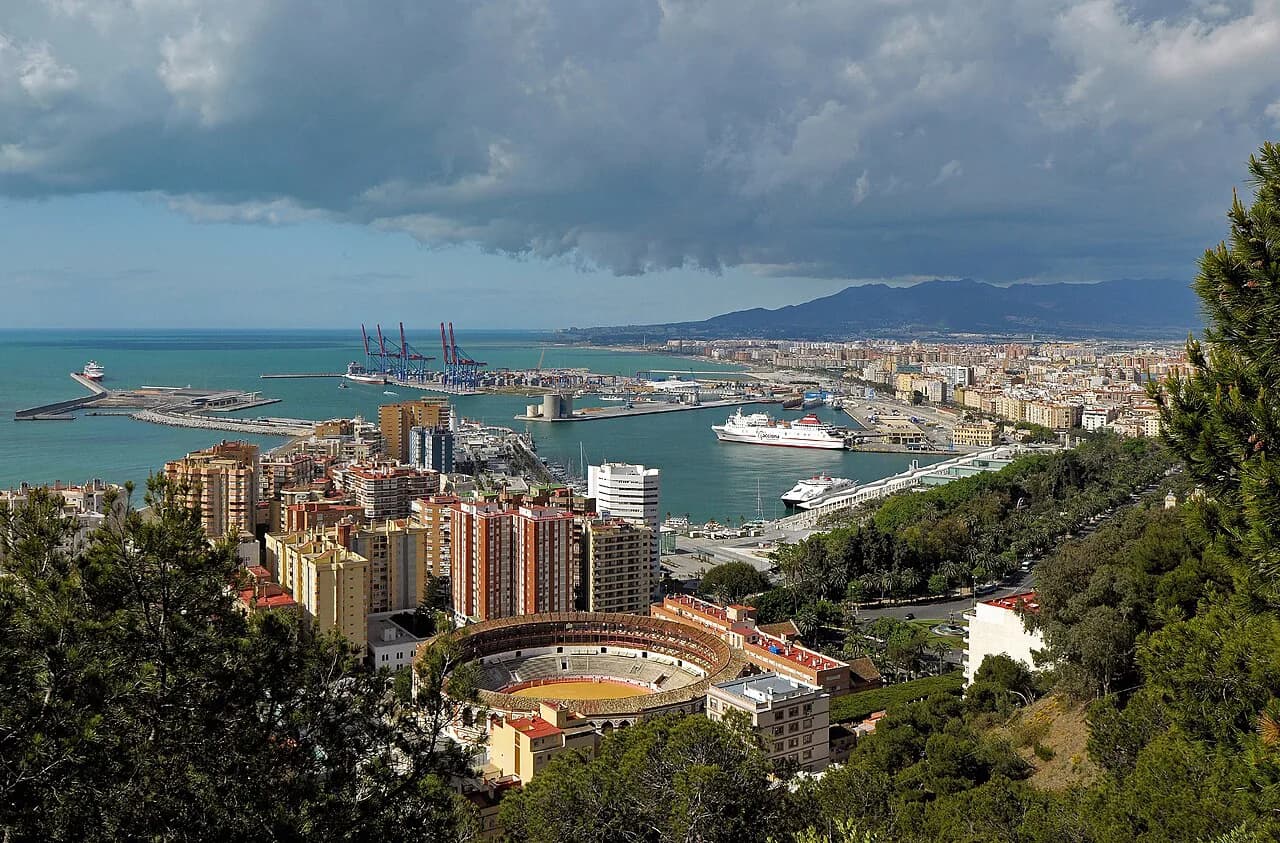
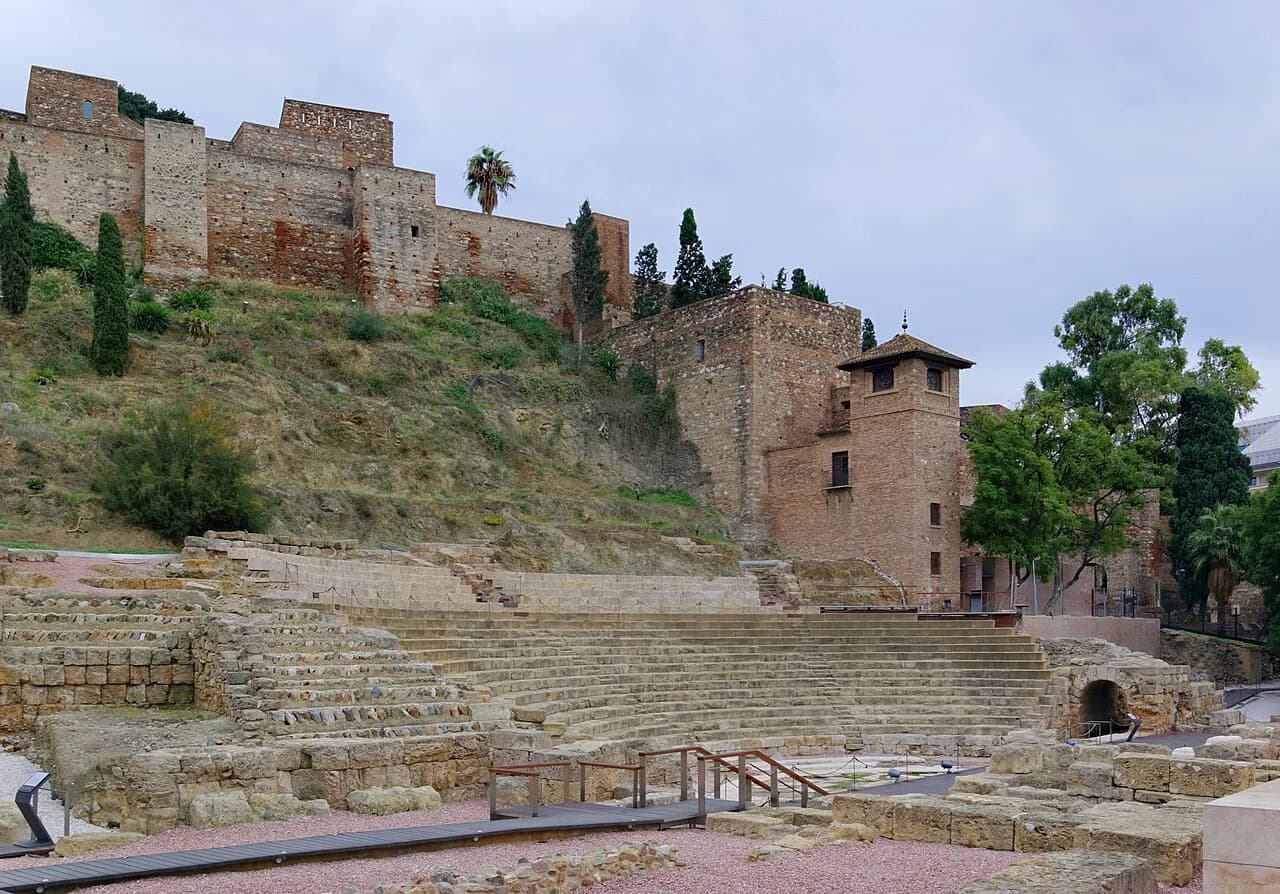
Start with the Alcazaba and the walk up to Gibralfaro, where the views over the port and the bullring are the best in the city; in April and May you can do the climb comfortably in the middle of the day. Below them, the Roman Theatre and the narrow streets around Calle Larios reward slow wandering, with orange blossom scenting the air in spring.
Use the city as a base for day trips along the Costa del Sol: Nerja's cliffs, the white village of Mijas Pueblo and Ronda's gorge are all reachable in a day. Inland, the Caminito del Rey and the El Chorro lakes make a strong full-day outing, and spring temperatures make the walking far more enjoyable than in summer.
Crowds and Prices
Spring is busy in bursts rather than constantly. Easter week brings heavy demand and higher prices, and the May bank holidays and UK half term fill the city's hotels and terraces. Outside those windows, April and May are noticeably calmer than June.
By late June, the summer season is underway and prices climb accordingly, with August the peak. If you want the best value, aim for the second half of April or the first half of May, avoiding Easter and the bank holiday weekends.
Honest Drawbacks
April evenings are genuinely cool, and the breeze off the Mediterranean can make a sunny day feel chillier than the thermometer suggests. Rain is uncommon but not absent, and when it arrives it can disrupt a whole day of outdoor plans.
The sea stays cold well into spring, so swimming is for the hardy until later in the season. June brings the opposite problem: heat that builds through the day and makes midday walking uncomfortable, along with the first real surge of summer visitors.

Spring, Autumn, July and August Compared
Autumn offers a similar balance to spring, with warm days and a sea that has had a whole summer to warm up, but the weather becomes less stable from October onward. July and August deliver reliable heat and full beach-club life at the cost of crowds, higher prices and genuinely uncomfortable midday temperatures.
For a city break built on walking, eating and sightseeing, spring beats high summer comfortably. For a beach-focused trip with warm water, September and early October are the stronger choice.
April or May?
April gives you cooler days, lower prices outside Easter and a quieter city, at the cost of cool evenings and a higher chance of a wet day. May gives you warmer evenings, more reliable sunshine and a livelier outdoor scene, at the cost of busier bank holiday weekends and rising prices.
For a first trip, choose May: the extra warmth makes the Alcazaba, the port and the evening terraces far more enjoyable. Choose April if you want to avoid crowds and do not mind carrying a jacket after dark.
Málaga or Somewhere Further South?
Málaga is the right call when you want a real city with culture, food and easy day trips alongside warm spring weather. It is the wrong call if your priority is guaranteed hot sunshine and warm sea in April, so start with our guide to where is warm in Europe in April and compare the Canary Islands and the eastern Mediterranean before you commit.
If you are weighing up other Spanish islands, the same spring logic applies: the further south and east you go, the earlier the season opens. The Balearics and the Canaries both reward an early look before you fix your dates.
The Verdict
Late April to June is the best time to visit Málaga, with May the single best month for most travellers. April rewards anyone who wants a quieter city and does not mind a jacket in the evening, while June is the pick for long outdoor days and warm nights.
Book around Easter, the May bank holidays and half term if you want the calmest version of spring, and expect the last week of June to feel like the start of summer. Whichever you choose, Málaga's spring is a far more comfortable introduction to Andalusia than the furnace of August.
Plan Your Spring Trip
Decide what you want from the trip before you pick a month: a walking-and-eating city break points to late April or May, while long outdoor days and warm evenings point to June. Check transport and accommodation early for Easter week, the May bank holidays and half term, when demand is highest.
For the most balanced conditions, aim for the second half of May, and keep an eye on the forecast as your dates approach. The city rewards anyone who builds their day around the morning and evening light rather than fighting the midday sun.
More Málaga spring guides
Frequently Asked Questions
What is the rainy season in Málaga?
Rain is concentrated in the cooler months, with April averaging 4.5 rain days, May 3.1 and June just 0.8. Spring is not a wet season, but April can still produce an unsettled day or two, so plan indoor options for the first half of the month.
How many days in Málaga is enough?
Three full days cover the Alcazaba, Gibralfaro, the historic centre and the port at an easy pace, with time for long meals. Add a day or two if you want a Costa del Sol day trip such as Nerja or Ronda, or the Caminito del Rey.
Which is the nicest part of Málaga?
The historic centre around Calle Larios and the cathedral is the most atmospheric base, with the Alcazaba and Roman Theatre on the doorstep. The port area around Muelle Uno is livelier in the evening, while La Malagueta suits anyone who wants the beach close by.
When is Málaga warm enough for the beach?
Air temperatures reach the high twenties in June, but the sea stays cool well into spring. For warm water and reliable beach weather, look at later summer or early autumn rather than April or May.
Is April or May better for a Málaga city break?
May is the better choice for most people, with warmer evenings and more reliable sunshine while daytime temperatures remain comfortable for walking. April suits anyone who prefers a quieter city, lower prices and does not mind a jacket after dark.
How hot does Málaga get in June?
June averages a daytime high of 28.1 °C (82.6 °F) and a night-time low of 18 °C (64.4 °F), so days are properly warm and evenings mild. It is dry and sunny, but heat builds through the day, so plan strenuous walking for the morning.
Sources
Spring sun notes
Optional updates when we add destinations and months.
You might also like



Continue reading
More guides you'll find useful