Málaga in June: How Hot It Gets and What the Trip Is Like
Málaga in June averages 28.1°C by day and 18°C at night, with barely any rain. Here is what that means for sightseeing, the coast and the crowds.
On this page
Málaga in June is properly hot and reliably sunny: the city's long-term climate normals give an average daytime high of 28.1°C (83°F) and an average night-time low of 18.0°C (64°F), with 329 hours of sunshine across the month and 0.8 rain days. In practice that means dry, bright days, long warm evenings and almost no weather disruption to your plans.
It suits early risers, sightseers who front-load their day, and anyone who wants dinner outdoors at ten at night without a jacket. It suits walkers less: the hill paths above the city and the open climbs at the Alcazaba are exposed, and by mid-afternoon the heat is a real constraint rather than a pleasant warmth. If long walking days matter more than guaranteed sun, shift to May.
Weather in June
AEMET's normals for Málaga airport, covering 1981 to 2010, give a June average high of 28.1°C (83°F), an average low of 18.0°C (64°F), 329 hours of sunshine and just 6 mm of rain over roughly one rain day. Treat those as typical conditions rather than a forecast: individual Junes vary, and a short hot spell can push the city several degrees above the average.
The shape of the month matters more than the headline figure. Sunshine is abundant and rain is close to absent, the sea breeze takes the edge off the coast, and the Sierra de Málaga behind the city blocks much of the stronger northern wind. Evenings stay warm enough that outdoor tables fill late and nobody is reaching for a jacket.
Is it warm enough?
For sightseeing, city time, coastal lunches and evenings outdoors, yes — June is comfortably warm and very unlikely to be rained off. The catch is the middle of the day. Between roughly midday and four, the old town's unshaded squares and the climb up to Gibralfaro are hard work, and the honest plan is to be up there early or late rather than at one in the afternoon.
Families do fine if they accept the rhythm: mornings at the Alcazaba or the cathedral, afternoons in the shade or by water, evenings out late. If you want long walking days, cooler air and a city that still feels spring-like, late April is the better month; see our guide to Málaga in April for what that trade-off looks like in practice.
If you are comparing options across the Mediterranean, Málaga in June sits at the hot, dry end. Our comparison of where is warm in Europe in June is the place to see how it stacks up against Greek islands and the Canaries, which run cooler in the breeze and warmer at night respectively, and Europe's warmest spots in April shows what the continent offers if you move your trip earlier.
Early vs late June
The month builds. Early June behaves more like a warm late May, with fresher mornings and evenings that still cool down noticeably once the sun drops. By the last week the city is running close to July conditions: the afternoons bite, the nights stay warm, and the difference between an early-month and late-month trip is genuinely worth planning around.
That matters for how you structure a short break. In the first ten days you can walk the centre through the afternoon with breaks; in the final week, move anything exposed to before eleven and keep the afternoon for interiors such as the Picasso Museum, the cathedral or a long indoor lunch. Late June is the moment to consider staying closer to the water, where the breeze helps.
June compared with May and July
Against May, June is markedly drier and sunnier. AEMET's May normals show an average high of 24.3°C (76°F), an average low of 14.2°C (58°F), 292 sunshine hours and around three rain days, so May is gentler and better for walking, while June is more reliable and better for outdoor evenings. For a full look at that earlier month, see Málaga in May.
Against July, June buys you three or four degrees less heat and noticeably thinner crowds. AEMET's July figures are higher still, and the city in July is genuinely baking by mid-afternoon. June gives you most of the sunshine with more breathing room, which is why it is the better-value month for a city break that mixes culture with the coast.
What is open
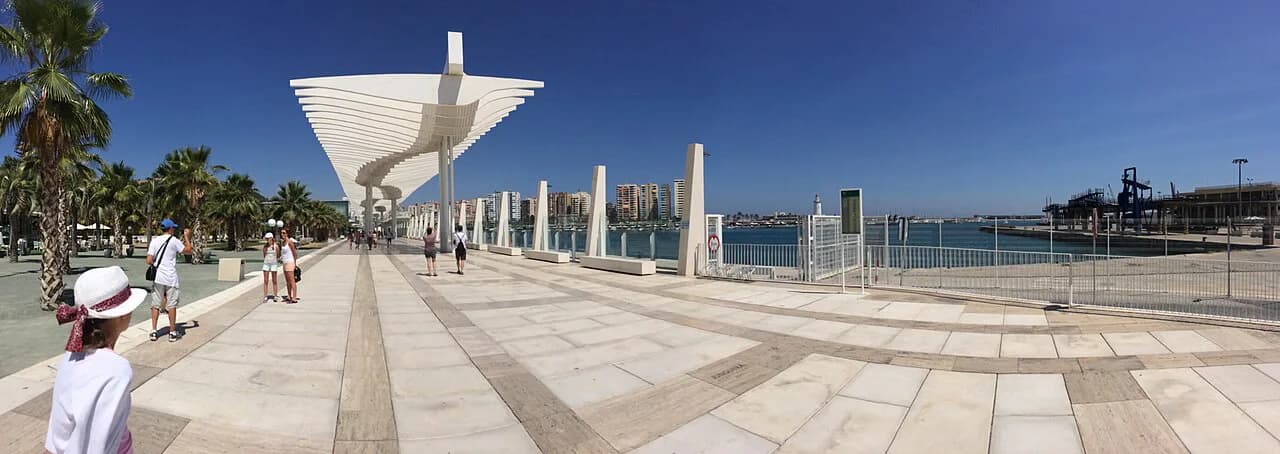
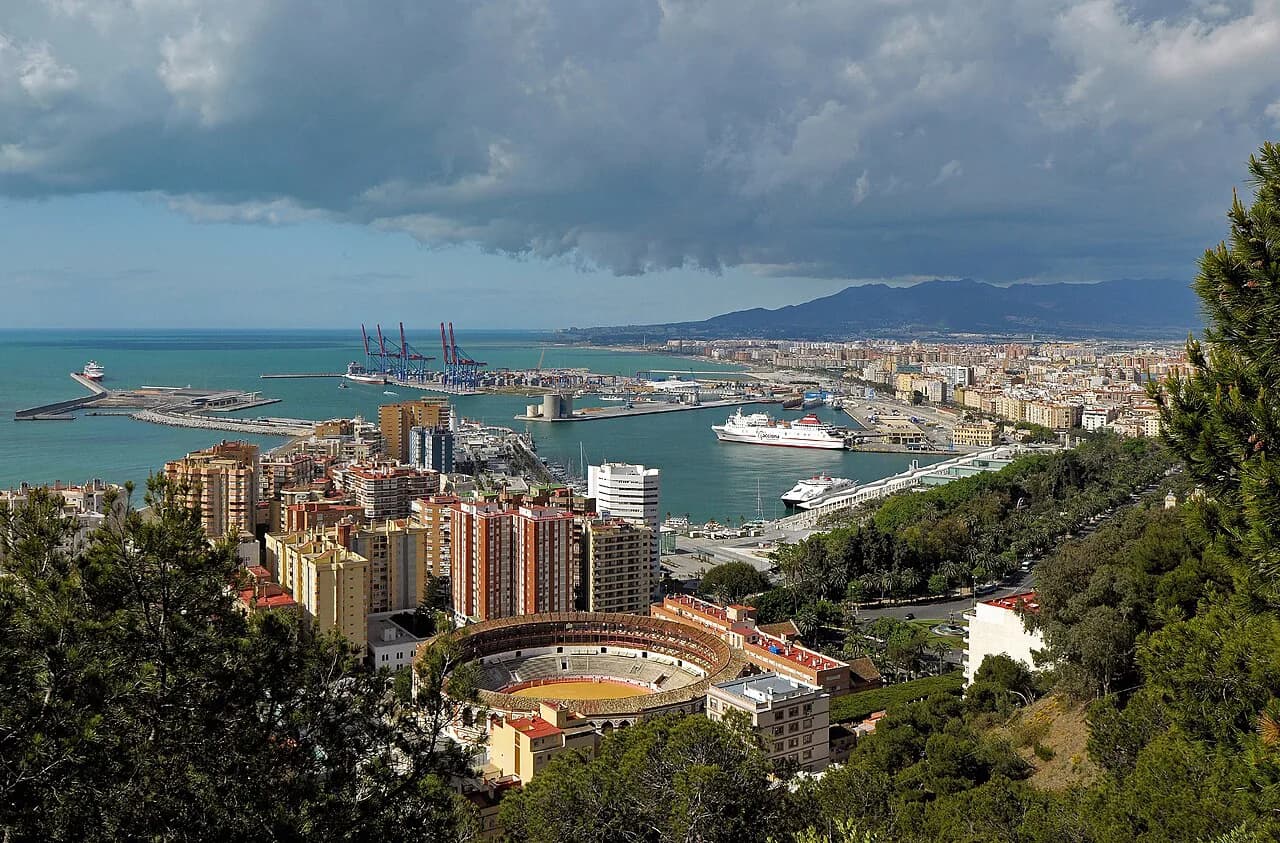
By June the city is fully in summer mode: the major sights run their normal hours, the port area at Muelle Uno is busy through the evening, and the chiringuitos along La Malagueta, Pedregalejo and El Palo are working properly rather than at pre-season pace. Boat trips and coastal excursions run on a fuller timetable than in spring; departure times and entrance fees can change from season to season, so check current details when you book.
Around the province, the picture is similar: the Caminito del Rey operates with timed entry, and day trips to Mijas and Ronda run easily on a June day if you start early. Anything with a fixed slot — the gorge walk in particular — needs booking ahead in June rather than turning up.
Things to do in June
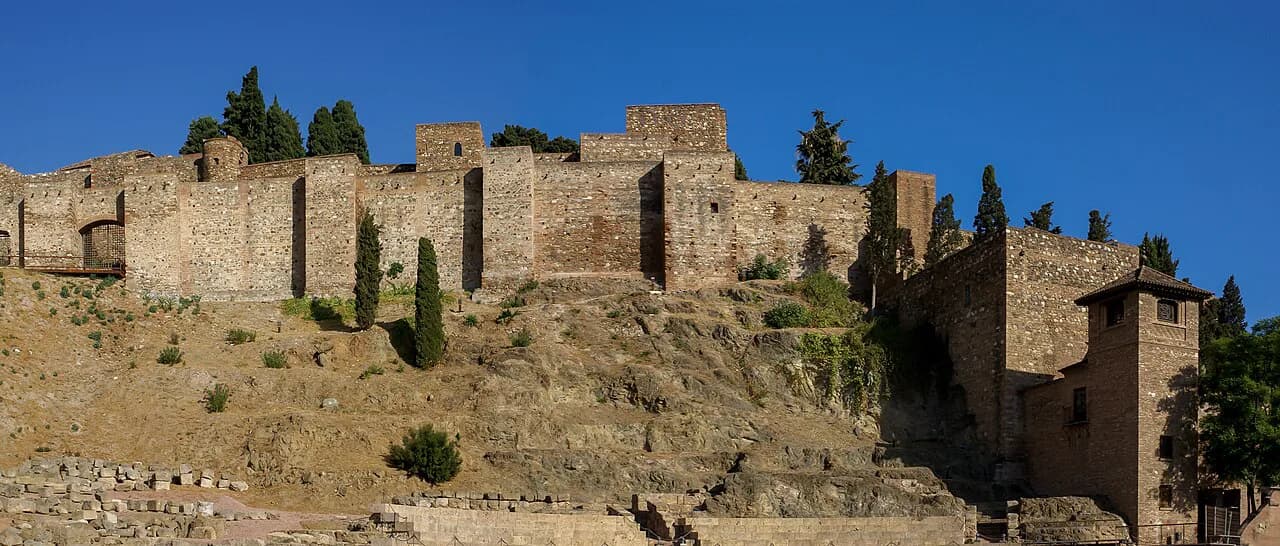
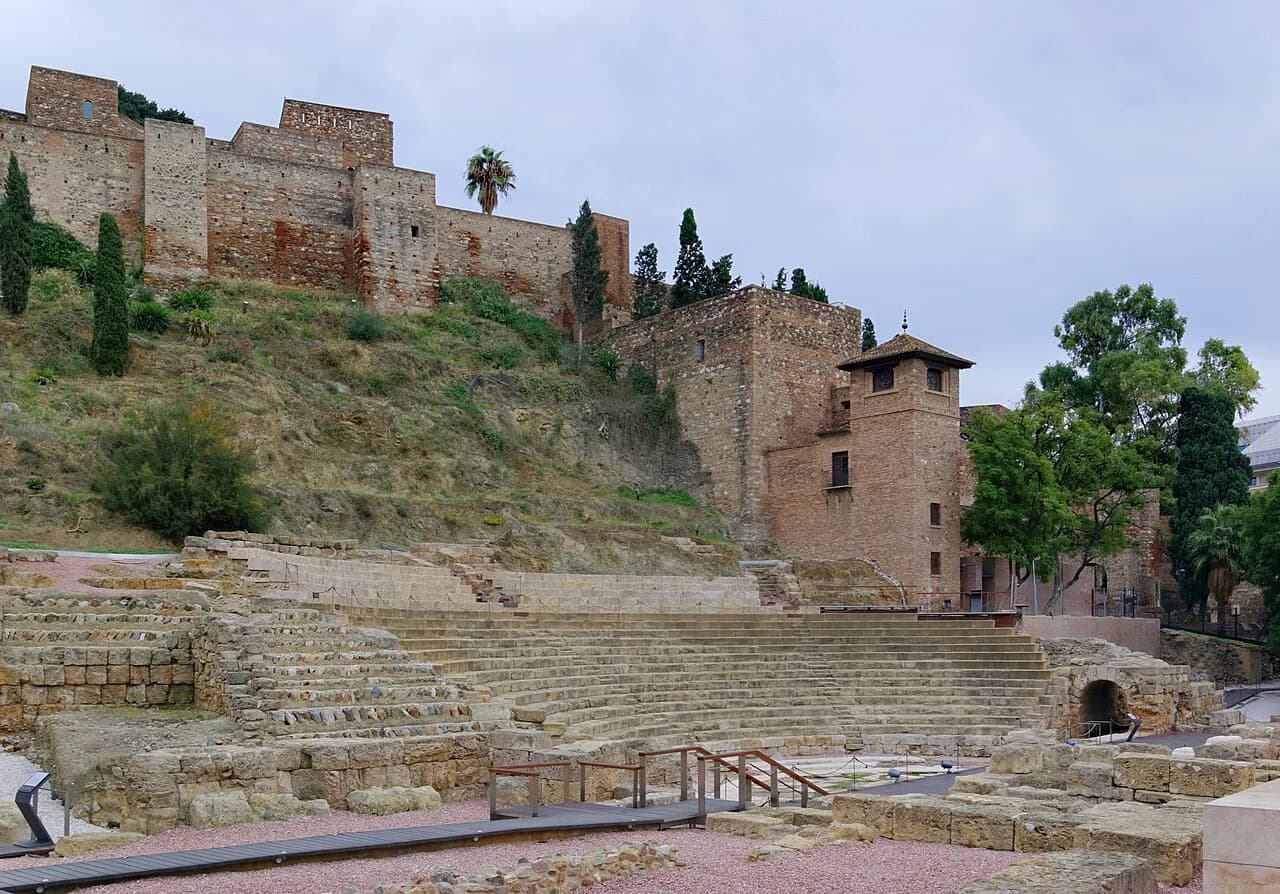
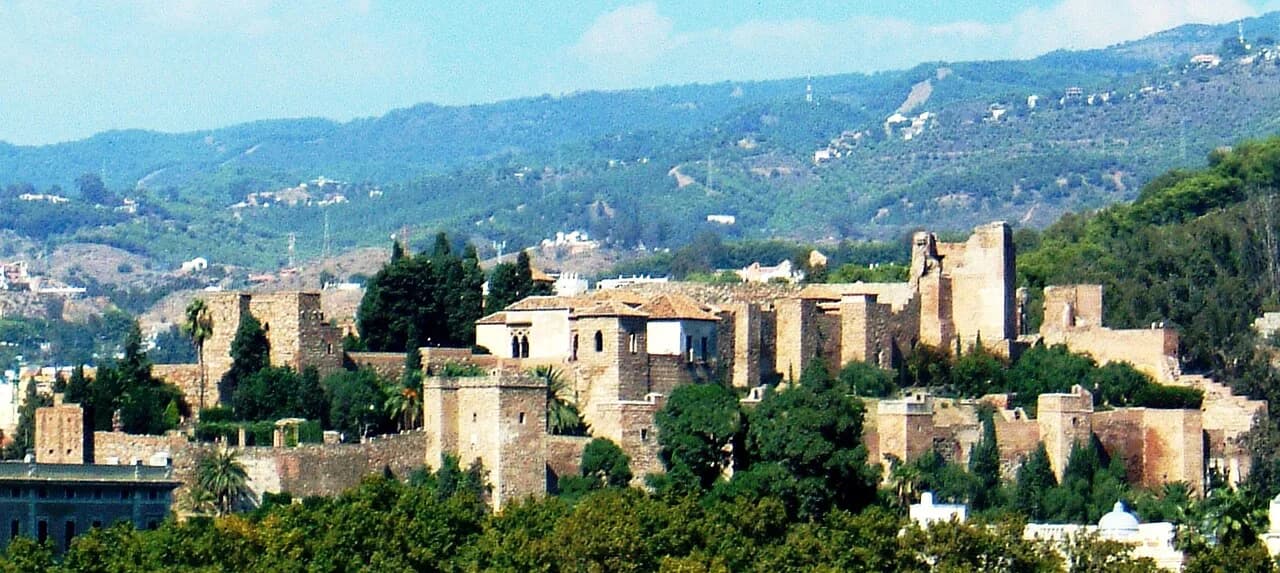
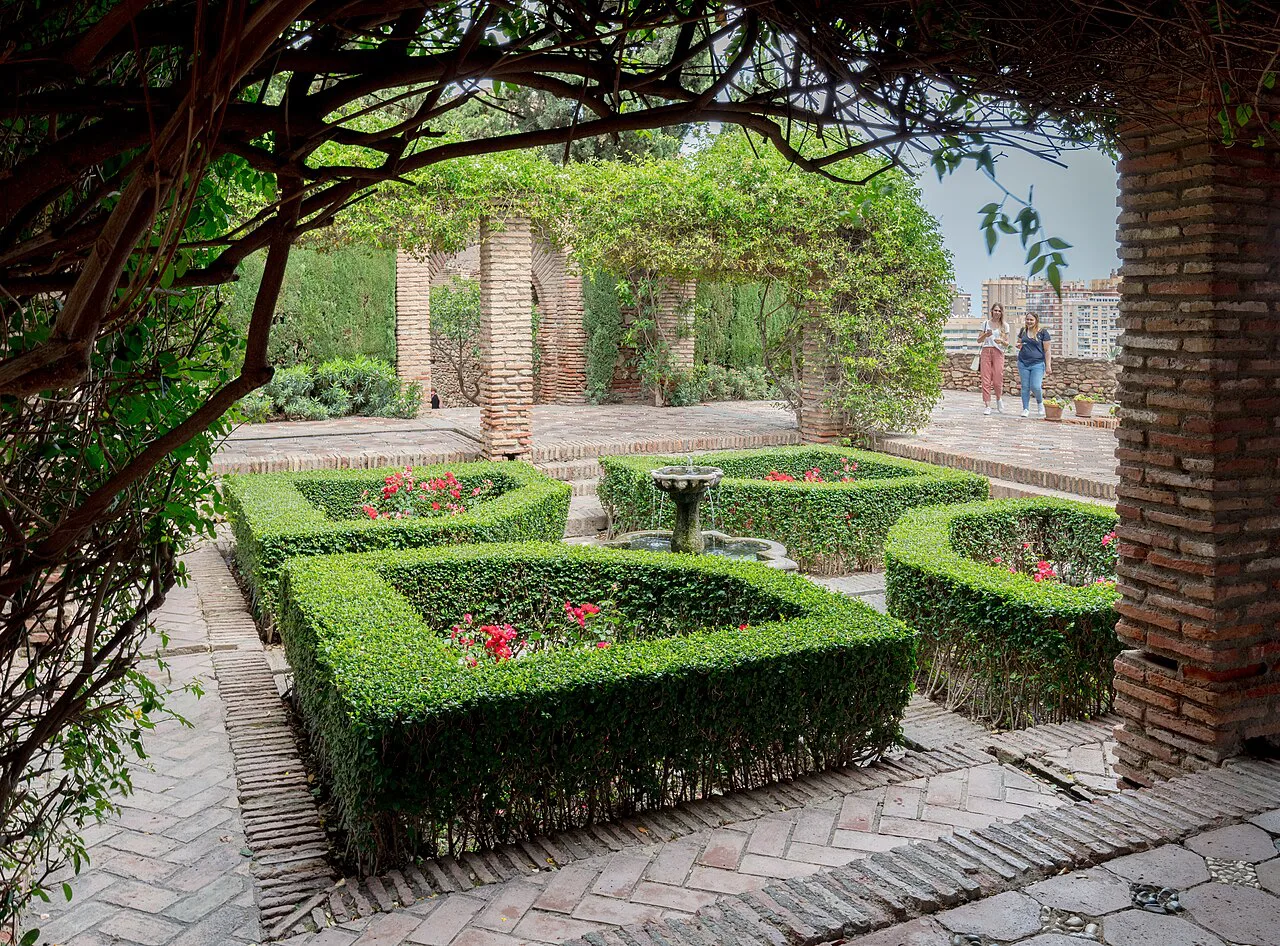
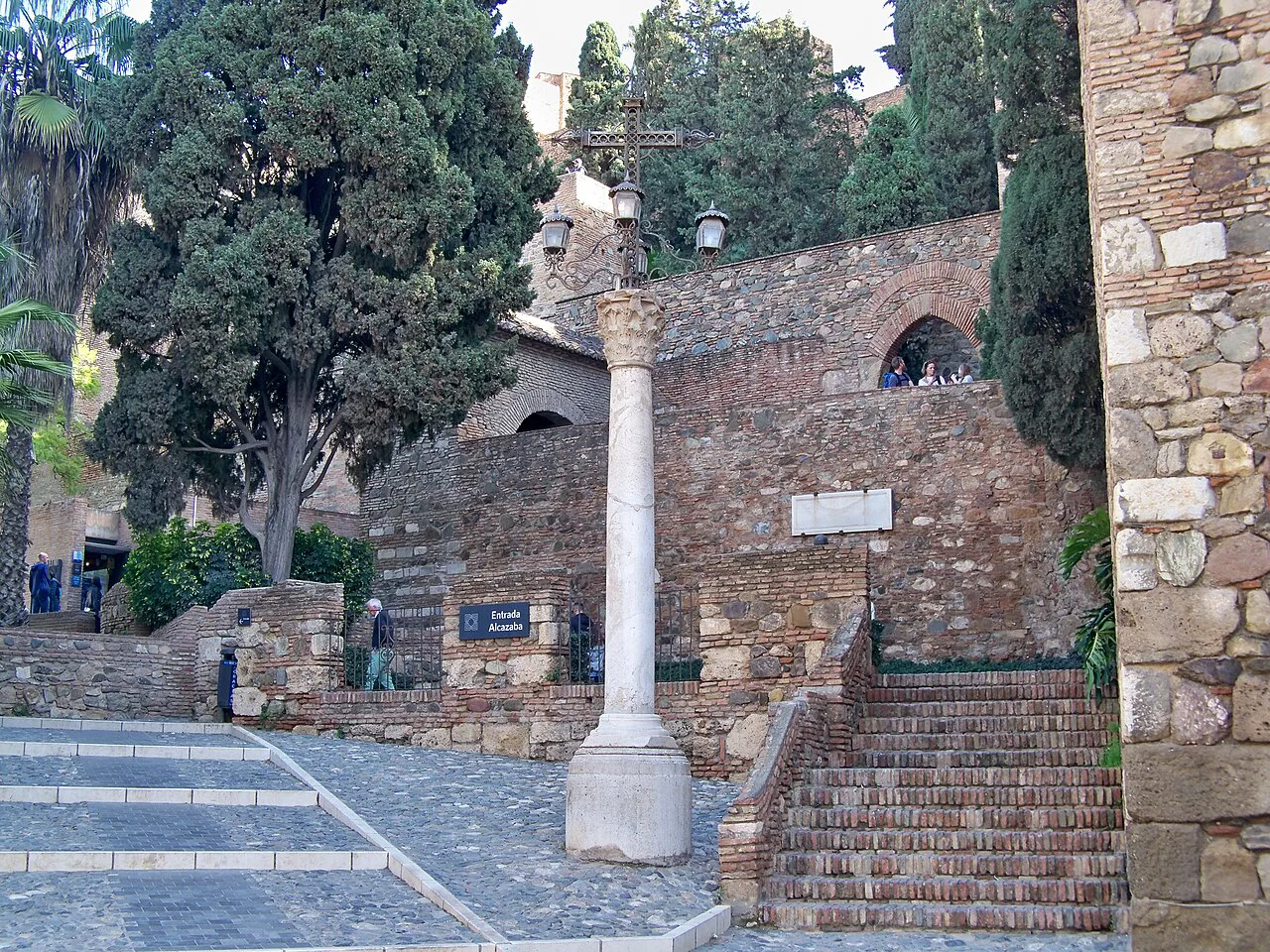
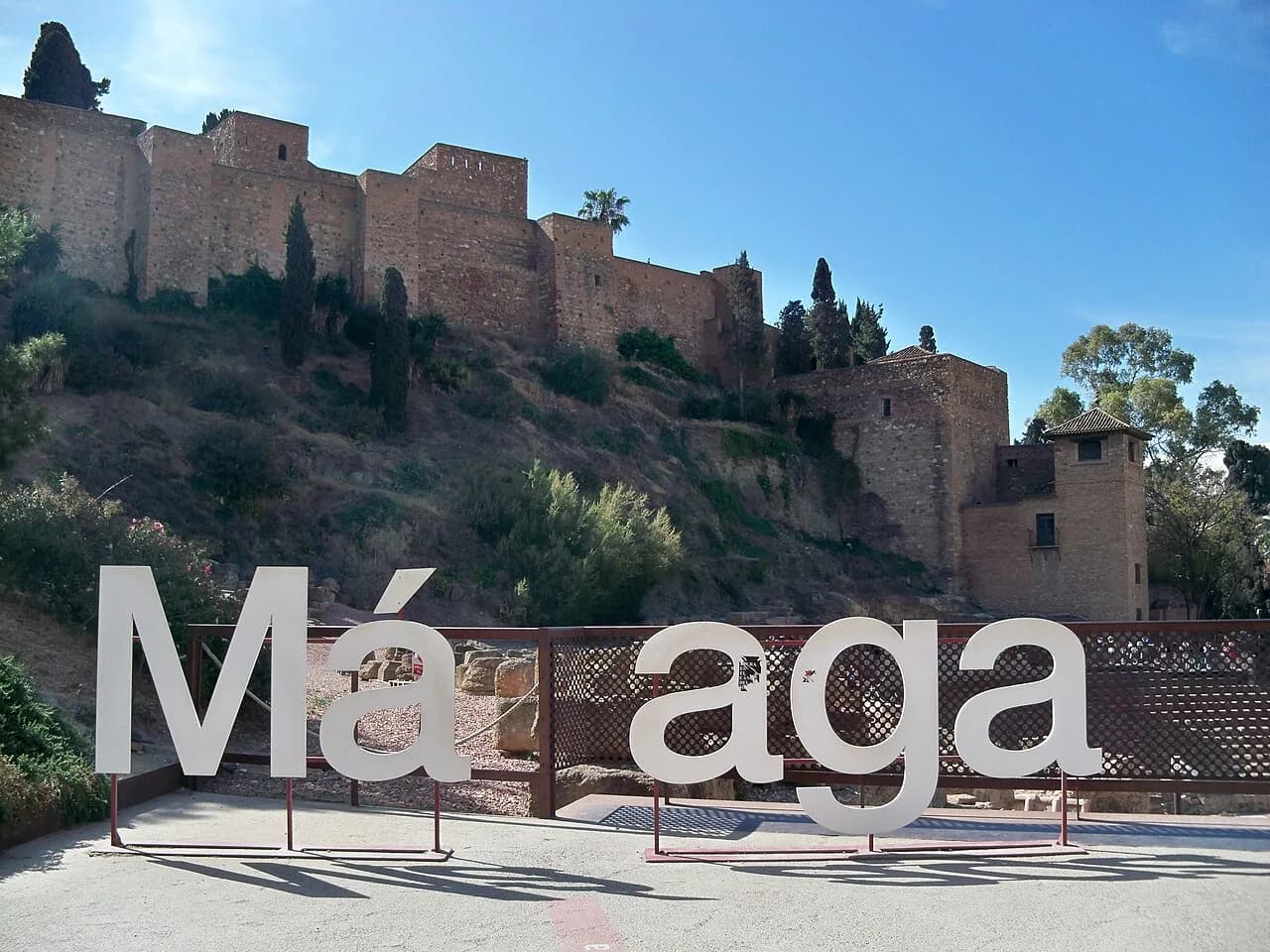
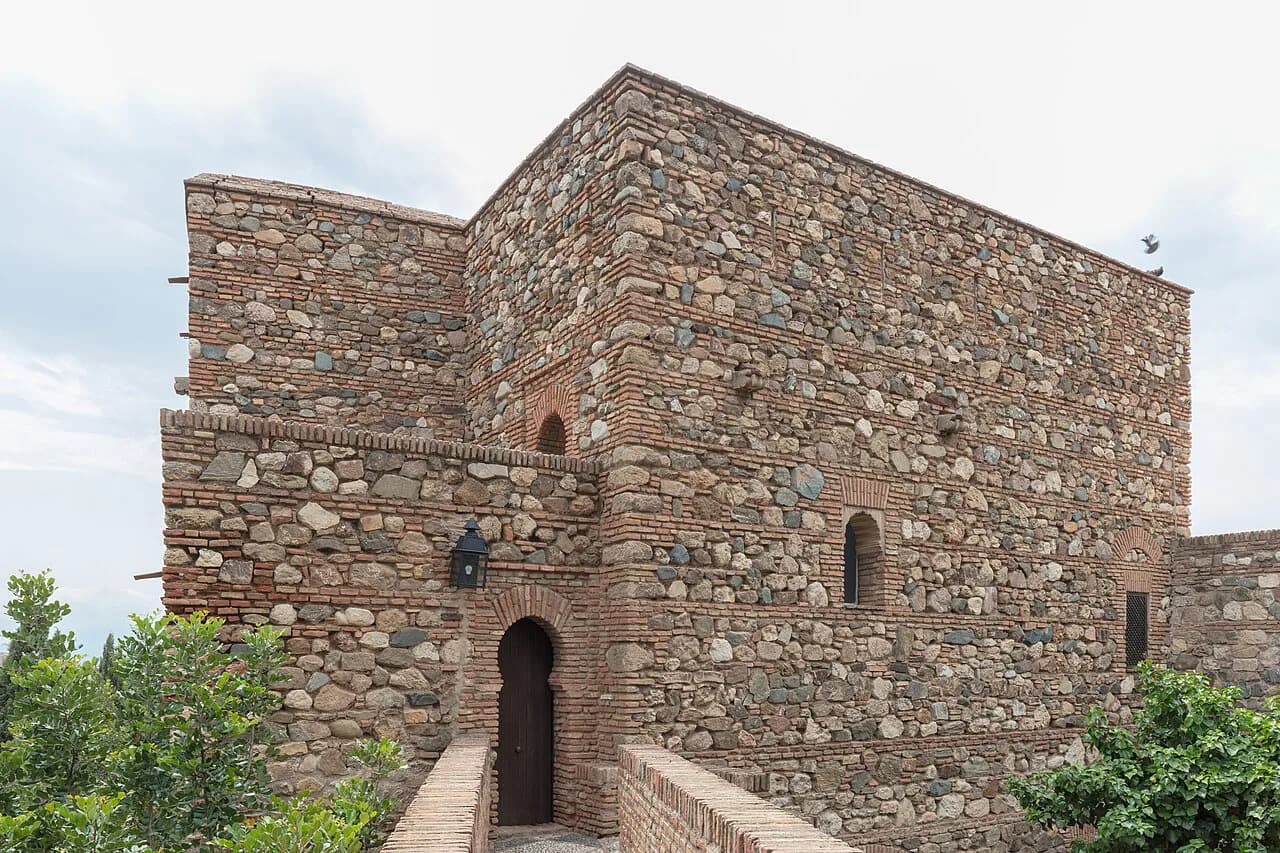
The Alcazaba and the Gibralfaro castle above it are the defining Málaga morning: go at opening, when the light is good and the terraces are still bearable, and walk down through the old town rather than up in the heat. The Roman Theatre below the Alcazaba and the cathedral are close enough to combine into one shaded circuit once the day warms up.
For greener, cooler air, the Montes de Málaga above the city offer shaded paths and views back to the coast, and they are far quieter than the centre. On the coast side, Pedregalejo and El Palo give you a long seafront walk with fishing-quarter character, best done in the early evening when the locals come out.
Day trips work well in June because the roads and trains are still manageable: Mijas for a whitewashed hill village, Ronda for the gorge, or a train to Seville if you want a big-city contrast. Keep the exposed hill villages for mornings; the Andalusian afternoon sun in an unshaded plaza is unforgiving.
For a fuller list of what the month offers, from the sights to the local events, our guide to things to do in Málaga in June goes further into the detail.
Food and drink in June
June is when cold Andalusian soups make sense: ajoblanco, the almond and garlic soup, is at its best, and gazpacho arrives properly chilled. Order pescaíto frito at a chiringuito in Pedregalejo or El Palo, where the fish is fried to order and eaten outdoors, and finish with a chilled fino or manzanilla rather than anything heavier.
The eating rhythm is late. Lunch is a serious midday affair, dinner starts at nine or later, and in June the warm nights make terraces in the old town and around the Plaza de la Merced genuinely pleasant rather than a compromise. If you eat early you will be eating alone; if you eat at ten, you will be eating with the city.
Crowds and prices
June is busy but not peak. The first half is the sweet spot: the last of the spring city-break season has passed, UK half-term has not yet filled the coast, and hotel rates are still below July and August levels — though you should price your own dates rather than assume. The last week of June tightens noticeably as Spanish families finish school and the coast fills.
Prices run higher than May and lower than August, with the sharpest jump in the final week of the month. If your dates are flexible, the first fortnight of June gives you most of the weather with noticeably more room on the terraces and easier tables at the better chiringuitos.
Honest drawbacks
The sun is hard by afternoon, and the old town offers less shade than you expect. Warm nights mean air conditioning matters in a way it does not in May, and the exposed climbs — Gibralfaro in particular — are genuinely unpleasant at the wrong hour. The sea is warming but not yet at its summer best, so treat swimming as a bonus rather than the point of the trip.
Málaga or Seville in June?
Seville is significantly hotter inland in June, and the difference is the reason many travellers pick the coast. Málaga has the sea breeze and the beach within the city, so you can split a hot day between culture and water. Seville gives you a bigger, more monumental city, but June afternoons there are for shade and siesta, not walking.
If you want heat, monumental architecture and are happy to reorganise your day around it, Seville wins. If you want a city break that also has a coastline, a port and an easy evening rhythm, Málaga is the more comfortable June choice.
Málaga in June or September?
Both are warm and dry, but they feel different. June is building towards summer, with long bright evenings and a city still in its normal working rhythm before the August shutdown. September is the reverse: the sea has had a whole summer to warm, the light is softer and the crowds thin out after the first week, but some coastal places start winding down and the days shorten.
Choose June for long evenings, a lively city and the feeling that summer is starting. Choose September for warmer water, fewer people and a gentler pace, and accept that the season is closing rather than opening.
The verdict
Málaga in June is a strong choice if you want reliable sun, warm nights and a real Spanish city rather than a resort. The heat is manageable if you work with it: mornings for the Alcazaba, Gibralfaro and the old town, afternoons for interiors, shade or the coast, and evenings outdoors until late.
If long walking days, lower prices and cooler air matter more than guaranteed sunshine, go in May or take a look at the best time to visit Málaga to place June against the rest of the year. If you want heat and a coastline in one trip, June delivers — just book the first half rather than the last week.
Travellers comparing the wider region can weigh Málaga against the Canary Islands, where June is cooler in the breeze and warmer at night, in our guide to Gran Canaria in June.
Frequently Asked Questions
How hot is Málaga in June?
Long-term climate normals give an average daytime high of 28.1°C (83°F) and an average night-time low of 18.0°C (64°F). Short hot spells can push daytime temperatures higher, and the last week of the month typically feels closer to July than to late May. Treat these as typical conditions rather than a forecast for your dates.
Is June warm enough to swim in Málaga?
The sea is warming through June but is not yet at its late-summer best, so many people find it refreshing rather than comfortable for long swims. The city beaches at La Malagueta and towards Pedregalejo are the easiest places to try. If swimming is a priority, September usually gives warmer water.
Is June a good time to visit Málaga?
Yes, if you want reliable sun, warm evenings and a city that is busy without being at peak season. It is less ideal if you want long walking days, since afternoons are hot and exposed. The first half of the month is the better window for crowds and prices.
Is Málaga busy in June?
Busy, but not at July and August levels. The first fortnight tends to be the calmest, before Spanish schools finish and the coast fills for the summer. Restaurants and the main sights are lively but generally manageable if you book the popular ones ahead.
Should I visit Málaga in June or September?
June gives you long bright evenings and a city building towards summer. September brings warmer sea, softer light and fewer people once the first week passes, but some coastal places begin to wind down. Pick June for atmosphere and September for swimming and space.
Is three days in Málaga enough?
Three days covers the core: the Alcazaba and Gibralfaro, the old town and cathedral, the port area, and an evening along the Pedregalejo seafront. Add a fourth day if you want a day trip to Mijas, Ronda or the Montes de Málaga. In June, front-load the outdoor sights into the mornings.
Which is the nicest part of Málaga?
The old town around the cathedral and the Picasso Museum is the most atmospheric for walking, with narrow streets and shaded squares. The port area at Muelle Uno is easy and waterfront-facing, while Pedregalejo and El Palo give you a more local, low-rise seafront feel. Each works best at a different time of day in June.
Is Seville or Málaga nicer in June?
Seville is hotter inland and better suited to a slower, early-morning and late-evening rhythm. Málaga has the sea breeze and a city beach, so it handles a June day more comfortably. Choose Seville for monumental architecture, Málaga for a city break with a coastline.
Sources
Spring sun notes
Optional updates when we add destinations and months.
You might also like
Continue reading
More guides you'll find useful