Canary Islands in June: Which Island to Pick
In June the Canary Islands reach roughly 25°C to 26°C by day with almost no rain and plenty of sun. Here is which island suits which kind of June trip.
On this page
June is the month when the Canary Islands stop being a gamble and start being a certainty: warm rather than hot, sunny for most of the day and effectively rain-free. Daytime highs sit in the mid-twenties Celsius on all four main islands, which is comfortable for walking, sightseeing and days on the terrace rather than a test of endurance. Our guide to where is warm in Europe in June picks up from here.
The trade-off is that June is not a heat-seekers' month, and the Atlantic is still on the cool side for anyone planning to spend hours in it. If you want scorching afternoons, July and August deliver them; if you want to hike, eat outside and sleep without air conditioning roaring, June is the better call.
June weather across the islands
AEMET's long-term normals for Tenerife South Airport, covering 1981 to 2010, put June at an average daily maximum of 25.4 °C (77.7 °F) and a minimum of 18.8 °C (65.8 °F), with 259 hours of sunshine and 0.0 rain days in the average month. Those are typical conditions rather than a forecast, but they capture why June feels so settled.
Gran Canaria Airport averages 25.3 °C (77.5 °F) by day and 19.2 °C (66.6 °F) at night in June, with 284 sunshine hours and 0.1 rain days. The extra sunshine over Tenerife is modest but noticeable, and the south of the island is the driest, sunniest corner.
Lanzarote runs warmest of the four stations in June at 26.3 °C (79.3 °F) by day and 18.8 °C (65.8 °F) at night, with 292 sunshine hours and no rain days in the normals. Fuerteventura sits close behind at 25.8 °C (78.4 °F) and 19.1 °C (66.4 °F), with 285 sunshine hours and again no rain days.
Read together, the four stations describe a month with between roughly eight and nine and a half hours of sun a day, night-time temperatures that stay near 19 °C (66 °F) and rain that barely registers. That combination is what makes June so usable: you can plan a full day outdoors without building in a siesta for heat or a buffer for storms.
Why June is not the hottest month
The pattern builds steadily rather than jumping: Tenerife South goes from 23.9 °C (75.0 °F) in May to 25.4 °C (77.7 °F) in June, and Gran Canaria from 23.6 °C (74.5 °F) to 25.3 °C (77.5 °F). July and August push higher still, so June is best understood as the beginning of reliable summer rather than its peak.
Two weather patterns shape a June day. The trade winds keep the coasts breezy and the air clean, which is why Lanzarote and Fuerteventura feel fresher than their thermometers suggest, while an occasional calima, a dust-laden wind off the Sahara, can push temperatures up and haze the views for a day or two. Neither is a reason to avoid the month, but both are worth knowing about when you choose a coast.
The practical consequence is that June rewards people who want to be active outdoors in the middle of the day, not just early and late. Walkers, cyclists and sightseers get long, bright days without the punishing heat that makes July's afternoons a matter of finding shade.
Early vs late June
Early June still feels like a shoulder season in the best sense: the sea is on the cool side, the trade-wind cloud can sit stubbornly over the northern coasts of the bigger islands, and the resorts are not yet at full summer rhythm. By late June the sun is stronger, the days longer and the beaches busier as European school holidays begin to release families.
The half-term-to-summer-holiday shift matters for crowds more than for weather. If you want quiet trails and easy tables at lunch, the first half of the month is the better window; if you want everything running and do not mind company, late June delivers that.
Wind is the variable that surprises people. The same breeze that makes Lanzarote and Fuerteventura comfortable in the heat can make an exposed coastal walk feel cool, so pick sheltered valleys and south-facing slopes on breezy days and save the ridgelines for calmer ones.
Which island in June
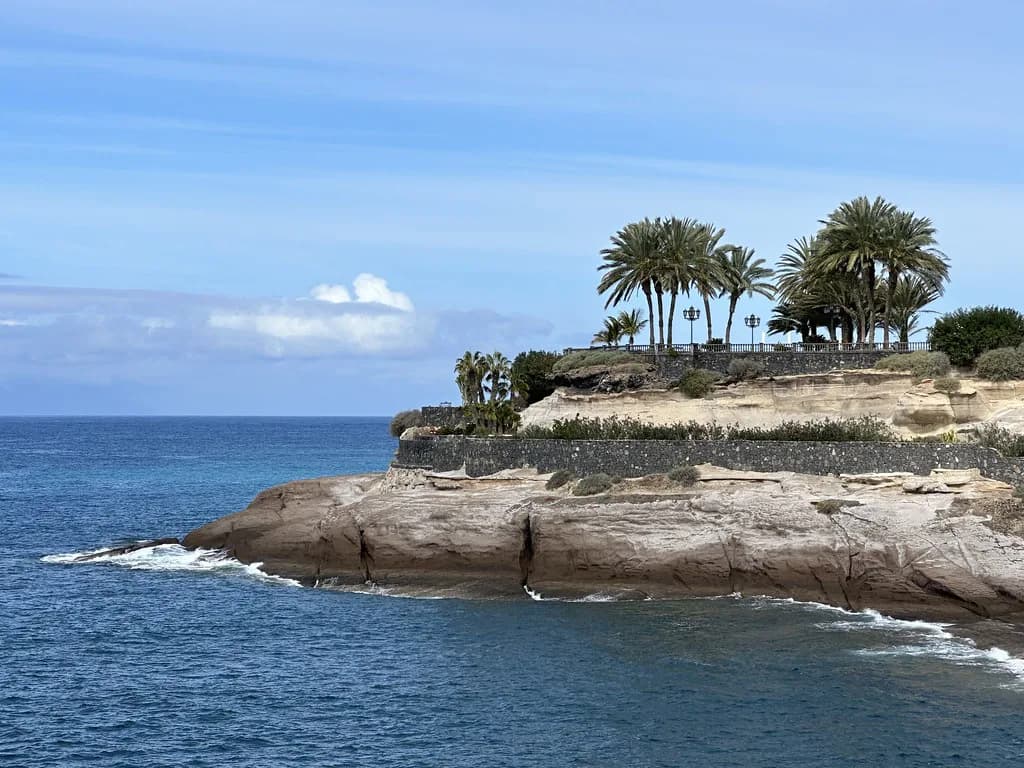
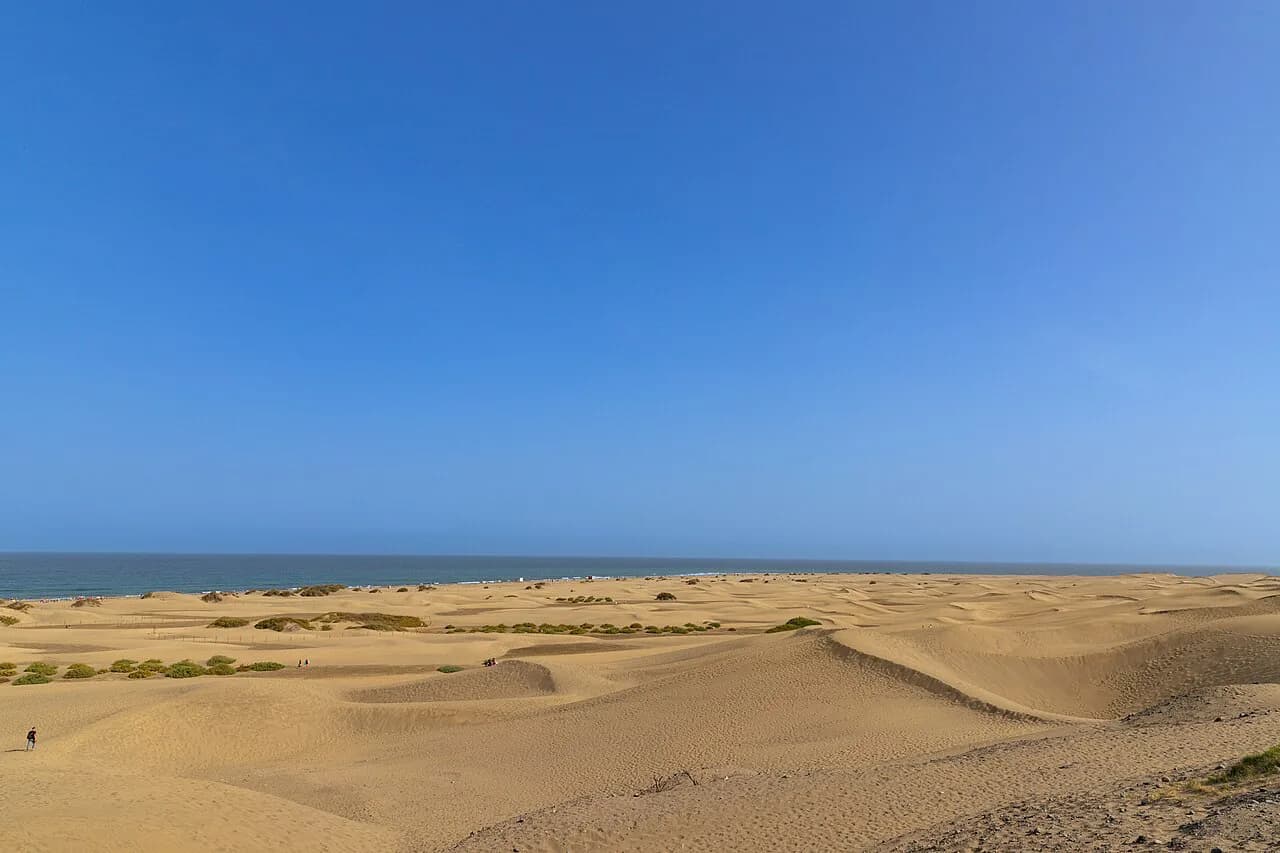
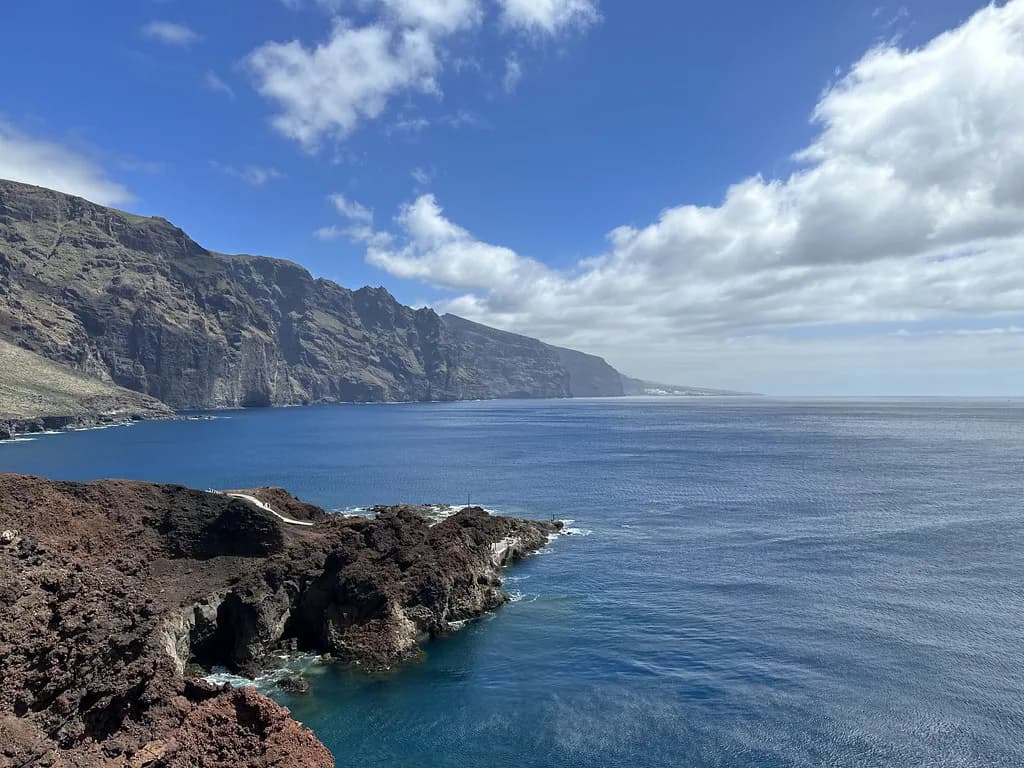
Tenerife is the all-rounder: the sunniest resorts in the south, the greener and cloudier north, and Teide National Park in the middle with high ground that stays markedly cooler than the coast. Gran Canaria packs the Maspalomas dunes and south-coast beaches into one corner and a mountainous interior into another, so you can laze one day and hike the next without a long transfer.
Lanzarote and Fuerteventura suit travellers who want volcanic landscapes, whitewashed villages and wind, with Timanfaya National Park and the Famara coast on one island and vast, empty sands on the other. La Palma is the quiet, green choice, with laurel forest, the Taburiente caldera and a historic capital that rewards slow wandering rather than beach time.
If you are weighing the islands more broadly, our guide to the best time to visit the Canary Islands sets out how each month changes the trade-offs between heat, wind and crowds, and it is worth reading alongside our comparison of where it is warm in Europe in April for travellers who can travel earlier in spring.
Tenerife in June
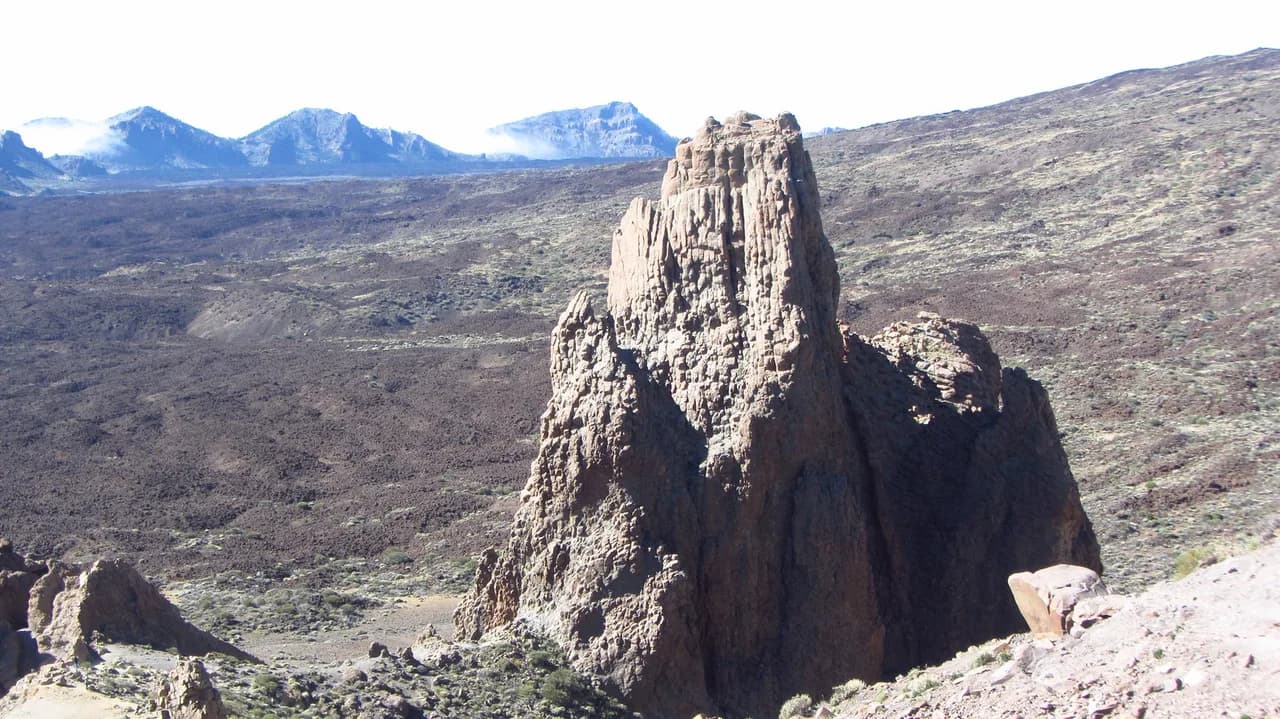
Teide National Park is the reason many people come in June: the summit road and the high plateau are far more comfortable at this time of year than in August, and the light is clear and sharp. Go early in the day, when the mountain is least likely to be capped by cloud, and keep in mind that the altitude makes the air noticeably cooler than the coast.
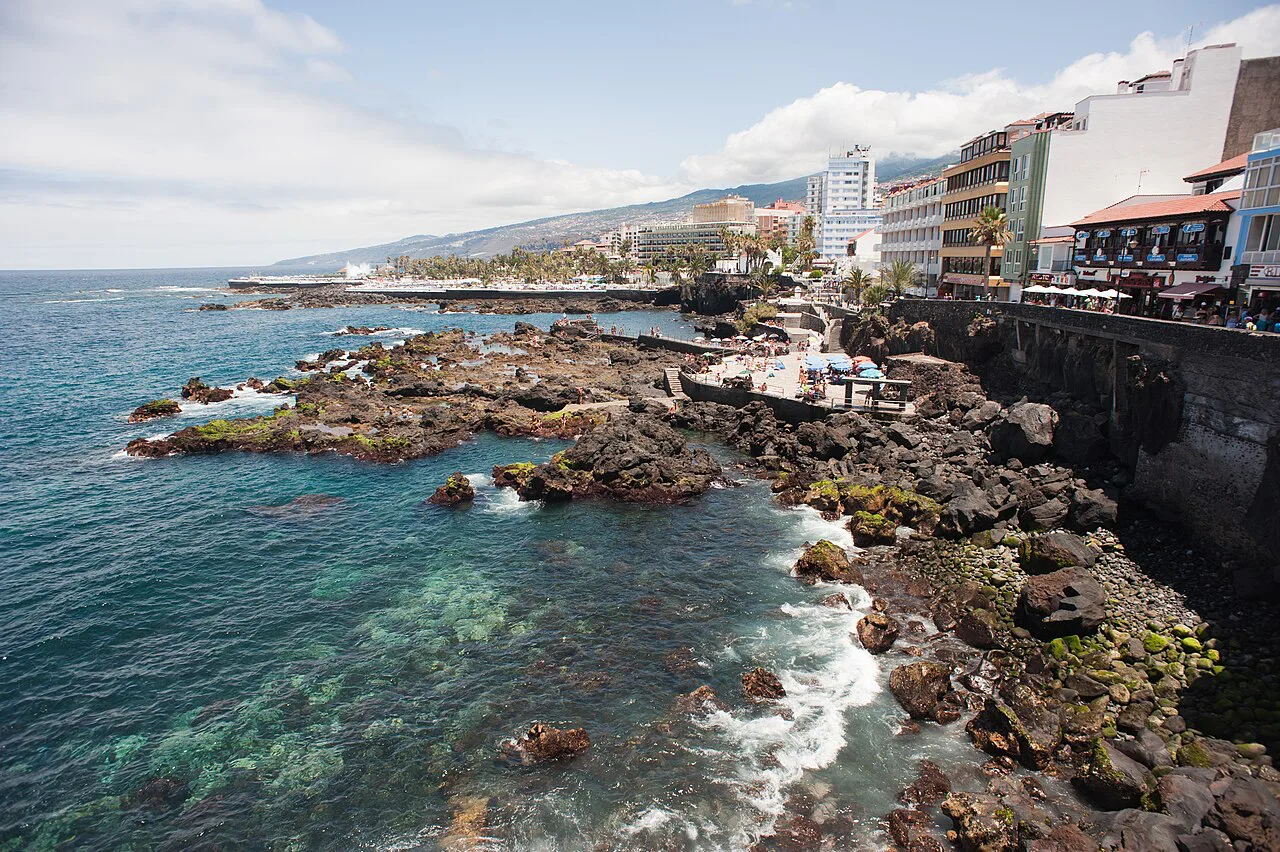
The north of the island, around Puerto de la Cruz and the Anaga hills, is greener and more likely to catch trade-wind cloud, which makes it good for gardens, old towns and walking in cooler air. The south, around the resorts and the Tenerife South Airport station, is the reliable sunshine side.
Santa Cruz, the island's capital, is worth a day for its market, its architecture and its everyday Spanish-city feel, a useful counterweight to resort life. On the food side, June is a good month for fresh fish, wrinkled potatoes with mojo and the island's young white wines.
Gran Canaria in June
The contrast within Gran Canaria is the point: the Maspalomas dunes and the south-coast beaches give you warm sand and easy lounging, while the interior around Tejeda and the Roque Nublo offers pine forest, dramatic rock and trails that stay bearable in June heat.
Las Palmas de Gran Canaria, in the north, has the city beach, the old quarter and a restaurant scene that is not built around visitors. It is cloudier than the south in June, but it gives you a proper urban day when you want one.
Lanzarote and Fuerteventura in June
Timanfaya National Park is Lanzarote's headline act, a volcanic landscape that looks nothing like the coastal resorts, and June's clear skies make the colours and the shapes stand out. Pair it with the whitewashed villages of the north and the wine country around La Geria, where vines grow in hollows sheltered from the wind.
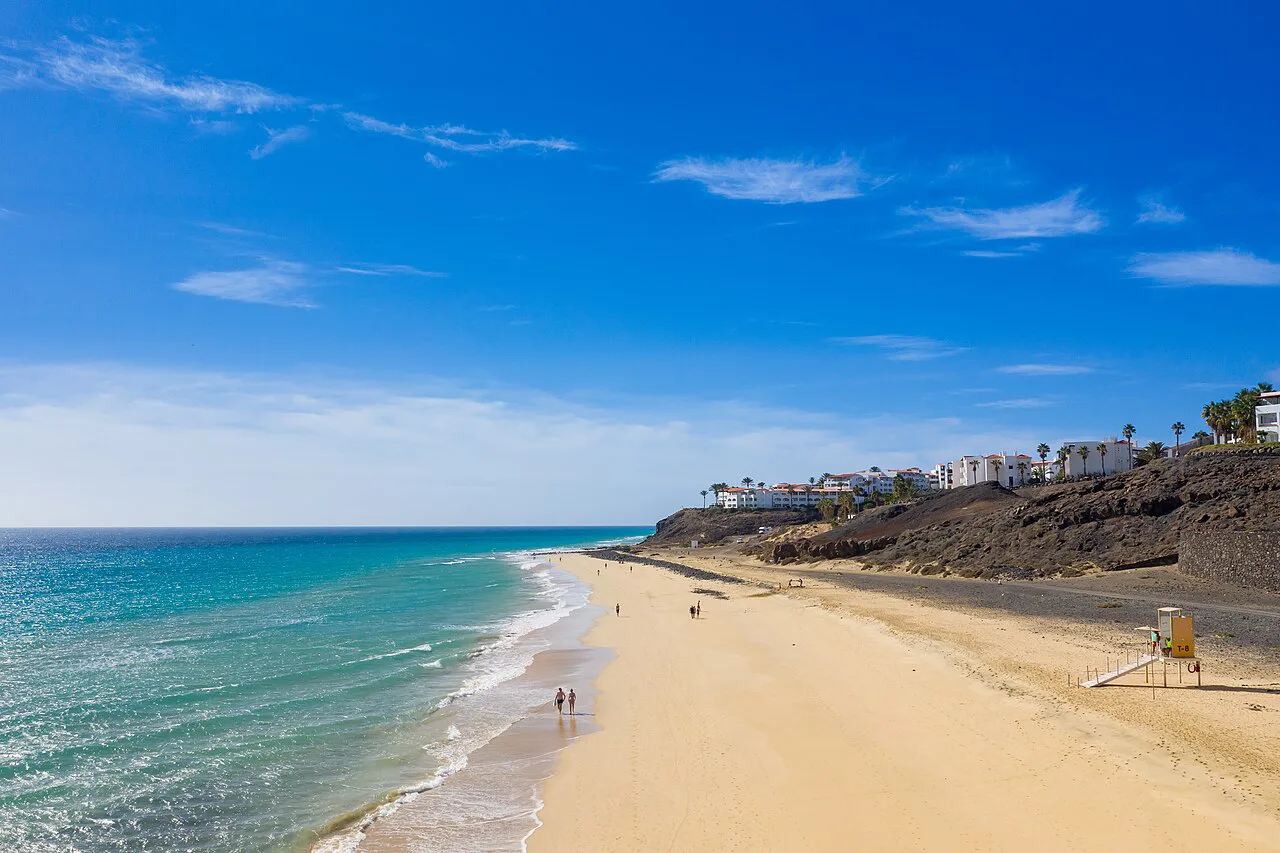
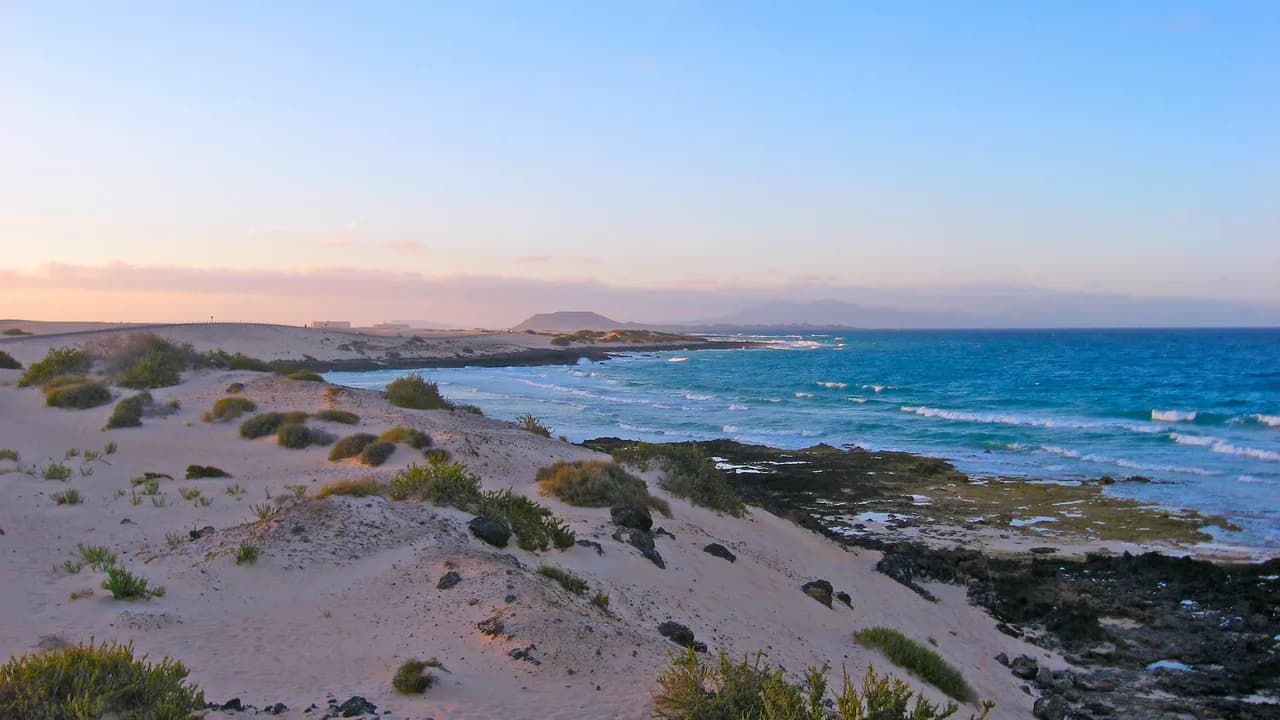
Fuerteventura's appeal in June is space: long beaches, dunes and a wind that keeps the heat manageable. The island is a strong choice for anyone who wants to walk, windsurf or simply find a quiet stretch of sand, and the wind is part of the deal rather than a nuisance.
What is open in June
June is when the islands move into their summer rhythm, with boat trips, visitor attractions and rural accommodation shifting towards peak-season hours. Because each company sets its own schedules, the reliable approach is to book the trips you care about once your dates are fixed and to look at the tour company's own page for the season's timetable.
The cable car on Teide and the main national-park visitor centres are the kind of attraction where June hours differ from winter, so plan the mountain day around the published schedule rather than assuming a midwinter pattern.
Beaches and sea
The water in June is still recovering from winter and generally feels cooler than the air, which is fine for a quick dip but not for long sessions in the sea. The beaches themselves are at their best: long, bright days, warm sand and, outside the main resorts, plenty of room.
Crowds and prices
June splits neatly in two. The first half is still pre-season in feel, with space on the trails and easier tables at lunch, while late June brings the first wave of families as school holidays start and demand begins its climb towards the July and August peak.
The Canaries are not a budget destination in high season, but June generally sits below the late-summer ceiling. Book flights and the mountain day early, then leave the rest loose, since the weather is reliable enough that you do not need a contingency plan for every afternoon.
Honest drawbacks
Evenings in the hills and at altitude can be surprisingly cool, and the north coasts of Tenerife and Gran Canaria can sit under cloud while the south basks. Wind is a constant on Lanzarote and Fuerteventura, and the sun at this latitude is stronger than the mid-twenties air temperature suggests, so a bright but breezy day can still burn.
None of these is a reason to skip June, but they do shape the itinerary. Choose the coast that matches your tolerance for cloud and wind, and treat the mountains as a cooler day out rather than a warmer one.
June or September?
September and June are close cousins: both avoid the worst heat, both have warm seas by September rather than June, and both sit outside the school-holiday crush. June has the longer days and the fresher landscapes, while September has the warmer water and a more relaxed, end-of-season feel.
If your priority is walking and sightseeing, June wins on daylight. If your priority is swimming and a slower pace, September is the better match. Either way, the difference matters less than picking the right island and the right coast.
The verdict
Book June if you want warm, sunny, dependable weather for walking, sightseeing and family days that do not revolve around heat management. Tenerife and Gran Canaria offer the most variety, Lanzarote and Fuerteventura have the edge on sunshine hours, Fuerteventura has the space, and La Palma has the quiet.
Wait for July or August if you want genuine heat and warm sea, and look further south if you need guaranteed scorching weather in June. For a first Canary Islands trip in early summer, June is the month that gives you the most usable days for the least weather risk.
Plan Your June Trip
Start with the island that matches your days: Tenerife or Gran Canaria for variety, Lanzarote for sunshine and volcanoes, Fuerteventura for wind and empty sand, La Palma for green and quiet. Then fix your dates in the first half of the month if you want space, or late June if you want everything running.
For entry rules, use the official UK government travel advice for Spain as your single reference point, and leave the day-to-day planning to the weather, which in June is the most reliable of any month in the Canaries.
More Canary Islands spring guides
Frequently Asked Questions
How warm are the Canary Islands in June?
Average daytime highs sit in the mid-twenties Celsius on all four main islands, with night-time lows near 19 °C (66 °F). The AEMET normals for Tenerife South, Gran Canaria, Lanzarote and Fuerteventura all fall within a degree or so of each other, so the choice of island changes the feel more than the temperature does.
Which is the warmest Canary Island in June?
Lanzarote has the highest average daytime maximum of the four stations with published normals, at 26.3 °C (79.3 °F), with Fuerteventura close behind. The differences are small, so pick on landscape, wind and crowds rather than on a degree of heat.
Does it rain in the Canary Islands in June?
Rain effectively disappears in June: the AEMET normals show no measurable rain days for Tenerife South, Lanzarote and Fuerteventura, and only a token figure for Gran Canaria. Cloud can still sit over the northern coasts of the bigger islands, so the south is the safer bet for sunshine.
Is June better than May for the Canary Islands?
June is warmer by roughly a degree or two and has longer days, while May is quieter and still comfortable. If you want dependable sunshine and warm evenings, June is the stronger choice; if you want fewer people, May has the edge.
Is Fuerteventura warm in June?
Yes, with an average daytime maximum of 25.8 °C (78.4 °F) and a minimum of 19.1 °C (66.4 °F), plus 285 sunshine hours in the normals. The trade winds keep it feeling fresher than the numbers suggest, which is welcome on the beach and noticeable on an exposed walk.
Sources
Spring sun notes
Optional updates when we add destinations and months.
You might also like

Continue reading
More guides you'll find useful