Best Time to Visit Tuscany: The Month-by-Month Verdict
April and May bring 20–24°C days for hill towns and walking before the summer heat, while June reaches 29°C. Here is when Tuscany suits you best.
On this page
May and early June are the best time to visit Tuscany for most travellers: you get reliable daytime warmth, the countryside at its greenest, and none of the punishing heat that settles in later. April works better for cities and walking, when Florence averages 20.0°C (68°F) by day but only 8.05°C (46°F) at night, so sightseeing is comfortable and evenings are not.
The figures below come from long-term climate normals for Firenze Peretola, the Florence station, covering 1991 to 2020. Treat them as typical conditions rather than a forecast, and remember that the coast at Versilia and the Apennines run warmer or cooler than the Florence basin in the same week.
The Verdict: Which Month Suits You
Pick May or the first half of June for warm days, open countryside and meals outside. If you are coming for the cities, choose April or late April, when Florence averages a 20.0°C (68°F) high and rain falls on roughly 8.66 days across the month. Late June through August is for heat-seekers and those tied to school holidays; expect Florence to climb towards 29.05°C (84°F) on a typical June day, with brief, intense thunderstorms replacing steady spring rain.
If your main aim is a warm-weather break and you have flexibility on destination, it is worth seeing where is warm in Europe in April before committing to Tuscany, since southern Spain, the Canaries and the Aegean run warmer than Florence that month.
Weather in Spring: April, May and June in Florence
April in Tuscany is a proper spring month: Florence averages 20.0°C (68°F) by day and 8.05°C (46°F) at night, with 67.17 mm of rain spread over about 8.66 rain days. Days are often bright, but expect at least one or two wet spells in a week's stay, and pack for cool mornings and evenings. Our guide to Tuscany in april covers this in depth.
May in Tuscany warms noticeably: the average high reaches 24.34°C (76°F), the average low 11.9°C (53°F), and rain days dip marginally to 7.62 with 63.01 mm, so afternoons feel genuinely summery without the sting of July. This is the month when al fresco lunches become the default and evening walks need only a light layer.
June in Tuscany is where spring tips into summer: the average high jumps to 29.05°C (84°F) and the low to 16.01°C (61°F), with only 5.22 rain days and 44.8 mm. Early June still behaves like a warm May, but the last ten days can be hot in Florence's stone streets, so plan museum time for the middle of the day.
The station records no sunshine-hour totals, so judge the light from the pattern instead: April is bright but changeable, May strings together more clear days, and June is the sunniest of the three. Over a week in April you should expect at least one washed-out afternoon; in June, rain usually arrives as a short, heavy shower.
Early vs Late Season: How Tuscany Opens Up
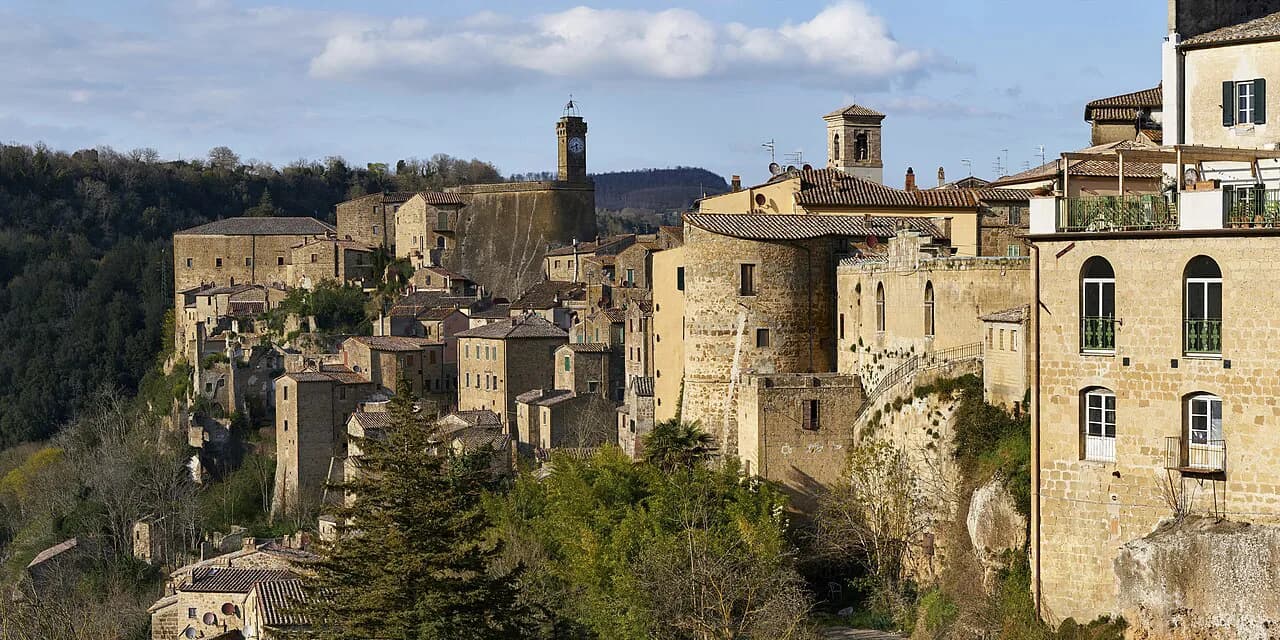
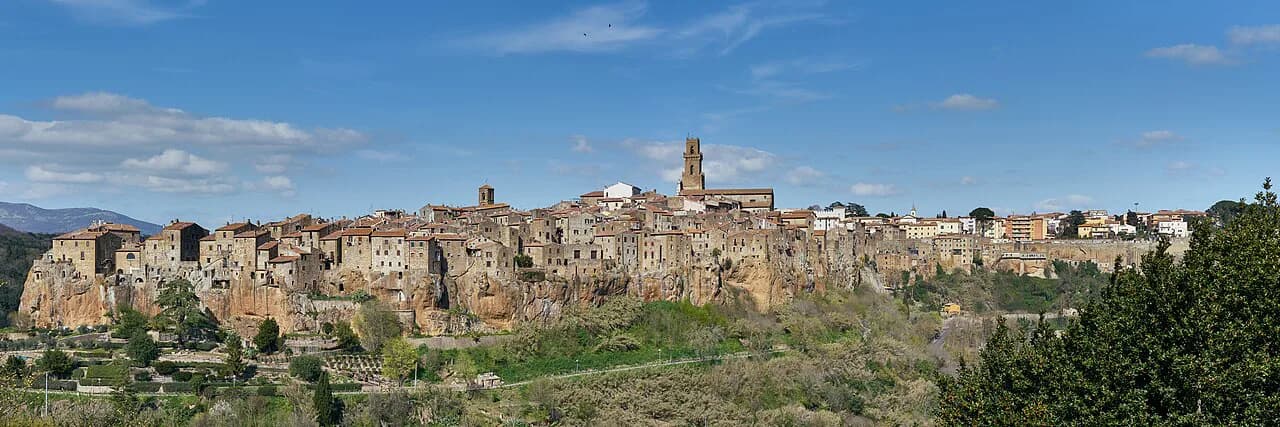
In early April, some rural restaurants and farm stays are still on winter hours, and the countryside is in the middle of its spring green-up, with wildflowers in the fields and vines only just budding. By late April the hill towns feel awake, and the season's first outdoor tables appear in Lucca and Siena. The April shoulder is the quietest window of the whole spring, which makes it the best value for city stays.
Between May and June, the coast at Versilia and the Maremma shore move into summer mode, with beach clubs setting out their rows of sunbeds and boat trips running from Viareggio and Porto Santo Stefano. Countryside trattorias open their terraces, and the wine estates in Chianti switch to daily tastings. Late June sees the first big push of holidaymakers, so book key sights ahead for that window.
Weather in Autumn
September and October are still warm and often clearer than spring, and the grape and olive harvest gives the countryside a purpose. Rain becomes heavier as October wears on, and by November the weather turns genuinely unsettled, with cool days and regular wet spells, though Florence's Uffizi and Siena's Duomo are far quieter than in May.
Autumn suits food-led trips and walking in the Val d'Orcia, and the light in the late afternoon is arguably finer than in spring. It is less reliable for a beach or pool holiday on the coast, where the season closes down through October.
Summer in Tuscany: June's Build to July and August
June is the transitional month: the first half feels like a warm late spring, while the second half can push into the low thirties in Florence, with the heat held in by the city's stone streets. By July and August, the interior is hot through the day and sticky at night, so most sensible itineraries shift to early mornings, siesta hours indoors and late afternoon in the piazzas.
The coast and the Apennines offer relief in high summer; Viareggio and the Maremma beaches take the edge off the heat, while the mountain villages around Abetone and the Casentino run noticeably cooler than the Florence basin. If your dates are fixed to late June or July, base yourself on the coast or in the hills and visit the cities on day trips rather than staying in them.
Winter in Tuscany: Quiet Cities, Cold Nights
Winter days in Florence stay mild in the low double figures, but nights can sit close to freezing, and rain is more frequent than in spring. The payoff is the emptiest version of the region you will see: the Uffizi, the Duomo and the Ponte Vecchio without queues, and restaurant tables that are hard to book in May.
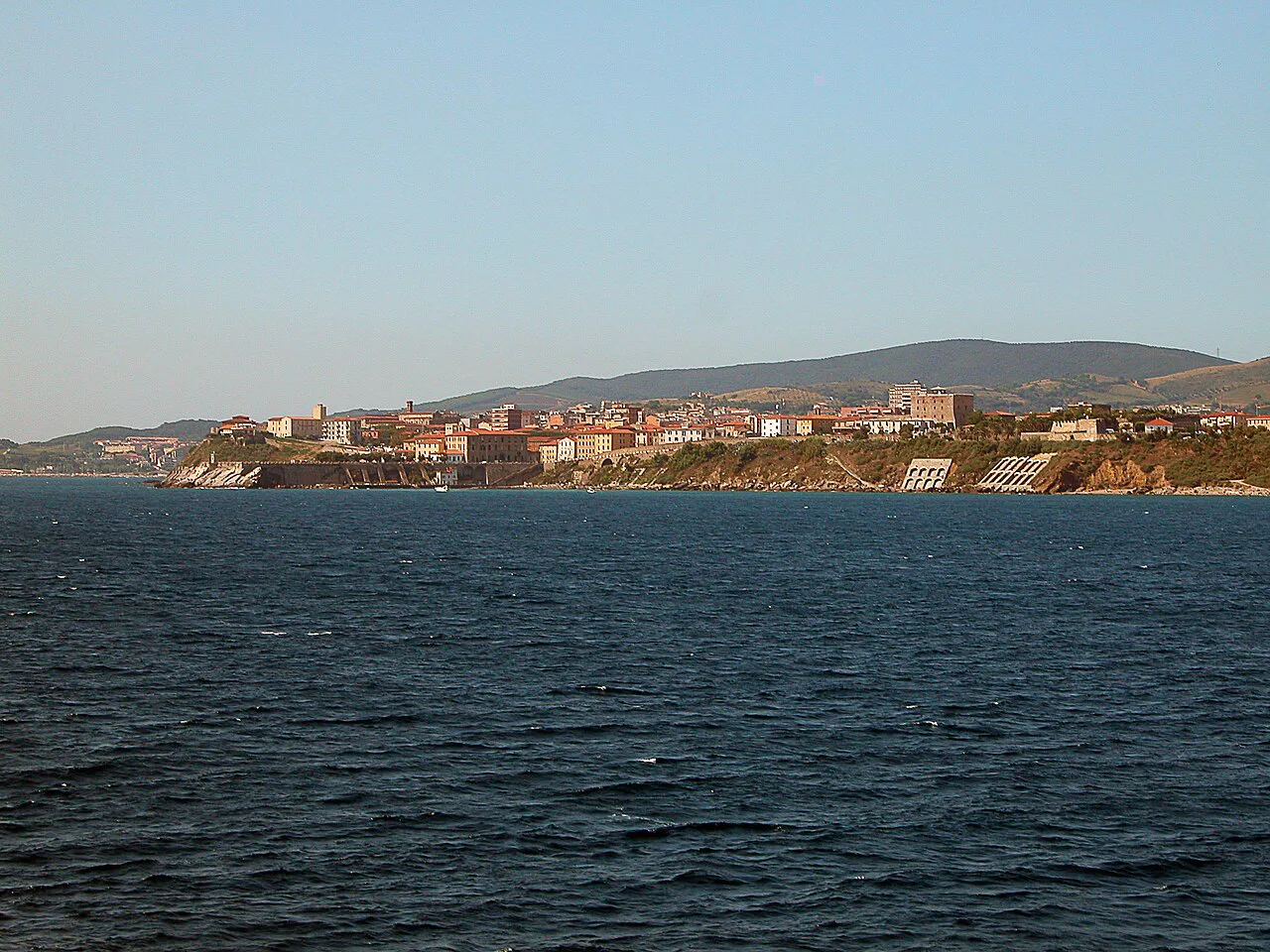
Snow is possible in the Apennines and rare in the cities, so winter travel is best built around art, food and thermal towns such as Montecatini Terme rather than walking or the coast. The Maremma coast empties out almost entirely, and many seaside restaurants close until spring.
When to Go for Cities and Art
Florence and Siena are at their best in April and early May, when you can walk between sights without the heat that makes the Duomo climb and the Uffizi corridors tiring in June. Lucca's walls, a complete circuit of tree-lined ramparts, are ideal for a spring stroll, and Pisa's Piazza dei Miracoli is manageable before the tour buses peak around mid-morning.
For the Uffizi and the Accademia, book a timed slot whatever the month, since spring is already busy with school groups and Easter visitors. Late April and early May give the best balance of open terraces, manageable queues and comfortable walking temperatures. Avoid the Easter week if you can, when Florence and Siena fill up and prices peak.
When to Go for Countryside, Walking and Wine
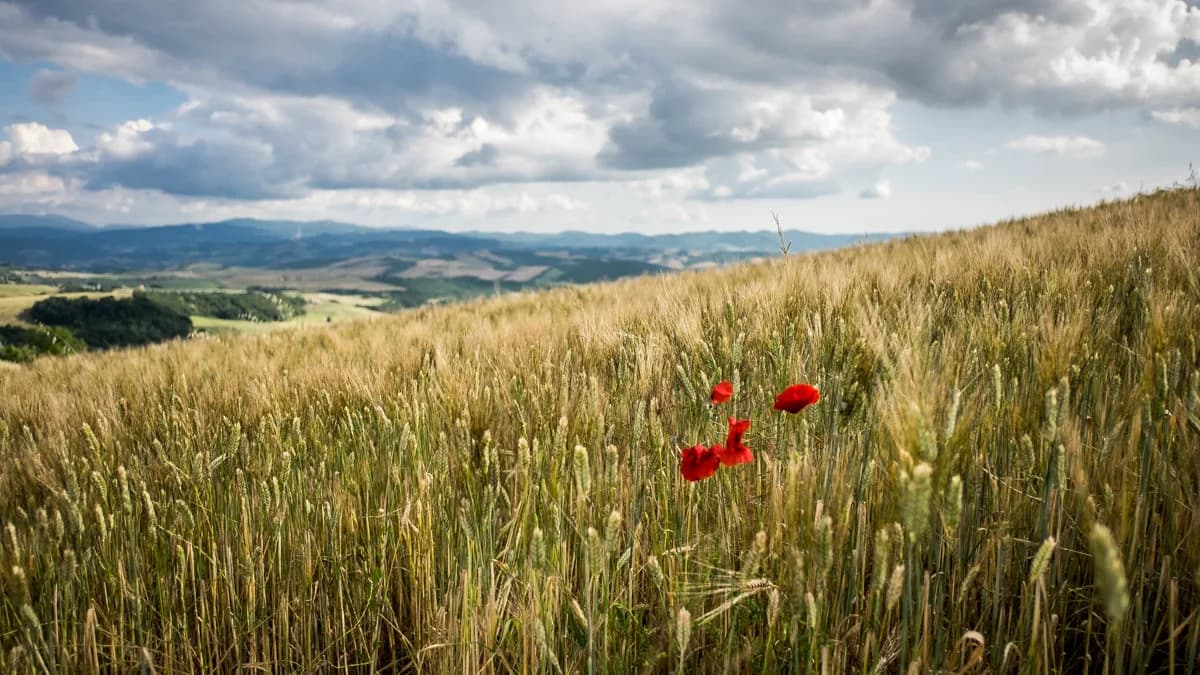
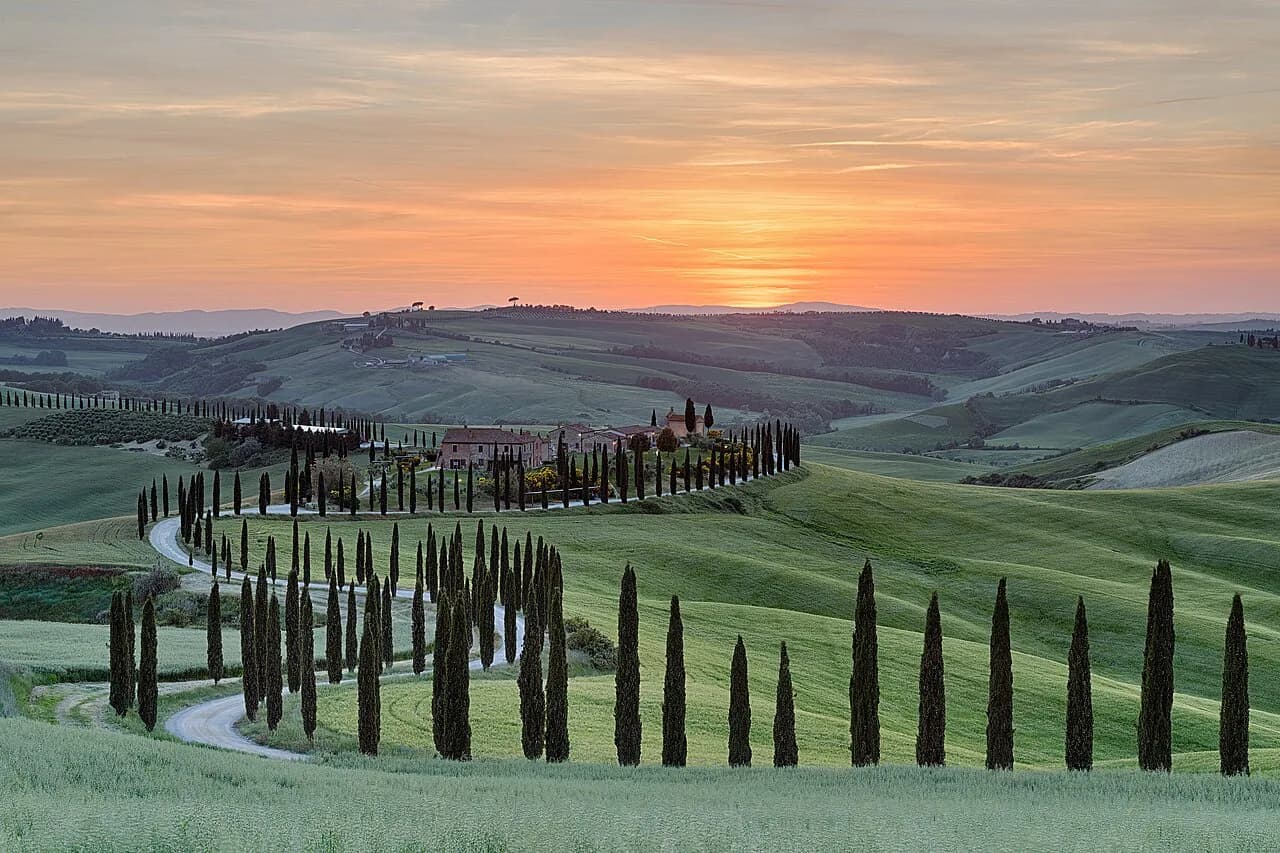
May is the strongest month for Chianti and the Val d'Orcia, when wildflowers lace the vineyards, the cypress-lined roads are at their photogenic best and long walks finish comfortably in the late afternoon. Late April is almost as good and noticeably quieter, though some rural restaurants still keep reduced hours until the season picks up.
For serious walking, the Apennines and the Casentino forests open their trails in late spring, with snow clearing from the higher routes through April and May. The Maremma offers flatter coastal walking and birdlife, best in April before the heat. The Montepulciano and Montalcino wine estates run tastings year-round, but spring and early summer let you combine a cellar visit with a walk through the vines.
If you are planning a wider Italian trip and weighing up the lakes against Tuscany, our guide to the best time to visit Lake Como covers how the northern lakes behave in spring, when the lake boats start running and Milan Malpensa Airport connections make a two-centre trip feasible.
When to Go for the Coast: Versilia and the Maremma Shore
The Tuscan coast at Viareggio and Forte dei Marmi is a summer resort rather than a spring one, with beach clubs and bathing establishments opening through late May and running in earnest from June. April and early May give you the passeggiata, the seafood and the pine woods behind the beach without the crowds, but many lidos are still closed and the water is cool well into June.
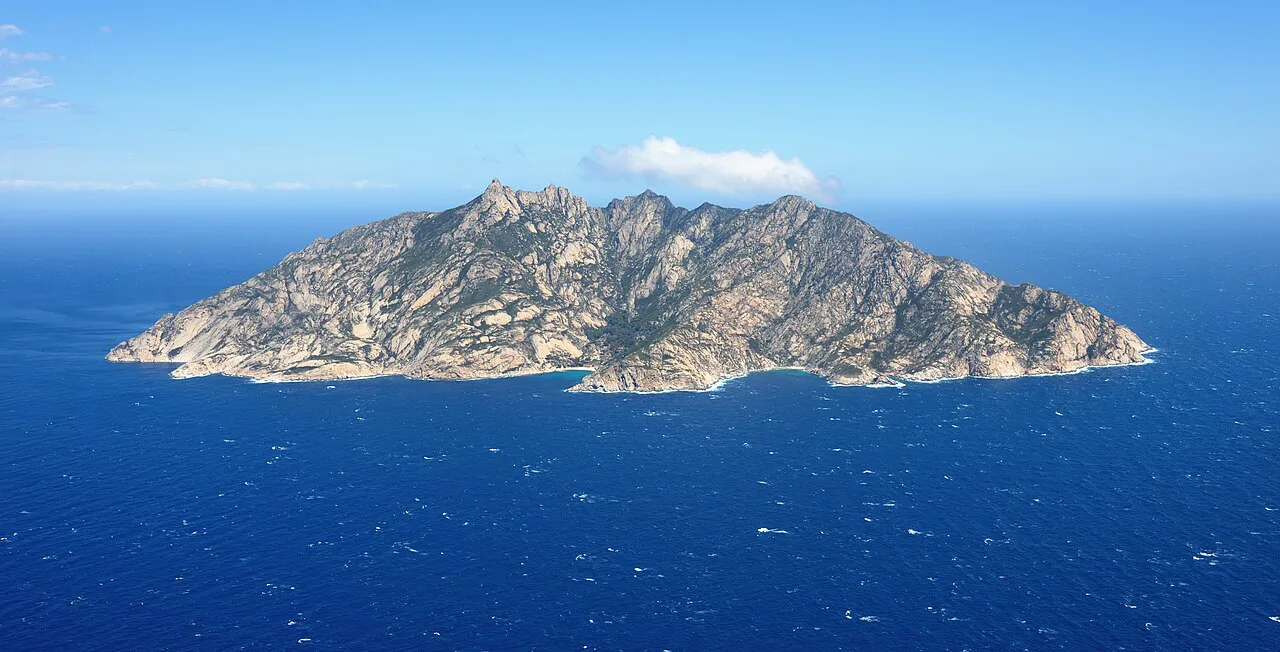
The Maremma coast is wilder and quieter, with long sandy stretches and pine-backed dunes around Marina di Alberese and Talamone. June is the pick if you want warm sea and open facilities; May if you want empty beaches and don't mind that the season's infrastructure is only partly up and running. For a warmer sea and a settled beach season, Sardinia beats Tuscany in May and June, and the Cagliari Elmas flight gives a practical alternative if sea temperature matters most.
Crowds and Prices
Spring crowds in Tuscany hinge on Easter, the May bank holidays and UK half term. Easter week and the early May bank holiday weekend are the busiest of the spring, with Florence and Siena at their most crowded and accommodation priced at a premium. Late April and the second half of May are noticeably quieter and better value, while June prices climb as the summer season begins.
The other trade-off is the coast: prices in Versilia jump in June as beach clubs open fully, while April and May let you stay near the sea at a fraction of the cost. The Italian off-season runs roughly October through April, when crowds thin and attractions are easier to enjoy.
Book the Uffizi, the Accademia and the Duomo dome climb ahead for Easter week, late May and all of June; in late April you can often find slots a day or two ahead. Rural restaurants and country hotels close for a week or two between seasons, so confirm your table and room before planning a trip around a specific village.
Month-by-Month Summary
April: 20.0°C (68°F) days, 8.05°C (46°F) nights and about 8.66 rain days, best for cities, walking and value, with cool evenings and some wet afternoons. May: 24.34°C (76°F) days, 11.9°C (53°F) nights and 7.62 rain days, the best all-round month for countryside, wine and outdoor dining, though the bank holidays bring crowds.
June: 29.05°C (84°F) days, 16.01°C (61°F) nights and 5.22 rain days, the start of summer, good for the coast and early-morning city visits, hot in Florence by the end of the month. For a wider spring comparison, our guide to Tuscany in spring sets out how April to June fit together across the region.
Who Should Pick a Different Month
If you cannot cope with heat, avoid late June and July, when Florence bakes and the coast fills up; late April and May are the safer spring choices. Families tied to school holidays will find late May half term the sweet spot before the summer peak, and those chasing guaranteed beach weather should look further south or wait until late June.
If your priority is empty hill towns and low prices, go for late April; if it is long, warm evenings and open countryside, wait until May. For a sea-led holiday with warm water and open beach clubs, Tuscany is not the obvious choice before late June, and the islands are a better bet.
The Verdict
May and early June are the best time to visit Tuscany for most trips, with warm days, a drier pattern and everything open. April is the connoisseur's choice for the cities and the countryside, so long as you accept cool evenings and a fair chance of rain, and late June is for heat-lovers and beach holidays.
Check official Italian government travel advice before booking if you need visa or entry information, then choose your dates by what you want to do: cities in April, wine and walking in May, and the coast once June arrives.
More Tuscany spring guides
Frequently Asked Questions
What are the best months to travel to Tuscany?
May and early June are the best months for most travellers: Florence averages 24.34°C (76°F) by day in May and 29.05°C (84°F) in June, with fewer rain days than April. April suits city sightseeing and walking, when days average 20.0°C (68°F) but nights drop to 8.05°C (46°F).
What is the weather like in Florence in December?
December is cold at night and often wet, with days in the low double figures and a real chance of rain. The cities are at their quietest, so it is a good month for museums and food rather than walking or the coast, though the Apennines can see snow.
Which part of Tuscany is the most beautiful?
There is no single answer, but the Val d'Orcia and Chianti are the classic countryside landscapes, with cypress-lined roads and hill towns. Florence and Siena hold the art, and the Maremma and the Apennines give you wilder scenery. In spring, the Val d'Orcia is at its greenest in May.
How much time do I need in Tuscany?
Give Florence at least three days, add a day each for Siena, Lucca and Pisa, and allow a few days in the countryside for wine estates and hill towns. A week works for a city-and-countryside combination; ten days lets you add the coast or the Apennines without rushing.
Is April or May better for Tuscany?
April is better for cooler city days and quieter streets, with Florence averaging 20.0°C (68°F) by day and 8.05°C (46°F) at night. May is better for warm afternoons, open countryside and al fresco dining, with an average high of 24.34°C (76°F) and slightly fewer rain days.
Is Tuscany too hot in June?
Early June usually feels like a warm late spring, but Florence averages 29.05°C (84°F) by day across the month and the last ten days can be genuinely hot. If heat bothers you, go in May or base yourself on the coast or in the hills.
Sources
Spring sun notes
Optional updates when we add destinations and months.
You might also like
Continue reading
More guides you'll find useful