Tuscany in May: What the Month Is Really Like
Tuscany in May brings typical highs near 24°C, cool-to-mild nights and long bright days, with space at Florence's sights before the June crowds arrive.
On this page
Tuscany in May is warm without being hot, and that single fact decides most trips. At Florence's Peretola station, the 1991–2020 climate normals put the average daily maximum at 24.34°C (76°F) and the average daily minimum at 11.9°C (53°F), with rain on 7.62 days and 63.01 mm across the month, which is drier and sunnier in feel than April without June's heat.
That suits sightseeing, hill-town wandering and long lunches outdoors far better than high summer does. It does not suit anyone who wants guaranteed evening warmth in a t-shirt, or a warm sea: the coast around the Maremma warms in the air long before the water follows.
Weather in May
The reliable numbers come from the WMO Climate Normals 1991–2020 sheet for Firenze Peretola, the reference station for Florence. May's average daily maximum is 24.34°C (76°F) and the average daily minimum is 11.9°C (53°F), a spread that tells you exactly how the month behaves: bright, generous afternoons and noticeably cooler nights.
Rain is modest by Tuscan standards, with 7.62 rain days and 63.01 mm over the month, typically arriving as a sharp afternoon shower rather than a washed-out day. The normals sheet records no sunshine total for May, so treat the long daylight as the practical guide: evenings stay light well past dinner time.
Remember that these are Florence figures from a single station. The Chianti hills run a degree or two cooler, the Val d'Orcia can be breezier and more exposed, and the Maremma coast feels milder at night but windier by afternoon.
Is it warm enough?
For walking the city and sitting outside at lunch, yes. A typical May afternoon in the mid-twenties Celsius is close to ideal for the Uffizi, the Duomo climb and the walk up to Piazzale Michelangelo, and it is why the month sits at the front of most people's thinking about the best time to visit.
Evenings are the catch. With an average low near 12°C (53°F), al fresco dinners in Florence and Siena are genuinely pleasant but rarely balmy, and a table under a heater is not a defeat. If your idea of a May holiday is dinner outside in shirtsleeves until midnight, June delivers that far more consistently.
Families with small children get the best of the month in the countryside, where afternoons are warm enough for garden time and farm visits without the heat that makes midday difficult in summer. Anyone chasing beach weather should read where is warm in Europe in May and compare southern options before booking flights, because central Italy in May is warm rather than hot.
Early vs late May
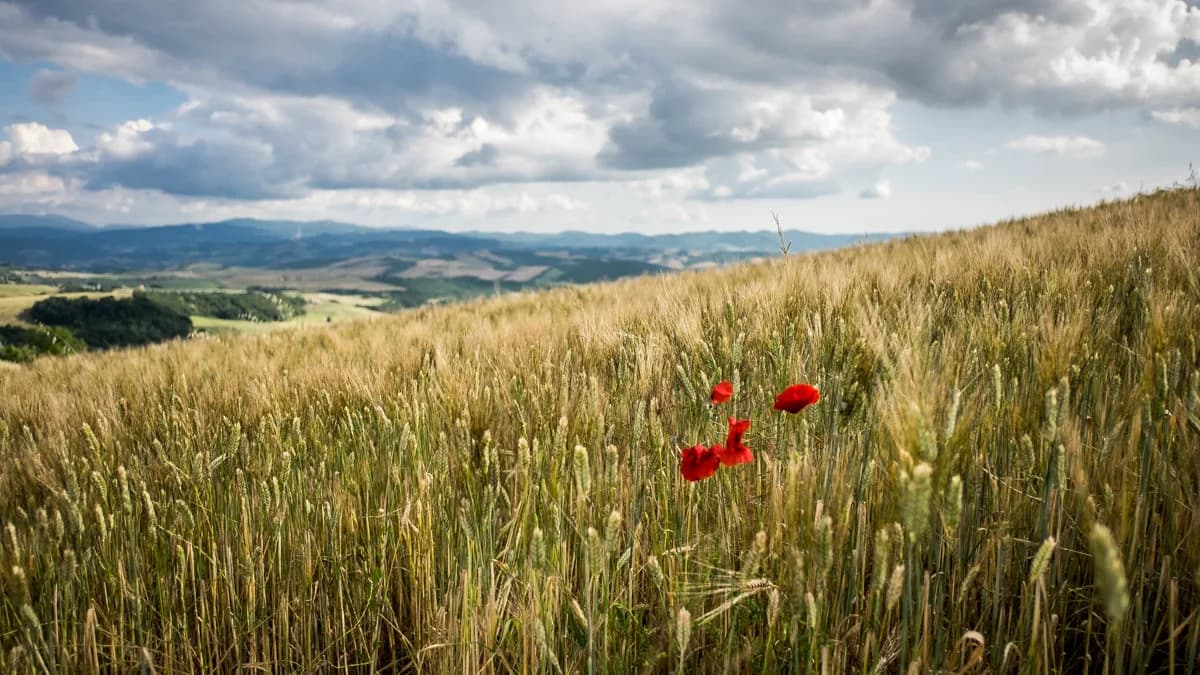
Early May still carries April's changeability. Showers pass through, mornings are cool, and the landscape is at its greenest, with poppies and wildflowers in the verges and fields. It is also the quieter half of the month apart from the holiday weekends.
By late May the pattern has settled: days warm towards the mid-twenties Celsius, restaurant terraces fill in the evening, and the countryside is moving from spring green into the drier, golder tones of early summer. The shift across four weeks is real enough that early and late May are effectively two different trips.
If you want wildflowers and space, book the first half. If you want dependable sunshine and warm evenings and can tolerate more people, the last ten days are the better bet.
May compared with April and June
The normals make the progression plain. April's average daily maximum at Florence is 20.0°C (68°F) with a minimum of 8.05°C (46°F); May lifts that to 24.34°C (76°F) and 11.9°C (53°F); June jumps to 29.05°C (84°F) and 16.01°C (61°F). Rain days fall from 8.66 in April to 7.62 in May to 5.22 in June.
May is therefore the month where Tuscan weather stops being a gamble without yet becoming a test. April can be lovely but asks you to plan around showers and pack for cold mornings; June is more reliably sunny but the cities start to feel like ovens by mid-afternoon and the queues lengthen considerably.
Seen against the wider Mediterranean, Tuscany in May is warm rather than hot. If your benchmark for a spring trip is genuinely hot afternoons, southern choices beat central Italy in the same week, and where is warm in Europe in April shows how that comparison plays out a month earlier.
What is open
By May the region is effectively in season. Countryside restaurants open their terraces, wine estates take visitors, and the rural hotels and agriturismi are running fully.
Wine tourism is the clearest signal of the month. Cantine Aperte, the late-May weekend when wineries across Tuscany open their cellars for tours and tastings, is one of Italy's biggest wine events, and the Chianti hills fill with visitors around it.
Town markets and small fairs restart across the region in May, from antiques in Arezzo to flower and food stalls in hill villages, which is one of the pleasures of travelling through Chianti and the Val d'Orcia at this time of year.
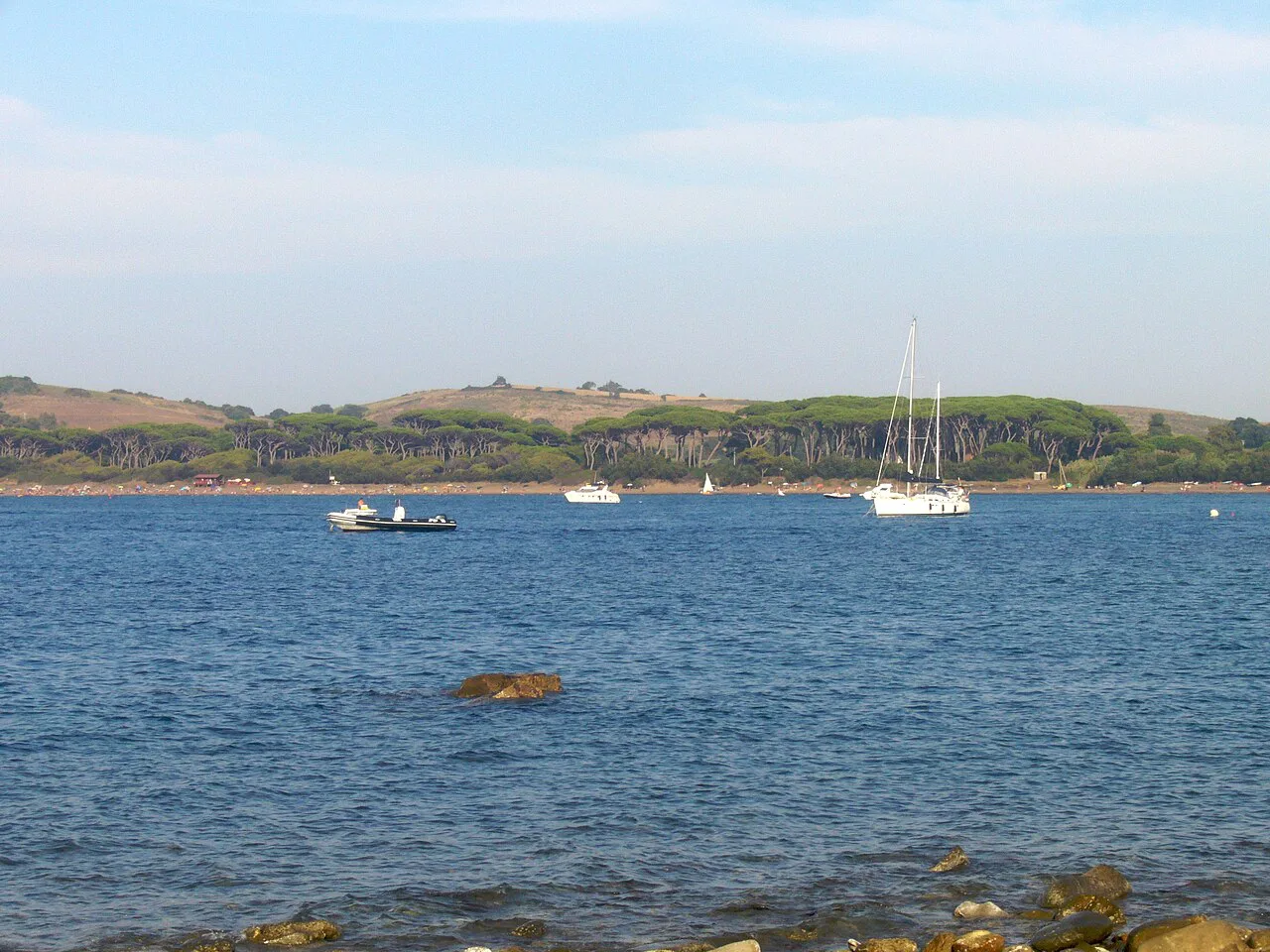
What is not yet reliable is anything that depends on high-summer volume, such as beach clubs and coastal boat services that only launch once the season properly begins. Treat the Tuscan coast in May as a place for walks and long lunches rather than a full beach holiday.
Things to do in Florence
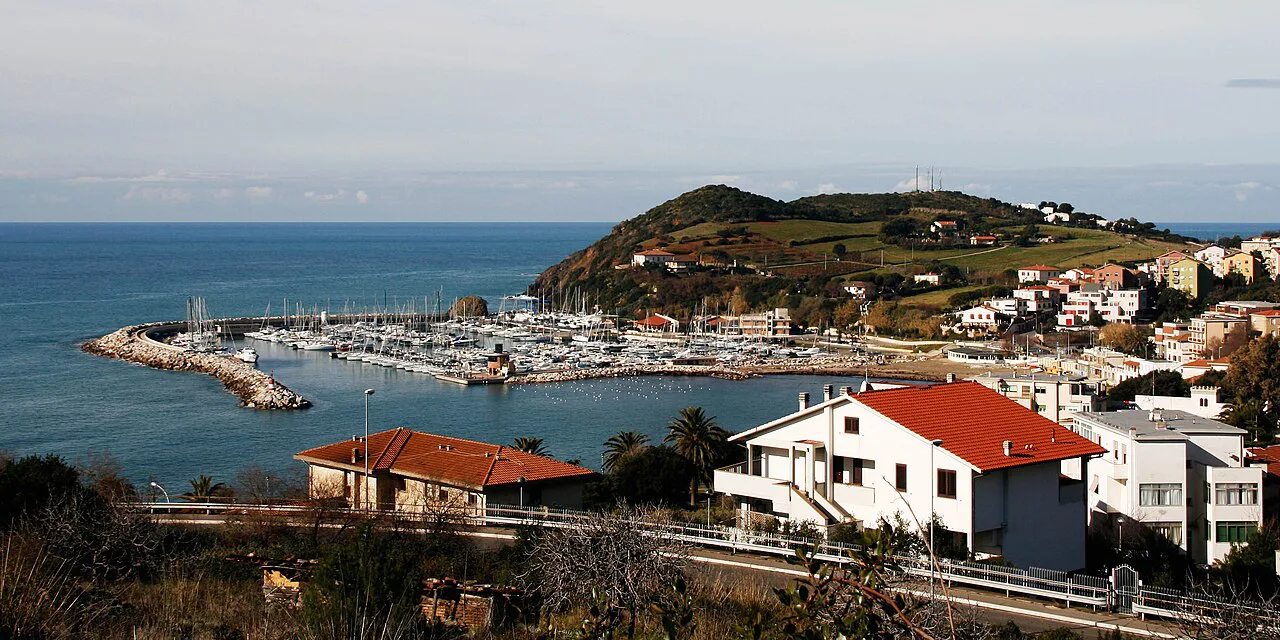
Florence in May is the version of the city you actually want: the Uffizi and Accademia are busy but manageable, the climb up the Duomo is not yet punishing, and you can cross the Ponte Vecchio and wander Oltrarno without the August crush. Booking the major galleries ahead still makes sense across holiday weekends.
The city's cultural calendar peaks in May. The Maggio Musicale Fiorentino fills theatres with opera and concerts through the month, and the Iris Garden below Piazzale Michelangelo opens while the flowers are out, giving you a reason to spend an afternoon on the hillside rather than in the centre.
Florence heats up faster than the surrounding countryside, which means the sensible May rhythm is sights in the morning, a long lunch, and the gardens or a hill walk in the late afternoon. Anyone planning to be in the city at the end of the month should look at how June changes the picture before fixing dates.
Siena, Pisa and Lucca
Siena suits May better than almost anywhere in Tuscany. The climb up to the centre and the walk around Piazza del Campo are hard work in July and pleasant in May, and the compact medieval core rewards slow wandering rather than a rushed list.
Pisa is a half-day city at heart, and in May the Campo dei Miracoli is busy but not overwhelming. Lucca is the more relaxing option: hire a bike, ride the walls, and spend the afternoon in the piazzas, all of which works far better at these temperatures than in high summer.
If you are choosing one base for a week, split city days between Florence and Siena and give the rest to the countryside. That balance is what makes a May trip to Tuscany feel unhurried in a way a July trip rarely does.
Chianti and the Val d'Orcia
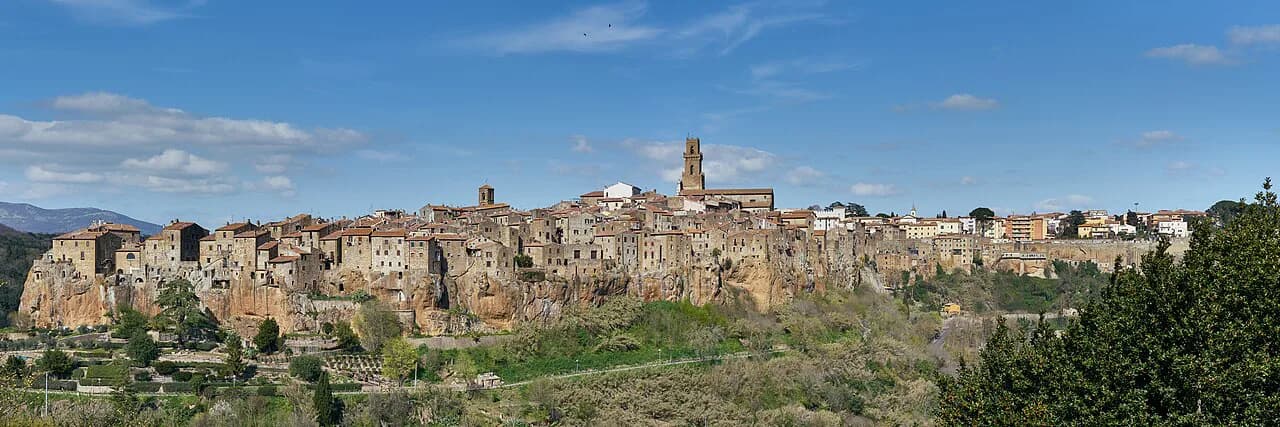
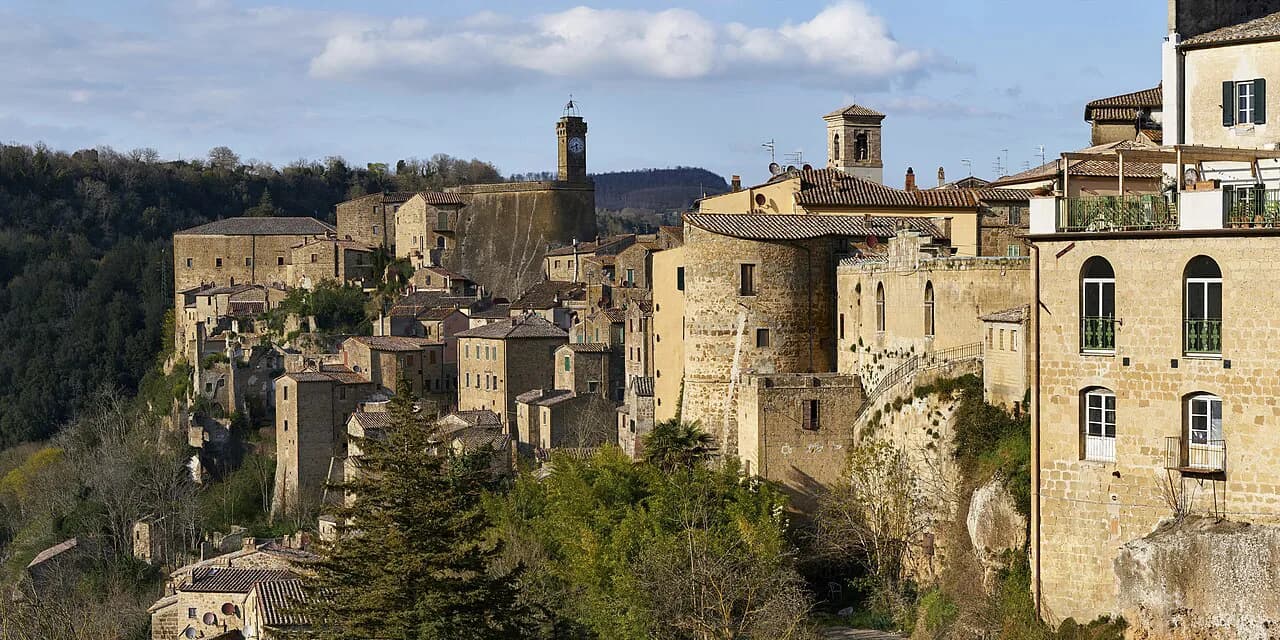
May is when the vineyard landscapes look their best, with new growth on the vines and poppies in the margins of the roads between Greve in Chianti, Panzano and Radda. The hill towns of San Gimignano and Montepulciano are busy by midday, so go early or late and leave the middle of the day for wine and food.
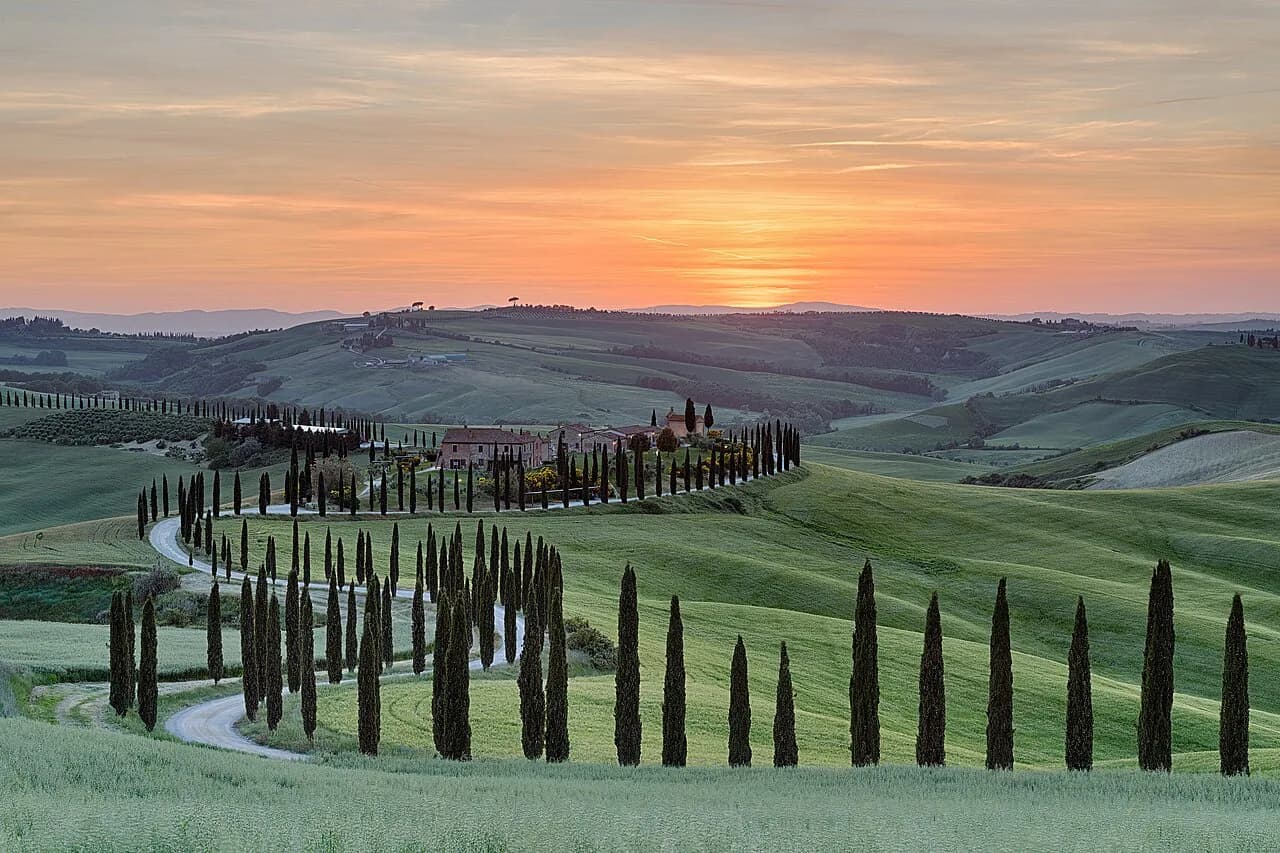
In the south, the Val d'Orcia is at its most photogenic in spring, when the wheat is green and the light is long. Pienza, Montalcino and the roads around San Quirico d'Orcia make an easy day by car, and the walking here is comfortable at May temperatures.
This is also the month to build your days around walking and cycling rather than sightseeing. There is a good amount of gentle countryside activity, and our guide to Tuscany in April explains how the landscape and the weather start shifting before May takes over.
Food in season
Two ingredients define a Tuscan May. Artichokes run through spring and are still on menus in May, fried or stewed in the Florentine style, and cherries arrive as the month progresses, sold at roadside stalls and markets across the region.
The month is also dense with food festivals: a festival dedicated to a local onion in Bagnone, a strawberry festival in Terricciola, and wine events that combine cellar tours with antipasti. These are small, local affairs rather than tourist spectacles, and they are the best value meals of the month.
Book the well-known trattorias but leave room to follow a sign to a sagra, where you will eat local cooking outdoors at low cost. Menus are seasonal and short, which is exactly the point.
Crowds and prices
Crowds in May are real but proportional. Florence's main sights are busy, and you should still reserve the Uffizi and restaurants for the holiday weekends, but tables are easier to find and tours easier to organise than in high season.
Prices reflect that shoulder-season position. Accommodation and flights sit above April but below July and August, and rates move sharply around public holiday weekends, when demand peaks locally. Pricing is dynamic and changes by season and availability, so compare your specific dates rather than relying on a general rule.
Half term and late-May holiday weeks can feel nearly as busy as June in Florence and Siena, while weekday stays in the countryside remain calm. If your dates are fixed around school holidays, plan the city days early in the week.
Honest drawbacks
Cool evenings are the main one. With an average minimum under 12°C (53°F), terrace dinners often end earlier than you would like, and hill towns like San Gimignano and Montalcino feel chillier after sunset than Florence does.
Rain spells still occur, with roughly seven rain days across the month, and an unsettled week can flatten the outdoor plans you built around walking and vineyards. Build one indoor day into a week and pick galleries or a long lunch when the sky turns.
On the coast, warm air does not mean a warm sea, and the water remains cold well into spring, so treat the Maremma shore in May as a place for walks and seafood rather than swimming. And by the last week, the first hints of June heat make midday in the cities harder work.
May or June?
Choose May for walking, cycling, hill towns, vineyards and sightseeing on foot in weather that flatters both the landscape and the cities. It is the strongest month for anyone whose trip is about the outdoors, food and wine rather than the sea.
Choose June if you want guaranteed heat and warm evenings, or if you are travelling to celebrate something that needs reliable sunshine. You trade comfort and space for reliability, and Florence in particular becomes a morning-and-evening city.
If your dates are flexible by a week or two, aim for the second half of May: the weather has settled, the landscape is still green, and the summer crowds have not yet arrived.
The Verdict
May is the best-balanced month for a Tuscany trip built around cities, walking and food. Expect typical highs around 24°C (76°F), cooler nights, occasional showers and enough space to enjoy Florence and Siena without queueing for everything.
If you need hot evenings or warm sea, come in June or head further south. If you want flowers, empty hill towns and the season just opening, early May delivers. Whichever you choose, book the key galleries and holiday weekends early and leave the middle of the day free.
More Tuscany spring guides
Frequently Asked Questions
Is May a good time to visit Tuscany?
Yes. May is the most balanced month for a trip built on sightseeing, walking and food. Typical daytime highs sit in the mid-twenties Celsius, nights are cool, and the crowds are lighter than in June or July. The trade-off is unpredictable evenings and a sea that is still cold.
How warm is Tuscany in May?
At Florence's Peretola station, the average daily maximum is 24.34°C (76°F) and the average daily minimum is 11.9°C (53°F). Rain falls on around 7.6 days across the month. Hill towns run slightly cooler, and the coast is windier by afternoon.
Is it better to visit Tuscany in May or June?
May is better for comfortable walking, longer countryside days and lighter crowds. June is better for guaranteed heat, warm evenings and more reliable sunshine, at the cost of heavier crowds and harder midday touring in the cities.
What is there to do in Tuscany in May?
Walk the cities, explore Chianti and the Val d'Orcia by car or on foot, attend wine events such as Cantine Aperte, see Florence's Iris Garden and Maggio Musicale, and eat artichokes and early cherries at local food festivals.
Is the sea warm enough to swim in Tuscany in May?
Air temperatures are pleasant, but the Tyrrhenian stays cold well into spring. Treat the Maremma coast in May as a place for walks and long lunches rather than a beach holiday, and plan swimming for later in the summer.
Sources
- Tuscany climate normals (WMO Climate Normals 1991-2020, Firenze Peretola (WMO 16170))
- Tuscany in May: 5 reasons to visit Tuscany in May - Blog by Bookings For You
- When to Visit Tuscany | Best Time to Visit Tuscany | Tuscany Now & More
- Events and Festivals in Tuscany in May: What to do in Tuscany in May
Spring sun notes
Optional updates when we add destinations and months.
You might also like
Continue reading
More guides you'll find useful