Best Time to Visit Sardinia: A Month-by-Month Editor's Guide
Sardinia suits late April to mid-June for walking and quiet coast, and September to October for warmer sea. Here is which month fits your trip.
On this page
The best time to visit Sardinia is late April to mid-June if you want to walk, sightsee and eat well without the summer crush, or September to October if you want the sea at its warmest outside peak season. April is the first genuinely comfortable month, with average daytime highs of about 20 °C (68 °F) at Cagliari Elmas and nights around 10 °C (50 °F).
May is the month most trips should target: the WMO 1991-2020 normals for Cagliari Elmas give average highs of 24 °C (75 °F), nights of 13 °C (56 °F) and only about four rain days across the month. June pushes into proper summer heat, with highs near 29 °C (84 °F) and barely two rain days. July and August are hot, crowded and expensive, and shoulder-season travellers should treat them as the months to work around.
Weather in April
According to the WMO 1991-2020 normals for Cagliari Elmas, April averages a daytime high of about 20 °C (68 °F) and a night-time low of about 10 °C (50 °F), with roughly 6.5 rain days and 46 mm of precipitation across the month. In practice that means bright, mild afternoons for coastal walks and archaeological sites, with mornings and evenings that still call for a jacket. Rain tends to arrive in short spells rather than all-day washouts, but a week can contain two or three of them.
Inland and at altitude it is noticeably cooler than the Cagliari coast, so a day in the Supramonte or the Barbagia mountains can feel several degrees fresher than an afternoon in the city. The sea is still cold in April, so plan on land-based days if you are expecting beach weather. If you want to understand how April behaves in more detail, our guide to Sardinia in April walks through the month region by region.
Weather in May
May is when Sardinia starts to feel like a proper warm-weather destination. The Cagliari Elmas normals put average highs near 24 °C (75 °F) and nights around 13 °C (56 °F), with only about four rain days and 26 mm of rain for the month. That combination suits long days outdoors, whether you are walking coastal trails, exploring the old quarters of Cagliari or driving between villages.
The air warms faster than the water, so a sunny afternoon in May can feel like high summer while the sea remains bracing. That is the honest trade-off of a May trip: excellent walking and sightseeing conditions, but swimming is for the hardy rather than the whole family. Our guide to Sardinia in May sets out which parts of the island make the most of those conditions.
Weather in June
June brings the shift to reliable summer weather. The Cagliari Elmas normals show average highs of about 29 °C (84 °F) and nights near 17 °C (63 °F), with only around two rain days and 13 mm of rain for the whole month. On the coast that is pleasant rather than punishing, and the evenings stay warm enough to sit outside.
Heat builds fastest away from the sea. Inland areas around Nuoro and the Barbagia run hotter than the coast in June, so walking plans need to start early and finish before the afternoon. If you are set on June, our guide to Sardinia in June explains how to structure days around the coastal breeze and the inland heat.
Weather in July and August
July and August are the months Sardinia fills up. Expect hot afternoons on the coast, much hotter conditions inland, and the busiest beaches, ferries and restaurants of the year. Peak-season travel costs more and requires booking further ahead, and popular coastal spots can feel genuinely crowded rather than merely lively.
August is the deepest peak, driven by Italian school holidays and the Ferragosto period around the middle of the month, when coastal towns and ferries work at full capacity. Unless school terms force your hand, these are the months to avoid for a relaxed spring-style trip. September is the relief valve, with the same warm sea and a much calmer atmosphere.
Weather in September and October
September and October give you the tail end of summer with far lighter crowds. The sea holds the warmth it built up over July and August, which makes early autumn a strong choice for anyone who wants to swim without the August crush. Prices fall back from peak-season levels, and restaurants and beach clubs settle into a more relaxed rhythm.
October is milder than September, with more rain returning and shorter days, but it remains a comfortable month for walking and sightseeing. The pattern of warm sea and cooler air is the mirror image of spring, where the air warms before the water does. If you are deciding between the two, our guide to Sardinia in spring covers the same coast in its earlier, greener phase.
Early vs Late in the Month
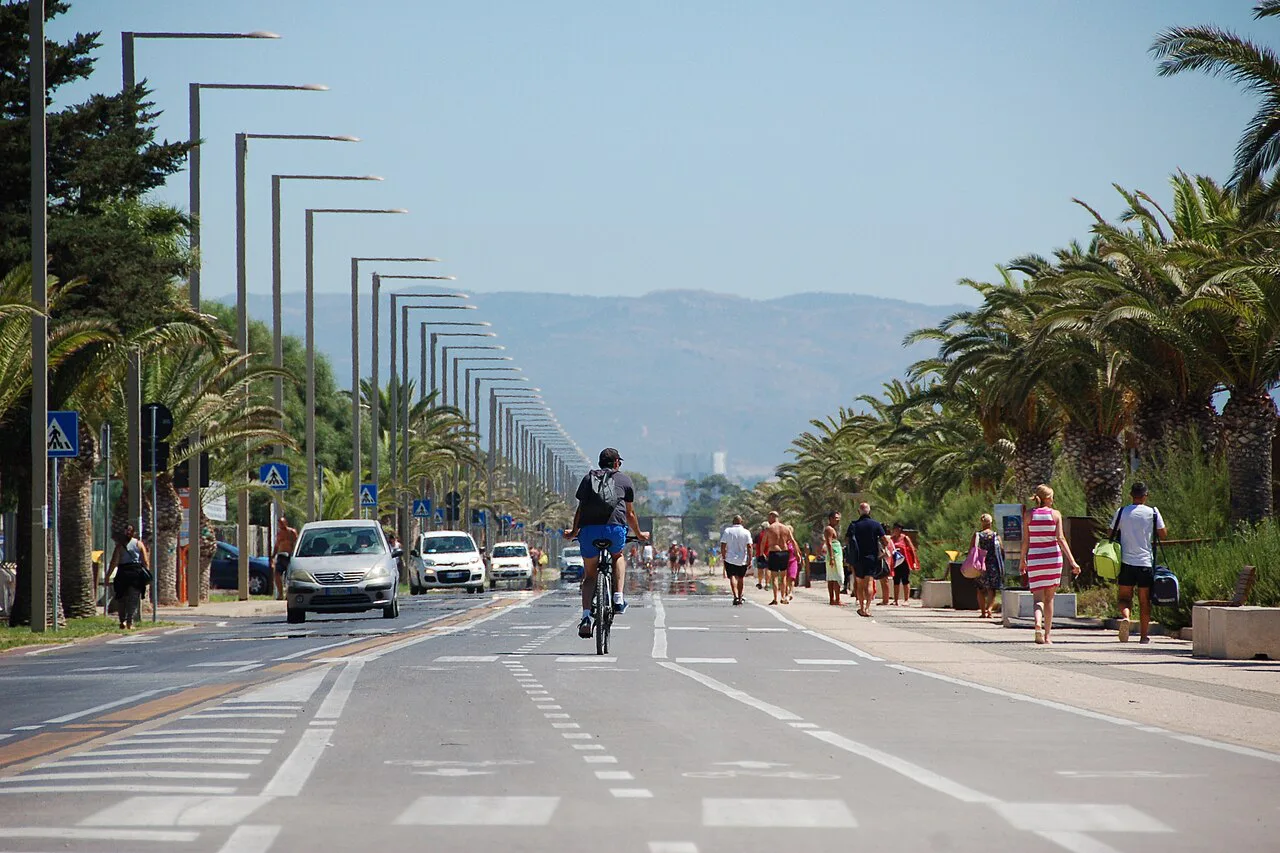
Within each shoulder month, the date matters. Late April is warmer and greener than the opening days, with wildflowers at their peak and a better chance of settled afternoons. Late May is closer to summer than early May, with the sea starting to become usable for more swimmers and coastal restaurants fully into their season.
In autumn the difference runs the other way. Early September keeps the warm sea and long evenings; by late October the first proper rain fronts arrive and the light softens. Late September is usually the better bet if swimming matters to you, while early October suits walkers who want comfortable temperatures and quiet trails.
What Is Open
Sardinia's coastal tourist infrastructure runs on a seasonal rhythm. From late spring onward, boat trips, coastal restaurants and beach clubs come back to life, and by June most are in full swing. In April, expect a quieter version of the coast: some places open at weekends or for lunch only, and smaller coves may have little or nothing operating.
Ferries to islands such as the La Maddalena archipelago and boat excursions along the Costa Smeralda typically ramp up as the season opens, but schedules change through the spring. Mountain trails in the Supramonte and Gennargentu are walkable earlier, but check conditions locally after rain. Rather than relying on fixed dates, look at what operators publish for your specific week.
Where to Go in Each Month
In April, head for Cagliari and the south, where the Castello district and the city's archaeology give you city days that work regardless of a passing shower. The west coast around Alghero and Bosa is quieter in spring, though the north-westerly wind is a real factor here and worth planning around.
In May, Gallura and the Costa Smeralda come into their own, with the coast between Olbia, Golfo Aranci and Arzachena opening up for the season. The Supramonte is at its best for walking in late spring, before the heat arrives. Vermentino country around Berchidda is a good stop for anyone interested in the island's white wines.
In June, the north-eastern coast and the La Maddalena archipelago are prime territory for boat days, with the sea finally warm enough for most people. In September and October, the south around Chia and Villasimius holds the warmth longest, and the west coast around Capo Caccia regains its quieter character once the summer crowds leave.
Crowds and Prices
Crowd levels track the Italian school calendar more than the weather. Easter brings a first surge of visitors to Cagliari and the coast, and UK bank holidays and half term in late May push up demand on the island. Italian schools break up in June, so from mid-June onward the coast fills steadily.
August is the most expensive and most crowded month by a wide margin, with the Ferragosto week in the middle the deepest peak. Late April, May and October are considerably easier on both counts, with more availability and a calmer atmosphere. Check current rates and availability before you book.
Honest Drawbacks by Month
April has cool evenings and a genuinely cold sea, so it suits walkers and sightseers far better than beach-focused families. Rain is possible and the wind on the west and north coast can be persistent. If you want guaranteed sea days, April will disappoint; that is not a reason to skip it for other kinds of trips.
May and June trade rain for heat, and June afternoons inland can be uncomfortable for walking. Autumn brings rain back, particularly from mid-October, and some coastal places begin to close for the season. If you are comparing Sardinia with other southern European destinations at the same time of year, it is worth checking how the best time to visit the Amalfi Coast compares for your dates.
Best Time for Walking, Sightseeing, Food and Families
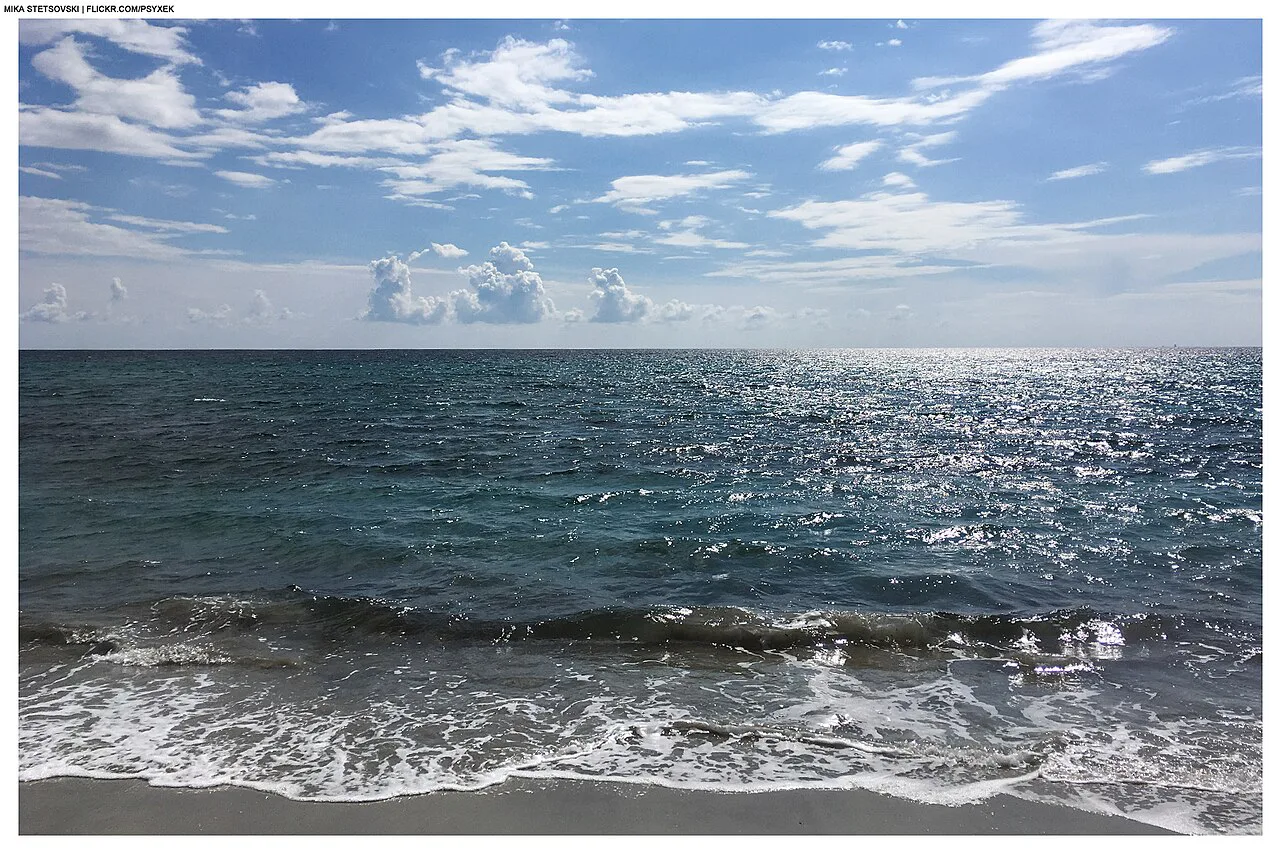
Walkers should aim for late April to mid-May, when the wildflowers are out, temperatures are comfortable and the Supramonte trails are still passable. Sightseers do well in April and May, with cooler city days in Cagliari and quieter archaeological sites. Food and wine travellers should look at late September and October, when the Vermentino and Cannonau harvests are underway.
Families with school-age children face a harder choice. Late June and early September give warm sea and long days just outside the peak, while August is the busiest and most expensive option. If your dates are fixed by school terms, late June is usually the better compromise of the two.
Sardinia in Spring or Autumn?
Spring and autumn offer different versions of the island. Spring gives you wildflowers, green hills and long daylight, with the air warming faster than the sea. Autumn gives you the warmest swimming of the shoulder season, but shorter days and more rain as October progresses.
If your priority is walking and sightseeing, spring wins. If it is swimming and relaxed coastal days, early autumn wins. Both avoid the August crush and both are far cheaper than midsummer. Comparing flight and ferry options early helps, since spring bank holiday weekends and the autumn half term fill up first.
The Verdict
For a first trip, pick late May. You get the best balance of warm daytime temperatures, manageable rain, open coastal infrastructure and lighter crowds than summer. For a sea-focused trip, late September is the strongest choice, with the water at its warmest and the peak crowds gone. April suits walkers and city travellers who value quiet over beach weather.
Avoid mid-August unless school holidays leave you no alternative, and expect to pay more and share the coast if you do. For a wider comparison across the Mediterranean in spring, the best time to visit Lake Como offers a useful northern Italian contrast for anyone weighing up alternatives.
Plan Your Visit
Sardinia rewards travellers who match the month to the trip. Late April to mid-June gives you the island at its most comfortable for walking and sightseeing, while September and early October deliver the warm sea with far less pressure. Use the climate normals rather than forecasts to set expectations, and check the UK government travel advice page for entry requirements before booking.
If you want a second opinion on the wider Mediterranean in spring, see where the warmest places in Europe in April sit relative to Sardinia. For month-by-month detail on the island, start with our guide to Sardinia in April and work forward through the season.
More Sardinia spring guides
Frequently Asked Questions
What is the best month to visit Sardinia?
Late May is the best single month for most trips, with warm days, manageable rain and coastal places fully open. Late September is the better choice if warm sea and swimming matter more than long days.
Is Sardinia warm in April?
Yes, mildly so. Average daytime highs sit around 20 °C (68 °F) with nights near 10 °C (50 °F) at Cagliari Elmas, and rain falls on roughly six days across the month. Evenings are cool and the sea is still cold, so April suits walking and sightseeing more than beach days.
Can you swim in Sardinia in May?
The air is warm in May, but the sea lags behind it by several weeks and is still bracing for most swimmers. Hardy swimmers do go in, especially late in the month, but families should not count on long swims. September and early October are far better for comfortable water.
How hot is Sardinia in June?
Average highs reach about 29 °C (84 °F) with nights near 17 °C (63 °F) at Cagliari Elmas, and rain is rare. Coastal days are pleasant, but inland areas around Nuoro and the Barbagia run considerably hotter, so plan walks for the morning.
Does Sardinia have a rainy season?
Rain is concentrated in autumn and winter, while spring and summer are much drier. April still brings around six rain days, May about four and June barely two. October sees rain return after the dry summer months.
Is September or October better for Sardinia?
September is better for swimming and long evenings as well as wine harvest visits. October is milder, quieter and cheaper, but rain becomes more likely from mid-month and some coastal places start to close.
When is the best time to walk in Sardinia?
Late April to mid-May is the sweet spot, with wildflowers out, comfortable temperatures and quieter trails. Autumn is the other good window. June onward gets hot inland, and the Supramonte and Gennargentu are best avoided in high summer.
Is Sardinia crowded in May?
It is noticeably quieter than July and August, though UK bank holidays and half term bring a bump in late May. Easter also draws visitors. Outside those weeks, May feels relaxed compared with the peak summer months.
Sources
Spring sun notes
Optional updates when we add destinations and months.
You might also like
Continue reading
More guides you'll find useful