Tuscany in Spring: When to Go and What to Expect
Tuscany in spring runs from cool, showery March to hot, busy June. See how warm each month is and which suits walking, gardens or city sightseeing.
On this page
Tuscany is warm enough for comfortable sightseeing from April, when Florence typically reaches about 20 °C (68 °F) by day and drops to around 8 °C (46 °F) at night. March is colder and changeable, May is the most reliable month for walking and gardens, and June turns properly hot. Your choice comes down to how much warmth you need against how many people you are willing to share the hill towns with. Tuscany in april has the full picture.
The figures here come from long-term climate normals for Florence, so treat them as what a typical spring day feels like rather than a forecast. Rain in spring arrives in showers and spells rather than whole washed-out weeks, which means a wet morning in Florence is a good morning for the Uffizi and a wet afternoon rarely ruins a hill-town day.
Spring in Tuscany at a Glance
April, May and June each deliver a different trip. April suits sightseeing and slow driving through the countryside, with cool evenings and a real chance of rain. May gives you the best balance of warmth, long days and open gardens, while June brings heat and the start of high season.
March is the month to approach with low expectations on warmth. Days can be pleasant in the sun, but evenings stay cold and the weather swings between bright spells and rain, so it rewards travellers who plan around galleries, churches and short walks rather than long ridge hikes.
If your priority is lying outdoors in short sleeves, book late May or June rather than early spring. If your priority is walking between hill towns without heatstroke and without queues, April and May do the job far better.
Weather in March
March is Tuscany shaking off winter rather than a spring month in the warm sense. The Florence normals begin in April, so the reliable figures start there; in practice March gives you changeable days, cold nights and enough sunshine to make a city break work if you dress for it.
Choose March for Florence and Siena, where museums and restaurants absorb a rainy afternoon, and skip it if your plan is Val d'Orcia ridge walks or long lunches on a village terrace. Wildflowers are beginning to show in the countryside, but the warmth that makes sitting outside a pleasure arrives later.
Weather in April
April in Florence averages a daytime high of 20.0 °C (68 °F) and a night-time low of 8.05 °C (46 °F), with 67.17 mm of rain spread across 8.66 rain days. In plain terms, that is shirt-sleeve weather in the afternoon sun and a jacket after dark, with roughly one day in four touched by rain.
That mix suits walking and sightseeing well, because you are never far from a town, a café or a covered loggia when a shower passes. It is less suited to anyone hoping for beach weather or balmy evenings, and families with small children should expect to layer up in the mornings.
The countryside at this time of year is the main draw: fresh green hills, wildflowers along the roads and vine rows just starting to leaf. Florence fills over the Easter weekend, but the rest of the month stays comparatively calm, which is why April is often the last stretch of quiet before the season opens properly.
Early vs Late April
The last week of April behaves quite differently from the first. Showers become less frequent, sunshine is more sustained and daytime temperatures edge upward, so an itinerary built around outdoor lunches and hill-town wandering works much better at the end of the month.
If you have flexibility, aim for the final ten days. You get warmer afternoons and better odds of dry walking days, though you also meet the Easter and Liberation Day holiday crowds depending on where the calendar falls that year.
Weather in May
May is the sweet spot. Florence averages 24.34 °C (76 °F) by day and 11.9 °C (53 °F) at night, with 63.01 mm of rain over 7.62 rain days, so days are noticeably longer and warmer while evenings still cool down enough to sleep well.
This is the month for gardens, terraces and long walks, and it is when rural restaurants and countryside places that slowed over winter come fully back to life. It is also when weekend crowds build, with May bank holidays and half term pushing up demand in Florence, Siena and the Chianti villages.
If you want one month that works for both a city break and a walking holiday, pick May. If you want fewer people more than perfect weather, April still wins.
Weather in June
June turns the dial up. Florence averages 29.05 °C (84 °F) by day and 16.01 °C (61 °F) at night, with rain down to 44.8 mm over 5.22 rain days, so the month is drier and sunnier but genuinely hot in the middle of the day.
Early June is still comfortable for walking if you start early and rest through the afternoon. By late June, city sightseeing becomes a morning-and-evening affair, and the hill towns fill with summer visitors, restaurants get booked out and prices climb toward peak season.
June suits travellers who want reliable sun and long evenings and are happy to trade comfortable walking weather for heat. It is also when outdoor events in Florence and Pisa pick up, so the calendar gets busier and the streets do too.
March or April?
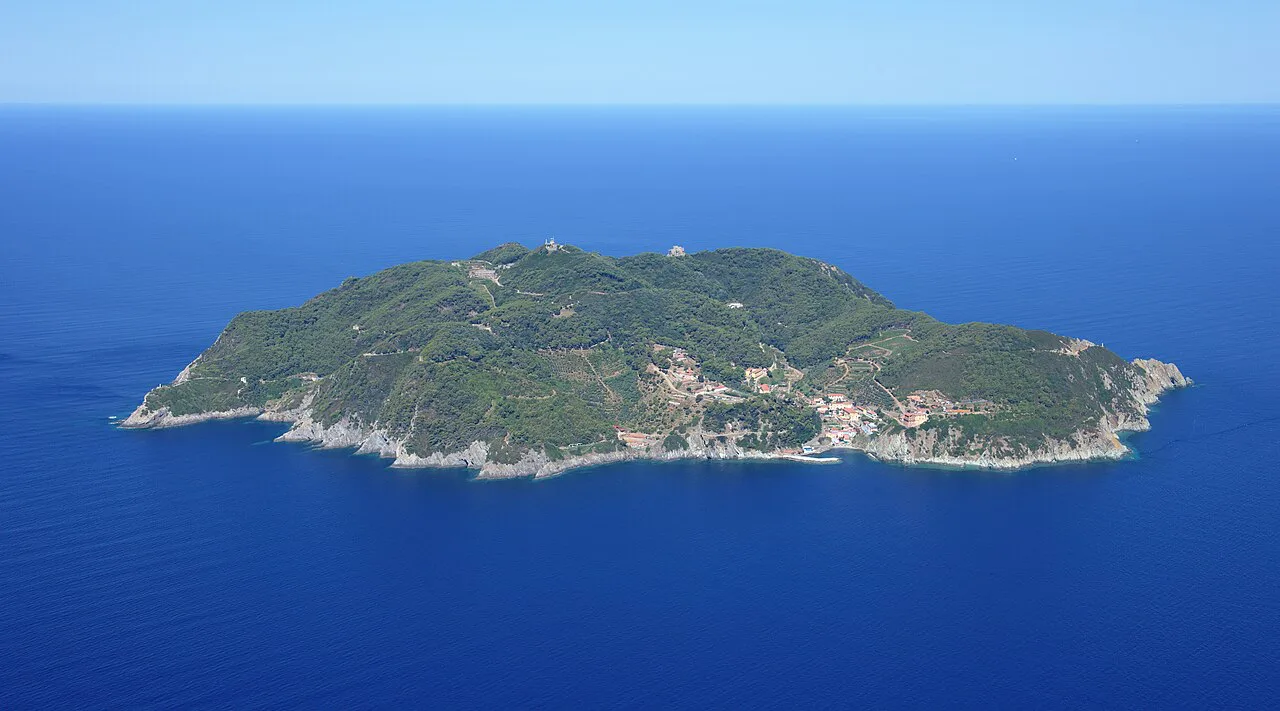
March offers wildflowers beginning in the countryside and the lowest crowds of the spring. April offers measurably warmer days, drier walking and a functioning outdoor season, at the cost of a modest rise in visitors and prices.
If your trip is mostly galleries, churches and food, March works and you will have Florence closer to yourself. If it involves hill towns, gardens or driving the Val d'Orcia with the windows down, wait for April.
April or May?
April trades dependable sunshine for quieter streets. The rain days are more frequent and evenings are cool, but you can walk into most restaurants and see the Uffizi without the worst of the queues.
May costs more and draws more people, but gives you longer, warmer days and a countryside in full leaf. For a trip built around hiking, gardens or long outdoor lunches, that trade is worth it; for a city break on a budget, April is the better call.
May or June?
May is the more comfortable month for activity, with daytime highs in the mid-twenties and cool nights. June is hotter, drier and busier, with midday heat that pushes sightseeing into the early morning and evening.
Pick May for walking, cycling and hill towns. Pick June if your trip is built around sun, long evenings and events, and you are prepared to book restaurants and major sights ahead.
Florence in Spring
Florence is at its best in spring for exactly the reason summer is difficult: you can walk the centre without wilting. Wet days are a gift here, since the Uffizi, the Accademia and the Palazzo Vecchio museums are exactly where you want to be when the rain arrives.
The Boboli Gardens and the Bardini Garden above them come into their own in April and May, with terraces, roses and views over the rooftops. Both are uphill walks, so they suit a dry morning rather than the middle of a hot June afternoon.
The centre fills over Easter weekend and again on May bank holidays, when hotel rates and restaurant queues rise. Outside those pinch points, spring mornings in Florence are noticeably calmer than in July or August.
The Hill Towns on Foot
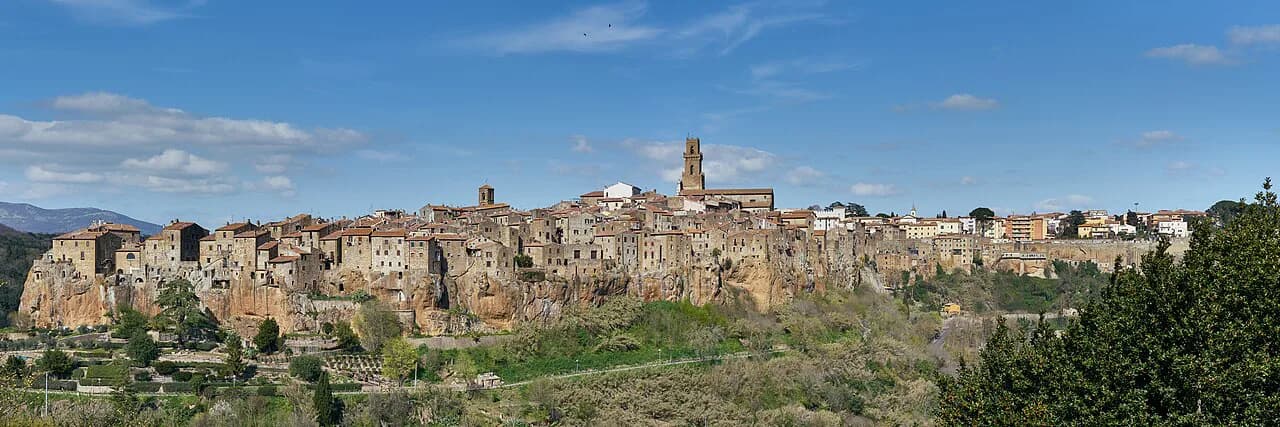
San Gimignano, Montepulciano and San Quirico d'Orcia are made for mild months. Their streets climb steeply, the stone throws back heat in summer, and spring gives you the temperatures to enjoy the towers and piazzas without exhaustion.
Walk without a strict route and you find the side alleys, small churches and artisan shops that the main drag hides. Weekends are busier, especially when markets are on, so a midweek morning gives you the quietest version of each town.
Val d'Orcia
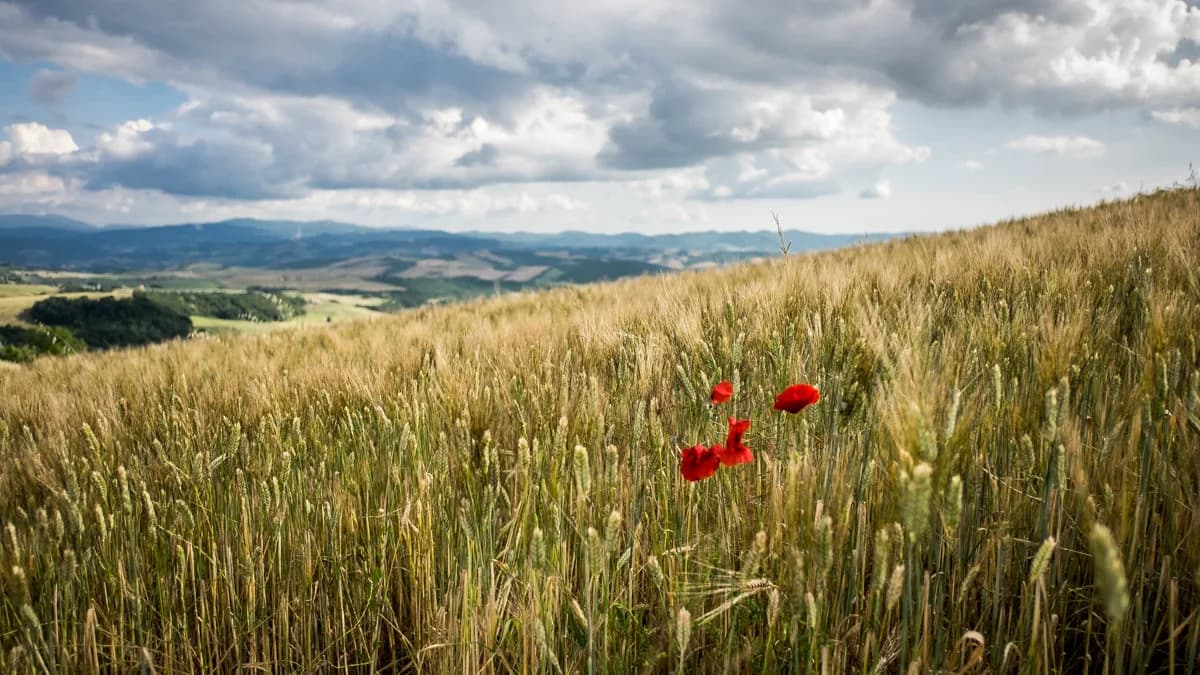
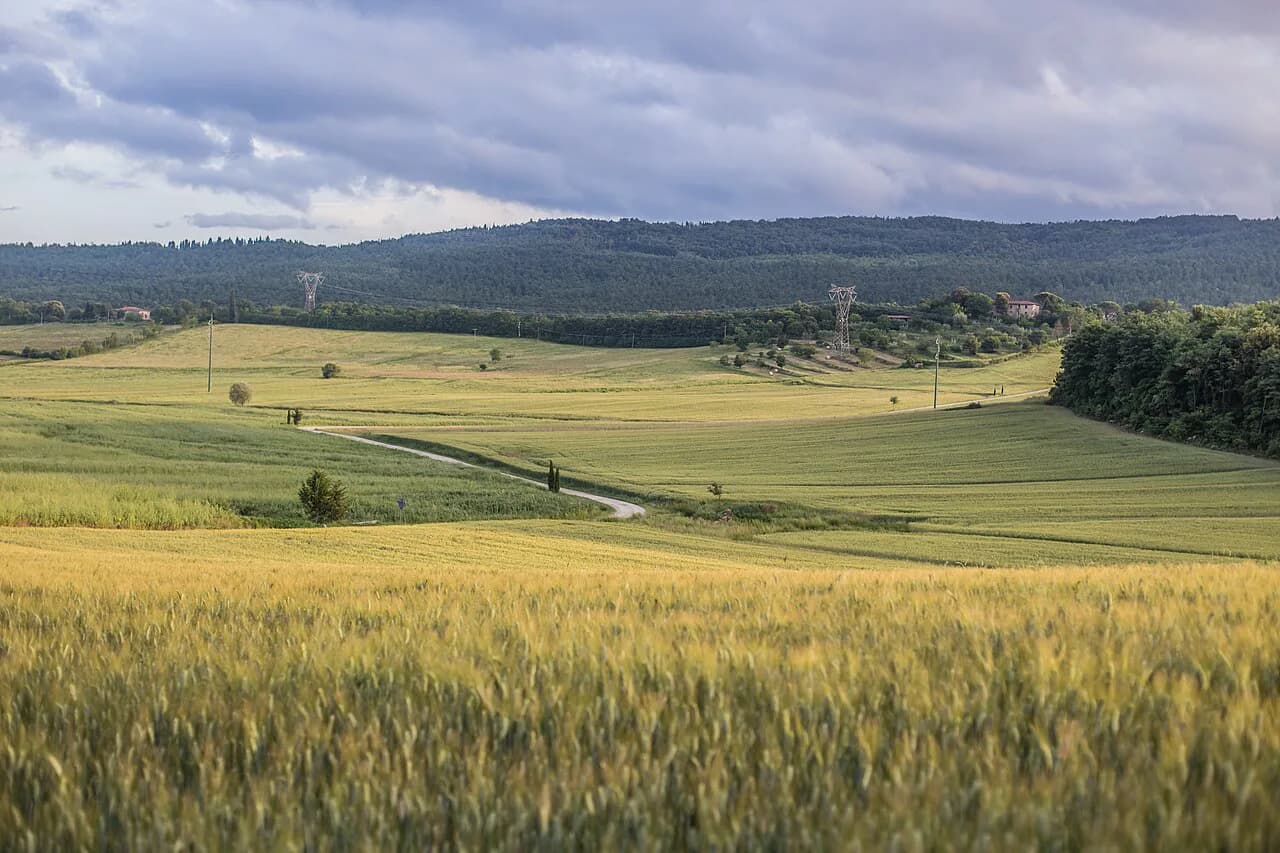
The Val d'Orcia is at its most photogenic in spring, when the wheat is green and poppies line the roads. Ridge walks between villages are best in April and May, before the heat and before the harvest changes the colour of the landscape.
Driving is the practical way to link Pienza, Montalcino and San Quirico d'Orcia, and spring gives you the conditions to stop often without melting at each viewpoint. Wind on exposed ridges is real in March and April, so a still, sunny day is worth planning around.
Lucca and the Walls
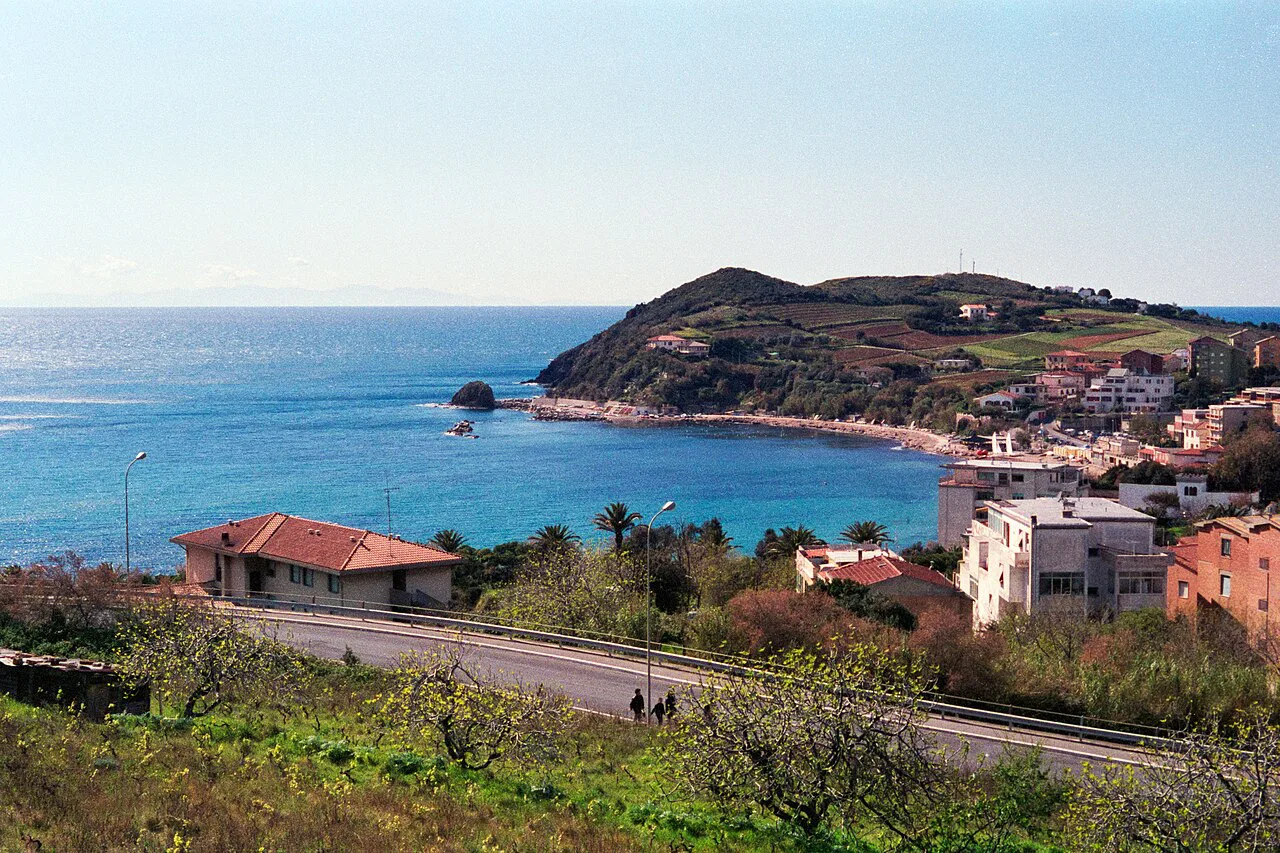
Lucca's tree-lined walls form a flat, wide circuit that is one of the easiest spring walks in Tuscany. It suits families, slow walkers and anyone who wants a proper hour outdoors without a climb, and it is pleasant from March onward once the sun is out.
The city itself is compact and full of churches, towers and squares, with Pisa close enough for a day trip. Spring is when the wall circuit is at its best: green, shaded and cool enough to enjoy in the middle of the day.
The Orcia Wine Festival
The Orcia Wine Festival, usually held over the final weekend of April, brings Val d'Orcia producers to Palazzo Chigi in San Quirico d'Orcia and neighbouring venues. The organiser publishes the programme and ticket details each year, so the exact dates need confirming before you book around the event.
If you are timing a wine-country trip, the end of April gives you the festival alongside green hills and comfortable walking weather. Pair it with a few days in Montalcino and Pienza rather than treating it as a single-day stop.
Crowds and Prices
Spring in Tuscany is shoulder season until late May, which means prices and queues are well below summer levels. Easter weekend is the big exception, when Florence in particular fills and major museums and restaurants need booking ahead.
May bank holidays and half term push demand up, and June marks the changeover to high season with rising rates and busier sights. If you want the quietest version of spring, aim for April outside Easter, or the first half of May before the holiday weekends.
Honest Drawbacks
Cold evenings are the main surprise in March and April, so a day that feels like summer at two in the afternoon can feel like early winter after dinner. Rain spells are real, especially in March and early April, though they tend to pass rather than settle in for days.
Exposed ridges in the Val d'Orcia and Chianti can be windy in early spring, and in late June the heat builds enough to make midday walking uncomfortable. Choose your month around which of those you mind least.
The Verdict
Pick May if you want one month that covers city sightseeing, hill-town walking and gardens without heat or peak-season crowds. Choose April for quieter streets and lower prices, accepting cool evenings and more rain, and save June for a sun-led trip where heat and bookings are part of the deal.
If you are still weighing up a region rather than a single base, see where is warm in Europe in April before committing, so you can compare Tuscany with the coasts further south.
More Tuscany spring guides
Frequently Asked Questions
Is Tuscany warm in April?
Yes, comfortably, in the daytime. Florence typically reaches about 20 °C (68 °F) in the afternoon but drops to around 8 °C (46 °F) at night, so April is outdoor-lunch weather rather than evening-terrace weather. Expect roughly one day in three to see some rain.
What is the best month to visit Tuscany in spring?
May is the best all-round month. Days average around 24 °C (76 °F), nights stay cool enough to sleep, rain days fall compared with April and the countryside is in full leaf. April is better if you want fewer people and lower prices and can accept cooler, wetter days.
What is the weather like in Tuscany in late April?
Late April is noticeably better than early April. Showers become less frequent, sunshine lasts longer and afternoons feel warmer, which makes it a good window for hill towns and the Val d'Orcia. Evenings still need a jacket.
Is May or June better for Tuscany?
May is better for walking, cycling and hill towns, with moderate daytime heat and cool nights. June is hotter and drier, with Florence averaging around 29 °C (84 °F) by day, which pushes sightseeing into the morning and evening and brings high-season crowds and prices.
Is Tuscany busy in spring?
March and April are relatively quiet apart from Easter weekend, when Florence fills. May bank holidays and half term bring a noticeable rise in visitors, and June marks the shift into high season with fuller restaurants and busier major sights.
Should I choose March or April for Tuscany?
Choose March for Florence, Siena and indoor sightseeing, and accept cold evenings and changeable weather. Choose April if you want hill towns, gardens and countryside drives, since the extra warmth and better odds of dry days make outdoor plans far more reliable.
Sources
Spring sun notes
Optional updates when we add destinations and months.
You might also like
Continue reading
More guides you'll find useful