Tuscany in June: What to Expect and Decide on Your Trip
Tuscany in June brings typical highs near 29°C, dry sunny days and warm evenings, with Florence's feast day and the coast opening up. Here's what to expect.
On this page
June is when Tuscany stops being a spring destination and becomes a summer one. In the 1991–2020 climate normals for Florence Peretola, the average daily maximum reaches 29.05°C (84°F) and the average night-time low 16.01°C (61°F), with 5.22 rain days and 44.8 mm of rain across the month — warm, mostly dry and bright, and genuinely pleasant for sightseeing, walking and eating outside.
The catch is the shape of the day rather than the month as a whole. Mornings are fresh, early afternoon in Florence or Siena is hot enough to send you into shade or a museum, and the long evenings are the best part of the trip. If you want cool city miles, book May; if you want guaranteed warmth and long dinners outside, June delivers.
Weather in June
Treat the Florence figures as typical conditions, not a forecast. Across June the station records an average daily maximum of 29.05°C (84°F), an average daily minimum of 16.01°C (61°F), rain on 5.22 days and a monthly total of 44.8 mm — the driest month of the spring run-in and a clear step up in heat from May's 24.34°C (76°F) average high.
Where you base yourself changes the feel more than the month does. Florence, Siena and the inland valleys of the Val d'Orcia run hotter than the Versilia coast, Monte Argentario and the hill towns of Chianti and San Gimignano, where altitude and sea air take the edge off early afternoon. If heat is your main worry, make a hill town or the coast your base and visit the cities early.
Rain in June usually arrives as a short, heavy afternoon or evening storm rather than a washed-out day. Five or so rain days across thirty means you can plan outdoor days with reasonable confidence, but keep one indoor option in reserve for each stay — a museum, a cellar visit or a long lunch.
Is it warm enough?
Yes, comfortably, for almost everything except all-day city walking in the middle of the day. Days in the high twenties suit outdoor dining, wine tasting, village strolls and slow countryside drives, and nights around 16°C mean you can sit outside after dinner without a jacket.
Families do well in June as long as the day is built around a morning outing and a shaded afternoon, and walkers should start early on exposed routes such as the Val d'Orcia's gravel tracks. Anyone who wilts in heat, or who wants to cover Florence on foot from morning to evening, is better served by May or late September.
If your real question is which part of southern Europe gets the warmth right in June, our comparison of where is warm in Europe in June sets Tuscany against the Greek islands, the Spanish coasts and the Canaries, so you can see how much heat you are choosing.
Early vs late June
Early June still carries a little of late spring: the first week can bring a cool, unsettled day, and mornings are noticeably fresher. That makes the opening fortnight the best-value window for cities and countryside — warm enough for outdoor lunches, cool enough to climb the dome or walk the walls of Lucca without wilting.
By the second half of the month the pattern is settled and the heat is more consistent, which suits the coast, long evenings and outdoor opera. It also brings the first proper crowds and the start of high-season pricing, so late June rewards people who book early and accept busier piazzas.
Compared with its neighbours, June sits between a mild, greener May and a July that pushes inland cities into the mid-thirties. May is the better month for serious sightseeing; July is better only if you want beach heat and do not mind the cities at their most punishing. Our guide to Tuscany in May is the natural comparison if you are weighing the two.
What is open
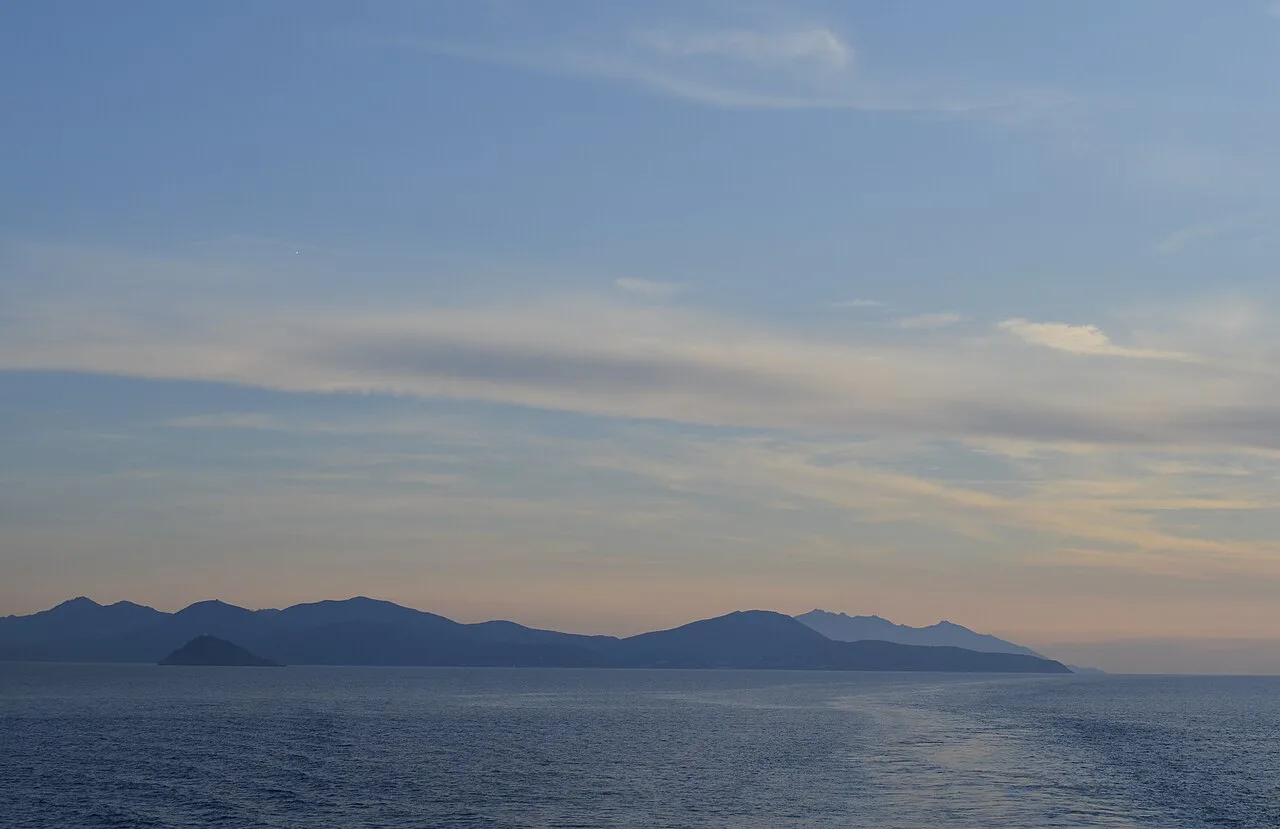
By June the summer season is running. Ferries to Elba and Giglio operate through the warm months, beach clubs along the Versilia coast and Monte Argentario are set up, and countryside restaurants and wineries are in full swing rather than on reduced spring hours.
Outdoor markets, evening passeggiate and open-air events fill the calendar, and Tuscan wineries receive visitors by appointment rather than drop-in — book tastings in Chianti, Montalcino or Montepulciano before you travel. In the cities, museums run their normal hours and some stay open into the evening on selected nights, which is the smart way to handle the afternoon heat.
The one thing to plan around rather than assume is exact opening times and ferry departures. Operators publish timetables close to the season, so if a particular crossing or a specific cellar visit matters to your trip, check current times a few weeks out.
Things to do in June
Florence's feast of St John, its patron saint, falls on 24 June and brings the final of the Calcio Storico in Piazza Santa Croce — a rough, costumed sixteenth-century ball game between four city neighbourhoods that is unlike anything else in Italy. The run-up and aftermath fill the centre with celebrations, and the match itself is a reason to be in the city rather than in the countryside that week.
In Pisa, the Luminara di San Ranieri on 16 June lights the Arno with thousands of candles and is followed by a rowing contest between the city's four quarters. The Gioco del Ponte, a costumed pushing contest on the Ponte di Mezzo, takes place over the last weekend of the month. Both make Pisa worth an overnight rather than a half-day stop.
Two national fixtures bookend the month: Republic Day on 2 June and the Palio delle Antiche Repubbliche Marinare on 3 June, a race between Pisa, Genoa, Amalfi and Venice that rotates between the four cities. Corpus Christi processions, including Florence's route from Piazza del Duomo, vary with the church calendar, so treat those as a bonus if your dates happen to fall right.
For a longer trip, the Opera di Verona season opens in June and runs through the summer into September in the Roman amphitheatre, an easy add-on by train if you are ending in the north. Closer to base, June is the month for Lucca's walls, the towers of San Gimignano at dusk and slow drives through Chianti and the Val d'Orcia.
Where to go for the month
Split the region by temperature. Florence and Siena work best early in the day, with a long lunch or an air-conditioned gallery through the hot hours and a return to the streets in the evening. Do the Uffizi or the Accademia in the afternoon rather than queuing in the sun, and save the dome climb for your first morning.
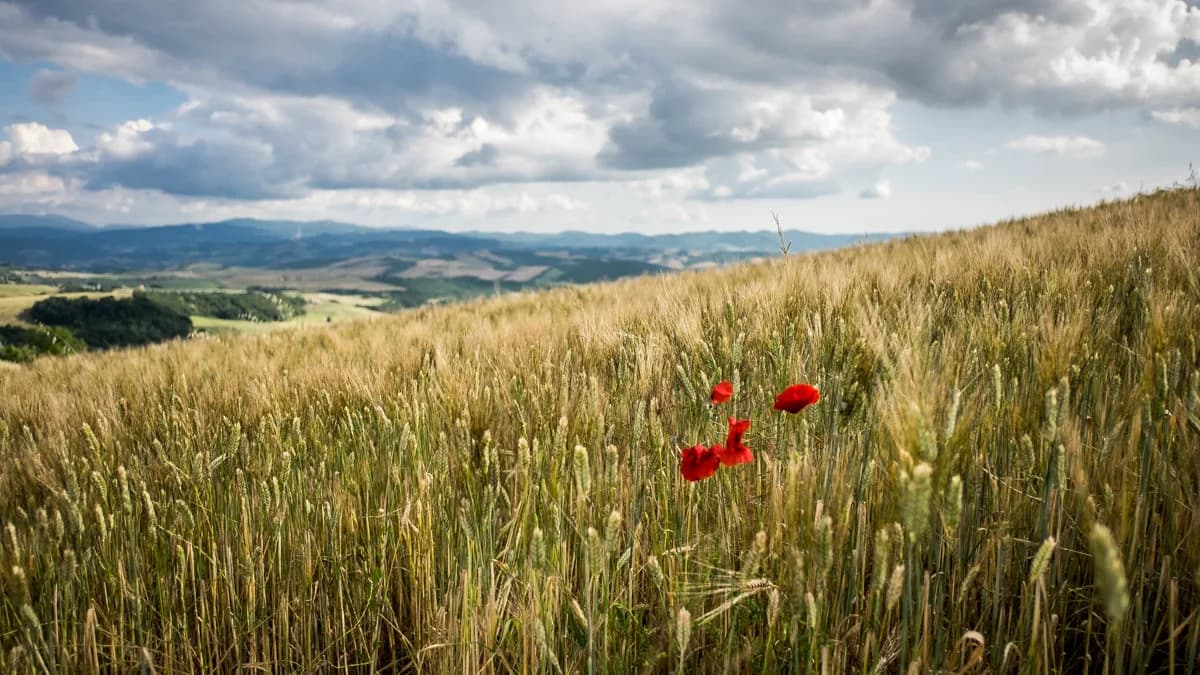
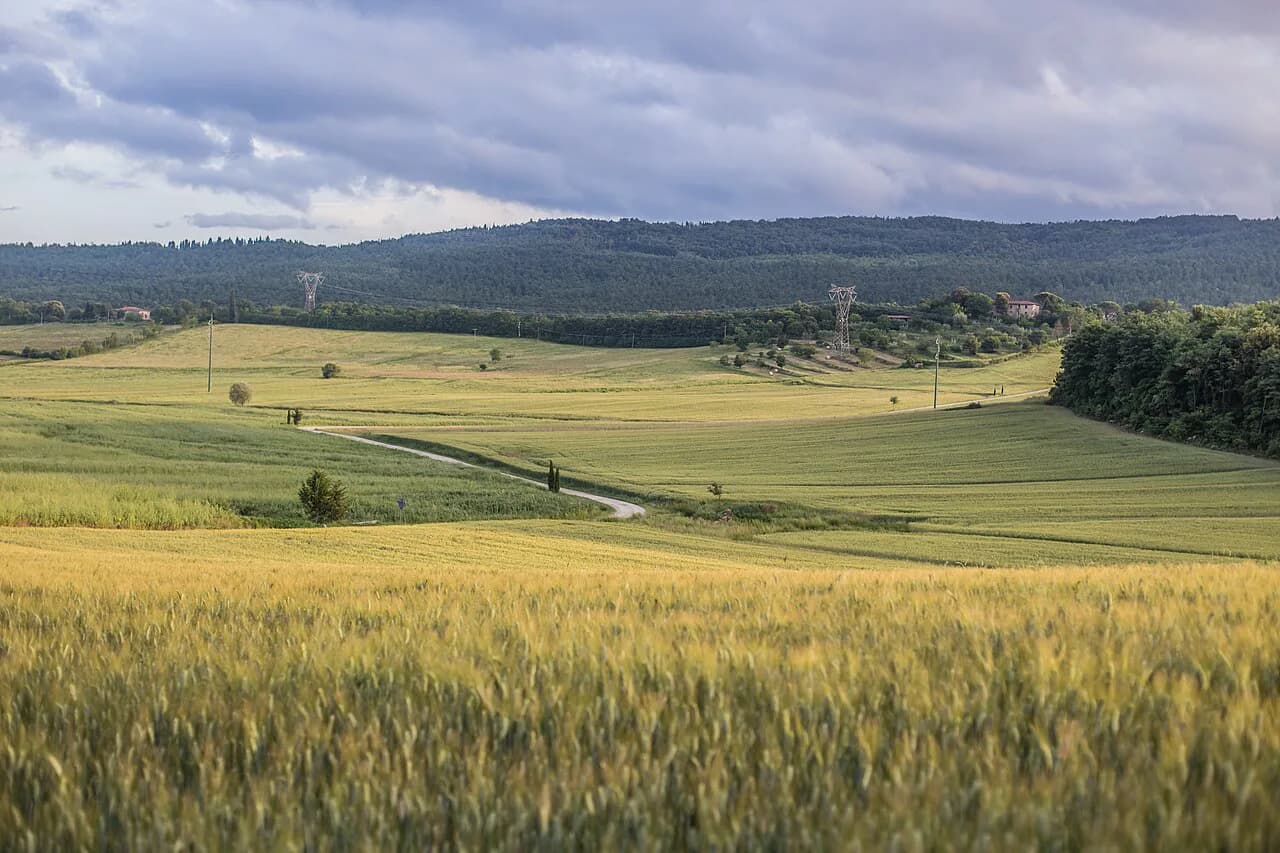
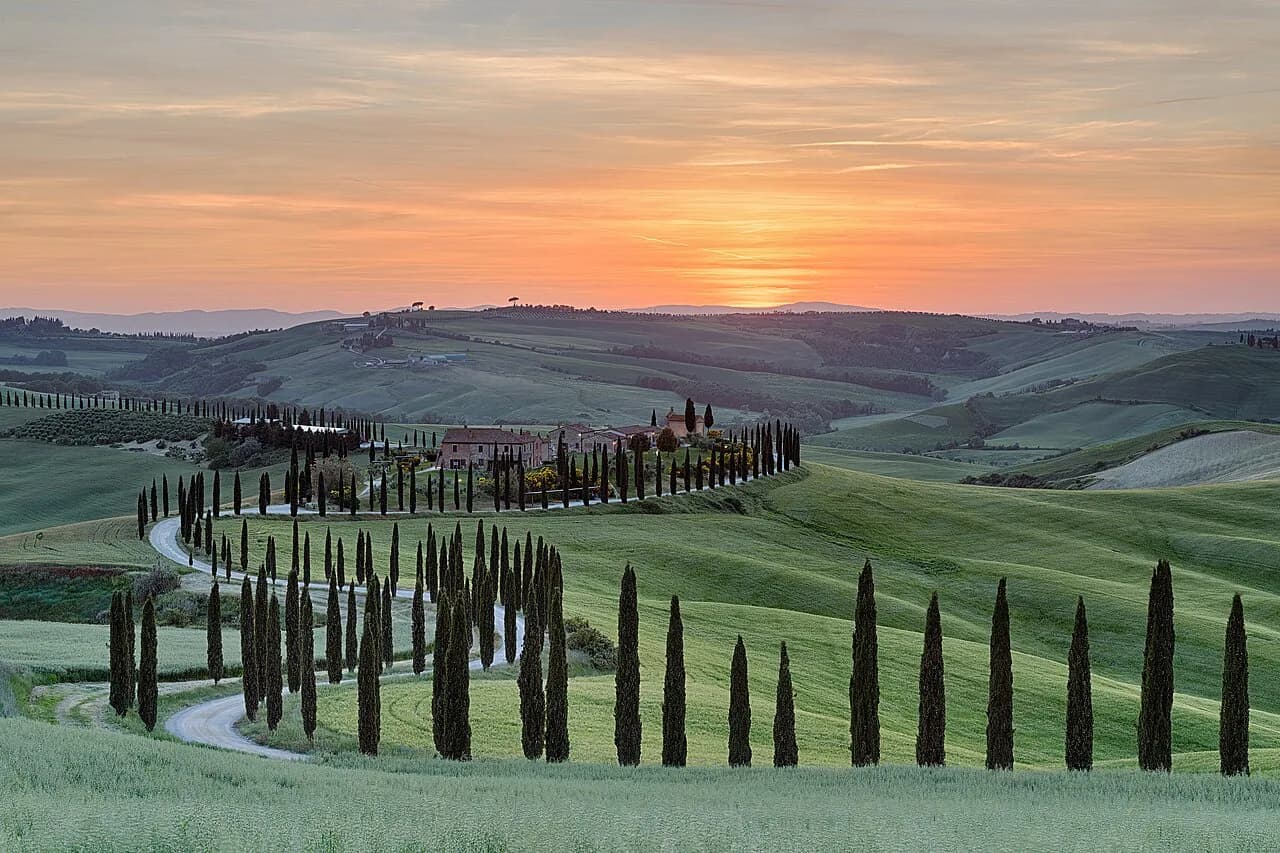
For countryside, Chianti and the Val d'Orcia give you hills, vineyards and evening light without city heat, and the Val d'Orcia in particular rewards early starts on its gravel roads. Our guide to Tuscany in April explains the same landscapes in their greener, quieter state if you are weighing a spring visit against a summer one.
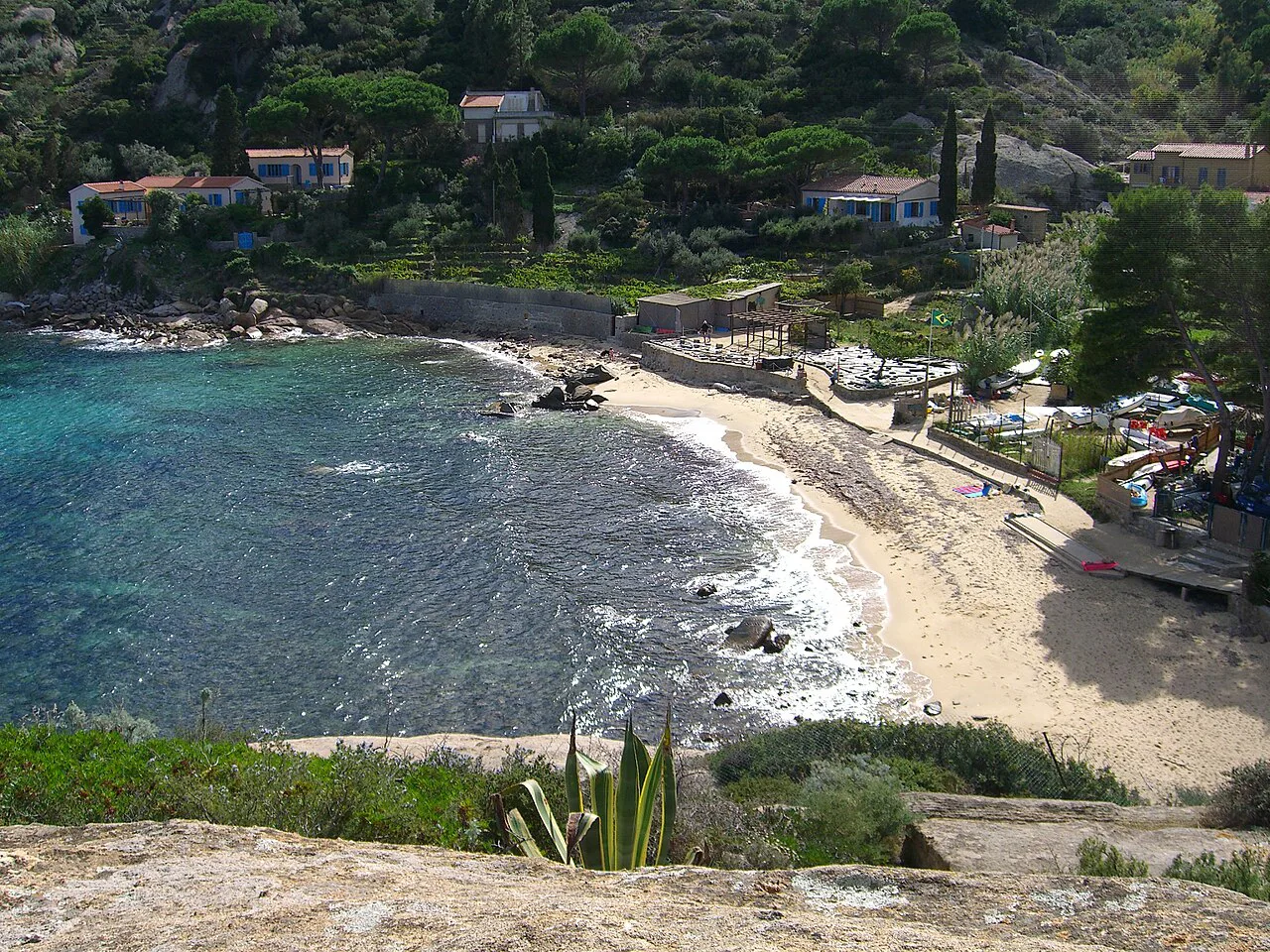
On the coast, the Versilia resorts around Viareggio and Forte dei Marmi and the wilder Monte Argentario peninsula offer sea air and long beach afternoons; Elba and Giglio are the island options and need a ferry booked ahead in high season. If you want a lake or a southern coast instead, our guides to Lake Como in June and the Amalfi Coast in June cover those alternatives.
Food and drink in season
June is a generous month at the table. Cherries and apricots are at their best, melon arrives to pair with prosciutto, and the first figs start appearing, alongside the tomatoes and salads that make hot-weather eating easy. Look for them at town markets, including Florence's Sant'Ambrogio, rather than only on restaurant menus.
Drink cool and local: a chilled Vernaccia di San Gimignano, a white from the coast or a young Chianti served slightly cool. The aperitivo hour before dinner is the best use of a June evening, whether on Lucca's walls, in a Siena piazza or overlooking the Val d'Orcia.
Crowds and prices
June is the start of high season, and the shift is noticeable. Florence and Siena are busy from mid-morning, weekends bring Italian and European visitors in volume, and the fortnight around St John's Day and the Pisa events is the busiest stretch of the month. Prices follow in words rather than numbers: accommodation and car hire climb as the month goes on, and late June is meaningfully dearer than early June.
The workaround is timing within the day. Book timed entry for the major galleries, eat lunch late when the streets thin, and give the blockbuster sights the first hour of the morning. Staying in a smaller town such as Lucca, Arezzo or a Chianti village gives you a calmer base within reach of the cities.
Honest drawbacks
The heat is real and builds through the month. Inland cities can feel stifling from early afternoon, the sun is strong at midday, and occasional thunderstorms break the pattern; by late June you are in summer, not spring. Many Italian rooms lack air-conditioning, so a hot night is a genuine possibility if you have not considered it when choosing where to sleep.
The sea is warm enough to enjoy but not yet at its late-summer peak, and the coast is busier at weekends than midweek. Add the practical friction of high season — fuller car parks, longer queues, harder restaurant tables on a Saturday night — and June rewards a little planning more than May does.
June or May? June or September?
Choose May if you want to walk cities all day, see Tuscany green and avoid high-season prices; the trade-off is cooler evenings and a higher chance of rain. Choose June if warm evenings, outdoor dining and long daylight hours matter more than cool sightseeing, and accept that Florence will be hot by mid-afternoon.
September is the connoisseur's alternative: sea still warm, crowds thinning, cities bearable again. June beats September only if you want the longest days, the feast-day events and the sense of a season opening up. For a wider view of how the month performs across southern Europe, see Where Is Warm in Europe in June? The Destinations That Deliver.
The verdict
Book early June for Florence, Siena and the countryside: warm days, fresh mornings and marginally thinner crowds. Book late June for the coast, Elba and Giglio, outdoor opera and long dinners outside, and expect high-season conditions. If heat in cities is a dealbreaker, shift to May or September and you will enjoy Tuscany more.
Whichever fortnight you choose, build the day around the temperature rather than against it, book the galleries and any ferry ahead, and leave room for the evenings, which are what June in Tuscany does best. Our broader look at where it is warm in Europe in April helps if you are still deciding whether to travel in spring or hold out for summer.
Frequently Asked Questions
What is the average temperature in Tuscany in June?
At Florence Peretola, the 1991–2020 climate normals give an average daily maximum of 29.05°C (84°F) and an average daily minimum of 16.01°C (61°F). Inland cities such as Florence and Siena run hotter than the coast and hill towns, so expect the days to feel warmer than the headline figure when you are walking in the centre.
Is June a good time to visit Tuscany?
Yes, if you want reliable warmth, long evenings and outdoor dining. Days are typically warm and rain is limited to around five days across the month. The trade-off is heat in the cities by mid-afternoon and the start of high-season crowds and prices.
Does it rain in Tuscany in June?
Rain is limited: the Florence normals show around 5.22 rain days and 44.8 mm across the month. What falls usually comes as a short, heavy shower or thunderstorm rather than a lost day, so keep one indoor option in reserve.
Is Tuscany too hot in June?
Inland Florence and Siena can feel hot from early afternoon, and late June is firmly summer. The coast, Monte Argentario and hill towns such as San Gimignano are gentler. If you want cool mornings for all-day city walking, May or September suits better.
Should I visit Tuscany in May or June?
Pick May for green landscapes, cooler city walking and lower prices, accepting cooler evenings and more rain. Pick June for warm nights, long daylight, outdoor opera and the Florence and Pisa feast-day events, accepting high-season crowds and afternoon heat.
What happens in Tuscany in June?
Florence marks St John's Day on 24 June with the Calcio Storicofinal in Piazza Santa Croce, and Pisa's Luminara di San Ranieri falls on 16 June, followed by the Gioco del Ponte over the last weekend. Republic Day on 2 June and the Palio delle Antiche Repubbliche Marinare on 3 June add to the calendar.
Sources
Spring sun notes
Optional updates when we add destinations and months.
You might also like
Continue reading
More guides you'll find useful