Best Time to Visit Thessaloniki: Month-by-Month Weather
The best time to visit Thessaloniki is late May to mid June or September, with warm days, lighter rain and calmer streets than high summer.
On this page
The best time to visit Thessaloniki is late May to mid June, or September, when daytime highs sit comfortably in the twenties and the waterfront fills with people in the evening. April works for museums, Byzantine churches and hilltop walks in the old town but keeps you in a jacket after dark, while July and August deliver genuine heat and the year's busiest streets.
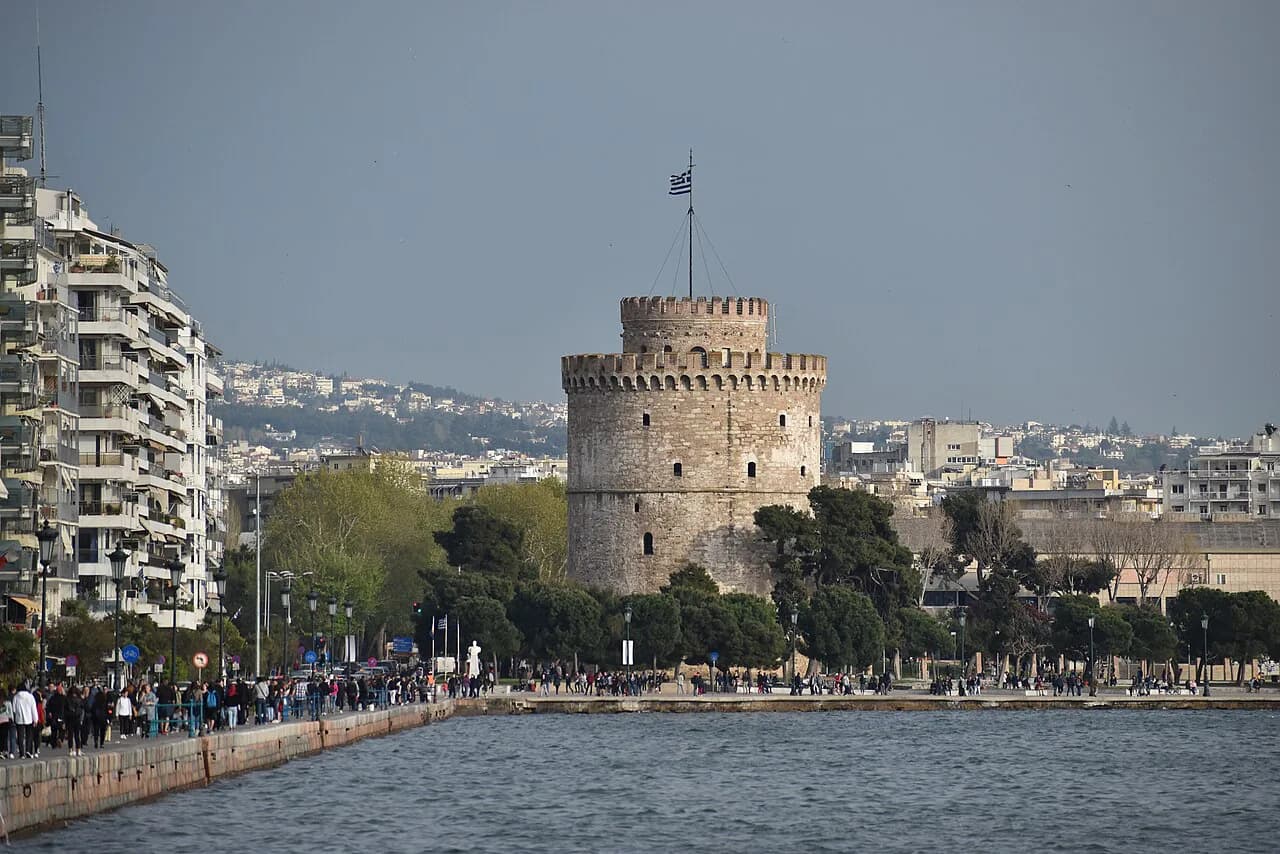
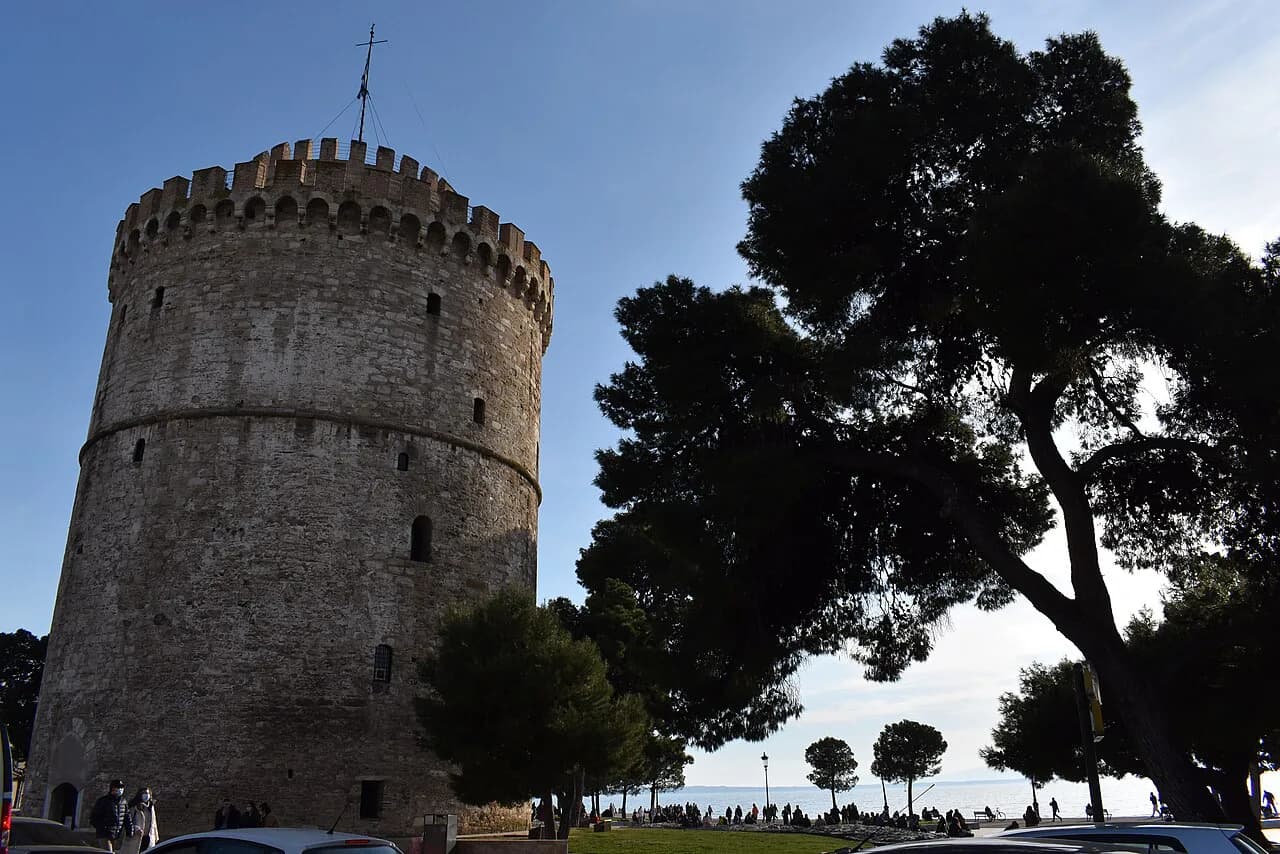
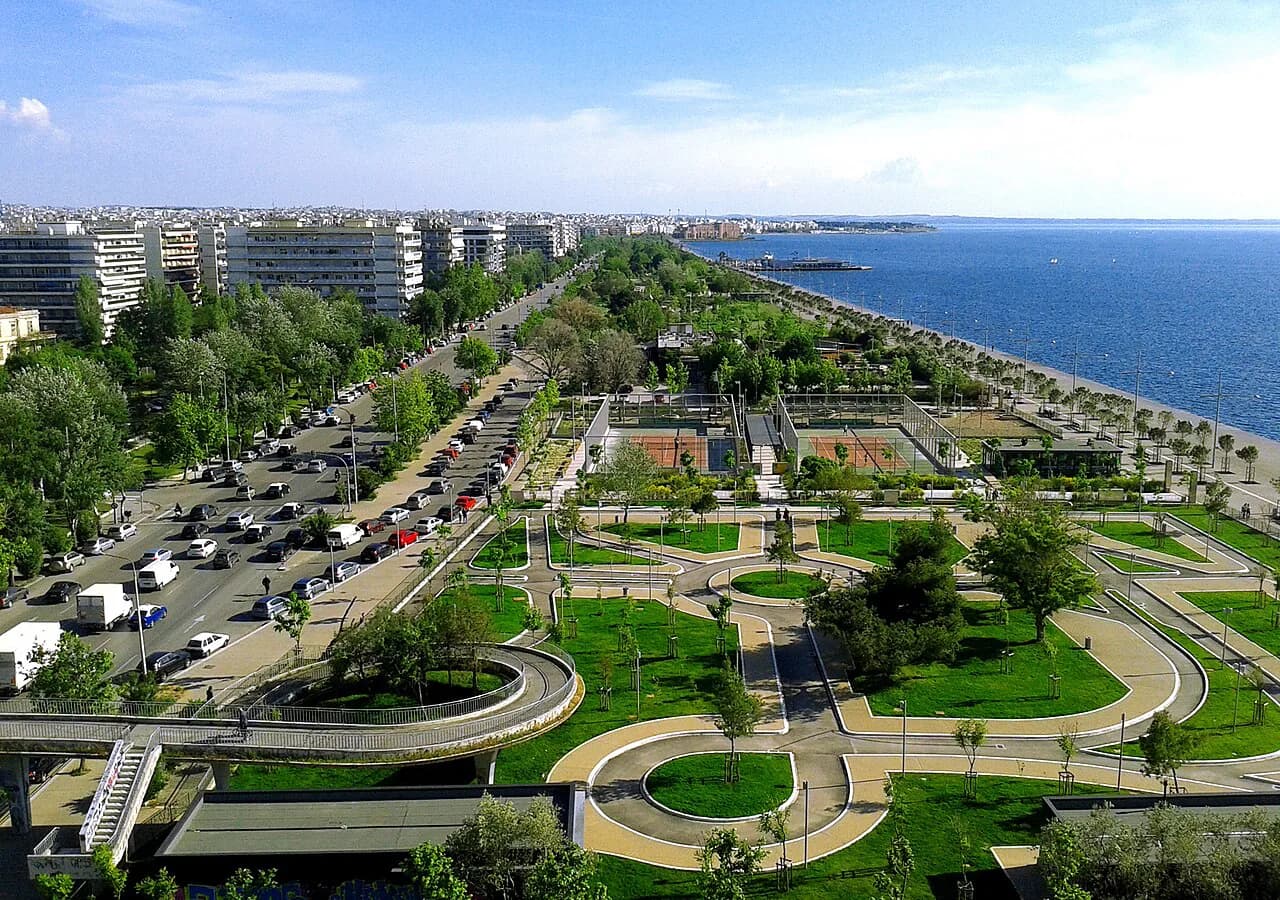
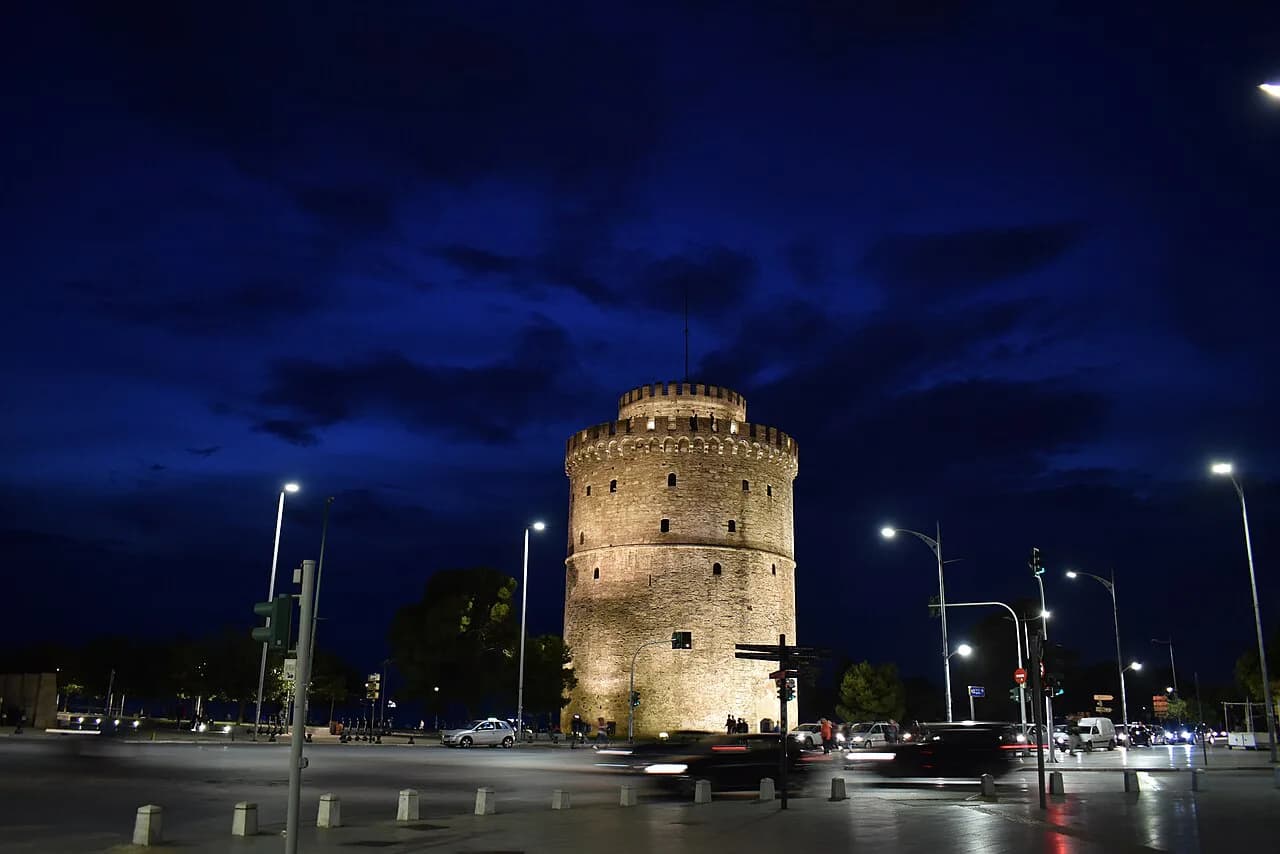
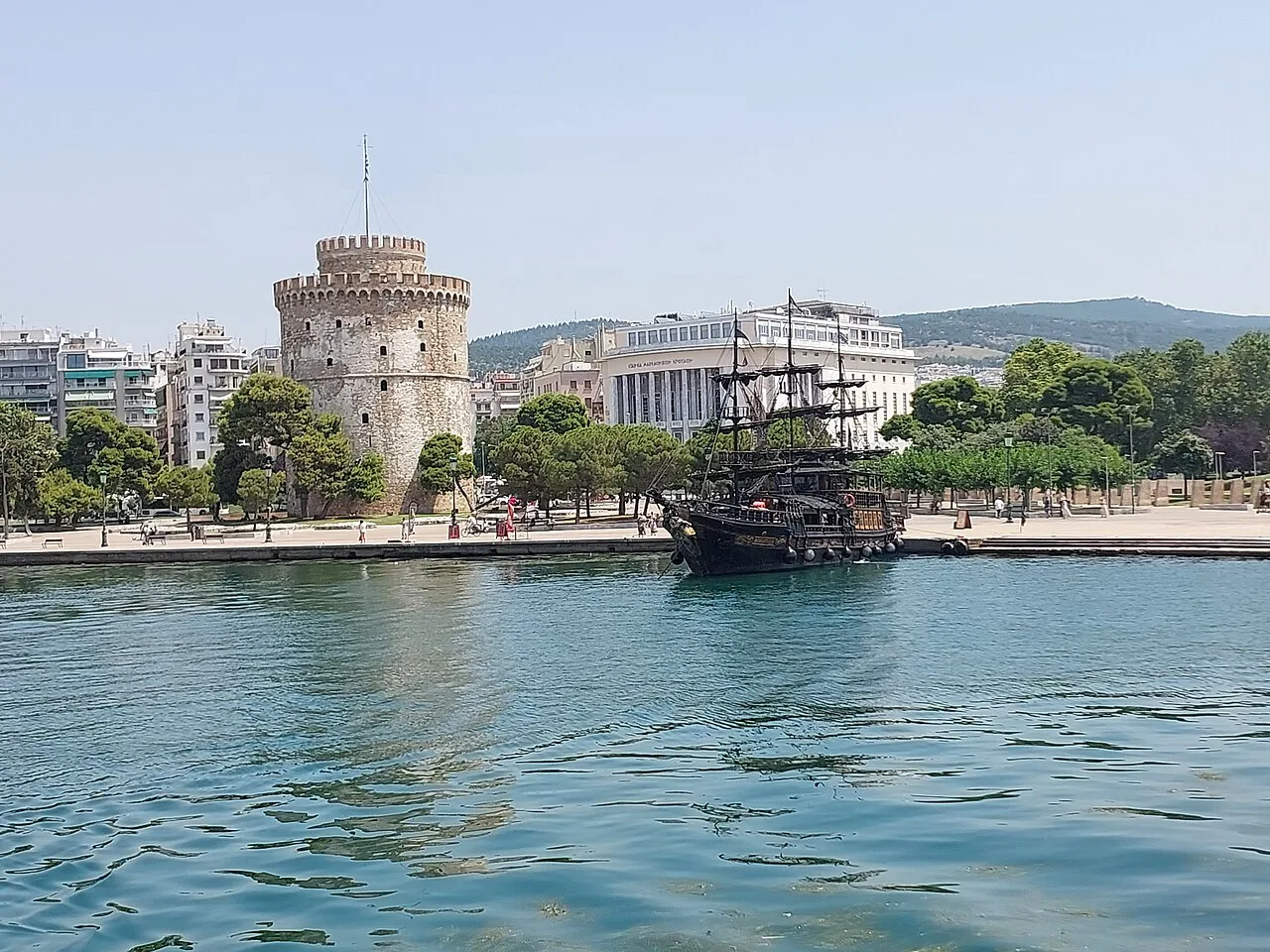
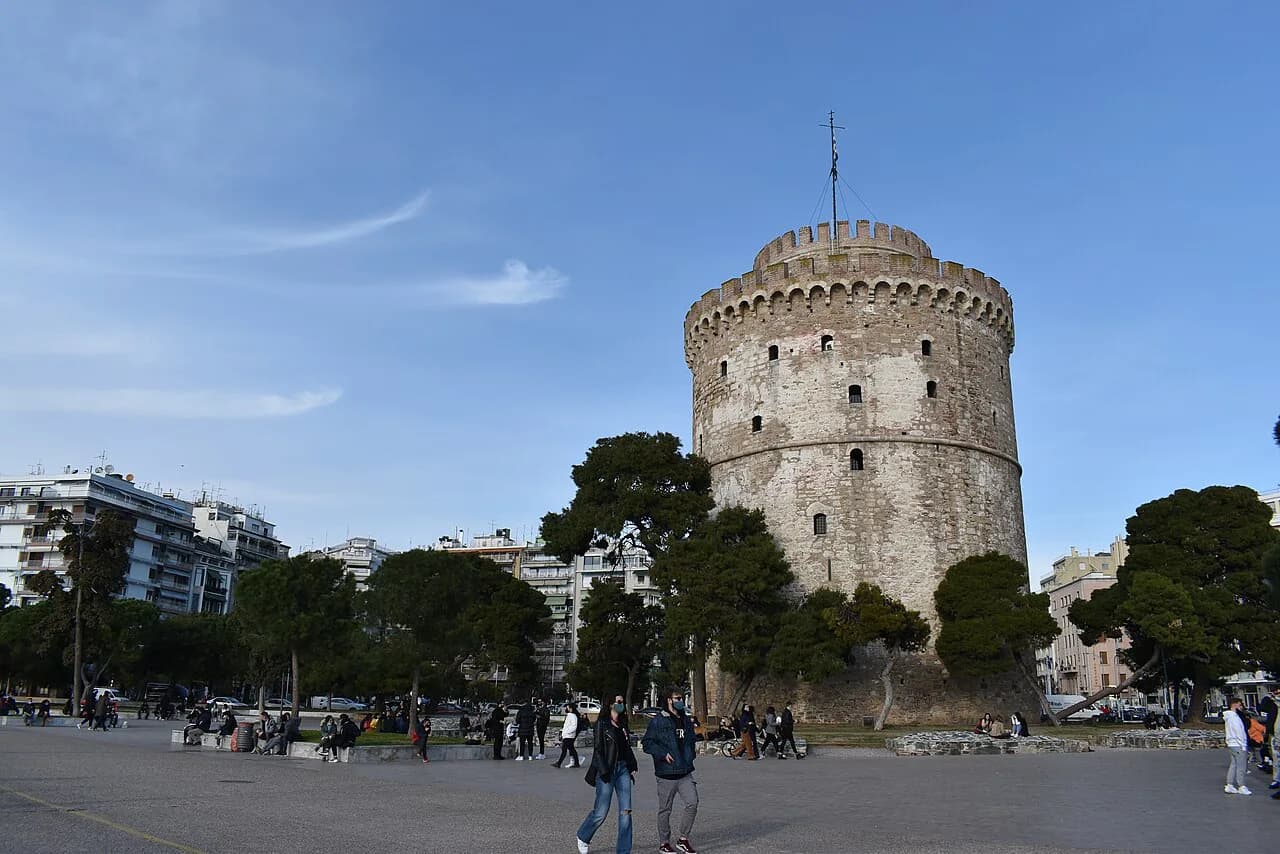
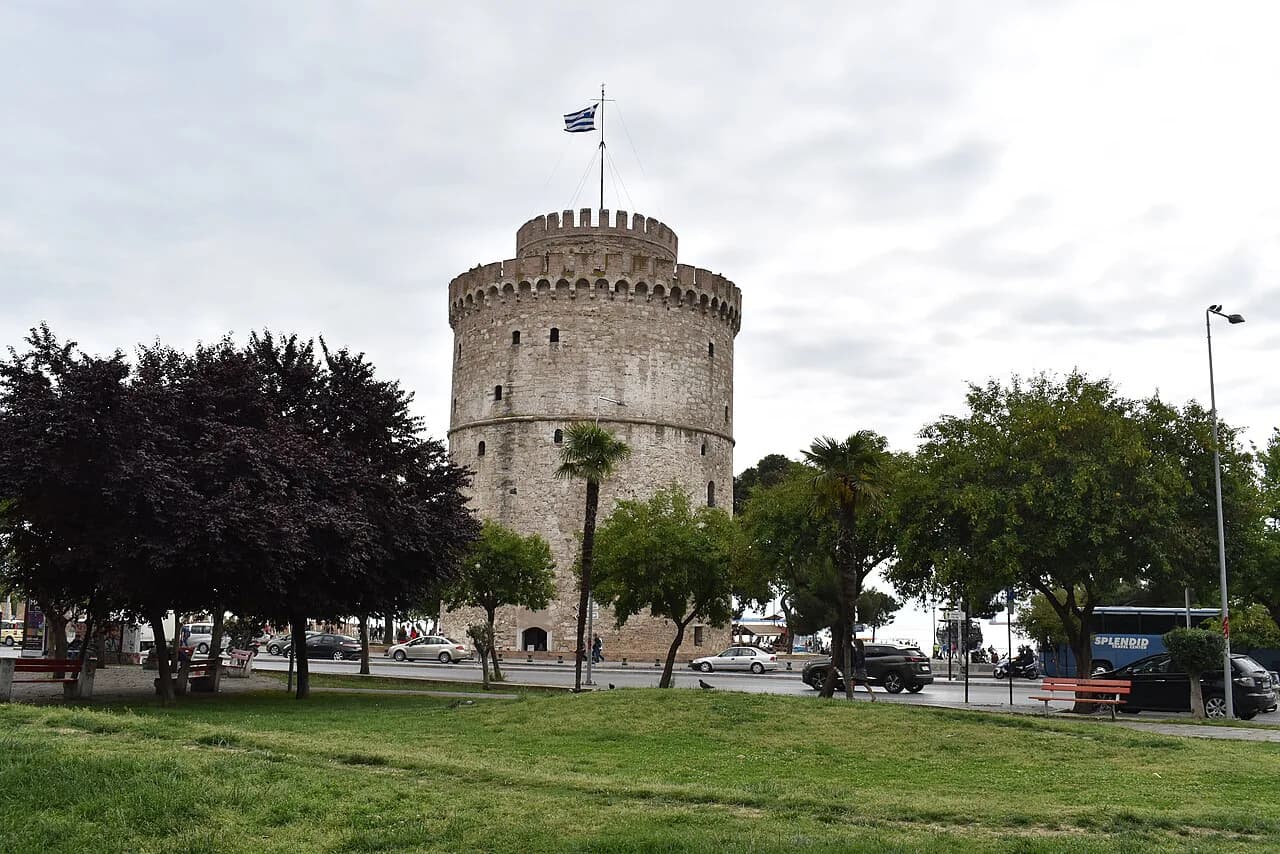
This is a city break rather than a beach trip: the draw is the White Tower and the seafront promenade, the Archaeological Museum and Museum of Byzantine Culture, the markets, and day trips to Mount Olympus or the Naoussa wine country. Pick your month around how much walking you want to do in the afternoon sun.
Weather in April
Hellenic National Meteorological Service normals for Thessaloniki airport, covering 1991 to 2020, put a typical April day at 19.3°C (about 67°F) and the night at 8.8°C (48°F). Rain-day records for the city, averaged over 1959 to 1997, show roughly 11 wet days and 37.5 mm across the month, so expect at least one washed-out afternoon in a week-long stay.
That mix suits sightseeing, museum-going and the climb through Ano Poli to the Byzantine walls, where the reward is views over the city and the gulf rather than a sunbathe. It does not suit outdoor lunches that stretch into the evening, and the sea stays cold enough that most people treat the waterfront as a promenade rather than a swimming spot.
Weather in May
May changes the equation: the same 1991 to 2020 normals give a typical high of 24.9°C (77°F) and a night of 13.7°C (57°F). The 1959 to 1997 rain-day series still shows about 11 wet days and 44.4 mm, but the extra warmth means a shower interrupts a good day rather than defining it.
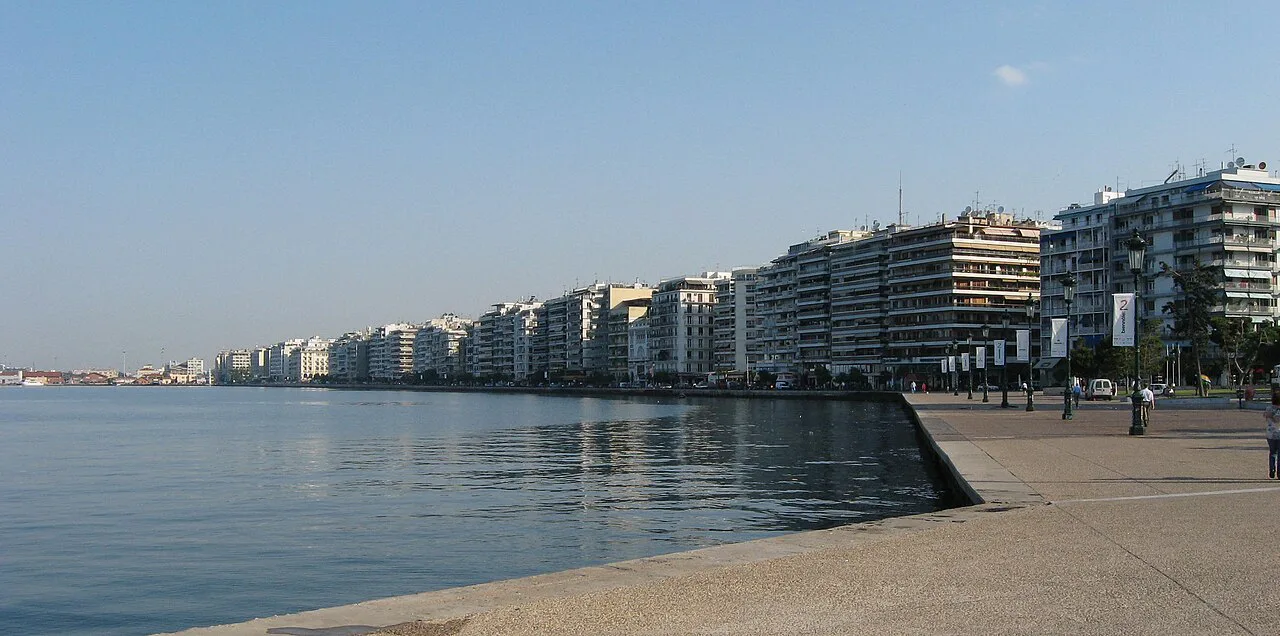
This is the month the seafront starts working for evenings: a table along the Thermaic Gulf waterfront or in Ladadika becomes the point of the trip, and the walk from the White Tower to Aristotelous Square is pleasant after dinner. Late May is noticeably better than early May for this, with the last week of the month the sweet spot.
Weather in June
By June the normals climb to 29.9°C (86°F) by day and 18.6°C (65°F) at night, with rain days falling to about 7.5 and 29.6 mm in the older series. Early June still feels like late May; the second half of the month starts to push you indoors at midday and shifts sightseeing to mornings and early evenings.
June suits travellers who want reliable outdoor weather and long evenings, and who accept that the afternoon is for air-conditioned museums, a long lunch or a siesta. If you want to walk the city all day without heat management, book the first ten days rather than the last.
April or May?
April gives you the quietest version of the city: short queues at the Archaeological Museum, space on the promenade and cheaper flights outside the Easter period. The trade-off is real, with cool evenings, a genuine chance of rain and the need for a jacket on the Ano Poli walk. If you are comparing Greek options and want something warmer, see where is hot in April across Southern Europe.
May costs more and is busier, particularly around the UK bank holidays and half term, but it rewards you with evenings outdoors and the option of a day trip to Mount Olympus or the Naoussa vineyards without spending it in a rain shell. For most city-break travellers the extra warmth justifies the higher price.
May and June Compared with March and High Summer
March is still a cool, unsettled month in Central Macedonia, so April and May represent a steady improvement rather than a step change. The jump from April to May is the one that matters, adding roughly five degrees to the afternoon high and changing what you can do after dinner.
July and August are hotter still, with the heat and humidity building through late June into a pattern where midday is best spent indoors. Those months also carry the year's highest prices and the densest crowds along the waterfront and in the old town, which is why late May to mid June and September offer better value for the same city.
Things to Do That Suit Each Window
In April, prioritise the indoor and shaded sights: the Archaeological Museum, the Museum of Byzantine Culture, the Rotunda and the Arch of Galerius, plus the market halls at Modiano and Kapani where olives, cheese and spices fill an hour or two. The uphill walk through Ano Poli to the Byzantine walls is at its best on a dry April afternoon.
From late May, move the outdoor pieces to the evening: the White Tower and Aristotelous Square waterfront, the cafés of Ladadika, and a seafood dinner in Kalamaria. Day trips also open up, with Mount Olympus about 90 minutes south, Lake Kerkini roughly the same distance north for birdwatching, and the Pozar thermal baths and Edessa waterfalls west of the city.
Crowds and Prices
April is the quietest of the viable months, with the Orthodox Easter period the main exception. May brings a visible bump around UK bank holidays and half term, and by late June the summer season is fully under way with higher room rates and busier restaurants along the waterfront.
Skyscanner's guide gives indicative costs for the city of around €15 for dinner, €5 for a beer and under €4 for a cappuccino, with a short taxi ride about €6. Treat these as a rough sense of level rather than a budget; menus and fares in Thessaloniki move with the season, so check the board outside before you sit down.
Honest Drawbacks
April evenings are cool enough to need a layer, and the rain can arrive in spells that last half a day rather than an hour. The sea remains cold well into spring, so anyone hoping to swim should look at later months rather than the April waterfront.
Late June brings heat and humidity that make long afternoon walks uncomfortable, and the city's geography, with hills behind the centre, means you feel it on the Ano Poli climb. If heat is a problem for you, choose late May or wait for September.
The Verdict
Book late May to mid June if you want warm evenings, outdoor dining and reliable conditions for day trips, accepting higher prices than April. Book April if quiet streets, low prices and museum time matter more than sunshine, and pack for cool evenings. Wait for September if you want the sea at its warmest with the summer crowds thinning out.
Plan Your Visit
Start with your priority: sightseeing and quiet in April, outdoor living and day trips from late May, or heat and long evenings in June. Check current entry requirements on the official UK government travel advice page before booking, and confirm opening hours with each museum or site you plan to visit.
Whatever month you choose, build the trip around mornings and evenings outdoors and the middle of the day indoors, and treat the waterfront as the spine of the visit from May onwards.
More Thessaloniki spring guides
Frequently Asked Questions
What is the best month to visit Thessaloniki?
Late May to mid June gives the best balance, with typical daytime highs around 25°C and evenings warm enough to sit outside. September is the other strong window, offering warm weather with fewer crowds than high summer.
Is Thessaloniki warm in April?
Typically yes by day, with an average high of about 19°C, but nights drop to around 9°C and rain is common. It suits sightseeing in a jacket rather than outdoor dining or swimming.
How hot is Thessaloniki in May?
Average daytime highs reach roughly 25°C, with nights around 14°C. Late May is noticeably warmer and better for evenings on the waterfront than the start of the month.
Is June too hot for sightseeing in Thessaloniki?
Early June is comfortable, but by late June daytime highs approach 30°C and afternoons become uncomfortable for walking. Shift sightseeing to mornings and evenings, or choose late May instead.
How often does it rain in Thessaloniki?
Spring records for the city show roughly 11 wet days in April and May, falling to about 7 or 8 in June, based on an older averaging period. Treat these as typical patterns rather than a forecast for your dates.
How many days is enough for Thessaloniki?
Three to four days covers the main museums, the waterfront and the old town at an easy pace. Add a day or two if you want a trip to Mount Olympus, Naoussa or the Pozar thermal baths.
Is Thessaloniki worth visiting?
Yes, particularly as a city break: Byzantine monuments, two strong museums, lively markets and a seafront promenade, with day trips into the surrounding region. It is not a beach destination, so plan accordingly.
Sources
Spring sun notes
Optional updates when we add destinations and months.
You might also like
Continue reading
More guides you'll find useful