Things to Do in Thessaloniki in June: City, Sea and Olympus
June in Thessaloniki brings hot middays, long waterfront evenings and day trips to Halkidiki or Mount Olympus. Here is what to do and how to pace the heat.
On this page
June is a good month for Thessaloniki if you want summer warmth without the peak-August crush, and if you are willing to build your days around the heat. Expect hot middays, warm evenings and a working city that stays lively long after the sightseeing crowds thin out. The trade-off is simple: sightseeing is best before eleven and after six, with the middle of the day spent in museums, under trees in Ano Poli or over a long lunch.
This is Greece's second city rather than an island resort, which changes what June feels like. Travel writing from late June describes temperatures in the upper thirties and a city that comes alive after sunset, with locals rarely sitting down to dinner before half past eight. If your idea of a spring trip is gentle walking weather, April or May is the better fit; June rewards early starts and long evenings. Thessaloniki in april has the full picture.
Why June Suits Thessaloniki
Thessaloniki's appeal in June is not a beach holiday in the resort sense. It is a city of Roman ruins, Byzantine churches, excellent museums and a seafront promenade, all of which work best in the cooler hours, plus a long coastline and mountain hinterland for day trips. The city keeps its everyday life going through the summer, so the centre stays busy with locals rather than emptying into a tourist-only shell.
June also extends your usable day at both ends. Sunrise comes early enough for a walk along the waterfront before the heat builds, and the light lasts well into the evening, when the promenade and the squares fill up. That rhythm suits couples and older travellers who prefer an evening stroll to a midday march, and it suits families who can use the middle of the day for a pool or a siesta.
How Hot June Gets
Treat June as high summer in the city rather than late spring. One traveller's account from the end of June records temperatures in the upper thirties Celsius, and notes that exploring much beyond the early and late hours was uncomfortable. That is an anecdote rather than a normals figure, so for the official monthly averages check the climate pages of the Hellenic National Meteorological Service before you book.
Practically, the pacing matters more than the number. Book museums and indoor sights for the hot middle of the day, keep the waterfront, Ano Poli and the markets for morning and evening, and treat any long walk as a two-part outing split by lunch. The source account is blunt on this point: walking around in the midday heat is the thing to avoid.
Early vs Late June
Late June is noticeably busier and hotter than the first week. Greek schools and northern European holidays start to overlap with the end of the month, the seafront gets crowded in the evening, and Halkidiki beaches fill on weekends. Early June gives you slightly softer temperatures and easier tables, at the cost of a few places still finding their summer footing.
The same traveller noted that in late June some places still looked as if the city was getting ready for high season, with a handful of venues closed. That is a reason to favour the established sights and long-standing tavernas over anything new or seasonal. For the full month-by-month comparison, our guide to the best time to visit Thessaloniki sets April, May and June side by side.
Walk the Waterfront: White Tower, Umbrellas and Sunset
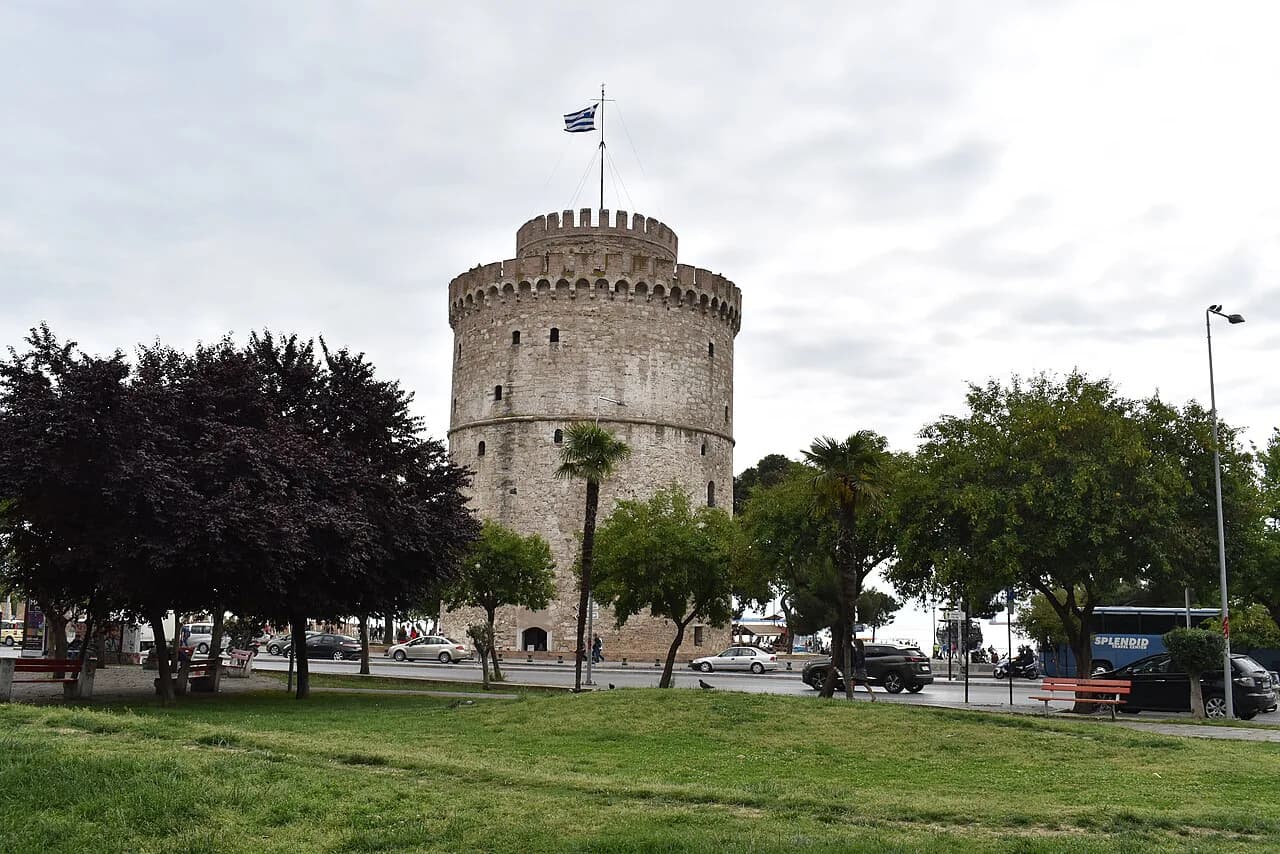
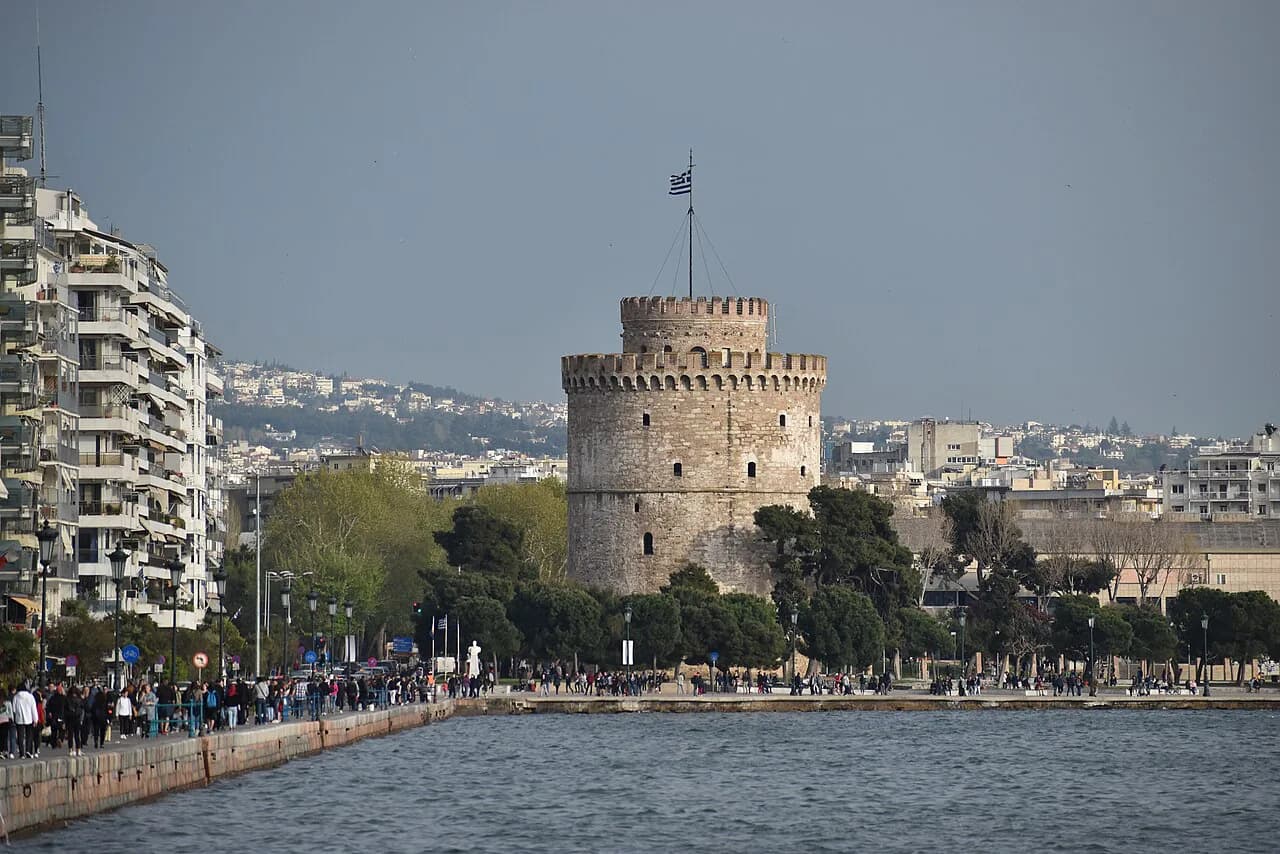
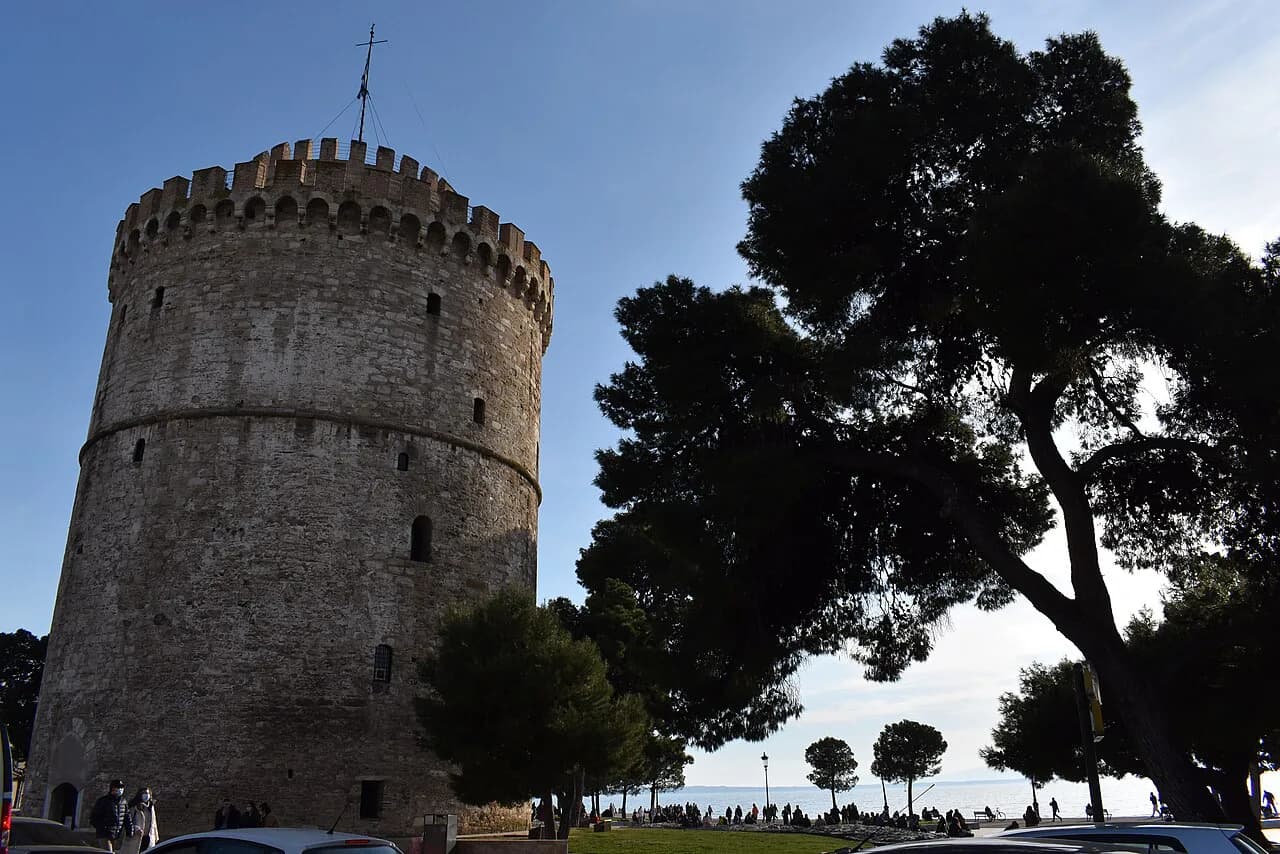
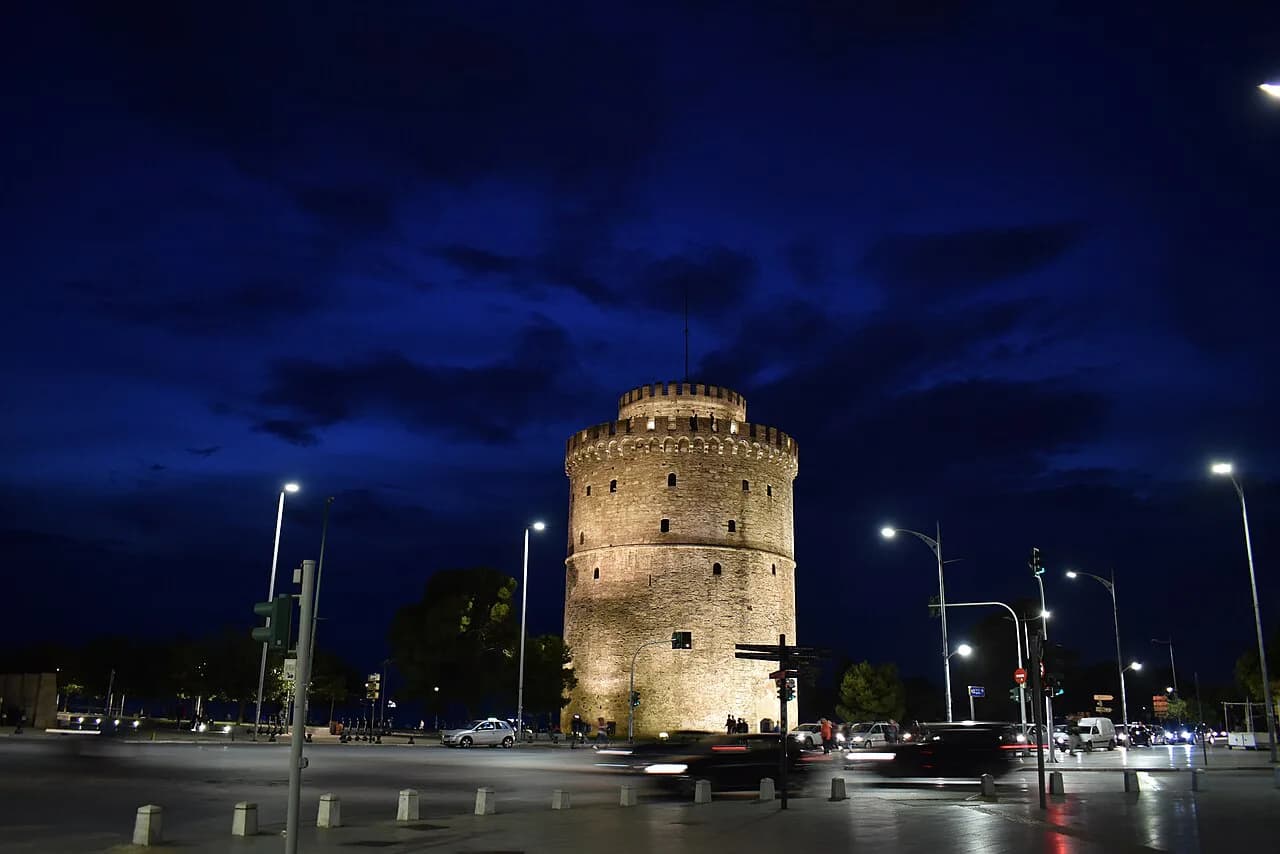
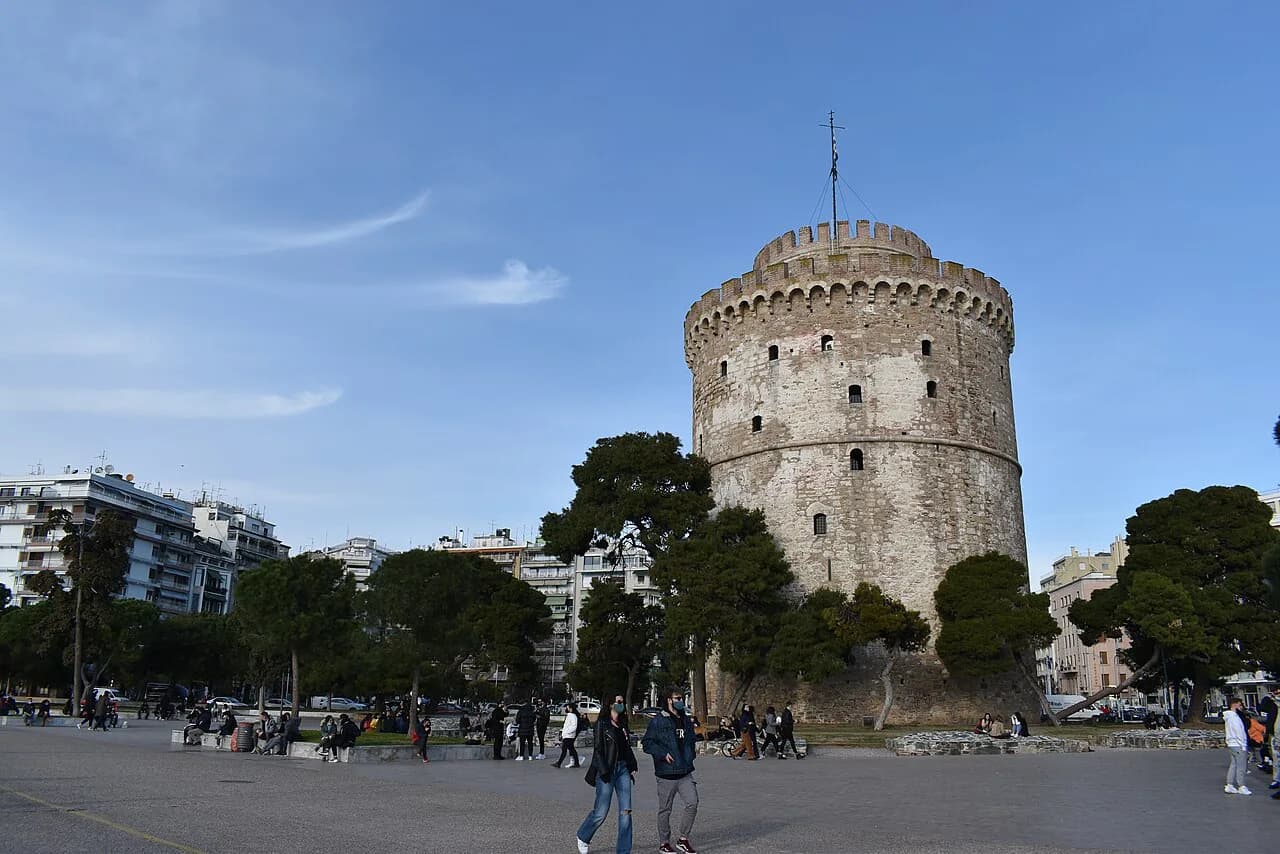
Start with the White Tower, the city's emblem, where the top floor gives you the panorama of the Thermaic Gulf and the hills of Ano Poli behind the centre. The observation level is the reason to climb; the small museum inside is modest. Aim for the last hour before sunset rather than midday, when the exposed top is at its hottest.
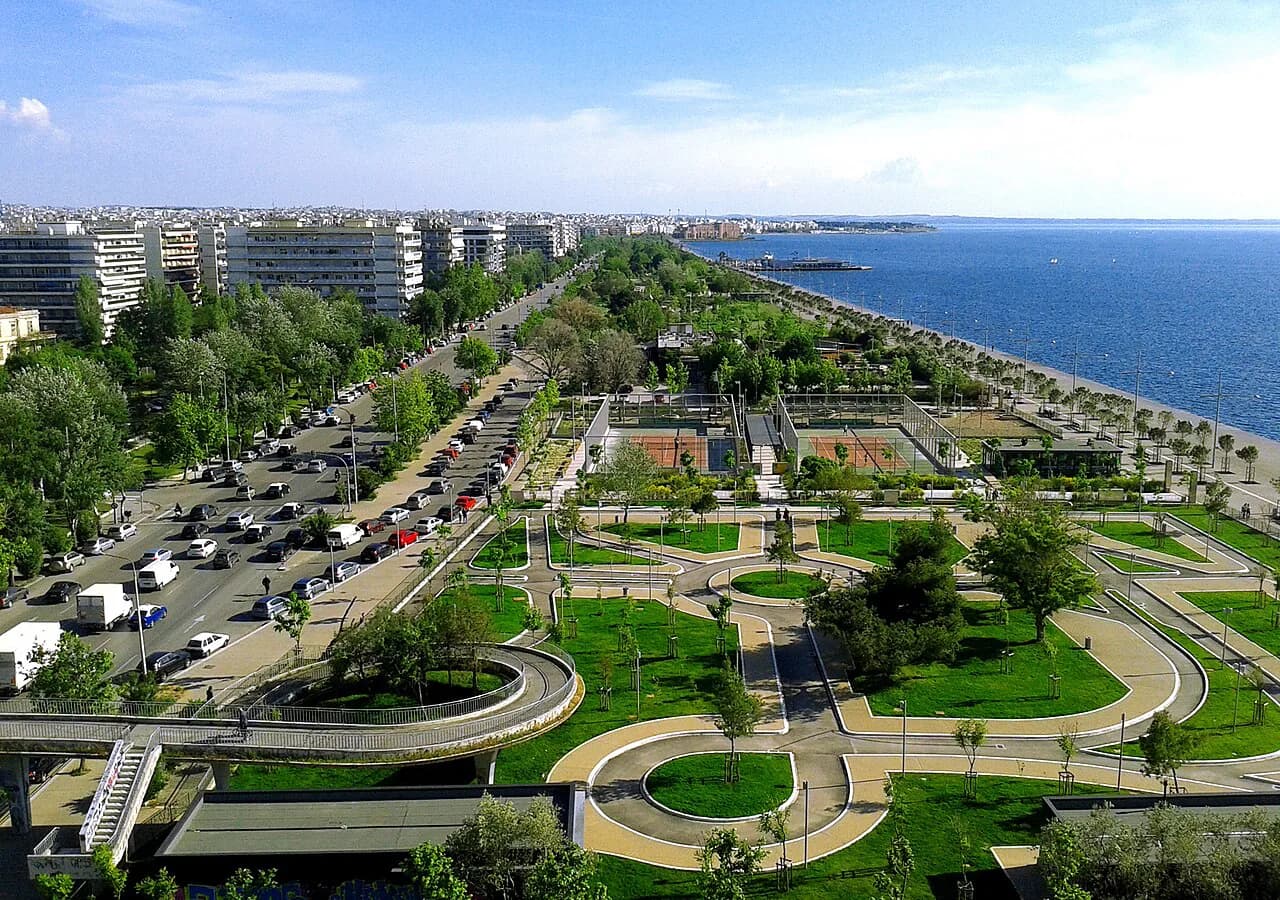
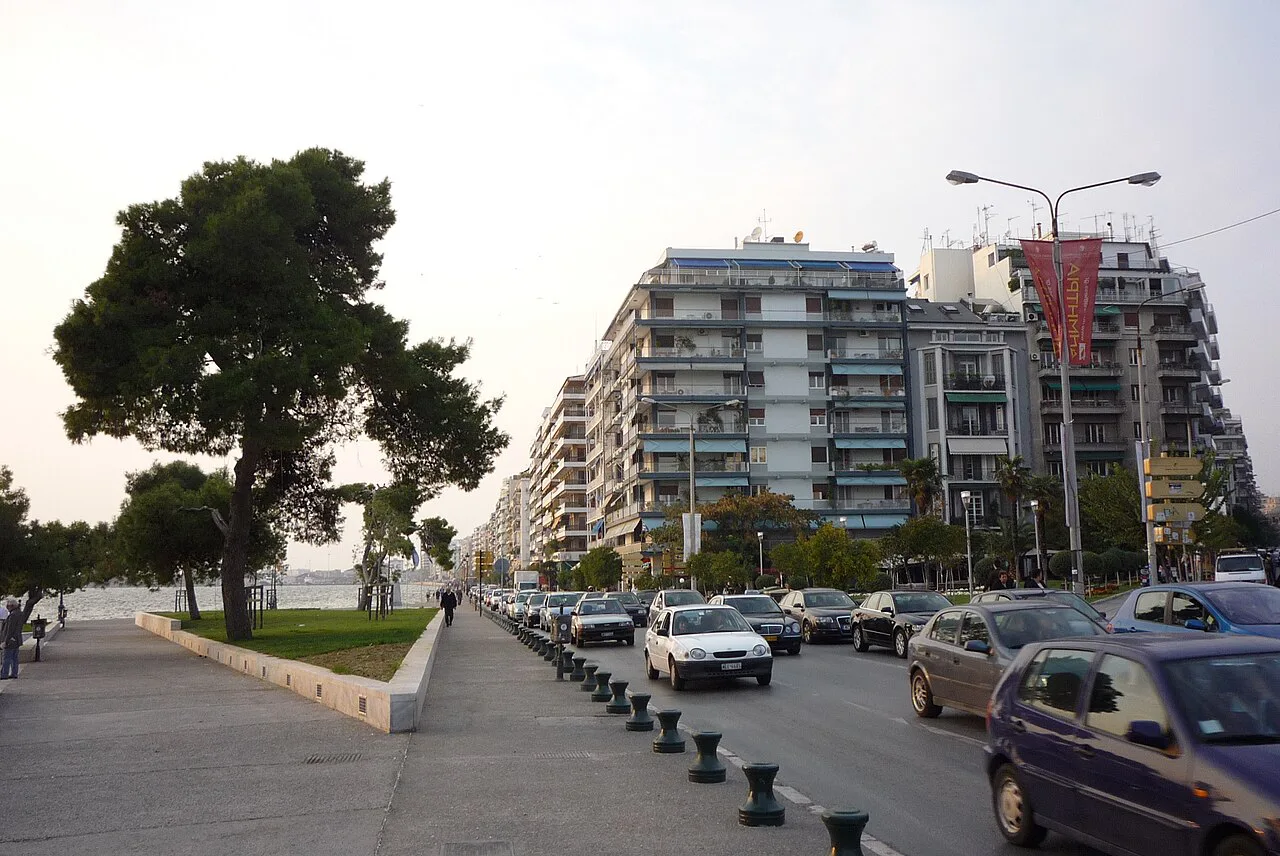
From the tower, follow the promenade past the Umbrellas, George Zongolopoulos's stainless-steel installation from 1997, which is at its best after dark when it is lit. The seafront here is the city's living room in June, and the walk between the tower, Aristotelous Square and the beach bars further south is the easiest way to spend an evening.
For sunset itself, the beach bars along the southern waterfront are the local habit. Kitchen Bar and Thermaikos Bar are both named as reliable spots for a drink as the sun goes down over the water, so book or arrive early if you want a sea-facing table on a warm Friday.
Roman and Byzantine Thessaloniki in a Day
The Roman core is compact and walkable. The Arch of Galerius, built in the early fourth century, still carries its carved reliefs, and the Rotunda a few steps away is one of the best-preserved Roman buildings in Greece, with a dome over thirty metres high. Check the Rotunda's official opening hours before you go, since the site closes one day a week and keeps shorter winter hours.
Pair those with the city's Byzantine churches. Hagia Sophia, an eighth-century church, is free to enter and open from 7 AM to 9 PM daily, and the Church of St. Demetrios, built over a Roman bath house, holds mosaics and a crypt and is open from 6 AM to 10 PM. Both are working places of worship, so dress and behave accordingly, and visit early or late rather than in the middle of a June afternoon.
If you want depth on the period, the Museum of Byzantine Culture is the strongest single stop, with sixth-century mosaics and a collection that runs from the early Christian era to the Ottoman centuries. It is also a sensible refuge during the hottest hours, and pairing it with the archaeological collection nearby fills a whole midday block.
Museums for the Hottest Hours
The Archaeological Museum of Thessaloniki is the obvious first choice for the middle of the day: it holds the Derveni Krater and the Vergina Sun among a collection that runs from prehistory to late Rome, and it is big enough to absorb two hours in air-conditioned comfort. It sits close to the White Tower, so you can combine an early tower climb with a late-morning museum visit.
Beyond the big two, the city has smaller collections that suit a hot afternoon, including the Jewish Museum, the Cinema Museum and the Atatürk Museum in the house where the founder of modern Turkey was born. The Atatürk house is run by the Turkish Republic, involves a security check at the door, is free to enter and opens 10 AM–5 PM, closed Mondays.
Ano Poli and the Upper Town Walk
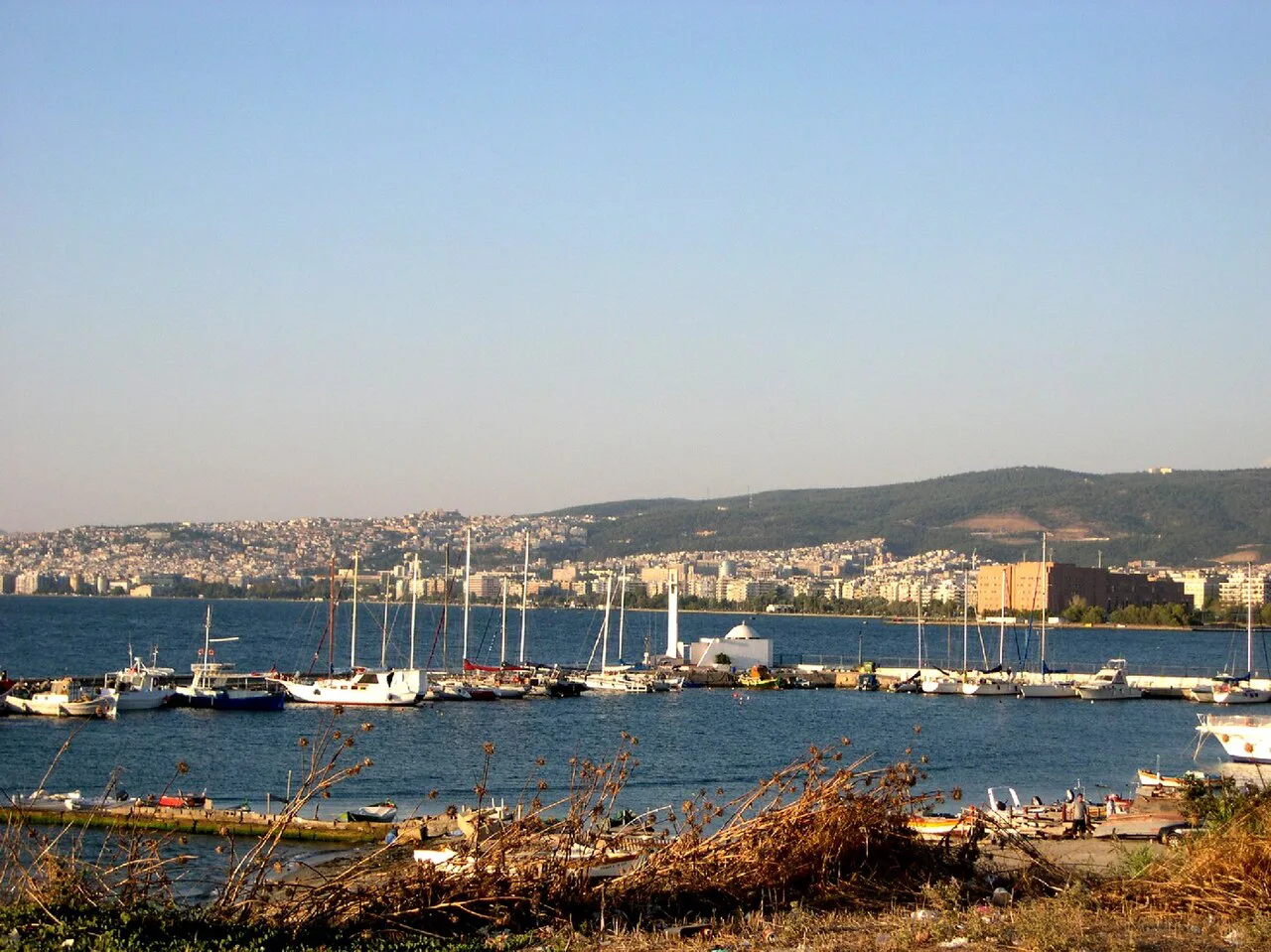
Ano Poli, the upper town, is the best place in the city to escape the heat and the crowds at the same time. Its cobbled lanes climb through Byzantine walls, Ottoman houses and small churches, including the Church of Prophet Elijah with its red dome and the frescoed Saint Nicholas Orphanos. Go in the morning while the stone is still cool and the light is good for photographs.
The climb ends at the Byzantine acropolis and the Trigonion Tower, which gives you the view back over the whole city and the gulf. It is a proper walk uphill, so take water and allow a couple of hours rather than treating it as a quick detour. Vlatadon Monastery, near the top, is a quiet pause with a view over the rooftops.
For a gentler version of the same district, join a guided city walk that handles the navigation and the history in one go. Our guide to things to do in Thessaloniki in May covers the same upper-town route in cooler weather, which is useful if you are weighing the two months, and Thessaloniki in May also sets out how the season opens before the summer rush.
Ladadika and the Markets
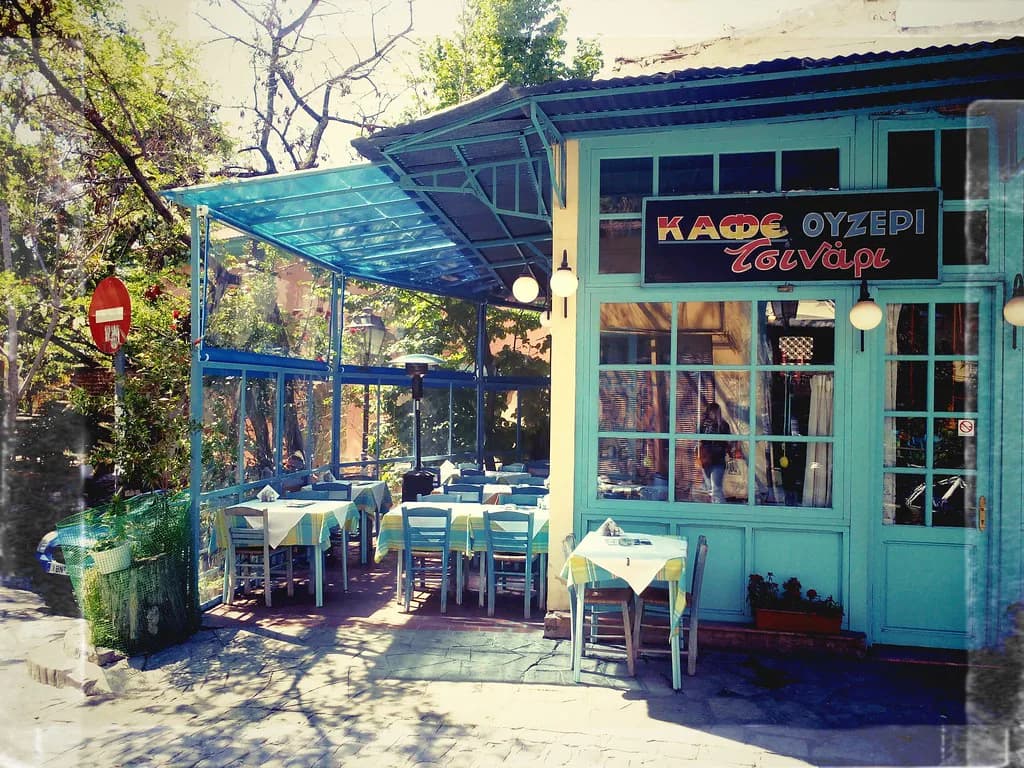
Ladadika, the old quarter near the port, is where the city eats and drinks in the evening: tree-lined streets, coffee shops and traditional tavernas in converted warehouses. It suits June because it comes alive after dark, when the temperature drops and the tables spill outside. Come hungry and late, in keeping with the local rhythm.
By day, the Modiano and Kapani markets near Aristotelous Square are the place to see the city's food trade at work: olives, cheeses, spices and whatever is in season. Go in the morning before the heat settles, buy picnic supplies, and eat them somewhere shaded rather than carrying them around.
Thessaloniki is often called the foodie capital of Greece, and June is a good month for it: tomatoes, peppers and aubergines are at their best, and seafood suits a long evening table. Meze with ouzo, grilled fish and the local bougatsa for breakfast are the things to build a day around. Our Thessaloniki in June month guide covers the weather and crowds in more detail.
Halkidiki Beaches as a Day Trip
Halkidiki's three fingers are the closest proper beaches to the city, and Sithonia, the middle finger, is the one locals recommend for the best sand and water. Spathies is a good target: a small sandy cove under pine trees with shade, reached by a narrow road past a beach club. Further south, the beaches around Sarti are the classic full-day option.
Budget the drive honestly: reaching the Halkidiki beaches takes roughly an hour and a half to two hours each way from the city, which turns a beach day into a long one. Renting a car gives you the most freedom, but note that rental desks may sit a short shuttle ride from the airport rather than in the terminal. For a shorter dip, the city's own waterfront beaches work fine for a late-afternoon swim.
Mount Olympus, Dion or the Epanomi Shipwreck
Mount Olympus and the archaeological site at Dion make a strong alternative to the coast, with cooler air on the lower slopes and the old Macedonian sanctuary at the foot of the mountain. Hiking the Agia Kori trail or canyoning on Olympus are the active options for fitter travellers, but both need a guide or good planning and should not be treated as casual add-ons.
On the other side of the gulf, the Epanomi shipwreck is a half-buried hulk you can reach by car with a short walk, or approach from the water on a boat trip with snorkelling. It is a shorter commitment than Halkidiki and easy to combine with a swim. The nearby village of Plaka has clear water but a scruffy beach, so go for the wreck rather than the town.
Meteora as a Long Day Trip
Meteora's monasteries on their rock pillars are reachable as a very long day from Thessaloniki, and organised full-day bus trips run from the city. It is worth being clear-eyed: this is a lot of driving for one day, and June heat makes the monastery steps harder. If Meteora matters to you, give it a night rather than squeezing it into a day.
The alternative is to keep the day trip closer and use the saved time on the city. A June trip with one Halkidiki beach day, one Olympus or Dion day and three city days is a better-balanced itinerary than trying to add Meteora on top.
Crowds and Prices in June
June in Thessaloniki is busy but not packed. This is a working city first, so the summer crowds are lighter than on the islands, and prices stay moderate by Greek high-season standards even as they rise through the month. The Greek school holidays and the approach of July push things up in the last week.
Check admission fees and opening hours on the official site for each museum or monument before you commit a day to it, because published hours shift between seasons and the archaeology museums run extended evenings on certain days. For comparison with the wider region, see where is warm in Europe in April if you are still deciding on dates, or look at the Thessaloniki in April guide for a cooler version of the same city.
Is It Too Hot? The Honest Drawbacks
Yes, June can be too hot for some travellers. The upper-thirties readings at the end of the month make long walks unpleasant, and the city's concrete centre holds the heat into the evening. If you want all-day sightseeing on foot, April or May is the better month; if you can split your days and use the sea and the museums, June works well.
The other drawback is that the city is not a beach resort. The water in the gulf needs a bus or car ride, the nearest good beaches are in Halkidiki, and the seafront in the centre is more for promenading than swimming. Anyone expecting an island-style June will be disappointed; anyone wanting a cultured city with long evenings will not.
June or September?
June brings long days and the sense of the season opening, with the waterfront at its most alive and the long evenings at their best. If your priority is comfortable walking rather than maximum daylight, an earlier or later month will suit you better.
If you are weighing earlier months instead, our guide to things to do in Thessaloniki in April covers a much cooler city with fewer visitors, and the Thessaloniki in spring overview pulls the whole season together.
Plan Your Visit
Plan June around two or three city mornings, a long museum midday, and evenings on the waterfront. Add one Halkidiki beach day and one Olympus or Epanomi day, and you have a balanced week rather than a forced march through the heat.
Book the big sights and any boat trip ahead, check official hours for the Rotunda and the museums before you go, and keep your itinerary flexible for the first really hot spell. For the month in full, read Thessaloniki in June; for official entry rules check the UK or US government travel page once before you travel.
More Thessaloniki spring guides
Frequently Asked Questions
What is the weather like in Thessaloniki in June?
June is hot and mostly dry, with the warmest conditions arriving at the end of the month. Accounts from late June describe temperatures in the upper thirties Celsius, and the city holds the heat into the evening. For official monthly normals, see the Hellenic National Meteorological Service climate pages.
Is June a good time to visit Thessaloniki?
It is a good month if you want summer warmth, long evenings and a lively waterfront, and you are happy to sightsee early and late. If you want to walk the city all day in comfortable temperatures, April or May suits better. The middle of the day is best spent in museums or over a long lunch.
How many days do you need in Thessaloniki?
Three full days covers the Roman and Byzantine centre, the museums, Ano Poli and an evening in Ladadika. Add a day each for a Halkidiki beach trip and for Mount Olympus, Dion or the Epanomi shipwreck if you want them. Meteora deserves an overnight rather than a day trip.
Can you swim near Thessaloniki in June?
The city's own waterfront is better for walking than swimming. For a proper beach day, head to Halkidiki, where Sithonia's coves such as Spathies offer sand and shade under the pines, though the drive takes roughly an hour and a half to two hours each way. The Epanomi shipwreck area is a shorter alternative.
Is Thessaloniki too hot in June?
For some travellers, yes. Late June can reach the upper thirties Celsius, which makes midday walking uncomfortable. Pace your days with early starts, indoor museums through the hottest hours and evening sightseeing, and it becomes manageable. Anyone who wants all-day walking should choose April or May.
What day trips can you do from Thessaloniki in June?
The realistic options are the Halkidiki beaches, Mount Olympus and the Dion archaeological site, and the Epanomi shipwreck. Meteora is possible on a long organised bus day but is better with a night's stay. All of these need a car, a tour or a bus, so plan transport in advance.
Is Thessaloniki busy in June?
It gets busier through the month without reaching island-level crowds, because Thessaloniki is a working city first. The last week of June, when Greek school holidays begin, is the busiest. Prices stay moderate by Greek high-season standards, though they rise towards July.
Sources
Spring sun notes
Optional updates when we add destinations and months.
You might also like
Continue reading
More guides you'll find useful