Thessaloniki in Spring: March, April, May and June
Spring in Thessaloniki runs from cool, showery March to properly hot June. Here are the normal highs, lows and rain days, and which month suits your trip.
On this page
Thessaloniki in spring gives you a workable city break from March onwards, but the month you choose changes the trip completely. April is the sweet spot for walking and day trips, May brings the first properly warm terraces, and June is early summer heat rather than spring freshness.
The figures below are typical conditions, not forecasts: the Hellenic National Meteorological Service publishes long-term normals for its Thessaloniki airport station. Expect a cool, breezy waterfront city rather than an island beach base, and plan the month around sightseeing and food rather than swimming.
Spring in Thessaloniki at a Glance
March is a city month: changeable, often grey, and better suited to museums, covered markets and long lunches than to hilltop views. April is the balance point, with mild afternoons for the old town and enough daylight for a day trip. May warms the seafront and makes outdoor eating the default, while June tips into heat that shapes how much walking you want to do.
If your trip is about the city itself, March and April do the job. If you want the waterfront to feel like a Mediterranean summer without the full August heat, aim for late May. Anyone hoping to combine the city with a lazy beach base should look later in the year, because the sea here stays cold well past spring.
Weather in March
March is the least reliable spring month in Thessaloniki: unsettled, often windy off the gulf, and with evenings that still feel like winter. Treat a March visit as an urban break and build in indoor options, because a wet afternoon is entirely normal rather than bad luck.
Indoor Thessaloniki is genuinely good, which is why March works despite the weather. The Archaeological Museum and the Museum of Byzantine Culture fill a wet morning, the Modiano and Kapani markets stay busy whatever the sky does, and the covered arcades around the centre make short hops between cafés painless.
Weather in April
April gives you average daily highs of 19.3 °C (66.7 °F) and average night-time lows of 8.8 °C (47.8 °F) on the national weather service's 1991–2020 normals for the Thessaloniki airport station. Rain-day counts and monthly precipitation totals come from a different averaging period, so treat them as a rough guide: around eleven rain days and 37.5 mm for the month, with the rain-day threshold not stated.
Translated into a trip, April afternoons are comfortable in a light jacket and evenings need a layer. It is the best month for the walk up through Ano Poli, where the slopes, Byzantine walls and viewpoints are far more pleasant without summer heat.
Rain in April tends to arrive as showers rather than set-in days, so plan flexible mornings and keep one indoor option for each day. If you need warmer, drier conditions as a baseline, compare this with the options in our guide to where is hot in April before committing to northern Greece.
Weather in May
May jumps to average daily highs of 24.9 °C (76.8 °F) and average lows of 13.7 °C (56.7 °F) at the airport station. The comparison source lists a similar rain-day count to April but a higher monthly total, around 44.4 mm, so a wet spell is still possible even as the afternoons warm up.
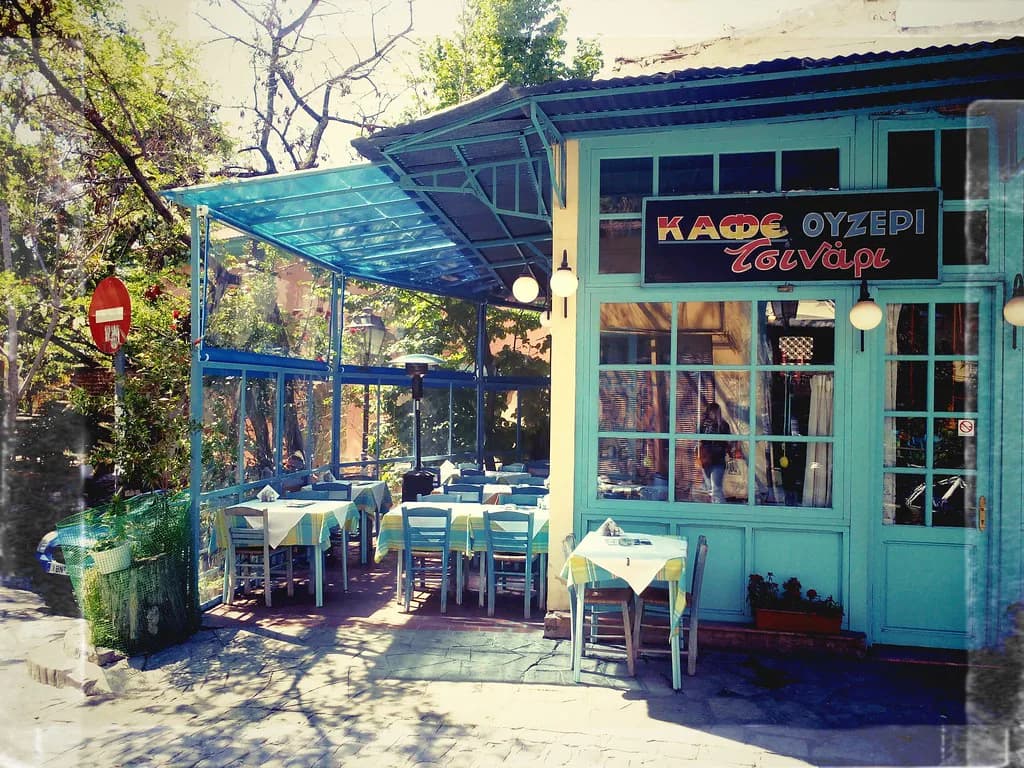
This is the month when the seafront promenade and Aristotelous Square become the places to sit rather than pass through, and when an evening jacket becomes optional rather than essential. The breeze off the Thermaic Gulf still matters, so a table facing the water can feel cooler than the temperature suggests.
Late May is the strongest all-round window: warm enough for outdoor eating, cool enough for a full day on foot, and before the summer heat builds on exposed sites such as the Roman Forum and the upper town.
Weather in June
June reaches average daily highs of 29.9 °C (85.8 °F) with average lows of 18.6 °C (65.4 °F), and rain days drop to around seven and a half with roughly 29.6 mm for the month. That is early summer rather than spring, and the exposed archaeological sites and the climb to Ano Poli are best done early in the day.
June still pays off for the waterfront and for eating outside late into the evening, but if you want to walk for hours without heat management, book May instead. The detailed picture for this month is in our guide to Thessaloniki in June.
Early vs Late Month
The difference between the first and last week of each month is worth planning around. Late April is noticeably better than early April for sitting outside, and late May is the point where the seafront feels like summer. Early June is gentler than late June, when the heat starts to dictate the middle of the day.
The other seasonal shift is commercial: as the weather settles, waterfront cafés and day-trip operators come back to life after the quiet winter, and the city's outdoor rhythm returns. Exact opening dates for individual places are not fixed across the board, so confirm directly with the operator or venue you want rather than assuming a May date.
Is It Warm Enough, and for What?
For sightseeing, April and May are the strongest months: you can walk the centre, the Roman Forum, the Byzantine churches and the upper town without heat fatigue, and cafés spill outside from May. March is fine for museums and markets but not for lingering outdoors.
For lazing outdoors and long evenings on the waterfront, choose late May or June. For day trips, April and May are ideal, because Halkidiki, Dion and the lower slopes of Mount Olympus are pleasant on foot before summer heat arrives. Families with young children will find May the easiest compromise between warmth and manageable temperatures.
If a beach holiday is the main point, Thessaloniki is the wrong base in spring; the sea here stays cold and the region's resorts are still waking up. Look further south or wait for summer. June is the point where heat-sensitive travellers should switch to a coastal plan or an earlier daily start.
Things to Do in Spring
Start with the upper town: the walk through Ano Poli past Byzantine walls, wooden houses and the old ramparts rewards cool spring mornings and gives you the city's best viewpoints. Below it, the Roman Forum, the Rotunda and the church of Hagia Sophia make a compact Byzantine and Roman circuit that fills a comfortable half-day.
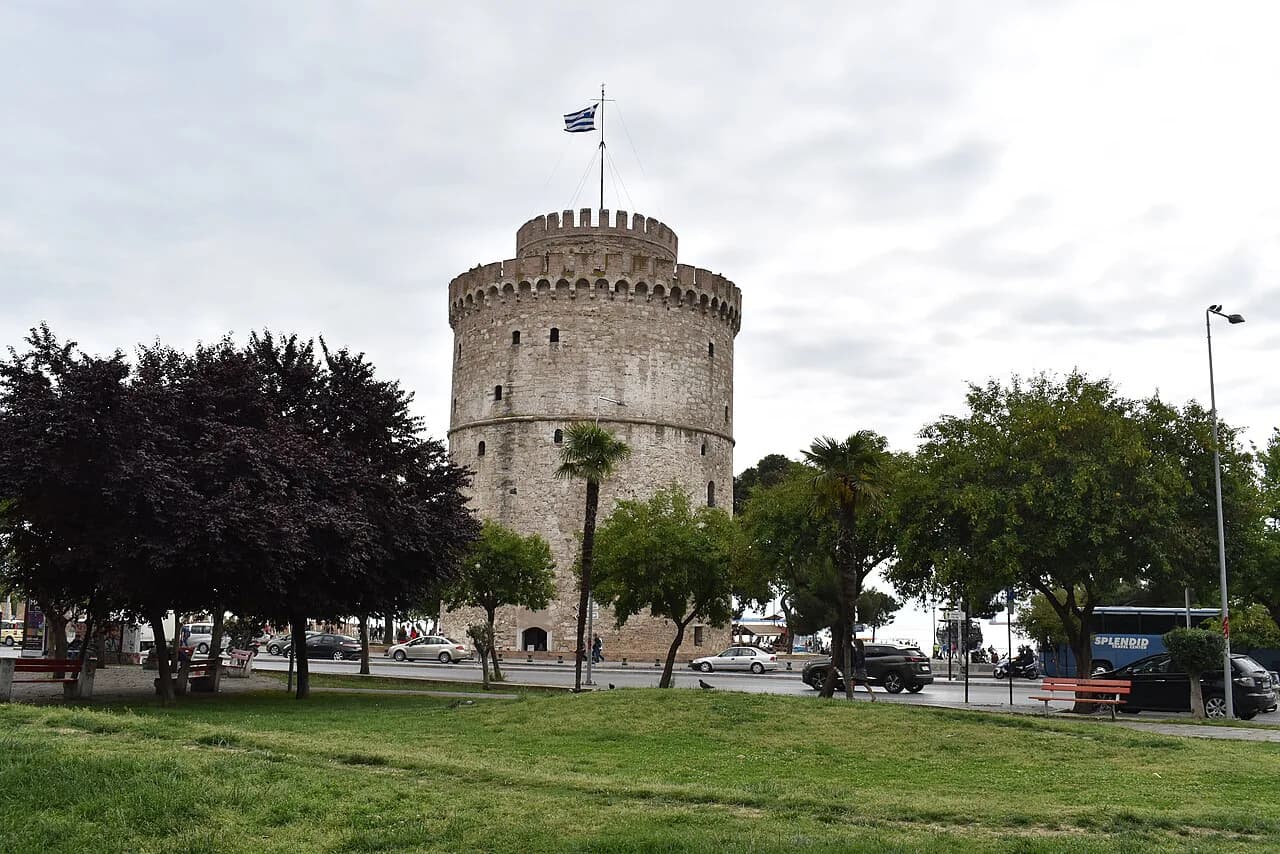
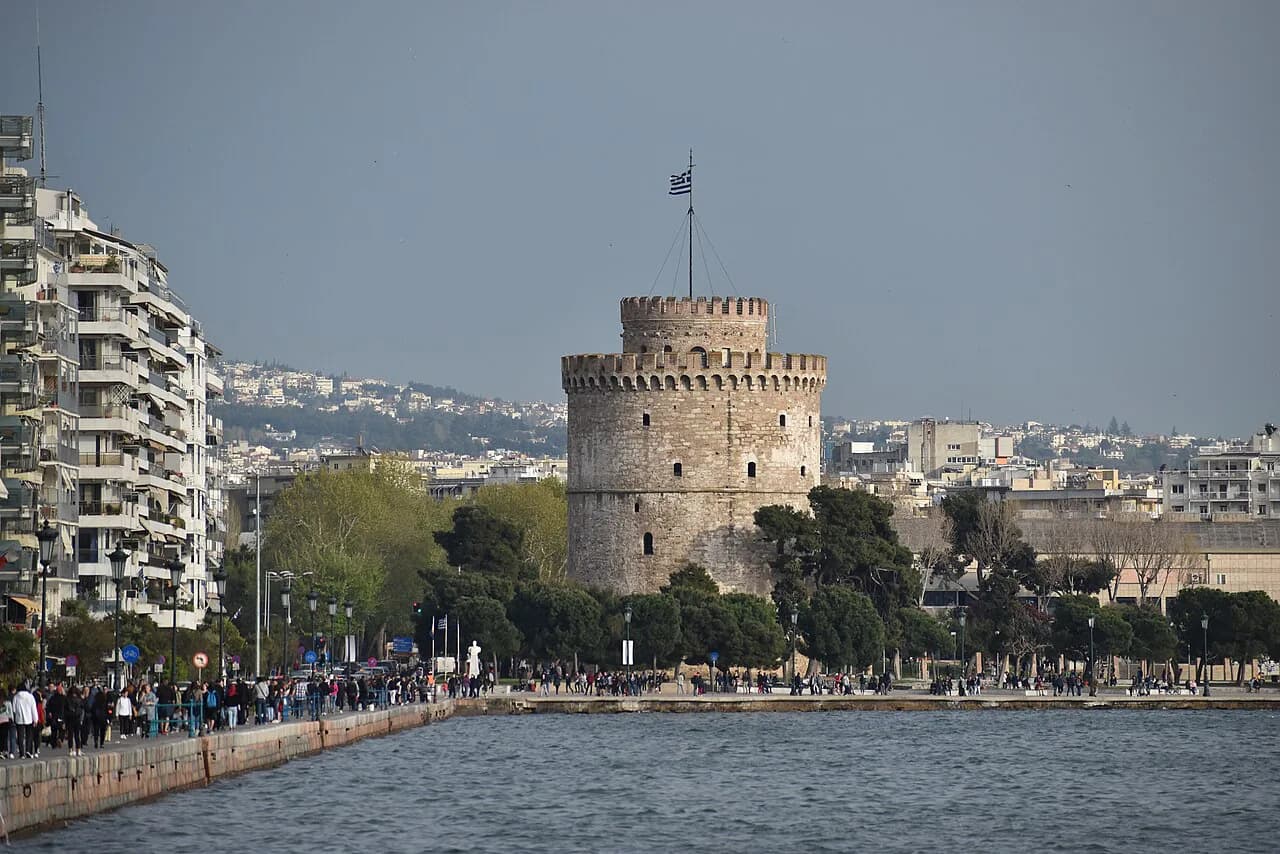
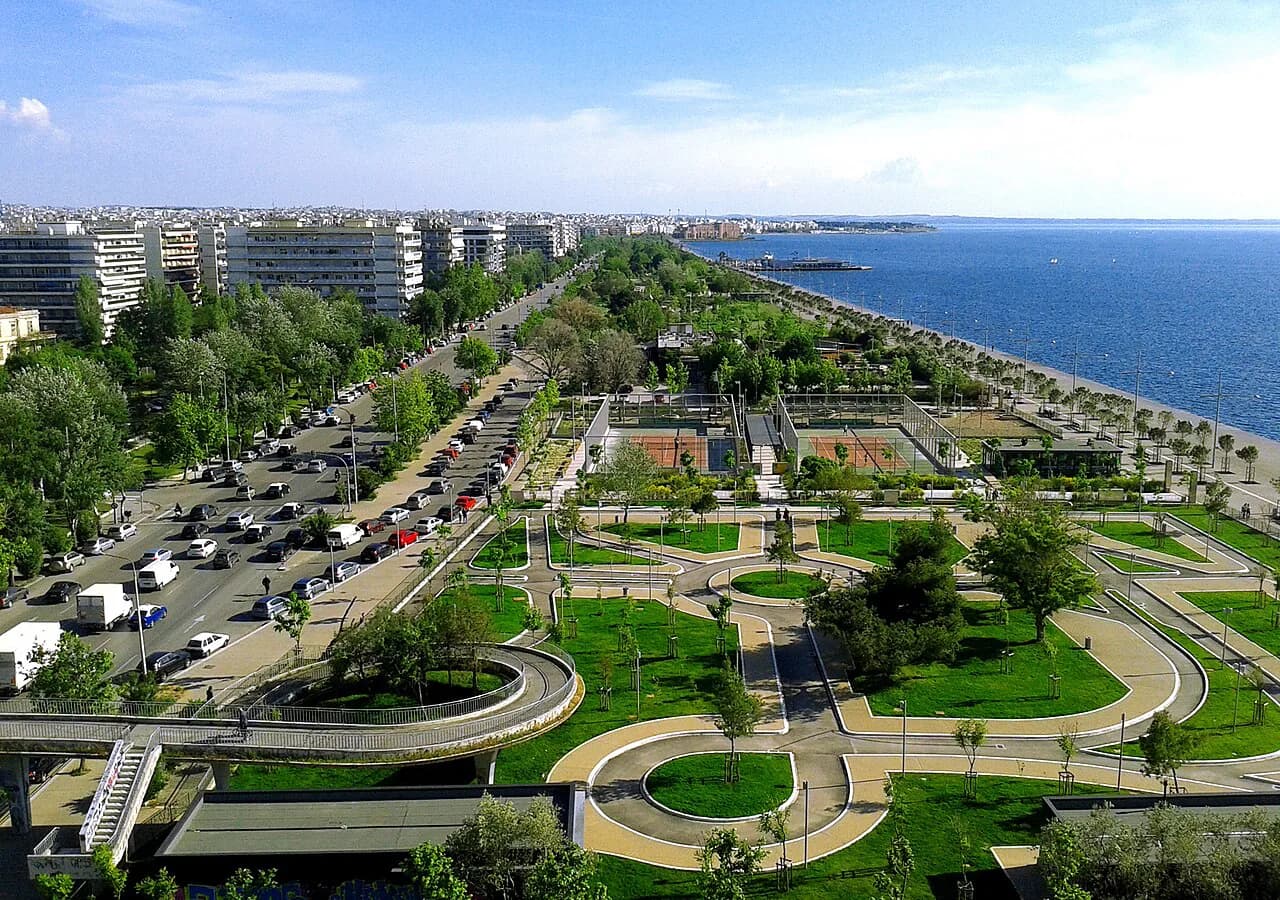
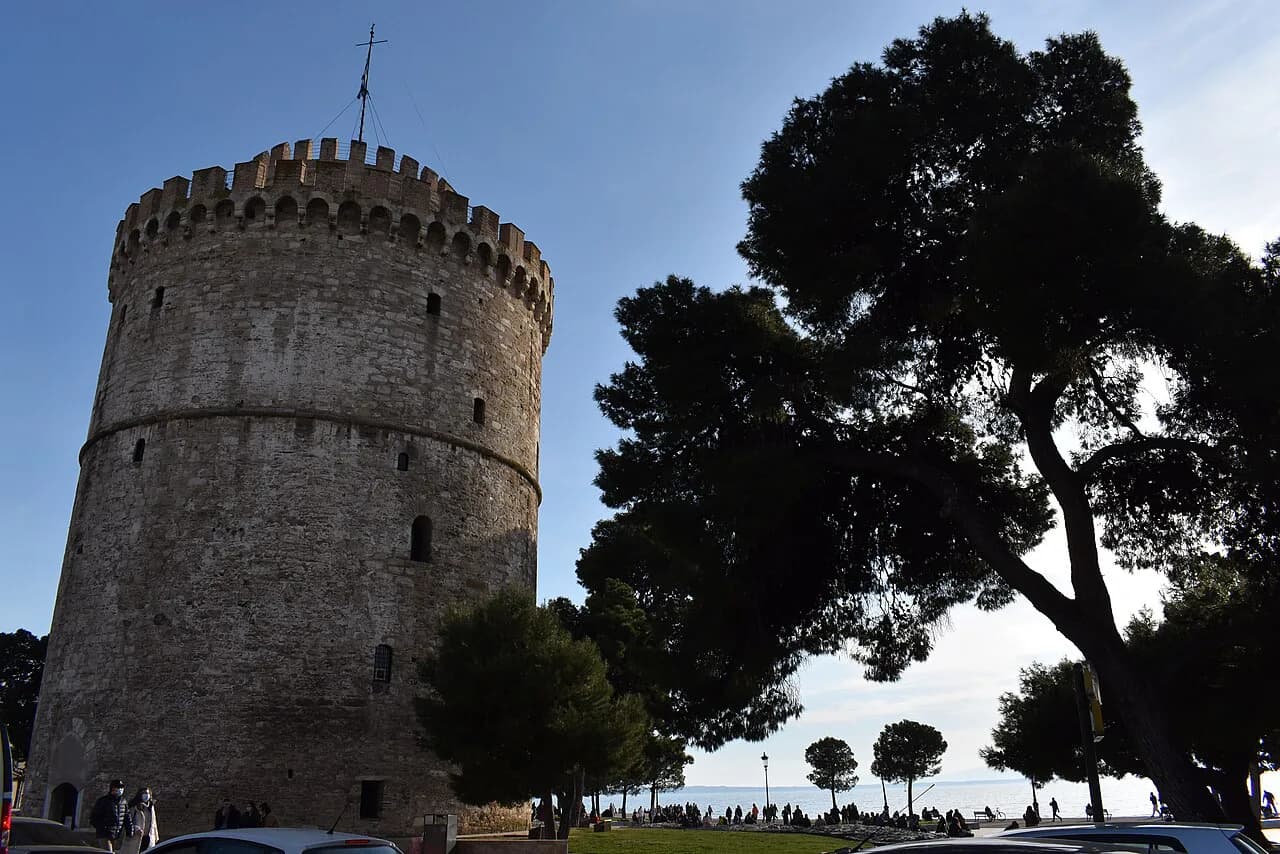
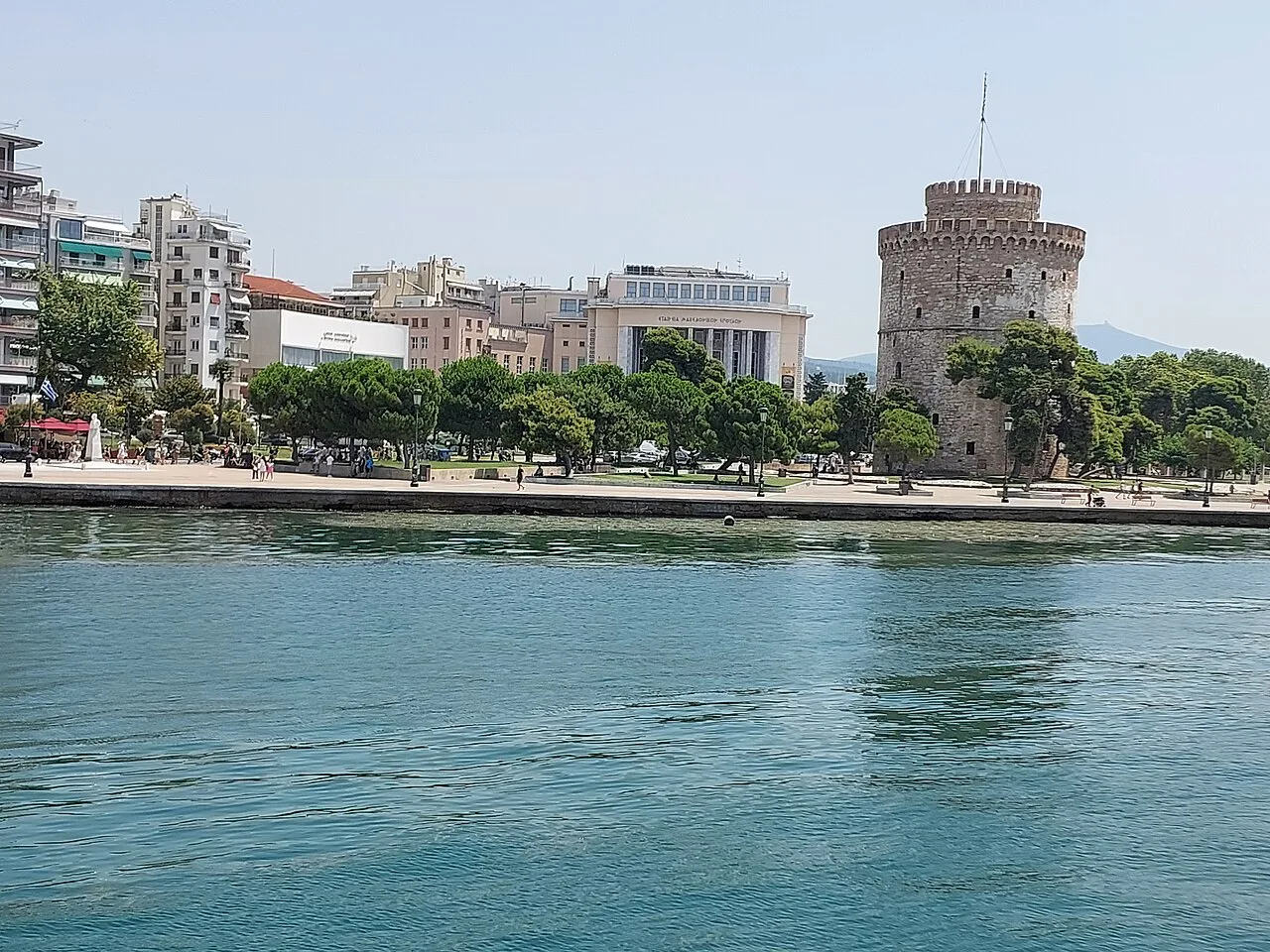
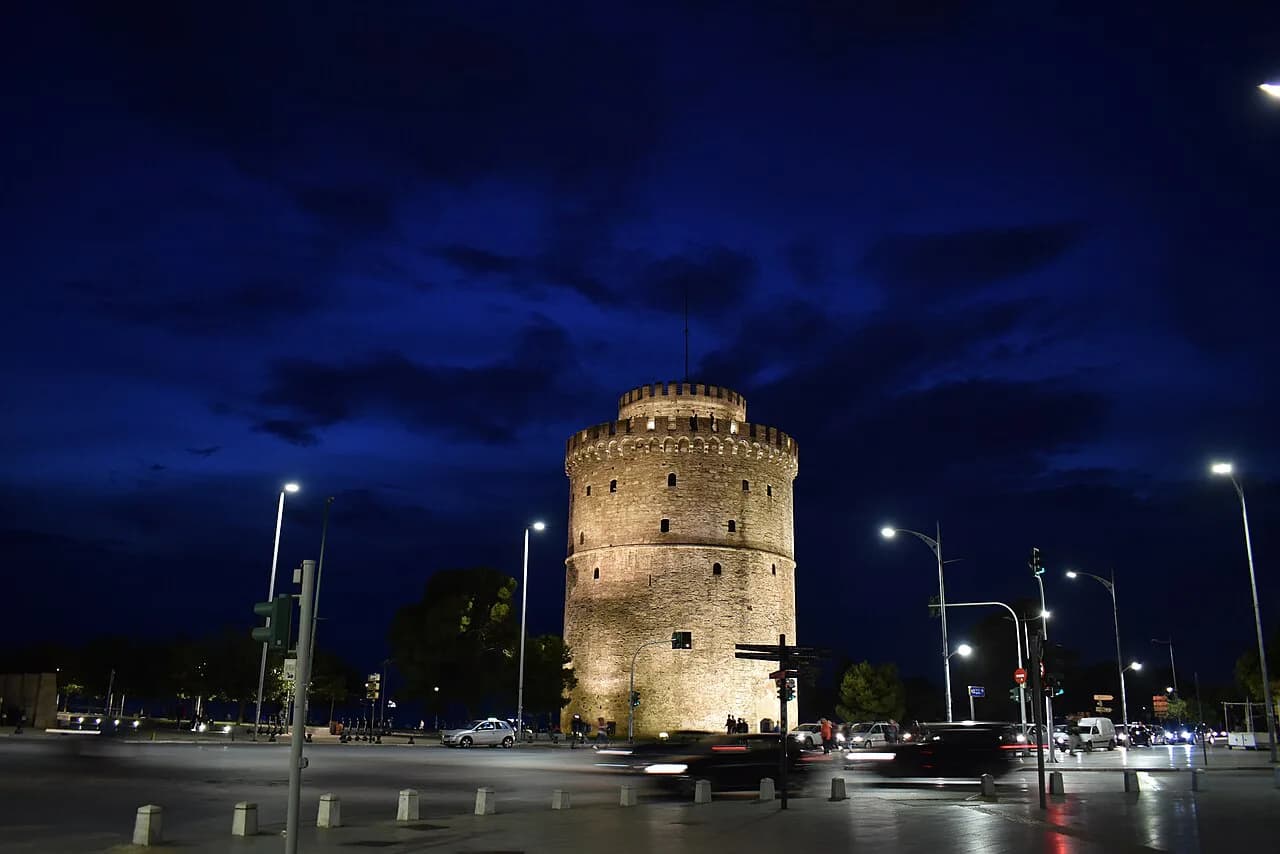
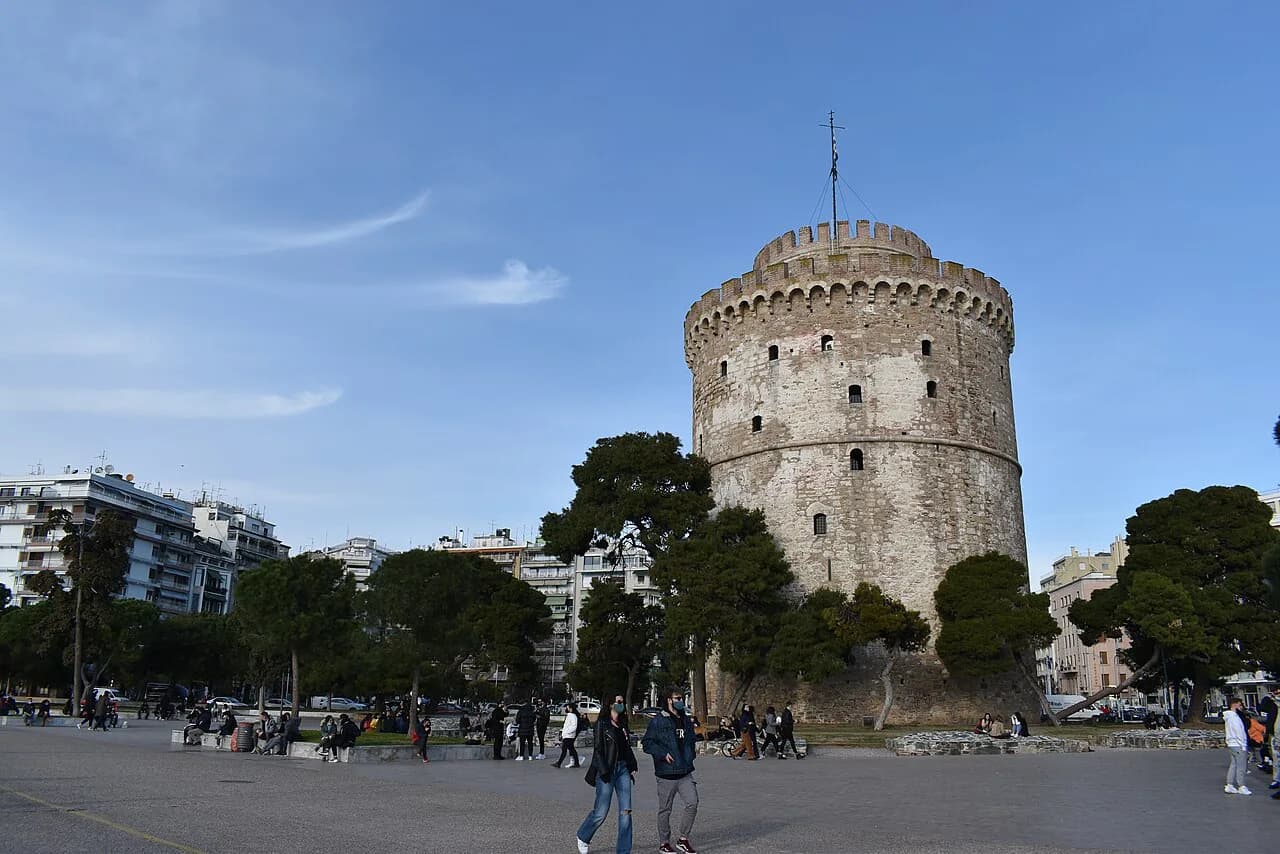
On the waterfront, the White Tower and the long promenade are the obvious orientation walk, best done in the late afternoon when the light softens. Aristotelous Square is the natural pause, with the arcades behind it offering shade and coffee whatever the weather does.
Spring food in Thessaloniki is one of the reasons to come now: the markets overflow with greens, artichokes, wild herbs and strawberries, and the city's bakeries and meze tables make the most of them. The Modiano and Kapani markets are the places to see the season on a plate, and bougatsa for breakfast is a city ritual worth planning a morning around.
For a fuller list of what works in the warmer month, see things to do in Thessaloniki in May, which covers the outdoor eating and waterfront side of spring.
What Is Open as the Season Opens
The city itself never closes: museums, markets, churches and restaurants run year-round, so a March or April visit is not compromised by seasonal shutdowns in the centre. What changes is the outdoor layer: seafront cafés expand onto the pavement, and boat trips and waterfront cruises restart as the weather settles.
Day-trip companies running Halkidiki, Dion and Mount Olympus excursions follow the same pattern, adding departures as demand returns in spring. Because these are commercial decisions rather than fixed public schedules, ask the company directly about departures for the dates you need instead of relying on a general season.
Crowds and Prices
Spring is comfortably quieter than summer in Thessaloniki, and the city is a working Greek metropolis rather than a resort, so it never feels emptied out. The pressure points are Greek Orthodox Easter, when domestic travel peaks and the Easter weekend itself is family time, and the May bank holiday and half-term weeks, when UK and other European visitors arrive together.
Accommodation and restaurant prices generally sit below the summer peak, but the Easter period and the May holiday weeks are the exceptions, so book those earlier. None of this is dramatic by Mediterranean standards: you are paying city prices, not island-season prices, and the main benefit is availability rather than discount.
Day Trips That Work in Spring
Halkidiki is the easiest escape: the Kassandra and Sithonia peninsulas are an hour or two away, and in April and May you get the coastline and hill villages without the summer traffic. Be aware that beach facilities and resort restaurants on the peninsulas are still gearing up, so check before you rely on a specific place being open.
Inland, Dion at the foot of Mount Olympus and the archaeological site at Pella make a strong history day, and Naoussa's wine country and the slopes towards Mount Olympus are at their best on foot in spring. Further afield, Meteora is a long day or an overnight, and the cooler months are far better for the monastery steps than July or August.
If you are weighing a city break against an island trip, our Greece in spring guide sets out how the mainland and the islands differ across the season. And if you want to compare shoulder-season city options, Corfu in spring makes an interesting contrast with a very different Ionian climate.
Sightseeing around the wider region slots into the same spring window, and the Macedonia region rewards slow travel in April and May before the heat sets in. For month-by-month planning, the best time to visit Thessaloniki breaks the year into usable windows.
The Honest Drawbacks
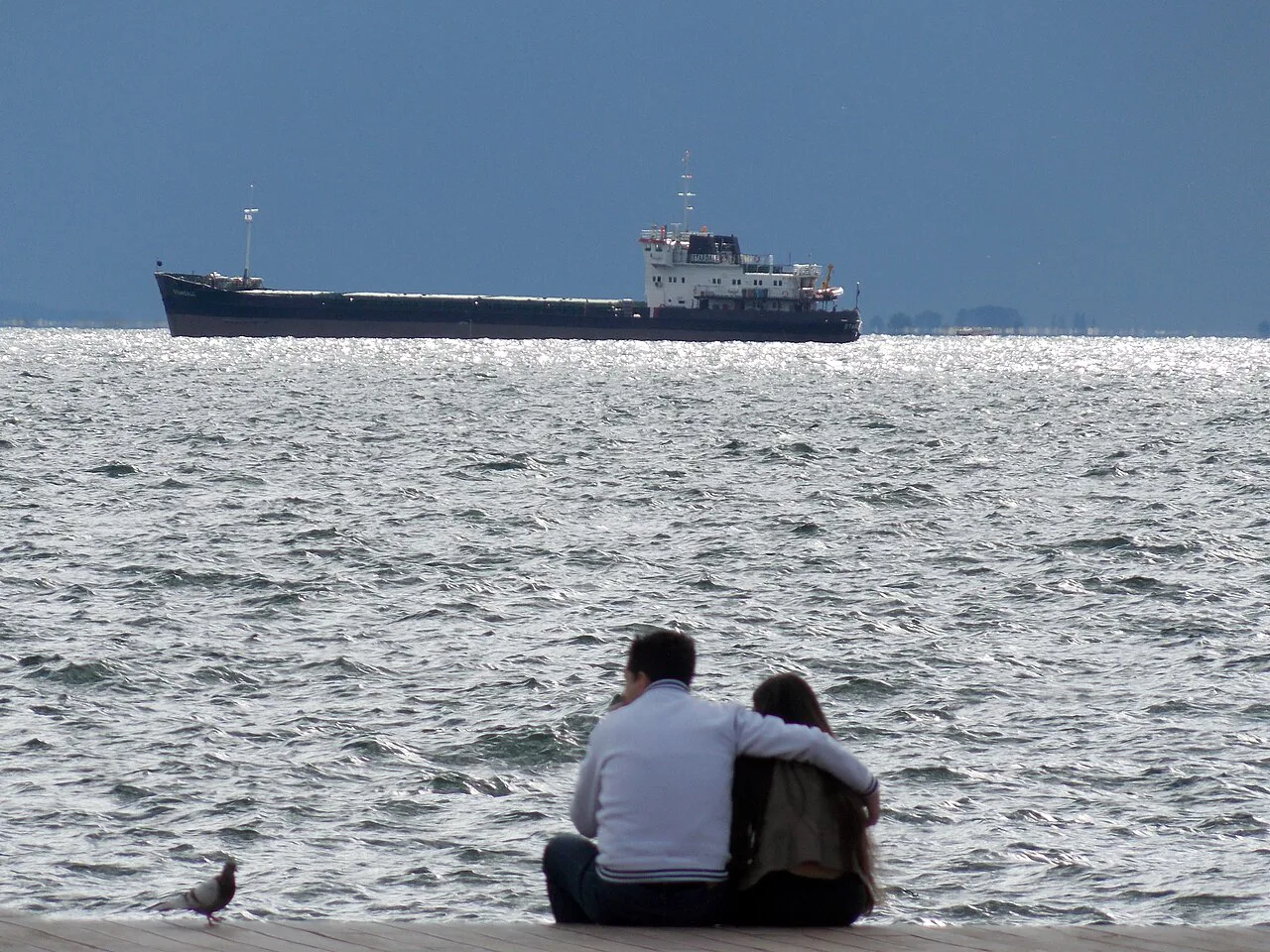
The biggest caveat is the wind off the Thermaic Gulf, which can make a sunny spring day feel cooler than the thermometer suggests, especially on the waterfront in March and April. Cool evenings are the second: April nights average under 9 °C (48 °F), so a decent layer is not optional.
Rain spells are real, particularly in March and April, and they can last a day rather than an hour. The sea stays cold well into June, so do not plan this as a swimming trip; Halkidiki's beaches are for walking in spring, not for long afternoons in the water. And in June the heat builds quickly on exposed sites and in the upper town.
Which Month to Pick
Choose March only if your priority is museums, markets and food, and you accept changeable weather. Choose April for the best balance of city walking and day trips, especially from mid-month onwards. Choose May for the seafront, outdoor eating and the strongest all-round conditions, and book early if your dates fall in the Easter or May holiday weeks.
Choose June if you want properly warm evenings and can plan around the heat, starting early and resting through the middle of the day. Anyone who wants a beach-centred holiday should look further south; anyone who wants a city break with good food and Byzantine history is well served by April and May.
Thessaloniki or Further South?
Compared with the Aegean islands, spring in Thessaloniki is greener, cooler and less predictable, with more rain and a working-city feel rather than a resort one. That suits travellers who want markets, Byzantine churches, a serious food scene and day trips inland, and it suits them at a fraction of the summer crowds.
If your main aim is guaranteed sunshine and warm afternoons by the water, look at southern Greece or the eastern Mediterranean islands instead. If you want a spring city break with history and excellent eating, and you do not mind carrying a jacket, northern Greece delivers more per day than the islands in April.
The Verdict
April and May are the months to book: April for walking and day trips, May for the seafront and terraces. March is a city-only month and June is early summer, not spring, so pick it deliberately if heat is what you want.
For a first spring trip, aim for the second half of April or May, accept cool evenings, and treat the sea as scenery rather than a destination. Exact dates for specific eateries and boat trips vary, so confirm with the venue once your dates are fixed.
Frequently Asked Questions
Is Thessaloniki warm in spring?
Yes, from April onwards. Normal daytime highs are around 19 °C (66 °F) in April, 25 °C (77 °F) in May and 30 °C (86 °F) in June, with correspondingly cool nights. March is noticeably cooler and more changeable, so treat it as a city-sightseeing month rather than an outdoor one.
How warm is Thessaloniki in April?
Typical daytime highs are around 19.3 °C (66.7 °F) and night-time lows around 8.8 °C (47.8 °F). Showers are common, so plan flexible days with an indoor option. It is ideal weather for walking the old town, the Roman Forum and the waterfront, but not for swimming.
Is it cold in Thessaloniki in March?
March is unsettled and can still feel wintry, particularly on the waterfront and in the evenings. It suits museums, markets and cafés rather than hilltop viewpoints or long outdoor days. If outdoor time is your priority, wait for April.
How hot does Thessaloniki get in June?
Normal daytime highs reach around 29.9 °C (85.8 °F), with nights around 18.6 °C (65.4 °F). Rain becomes less frequent. It is early summer heat, so visit exposed archaeological sites early in the day and keep the middle of the afternoon for shade and lunch.
Is spring a good time to visit Thessaloniki?
It is one of the best times. The city's museums, markets and Byzantine sights work year-round, and spring adds comfortable walking weather, outdoor eating and manageable crowds. Prices are generally below the summer peak, except around Greek Orthodox Easter and the May holiday weeks.
Should I pick April or May for Thessaloniki?
Pick April for cooler walking weather and day trips to Dion, Pella and Halkidiki. Pick May for warm evenings, the seafront and outdoor dining. Late April and late May are the best of both.
What should I do in Thessaloniki in spring?
Walk Ano Poli and the Byzantine walls, visit the Roman Forum, the Rotunda and the Archaeological Museum, and spend an afternoon on the waterfront around the White Tower and Aristotelous Square. Use the season for spring greens and market food, and take a day trip before the heat arrives.
Can I swim in Thessaloniki in spring?
The sea stays cold well past spring, so swimming is not the reason to come now. Treat the waterfront as a place to walk and eat, and save swimming for the summer months or a trip further south.
Sources
Spring sun notes
Optional updates when we add destinations and months.
You might also like
Continue reading
More guides you'll find useful