Things to Do in Thessaloniki in May: Warm Days, City Sights
Plan May in Thessaloniki with Roman and Byzantine sights, Ano Poli walks and waterfront sunsets, and see why the month suits sightseeing before summer heat.
On this page
May is one of the best months to be in Thessaloniki if you want to sightsee on foot rather than shelter from heat. Days are reliably mild rather than scorching, which suits the archaeology, the churches and the climb into Ano Poli far better than July or August. It is a city month first and a beach month second, so plan your trip around streets and museums, not sand.
The reward for coming now is space. Thessaloniki carries its crowds far more lightly than Athens or the islands, and in May the waterfront promenade, the markets and the upper town still feel like places where people live. Late in the month the summer opening hours kick in at the major sites, and the outdoor season along the Thermaic Gulf is in full swing.
Weather in May
Expect genuinely pleasant spring conditions rather than guaranteed wall-to-wall sunshine: mild, often bright days with the occasional rain spell, and cool-to-fresh evenings that still call for a layer after sunset. The Hellenic National Meteorological Service publishes the climate normals for the city, so check its figures for average daytime highs and night-time lows before you fix your dates. Treat May as walking weather with a rain jacket in the bag, not as a beach holiday.
This is the profile that suits sightseers, walkers and families with school-age children, and anyone who fades in real heat. It does not suit travellers whose main goal is lying on sand or swimming: the sea off the Thermaic Gulf stays cold well into the season, and the organised beach clubs on Halkidiki are still waking up. If you want heat, look further south or later, and our guide to where it is warm in Europe in April shows how much the map changes only a few weeks earlier.
Early vs Late May
Early May is the softer version: a higher chance of a rainy day, quieter streets, and the best conditions for a long uphill walk to the Byzantine walls without overheating. Late May brings longer, warmer evenings, the first real sense that summer is arriving, and a livelier waterfront after dark, when locals come out and dinner rarely starts before half past eight.
Compared with April, May is noticeably more settled and more outdoor in feel, and the city's summer rhythm is beginning. Compared with June, it is cooler, greener and considerably less humid, which matters for anyone planning to spend whole afternoons on archaeological sites. If you are weighing the earlier month, our guide to Thessaloniki in April explains what you trade in warmth for quieter streets, while Thessaloniki in May sets out the same month in more detail.
Roman Ruins in the City Centre
Thessaloniki's Roman layer sits inside the modern grid, which makes it ideal morning sightseeing. The Roman Forum, the Arch of Galerius and the Rotunda are all within a short walk of each other and of the city's main commercial streets, so you can see three eras before lunch without a single bus. The Arch's carved reliefs are best viewed early, when the light rakes across the marble and the pavements are still empty.
The Rotunda is the showpiece: a vast circular Roman building that has served as temple, church, mosque and museum, and it dominates the skyline from almost anywhere in the centre. It closes on Tuesdays, and from April to September it opens from 8 AM to 8 PM, with adult admission at 10 EUR. Check the hours on the official site before you build a route around it.
The White Tower and the Waterfront
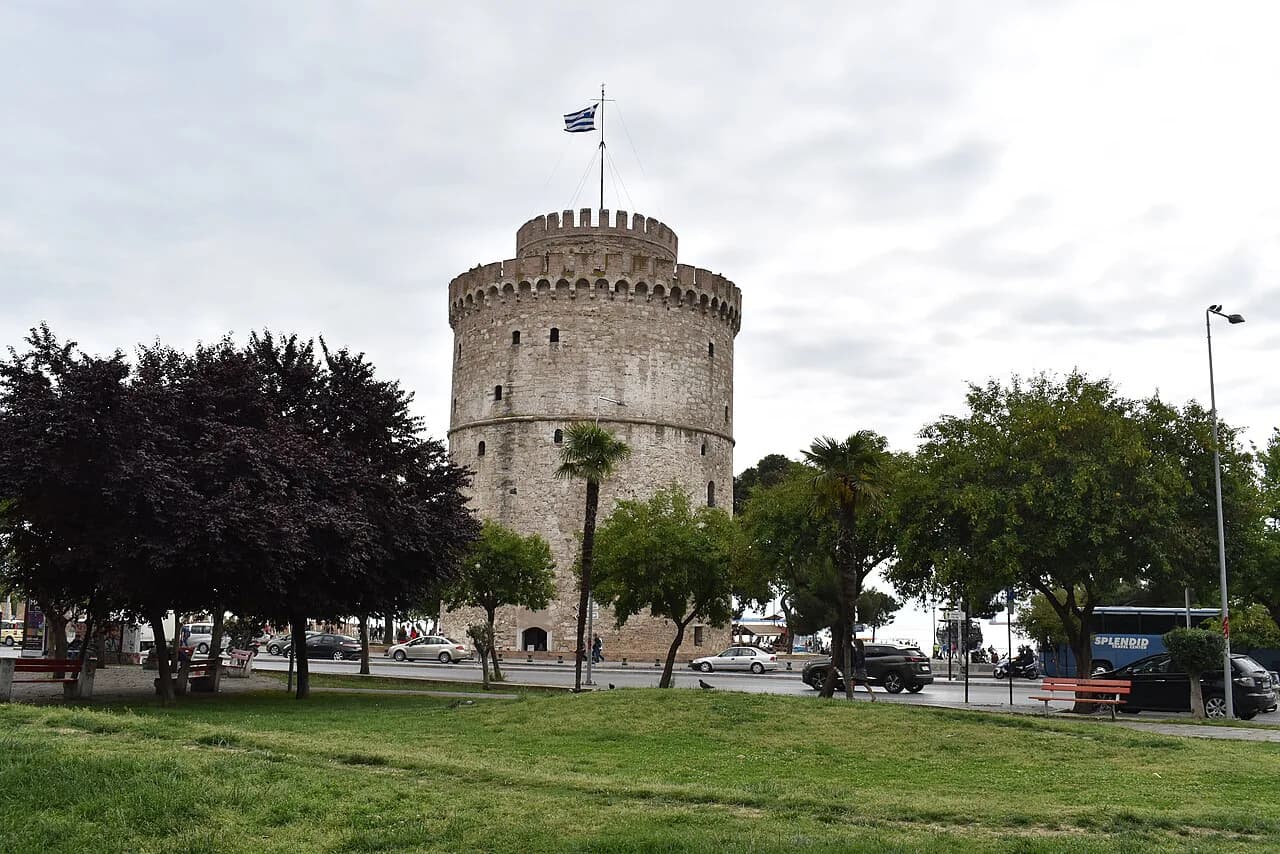
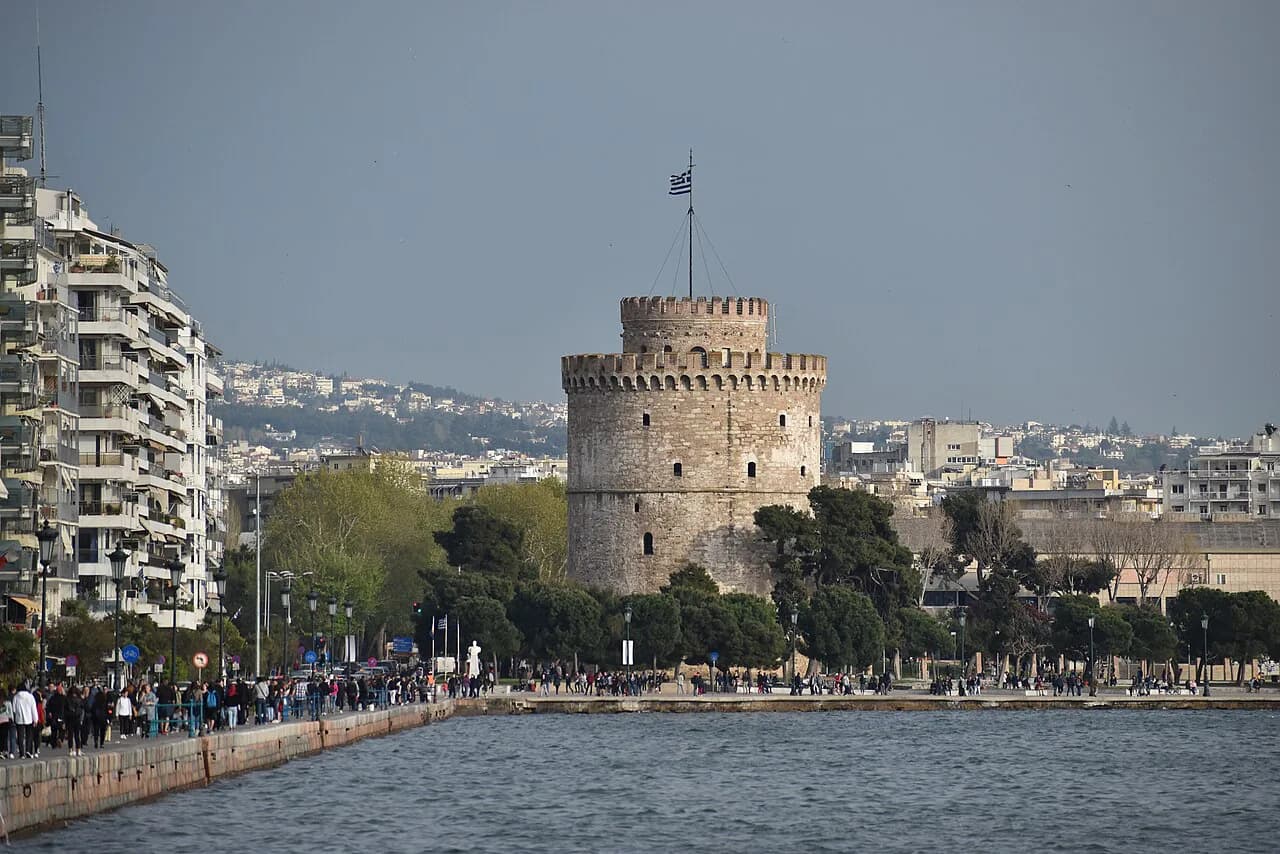
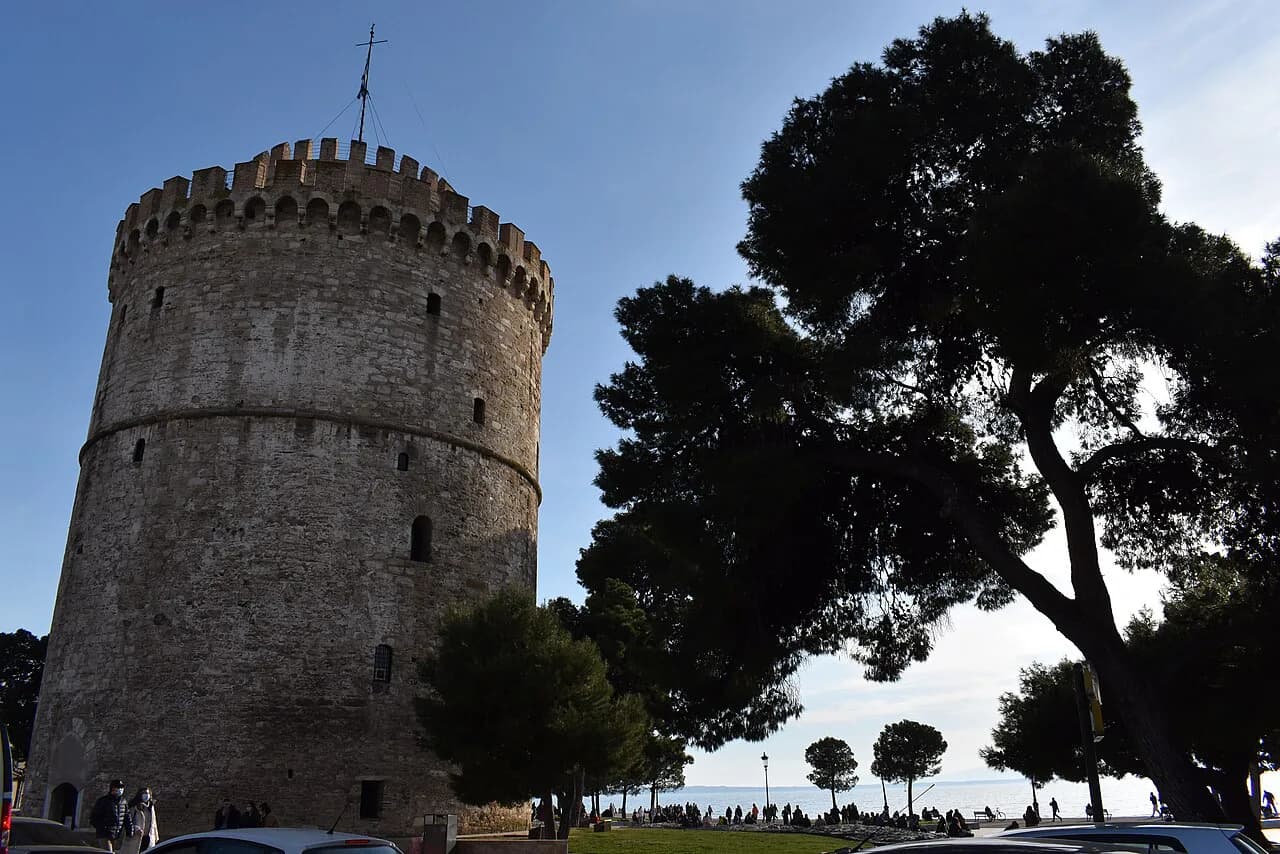
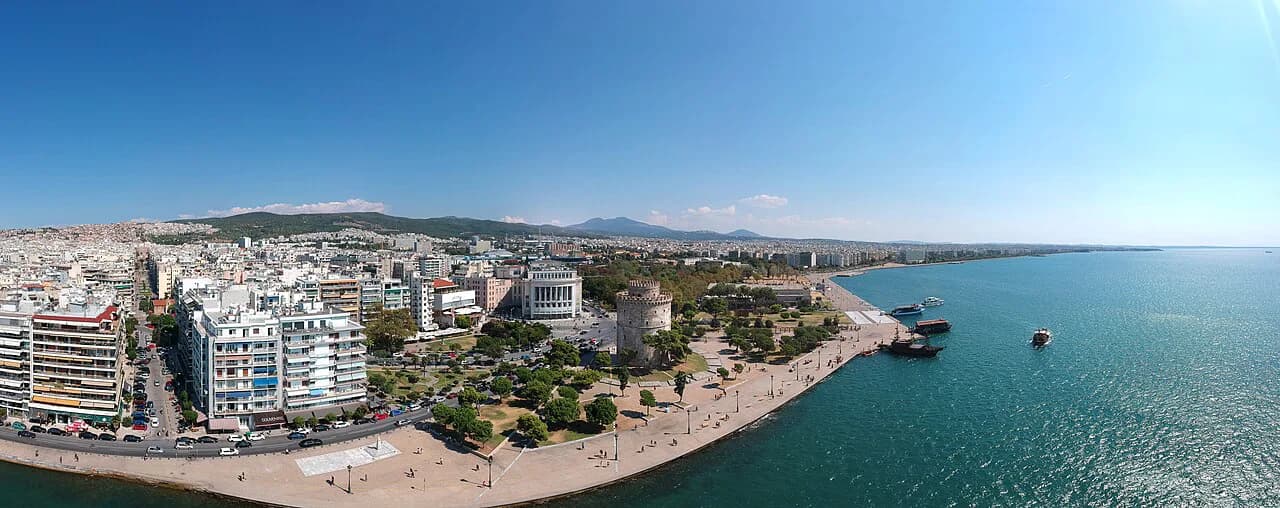
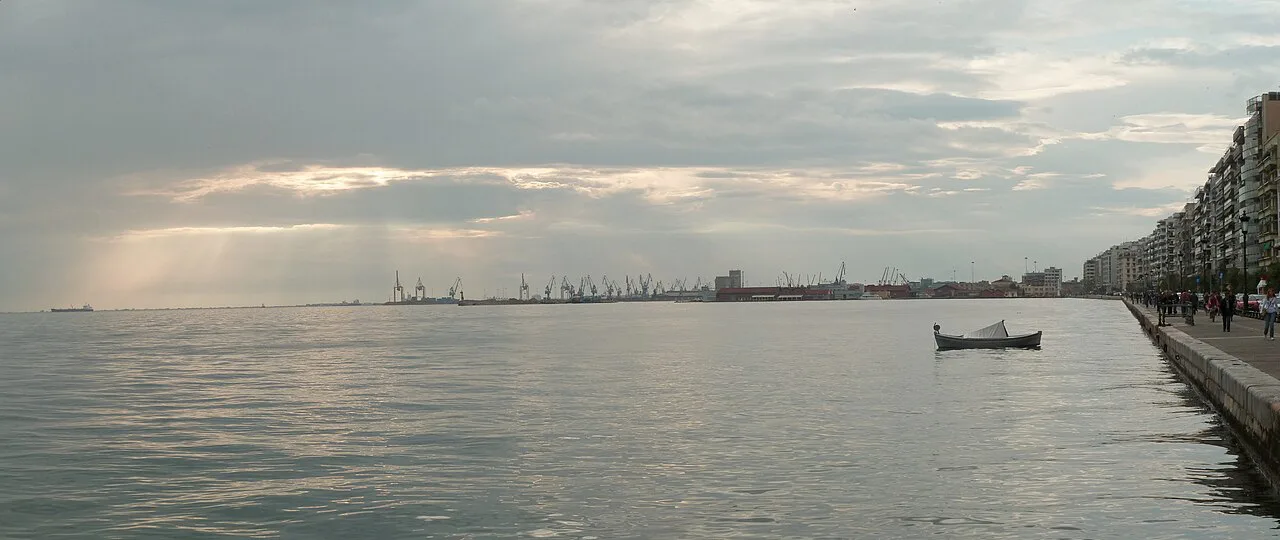
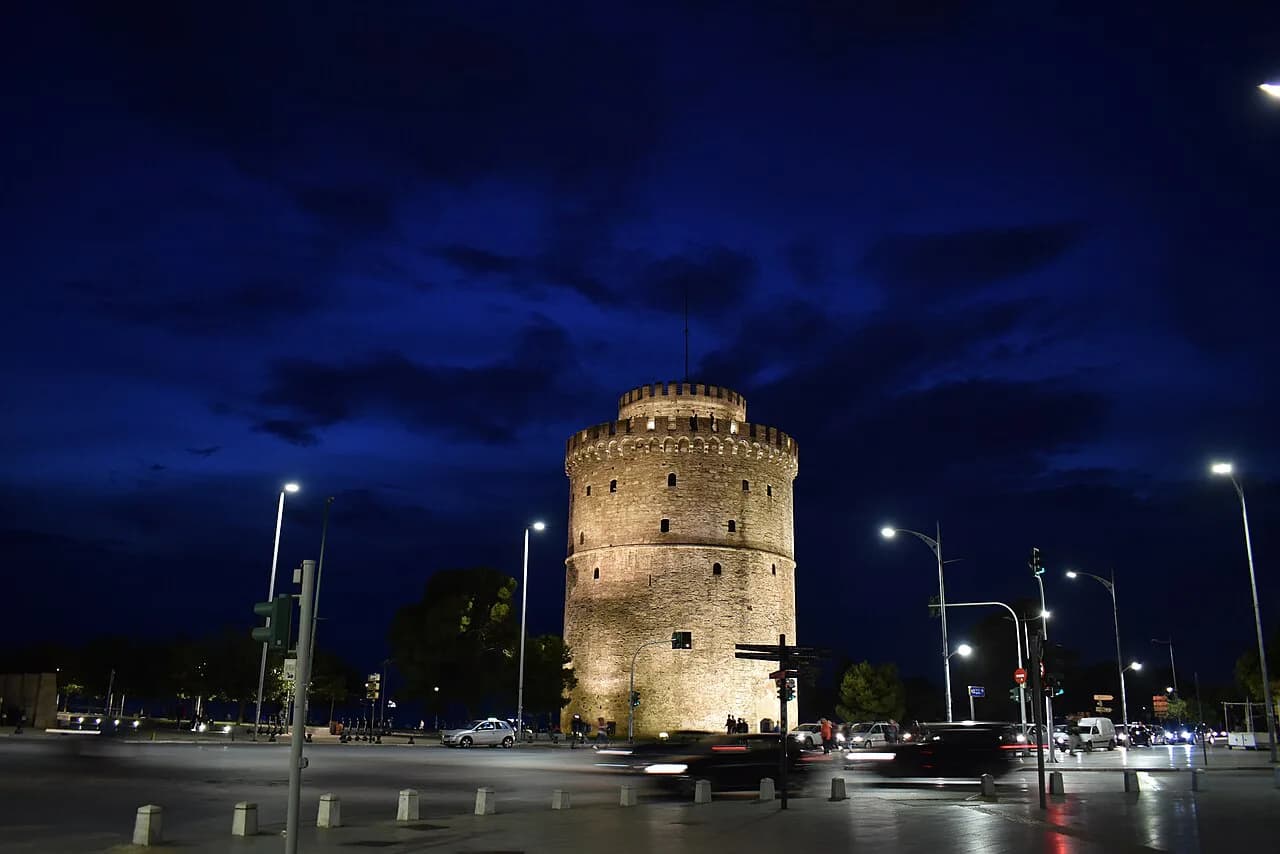
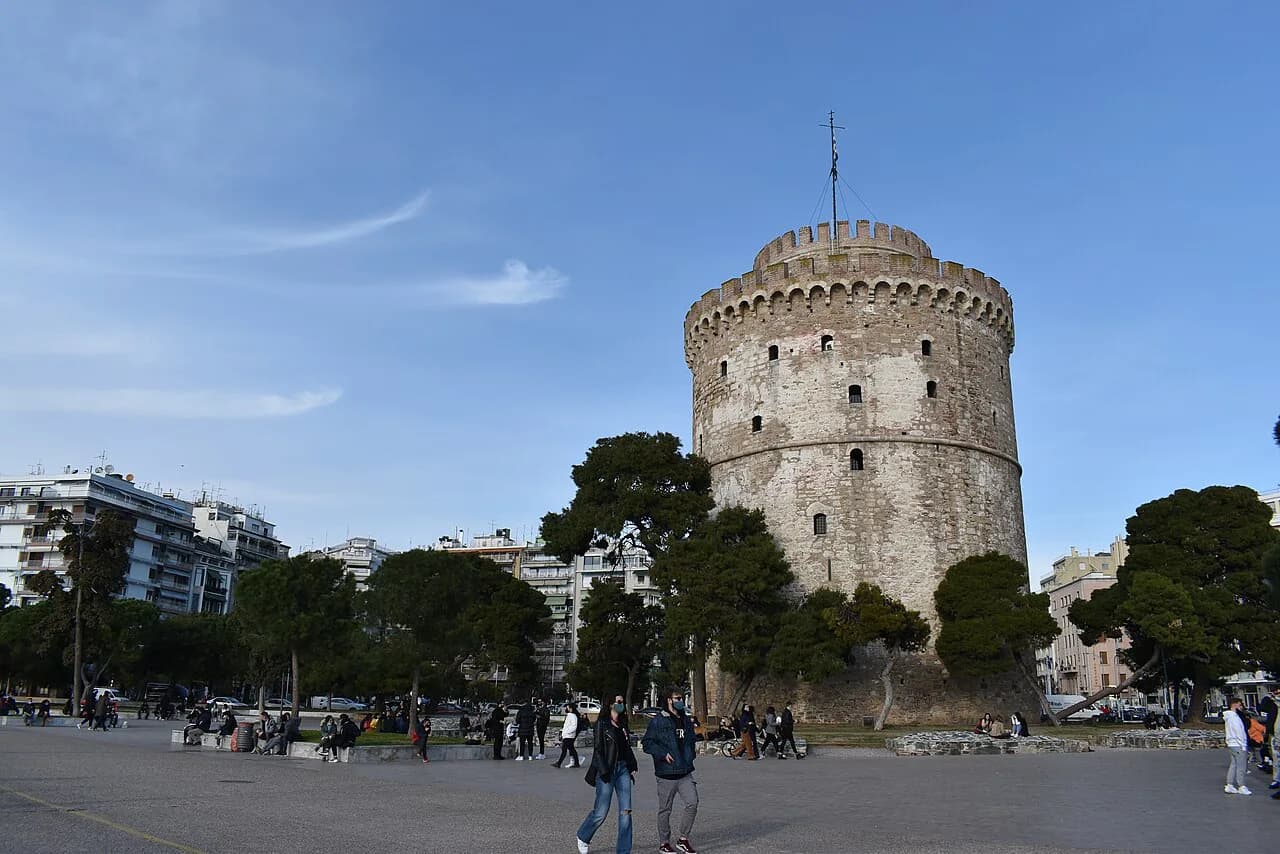
The White Tower is the city's landmark and its best viewpoint, a cylindrical Ottoman-era fortification right on the seafront. Go up late in the day: the panorama takes in the Thermaic Gulf, the long promenade and the hillside of Ano Poli, and the light is far kinder than at midday. Adult admission is charged, and it stays open through the evening in the summer season, which makes it a natural end to an afternoon walk.
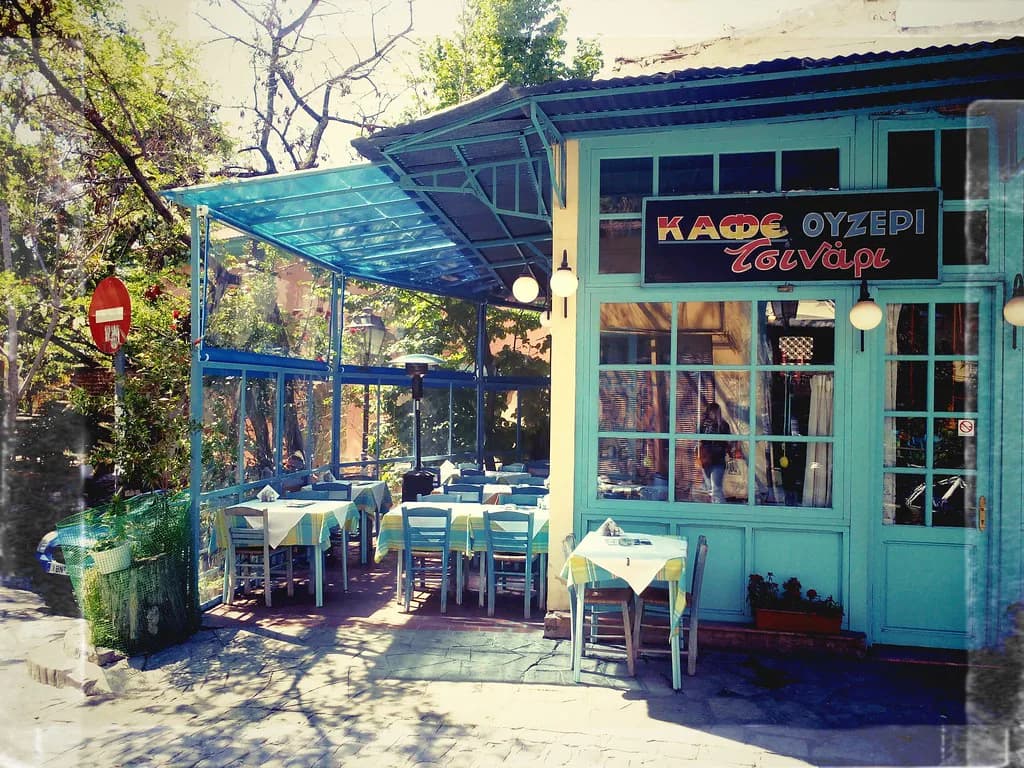
From the tower, the promenade runs for kilometres along the water, past the Umbrellas sculpture by George Zongolopoulos, a stainless-steel installation that has become the city's favourite meeting point. In May this is where the whole city seems to gather at sunset with a drink or an ice cream, and it is easy to spend two hours drifting between Aristotelous Square and the waterfront bars. The nearby Ladadika quarter, with its tree-lined streets and tavernas, is the obvious place to end up for dinner.
Byzantine Churches
Thessaloniki's Byzantine churches are UNESCO-listed and, unusually for major monuments, mostly free to enter. The Holy Church of Hagia Sophia, an eighth-century building with fine mosaics, and the Church of St Demetrios, built over a Roman bath house and dedicated to the city's patron saint, both sit close to the centre and are open long hours every day. Step inside for the frescoes and the quiet; they are working churches, so dress and behave accordingly.
Save these for the middle of the day, when the sun is high and you want shade and stillness rather than another ruin. The interior cool and the mosaic detail reward slow looking, and they are within easy walking distance of the Roman Forum, so a single morning can carry you from antiquity to the Christian empire.
Museums for a Hot or Wet Afternoon
Two museums anchor the city's cultural life: the Archaeological Museum of Thessaloniki, which holds finds from prehistory to late Rome including the Derveni Krater, and the Museum of Byzantine Culture, widely regarded as the best of its kind in Greece, with sixth-century mosaics and icons across several floors. Both charge adult admission, and both are large enough to absorb a rainy afternoon without feeling like a consolation prize.
Plan them as the flexible part of the itinerary rather than the fixed one. If a rain spell arrives in early May, or a late-May afternoon turns uncomfortably warm, swap the outdoor plan for a museum and move the walk to the evening. The Archaeological Museum extends its hours to 10 PM on the first Thursday of May, which is worth knowing if you prefer galleries to crowds.
Ano Poli on Foot
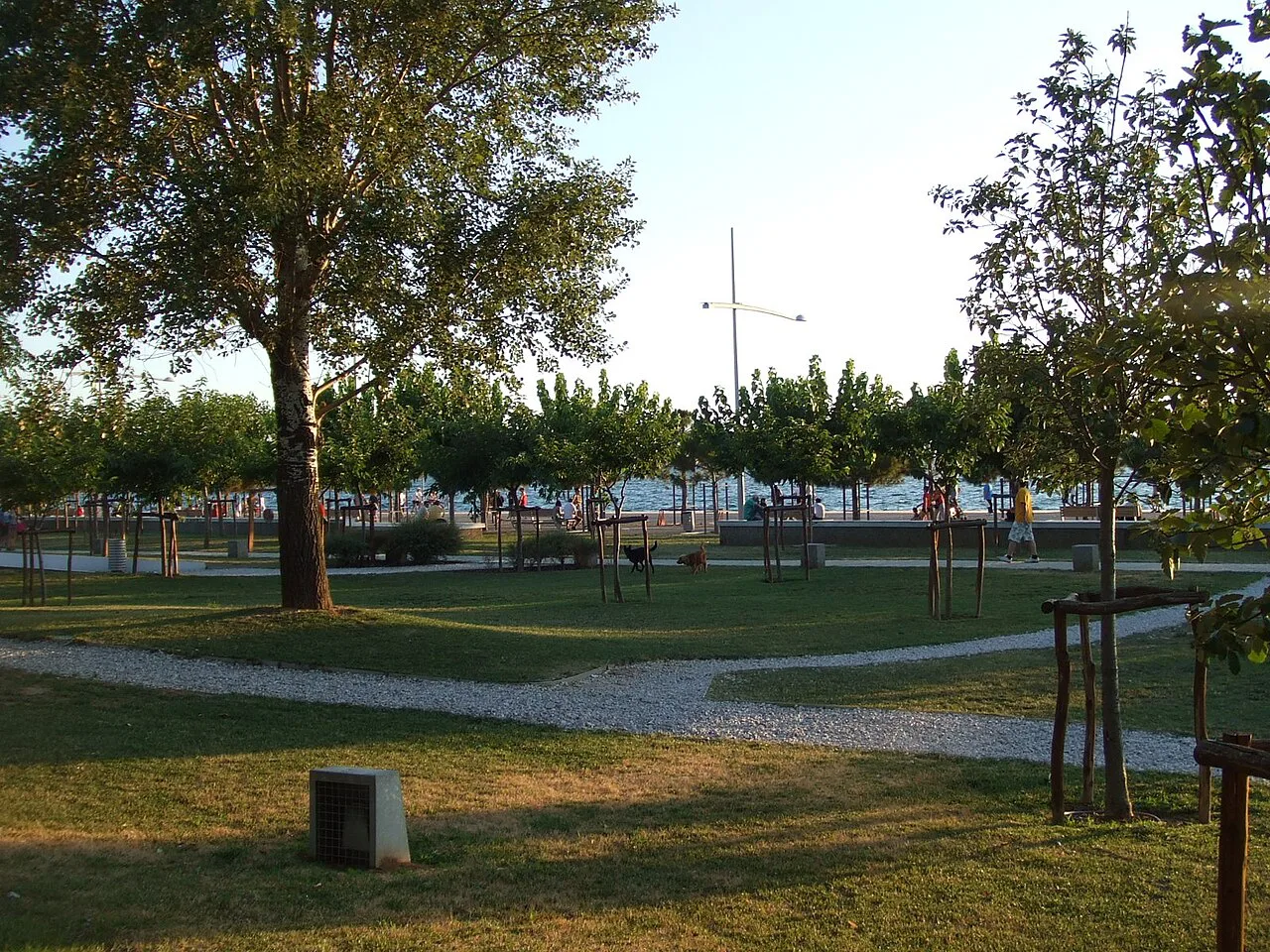
Ano Poli, the upper town, is the best walk in Thessaloniki: cobbled lanes, Ottoman houses, stretches of the Byzantine walls and the Trigonion Tower, with views down over the whole city and the gulf. Build in two to three hours, start from the centre and climb slowly, stopping at the Church of Prophet Elijah, the Byzantine bath house and the Vlatadon Monastery on the hillside. May temperatures make this ascent comfortable; in June it becomes a morning-only proposition.
The upper town is also where the city feels least like a city. Eat lunch up here rather than back in the centre, in one of the small tavernas with a view, and walk down through the old streets towards the Roman Forum in the late afternoon. If you are here for a week, our guide to Thessaloniki in spring shows how the season changes the same walk.
Markets, Food and the Local Table
Thessaloniki calls itself the food capital of Greece, and May is the month to test the claim. Start at Modiano and Kapani markets near Aristotelous Square, where spring produce, olives, cheeses and spice stalls fill the arcades in the morning, then eat a long lunch of meze and grilled fish in Ladadika. The city's food is a blend of Greek, Balkan and Ottoman influences, which makes a market breakfast and a taverna dinner two genuinely different meals.
Adjust to local timing and the month becomes easier. Locals eat late, so book dinner from half past eight and keep the late afternoon for the promenade or a rooftop drink. The city's events calendar is the place to look for what is on during your dates, since spring brings concerts and open-air activity to the waterfront that are not fixed from year to year.
Day Trips: Halkidiki, Meteora and Mount Olympus
Thessaloniki is a good base for northern Greece, but treat the big excursions as full days rather than add-ons. The Halkidiki peninsula, with its three fingers and Sithonia's beaches, is roughly one and a half to two hours' drive each way, so a beach day there costs you most of a day. Meteora's monasteries and the Mount Olympus foothills are similarly long days, usually done by organised tour or hired car.
If you have only three days, choose one excursion at most and spend the rest in the city. If you have a week, take two and keep a buffer day for the waterfront. Renting a car helps, but the agencies may sit a short shuttle ride from the airport rather than at the terminal, so allow time on arrival.
Halkidiki in May
The beaches of Halkidiki are beautiful in May and almost empty, with pine trees running down to sand and rocky coves around Sithonia that feel wild rather than developed. What you will not get is a full resort season: some beach bars and tavernas open only at weekends or from late in the month, and the water is still bracing for anyone used to the Aegean in August. Go for the walking, the shoreline and the quiet, not for a sun-lounger-and-swim holiday.
Consider the trip instead as a change of scene from the city, with a long lunch by the water and a walk along the coast. If your main reason for coming to Greece is warm sea, either shift to June or look at somewhere further south, and our guide to things to do in Corfu in May shows how the Ionian compares at the same time of year.
Crowds and Prices in May
May is busy but not crowded by Greek-island standards. Expect the long bank-holiday weekends and the UK half-term to fill hotels and the promenade bars, with the last week of the month the liveliest and most expensive. Weekdays in early and mid May are the sweet spot: major sites are quiet in the morning, restaurants have tables, and prices have not yet reached their summer peak.
Budget in words rather than fixed figures. Thessaloniki is cheaper than Athens and the islands for food, drink and admissions, but the May bank holidays and half term push accommodation up, and the summer opening season at the major sites brings full-price tickets. Book the things you care about early and leave the rest flexible.
What Is Open
By May the city's sights are on their summer footing: the White Tower, the Rotunda and the archaeological sites run longer hours through the spring and summer than in winter, and the waterfront bars and tavernas are open in the evenings. The pattern is well established by mid month, though individual places can still adjust around the calendar.
Outside the city, expect pre-season conditions rather than a fully running resort. Ferries to the islands and organised boat trips from Halkidiki build up through the month and are worth confirming once you have dates. Late May is more reliable than the first week for water-based excursions.
Drawbacks to Plan Around
The honest case against May is that it is not quite summer. Evenings can be cool enough to want a jacket, rain spells still arrive, and the sea is cold, which rules out lazy swimming as the centrepiece of the trip. Some Halkidiki beach clubs and seasonal restaurants are on reduced pre-season hours.
The compensation is comfort. You can walk Ano Poli at noon, cross the city on foot between ruins, and spend an afternoon in a museum without wilting, and you will share the city with locals rather than tour groups. If you want heat and warm sea, June is the better bet, and our guide to Thessaloniki in June explains what changes.
May or June?
Choose May if you want to walk, photograph and eat your way around a city rather than lie on a beach, and if cool evenings and the odd shower do not bother you. Choose June if warm sea, longer days and a more established summer season matter more than comfortable sightseeing temperatures. Late May is a reasonable compromise: you keep spring's mildness and gain the outdoor season's full swing.
The Verdict
May is a strong month for Thessaloniki precisely because it is not a beach month. The city's Roman and Byzantine layers, its hilltop old town and its long waterfront reward walking, and May gives you the temperatures to do it properly.
Give the city three days, add at most one day trip to Halkidiki or Meteora, and plan your days around mornings outdoors and long evenings by the water. To place May against the rest of the season, see the best time to visit Thessaloniki, and for the earlier weeks, April is quieter and cooler still.
More Thessaloniki spring guides
Frequently Asked Questions
Is Thessaloniki warm in May?
Days are mild and often bright, with cool evenings and the chance of rain spells. It is very different from the heat of July and August, and suits walking and sightseeing far better than a beach holiday.
How many days do you need in Thessaloniki?
Three days covers the centre, the waterfront and Ano Poli with time for two museums. Add more if you want a day trip to Halkidiki, Meteora or Mount Olympus, each of which takes most of a day.
Which day trips are worth it from Thessaloniki?
Halkidiki's beaches, the monasteries at Meteora and the Mount Olympus area are the main options. Halkidiki is roughly one and a half to two hours each way by car, and Meteora and Olympus are long days usually done by tour or hired car.
Is May a good time to visit Thessaloniki?
Yes, if sightseeing is your goal. The summer opening season is under way at the major monuments, the waterfront is lively, and the city is busy but nowhere near as crowded as the islands at the same time.
Is the sea warm enough to swim near Thessaloniki in May?
No, the sea stays cold through May, so treat the coast as a place to walk and eat rather than swim. If warm water is essential, plan for June or later.
Sources
Spring sun notes
Optional updates when we add destinations and months.
You might also like
Continue reading
More guides you'll find useful