Things to Do in Spain in June: Coast vs Cities
June in Spain means warm coastlines, lively cities and a cooler green north. Here is what to do, where the heat bites and how early or late June differs.
On this page
June is the month to match your activity to a region rather than treat Spain as one climate. San Sebastián on the Atlantic typically sits around 21°C (70°F), Barcelona, Mallorca and Ibiza reach roughly 26°C (79°F), and Seville and Granada push towards 32°C (90°F), according to June climate guides.
That spread is an opportunity rather than a complication. You can spend a June week walking green northern cities, eating pintxos and never breaking a sweat, or you can settle on the Mediterranean for beach weather without August's crush. The mistake is booking a single itinerary that hops from Bilbao to Seville and expecting the same conditions.
Weather in June
Think of Spain in June as three climate zones. The Atlantic north — San Sebastián, Bilbao, Santander, Oviedo, Gijón — usually sits in the low to mid 20s, warm enough for the beach and comfortable for walking, with the odd cloudy or damp day breaking up the sunshine.
Central Spain is drier and hotter. Madrid typically reaches about 28°C (82°F), and the plateau's dry heat is less oppressive than the coast's humidity, but the last genuinely comfortable month for daytime sightseeing is June. Parks and terraces are at their best, especially in the evenings.
The Mediterranean coast and islands deliver classic early-summer conditions: Barcelona around 26°C (79°F), Marbella about 27°C (81°F), Mallorca and Ibiza about 26°C (79°F), and the Canary Islands around 25°C (77°F). Southern inland Andalusia is the outlier, with Seville and Granada approaching 32°C (90°F), which turns midday walking into hard work.
If you want warm weather without heat that dictates your day, choose the north for walking and food, the coast for beach time, and the inland south for early mornings and long evenings. For a like-for-like comparison of the coast and islands with the Atlantic cities, our Spain in June overview sets out the same trade-offs in more depth.
Early vs Late June
Early June is the quieter, slightly cooler window: resorts are opening up rather than full, terraces are busy but not heaving, and inland cities have not yet locked into punishing afternoon heat. Late June brings warmer seas, school holidays in parts of Europe, and prices climbing towards July levels.
The trade-off is straightforward. Book the first half of the month for space and value, and the second half for reliably warm water and a livelier atmosphere. If a beach-led trip is the priority and you can move the dates, June still beats July and August on heat and crowds.
For a broader view of how June sits between spring and high summer, see the best time to visit Spain, which frames the same month-by-month shift from a shoulder-season base.
Coastal Days: Costa Brava, Valencia, Mallorca and the Costa del Sol
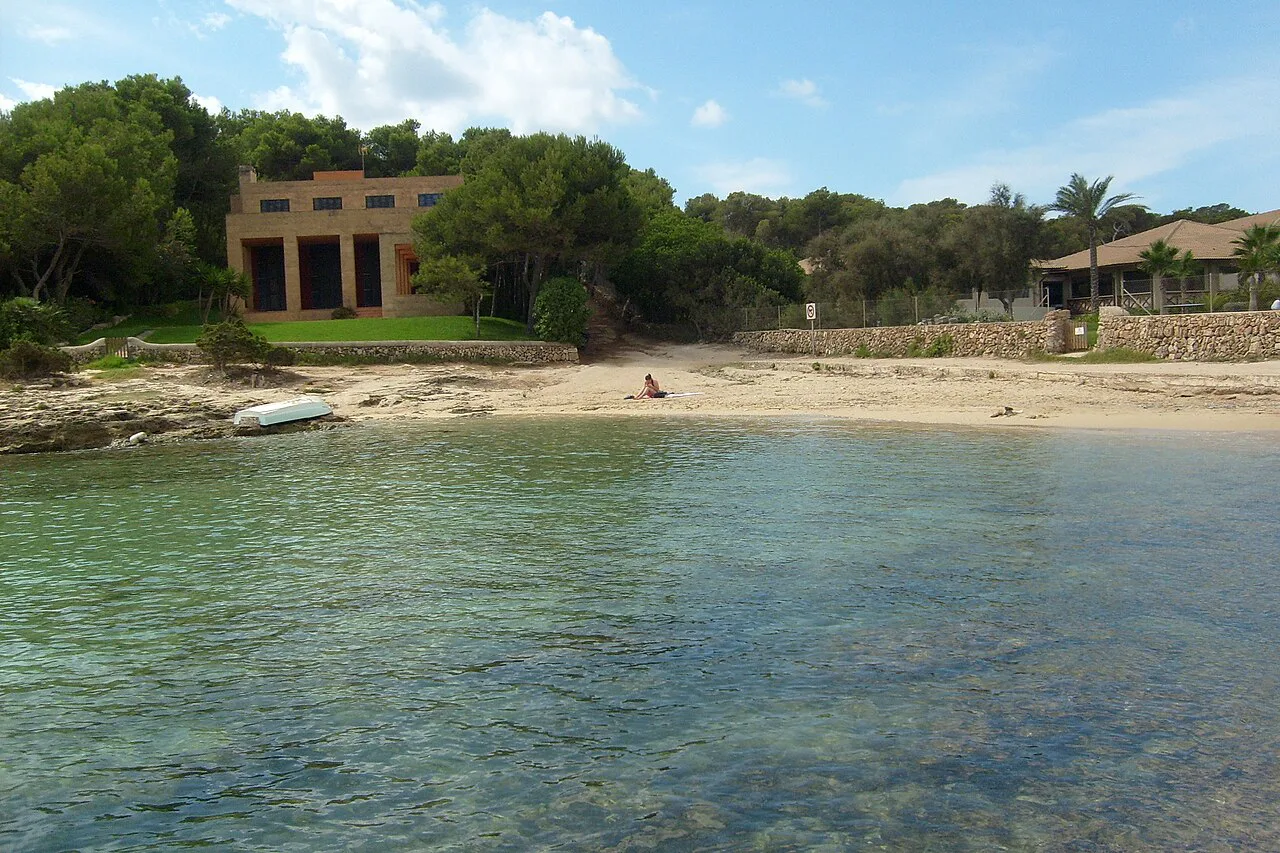
The Costa Brava's small coves north of Barcelona are a June strong suit: warm but not crowded, with the sense of a coast waking up. Valencia offers wide city beaches within walking distance of the centre, so you can combine a morning swim with an afternoon in the old town rather than choosing one or the other.
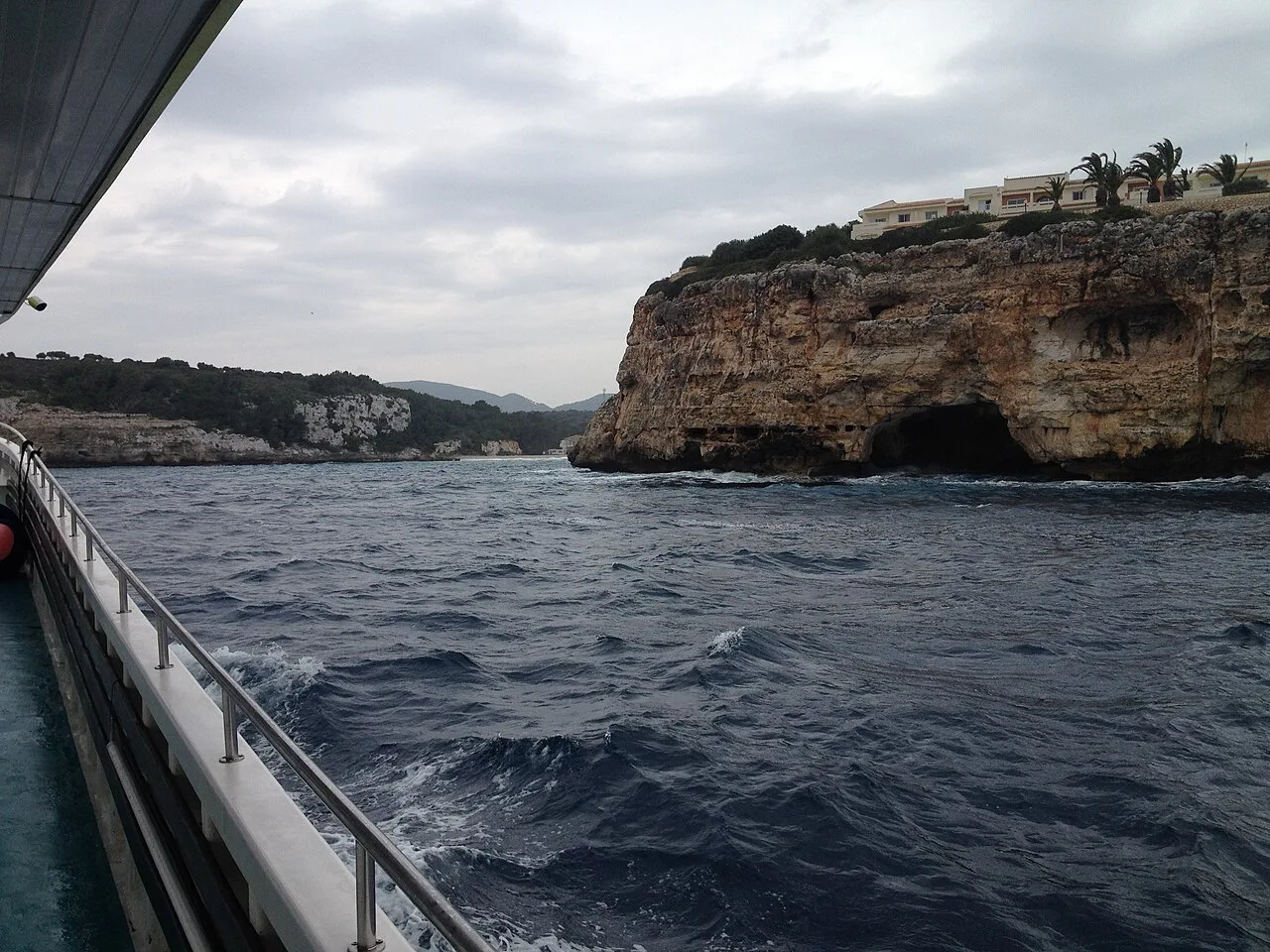
Mallorca in June gives you the summer-holiday feeling without peak-season chaos. Base yourself to explore both coastline and inland villages by car, and give the Serra de Tramuntana a full day rather than squeezing it around beach time.
The Costa del Sol is best in June, before July and August push temperatures regularly past the mid-30s. Head down towards Cádiz province for the wind and water rather than the resort strip, and treat the coast as a series of day trips rather than a single base.
If island time is the goal, June is the strongest month for combining beach days with old-town sightseeing, and relatively quiet compared with high summer.
City Breaks That Still Work in June
San Sebastián and Bilbao are the obvious picks for June: mild weather, a serious food culture and cities that reward walking. La Concha and the old town pintxos bars make San Sebastián particularly easy, and Bilbao's Guggenheim and riverside walks suit a slower pace without heat stress.
Barcelona combines architecture and beach in one trip, with beaches lively but not yet at August levels, and long days to use both. Madrid works if you plan around midday heat — El Retiro in the morning, terraces in the evening — and treat June as the last comfortable month for proper sightseeing.
Santiago de Compostela is a different kind of June city break: pilgrims arriving in numbers, a lively main square and a cultural rather than beach-based atmosphere. The city can still be surprisingly hot, so plan walking time around the cooler parts of the day.
For a wider menu of city activities and day trips tied to the season's start, our guide to things to do in Spain in May covers the weeks before the June crowds build.
Food and Wine: Pintxos, Calle Laurel and Galician Seafood
Food is one of the strongest reasons to pick the north in June. San Sebastián's old-town pintxos bars and Bilbao's growing restaurant scene are best enjoyed in mild weather, when you can move between bars without the heat that makes inland cities sluggish by mid-afternoon.
In La Rioja, Logroño's Calle Laurel is the place to hop between tapas bars, and June's warm but manageable weather makes it comfortable to wander between vineyards and back into town. Vigo on the Atlantic offers some of Spain's best seafood, with the Cíes Islands within reach for a day out.
The broader Spanish spring table — markets, terraces and wine country before the summer peak — is covered in Spain in Spring, which explains why the eating is often better in May and June than in high summer.
Walking and Green Spain
Green Spain is the answer for anyone who wants walking without heat. Oviedo's old town, Santander's relaxed seaside air and Gijón's lived-in coastal character all suit June, with comfortable temperatures and greener landscapes than the south. Expect cloud and the occasional shower, particularly in Asturias and Galicia.
The Oviedo-to-León day trip shows the contrast well: grey skies on one side, bright sunshine after the tunnel into Castilla y León. It is the clearest argument for planning by region rather than country.
For deeper walking on the same northern coast, Vigo and the Cíes Islands combine Atlantic scenery, seafood and boat access, though the national park often requires pre-booking in summer. For a cooler, greener base earlier in the year, April in Spain shows how the north performs before summer fills in.
Wind and Water: Tarifa and the Strait of Gibraltar
Tarifa, at the southern tip of Cádiz province, is where June's weather creates something other than beach days: the crosswinds of the Strait of Gibraltar make it one of Europe's strongest kitesurfing destinations. Whale watching in the strait is possible on migratory routes through the year, so pair a morning on the water with an afternoon on the town's breezy beaches.
The wind is the point here. It makes Tarifa cooler and more active than the sheltered Mediterranean coast, and it suits travellers who want the sea to be a playground rather than a sunbathing surface.
If you are weighing a wind-and-water trip against a beach-led one, our guide to where to find warmth in Europe in April sets out which southern coasts deliver reliable spring sun first.
Inland Andalusia in June
Seville, Córdoba and Granada are still worth visiting in June, but the day needs restructuring. With highs approaching 32°C (90°F), mornings and evenings are for walking, the middle of the day is for shade, long lunches and air-conditioned interiors, and sightseeing should be paced rather than packed.
Book the interiors and the cathedral or palace visits for the hottest hours. The Alcázar in Seville and the Alhambra in Granada reward early starts, and evening light in Córdoba's old town is the best part of the day.
If you want Andalusia with easier walking weather, plan for April instead: things to do in Spain in April covers the coastal and inland options before the summer heat arrives.
Crowds and Prices in June
June is not yet high season, but it is not quiet either. Crowds build steadily through the month, resorts like Benidorm shift from relaxed to busy by late June, and major city attractions such as the Sagrada Família and the Alhambra benefit from advance booking.
Flight and hotel prices rise as the month progresses; US travellers should expect to pay more for transatlantic flights than in May, and mid-range hotels in the busiest areas climb towards peak-season levels. Travellers from the UK often find package and charter prices still reasonable in early June, but those fares harden quickly once UK school holidays approach.
The old travel-forum advice still holds: decide what you actually want to do — castles, tapas, hiking, Moorish architecture, beaches — and then pick the region, rather than chasing the destination list. That approach saves you both money and wasted travel days.
What Is Open in June
By June, the season is genuinely underway on the Mediterranean and the islands: ferries, boat trips and beach clubs are operating, and restaurants extend into the evening. Early in the month some coastal businesses still run shorter, pre-season hours, so check the venue you particularly want before building a day around it.
The Atlantic north keeps a year-round rhythm, so Bilbao, San Sebastián and Santiago are fully open in June, with terraces busy whenever the sun appears. On the islands, June marks the shift to full summer service, which is why it beats May for reliable opening hours.
Compare with the Canary Islands, where the season is less pronounced and June temperatures sit around 25°C (77°F).
Honest Drawbacks
June is not without friction. Inland Andalusia is already hot enough to limit daytime walking, the Atlantic north can turn grey and wet for a day or two, and sea temperatures on the Mediterranean are only just becoming comfortable for long swims early in the month.
The Terral, a hot wind along the Costa del Sol, is a summer phenomenon typically associated with August rather than June, but heat inland builds through the month regardless. Late June also brings the first wave of school-holiday families and rising prices, so book early if you need a specific week.
For families who need reliable pool-and-beach weather, the Canary Islands offer a steadier June than the Spanish mainland.
June or May, and June or September?
May is cooler, quieter and cheaper, but the sea is cooler too, and some coastal businesses are still ramping up. June wins on reliable warmth and full opening hours, at the cost of higher prices and more people, especially after mid-month.
September is the mirror image of June: warm sea and warm days, but with the summer crowds thinning and the light softening. If you want heat without the June build-up, September is often the better-value choice. For a direct month-by-month comparison, the best time to visit Spain sets out the trade-offs in detail.
October and November are a different trip — cooler, quieter and better for cities than beaches. June remains the sweet spot for a mix of beach, city and food.
The Verdict
June suits travellers who want warm coastal weather, lively cities and a genuine sense of summer starting, provided they choose the right region. The green north for walking and food, the Mediterranean coast and islands for beach time, and inland Andalusia for early starts and long evenings.
If you want cooler weather and lower prices, choose May. If you want maximum warmth and sea temperatures, wait for September. If you want the full summer experience without August's heat and crowds, June is the month.
Frequently Asked Questions
How hot is Spain in June?
It depends on the region. The Atlantic north, including San Sebastián, typically sits around 21°C (70°F), the Mediterranean coast and islands around 26°C (79°F), Madrid about 28°C (82°F) and inland Andalusia such as Seville and Granada close to 32°C (90°F). Treat these as typical conditions, not forecasts.
Is June a good time to visit Spain?
Yes, for most trips. June offers long days, warm but manageable weather across much of the country and full opening hours on the coast, with fewer crowds than July and August. The main exception is inland Andalusia, where heat makes midday sightseeing difficult.
Where is the coolest place in Spain in June?
The Atlantic north is coolest: San Sebastián, Bilbao, Santander, Oviedo, Gijón and Santiago de Compostela generally sit in the low to mid 20s, with more cloud and occasional rain than the Mediterranean coast.
Can you swim in Spain in June?
On the Mediterranean coast and islands, yes — sea temperatures are becoming comfortable, especially later in the month. In the Atlantic north and around Galicia, the water stays colder. Inland, swimming usually means a pool rather than the sea.
Are there crowds in Spain in June?
Crowds build through the month. Early June is relatively calm, while late June sees resorts, cities and major attractions busier as school holidays begin. Book key sights and accommodation in advance if you travel in the second half of the month.
Which part of Spain should I visit in June?
Choose by activity: the green north for walking and food, the Mediterranean coast and islands for beaches and boat trips, and inland Andalusia for culture with early starts and evening sightseeing. Tarifa suits wind sports and whale watching.
Sources
Spring sun notes
Optional updates when we add destinations and months.
You might also like

Continue reading
More guides you'll find useful