Lanzarote in June: How Warm It Is and What to Expect
Lanzarote in June brings average highs of 26.3°C, near-zero rain and long sunshine, with the sea still cool and school holidays weeks away.
On this page
June is one of the most reliable months to be in Lanzarote: warm, almost rainless and bright from morning to evening, but not yet as hot or as busy as high summer. AEMET's long-term normals for Lanzarote Airport put the average daytime high at 26.3°C (79°F) and the average night-time low at 18.8°C (66°F), with no measurable rain in a typical June and around 292 hours of sunshine across the month.
That combination suits walkers, cyclists, sightseers and families who want long days outdoors without August's peak heat, and it rewards anyone who plans around the wind rather than against it. What June will not give you is a warm Atlantic: the sea lags well behind the air, so most people will find it bracing rather than inviting, and the evenings lose their heat quickly once the sun drops.
Weather in June
The figures come from the AEMET climate normals for Lanzarote Airport station, covering 1981 to 2010: an average daily maximum of 26.3°C (79°F), an average daily minimum of 18.8°C (66°F), 0.0 rain days with 0 mm of precipitation, and 292 hours of sunshine for the month. Those are typical conditions averaged over decades, not a forecast for a particular week, so treat them as the shape of the month rather than a promise.
Why 26°C here feels different from 26°C in mainland Spain comes down to the setting: the Canary Current runs cool past the islands and the north-easterly trade winds blow across them almost constantly, taking the edge off the Saharan air that sits just to the east. The result is warm rather than stifling, with a breeze that is welcome on a walking trail and noticeable on an exposed terrace. Lanzarote is also arid and low-lying, so the weather is broadly similar across the island, though the south tends to see the best of the sunshine.
Sunshine is the headline: clear skies dominate and cloud cover is limited, which is why the light is so strong and the ultraviolet levels so high for anyone used to a British June. Plan outdoor activity for the morning and late afternoon and you will find the middle of the day genuinely hot rather than merely pleasant.
Is it warm enough?
For sightseeing, hiking, cycling and eating outside, June is close to ideal: days are long, rain is effectively absent and the air is warm without the energy-sapping heat of August. Families with young children get the best of it too, because the breeze keeps the coast comfortable and the evenings are mild enough to stay out.
If your priority is lying on a beach in genuinely hot sun and swimming in warm sea, June will feel a step short. The Atlantic around the island stays cool well into summer, so most swimmers will be in and out quickly, and anyone who wants bath-warm water should look at late July or August instead. For a wider read on where the heat lands earlier, see where to find warmth in Europe in April, which sets out the southern destinations that warm first and how Lanzarote compares with them.
The other group June suits is anyone who wants a proper holiday without the peak-season crush: the island is busy but not heaving, restaurants are open, and the roads to the main sights are manageable if you start early. If you can only travel in school holidays, you will be paying more for a hotter, fuller version of the same island.
Early vs late June
The month builds steadily. Early June still carries something of May about it: the air is warm but the evenings freshen quickly, the wind can be brisk, and the sea has had little time to lose its winter chill. By the last week you are into something closer to midsummer, with hotter afternoons, warmer nights and a coastline that is starting to fill.
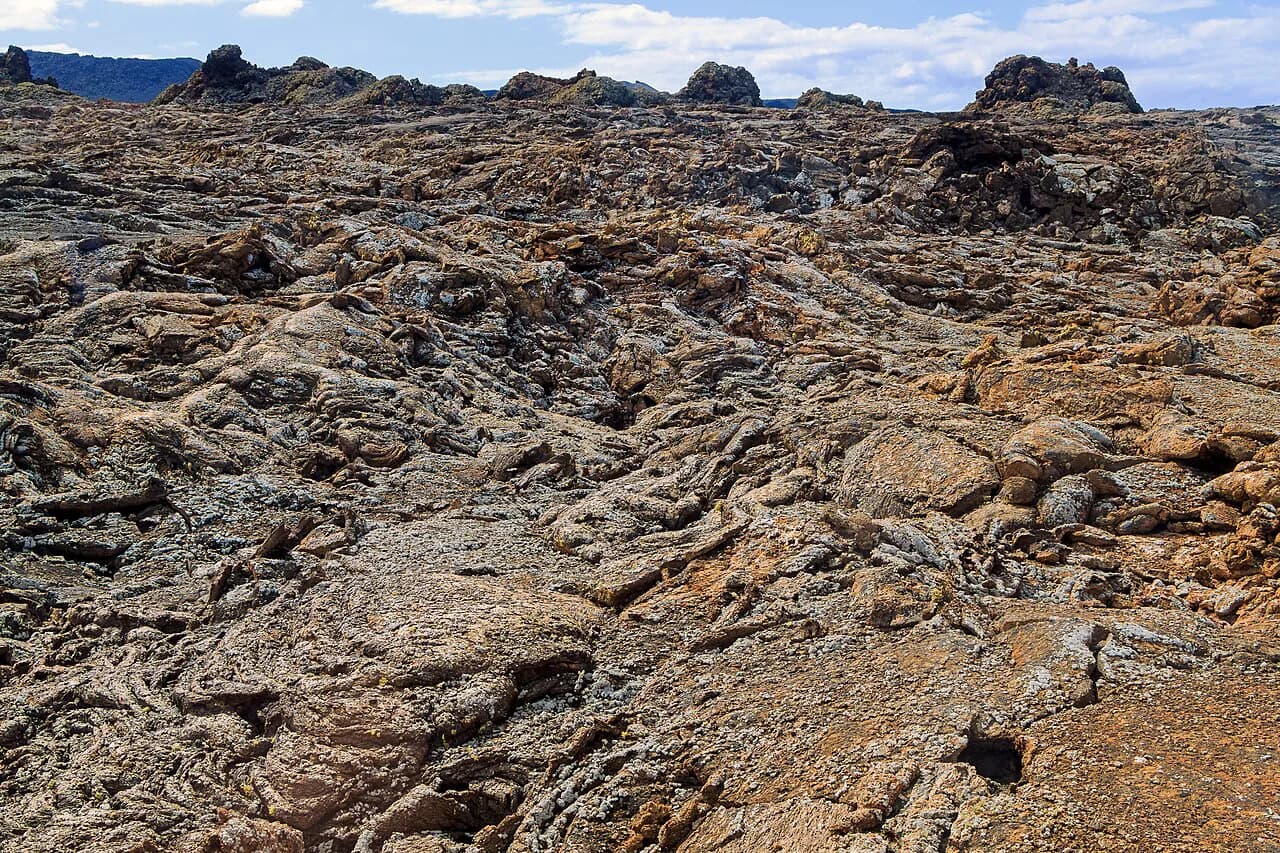
Daylight is generous throughout, with long evenings that make a late dinner outside realistic well into the night, and the light stays strong until close to the end of the day. For photography, the early morning and the last two hours before sunset are the most rewarding, especially over the volcanic interior where the low sun picks out the colours of the lava.
If you have a choice, mid to late June gives the most dependable warmth, while early June gives you marginally quieter resorts and slightly cooler days for walking. Neither is a bad bet; the difference is a matter of a few degrees and a few more people.
June compared with May and July
Lanzarote in May averages 24.6°C (76°F) by day and 16.8°C (62°F) at night at the island's airport, with 0.4 rain days, 2 mm of precipitation and 297 sunshine hours — cooler, marginally wetter and, in practice, quieter. June adds roughly two degrees by day and by night, drops the rain to nothing and keeps the sunshine at much the same level, so the gain is warmth rather than brightness.
July is where the summer proper arrives: the heat climbs, the trade wind keeps blowing, and the island fills with families. The trade-off is straightforward — May for space and cool walking, June for the best balance of warmth and calm, July and August for heat and crowds. Prices follow the same curve, with June comfortably cheaper than the school-holiday months.
The wind matters in these comparisons. It is present in every month, but in June it is what makes 26°C comfortable rather than enervating, and it is why a shaded terrace or a sheltered cove can feel markedly different from an exposed ridge. Choose your spot with the wind in mind and the month delivers far more than the thermometer suggests.
Where to go on the island in June
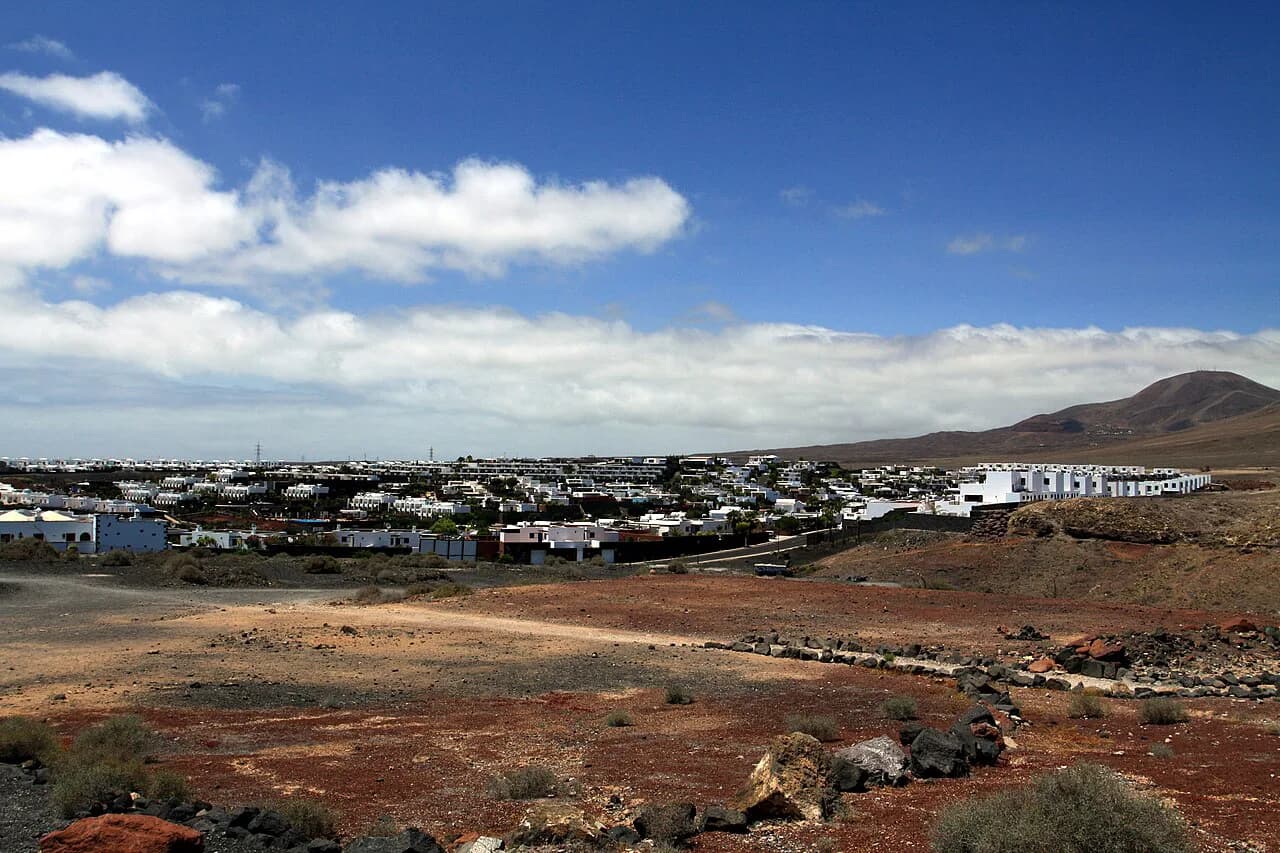
The south, around Playa Blanca and the Papagayo coast, is the most sheltered and sunniest corner, which makes it the obvious base for anyone whose priority is reliable sunshine and easy days near the water. It is also the busiest part of the island, so book the popular coastal paths and viewpoints early in the day.
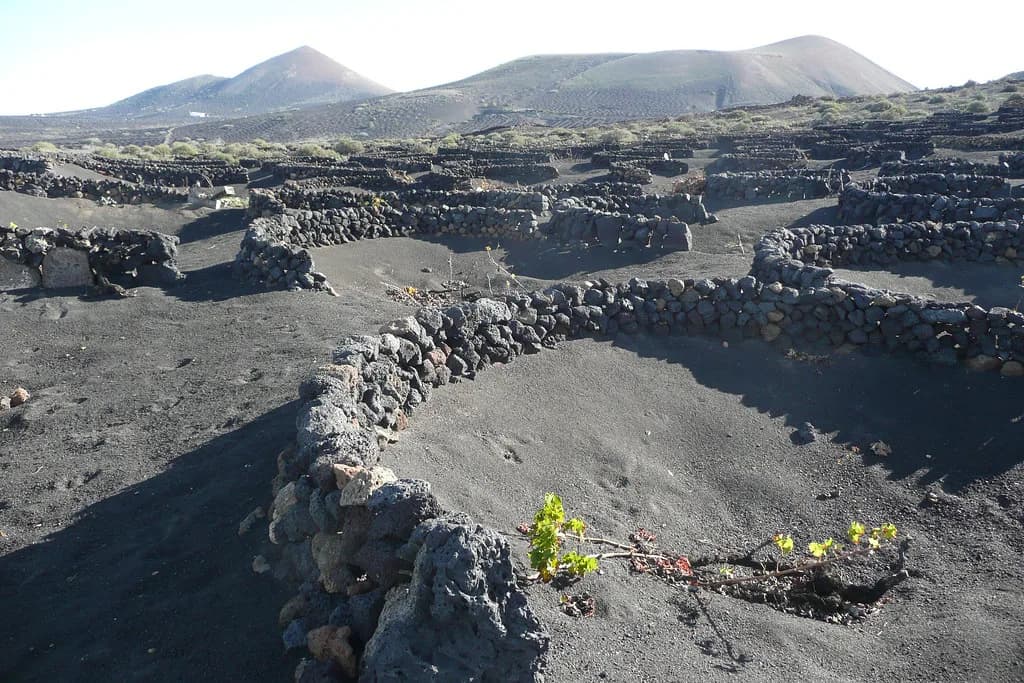
Central Lanzarote is the wine country: La Geria's hollowed cones and stone walls protect vines in one of the strangest landscapes in Europe, and June is a fine time to drive the wine road and taste in the bodegas. San Bartolomé and Teguise make useful stops, and Teguise's Sunday market is one of the island's busiest weekly gatherings.
The north is greener, breezier and quieter. Haría sits in a valley of palms, the Mirador del Río looks across to La Graciosa from the cliffs, and the Famara cliffs above the surf beach give some of the best walking on the island. If the trade wind is strong elsewhere, this is where it feels freshest — and where a jumper earns its place in the evening.
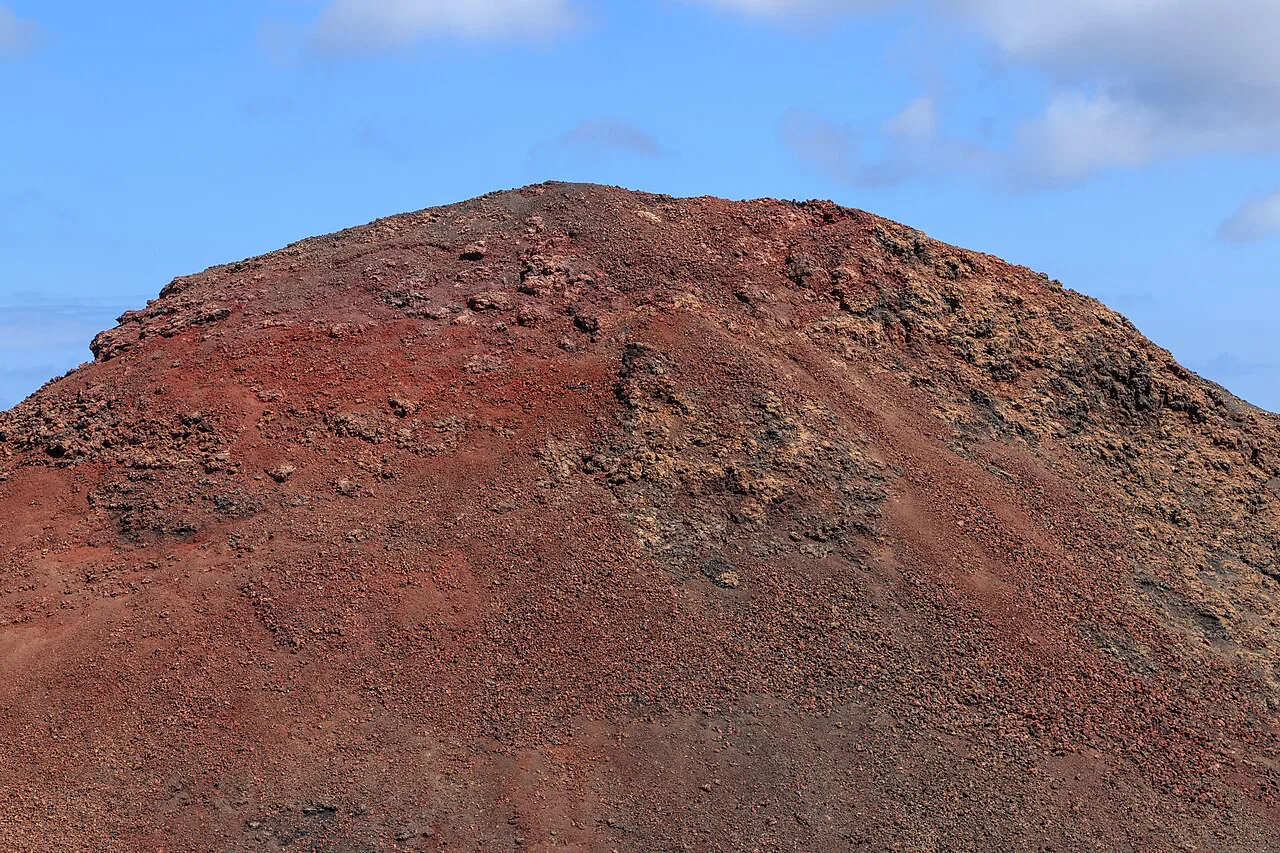
Timanfaya and the volcanic landscape
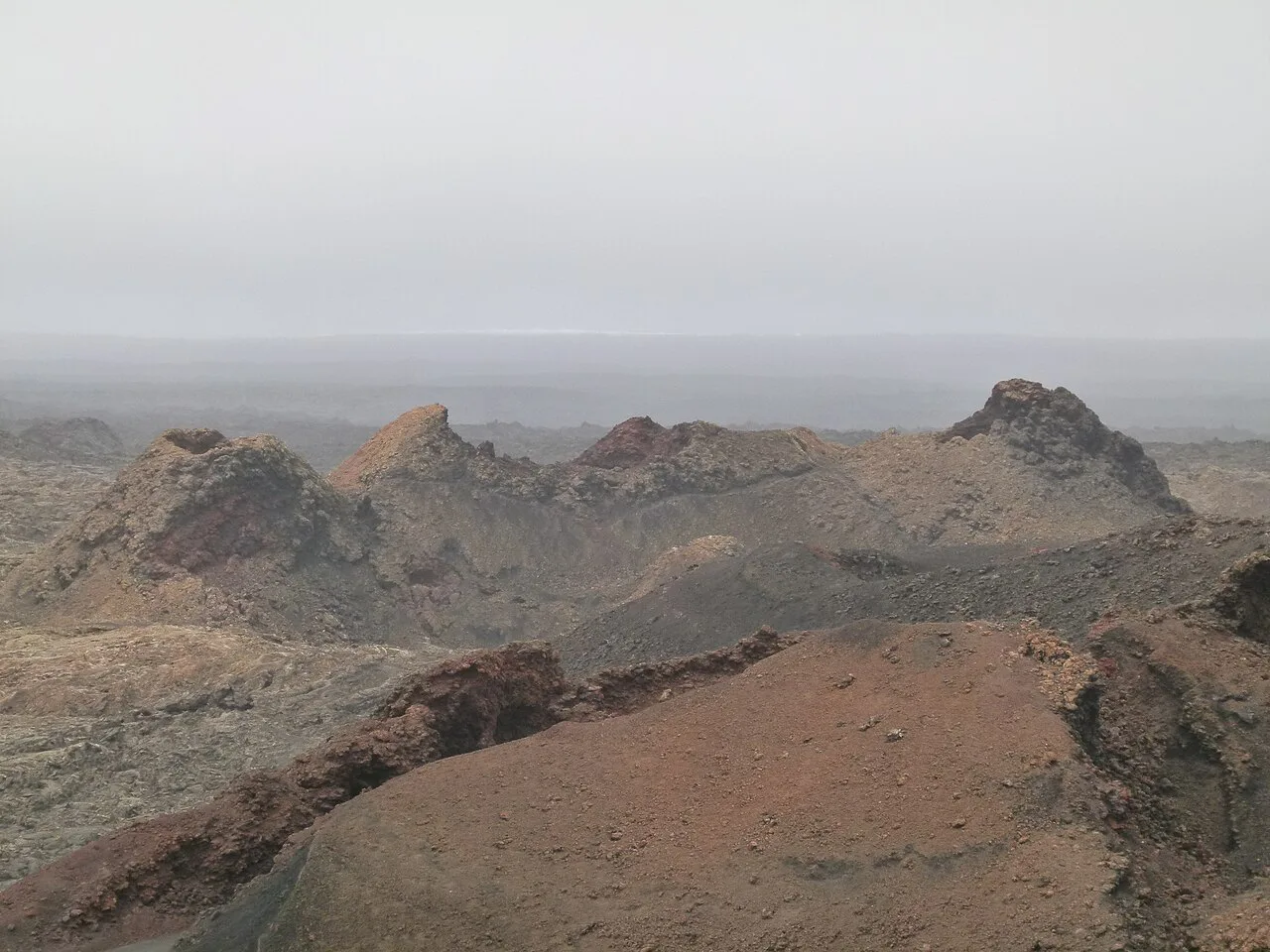
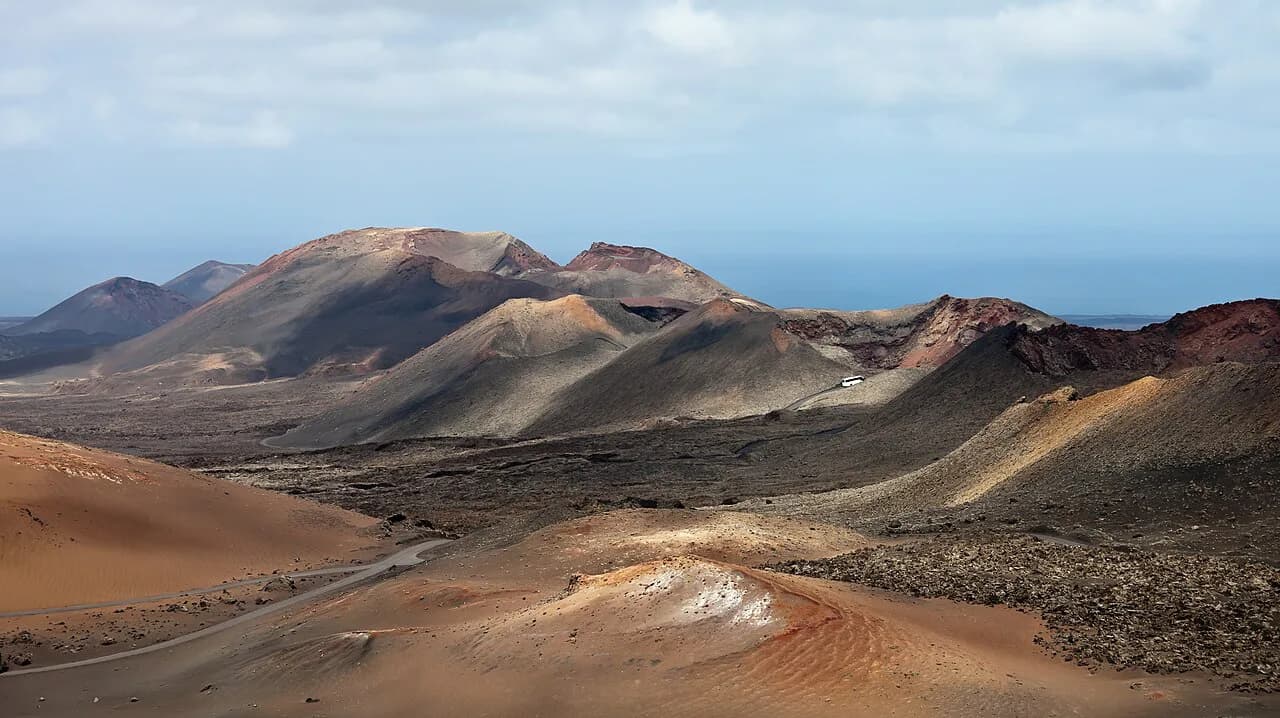
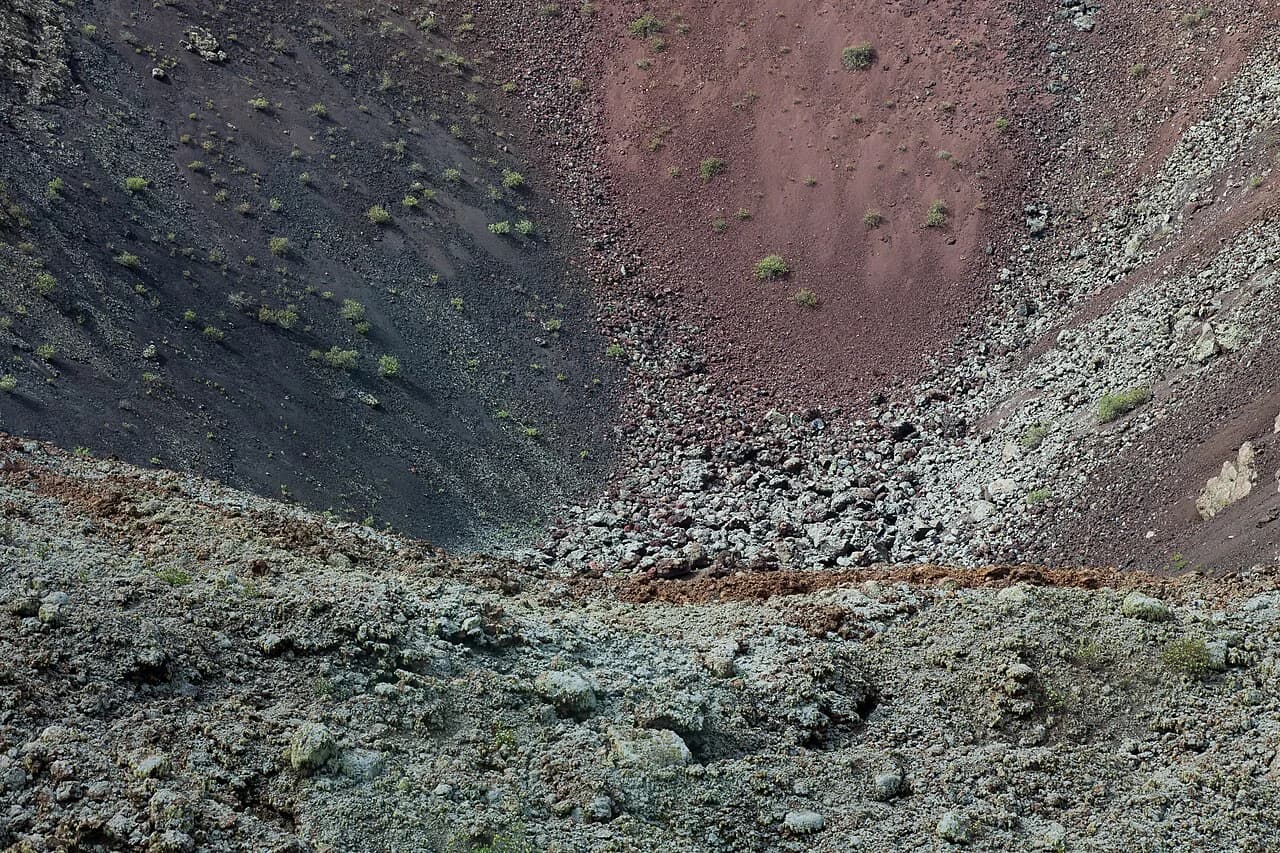
Timanfaya National Park is the island's defining sight: the Fire Mountains, the lava fields and the geothermal demonstrations that show how hot the ground still is just below the surface. In June's warmth you can spend time at the viewpoints without the punishing heat of August, and the colours of the rock are at their most vivid in low sunlight.
Go early. The park's visitor route is one of the most popular on the island, and the first hours of the morning are the calmest, with cooler air and softer light. Combine it with the coast at El Golfo and the salt pans at Janubio, where the terraces of white salt against black volcanic rock are a striking and often overlooked stop.
What is open
By June the island is running at summer rhythm. Ferries to La Graciosa and boat trips along the coast operate at full frequency, the César Manrique foundation sites and visitor centres keep normal hours, and resort restaurants, beach bars and beach clubs are fully open — a clear contrast with the quieter pre-season weeks of April and May.
That said, timetables for the La Graciosa ferry and for individual attractions do change with the season and with demand. If a particular boat crossing or site visit is the point of your trip, the ferry company's and attraction's own sites are the place to fix the details before you build a day around them.
The same applies to the smaller seasonal places — a rural restaurant, a winery tasting room or a water-sports operator may keep shorter hours outside the peak weeks. The advantage of June is that almost everything is running; the caution is that 'almost' is not 'all'.
Things to do beyond the beach
Walking is the strongest card. The Famara cliffs offer big coastal views, the Haría valley gives shade and palms, and the volcanic interior rewards an early start with silence and space. Cycling works well on the quiet interior roads, where the wind is the main variable rather than traffic.
For food and wine, La Geria's bodegas pour wines grown in volcanic ash, and the island's restaurants lean on fish, goat's cheese and papas arrugadas with mojo. The salt pans at Janubio are worth an hour on the way south, and the market at Teguise is the best single stop for local produce and crafts.
History buffs should not miss the Castillo de San José and the Manrique-designed spaces around the island, which show how one artist shaped the look of modern Lanzarote. None of these needs a full day, which is the point: June's long daylight lets you string three or four together without rushing.
Crowds and prices
June sits neatly before the big school-holiday surge, so flights and accommodation cost less than in July and August and the beaches are far less crowded. Spanish visitors arrive around the Corpus Christi period, and the last week of the month begins to fill as early summer holidays start elsewhere, so the first half of June is the calmer choice.
Expect resort prices rather than bargain prices: this is a warm, reliable destination in a popular month, and the restaurants and boat operators know it. Booking accommodation and any popular excursion ahead costs nothing and saves you the scramble in the final week. Half-term and the run-up to the summer break push prices up in the UK market, so check school dates before you fix your week.
Honest drawbacks
The sea is the big one. The Atlantic here stays cool well into summer, so swimming is a quick dip rather than a long soak, and anyone who holidays for warm water should aim later in the season. Evenings are also cooler than the daytime figures suggest, especially in the north and at altitude, so a layer for after sunset is genuinely useful rather than a cliché.
The trade wind is constant and can be strong, particularly around Costa Teguise, which is why that stretch is the island's windsurfing and kitesurfing hub. The upside is comfort in the heat; the downside is sand in your lunch and a chill once you are wet.
Calima, the dust haze blown over from the Sahara, can occasionally dull the skies and push temperatures up for a day or two; it is uncommon in June but worth knowing about if you are planning hiking or photography. Ultraviolet levels are high under near-cloudless skies, so shade and timing matter more than they would at home.
Lanzarote or another island in June?
Lanzarote is the driest and most consistently bright of the main Canary Islands, with a low, wind-scoured landscape that gives little shelter but also few cloudy days. Fuerteventura next door is similar in character, while Gran Canaria in June offers far more variety, from green mountains to busy southern resorts. If you are still choosing, where is warm in Europe in June lays out the options.
Tenerife has the highest mountain in Spain and a greener, wetter north, which makes it the better pick if you want landscapes as much as sunshine; its southern resorts are hotter than Lanzarote's in June. For a June trip built around walking, cycling and sightseeing rather than baking on a beach, Lanzarote's combination of warmth, wind and dry air is hard to beat.
If you are comparing further afield, Ibiza in June is warmer on land and in the sea but busier and more expensive, with a shorter season behind it. Lanzarote's June is calmer, breezier and better value.
June or September in Lanzarote?
Both are shoulder months with similar air temperatures, but they differ in what the sea and the calendar give you. September follows a summer of warming, so the Atlantic is at its most comfortable and swimming becomes a pleasure rather than a gasp; June's water is still recovering from winter.
June has the edge on daylight, with long evenings and the whole summer ahead, and it is quieter than September's early weeks, when Spanish holidaymakers and late-summer travellers arrive. September can still be hot and humid, and the first rains of autumn occasionally show up. For walkers, June is the better month; for swimmers, September wins.
If your dates are fixed by work or school, the choice usually makes itself. If they are not, decide which matters more — warm water or the freshness of early summer — and book accordingly.
The verdict
June is one of the best months for an active Lanzarote holiday: warm days, almost no rain, long sunshine and comfortable evenings, all before the school holidays inflate prices and crowd the coast. It suits walkers, cyclists, sightseers and families who want to be outside all day without August's intensity.
Accept the trade-offs and you will have a better trip. The Atlantic will be cold, the wind will blow, and the evenings will need a layer. If you want hot sea and still heat, go later in the summer or further south; if you want the island at its most usable, June delivers.
Plan Your Visit
Pick the first half of June for the best balance of warmth, space and value, base yourself where the wind suits your plans — the south for shelter, the north for greenery and breeze — and start your days early for the big sights. Check the official UK government travel advice page for Spain once, and confirm ferry and attraction times with the ferry company and the attraction directly before you commit a day to them.
Decide what the trip is for before you book. A walking and sightseeing holiday fits June perfectly; a beach-and-swimming holiday fits September better. Get that call right and Lanzarote in June is hard to fault.
More Lanzarote spring guides
Frequently Asked Questions
Is June a good month to go to Lanzarote?
Yes, for most kinds of trip. Days are warm and almost rainless, sunshine is abundant and the island is not yet at peak-season capacity. It is less suitable if warm sea swimming or guaranteed intense heat is the main reason for going.
How warm is Lanzarote in June?
AEMET's long-term normals for Lanzarote Airport give an average daytime high of 26.3°C (79°F) and an average night-time low of 18.8°C (66°F). The trade wind keeps the coast comfortable, and the evenings cool noticeably after sunset.
Does it rain in Lanzarote in June?
In a typical June, effectively not. The AEMET normals record no measurable rain days and no precipitation for the month, though a rare shower or Saharan dust haze is always possible.
Is the sea warm enough to swim in Lanzarote in June?
The Atlantic stays cool well into summer, so expect an invigorating dip rather than a long soak. Swimmers who want comfortable water are better off in September, after a summer of warming.
Is Lanzarote too hot in June?
No. The Canary Current and north-easterly trade winds moderate the Saharan air, so days are warm rather than stifling. The main heat-related issue is strong ultraviolet light under near-cloudless skies, so time outdoor activity for morning and late afternoon.
Lanzarote in June or September?
June gives you long days, lower prices and quieter resorts, with cool sea. September gives you warmer water and a post-summer feel, though it can still be hot and humid with a chance of early autumn rain.
Which other islands should I compare with Lanzarote in June?
Fuerteventura is similarly dry and breezy, Gran Canaria offers more variety of landscape, and Tenerife has the mountain and a greener north. The Balearics are warmer on land and in the sea in June but busier and more expensive.
Sources
Spring sun notes
Optional updates when we add destinations and months.
You might also like
Continue reading
More guides you'll find useful