Lake Garda in May: How Warm It Is and What to Expect
Lake Garda in May averages 24°C by day and 12.5°C at night, with about eight hours of sun daily. Here is what that means for walks, boats and crowds.
On this page
May is the month when Lake Garda stops feeling like a gamble. Typical conditions recorded at Verona Villafranca, the reference station for the southern lake, give an average daytime high of 23.98°C (75°F) and a night-time low of 12.52°C (55°F), with 241.03 hours of sunshine across the month and 7.73 rain days. That combination suits walkers, cyclists, sightseeing couples and families with young children far better than July, when the heat and the crowds both peak.
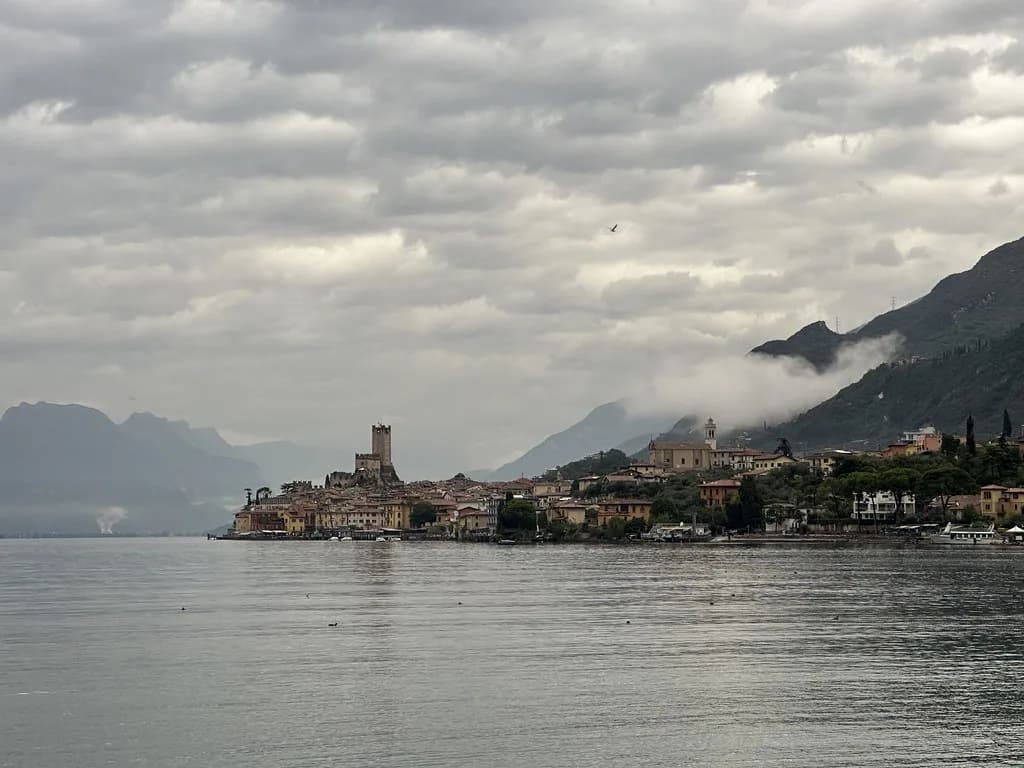
What May does not deliver is a warm lake. The water is still cool through the month, so treat swimming as a dip for the hardy rather than the point of the trip. Come for the boats, the lakeside paths and the gardens, and you get a version of Garda that is busy enough to feel alive but not yet stretched by high summer.
Weather in May
The figures below are long-term climate normals for 1991 to 2020, not a forecast, so treat them as the shape of a typical May rather than a promise for your week. Expect average highs near 24°C (75°F) and average lows near 12.5°C (55°F), with roughly 241 hours of sunshine spread across the month. Rain falls on around eight days, usually as short spring showers rather than all-day washouts.
Daylight is generous by mid-May, which matters more than the thermometer suggests: long evenings mean late boat rides back from Malcesine and dinners outside without watching the clock. The wider picture across the continent is covered in where is warm in Europe in May, which is useful if you are still comparing Garda with the Aegean or southern Spain.
Why May Suits Lake Garda
Lake Garda sits in a basin that moderates its own weather, so May days arrive warm without the punishing heat that builds later. The lake's stored coolness and its afternoon breezes take the edge off the sun, which is why the north shore in particular stays fresh and popular with windsurfers and sailors. You get summer light with spring temperatures, and that is the whole appeal of the month.
May also sits in a sweet spot between two weaker options. If you want to see how much cooler the season starts, lake garda in april carries changeable air and shorter evenings, while by June the normals push highs to 28.09°C (83°F) and night-time lows to 16.88°C (62°F), which starts to feel like proper summer. If you want to be outdoors all day without seeking shade, May does that better than either neighbour.
Early vs Late May
Early May still carries a spring feel: afternoons reach the high teens or low twenties, mornings are cool and the mountains around the north shore can look sharp and clear after overnight rain. By the second half of the month you get stretches that feel close to summer, with warm afternoons and evenings mild enough to sit outside. Average figures hide that build, so if warm weather is the priority, aim for the last ten days rather than the first.
The trade-off is that late May coincides with bank holidays and half term, when Italian and northern European visitors arrive together. Early May is quieter and cheaper in feel, but you accept a slightly greater chance of a cool, showery day. Neither choice is wrong; it depends on whether you value certainty of warmth or calm promenades.
North Shore vs South Shore
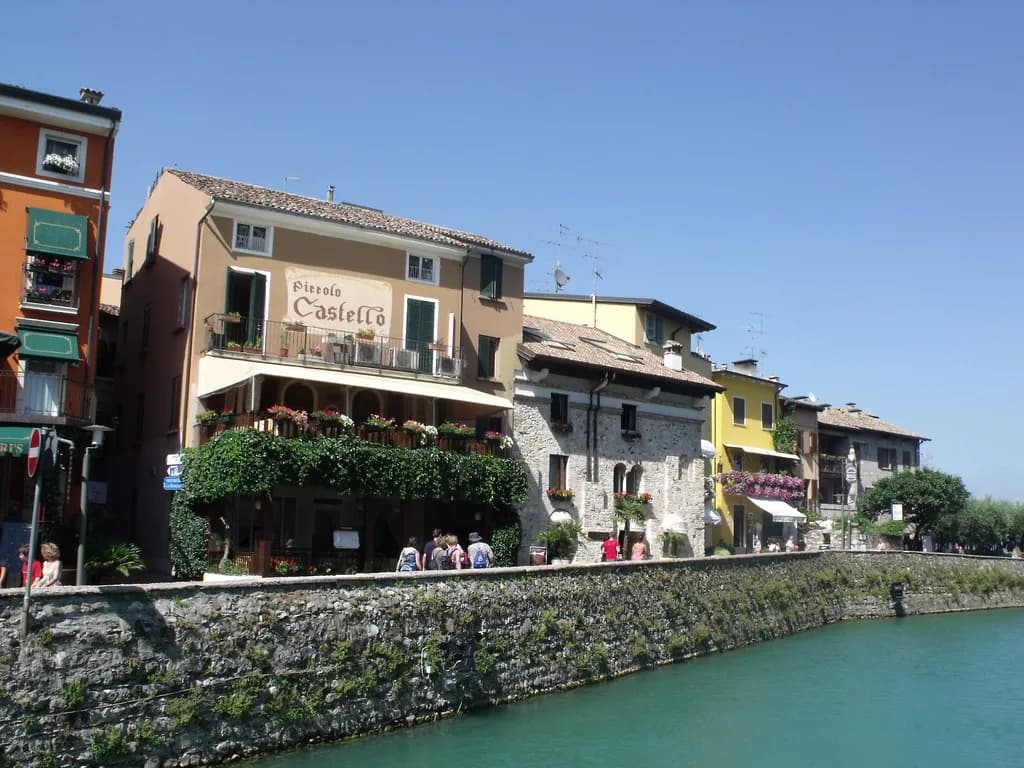
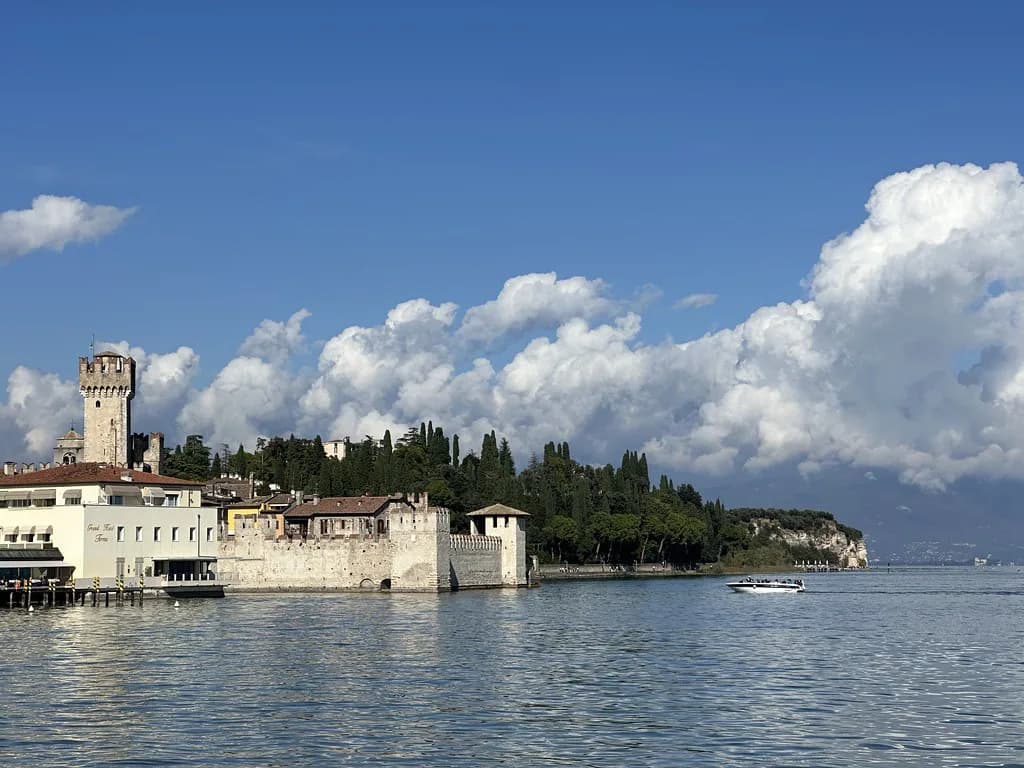
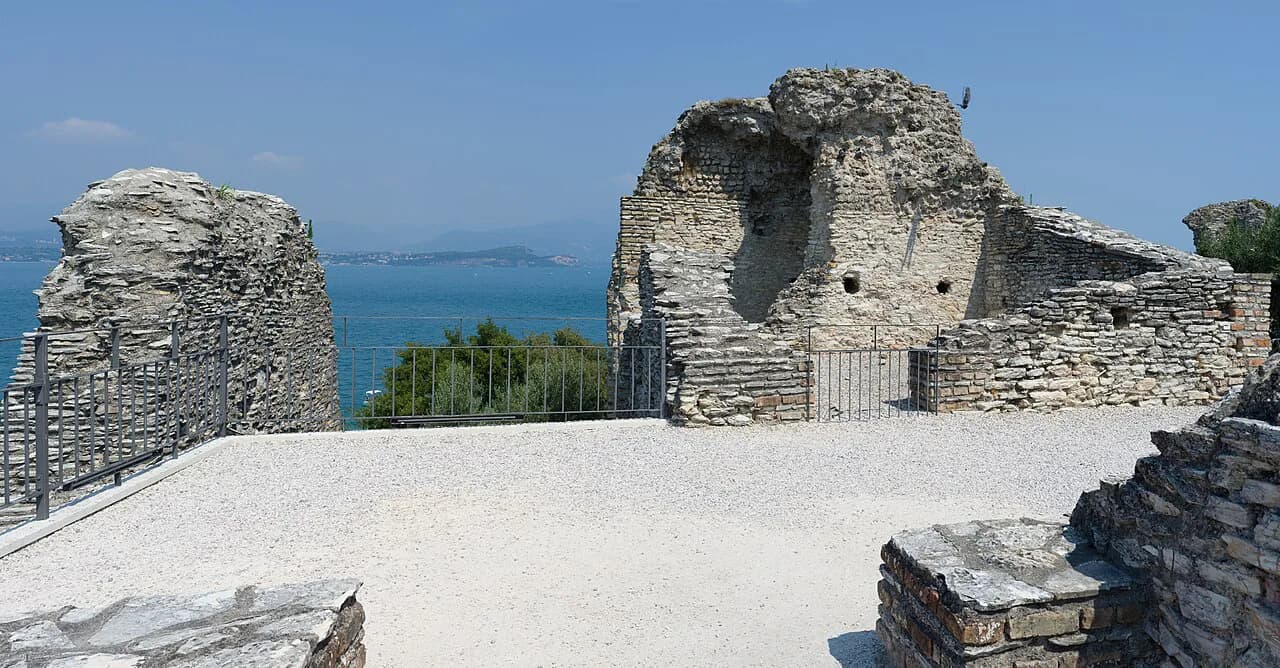
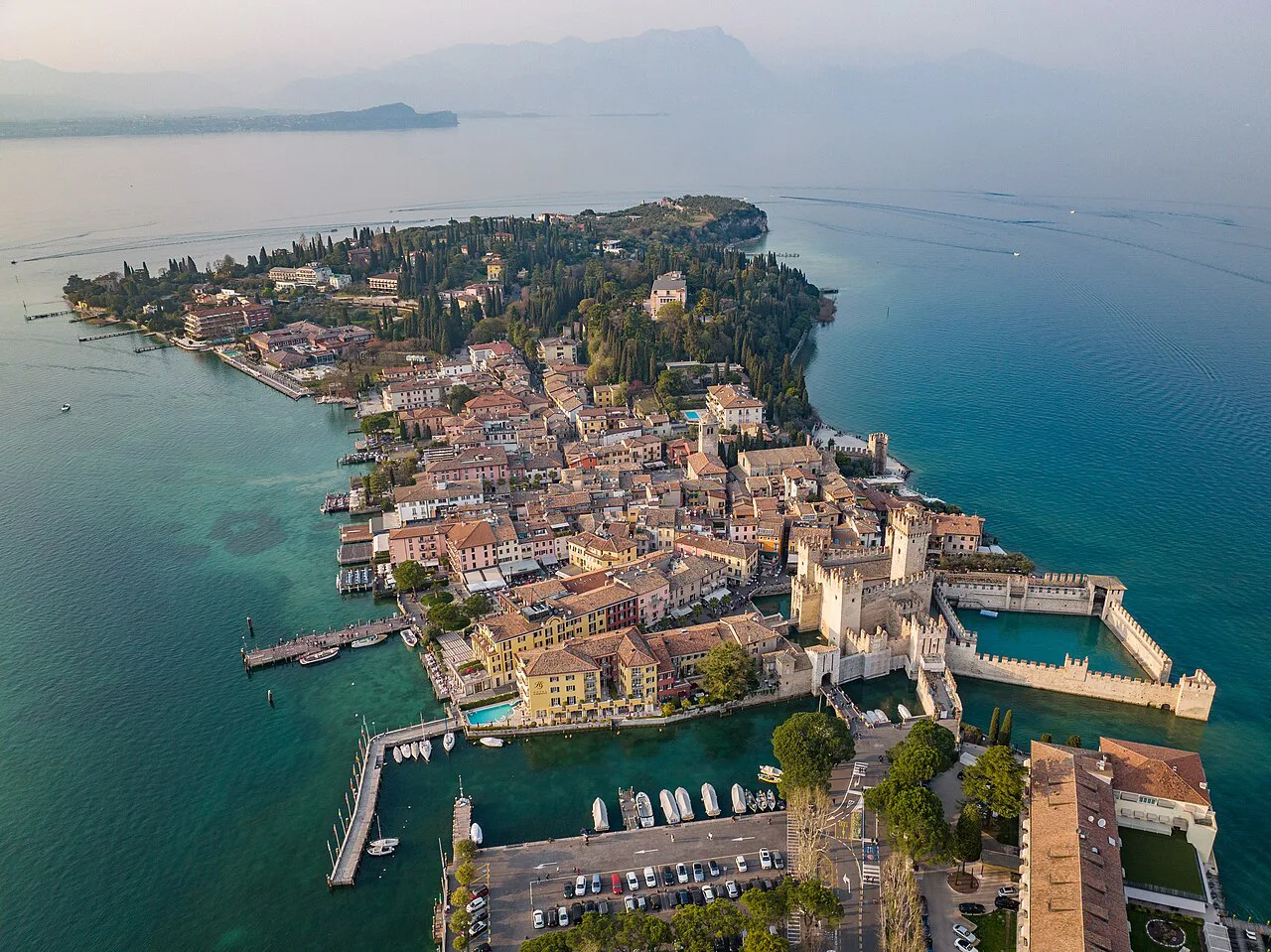
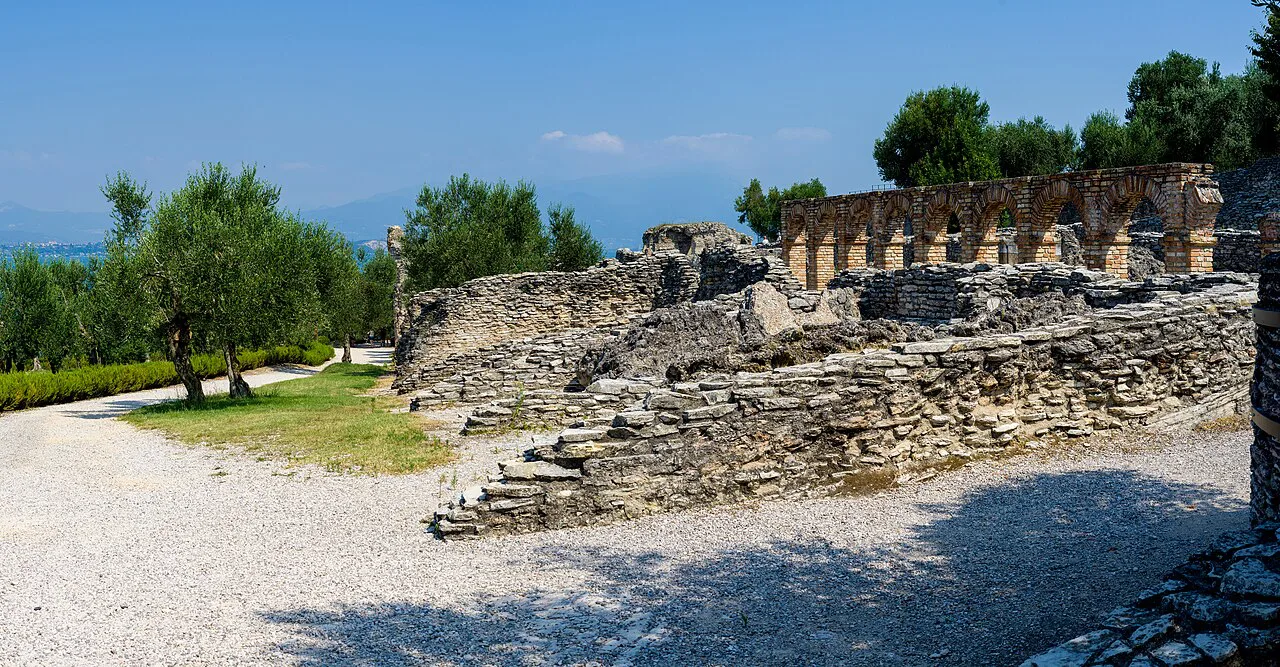
The south end of the lake, around Peschiera, Desenzano, Sirmione and Bardolino, is flatter and warmer, with promenades built for easy strolling and rail access at Peschiera and Desenzano. That makes it the better base in May for families with small children, for anyone without a car and for couples who want lake views without a climb. Sirmione's old town and the Grotte di Catullo on its tip are the obvious set-piece visits.
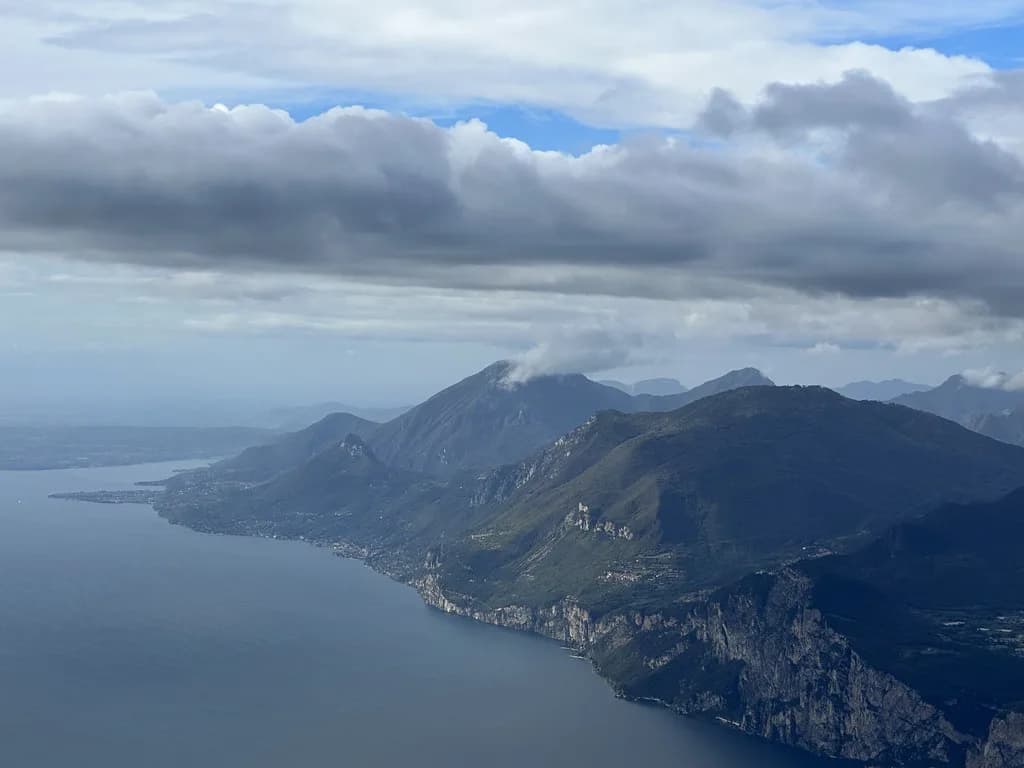
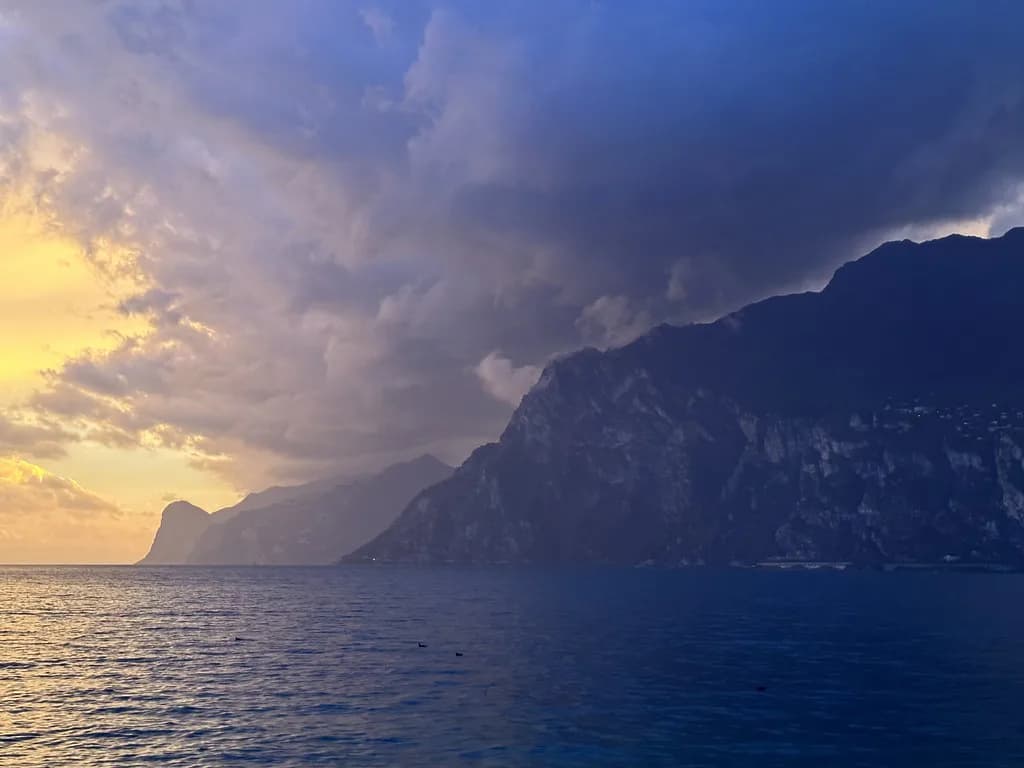
The north, around Riva del Garda, Torbole, Limone sul Garda and Malcesine, is cooler, breezier and more dramatic, with mountains dropping straight to the water. It rewards walkers, cyclists, climbers and sailors, and it stays comfortable when the south starts to swelter. In May, though, the fresher air means you should plan around the middle of the day for warmth and keep a jacket for boat crossings and evenings.
Monte Baldo is the dividing line and the reason the two shores feel different: the cable car from Malcesine climbs to trails and viewpoints that are at their best before the summer heat. In May the upper paths are usually open and the views over the lake are clear, though the mountain can still hold cold air and cloud early in the day.
Is It Warm Enough?
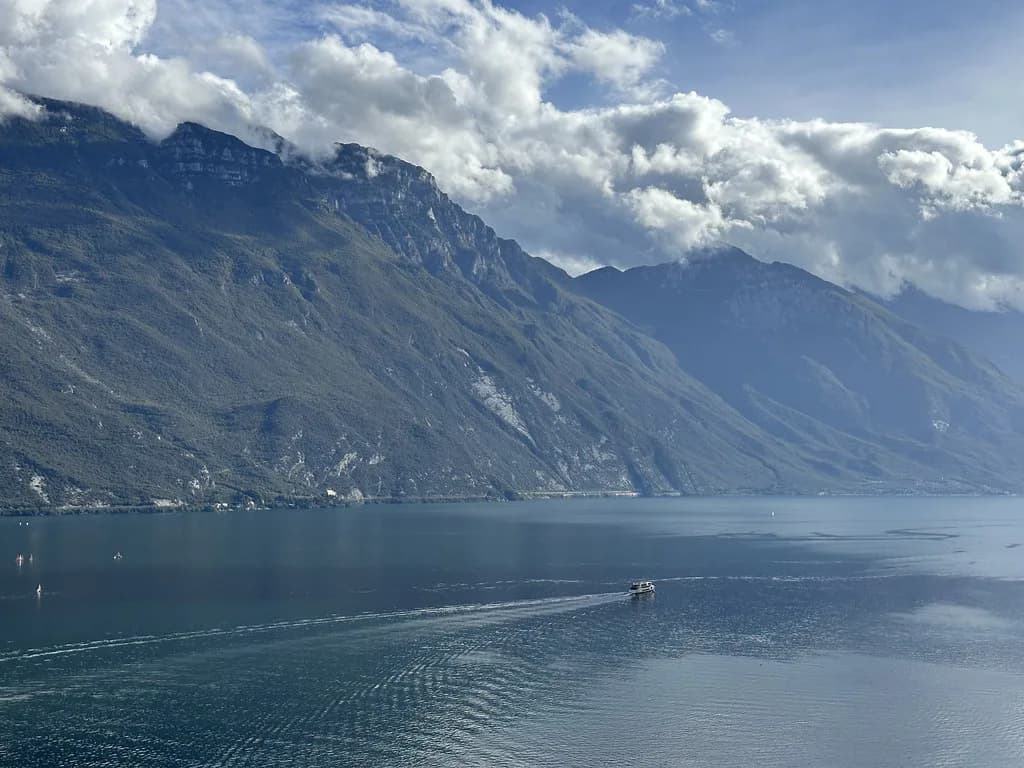
For walking, cycling and sightseeing, May is close to ideal: warm enough for shirt sleeves by afternoon, cool enough to climb a hill without suffering. Boat trips across the lake work well too, though the breeze over open water is noticeably cooler than the shore, so the return leg in the evening feels different from the outward one. Couples and families with young children will find the month easier than July on every count except swimming.
If your holiday depends on swimming, sunbathing for hours or eating dinner in short sleeves late into the night, May will frustrate you. The lake is cool, evenings drop to around 12.5°C (55°F) and a cloudy day can feel distinctly fresh. Those travellers should look at June instead, or compare genuinely warm places in Europe in April and May further south before committing to the lake.
What Is Open
By May the lake is properly running: ferries connect the main towns on regular schedules through the season, and the lakeside restaurants, cafés and boat operators that close in winter are back in business. Gardens and olive groves are in full leaf, and the beaches along the southern shore are in use, if not yet crowded. Late spring is the point when the whole shoreline works again, rather than a handful of towns carrying the season alone.
Not everything is at full summer rhythm. Some mountain facilities and smaller lakeside places open gradually through spring, and the Monte Baldo cable car and other attractions keep their own seasonal timetables. If a specific boat route or lift is the reason for your trip, check current timetables and opening dates before you travel, since services vary by date.
Things to Do in May
The Bardolino to Garda walk is the classic half-day outing: you follow the shore north from Bardolino's harbour past the Rocca di Garda, with Punta San Vigilio visible across the gulf, and finish in Garda itself. It is easy going, takes a couple of hours at a stroll, and the mild May air makes it pleasant rather than a slog. The longer Peschiera to Lazise lakeside path covers more ground and suits a full morning.
Cyclists should ride the suspended path at Limone sul Garda, which runs flat for more than two kilometres along the rock face above the water with Monte Baldo across the lake. Combine it with a wander through Limone itself, where the flowered balconies and the Limonaia del Castèl explain why lemons grow here further north than almost anywhere else in Europe. The lake's microclimate, and the olive oil and citrus it produces, is a good reason to spend an afternoon in the groves rather than on a beach.
Food and wine fit the month neatly: Bardolino and the surrounding hills make light reds that suit warm afternoons, and the olive oil from the lake's western shore is a genuine local product rather than a souvenir. A cooking class or a cellar visit in the Bardolino area is a sensible way to spend a cool or showery day. Verona, half an hour away by train from Peschiera or Desenzano, adds a city day and the opera season from mid-June.
Crowds and Prices
May is busier than April but well short of July and August. The pinch points are the bank holiday weekends and school half term, when Italian and northern European visitors arrive at once and the southern shore towns fill up. Outside those windows, midweek promenades are calm and you can usually decide on the day where to eat.
Prices sit between the quiet spring months and the summer peak: reasonable in early May, edging up as the month closes and the season opens properly. Accommodation and boat trips are worth booking ahead for the holiday weekends rather than weeks in advance for the rest of the month. The full comparison with the months either side is in The Best Time to Visit Lake Garda.
May or June?
The same climate normals make the decision simple: May averages 23.98°C (75°F) by day and 12.52°C (55°F) at night, while June jumps to 28.09°C (83°F) and 16.88°C (62°F) with slightly more sunshine at 261.15 hours. That four-degree shift is what turns cool evenings into warm ones. If you want to swim comfortably, eat outside late and pack less, June is the better month.
Choose May if walking, cycling, boat trips and sightseeing are the point, and you would rather be cool on a hill than hot in a car park. Lake Garda in June is a fair summary of the other side of the trade: more heat, more people, warmer water and a more summery feel from the first week.
The Verdict
May is the best all-round month for Lake Garda. It gives you long days, dependable warmth for anything on land, working ferries and restaurants, and crowds that only bite around the bank holidays. Accept that the water is cold, evenings are cool and a showery day can still appear, and you get the most usable version of the lake.
Book late May for the best chance of summer warmth, early May for calm and cheaper rates, and the north shore if you want mountains and breeze over promenades. If you are still comparing destinations, the Amalfi Coast in May offers a much warmer sea but a very different, steeper holiday.
Plan Your Visit
Decide first what the trip is for. Walking, cycling, boats and sightseeing: May is the month, ideally the second half for warmth or the first half for calm. Swimming and long warm evenings: push to June or pick a warmer coastline.
Then choose your shore. The south around Peschiera, Desenzano and Sirmione is easier and warmer; the north around Riva, Torbole and Malcesine is fresher, more dramatic and better for active days. Either way, book the bank holiday weekends ahead and leave the rest loose, because May weather rewards flexibility.
More Lake Garda spring guides
Frequently Asked Questions
Is Lake Garda warm in May?
Yes, for anything on land. Average daytime highs reach about 24°C (75°F) and night-time lows about 12.5°C (55°F), based on long-term normals for the Verona Villafranca station. Expect roughly eight rain days and 241 hours of sunshine across the month, so most days are usable outdoors.
Can you swim in Lake Garda in May?
The lake is still cool in May, so swimming is for the hardy rather than a daily habit. The air is warm enough to sit by the water and to take boats comfortably, but if swimming is central to your holiday, June is the better month.
What is there to do in Lake Garda in May?
Walk the Bardolino to Garda path past the Rocca di Garda, or the longer Peschiera to Lazise lakeside route. Cycle the suspended path at Limone sul Garda and visit the Limonaia del Castèl, ride the cable car up Monte Baldo, and take ferries between the main towns.
Is May a busy month on Lake Garda?
It is steady rather than packed, with bank holidays and half term as the busiest windows. Outside those periods, towns such as Bardolino and Desenzano are comfortable to wander and you can usually decide on the day where to eat. Prices sit below the summer peak.
Should I choose May or June for Lake Garda?
Pick May for walking, cycling, boat trips and sightseeing in comfortable temperatures with fewer crowds. Pick June if you want warmer evenings, a lake warm enough to swim in and a more summery feel, accepting higher temperatures and more visitors.
What food is Lake Garda known for?
The lake's mild microclimate supports olives and lemons further north than usual, so local olive oil and citrus are genuine products rather than souvenirs. Bardolino and the surrounding hills make light red wines that suit warm afternoons, and cellar visits and cooking classes run in the area.
Sources
Spring sun notes
Optional updates when we add destinations and months.
You might also like
Continue reading
More guides you'll find useful