Things to Do in Lanzarote in May: 14 Great Ideas
Lanzarote in May brings warm days, cool evenings and fewer crowds than summer. Plan volcanoes, lava tubes, wine tastings and a La Graciosa ferry day.
On this page
May gives you the version of Lanzarote that rewards walking and sightseeing rather than lying still: warm days, breezy afternoons, cool evenings and very little rain. The island is dry and volcanic in the south, greener and cliff-edged in the north, and small enough to cover from one base. What May will not give you is bath-warm sea or guaranteed sunbathing heat, so plan around the land rather than the water.
Half term and the early May bank holiday are the weeks to watch, and the island fills fastest around them. Outside those, Lanzarote in May is quieter than July and August, and it sits between the changeable spring of Lanzarote in April and the more reliably hot start of summer covered in Lanzarote in June.
May in Lanzarote: what the month is like
May is warm by day and cooler after dark, with a steady breeze that most visitors find pleasant and some find relentless. Rain is uncommon, sunshine is frequent, and the light on the black lava and white villages is the reason photographers like this month. The sea is still cool by Mediterranean or Caribbean standards, so treat swimming as a bracing extra rather than the point of the trip.
The breeze is the detail that shapes a May day. Costa Teguise and Famara sit in the windiest stretches, which makes them good for kitesurfing and surfing and less good for a still, baking beach day. Sheltered spots in the south and the enclosed terraces at the Manrique sites feel noticeably calmer.
Who May suits and who should wait
May is the month for walkers, sightseers and anyone who wants to cover a lot of ground without the July heat. Families with young children do well too, because the lava tubes and the geothermal demonstrations at Timanfaya hold attention in a way that a long beach afternoon does not. Couples who want dinner outside and a cool bedroom at night will be comfortable.
If your idea of a spring holiday is guaranteed sunbathing heat and warm water, May on Lanzarote will disappoint. Wait for June, when temperatures climb and the sea begins to soften. If you want warmth earlier and are flexible on destination, our guide to warm places in Europe in April sets out the alternatives that deliver heat sooner.
Early vs late May
Early May still carries a spring feel: cooler evenings, a sea that takes your breath, and the first proper beach days for visitors from northern Europe. Late May is warmer, the days are longer, and the island starts to look like summer, with more people on the promenades and fuller car parks at the headline sights.
The half-term week at the end of the month is the busiest stretch, and it changes how you should sequence a trip. Book Timanfaya and the lava-tube sites ahead for that week and start earlier in the morning. For a wider view of how the island changes across the season, see the best time to visit Lanzarote.
Timanfaya National Park: the volcano route
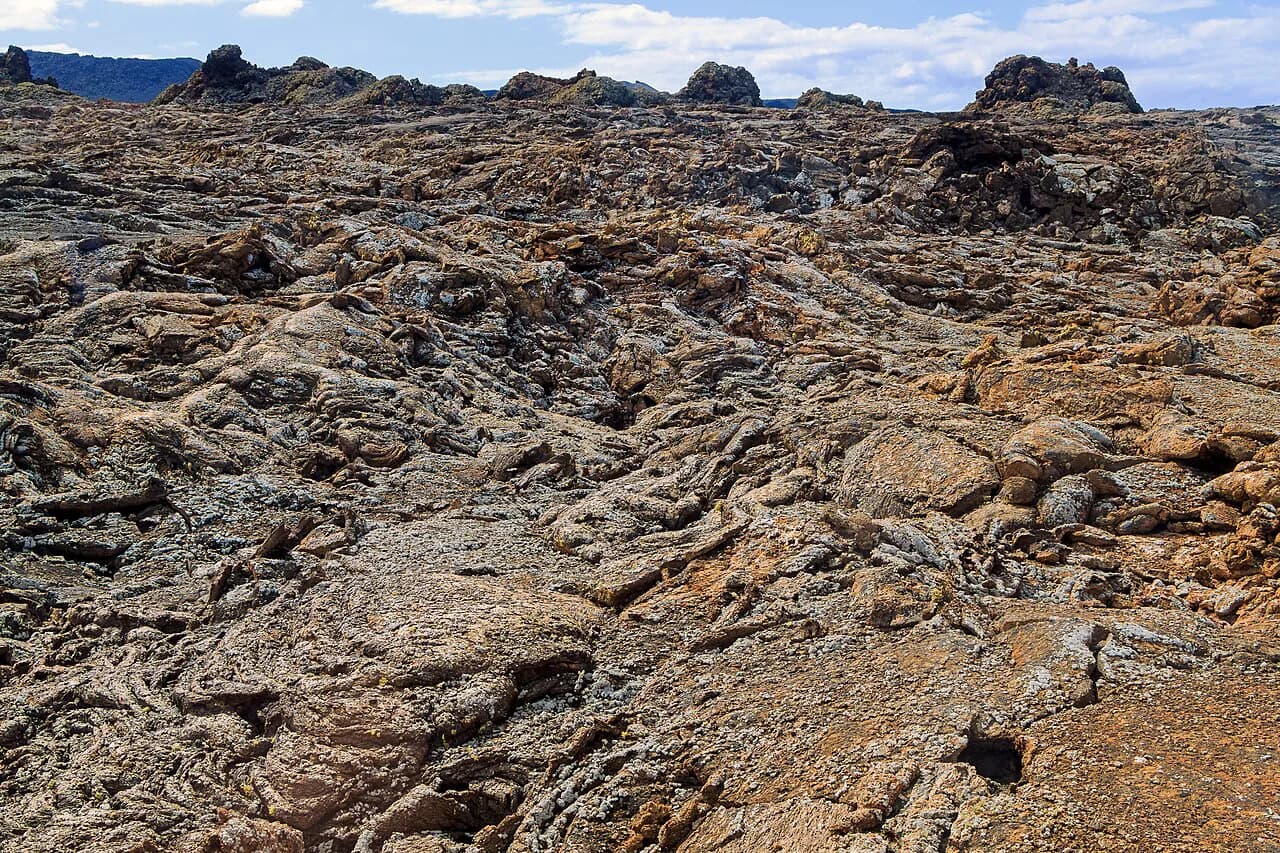
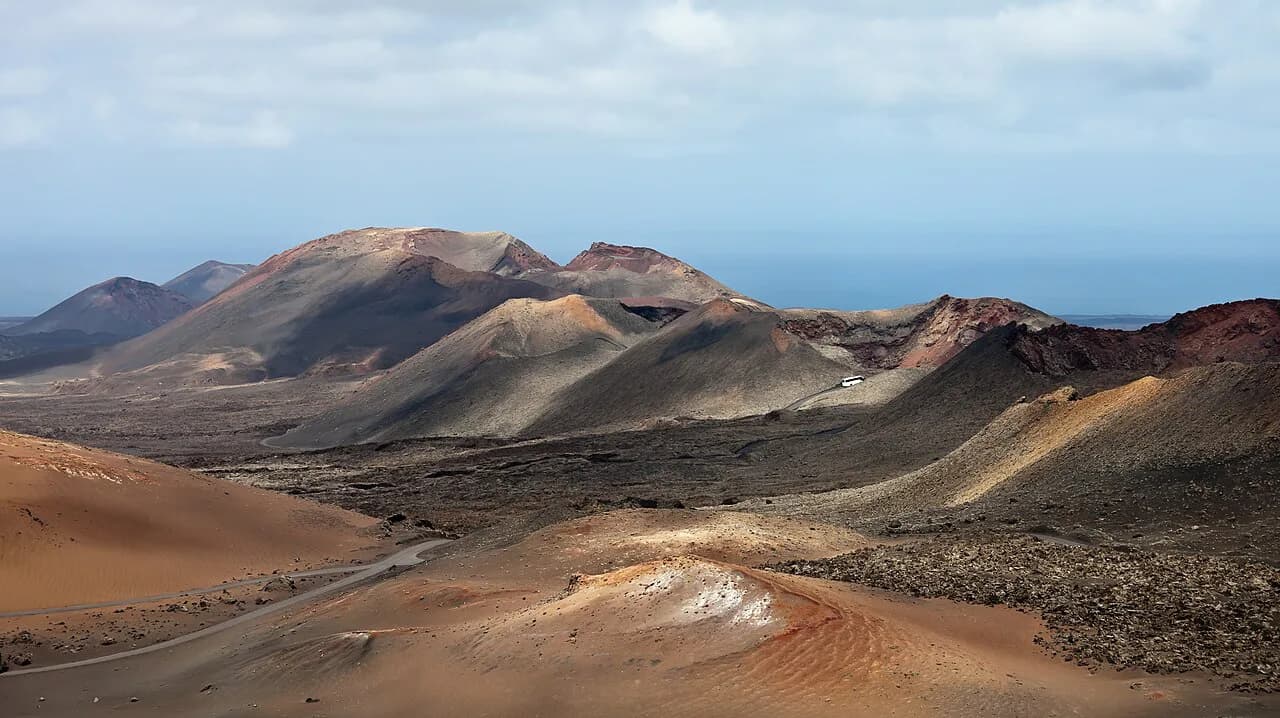
Timanfaya is the reason many people come, and it is not a place you wander freely. The crater route is covered by coach from the park visitor centre, so you see the lava fields and cones from a seat rather than a trail, and the geothermal demonstrations at Islote de Hilario show how hot the ground still is just below the surface.
Tickets are sold online and on site, and booking ahead matters in busy periods because entry is tied to arrival rather than a fixed slot. Some visitors find the coach windows poor for photography, so a seat on the right and a little patience pay off. Allow half a day and go in the morning, when the light is best and the coach queues are shorter.
Guided day tours combine Timanfaya with the northern sites and pick up from resorts across the island, which suits anyone not hiring a car. It is the easiest way to see the headline volcanic landscape in one day, and it removes the parking problem at the park. Compare options for the Timanfaya, Jameos del Agua and Cueva de los Verdes day tours before you commit.
Cueva de los Verdes and Jameos del Agua
The lava tubes in the north are a gift in May, because the temperature underground stays steady while the surface warms up. Cueva de los Verdes takes you through a long lava tunnel with stairs and narrow sections, and the guided walk is short enough to suit most ages. Jameos del Agua pairs a cave lake with tiny albino crabs and a bright pool built into the rock.
Both sites get coach-loads around midday, so an early or late visit is calmer and cooler. Plan the two together with Mirador del Río, since they sit within a short drive of one another in the north. The caves make a sensible choice on a windy day when the coast is unpleasant.
Mirador del Río and the ferry to La Graciosa
Mirador del Río is César Manrique's cliff-edge viewpoint, and on a clear May morning the view across the water to La Graciosa is the best on the island. It is a short stop, so pair it with the fishing village of Órzola at the northern tip, where the ferry crosses to the little island.
La Graciosa has no tarmac roads, just two sandy tracks, and you explore it on foot, by bike or with a guided vehicle. The crossing is short and ferries run through the day, but check times with Lineas Romero for the day you travel, since they shift with the season. A full day is enough if you want beaches and a fish lunch, and Caleta del Sebo is where everything starts.
La Geria: volcanic-ash vineyards
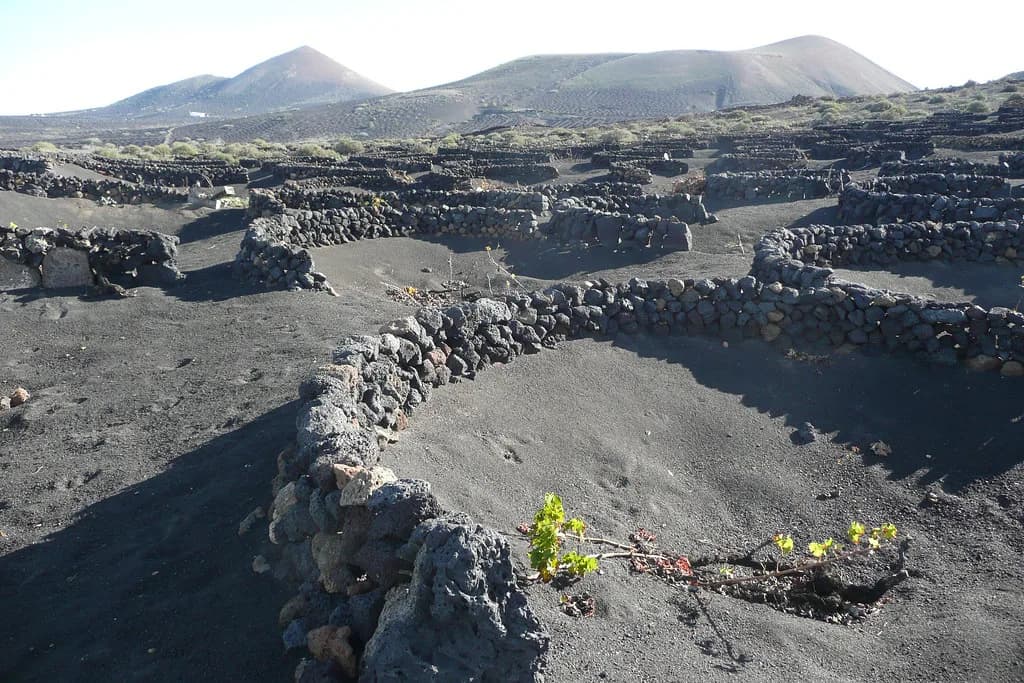
La Geria is the stretch of the island where vines grow in hollows of black ash, each protected by a low stone wall against the wind. It runs along the road between Yaiza and Uga, and the contrast between the green shoots and the dark ground is one of the most striking landscapes in Spain. Most wineries take walk-in tastings, so you can stop as you drive between Timanfaya and the south.
El Grifo, founded in 1775, has a small wine museum alongside its tastings, which makes it the obvious single stop if you only have time for one. Some bodegas offer vineyard walks with organic wines and local chocolate, an easy way to spend a warm May afternoon out of the sun. Designate a driver, because the roads through the vines are narrow.
El Golfo, Los Hervideros and the salt pans
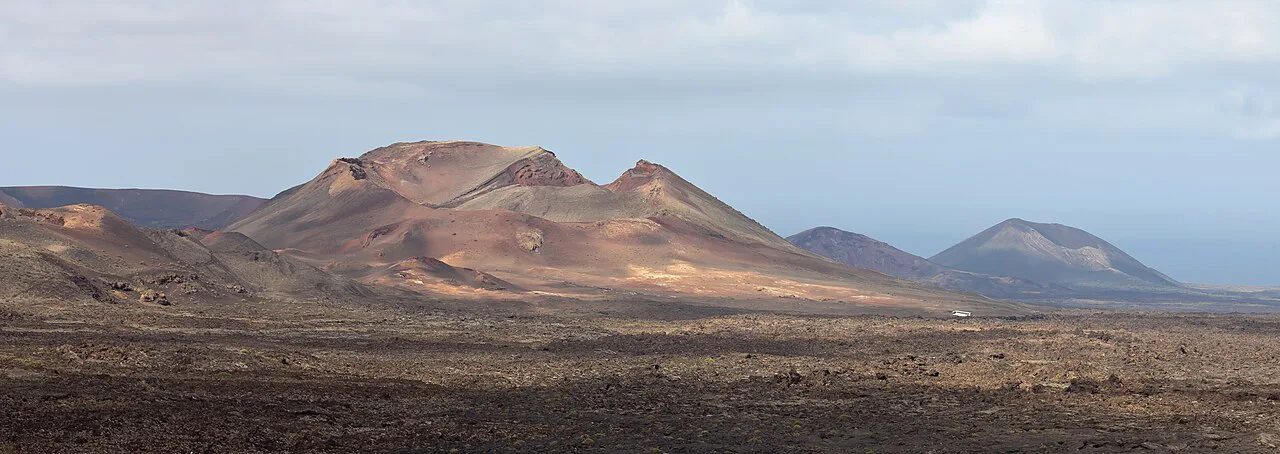
On the west coast, El Golfo is a half-submerged crater with a green lagoon ringed by black sand, and Los Hervideros is the lava-formed cliff a short drive further on. Both are free to visit and best in the morning, when the light brings out the colour of the lagoon and the crowds are thinner. The walkways at Los Hervideros are paved, so you do not need to be a confident walker to see the best of it.
The Salinas de Janubio sit close by, the largest salt pans in the archipelago, and they are odd and beautiful against the surrounding lava fields. Go free, and pick your viewpoint for the light: the southern end gives the overall view, while the eastern mirador is best late in the day. Together these three fill a relaxed half-day between Timanfaya and the southern resorts.
Famara: surf lessons and the wind
Famara is the long beach in the north where the wind and swell make Lanzarote a genuine surf destination. Beginners' group lessons are widely available and include a wetsuit and board, which is worth it in May when the water is still cold. The beach is a natural reserve, so swimming is best kept to the flagged, lifeguarded area when the swell is up.
Conditions change quickly here, so ask your school which days suit your level rather than turning up and hoping. The same wind that brings the surf makes Famara a poor choice for a still, sunbathing afternoon, which is why many people visit for a morning and spend the rest of the day inland. If you want gentler water, look south.
Jardín de Cactus and the Fundación César Manrique
Manrique's fingerprints are all over the island, and two of his sites are ideal for a warm May day. The Fundación César Manrique in Tahíche is built inside his former home, with rooms set around volcanic bubbles and a pool cut into the lava rock. It is an indoor-outdoor visit that keeps you out of the midday sun while showing how the island's architecture came about.
The Jardín de Cactus at Guatiza, his last major project, holds thousands of cacti arranged around an old windmill, and it is small enough for a short stop on the way north. Both sites get busy with tours around midday, so early or late works better. They are close enough to combine with the lava tubes and Mirador del Río in one northern loop.
Teguise market and the quiet weekdays
Teguise was the island's former capital, and on market day it fills with stalls, food and souvenirs while the rest of the week it is a sleepy, quiet village of dark stone and whitewash. Go for the market if you enjoy that sort of bustle, arrive early and park outside the centre, because the village car parks fill quickly. Otherwise, visit on a weekday and have the streets nearly to yourself.
The weekday version of Teguise pairs well with lunch in one of its tapas places and a look at the church and squares. It is also a useful wet-weather or windy-day option, since the village sits inland and offers shelter that the coast does not. Check the market day with the local tourist office before you build a plan around it.
Walks for May
The cliff path from Puerto del Carmen to Puerto Calero takes under an hour and follows the shore, with the volcanoes getting closer as you go and the smart little marina at the far end. It is one of the best short walks on the island and many visitors never find it. Go in the morning or late afternoon to avoid the strongest sun.
Inland, marked trails let you get close to the volcanic terrain without entering the closed areas of the national park, and a guided hike covers more ground than you would manage alone. The landscape offers little shade, so a May walk is comfortable early but exposed by midday. Carry water and start early.
Papagayo beaches and shoulder-season swimming
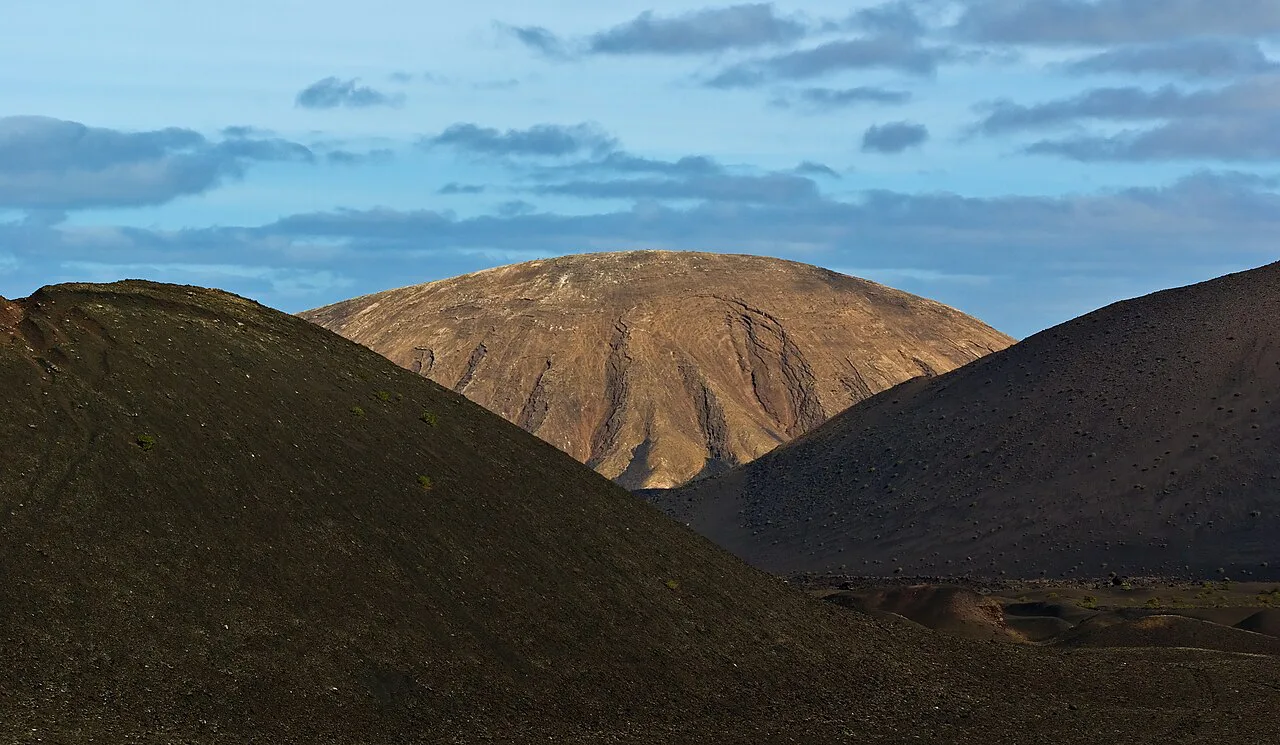
Papagayo is the island's most scenic beach, a series of sheltered coves near Playa Blanca reached by a dusty, bumpy road. The access runs through the Los Ajaches natural park, and there are two car parks, one at Papagayo itself and another a short walk away. Go early or late in the day to avoid the tightest parking and the busiest hours.
In May the sand is warm and the wind is often manageable in the coves, but the water is still cool, so most people swim briefly rather than settle in for hours. There are few facilities beyond small seasonal snack stands, so bring water and shade. A boat trip from Playa Blanca is an alternative way to see the coves without the drive.
Crowds and prices in May
May is shoulder season, and it shows: queues are shorter than in July and August, restaurants have space, and the roads to Timanfaya and Papagayo are manageable. The exceptions are the early May bank holiday and the half-term week at the end of the month, when British families arrive together and the headline sights and beaches get busy.
Prices sit between the quiet spring and the summer peak, with the biggest differences in accommodation rather than in attractions. Book Timanfaya and the popular lava-tube sites ahead for half term, and expect the Teguise market day to be the busiest day of the week in the north. Outside those windows, May feels like a bargain compared with the school holidays.
What May gets wrong
Three things catch people out. The evenings are cool enough for a jacket, the wind can cancel a beach day on the exposed coasts, and the sea is cold, so swimming is a short, bracing affair rather than a long soak. None of these spoils a walking-and-sightseeing trip, but they matter if you booked for sunbathing.
It also pays to know that some coastal places run on reduced, pre-season hours, with beach clubs and boat trips not yet at full summer rhythm. The ferry companies themselves publish their own schedules for the week you travel; crossings between Órzola and La Graciosa, for example, shift with the season. If reliable heat is the priority, look further south or wait a month.
May or June?
May wins on space, price and comfort for walking, with cooler days and quieter sites and a real sense of the island opening up. June wins on heat and sea temperature, with long evenings and fuller beach days but busier resorts and hotter inland excursions. If you want to laze on the sand, June is the better bet; if you want to see the volcanoes, caves and vineyards without melting, take May.
Comparing wider options helps too: Mallorca in May offers a different, greener Mediterranean spring if you want mountains with your sunshine. Our guide to things to do in Mallorca in May covers the Serra de Tramuntana walks and coast in the same season, which is useful if Lanzarote's volcanic landscape is not what you are after.
The verdict
May is one of the best months to be on Lanzarote, provided you plan around the land rather than the sea. Build your days from Timanfaya, the lava tubes, La Geria and the northern viewpoints, keep the beach for warm afternoons, and treat half term as the week to book ahead. The island is small enough that one base covers it all, and the reward is a volcanic landscape you will not find elsewhere in Spain.
If your dates are flexible and you want either more heat or a different island, compare Ibiza in May for a Balearic alternative. Otherwise, take May as it is: warm, breezy, quiet and made for moving.
Plan Your May Trip
Choose May for the walking, the volcanoes and the space, and accept that the sea and the evenings will be cool. Book Timanfaya and the popular caves ahead if you are travelling over half term, and keep a windy-day plan in reserve, with the caves and the Manrique sites as your fallback.
More Lanzarote spring guides
Frequently Asked Questions
Is Lanzarote hot in May?
Warm rather than hot. Expect pleasant daytime temperatures and cooler evenings, with a steady breeze that takes the edge off the sun. It is comfortable for walking and sightseeing, but not the month for guaranteed sunbathing heat.
Is it sunbathing weather in Lanzarote in May?
It can be, especially in the sheltered southern coves and late in the month, but the wind and cool sea mean it is unreliable. Treat beach time as a bonus and plan the volcanoes, caves and vineyards as your main days.
Which Canary Island is best in May?
Lanzarote works well because it is dry, easy to cross in a day and full of indoor and underground sights that suit changeable spring weather. If sunbathing heat is the priority, a warmer month or a more southern island will suit better.
When's the best month to go to Lanzarote?
May and September to October suit travellers who want comfortable temperatures and fewer crowds, while June to August deliver the most heat and the busiest resorts. It depends whether you want to walk or to lie on a beach.
What can you do in Lanzarote in May with family?
The lava tubes at Cueva de los Verdes, the geothermal demonstrations at Timanfaya, the Jardín de Cactus and a short ferry trip to La Graciosa all work well for families. Half term is the busiest week, so book the headline sites ahead.
Is the sea warm enough to swim in Lanzarote in May?
No, the water is still cool and most visitors swim briefly rather than for long periods. The coves at Papagayo and the sheltered beaches in the south give the most comfortable conditions.
Sources
- 13 Best Things to Do in Lanzarote (2026 Travel Guide)
- What to do in Lanzarote? The most beautiful places to visit 2-activity widget La Graciosa from Lanzarote — Lineas Romero ferry / catamaran cruise with lunch Lanzarote activities selection 2 must-stay places in Lanzarote 2 surf lessons widget Famara Lanzarote — School3S with transfer and videos / Red
- The BEST Lanzarote Tours and Things to Do in 2026
Spring sun notes
Optional updates when we add destinations and months.
You might also like
Continue reading
More guides you'll find useful