Best Time to Visit Kos: April, May, June or Later?
Kos in April averages 19.2°C by day and 12.9°C at night, rising to 28.5°C by June. Here is which month suits sightseeing, walking or outdoor evenings.
On this page
May and early June are the best time to visit Kos for most travellers: warm days, reliable outdoor evenings and a season that has properly opened. Late April is the connoisseur's choice for sightseeing and walking, when Kos Town's antiquities and the Dikeos foothills are at their most comfortable and the island is still quiet.
The climate figures come from the Greek national weather service's normals for Kos airport covering 1991 to 2020. April averages 19.2°C (about 67°F) by day and 12.9°C (55°F) at night, May lifts to 23.8°C (75°F) and 16.6°C (62°F), and June reaches 28.5°C (83°F) with nights around 20.7°C (69°F). The gap between April and June is nearly ten degrees by day, which is why the month you pick genuinely changes the trip.
The Verdict in Brief
Pick May or the first half of June if you want warm evenings, boat trips running and a resort that feels alive. Pick late April if you want to walk, cycle and see the archaeological sites without heat or crowds, and accept cool nights and a cold sea. Late June onwards is proper summer heat, better suited to early mornings and shaded afternoons than long midday walks.
Kos sits in the Dodecanese, close to the Turkish coast, and its spring runs a little warmer than the Cyclades but cooler than Crete's south coast. If you are still weighing islands, our guide to Europe's warmest spots in April sets out which corners of Southern Europe hit the high teens and low twenties earliest.
Weather in April
April is a genuinely mild month rather than a warm one. Days around 19.2°C (67°F) are pleasant in a T-shirt while you are moving, but the moment you stop in shade or the wind picks up on the north coast, you will want a layer. Nights at 12.9°C (55°F) are cool enough that a seafront table after dark needs a jacket.
April brings a mix of bright, hazy and overcast days rather than settled sunshine, and showers tend to pass through as short spells rather than settled rain. Judge the month by its feel: spring flowers on the hills, green scrub, and a sea that looks inviting but stays bracingly cold. April suits sightseeing, walking and cycling far more than swimming.
If April is your window, our Kos in April guide covers the month in more depth, from which sites reward an early start to how the town feels before the season starts.
Weather in May
May is the month the season properly opens. The average high climbs to 23.8°C (75°F) and the average night to 16.6°C (62°F), which is the threshold where dinner outdoors stops being a gamble and becomes the default. Days are long, the light is clean, and the wind that characterises the Aegean in summer has not yet settled into its July rhythm.
This is the best-balanced month for a mixed trip: mornings for Asklipieio and the Asklepieion site, afternoons for a hilly walk or a boat along the coast, evenings in Kos Town. It is warm enough for most people to sit on a beach, though the sea itself remains cold through much of the month and rewards the hardy rather than the cautious.
Our Kos in May guide goes further into what the month delivers, including the shift from quiet spring to the first proper holiday crowds.
Weather in June
June is early summer proper: 28.5°C (83°F) by day and 20.7°C (69°F) at night, with the sea finally catching up. Evenings are genuinely balmy, outdoor dining runs late, and the island's beach clubs and boat operators are in full swing. It is a lovely month for families and for anyone who wants their holiday to feel unmistakably Mediterranean.
The trade-off is heat building towards the end of the month, when midday walking in the Dikeos foothills becomes a chore and sightseeing shifts to early morning and late afternoon. By late June the island is close to high season in both temperature and crowd, so if you want the warmth without the peak, aim for the first fortnight.
Our Kos in June guide lays out what late June feels like and where to find shade when the afternoon heat arrives.
Early vs Late Month
Within each month the change is noticeable. Early April still feels like late winter in the evenings, and the first week can bring rain spells; by the last week the days are reliably pleasant and the town has woken up. Early May is noticeably cooler than late May, and the last week of May often delivers the first genuinely hot afternoons of the year.
June warms steadily: the first week is comfortable for all-day activity, while the last week pushes towards the low thirties on the hottest afternoons. If your dates are fixed, book accommodation and any boat trips as early as your plans allow for the last week of May and the first of June, when UK bank holidays and half term coincide with the best weather of the shoulder season.
April or May?
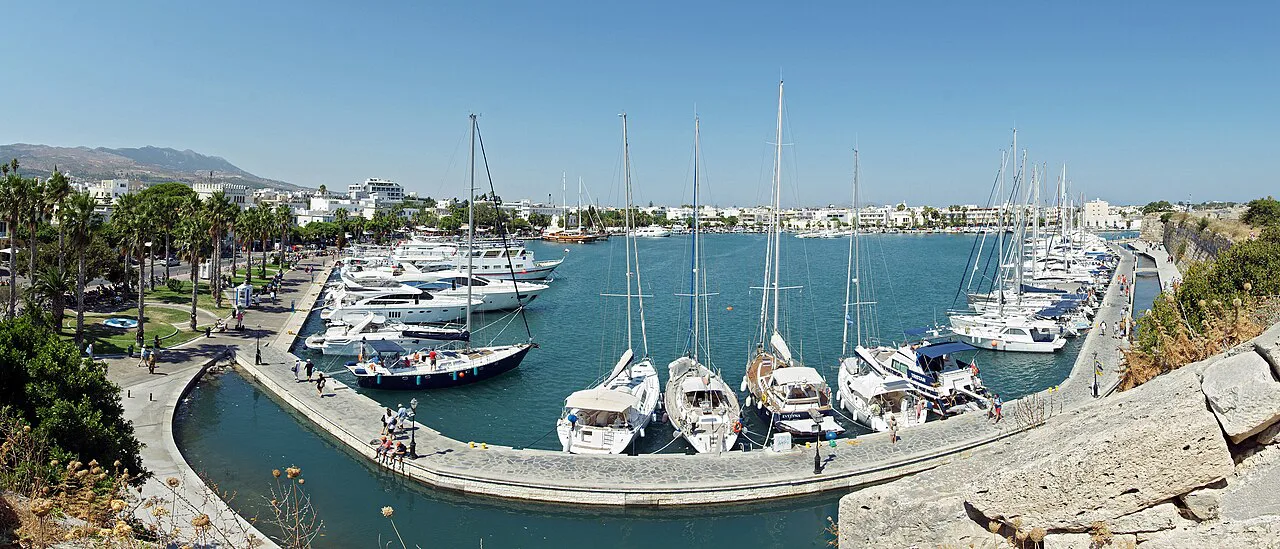
April wins on quiet and price, May on warmth and reliability. In April you can walk into almost any taverna in Kos Town without booking and have the archaeological sites largely to yourself, but you will need a jacket after sunset and the sea will be too cold for most people. May gives you outdoor evenings as standard and a sea that is at least tolerable by the end of the month, at the cost of noticeably more visitors.
If your priority is walking the Dikeos foothills, cycling the flat lanes around Tigaki and Marmari, or exploring the antiquities without heat, April is the smarter choice. If you want a holiday where the weather does not dictate the plan, May is better value in experience even if it costs more on the ground.
May or June?
May is the better month for activity and June for lazing. In May you can hike, cycle and sightsee through the middle of the day without discomfort; in June you will want to be off the hills by late morning and near water or shade in the afternoon. May evenings are warm but not sultry, while June evenings are the kind that keep you at the table for a second carafe.
Families with young children often prefer early June, when the sea is finally warm enough for long sessions in the water and the days are long. Couples and walkers usually prefer May. Either way, the last week of May and the first of June are close enough in weather that price and crowd, not temperature, should decide it.
Who Each Month Suits
Late April suits sightseers, walkers, cyclists and anyone who dislikes heat: expect comfortable days, cool evenings and empty sites. May suits the broad middle of the market, including couples and older travellers who want warmth without intensity and reliable outdoor dining. Early June suits families and beach-focused holidays, while late June suits heat-seekers and anyone tied to school holidays.
Travellers who need guaranteed heat should look later in the summer or further south. Our month-by-month guide to Greece in April explains how the mainland and the islands differ in early spring, which helps if you are deciding between Kos and a city break.
What Is Open
Kos runs a long season but not a year-round one, and spring is a gradual opening rather than a switch. Archaeological sites and museums in and around Kos Town operate reduced hours outside the summer season, and small family-run tavernas in villages such as Zia and Kefalos open according to demand. Check the site or operator directly before you build a day around it.
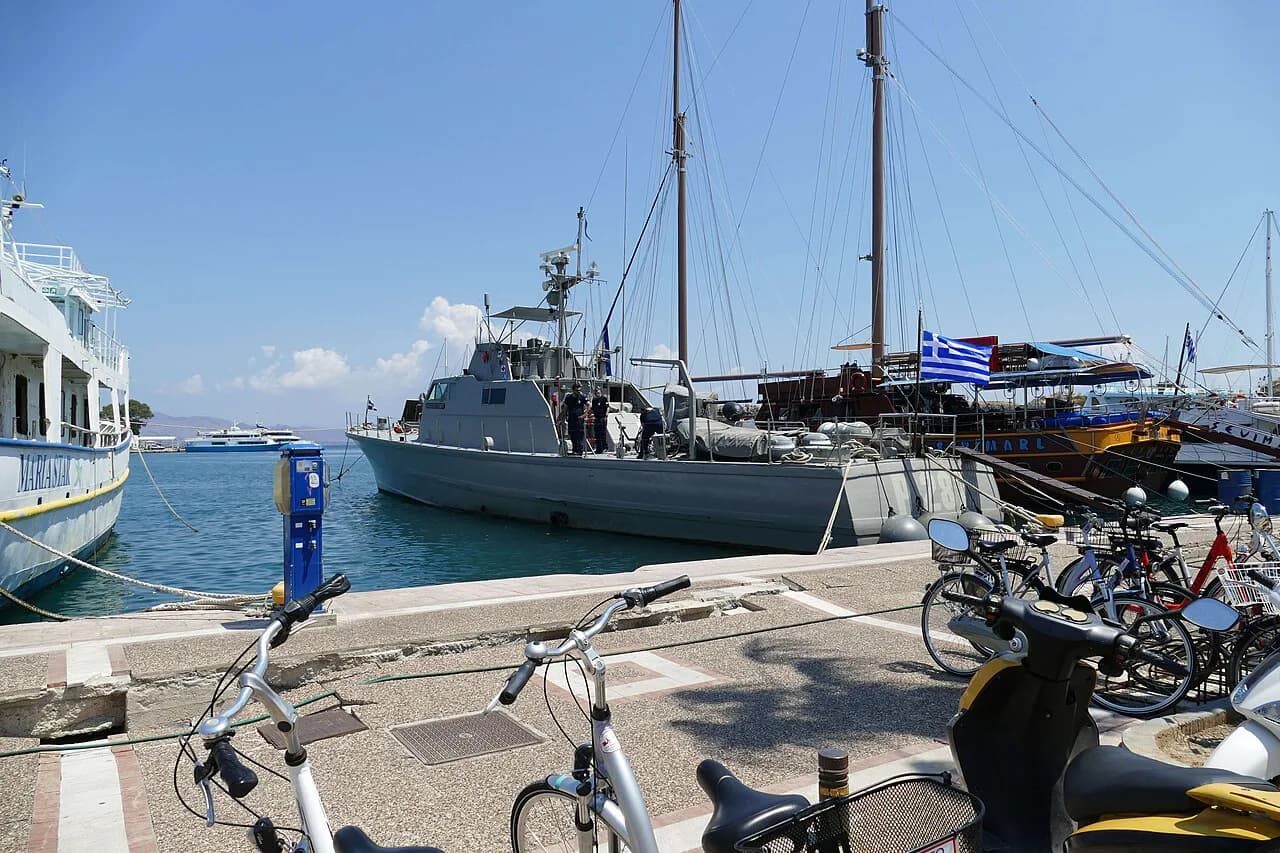
Boat trips and ferries ramp up through May: services to the nearby islets and across to Bodrum become more frequent as the season starts, and excursion operators begin running daily rather than weather-dependent sailings. Our things to do in Kos in April covers which excursions tend to run early in the season and which are better saved for later.
On the ground, expect the seafront at Kos Town to be lively by mid-May and the beach clubs along the south coast to open progressively through the month. If a particular restaurant or beach club matters to your trip, its own opening notice is the only reliable confirmation.
Things to Do
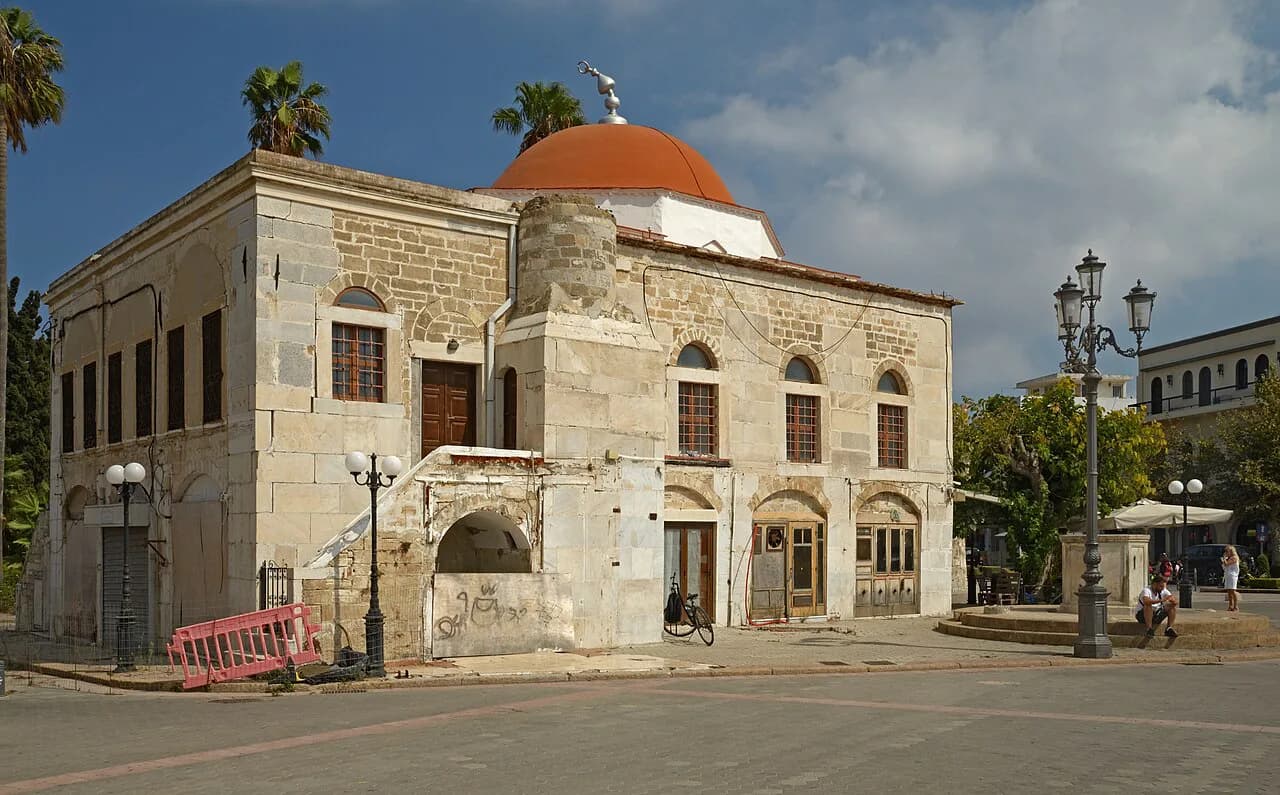
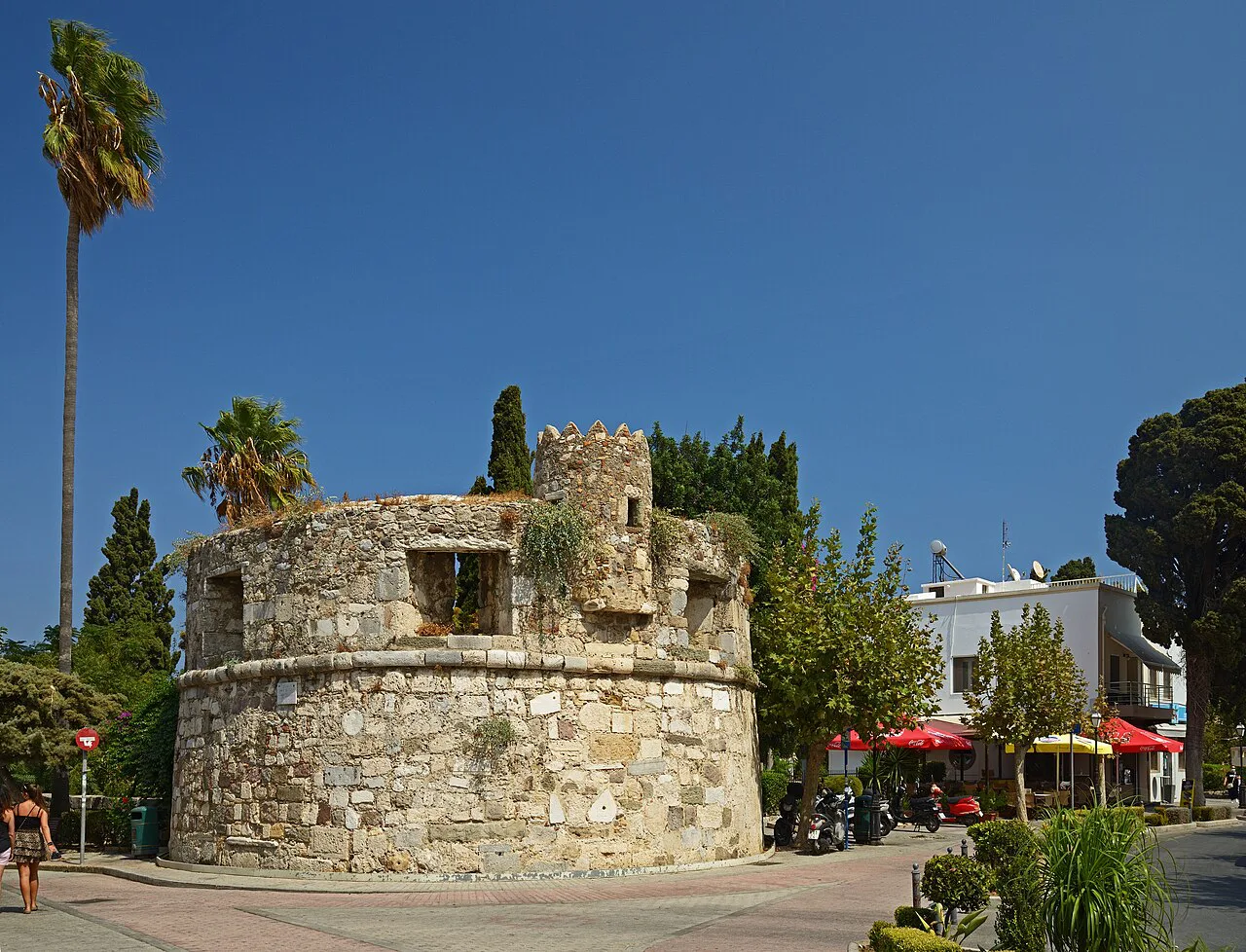
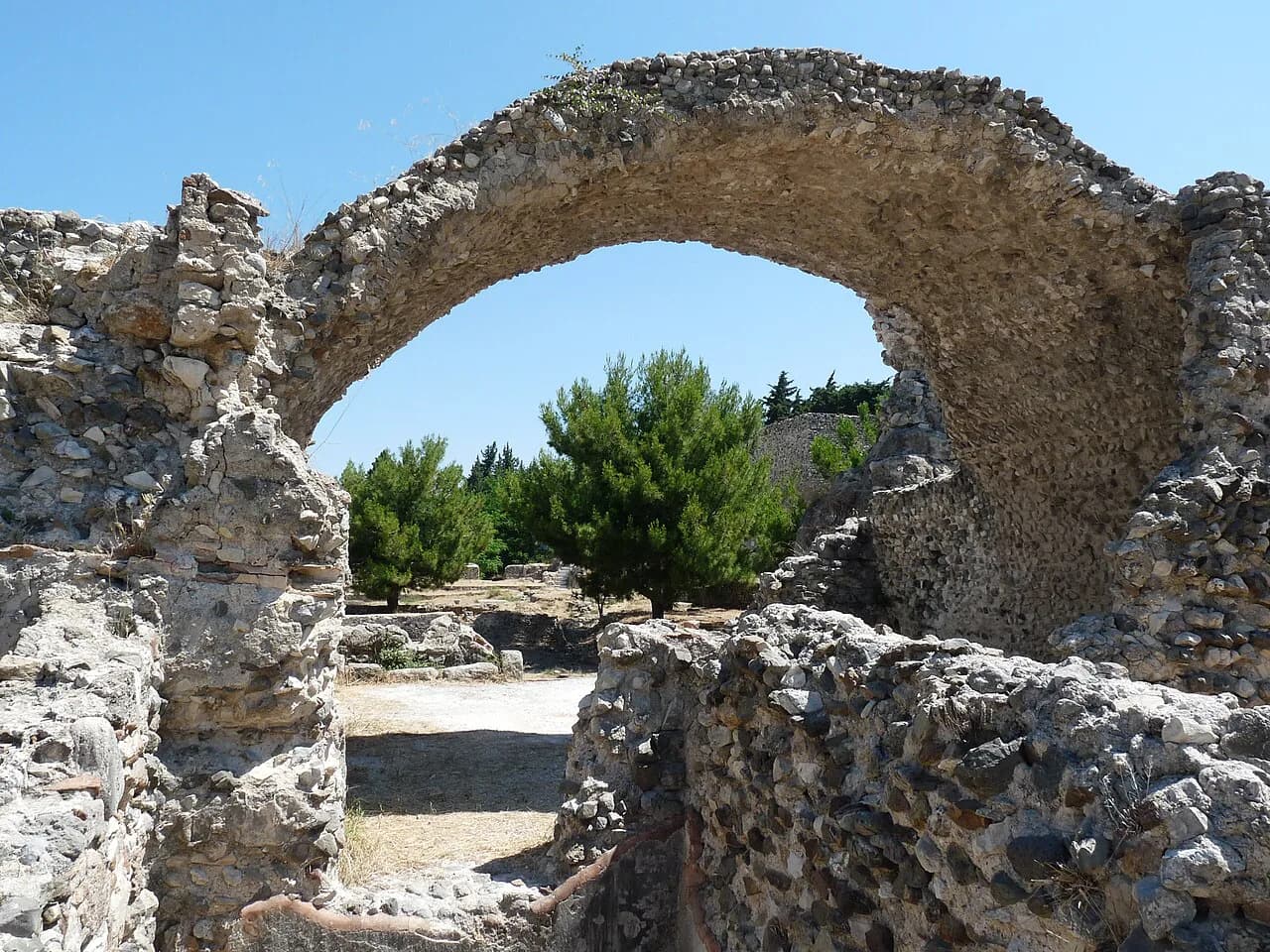
Kos Town is the obvious base for antiquities: the ancient agora, the Roman odeon and the Neratzia castle sit within a short walk of each other, and in April and May you can see them all in a morning without heat exhaustion. The Asklipieio, a few kilometres inland on a wooded slope, is at its best in spring, when the cypresses and planes are green and the site is quiet.
For walking, the Dikeos foothills above Zia offer shaded paths and views across to the Turkish coast, and the village itself has spring-fed tavernas that open earlier than the beach resorts. On the south coast, Kamari and the thermal springs at Therma make a good half-day in May, when the sea is cold but the walk between them is pleasant.
Kos is a flat, cycle-friendly island, with quiet lanes running from Kos Town out to Tigaki and Marmari. In April and May the prevailing wind is manageable, and the rides are short enough to combine with a long lunch. The Aegean wind that arrives with summer makes the same rides harder work from late June.
Crowds and Prices in Words
Late April is quiet: flights and rooms are cheap, restaurants are unhurried and the archaeological sites are nearly empty. May bank holidays and half term bring a noticeable spike, particularly on the last weekend of May and the first week of June, when UK school holidays coincide with the best weather. June builds steadily towards high season, with the last week feeling busy rather than packed.
Prices follow the crowds: April is the cheapest month of the spring, May is moderate, and June moves towards high-season rates as the month progresses. Compare package and flight prices for your specific dates rather than trusting a generic average, because every operator sets its own rates season by season.
Honest Drawbacks
April evenings are cool and the sea is cold, so a beach holiday in April is a sunbathing holiday with a jacket on standby. May and June bring meltemi wind, which can make the north coast choppy and the south coast more sheltered, and which occasionally cancels small boat trips. Rain in spring tends to arrive as short, heavy spells rather than all-day drizzle.
The bigger drawback is mismatch: Kos in April looks warm on paper at 19.2°C (67°F) but feels like a British early summer day, pleasant in sun and chilly in shade. Travellers expecting to swim in comfort should aim for June or later, when the sea has had time to warm.
Kos or Elsewhere?
Compared with Crete and Rhodes, Kos is slightly cooler in spring and smaller, which makes it easier to cover in a long weekend but less varied for a fortnight. Crete offers bigger mountains and a longer season; Rhodes has more substantial medieval sightseeing in its old town. If you want the warmest spring choice among the three, southern Crete usually edges it.
If you are choosing between Greek islands rather than committing to Kos, our guide to the best time to visit Corfu gives a useful Ionian contrast, where spring arrives wetter and greener than in the Dodecanese.
The Verdict, Restated
For most travellers, May is the single best month for Kos: warm enough for outdoor evenings, cool enough for walking and sightseeing, and quiet enough before the bank holiday and half-term rush. Late April is the sharper choice for walkers and sightseers who value empty sites over warm nights, and early June is the best compromise for families who want a sea they can actually swim in.
Book the last week of May or the first of June if you can choose, and take entry requirements from the official UK government travel advice page for Greece rather than a secondary site. Beyond that, the island rewards a flexible plan: keep a walking day for the cooler half of the week and save the beach for the calmest, sunniest day.
Frequently Asked Questions
Is Kos warm in April?
Mildly, not reliably warm. Kos airport normals for 1991 to 2020 give an average daytime high of 19.2°C and a night-time low of 12.9°C, so April days feel like a good British early summer day: comfortable while you are walking, cool the moment you stop in shade or the evening wind picks up. It is a good sightseeing and walking month, and a poor one for swimming, because the sea stays cold.
Is May a good time to visit Kos?
For most people it is the best month of the spring. The average high rises to 23.8°C and the average low to 16.6°C, which makes outdoor dining the default rather than a gamble. Days are long, the summer wind has not yet settled in, and boat trips and seafront restaurants are running. The last week of May and the first of June are the busiest and most expensive part of the shoulder season, so book ahead.
Is June too hot in Kos?
Early June is comfortable for most travellers, with an average high of 28.5°C and a night-time low of 20.7°C. The heat builds through the month, so by late June midday walking in the Dikeos foothills is hard work and sightseeing shifts to early morning and late afternoon. If you want warmth without the peak, aim for the first fortnight rather than the last week.
When is the best time to visit Kos for sightseeing?
Late April and May. In April the archaeological sites around Kos Town and the Asklipieio are quiet, the hills are green and you can spend a whole morning outdoors without overheating, though evenings need a layer. May adds warmer evenings for lingering in town after a day of walking. High summer is the worst time for long hours on foot.
Which is better, Kos in May or June?
Pick May if your trip revolves around walking, cycling or sightseeing through the day, and June if you mainly want warmth, long evenings and a sea you can swim in for more than a minute. The weather in the last week of May and the first week of June is close enough that price and crowds, not temperature, are the better tie-breaker.
How does Kos compare with Crete and Rhodes for spring?
Kos is slightly cooler in spring and smaller, so it is easier to cover in a long weekend but less varied over a fortnight. Crete has bigger mountains and a longer season, and its south coast is usually the warmest of the three in April. Rhodes has more substantial medieval sightseeing in its old town, which makes it a strong choice for a cooler month.
Sources
Spring sun notes
Optional updates when we add destinations and months.
You might also like
Continue reading
More guides you'll find useful